Strangest Olympic Sports Over The Years
The Olympics are supposed to showcase the best athletes doing the best things humans can do with their bodies. Speed, strength, grace, endurance.
But somewhere along the way, especially in those early decades of the modern Games, organizers got a bit creative with what counted as an Olympic sport. Some events made sense for their time but look absurd now.
Others were bizarre from the start and vanished as quickly as they appeared. Here’s a look at some of the strangest competitions that actually happened at the Olympics.
Live pigeon shooting

At the 1900 Paris Olympics, competitors stood with guns and shot live pigeons released into the air, killing around 300 birds in total. Belgian shooter Leon de Lunden won the gold medal by killing the most pigeons.
Blood and feathers covered the ground as each shooter tried to rack up the highest body count. This was the only time in Olympic history that animals were intentionally killed as part of competition, and thankfully it never happened again.
The event got replaced by clay pigeon shooting, which is still around today and significantly less gruesome.
Plunge for distance
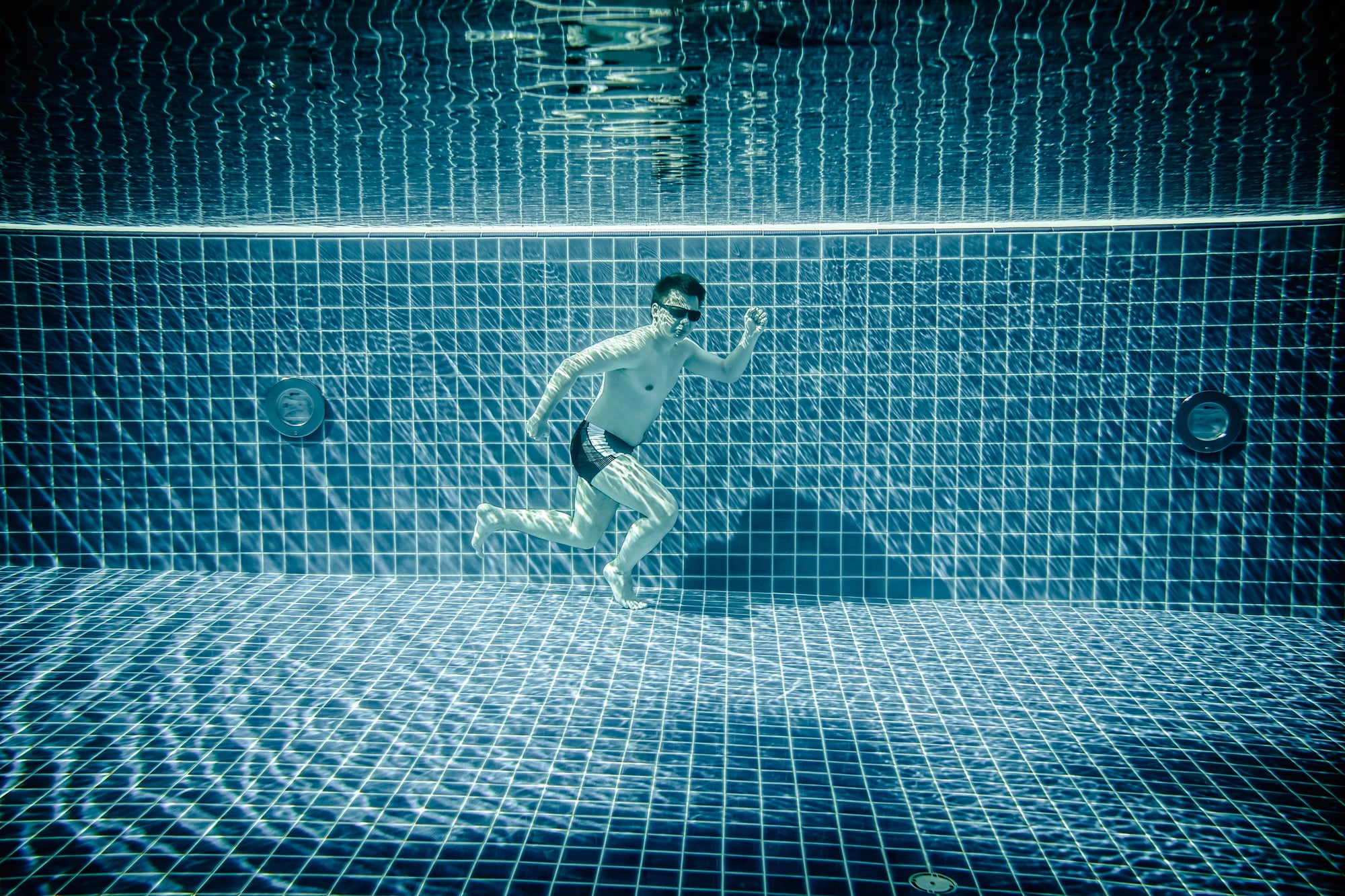
This 1904 event required athletes to dive into a pool and glide underwater without moving their limbs for 60 seconds or until they surfaced. American swimmer William Paul Dickey won with a plunge of 62 feet and six inches.
Critics at the time called it a competition for ‘mountains of fat’ who depended on their body weight to float farther. The whole thing looked less like athletic prowess and more like people pretending to be logs in a river.
One Olympics was enough for everyone to realize this wasn’t really a sport worth watching.
Tug of war

This playground favorite appeared at five Olympic Games from 1900 to 1920 before organizers retired it. At the 1908 London Olympics, American competitors accused Liverpool police officers of cheating because they wore such heavy boots during the match.
Eight-man teams would pull against each other until one side dragged the other six feet or held the advantage after five minutes. Great Britain dominated the medals in this event.
People have been trying to bring it back ever since, and there’s even an international federation lobbying for its return, but so far the Olympics has resisted the nostalgia.
Art competitions
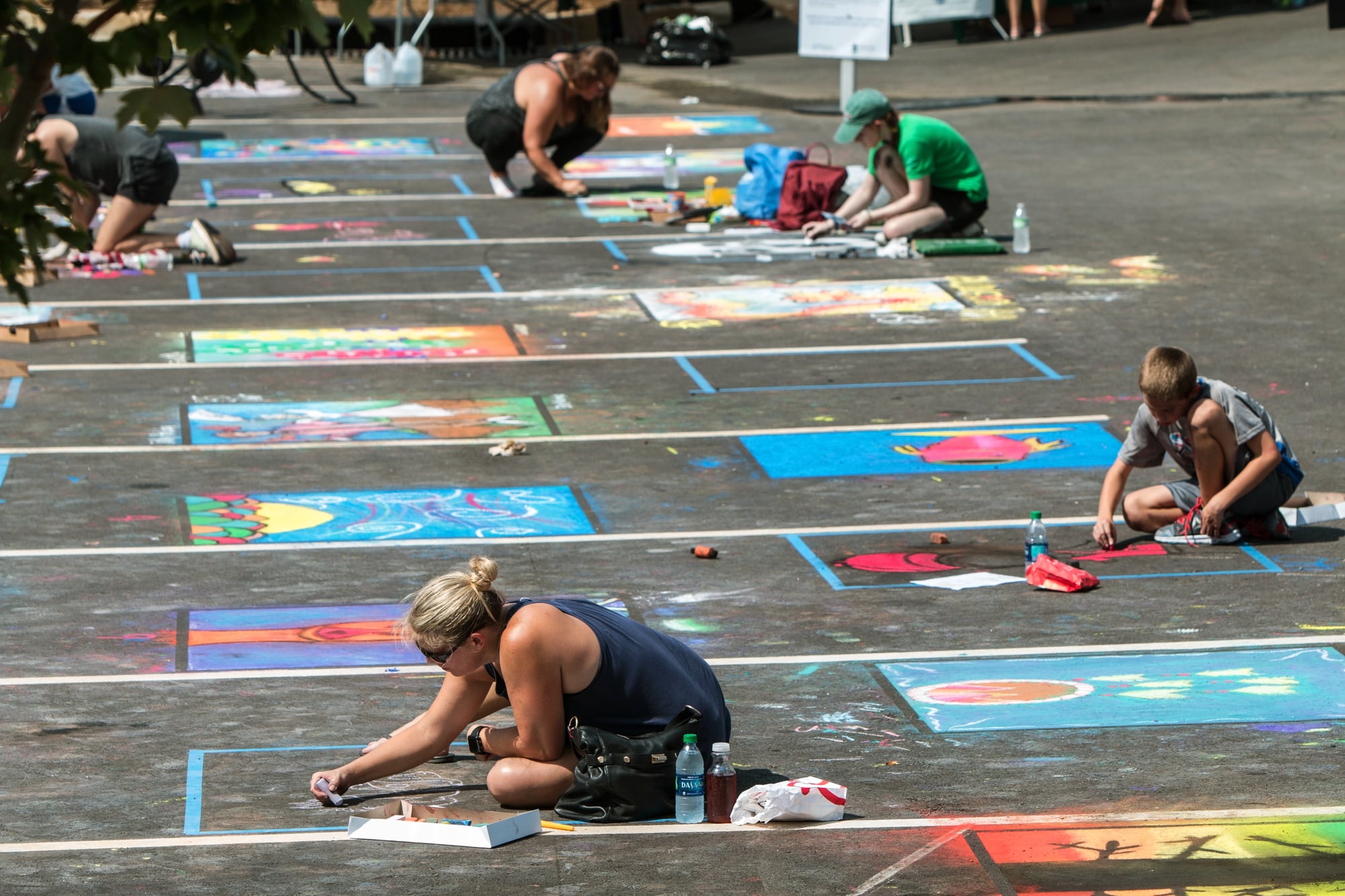
From 1912 through 1948, the Olympics held competitions in painting, sculpture, music, architecture, and literature. Some athletes even competed in both sports and arts, with American Walter Winans winning gold in shooting in 1908 and gold in sculpture in 1912.
The idea was that the Olympics should celebrate all human achievement, not just physical feats. But the competitions ended because too many professional artists were entering, and the Olympics insisted on amateur status.
Nowadays, nobody thinks about what the Olympics would look like if poets and painters were up on that medal podium next to swimmers and gymnasts.
Rope climbing

Competitors had to climb a rope using only their hands and arms, racing to reach the top as fast as possible. The event appeared in 1896, 1904, 1906, 1924, and 1932 before disappearing for good.
Early versions used a 14-meter rope and scored athletes on both speed and climbing style. Later versions shortened the rope and focused only on how fast someone could shimmy up it.
Anyone who struggled with this in gym class can appreciate why it didn’t stick around as an Olympic event. Upper body strength is impressive, but watching people climb ropes turns out to be less exciting than other gymnastic events.
Club swinging

Athletes held weighted clubs shaped like bowling pins in each hand and swung them around their body and head in complicated patterns. The event appeared in 1904 and 1932, with American competitors dominating both times.
The clubs weighed about a pound and a half each, and judges scored routines based on difficulty and execution. It looked a bit like juggling but without ever letting go of the clubs.
Modern rhythmic gymnastics with ribbons and hoops is essentially the descendant of club swinging, just with more flair and better music. The 1932 gold medalist hitchhiked home after winning because he couldn’t afford transportation during the Great Depression.
Standing high jump
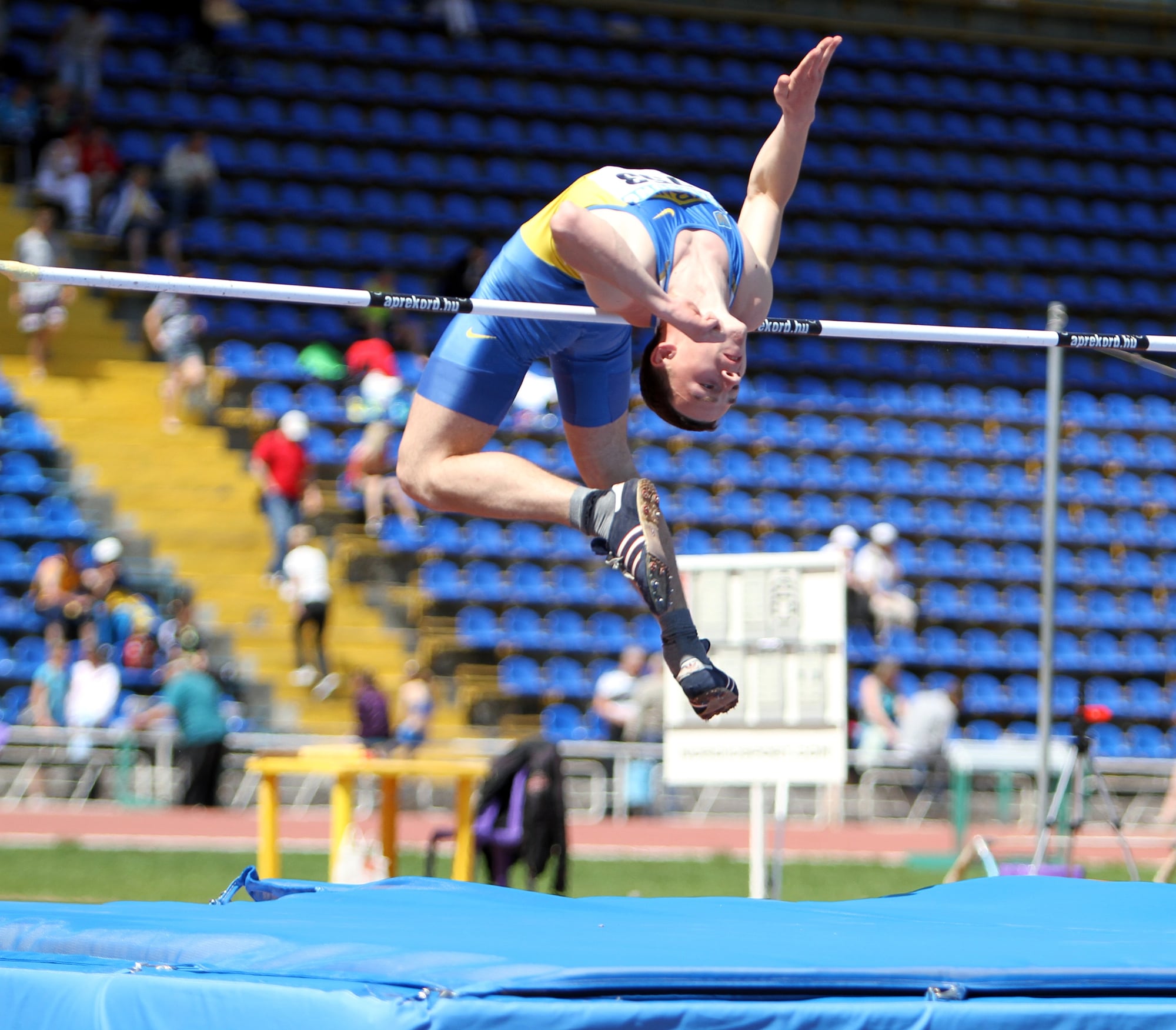
From 1900 to 1912, athletes had to jump over a bar from a complete standstill, with both feet together and no running start. Ray Ewry dominated this event, winning gold in 1900, 1904, 1906, and 1908, which was even more impressive because he spent his childhood partially paralyzed with polio.
The standing version showcased pure explosive leg power without the momentum of a run-up. But eventually everyone agreed that the running high jump was more exciting to watch and better demonstrated athletic ability.
Standing jumps required incredible strength, but they just didn’t have the same visual drama as watching someone sprint toward the bar.
Motorboating
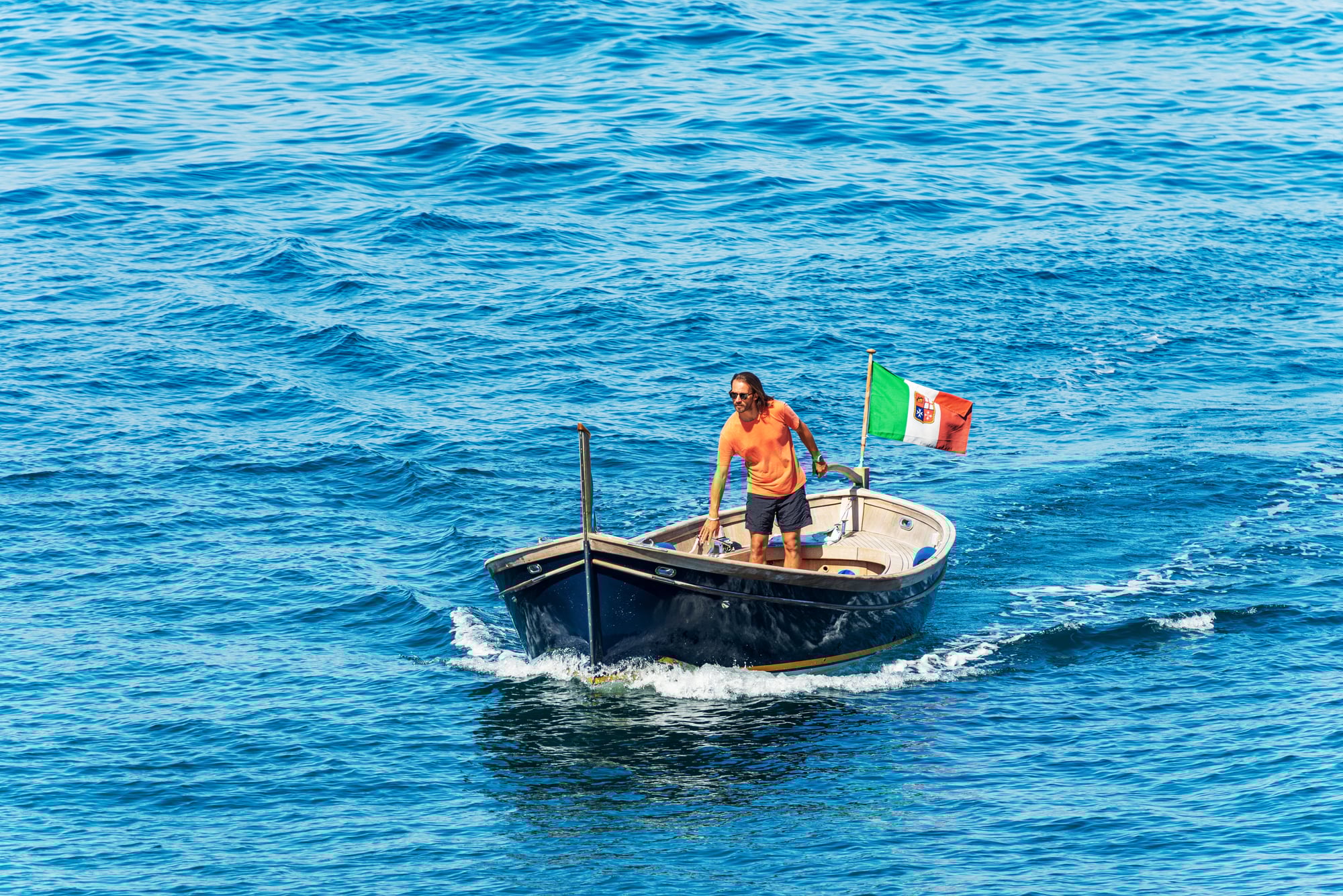
The 1908 London Olympics featured races where competitors piloted motorboats around a course. The event was plagued by poor weather and mechanical failures, and critics pointed out it was really a sport for wealthy people given the cost of owning and maintaining a motorboat.
The whole thing felt more like a demonstration of engineering than athleticism. Unlike rowing or swimming, the human body wasn’t really doing much work beyond steering.
After one disastrous showing where boats kept breaking down, organizers decided this wasn’t the right fit for the Olympics and never brought it back.
200-meter obstacle race

This swimming event at the 1900 Paris Olympics forced competitors to climb over a pole, scramble over a row of boats, and swim under another row of boats. Australian swimmer Frederick Lane won the gold medal by navigating the chaotic course successfully.
The whole race took place in the River Seine, which definitely wasn’t as clean as modern Olympic pools. It combined swimming ability with the kind of scrambling skills needed for a military obstacle course.
Only appearing once, the event was probably too complicated and too dependent on the specific setup to become a regular competition.
Pistol dueling

At the 1908 Olympics, competitors actually shot at each other with wax bullets while wearing heavy protective clothing and face masks. The event was only a demonstration sport at 20-meter and 30-meter distances.
Even with the safety precautions, the whole thing looked unnecessarily dangerous and felt like something that belonged in the 19th century, not the modern Olympics. Shooting at targets makes sense as a sport.
Shooting at other humans, even with fake ammunition, crosses a line that most people weren’t comfortable with. One appearance was plenty.
Hot air ballooning

At the 1900 Paris Olympics, balloon pilots competed in events judging distance traveled, altitude reached, and quality of photographs taken from the air. A total of 61 men and three women participated in 18 different ballooning events.
The competitions happened during the Paris World’s Fair, which explains why organizers thought this made sense alongside track and field. Ballooning requires skill, but it depends heavily on wind conditions and equipment quality rather than human athletic ability.
After one Olympics, everyone seemed to agree this belonged at air shows, not the Olympic Games.
Skijoring

This Norwegian sport had horses dragging skiers across a frozen lake during a demonstration at the 1928 Winter Olympics in St. Moritz, Switzerland. Swiss competitors dominated the event, and Olympic founder Pierre de Coubertin thought it was particularly impressive.
Modern versions sometimes use dogs or snowmobiles instead of horses. The sport still exists in some mountain communities and has devoted fans, but it never made it back to the Olympics.
Combining skiing with animal power creates too many variables, and the potential for accidents probably didn’t help its case for inclusion.
Running deer shooting

Cardboard cutouts of deer moved across a 75-foot distance in four seconds, and shooters had one or two chances to hit them. Swedish shooter Oscar Swahn excelled at this event, collecting three golds, a silver, and two bronzes, and he won his final medal at age 72 at the 1920 Olympics.
The event tested quick reflexes and accuracy under pressure. But shooting at moving cardboard animals eventually seemed too specific and artificial compared to other shooting sports.
Static targets or clay pigeons proved more practical for standardized competition.
Fire fighting
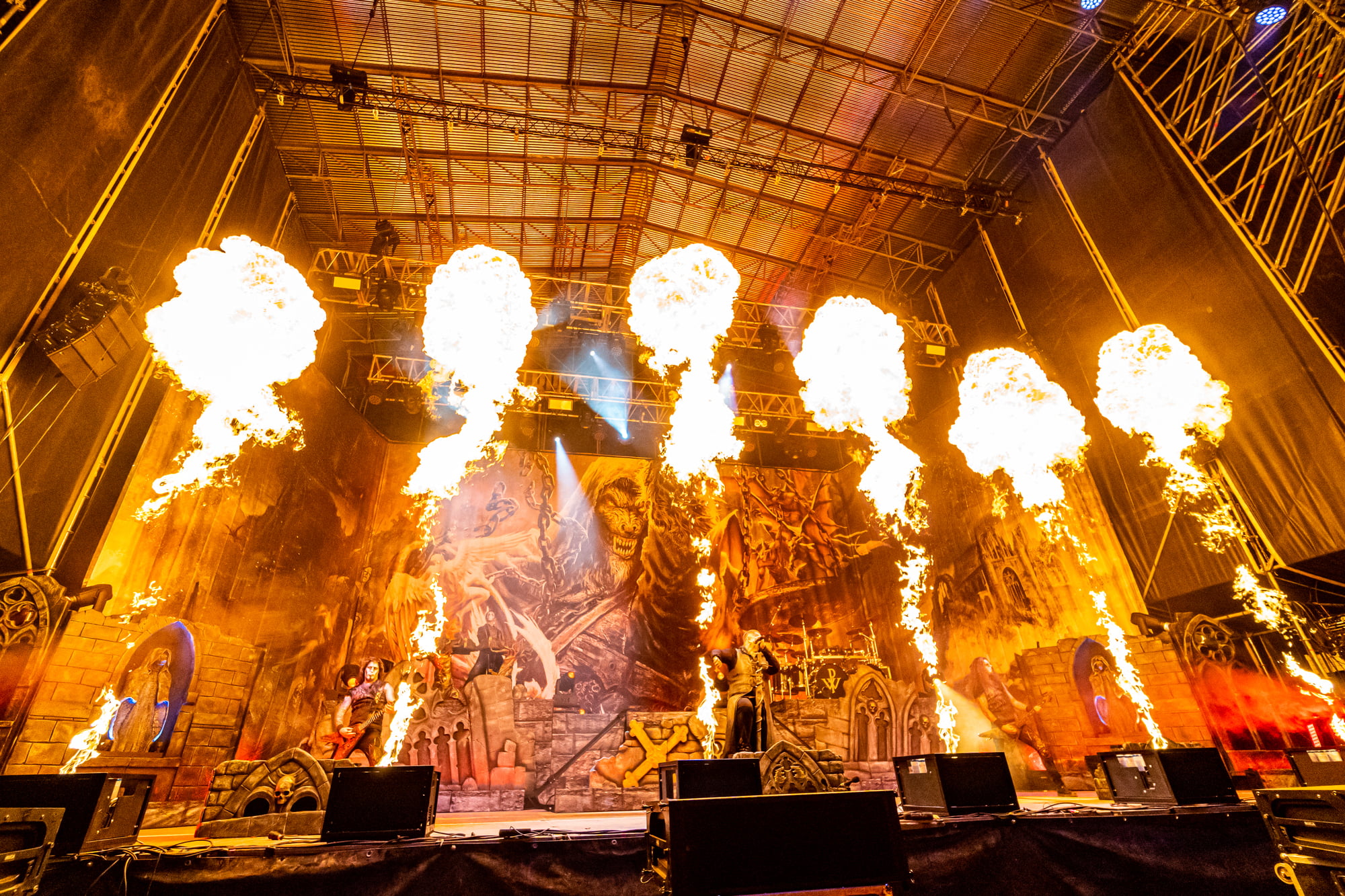
At the 1900 Paris Olympics, a demonstration event staged a fire and competitors had to put it out. Portuguese volunteer firefighters won gold in the amateur competition while Kansas City firefighters won the professional contest.
This was less about individual athletic ability and more about teamwork and professional training. Fire fighting is obviously important and difficult work, but it’s not really a sport in the traditional sense.
After appearing once, it became clear this belonged in professional competitions for firefighters, not the Olympics.
Croquet

This lawn game made its only Olympic appearance at the 1900 Paris Games, with French competitors winning all the medals. Reports indicate that only one spectator attended the matches.
The game requires precision and strategy, but it moves at a glacial pace compared to other Olympic sports. With virtually no international interest and almost no audience, croquet disappeared after one Olympics and never came close to returning.
Some sports just don’t translate well to international competition, and this was definitely one of them.
Solo synchronized swimming
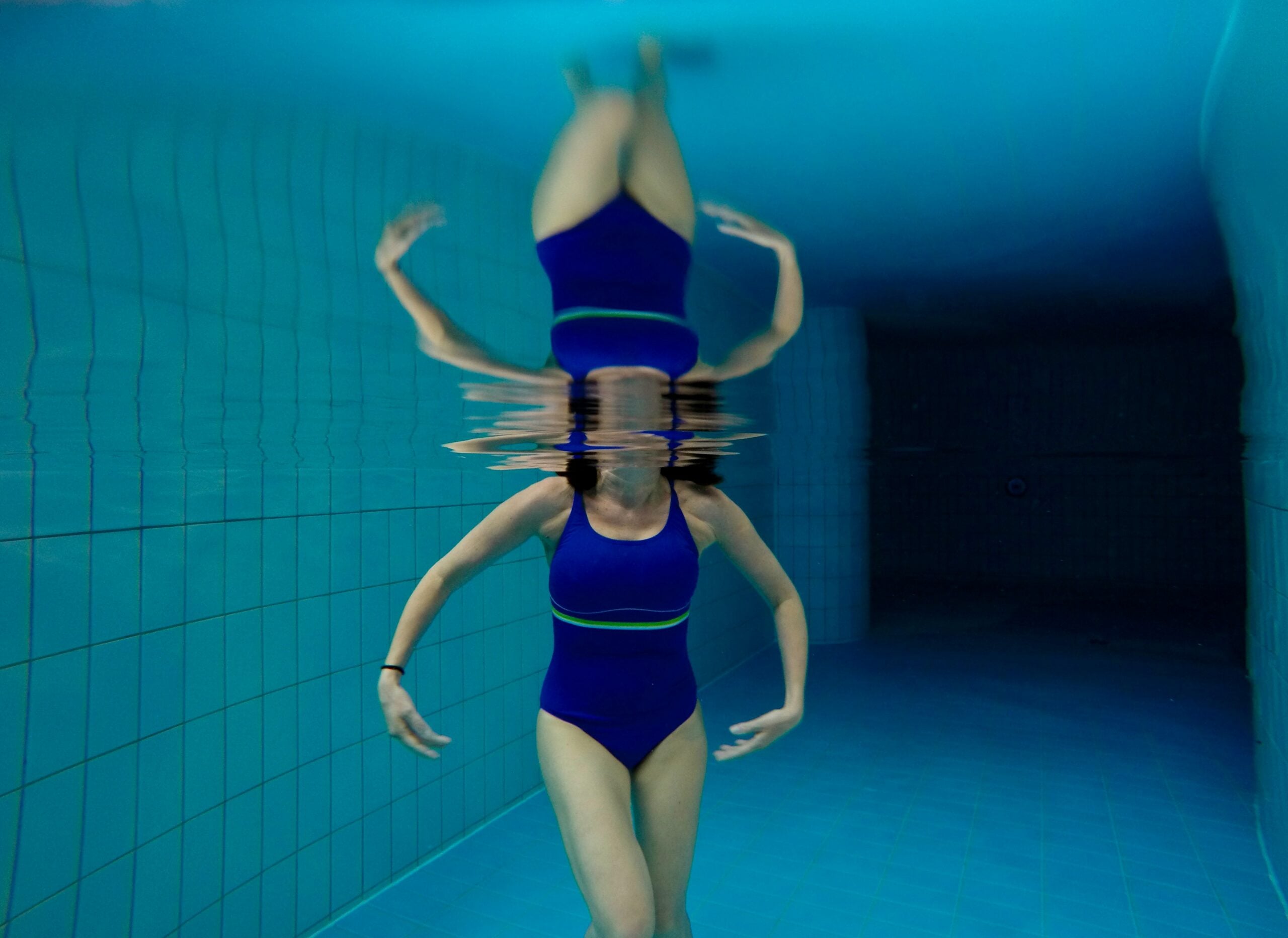
This contradiction appeared at the 1984, 1988, and 1992 Olympics before someone finally pointed out the absurdity. Synchronized swimming is supposed to be about multiple people moving in perfect coordination with each other.
A solo version defeats the entire purpose of the word ‘synchronized.’ The routines were technically impressive and required incredible skill, but calling it synchronized swimming made no sense.
Eventually the event got dropped, though solo artistic swimming exists in other competitions under a name that doesn’t contradict itself.
Why they matter

These strange sports show how the Olympics have constantly experimented with what counts as athletic competition. Some events reflected the tastes of their era, while others were obvious mistakes that got quietly retired.
The Olympics we watch today are the result of over a century of trial and error, with plenty of bizarre detours along the way. Every discontinued sport reminds us that what seems normal now might look ridiculous in another hundred years, and whatever new sports get added will probably confuse future generations just as much as live pigeon shooting confuses us today.
More from Go2Tutors!

- The Romanov Crown Jewels and Their Tragic Fate
- 17 Halloween Costumes Once Considered Taboo
- Famous Hoaxes That Fooled the World for Years
- 15 Child Stars with Tragic Adult Lives
- 16 Famous Jewelry Pieces in History
Like Go2Tutors’s content? Follow us on MSN.