Nicknames of Countries Around the World
Although each nation has an official name, the most intriguing have enduring nicknames. These aren’t merely labels; they convey information about a place’s history, geography, culture, and perception by others.
While some nicknames originate from recognizable characteristics like shape or landscape, others are the result of folklore, cultural customs, or even mistakes that have been made forever. The intriguing thing about these nicknames is that they frequently encapsulate a key aspect of a nation in a few words, forging an identity that locals embrace and tourists remember for a long time after they depart.
Here is a list of 14 national nicknames from around the world, along with the origins of each one.
Japan: Land of the Rising Sun
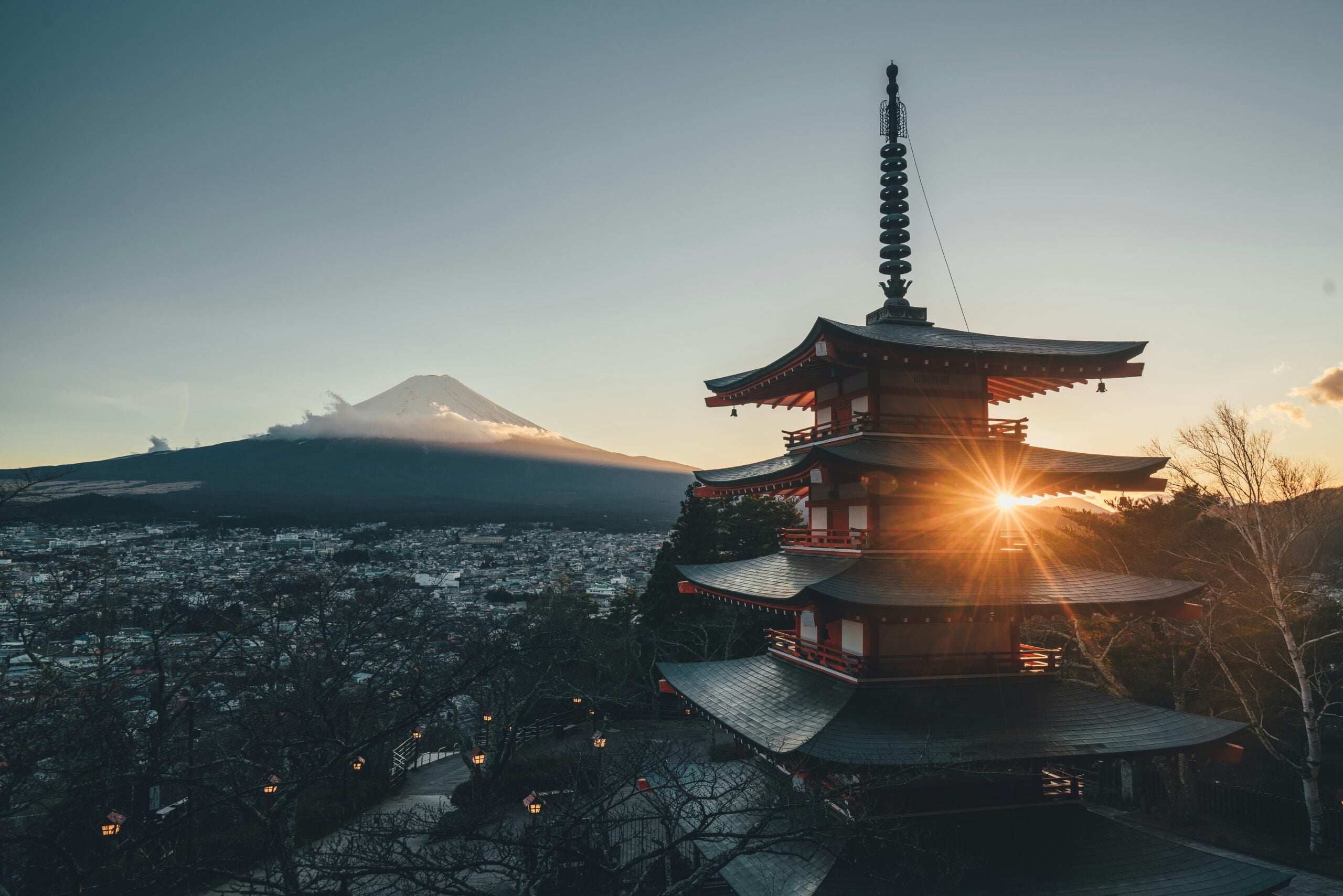
Japan’s location east of China, where the sun seems to rise first every morning, gave rise to this lyrical moniker. Since the Chinese watched the sun rise over Japan’s direction, the name actually originates from their perspective.
“Nippon” or “Nihon,” which means “sun origin” or “where the sun comes from,” are terms used by the Japanese themselves. From the nation’s flag, which has a red circle for the sun, to official documents and cultural allusions around the world, this moniker has persisted for centuries.
New Zealand: Land of the Long White Cloud
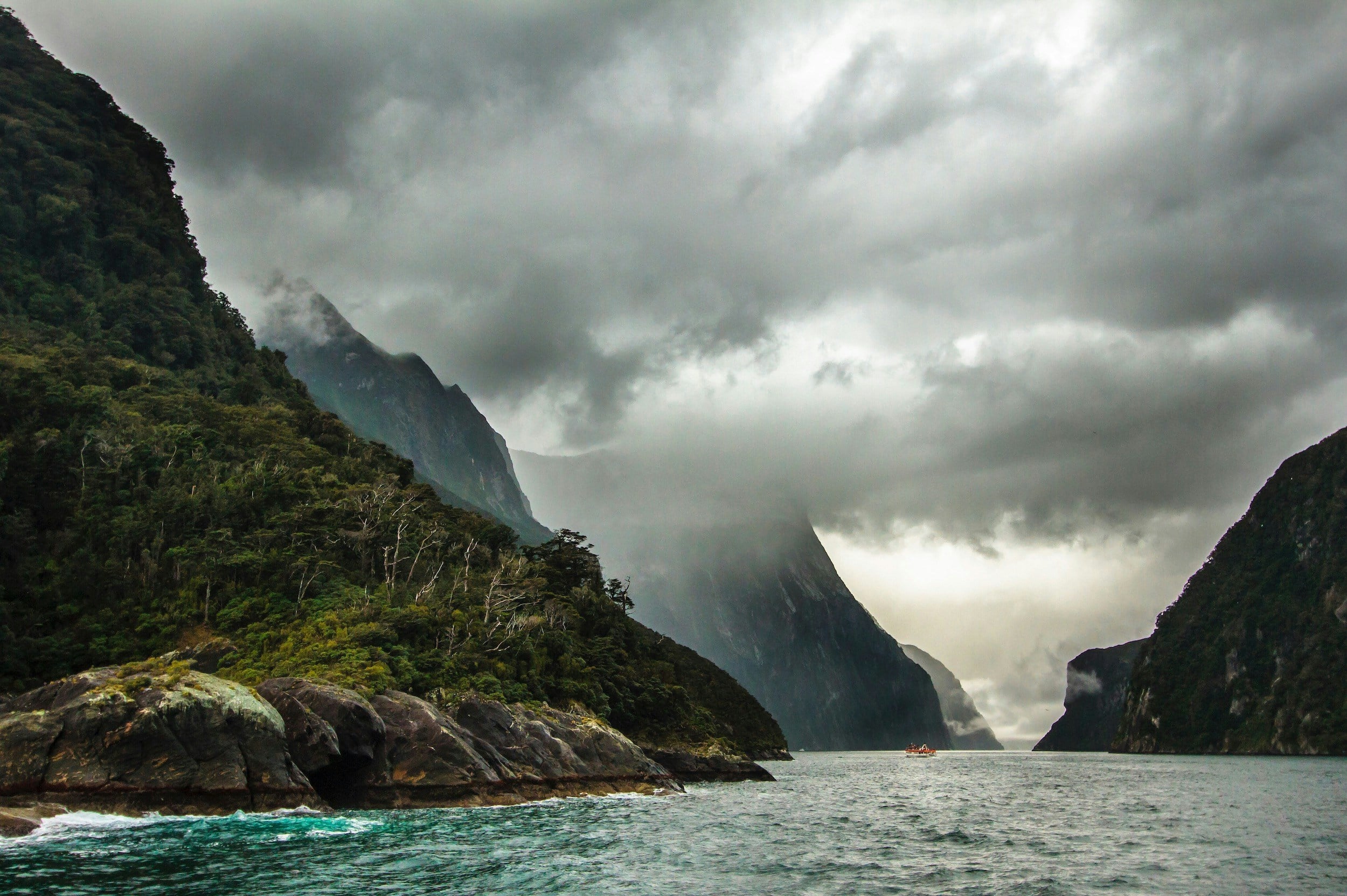
The Māori name for New Zealand is Aotearoa, which translates to ‘Land of the Long White Cloud.’ According to Māori oral tradition, early Polynesian navigators spotted distinctive cloud formations stretching across the horizon, which helped them locate these islands during their voyages across the Pacific.
These long, white clouds were like nature’s signposts pointing the way to land. The nickname reflects both the country’s dramatic weather patterns and the incredible navigation skills of the Polynesian people who first settled there over a thousand years ago.
Australia: Land Down Under
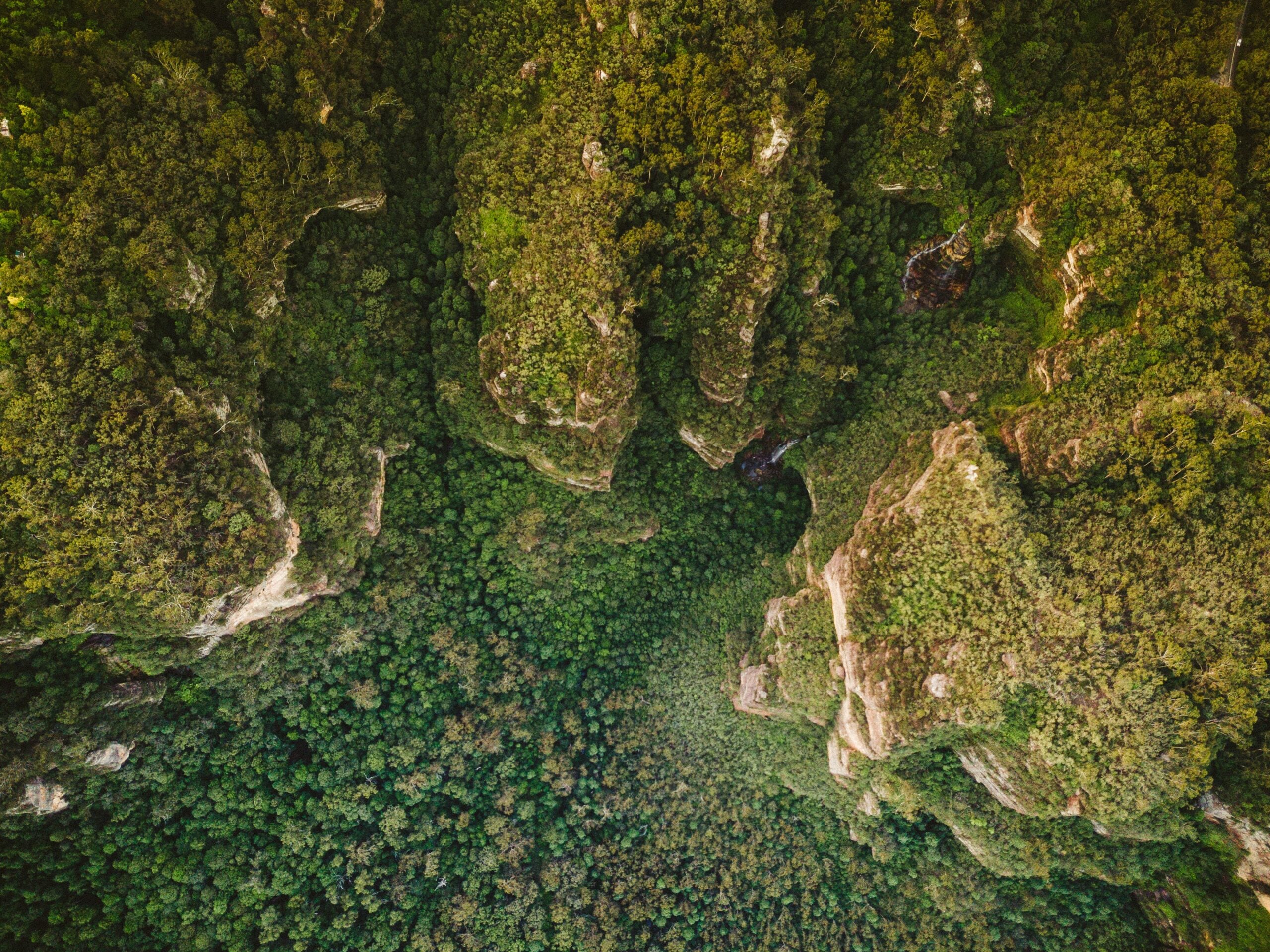
Australia sits entirely in the Southern Hemisphere, which puts it ‘below’ most other countries on standard maps where north is positioned at the top. British colonists in the 19th century popularized the term ‘Down Under’ to describe this distant southern continent.
The phrase gained worldwide recognition in the 1980s thanks to the Men at Work song ‘Down Under,’ which became an unofficial anthem. While the rest of the world uses this nickname constantly, Australians themselves rarely say it—to them, they’re not ‘down’ anywhere, they’re just home.
Italy: The Boot
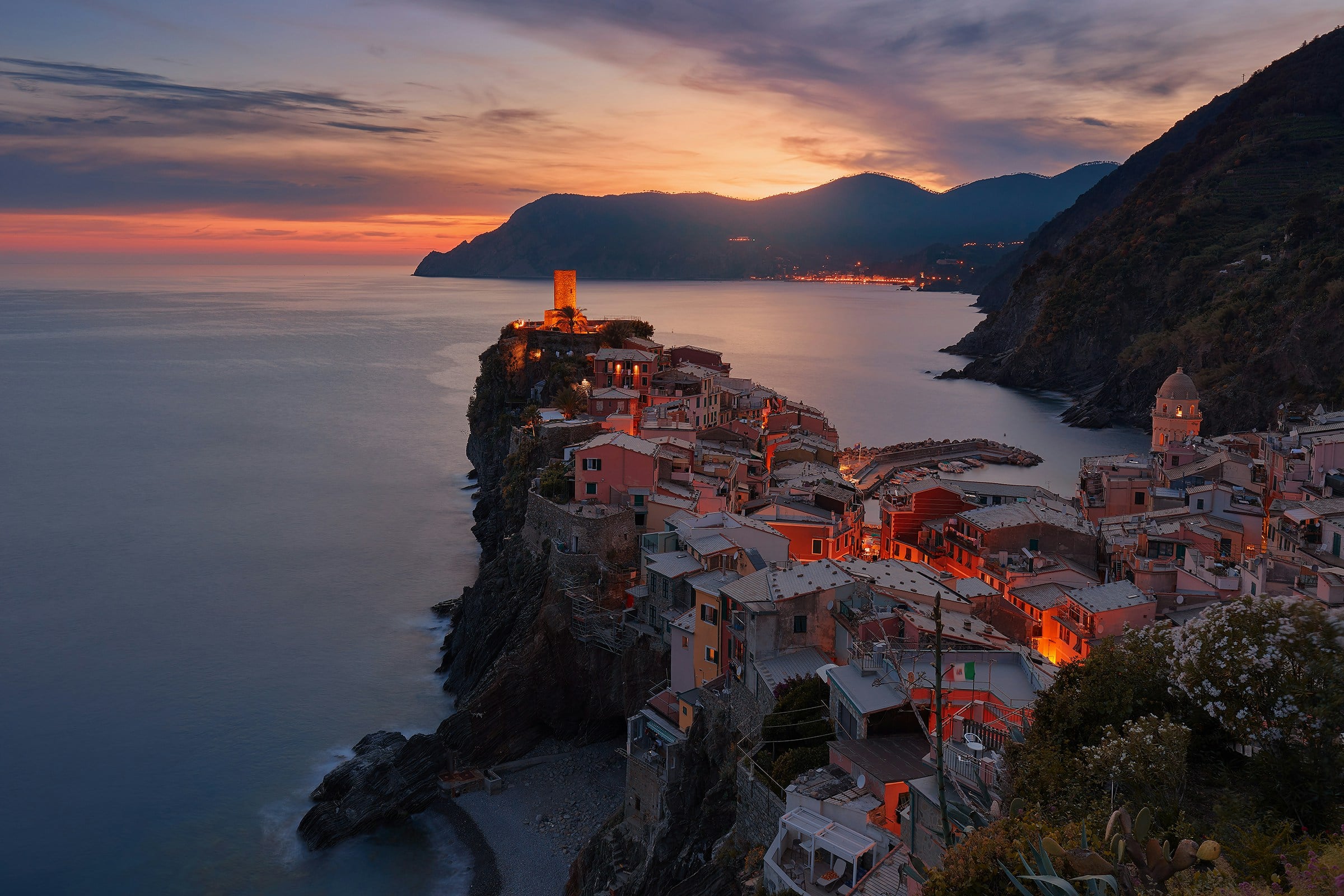
One look at a map makes Italy’s nickname completely obvious. The country’s distinctive shape resembles a high-heeled boot kicking an orb, which happens to be the island of Sicily.
This is probably the most straightforward geographic nickname in existence—no hidden meaning, no ancient legend, just a country that genuinely looks like footwear. The boot shape isn’t just a fun coincidence; it actually affects Italy’s climate and culture, with different regions along the ‘boot’ having vastly different weather, cuisine, and traditions from toe to heel.
France: L’Hexagone
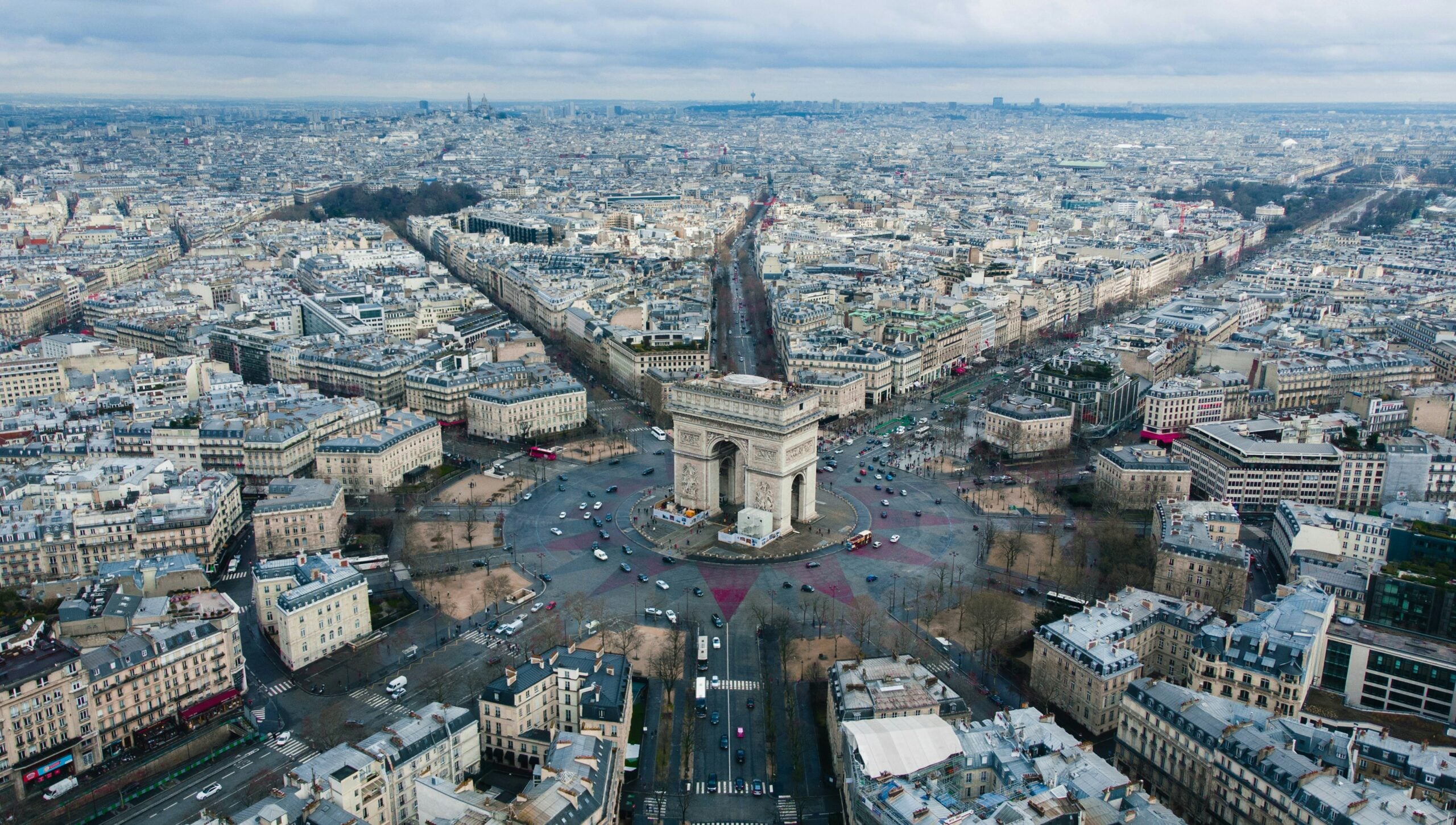
The French refer to their country as ‘L’Hexagone’ because metropolitan France has roughly six sides when you trace its borders on a map. This geometric nickname is used casually in everyday conversation and news reports throughout France.
The six sides are formed by coastlines along the Mediterranean Sea, the Atlantic Ocean, and the English Channel, plus land borders with Spain, Germany, Belgium, Luxembourg, Switzerland, and Italy. When French people talk about ‘the Hexagon,’ they specifically mean mainland France, excluding overseas territories scattered across the globe.
Ireland: The Emerald Isle
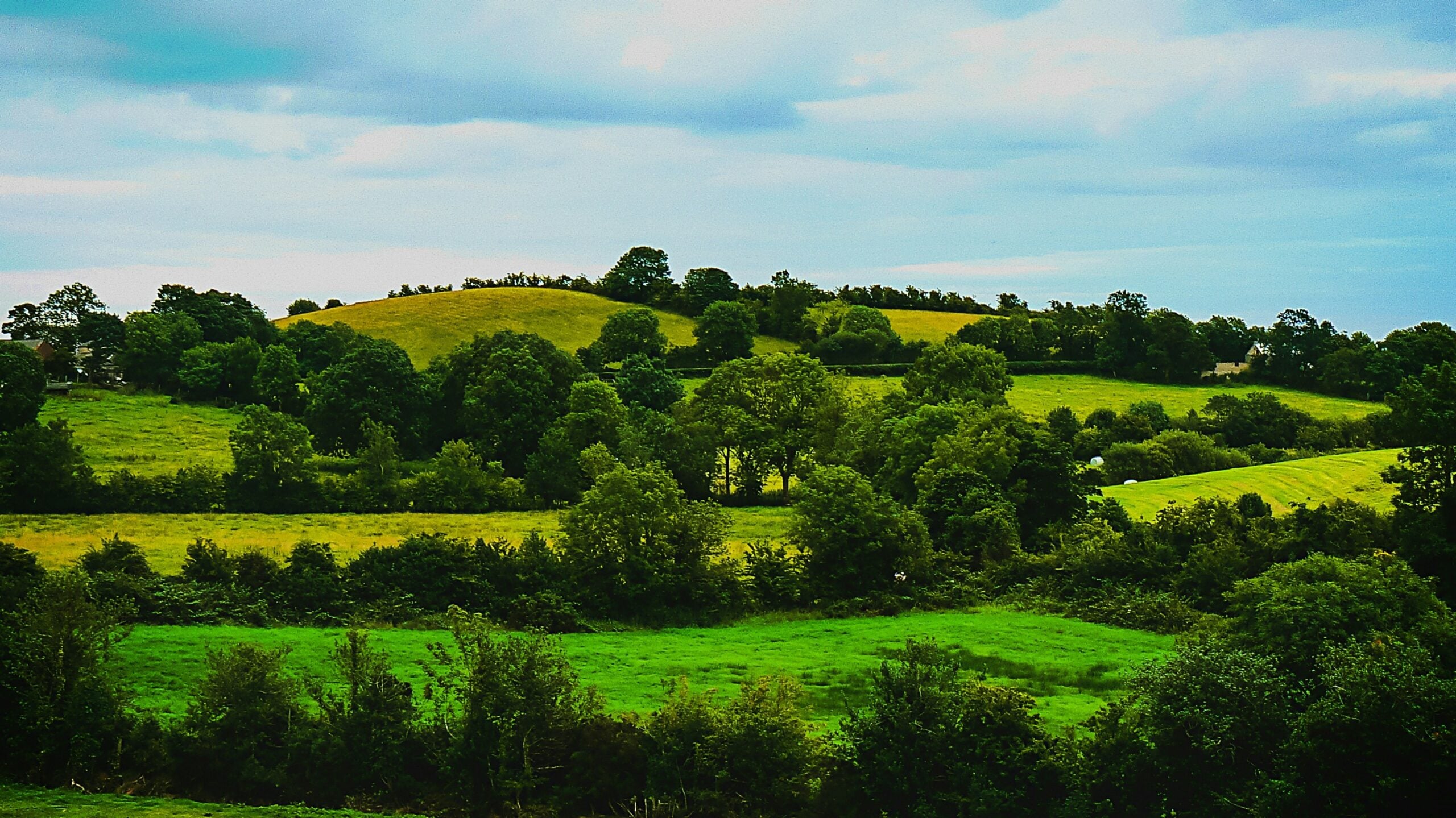
Ireland’s lush, vibrant green landscape earned it this gem-themed nickname. Thanks to mild temperatures and frequent rainfall throughout the year, grass stays brilliantly green even in winter, blanketing the countryside in shades of emerald.
The nickname gained traction in the 1700s and became widely known through the 1808 poem ‘Erin’ by William Drennan, which described Ireland as the ‘Emerald Isle.’ Visitors flying into Ireland often comment on how the nickname fits perfectly—from above, the island genuinely looks like a green jewel set in the blue Atlantic Ocean.
Iceland: Land of Fire and Ice
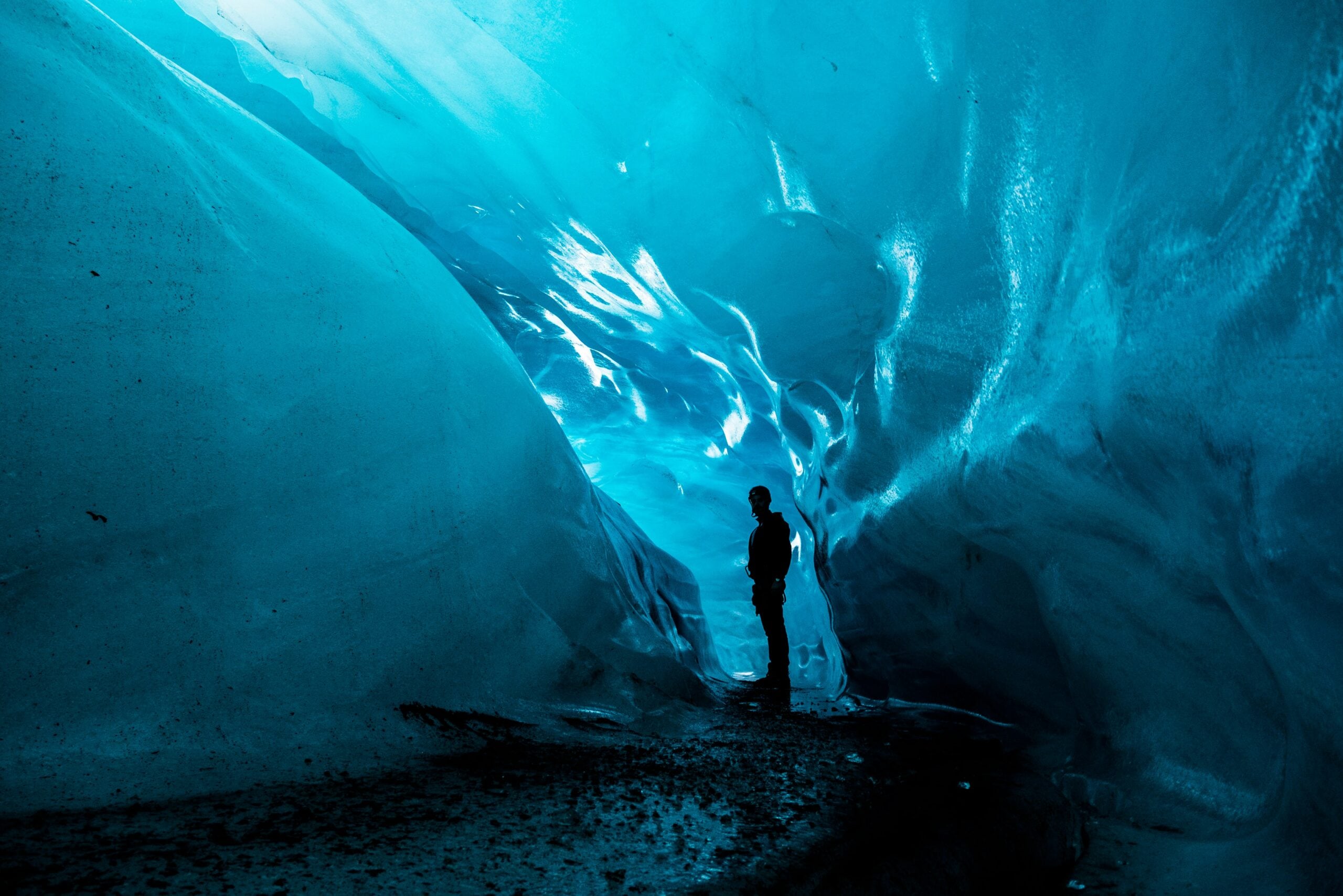
Iceland’s nickname perfectly captures its extreme contrasts. This island nation features massive glaciers sitting right alongside active volcanoes, creating one of the planet’s most dramatic landscapes.
You can literally see ice fields and volcanic lava flows within minutes of each other. Iceland has about 30 active volcanic systems and produces roughly a third of Earth’s total lava output, while glaciers cover approximately 11% of the country.
Thailand: Land of Smiles
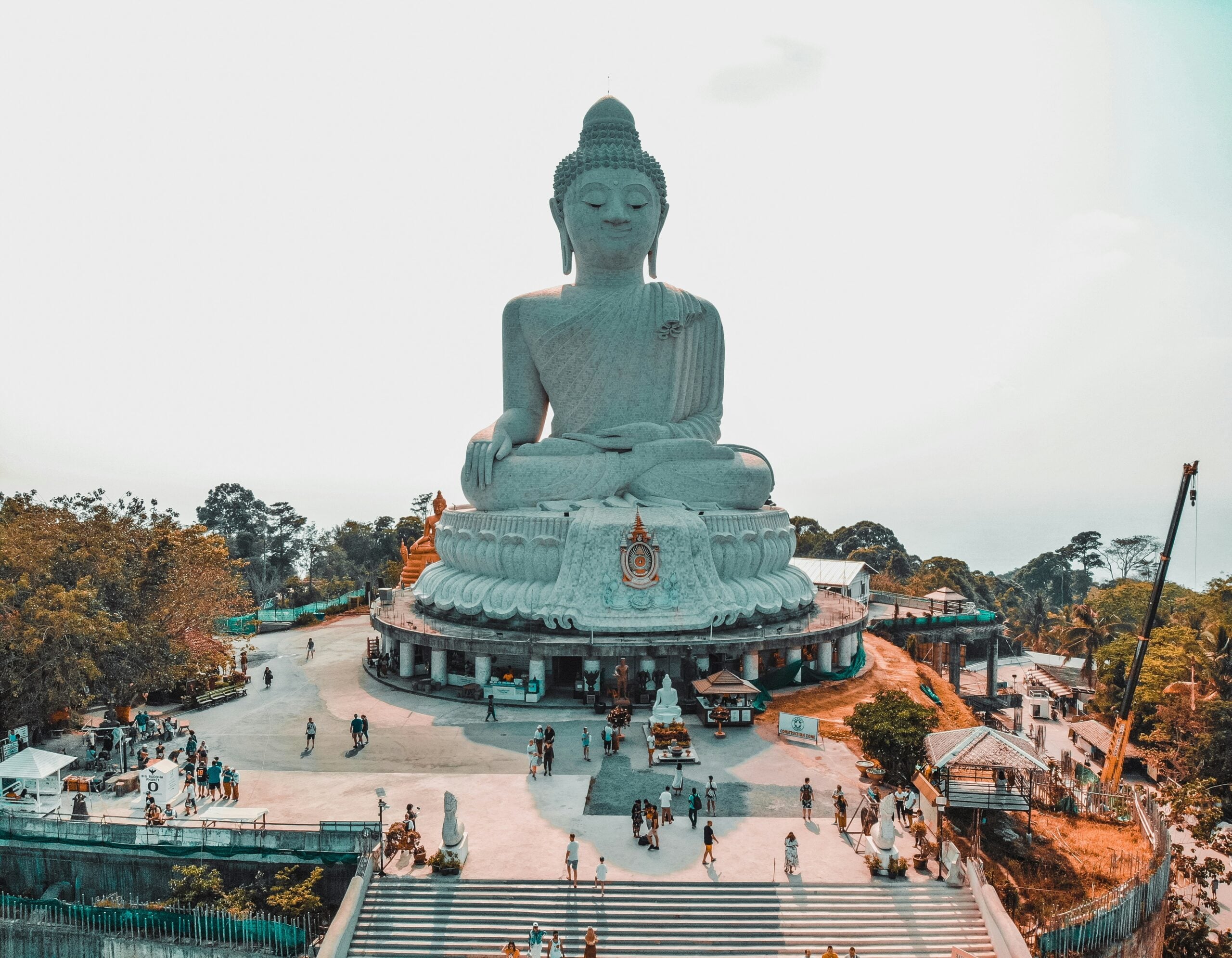
Thailand earned this cheerful nickname from the warmth and hospitality of its people. Thai culture places enormous emphasis on maintaining a pleasant demeanor and making others feel welcome, which visitors notice immediately.
The famous Thai smile isn’t just about happiness—it’s a complex form of communication that can express friendliness, apology, embarrassment, or gratitude depending on context. Thailand’s tourism industry has enthusiastically embraced this nickname, using it in marketing campaigns to emphasize the country’s reputation as one of the world’s friendliest destinations for travelers.
South Africa: The Rainbow Nation
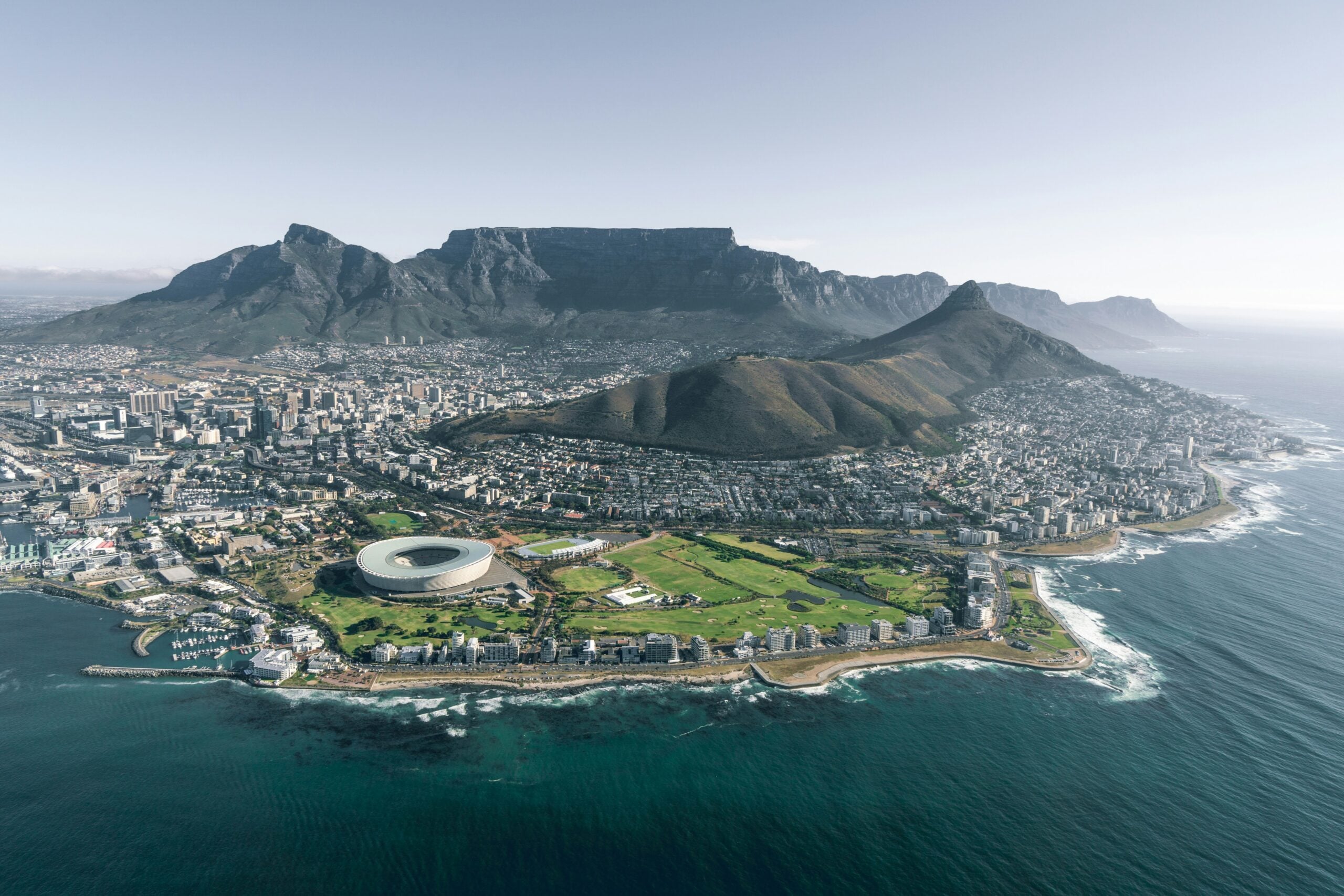
This optimistic moniker was created by Archbishop Desmond Tutu following the end of apartheid in the 1990s. With eleven official languages and people from a wide range of ethnic backgrounds coexisting in one country, South Africa’s remarkable diversity is symbolized by the “rainbow.”
The moniker suggests that various colors can coexist harmoniously, like in a rainbow, and represents unity arising from a difficult past. This moniker symbolizes the aspirational goal of a truly inclusive society where all cultures are valued equally, even though South Africa still faces issues with inequality and division.
Canada: The Great White North
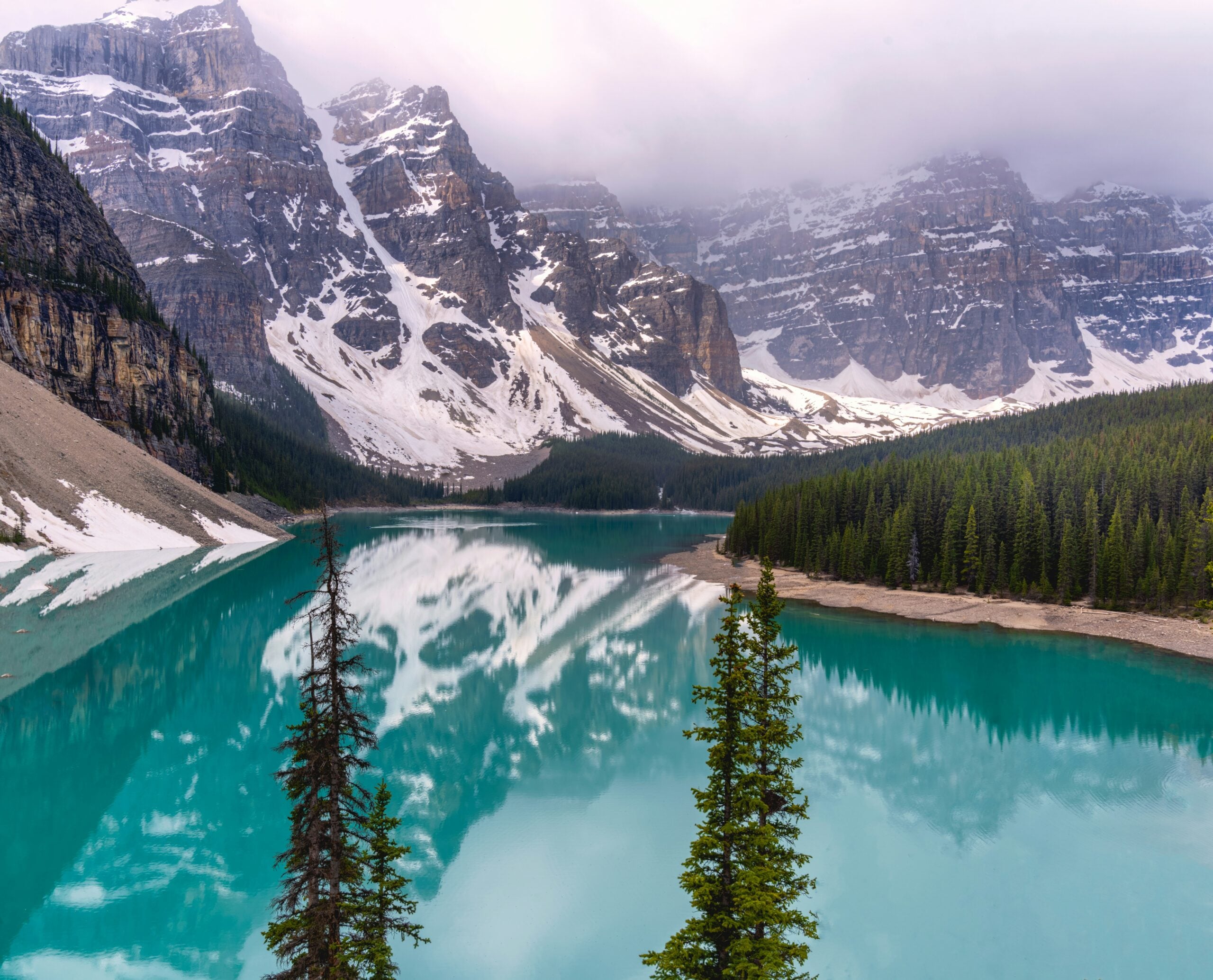
Canada’s nickname comes from its position as one of the world’s northernmost countries, plus the massive amounts of snow and ice that cover much of it during long winters. The phrase gained widespread recognition through the ‘Great White North’ comedy sketches on SCTV in the 1980s, which affectionately mocked Canadian stereotypes.
While Canadians joke about the nickname, it’s fairly accurate—Canada experiences some of the coldest temperatures outside Antarctica, and its northern territories remain frozen for much of the year. The nickname captures both Canada’s geography and its cultural association with winter sports, from hockey to curling.
Switzerland: Heidiland
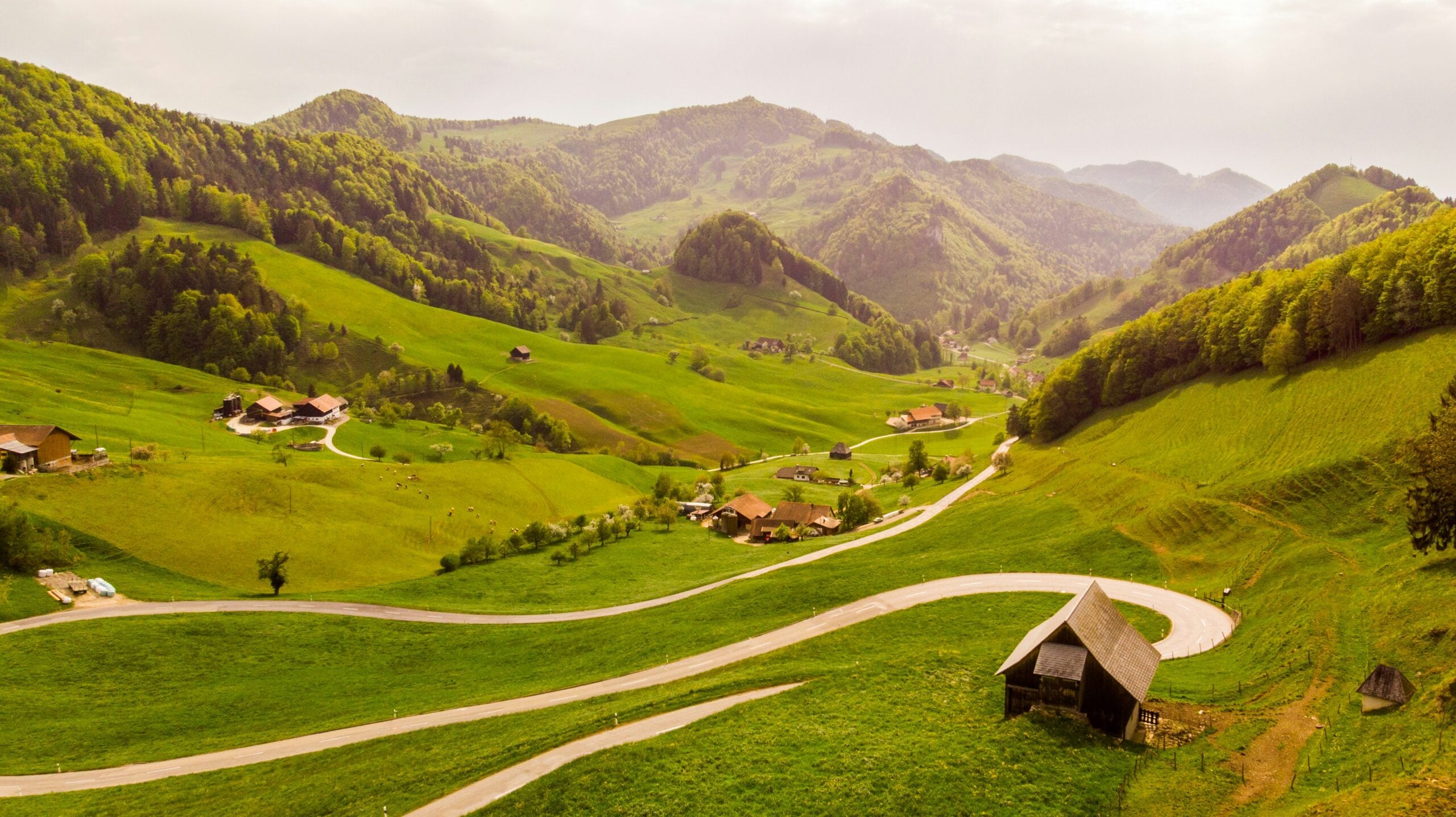
Switzerland is often called ‘Heidiland’ after the beloved children’s book character Heidi, whose story takes place in the Swiss Alps. The nickname captures Switzerland’s image as a land of mountain villages, Alpine meadows, and pastoral beauty.
The eastern Swiss region around Maienfeld has officially branded itself as ‘Heidiland’ to attract tourists who want to experience the landscapes described in Johanna Spyri’s classic novel. Beyond this literary connection, Switzerland is known simply as the land of mountains, chocolate, and precision watches—a country where dramatic Alpine peaks define both the landscape and national identity.
Finland: Land of a Thousand Lakes
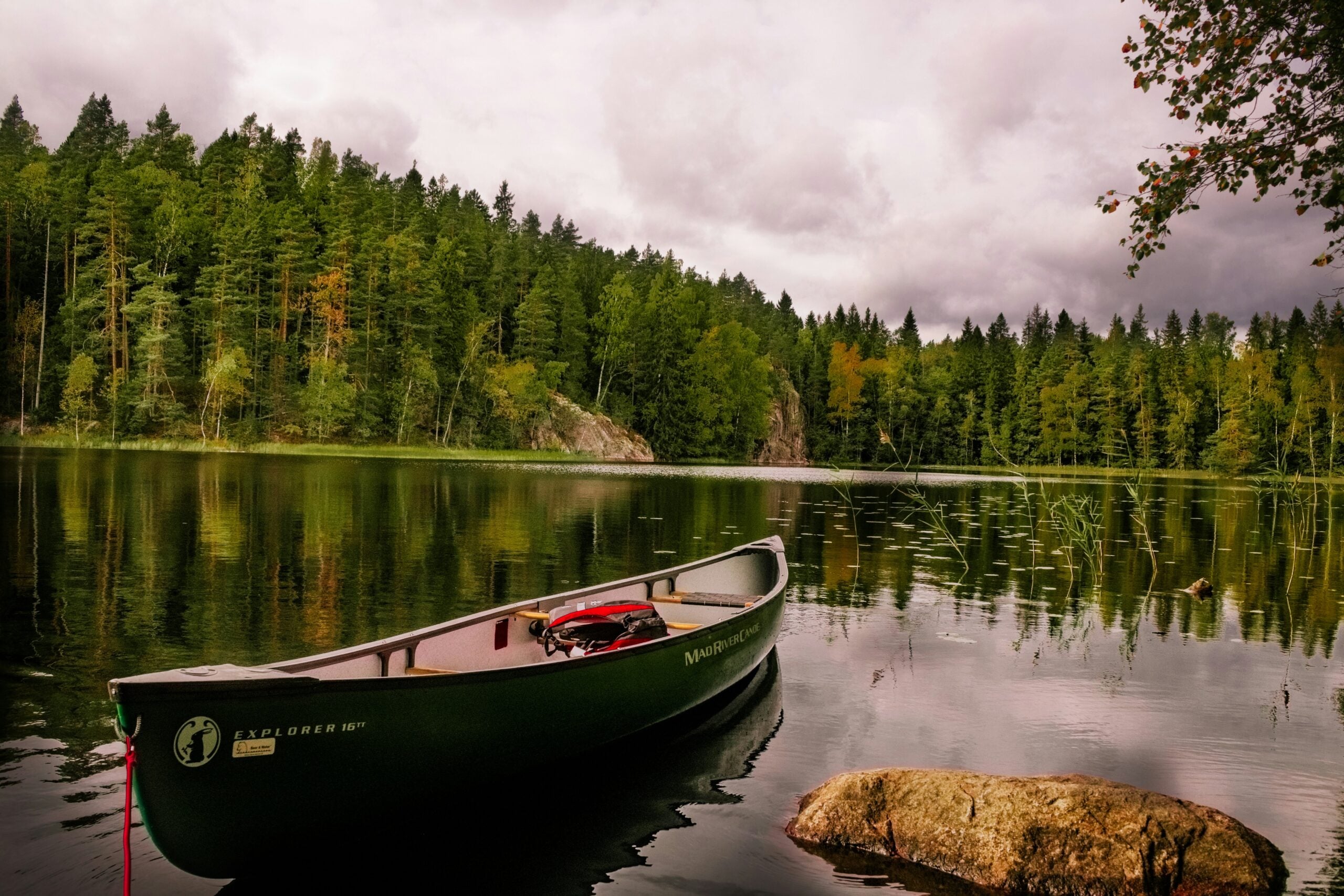
Finland actually has way more than a thousand lakes—counts exceed 180,000 lakes depending on measurement criteria, making ‘thousand’ a massive understatement. About 10% of Finland’s total land area consists of lakes, creating a landscape where water and land intertwine constantly.
These lakes formed when glaciers retreated after the last Ice Age, leaving behind countless depressions that filled with water. Finns have built their culture around these lakes, using them for transportation, recreation, fishing, and the beloved tradition of lakeside saunas followed by refreshing dips in cold water.
Philippines: Pearl of the Orient Seas
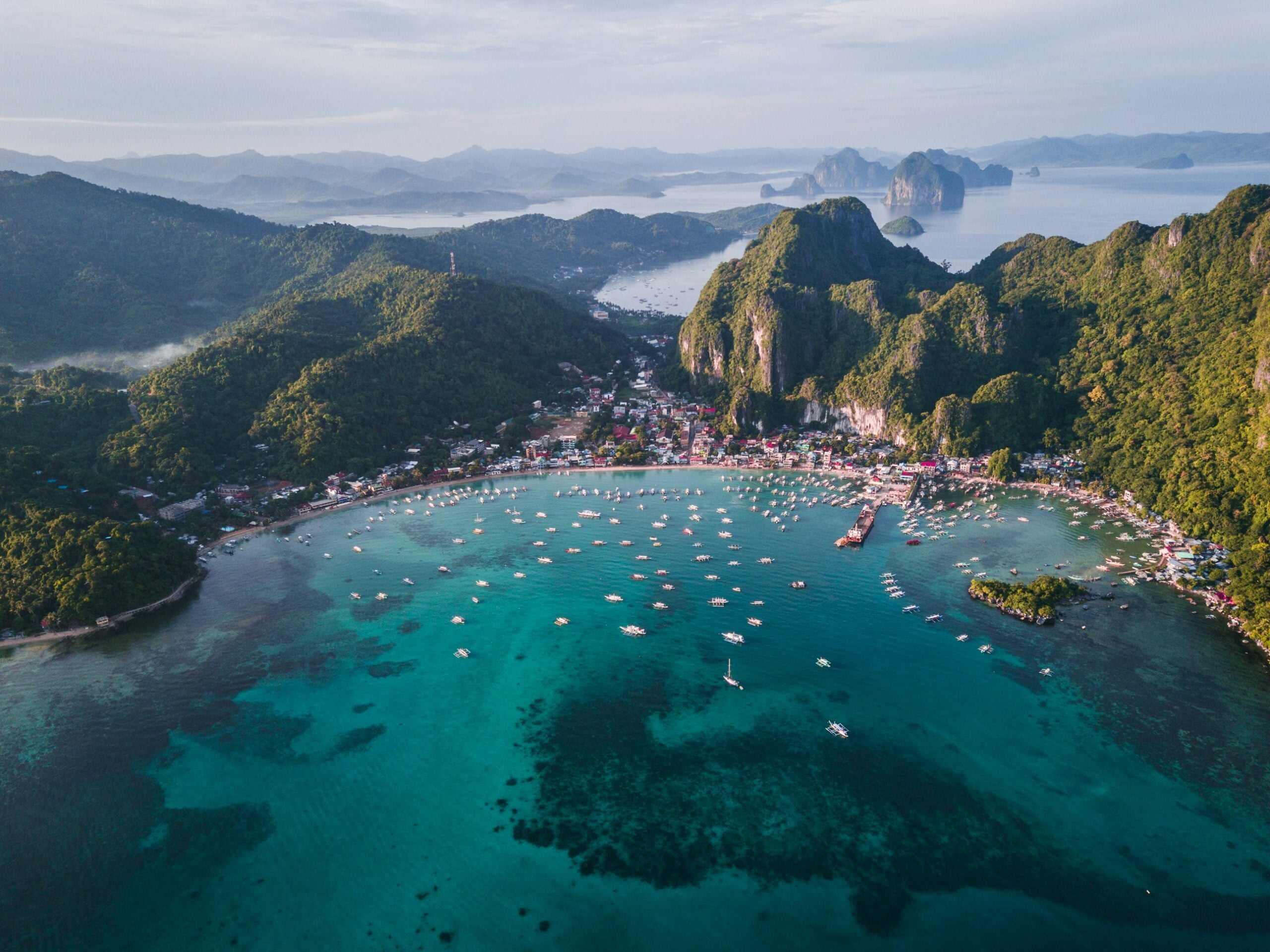
The Philippines earned this elegant nickname from its natural beauty and abundant marine resources. Spanish Jesuit priest Fr. Juan J. Delgado first used this poetic description in 1751 to capture the archipelago’s precious quality.
Later, Filipino national hero José Rizal popularized the nickname in his writings, and it eventually found its way into the country’s national anthem. The archipelago consists of over 7,000 islands surrounded by rich coral reefs and diverse marine life.
Bhutan: Land of the Thunder Dragon
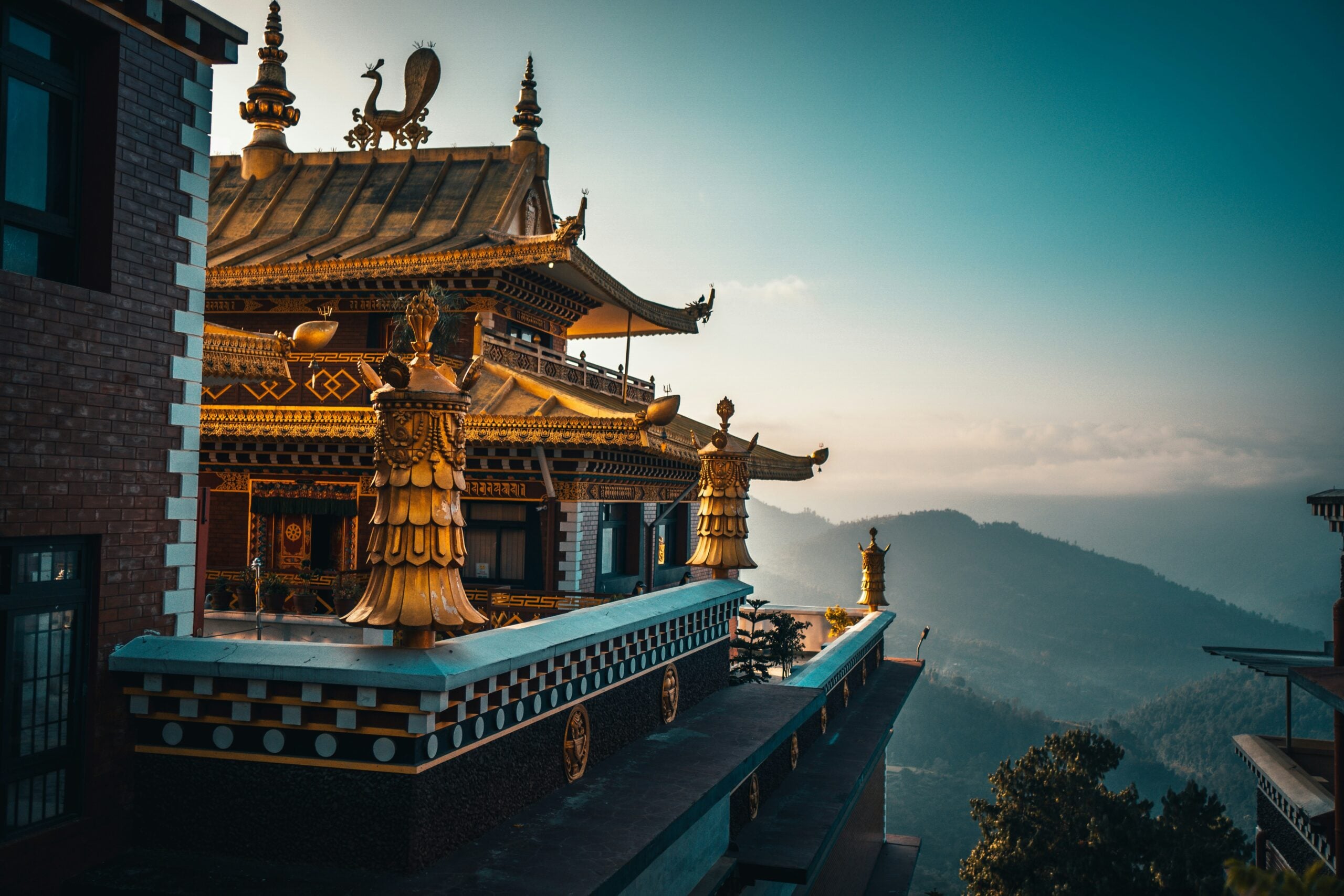
The intense thunderstorms that frequently rage through the Himalayan mountains are the source of Bhutan’s dramatic moniker. Bhutan is referred to as “Druk Yul” in Dzongkha, the official language of the country, which means “Land of the Thunder Dragon.”
Bhutanese Buddhism views the thunder dragon, which is featured on the national flag, as a symbol of protective forces. These storms are truly powerful—the Himalayas produce weather patterns that cause thunder to reverberate through valleys with such force that it is easy to liken it to dragon roars.
Names That Tell Stories
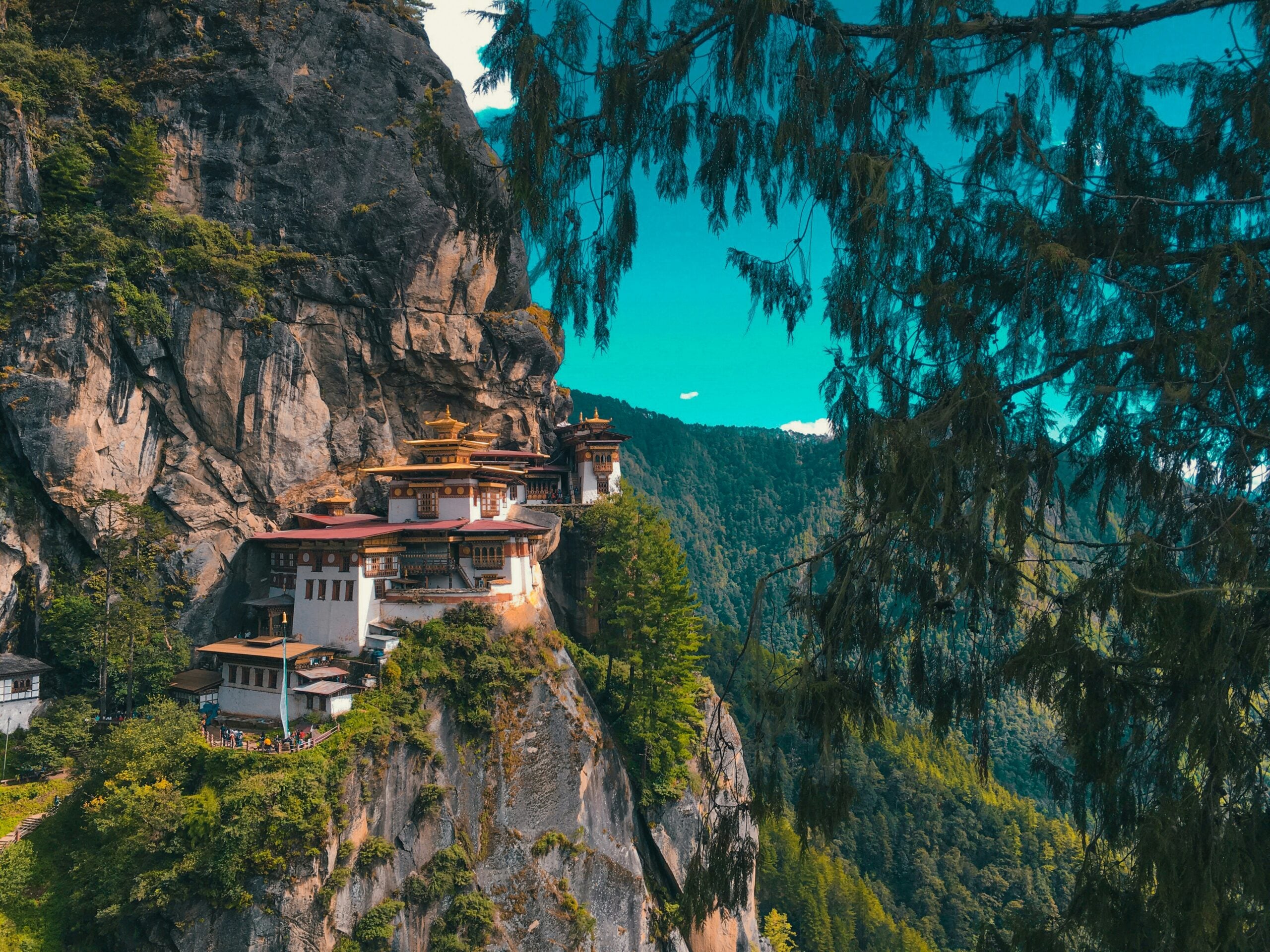
These 14 nicknames demonstrate how nations are recognized by their most distinctive traits. Some names are derived from physical characteristics that are readily apparent on any map, while others are the result of historical viewpoints, cultural customs, or everyday natural occurrences that the locals encounter.
These nicknames have endured because they are able to convey a truth about each location that official names were never able to. When you mention the Land Down Under, people instantly visualize Australia’s distinct position and personality, making them shortcuts for comprehension.
More from Go2Tutors!

- The Romanov Crown Jewels and Their Tragic Fate
- 13 Historical Mysteries That Science Still Can’t Solve
- Famous Hoaxes That Fooled the World for Years
- 15 Child Stars with Tragic Adult Lives
- 16 Famous Jewelry Pieces in History
Like Go2Tutors’s content? Follow us on MSN.



