Royals Who Lived Ordinary Jobs
Being born into royalty usually means a life of ceremonies, ribbon cuttings, and carefully choreographed public appearances. But some royals have stepped away from palaces to clock in at regular jobs, earning paychecks and dealing with bosses just like everyone else.
These aren’t symbolic positions or honorary titles—they’re actual work, with real responsibilities, colleagues who might complain about them, and the possibility of getting fired.
King Willem-Alexander’s Secret Career in the Cockpit
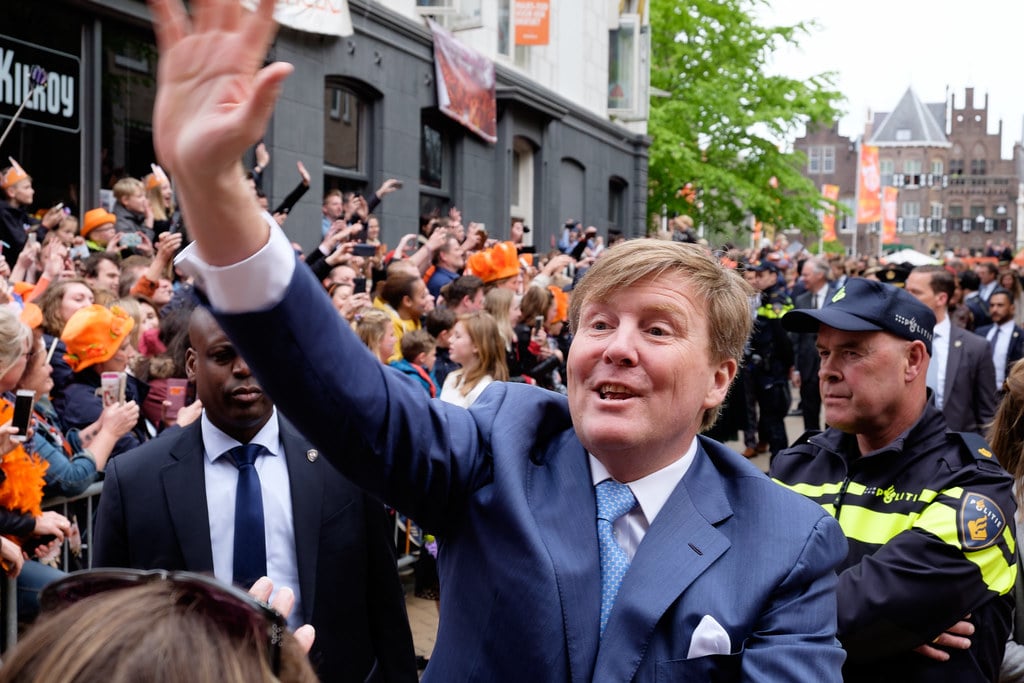
The Dutch king spent over 20 years as a commercial airline pilot while simultaneously serving as a royal. Willem-Alexander flew KLM Cityhopper flights twice a month, piloting Fokker 70 aircraft on short European routes.
Passengers had no idea the person flying their plane was a king. He wore a KLM uniform, went through standard security checks, and followed all the same protocols as other pilots.
The airline kept his identity confidential to avoid disrupting flights. Willem-Alexander said flying gave him perspective on regular life and helped him understand what ordinary people experienced when traveling.
He only retired from flying in 2017 after logging thousands of flight hours. The revelation that their king had been secretly piloting commercial flights surprised Dutch citizens, though many found it endearing that he’d maintained such a normal job.
Prince William as an Air Ambulance Pilot
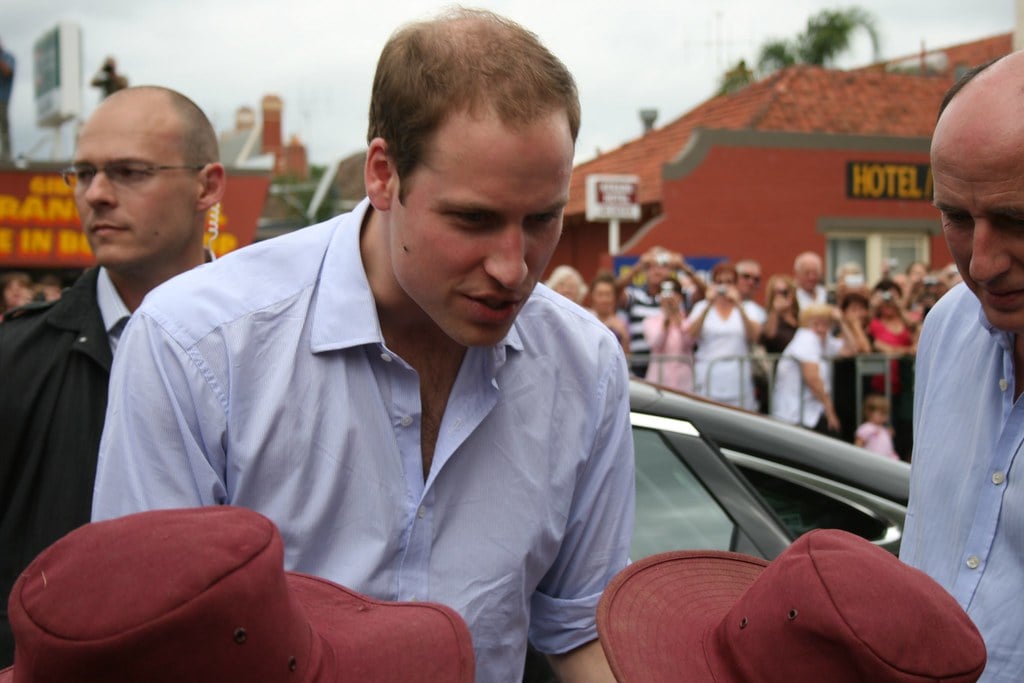
For two years, Prince William worked as a helicopter pilot for the East Anglian Air Ambulance, responding to medical emergencies across eastern England. He flew patients to hospitals, worked night shifts, and dealt with the traumatic scenes that air ambulance crews encounter regularly.
William donated his entire salary to charity but worked the same hours and faced the same pressures as his colleagues. He lived in a cottage near his base, away from royal residences, and experienced something close to a normal working life.
The job exposed him to deaths, severe injuries, and situations where his royal status provided no protection from emotional difficulty. Colleagues reported that he was professional and took the work seriously, though the media attention his presence attracted sometimes complicated operations.
Princess Mako’s Museum Career After Renouncing Her Title
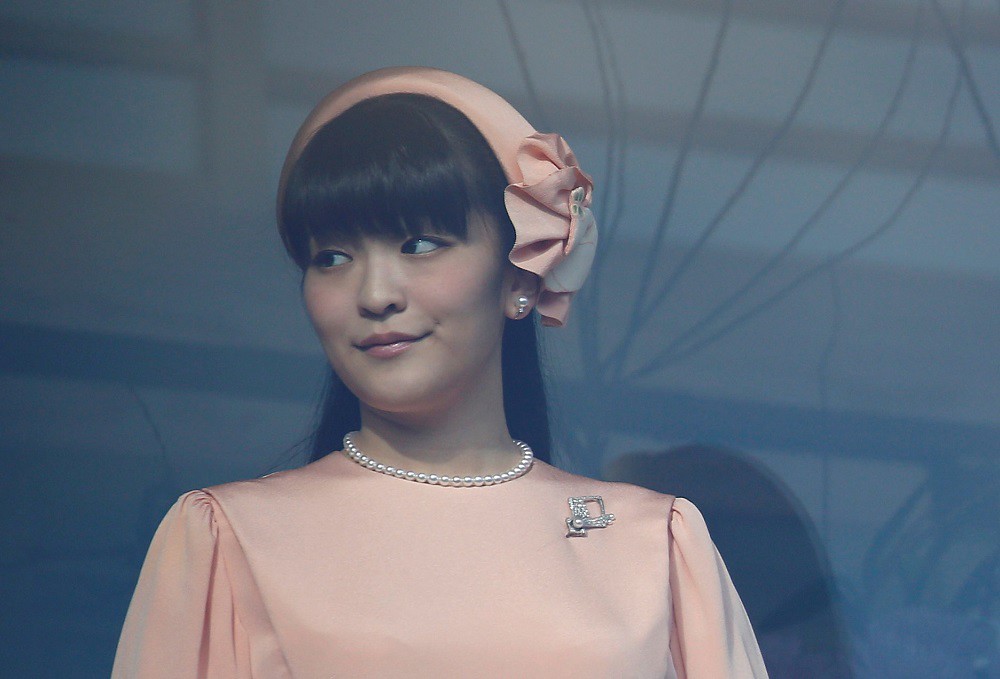
The Japanese princess gave up her royal status, her title, and her government allowance to marry a commoner in 2021. Afterward, she moved to New York and took a job at the Metropolitan Museum of Art, working as a volunteer researcher specializing in Japanese art and culture.
Mako chose this path despite intense media scrutiny and public criticism of her marriage. In Japan, female royals must leave the imperial family when they marry commoners—a rule that doesn’t apply to male royals.
She now lives in an apartment, takes the subway, and works alongside other museum staff without the security details or formal protocols that defined her previous life. The transition from princess to private citizen meant learning to navigate bureaucracy, pay bills, and handle tasks that palace staff once managed for her.
Zara Tindall’s Olympic Equestrian Career
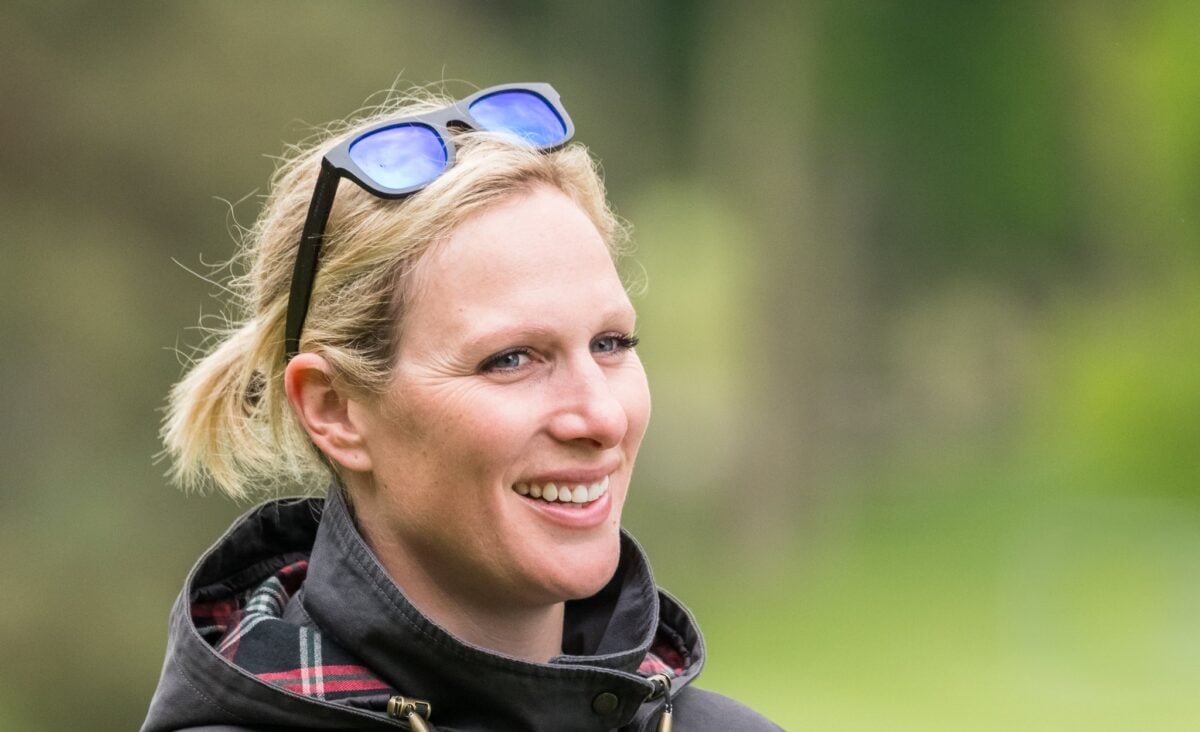
Princess Anne’s daughter never received a royal title, which freed her to pursue a professional sports career without the constraints that formal royal status would have imposed. Zara Tindall competed in equestrian eventing at the highest levels, winning a silver medal at the 2012 London Olympics.
She trained daily, traveled to competitions, dealt with injuries, and experienced the pressure of competing internationally. Sponsorships and prize money funded her career, not royal allowances.
Tindall also worked as an equestrian coach and brand ambassador for sporting companies. The physical demands of professional equestrianism—early mornings, constant travel, risk of serious injury—aren’t diminished by having a grandmother who’s the Queen.
Her success came from skill and dedication, not her family connections.
Prince Harry’s Decade in Military Service
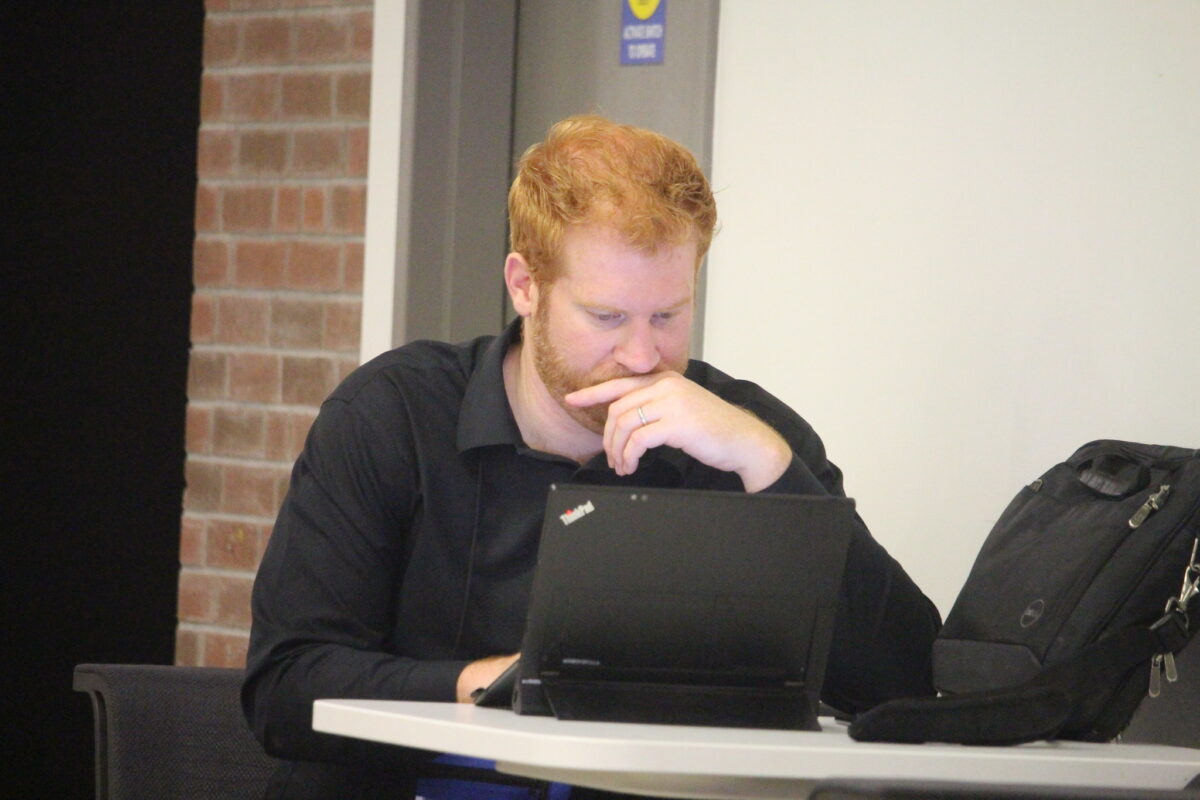
Before his royal exit, Prince Harry spent ten years in the British Army, including two tours in Afghanistan. He trained as a helicopter pilot, served as a forward air controller calling in airstrikes, and lived alongside soldiers who treated him as an equal in dangerous situations.
Harry described his military service as the most normal period of his life. In Afghanistan, he slept in shared tents, ate military rations, and faced the same threats as other soldiers.
Fellow service members gave him the nickname “Captain Wales,” and while some special security measures protected him, he insisted on serving in combat zones rather than accepting a ceremonial military role. The experience shaped his worldview and later influenced his work with veterans through the Invictus Games.
Crown Princess Victoria’s United Nations Internship
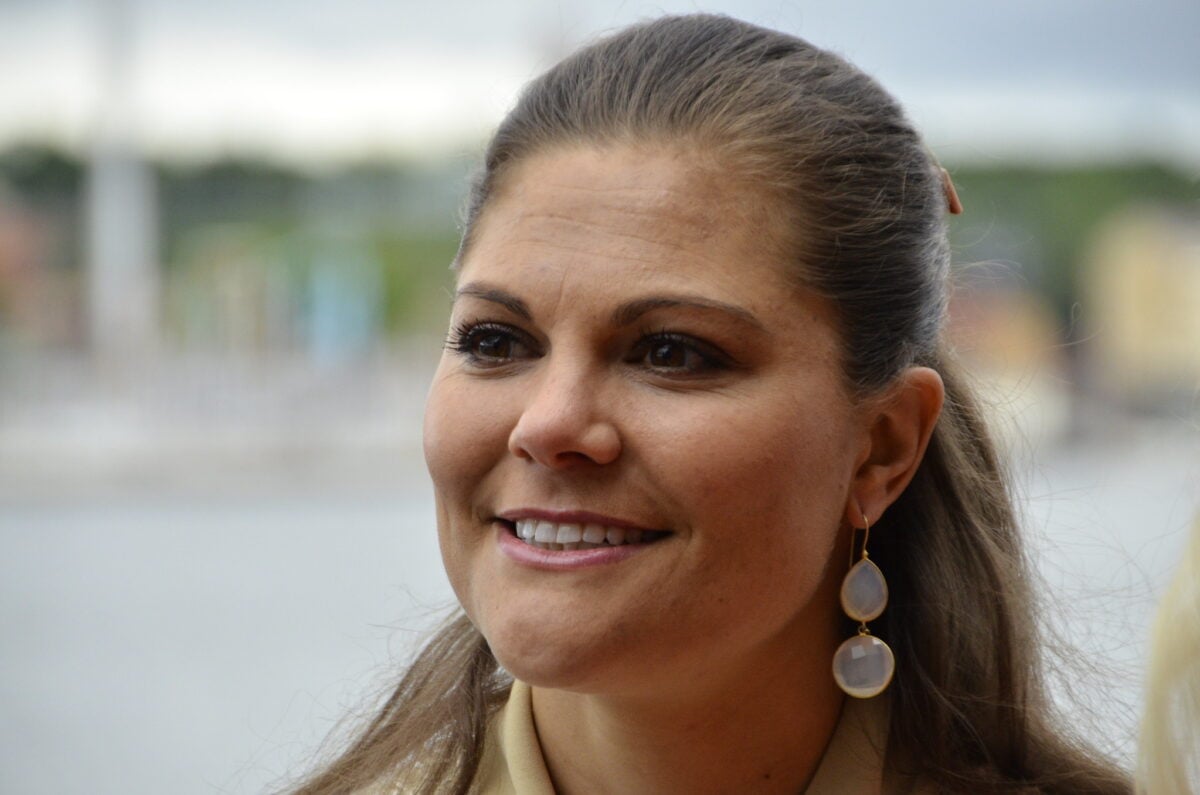
The Swedish heir to the throne spent several months working as an intern at the United Nations in New York during her twenties. Victoria lived in a normal apartment, commuted to work, and performed the unglamorous tasks that interns everywhere know well—copying documents, organizing files, attending meetings where she mostly listened.
The UN didn’t give her special treatment because of her royal status. She worked in the office dealing with issues of child labor and children in armed conflict, researching and preparing briefing documents.
Victoria also completed internships at the Swedish Embassy in Washington and at a consulting firm, deliberately seeking experiences that would expose her to ordinary working life before eventually taking on full-time royal duties.
Prince Edward’s Failed Television Production Company
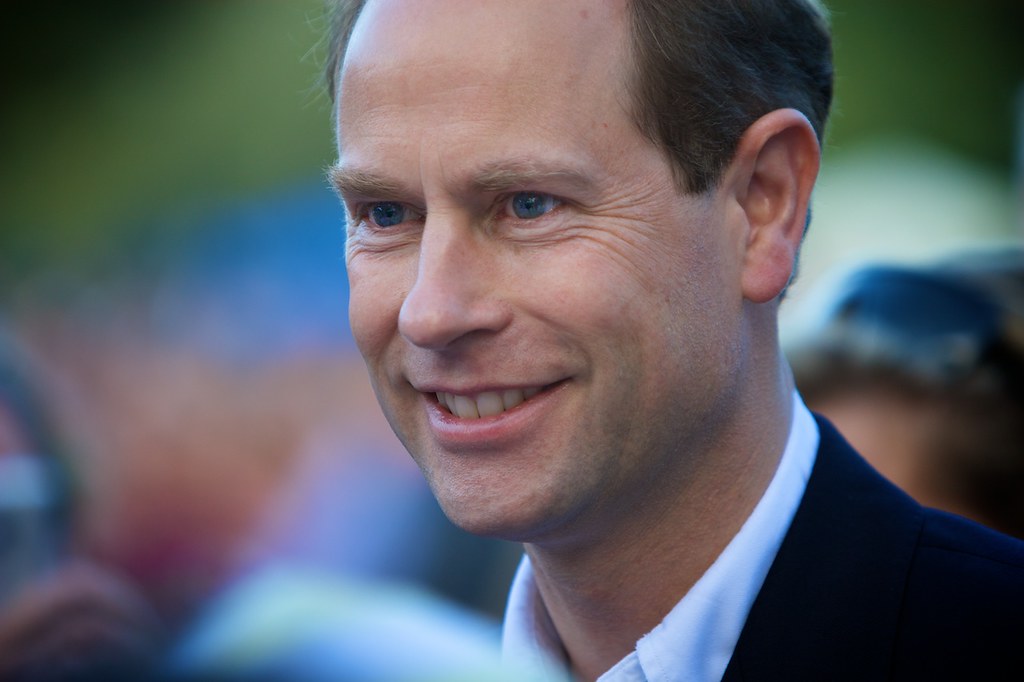
The youngest son of Queen Elizabeth II left the Royal Marines and launched Ardent Productions, a television production company that he hoped would make him financially independent from the royal family. The venture lasted 13 years before closing in 2002 after consistent financial losses and mounting criticism.
Edward produced documentaries and entertainment programs, but his royal connections became a liability rather than an asset. Accusations that he exploited his royal status for business advantage damaged the company’s reputation.
His attempt to film his nephew Prince William at university sparked particular controversy. The experience taught Edward that being royal and running a business don’t mix easily—customers and critics alike questioned whether deals came from merit or from royal influence.
Princess Sofia of Sweden’s Reality Television Past
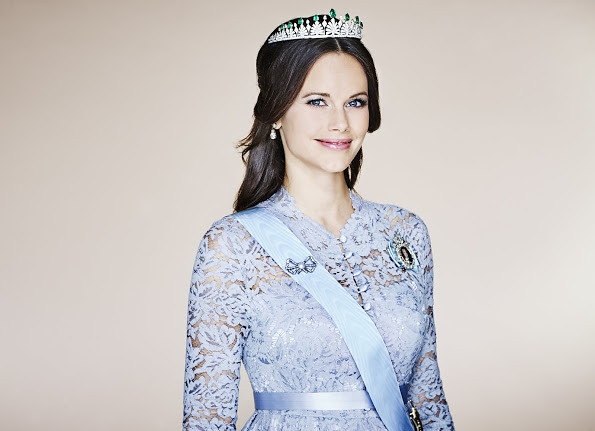
Before marrying Prince Carl Philip, Sofia Hellqvist appeared on Swedish reality television and worked as a model. She competed on the Swedish version of “Paradise Hotel” and posed for magazines, building a public profile that had nothing to do with royalty.
When her relationship with the prince became public, Swedish media and citizens questioned whether someone with her background should join the royal family. Sofia handled the criticism by acknowledging her past while emphasizing her charitable work and dedication to her new role.
She retrained as a royal, learning protocols and taking on patronages, but her previous career remains part of her story. The transformation from reality TV contestant to princess demonstrates that royal families increasingly accept members from non-traditional backgrounds.
King Felipe VI’s Banking and Consulting Work
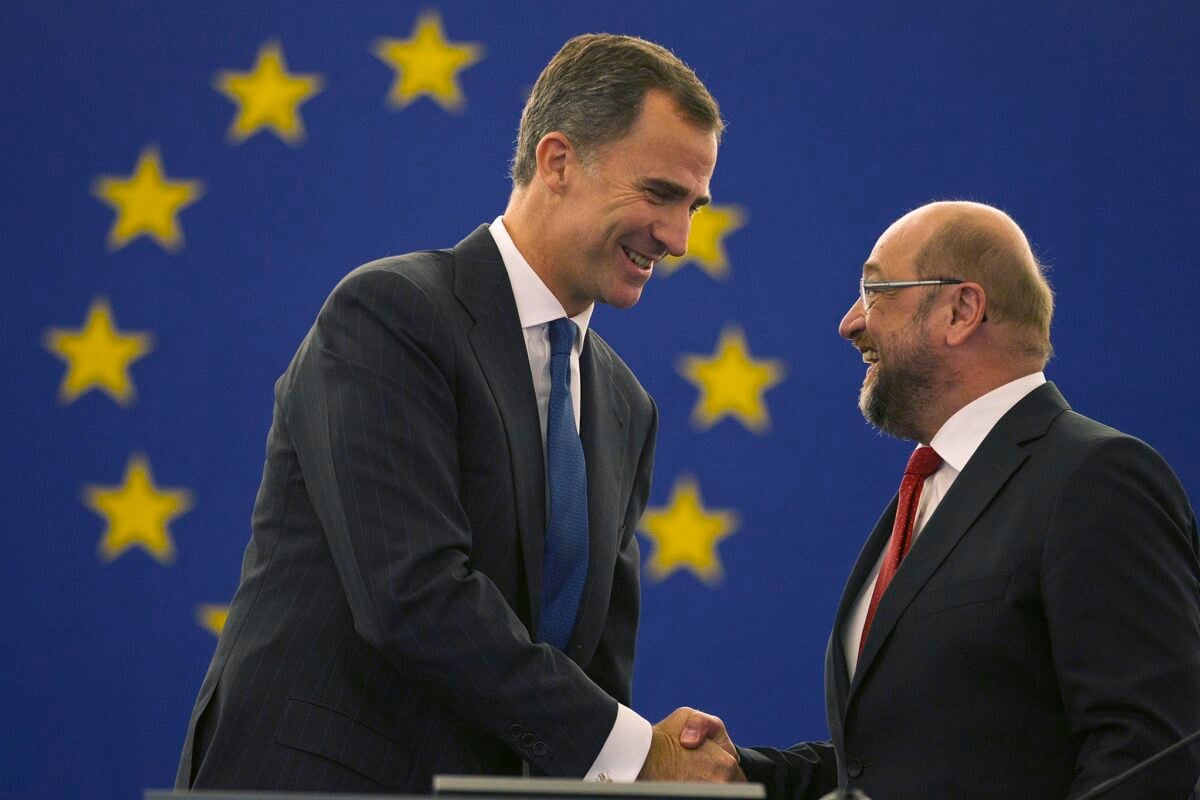
Before becoming king of Spain, Felipe worked at financial institutions including HSBC and completed programs at various international business schools. He spent time in the corporate world, learning about finance, economics, and business operations firsthand.
These weren’t ceremonial positions arranged by palace staff—Felipe attended meetings, prepared presentations, and worked alongside other junior employees. The experience gave him insight into Spain’s economy beyond what royal briefings could provide.
When he became king, his understanding of business and financial systems helped him engage more credibly with economic issues facing Spain during difficult financial periods.
Princess Beatrice’s Corporate Career
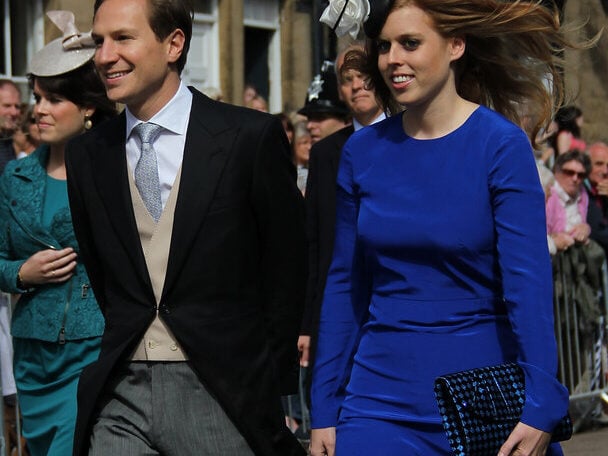
Prince Andrew’s daughter has worked in finance, technology, and business consulting while maintaining her royal status. Beatrice held positions at Sony Pictures and later joined a technology consulting firm, working on projects related to artificial intelligence and machine learning.
She doesn’t receive money from the Sovereign Grant—the public funding that supports working royals—so employment is necessary rather than optional. Beatrice attends meetings, meets deadlines, and reports to managers who evaluate her work like any other employee.
Balancing royal duties with a career means taking time off for family obligations and state events, which requires understanding employers. Her LinkedIn profile lists her positions like any professional, though having “Her Royal Highness” before your name probably makes job applications more memorable.
Crown Prince Haakon’s Humanitarian Work
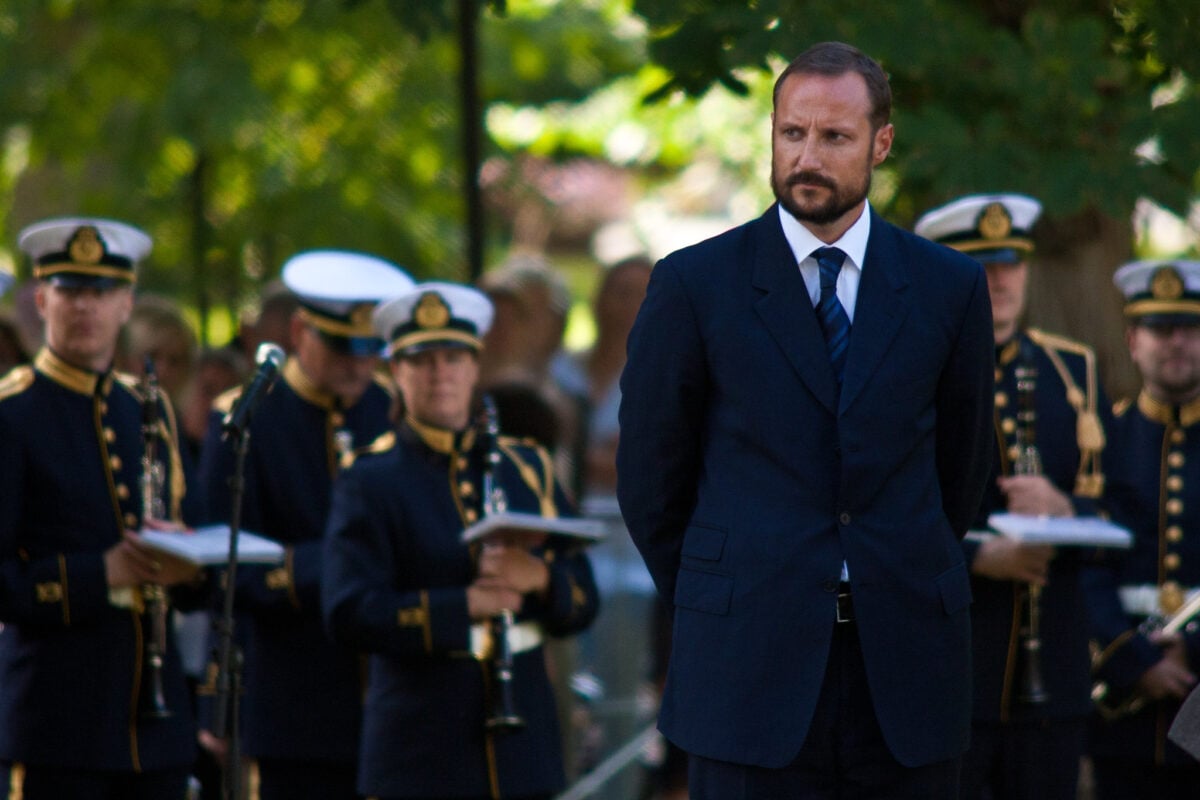
Norway’s future king spent time working with NGOs and humanitarian organizations before taking on full-time royal duties. Haakon worked in conflict zones and developing countries, dealing with poverty, refugees, and human rights issues at ground level rather than from the distance of official royal visits.
He lived modestly during these periods, experiencing conditions far removed from palace life. The work was physically demanding and emotionally taxing, exposing him to suffering that ceremonial visits gloss over.
Haakon has said these experiences fundamentally shaped his understanding of global issues and informed how he approaches his royal responsibilities. His future subjects appreciate that their king has actually worked in the field rather than just reading reports about international problems.
Prince Carl Philip’s Design Business
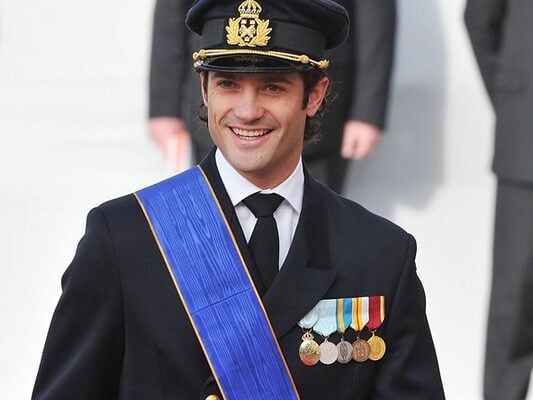
The Swedish prince studied graphic design and worked professionally as a designer before increasing his royal duties. Carl Philip established a design company that creates products ranging from furniture to household items, maintaining the business alongside his royal obligations.
His designs compete in the marketplace based on their quality, not his royal title. Carl Philip attends trade shows, works with manufacturers, and deals with the same commercial pressures as any designer trying to sell products.
The business provides income independent of royal allowances, though critics occasionally question whether his royal status gives him unfair advantages in marketing and media attention.
Princess Eugenie’s Art Gallery Position
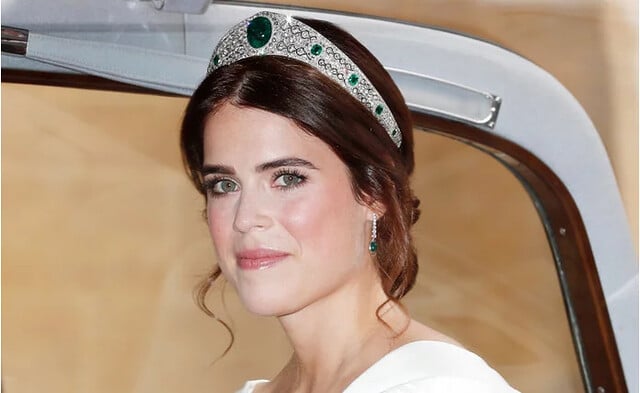
Prince Andrew’s younger daughter worked at the Hauser & Wirth gallery in London, where she managed contemporary art exhibitions and dealt with artists, collectors, and the logistics of running a commercial gallery. The job required knowledge of art history, business acumen, and the ability to navigate the competitive art world.
Eugenie later moved to New York to work for an online auction house before returning to London. Like her sister Beatrice, she receives no public funding and needs employment to support herself.
The art world values expertise and connections, and while being a princess provides social connections, you still need to know what you’re talking about when discussing contemporary art with serious collectors.
Emperor Naruhito’s Water Research Career
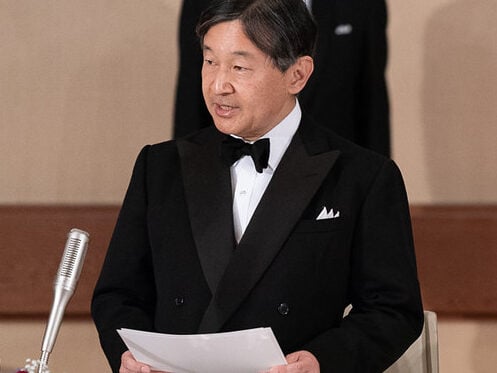
Before becoming emperor of Japan, Naruhito worked as a scholar studying water transportation and access to clean water. He published academic papers, attended conferences, and contributed to international discussions about water conservation and infrastructure.
His research focused on historical water transportation systems, particularly in medieval Japan, but extended to contemporary water management challenges. Naruhito presented papers at academic conferences where he was evaluated on his scholarship, not his imperial status.
The work reflected genuine intellectual interest rather than ceremonial involvement. Even as emperor, he maintains his interest in water issues, though his schedule now limits serious research time.
When Crowns Don’t Pay the Bills

A crown might look heavy, but it does not always mean wealth. Picture a prince driving an Uber – surprising, yet true for some.
Not every palace has endless cash flowing through its halls. Where public money stops, personal effort begins.
One duke designs furniture; another edits magazines. Need shapes their days more than tradition now. Luxury fades when budgets shrink.
A title brings attention, not paychecks. Many choose jobs just to feel useful.
Necessity pushes others toward nine-to-five routines. Glamour rarely covers rent.
Showing up on time, taking orders from managers, yet handling office tensions – these things pull them into ordinary routines. If such roles improve their royalty status might be questioned, still it clearly ties them tighter to everyday folks.
More from Go2Tutors!

- The Romanov Crown Jewels and Their Tragic Fate
- 13 Historical Mysteries That Science Still Can’t Solve
- Famous Hoaxes That Fooled the World for Years
- 15 Child Stars with Tragic Adult Lives
- 16 Famous Jewelry Pieces in History
Like Go2Tutors’s content? Follow us on MSN.