Facts About AI You Need to Know
Behind the scenes, artificial intelligence shows up more than most realize. What you see next on screen? Often a guess shaped by past clicks.
Messages sorted before they reach you – thanks to patterns found in millions of emails. Traffic flows smoother because algorithms test routes in real time.
Choices once left to people now lean on hidden calculations. Most never notice how deeply it’s woven in.
Systems run on numbers, yes – but also on decisions coded long before launch. A peek under the hood shows AI in practice right now – its strengths often shine brightest when tasks are narrow.
Yet blind spots linger, deeper than many assume. Performance dips sharply outside familiar patterns.
Surprises happen where logic gaps open up. Reality checks arrive quietly, through errors that stack.
AI Learns Patterns, Not Meaning
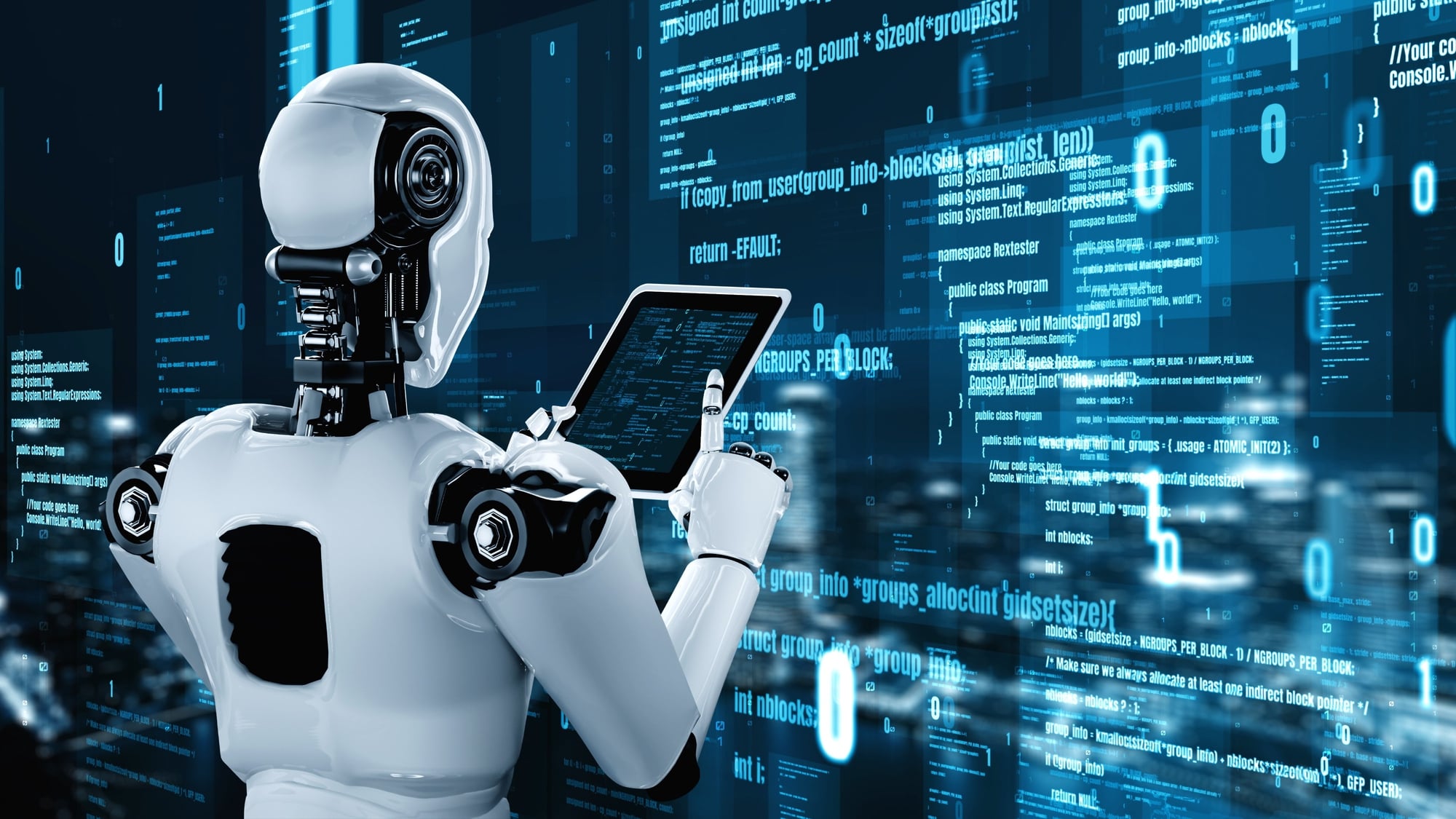
At its core, modern AI is built to recognise patterns at scale. It processes enormous amounts of data and learns statistical relationships between inputs and outputs.
This allows it to complete tasks like predicting the next word in a sentence or identifying objects in images with impressive accuracy. That said, AI does not understand meaning the way humans do.
It does not know what words or images represent in a lived sense. Instead, it responds based on probability, selecting outcomes that resemble patterns it has seen before.
This distinction explains why AI can sound fluent while still making mistakes that feel oddly confident.
Training Data Shapes Everything

AI systems are only as informative as the data they are trained on. Training involves exposing models to vast collections of text, images, or other inputs so they can learn patterns across many examples.
The scale of this process is what gives modern AI its flexibility and reach. Still, data carries history with it.
If certain viewpoints, regions, or experiences appear more often in training data, the system will reflect that imbalance. This is not intention or belief, but inheritance.
Understanding this helps explain why human oversight remains essential, especially when AI is used in sensitive or high-impact settings.
AI Does Not Reason The Way People Do
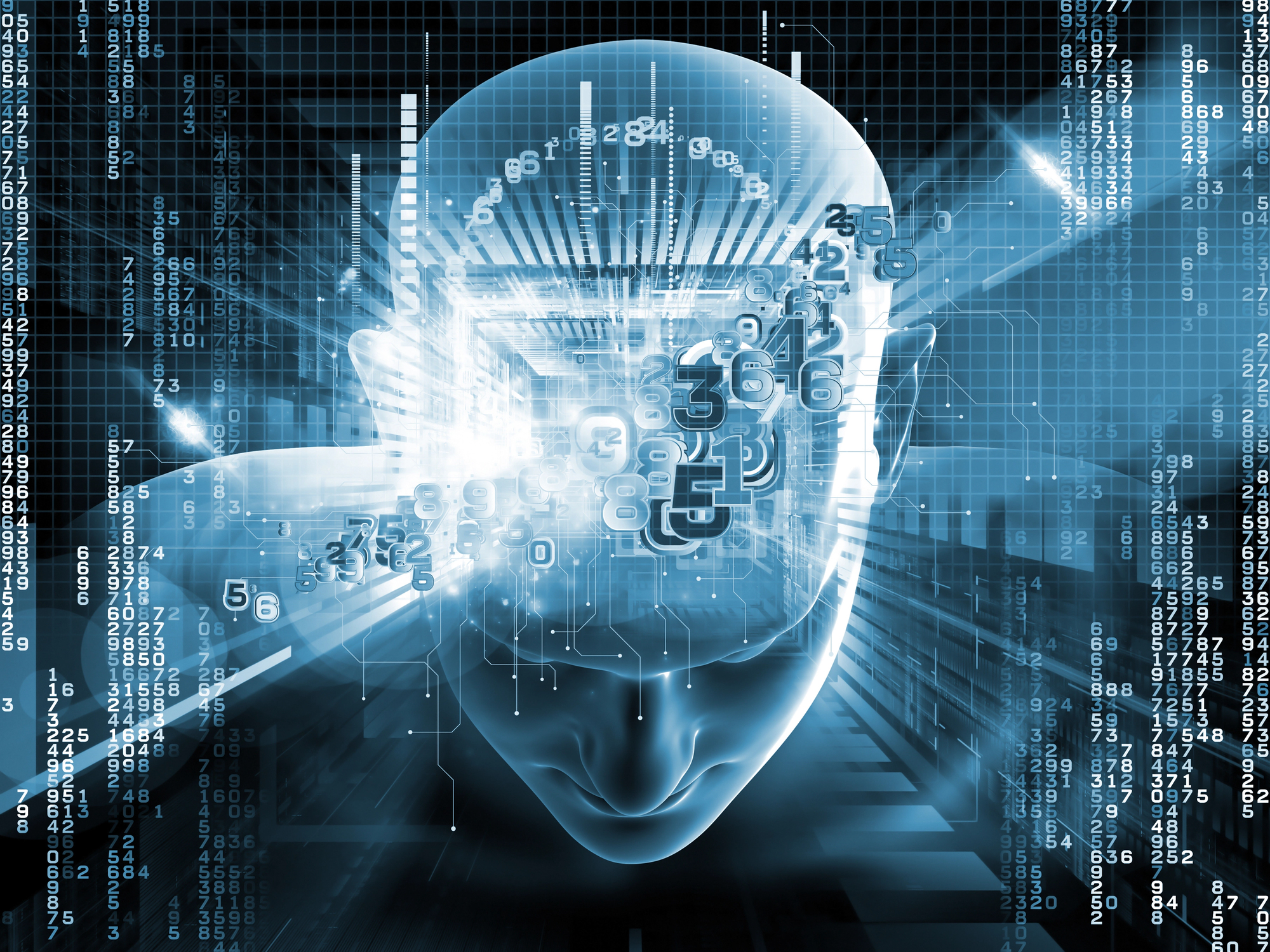
AI can perform tasks that look like reasoning, such as solving problems or generating explanations. What it is actually doing, however, is assembling outputs based on learned associations rather than step-by-step understanding.
The result can feel logical without being grounded in true comprehension. On the other hand, this limitation is also what makes AI fast and flexible.
It does not get stuck in doubt or hesitation. It produces responses based on likelihood, not certainty.
This makes it useful for drafting, sorting, and pattern detection, while reminding users to apply judgment before trusting outcomes fully.
Accuracy Depends Heavily On Context

AI performs best when tasks are clearly defined and closely resemble its training conditions. Narrow, structured problems often yield reliable results.
The more ambiguous or unfamiliar a situation becomes, the more likely errors are to appear. Even so, these errors are not random.
They often follow predictable patterns, such as overconfidence or oversimplification. Recognising this helps users frame AI as a tool that supports decisions rather than replaces them.
Context remains a human responsibility, even when automation feels seamless.
AI Does Not Update Itself Automatically
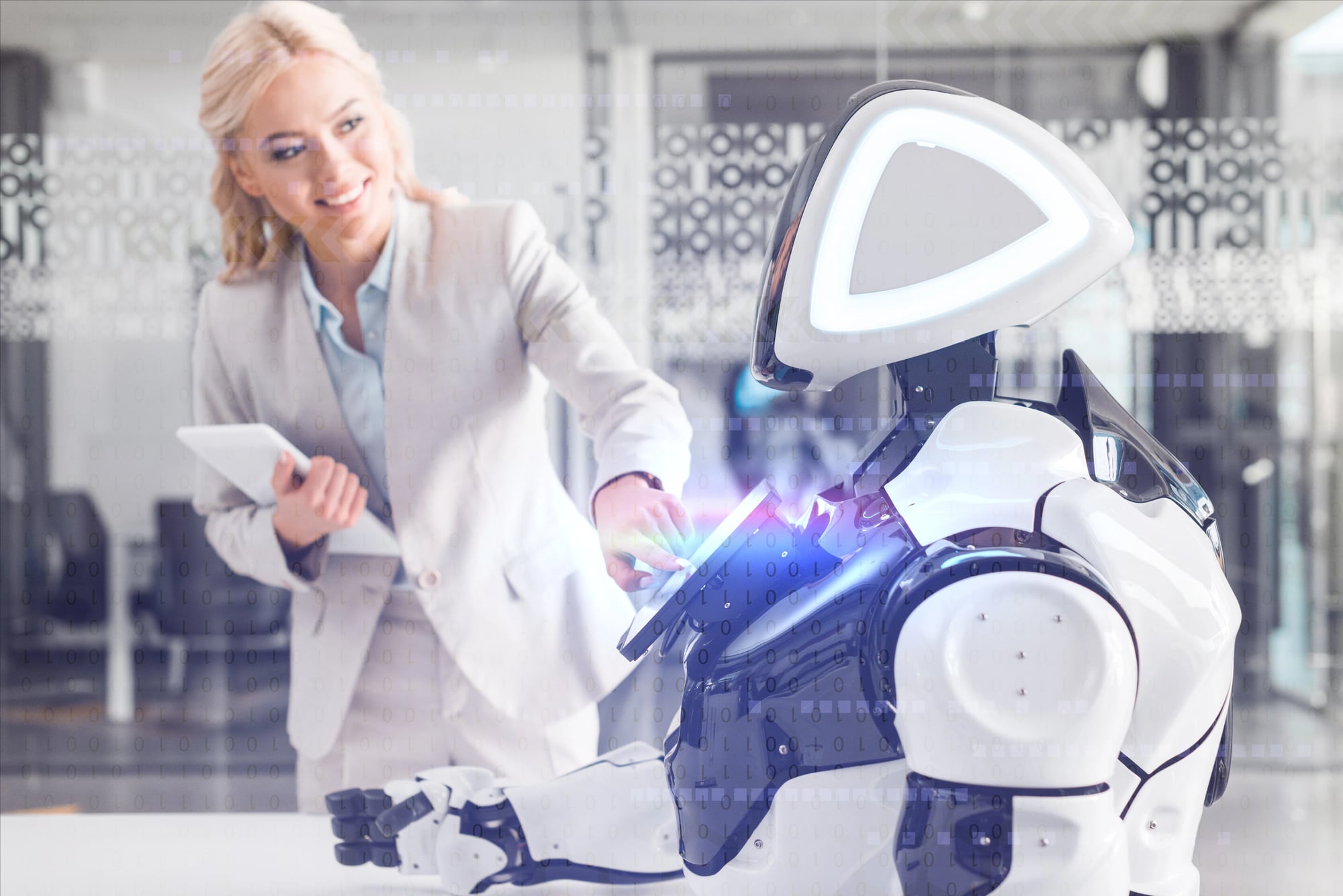
Many people assume AI systems constantly learn from new interactions in real time. In reality, most deployed models are static until they are intentionally updated.
Improvements happen through deliberate retraining or fine-tuning, not through everyday use alone. That said, systems can be designed to incorporate feedback in controlled ways.
This process is carefully managed to avoid introducing errors or unintended behaviour. The idea of AI as a self-improving entity is more myth than reality, shaped by storytelling rather than engineering practice.
AI Reflects Design Choices, Not Neutrality
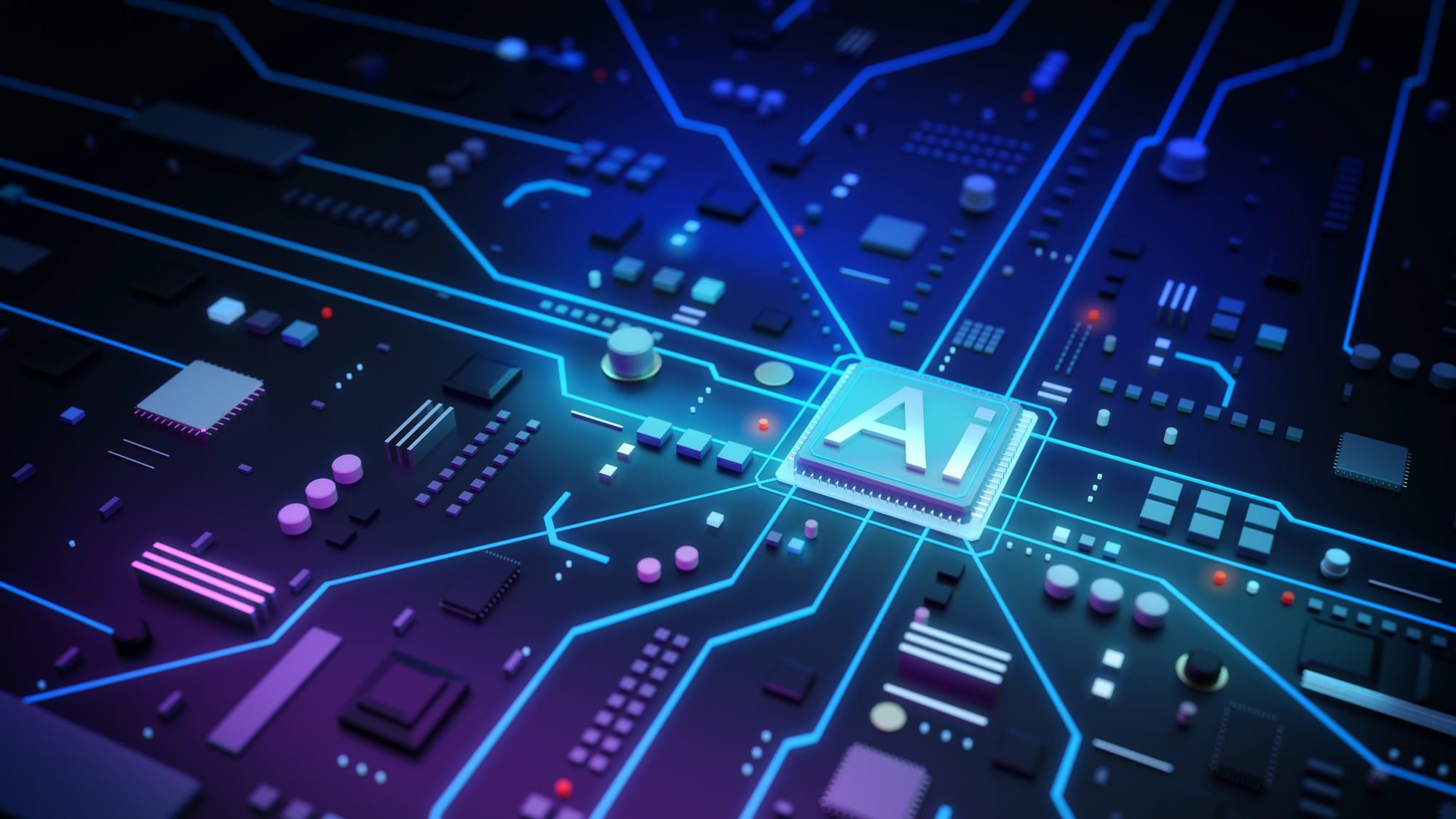
AI is often described as neutral or objective, but every system reflects decisions made by its creators. Choices about data sources, performance goals, and acceptable error rates all shape how an AI behaves.
These decisions influence what the system prioritises and what it overlooks. Still, this does not mean AI is inherently flawed.
It means accountability matters. When people understand that AI outputs are shaped by human choices, discussions shift from blame to responsibility.
Transparency and thoughtful design become as important as technical performance.
Automation Does Not Equal Autonomy
AI can automate tasks, but automation should not be confused with independence. Most systems operate within tightly defined boundaries and rely on human input to function correctly.
They execute instructions, not intentions. That said, automation can change workflows in meaningful ways.
Tasks that once required constant attention may now happen quietly in the background. This shift frees up time while also creating new responsibilities around monitoring, correction, and ethical use.
Autonomy remains human, even when tools feel advanced.
AI Performs Unevenly Across Domains
AI excels in environments with clear rules, large datasets, and repeatable patterns. It struggles more in areas that require nuanced judgment, emotional awareness, or deep contextual understanding.
This uneven performance is often hidden behind polished interfaces. Even so, recognising these boundaries helps prevent misuse.
Applying AI where it adds value, rather than forcing it into unsuitable roles, leads to better outcomes. The technology works best when its strengths are matched to the right problems.
Errors Can Sound Convincing
One of the most important facts about AI is that incorrect outputs can be delivered with confidence. Because responses are generated based on probability rather than verification, mistakes may appear smooth and well-phrased.
This can make them harder to spot at a glance. That said, this trait is manageable with proper checks.
Treating AI outputs as drafts rather than final answers reduces risk. Verification, especially in factual or technical contexts, remains a necessary step.
Confidence in presentation does not guarantee correctness.
Human Judgment Is Still Central
Despite rapid advances, AI has not replaced the need for human oversight. People define goals, interpret results, and decide how outputs are used.
AI assists, accelerates, and scales processes, but it does not set values or priorities. Still, the partnership between humans and AI continues to evolve.
As tools improve, expectations must adjust alongside them. The most effective uses of AI tend to involve collaboration rather than substitution, blending efficiency with human discernment.
Why Understanding AI Matters Now

Overnight? That was never part of the story with AI. Not headed for one big moment, either.
Step by step, updates pile up – quiet changes guided by decisions we’re already making. When folks see what happens under the hood, they tend to act with more care instead of fear.
Reactions shift when understanding grows. Most important isn’t mastering each technical point, yet seeing where automation ends and human choice begins.
When AI slips into routine tasks, using it wisely turns into a kind of reading skill. This understanding, instead of excitement or dread, guides how AI settles into normal days.
More from Go2Tutors!

- The Romanov Crown Jewels and Their Tragic Fate
- 13 Historical Mysteries That Science Still Can’t Solve
- Famous Hoaxes That Fooled the World for Years
- 15 Child Stars with Tragic Adult Lives
- 16 Famous Jewelry Pieces in History
Like Go2Tutors’s content? Follow us on MSN.