Ideas Taught as Facts That Are Still Debated
Step inside a schoolroom and voices rise – teachers speak like every answer is certain. Pencils race across paper while learners trap ideas in notebooks, believing each lesson holds firm ground.
Yet behind closed academic doors, many so-called facts stir fierce disagreement. What’s printed as truth often clashes with ongoing arguments in labs and journals.
This gap opens up due to clear causes. Learning plans favor clarity above all else.
Educators operate under tight schedules. Revamping school resources drags on for ages; once changes arrive, they often downplay current debates.
So young learners grow up believing old answers settled issues that experts continue to challenge today.
Columbus Discovered America

The traditional narrative presents Christopher Columbus as the person who discovered the Americas in 1492. Schools still mark Columbus Day, and history classes often frame his voyage as a pivotal moment of discovery.
But the entire concept of “discovery” falls apart under scrutiny. Indigenous peoples had lived in the Americas for thousands of years.
Norse explorers reached North America around 1000 CE. Even the idea that Columbus proved the Earth was round is a myth—educated Europeans already knew that.
Historians debate what Columbus’s arrival actually represents. Was it discovery, invasion, or simply contact between previously separated populations?
The language we use carries assumptions that scholars actively contest. Some argue the word “discovery” erases Indigenous presence and legitimizes colonization.
Others defend it as historically appropriate terminology for European geographical knowledge. Educational materials have started shifting, but many still present Columbus’s voyage without acknowledging these debates.
Students learn a simplified version that doesn’t reflect how contested even basic framing remains.
Taste Buds Are Mapped to Tongue Regions

Science classes often show that diagram—the tongue map with different regions responsible for sweet, salty, sour, and bitter tastes. Sweet at the tip, bitter at the back, salty and sour on the sides.
You probably learned it, and teachers still show it today. The tongue map is wrong.
Taste receptors for all basic tastes exist all over your tongue. The map originated from a misinterpretation of a 1901 German paper by Harvard psychologist Edwin Boring in 1942, and it stuck around despite being debunked.
What scientists actually debate is how taste perception works. Researchers disagree about whether umami counts as a basic taste or falls into a different category.
Some studies suggest fat might be a sixth basic taste. The neural mechanisms that process taste information remain incompletely understood.
Textbooks present taste as a solved problem, showing that neat diagram with clean boundaries. Real gustatory science involves ongoing research into receptor types, neural pathways, and how the brain interprets chemical signals.
The simplified version taught in schools doesn’t hint at these active areas of investigation.
Humans Use Only 10 Percent of Their Brains

This claim appears everywhere—self-help books, movies, casual conversation, sometimes even in educational contexts. The idea suggests vast untapped potential waiting to be accessed if only we could engage the other 90 percent.
Neuroscientists unanimously reject this myth. Brain imaging shows activity throughout the brain even during routine tasks.
Evolution wouldn’t maintain such a large, energy-hungry organ if 90 percent went unused. Brain damage to even small areas can cause severe impairments, which wouldn’t happen if most of the brain sat idle.
But debates do exist about brain capacity and optimization. Researchers disagree about neuroplasticity limits—how much the brain can reorganize itself.
Scientists dispute theories about cognitive reserve and whether certain activities enhance brain function. Studies on brain training games produce conflicting results, and researchers argue about what intelligence even means.
Schools sometimes present the 10 percent myth and sometimes debunk it. Either way, they rarely acknowledge the legitimate scientific debates about human cognitive potential and brain optimization.
The Pyramid Shape Was the Standard Food Guide
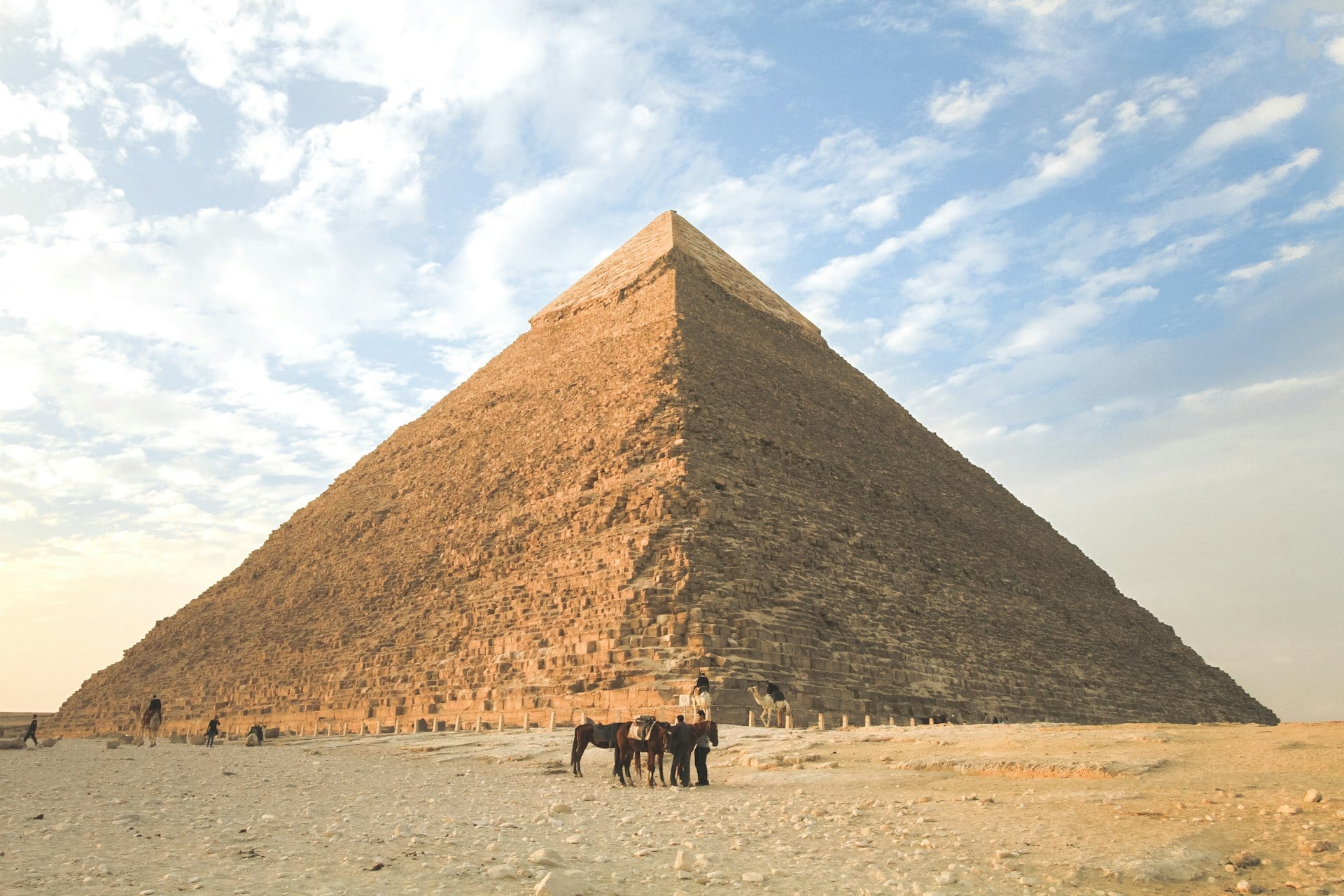
For anyone educated between 1992 and 2011, the food pyramid defined proper nutrition. Grains at the bottom, fats at the tiny top, and strict serving recommendations for each level.
Teachers presented it as nutritional consensus, backed by government authority. Nutritionists argued about the pyramid even while it was official policy.
Critics said it overemphasized carbohydrates and didn’t distinguish between healthy and unhealthy fats. Some researchers pointed out that dietary needs vary by individual, making one-size-fits-all recommendations problematic.
The government eventually replaced the pyramid with MyPlate, but that hasn’t ended debates about optimal nutrition. Experts disagree about ideal macronutrient ratios, whether certain foods are inherently harmful, and how much individual variation matters.
Low-carb advocates fight with plant-based diet proponents. Intermittent fasting enthusiasts clash with those who recommend frequent small meals.
Students learned the pyramid as scientific fact. The replacement acknowledged some problems, but current nutritional education still presents contested positions as if they’re settled.
Dinosaurs Were Scaly Reptiles
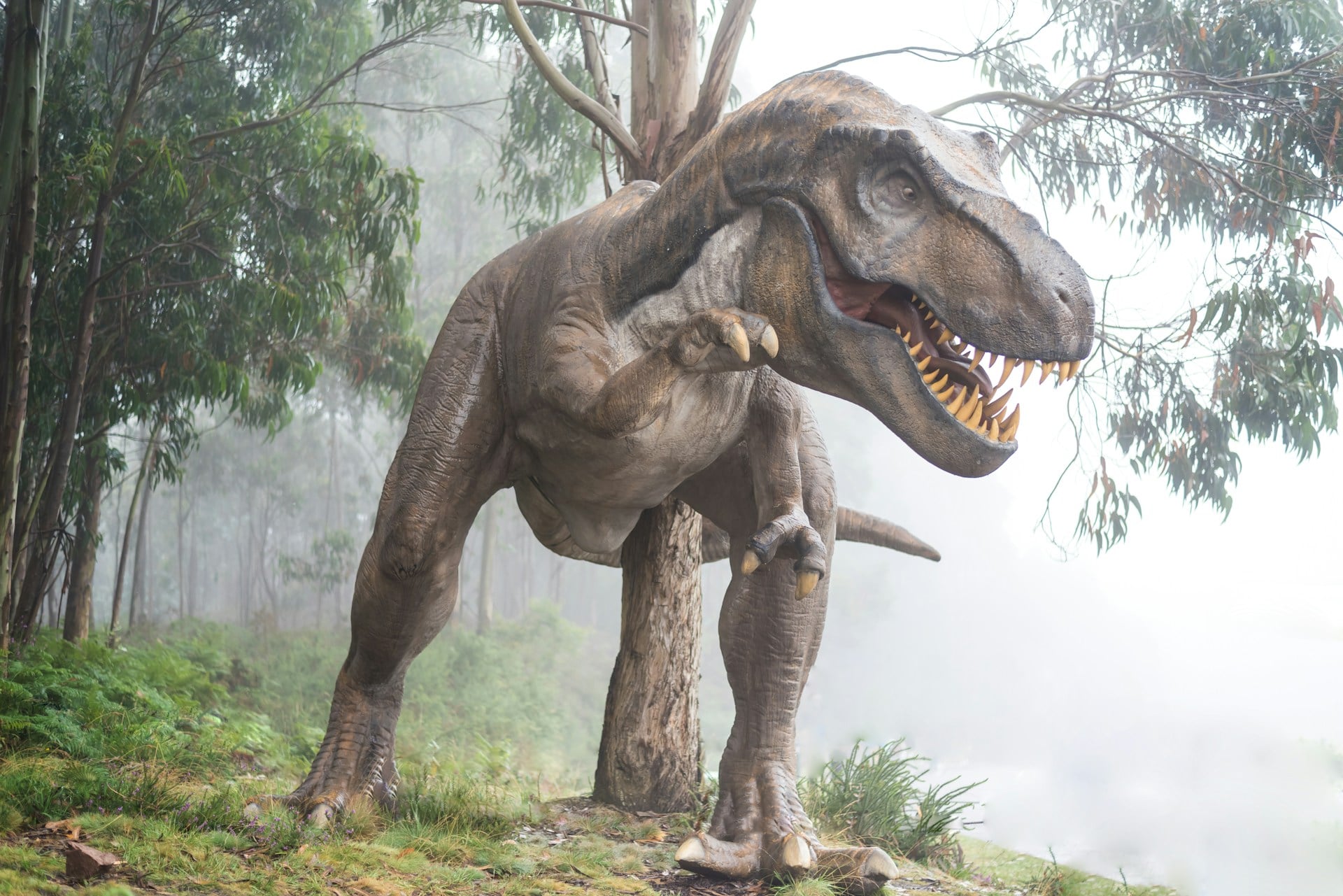
Textbooks and museum displays long showed dinosaurs as giant lizards—scaly, often depicted in dull greens and browns, lumbering through ancient landscapes. This image dominated education for generations.
Then evidence started accumulating that many dinosaurs had feathers. Not all of them, but enough to fundamentally change how paleontologists think about dinosaur biology, behavior, and appearance.
The feathered dinosaur isn’t a fringe theory anymore—it’s mainstream science. But debates continue about which species had feathers, what those feathers looked like, and what functions they served.
Scientists argue about dinosaur coloration, thermal regulation, and how modern birds relate to their dinosaur ancestors. New fossil discoveries keep forcing revisions to established classifications.
Educational materials update slowly. Some textbooks now mention feathered dinosaurs, but others stick with the old scaly versions.
Children’s dinosaur books present widely varying depictions. Museum exhibits undergo expensive renovations to reflect new findings, but many displays still show outdated reconstructions.
The image of dinosaurs keeps changing as research progresses, yet schools often present whatever version was current when their materials were published.
The Five Senses
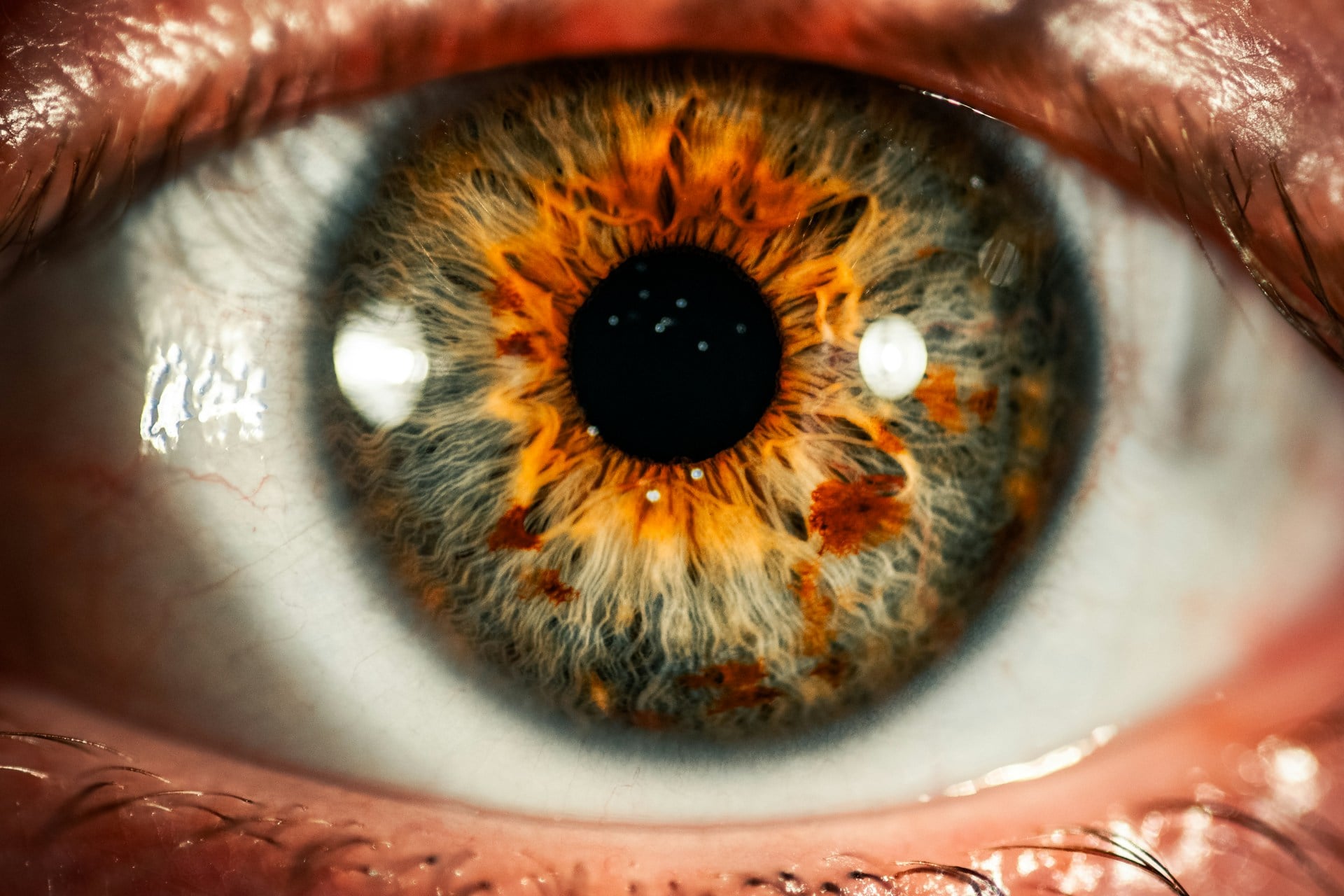
Elementary students learn humans have five senses: sight, hearing, taste, smell, and touch. This categorization traces back to Aristotle and gets repeated in educational settings constantly.
Neurologists and sensory researchers recognize many more than five senses. Proprioception tells you where your body parts are without looking.
Balance comes from your vestibular system. Thermoception detects temperature.
Nociception senses pain. Some researchers argue for separate senses for pressure, itch, and internal body states like hunger and thirst.
The debate isn’t just about counting. Scientists disagree on how to define a sense, which makes determining the total number complicated.
Should different types of sensory receptors count as different senses? Or should classification depend on how the brain processes information?
Schools stick with five because it’s simple and traditional. Students get a tidy framework that doesn’t acknowledge the messiness of real sensory biology or the ongoing debates about how to categorize human perception.
Blood Is Blue Before It Hits Oxygen
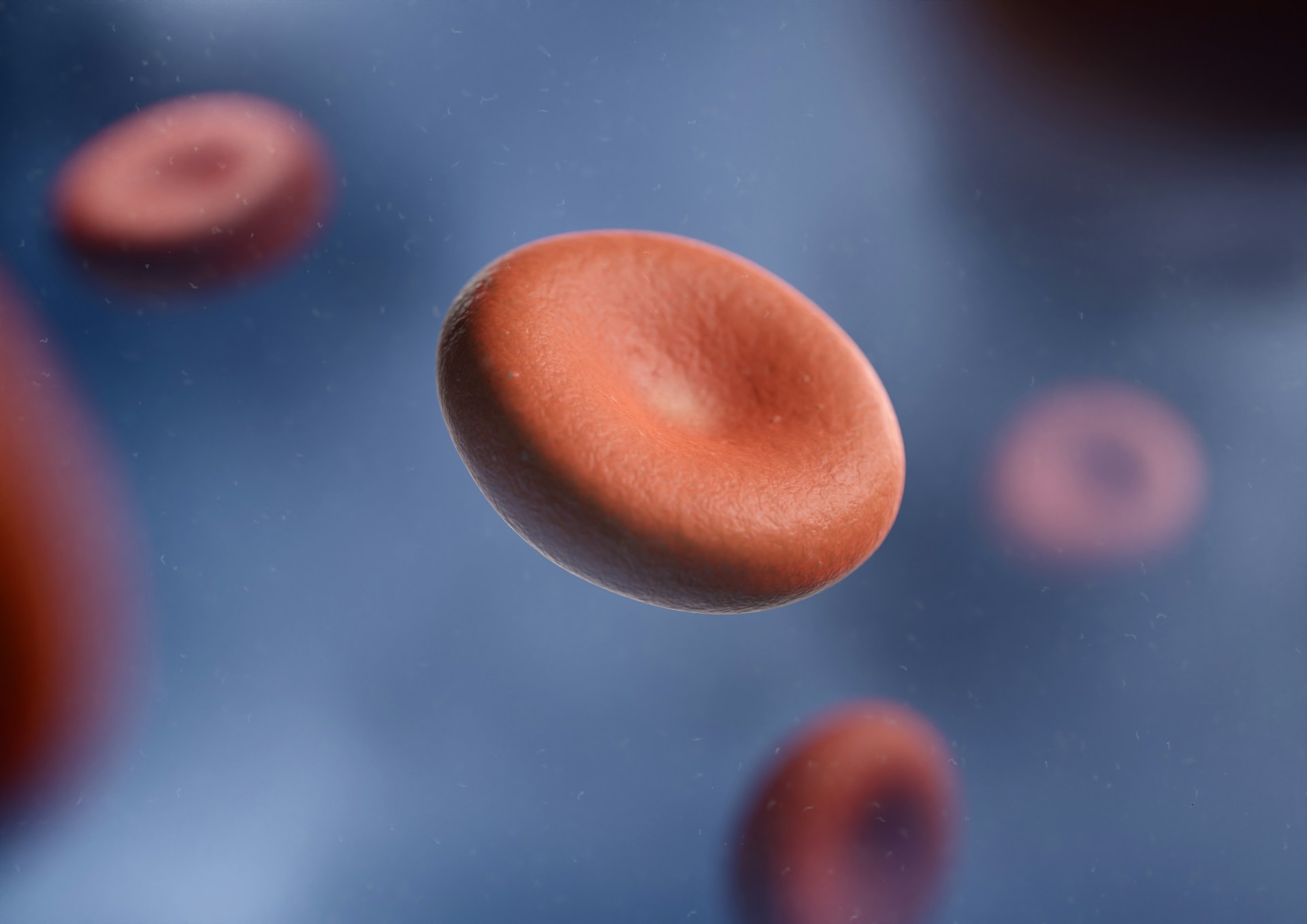
This misconception appears surprisingly often in classrooms. Teachers explain that blood in your veins looks blue through your skin because it lacks oxygen, and it turns red when oxygenated by the lungs.
Some educational diagrams even show veins in blue and arteries in red, reinforcing the idea. Blood is always red.
Deoxygenated blood is darker red, not blue. Veins look blue through your skin because of how light penetrates and reflects through tissue, not because the blood itself is blue.
So where’s the debate? Scientists argue about aspects of blood oxygenation and color perception.
Researchers disagree about why veins appear blue through skin—competing theories involve light wavelengths, absorption properties of hemoglobin, and how the eye processes color information. Studies produce different explanations for the visual phenomenon.
The basic fact that blood isn’t blue isn’t debated. But the physics and perception behind why it looks blue involves ongoing research and competing hypotheses that don’t make it into standard education.
Learning Styles Determine Educational Success

Educational institutions invested heavily in learning styles theory. Teachers categorized students as visual, auditory, or kinesthetic learners.
Schools designed lessons to accommodate different learning preferences. Professional development programs trained educators to identify and cater to individual learning styles.
Research psychologists have largely rejected learning styles theory. Multiple studies show no evidence that matching instruction to preferred learning style improves outcomes.
The theory remains popular despite weak scientific support. But debates continue about individual differences in learning.
Scientists disagree about whether cognitive styles exist in other forms, how memory works, and what teaching methods work best for different content. Educational researchers argue about personalized learning, optimal class sizes, and whether standardized testing measures what matters.
Schools still use language learning styles even as educational psychology moves away from the concept. Teachers continue activities designed around a theory that many researchers consider debunked, while actual debates about effective education get less attention.
Mount Everest Is the Tallest Mountain

Geography lessons teach that Mount Everest is the tallest mountain on Earth at 29,032 feet. Students memorize this fact for tests and use it as a reference point for understanding extreme height.
Technically, Everest has the highest elevation above sea level. But measured from base to peak, Mauna Kea in Hawaii is taller—most of it sits below the ocean.
Measured from Earth’s center, Ecuador’s Mount Chimborazo extends farther because Earth bulges at the equator. Geographers debate what “tallest” means and how to measure mountains.
Scientists disagree about whether to measure from sea level, from base, or from Earth’s center. Different definitions produce different answers.
The choice involves both scientific and philosophical questions about how we define and compare natural features. Classrooms present Everest as definitively the tallest without acknowledging these measurement debates.
Students learn one answer to a question that doesn’t have a single right answer depending on how you frame it.
Edison Invented the Light Bulb

Thomas Edison appears in history books as the inventor of the light bulb, a genius who brought electric light to the world. His name is synonymous with the invention.
Multiple people developed incandescent light bulbs before Edison. Humphry Davy created the first electric light in 1802.
Warren de la Rue built a practical design in 1840. Joseph Swan patented a working bulb and installed them in homes before Edison’s version.
What Edison did was create a commercially viable system—finding the right filament material, developing better vacuum pumps, designing electrical infrastructure for distributing power. He didn’t invent the light bulb so much as perfect and commercialize it.
Historians debate what counts as invention versus improvement. They argue about how to credit innovation when it involves iterative development by multiple people.
Edison’s role fits into larger questions about how history recognizes technological progress and whether individual genius or collective effort drives change. Students get a simplified story with clear attribution.
The real history involves competing claims, patent disputes, and questions about what invention means that historians still wrestle with.
Reading in Dim Light Damages Eyes

Parents and teachers regularly warn children not to read in dim light because it will damage their eyes. This advice appears in countless health classes and parenting guides.
The warning is presented as an established medical fact. Ophthalmologists say reading in dim light doesn’t cause permanent damage to adults.
It can cause eye strain and fatigue, but these effects are temporary. Your eyes won’t sustain lasting harm from reading by flashlight under the covers.
Medical researchers debate the effects of various lighting conditions on vision, particularly for developing eyes. Some studies suggest that reading under poor lighting for extended periods during childhood might increase myopia risk, though the evidence remains debated.
Scientists argue about blue light from screens, optimal lighting for different tasks, and how modern visual habits affect eye development. Studies on myopia progression produce conflicting results.
Schools present the dim light warning as protective health advice without acknowledging it’s not supported by evidence. Meanwhile, legitimate debates about vision and lighting that parents might care about get less attention in educational settings.
Alpha Wolves Lead by Dominance

The concept of the alpha wolf penetrated popular culture and education. Biology classes taught that wolf packs have strict hierarchies with an alpha male at the top who maintains control through dominance and aggression.
This model extended to discussions about human behavior, leadership, and social organization. The researcher who popularized the alpha wolf concept later renounced it.
David Mech studied wolves in captivity and thought he’d discovered natural pack structure. Later research on wild wolves showed they live in family groups.
The “alpha” is just a parent, and pack dynamics resemble family cooperation more than dominance hierarchies. Biologists debate social structures in various species.
Researchers disagree about how much animal behavior generalizes across contexts, whether dominance hierarchies exist in certain species, and how to interpret social interactions. The simplified alpha model appeared in textbooks long after scientists moved on.
Educational materials slowly update, but the alpha wolf concept persists in many classrooms. Students learn outdated animal behavior models that misrepresent both wolf biology and scientific consensus, while real debates about animal social systems get ignored.
Antibacterial Soap Kills More Germs

Marketing campaigns and health education promoted antibacterial soaps as superior to regular soap. Parents bought them for their families.
Schools recommended them. The message was clear: antibacterial formulas kill germs better and keep you healthier.
The FDA banned triclosan and 18 other antibacterial agents from consumer soaps in 2016, stating manufacturers hadn’t proved they were safe or more effective than plain soap and water. Studies showed antibacterial soaps worked no better for preventing illness in household settings.
Public health researchers debate antibiotic resistance, appropriate use of antimicrobial agents, and what products actually help prevent disease transmission. Scientists argue about hand hygiene recommendations, how much sanitization is necessary, and whether antimicrobial chemicals in consumer products contribute to resistance problems.
Many schools and homes still use antibacterial products without knowing the FDA’s position. Educational messages about hygiene often don’t reflect current scientific thinking or acknowledge the debates about optimal cleaning practices.
The Great Wall of China Is Visible from Space

This claim appears regularly in education about the Great Wall and space observation. Students learn the Wall is so massive and impressive that astronauts can see it from space, demonstrating human engineering achievement on a planetary scale.
Astronauts say you can’t see the Great Wall from space with the unaided eye. It’s too narrow and blends with the surrounding landscape.
You can’t see it from the moon, and it’s difficult to spot even from low Earth orbit without magnification. Many other human structures are more visible.
The debate isn’t about visibility—astronauts have settled that. Scientists and educators argue about why this myth persists and what it reveals about how we think about human achievement.
Scholars debate what qualifies as “visible from space” and whether the question even matters. Some discuss it as a case study in how misinformation spreads through educational systems.
The Great Wall, visible from space, still appears in some textbooks and classroom discussions. It’s taught as an interesting fact about the Wall when it’s actually false, while the reasons for its persistence offer more interesting lessons that rarely get explored.
Glass Is a Slow-Moving Liquid

Science classes sometimes teach that glass is technically a liquid that flows extremely slowly. Evidence comes from old windows being thicker at the bottom, supposedly because glass flowed downward over centuries.
It’s presented as a counterintuitive scientific fact about material properties. Glass is an amorphous solid, not a liquid.
Old windows are thicker at the bottom because manufacturing processes produced uneven glass, and installers put the heavier edge down for stability. Medieval glass doesn’t show flow over centuries.
The molecular structure of glass is solid, not slowly moving liquid. Materials scientists debate how to classify glass and other amorphous materials.
Researchers disagree about the exact definition of the glass transition, whether glass represents a distinct state of matter, and how its molecular structure differs from crystalline solids. These are legitimate scientific questions.
But the “glass flows” claim isn’t part of that debate—it’s just wrong. Students learn misinformation while real discussions about material science classification get skipped.
The error persists because it sounds plausible and interesting.
Where We Stand Now

One lesson sticks to the next. What learners pick up today shapes their grasp tomorrow, while instructors share knowledge handed to them long ago.
Where school lessons miss current academic talks, those blanks stretch into the future. Every class grows into educators who repeat versions that are too basic or old.
Changing what’s taught takes time, effort, and money. Years go by before materials are ready, only then do they get approval.
With so much ground to cover, teachers find little room to keep up with new findings across subjects. Pressure builds on school boards – parents push one way, officials another, communities a third.
Even if better ways exist, the machinery of education creaks slowly, stuck in its tracks. It could be better not to bring complex debates into early grades.
Kids must grasp the basics first, before handling shades of gray. Yet later on, they should find out some truths they learned are still argued over by specialists.
Realizing this may matter more than memorizing facts. Questioning old beliefs is how science moves forward.
New discoveries keep changing what we think about the past. What we know keeps shifting.
When kids learn to question what people say – even their teachers – they handle change more easily, since few things stay fixed for long.
More from Go2Tutors!

- The Romanov Crown Jewels and Their Tragic Fate
- 13 Historical Mysteries That Science Still Can’t Solve
- Famous Hoaxes That Fooled the World for Years
- 15 Child Stars with Tragic Adult Lives
- 16 Famous Jewelry Pieces in History
Like Go2Tutors’s content? Follow us on MSN.



