Unusual Sports Traditions from Remote Regions
These aren’t your typical weekend hobbies. They’re traditions passed down through generations, shaped by the land, the weather, and the culture of the people who play them.
Let’s take a look at some of these fascinating sports that thrive far from the mainstream spotlight.
Buzkashi
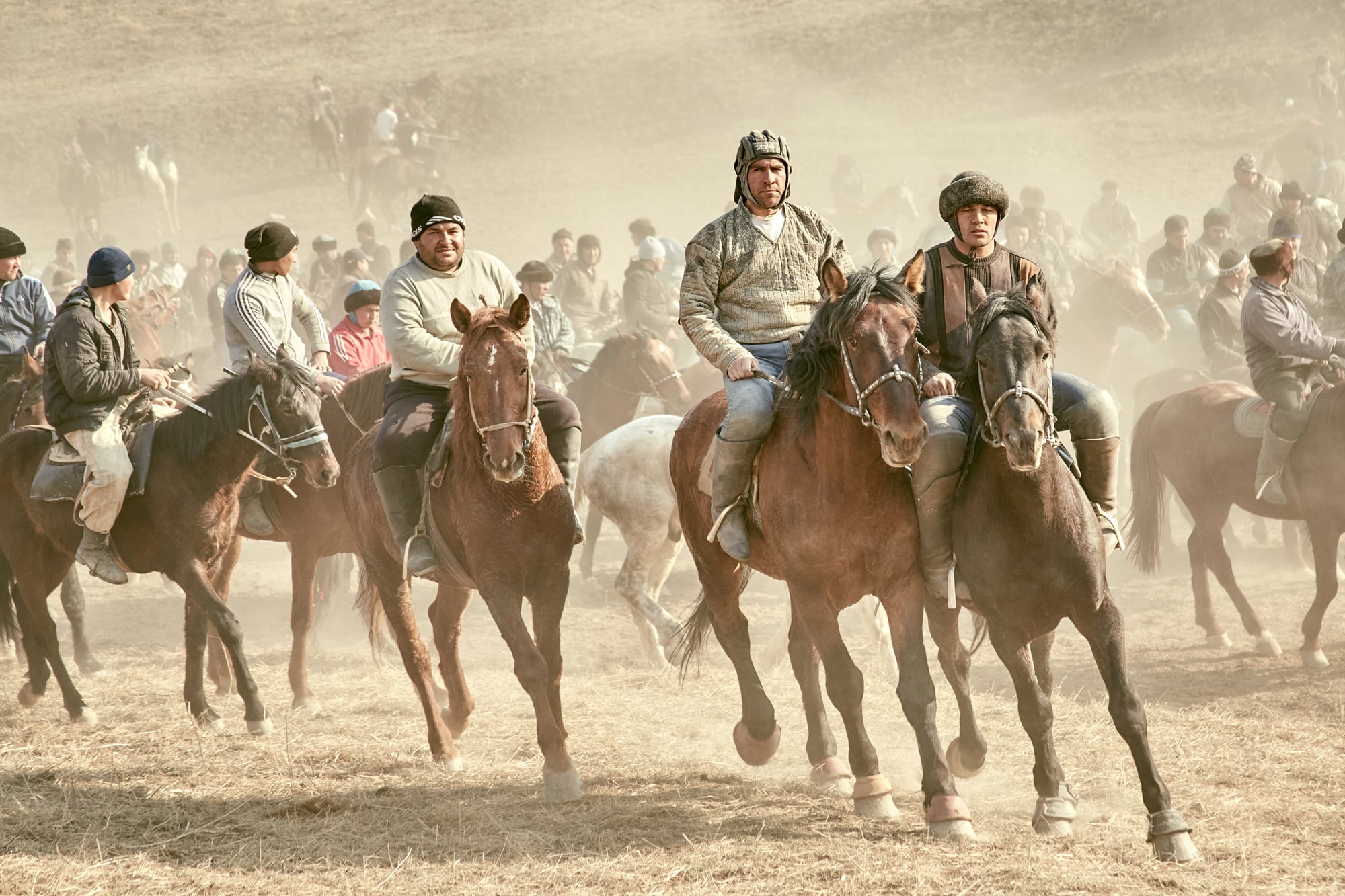
Picture a game where dozens of horseback riders battle for control of a headless goat carcass. That’s Buzkashi, and it’s been played in Central Asia for centuries.
Afghanistan and parts of neighboring countries host this intense competition, where riders called chapandaz must grab the carcass and carry it to a scoring area while opponents try to wrestle it away. The games can last for hours, and there are almost no rules.
Riders wear heavy padding because things get rough, and horses are specially trained from a young age to handle the chaos.
Sepak takraw
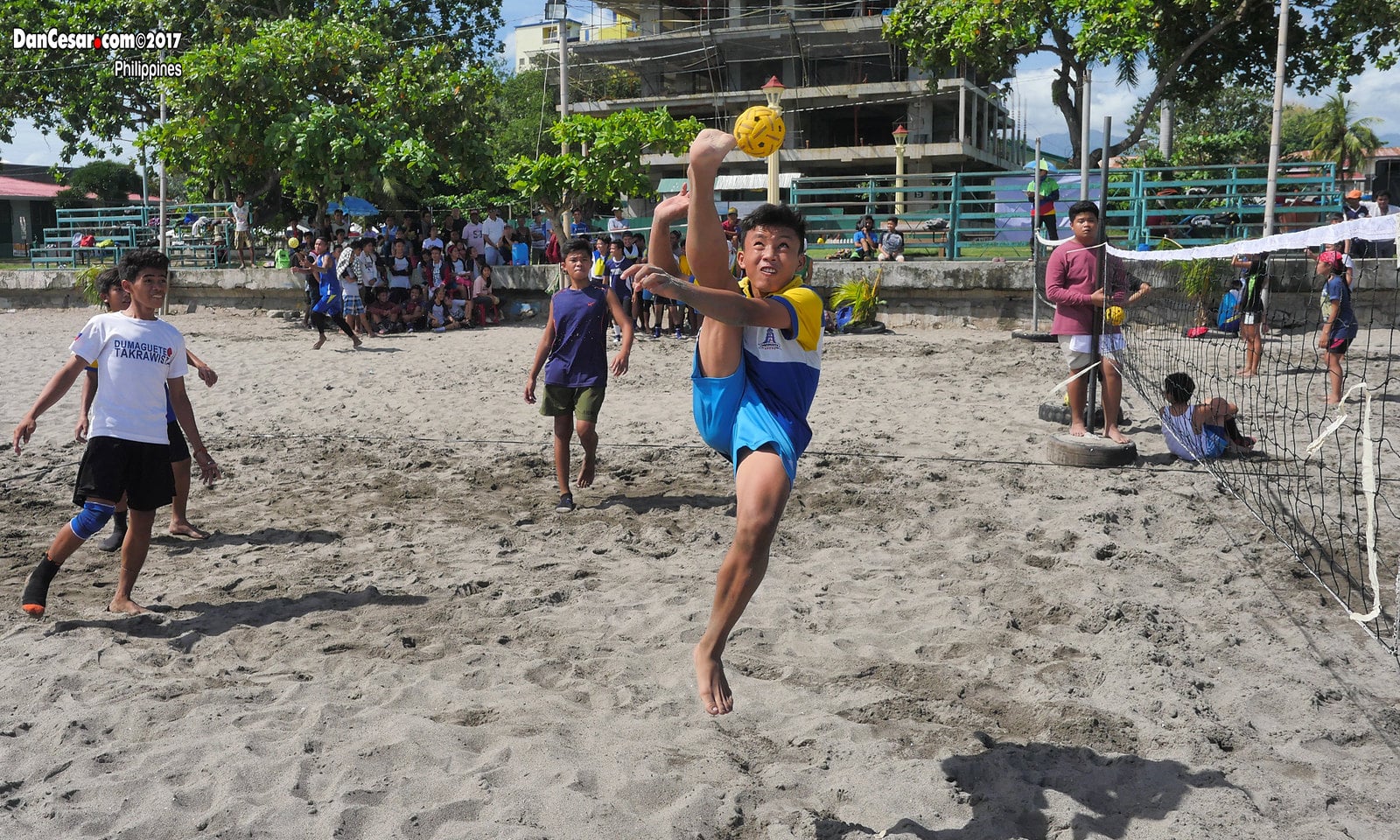
In Southeast Asia, particularly in Thailand, Malaysia, and Indonesia, players kick a woven rattan orb over a net using only their feet, knees, chest, and head. Sepak takraw looks like volleyball mixed with martial arts, and the acrobatic moves are stunning.
Players perform bicycle kicks and flips mid-air to send the orb flying over the net. The sport requires incredible flexibility and timing.
Matches move at lightning speed. It’s popular at local tournaments and even has international competitions, though it remains largely unknown outside the region.
Yak racing
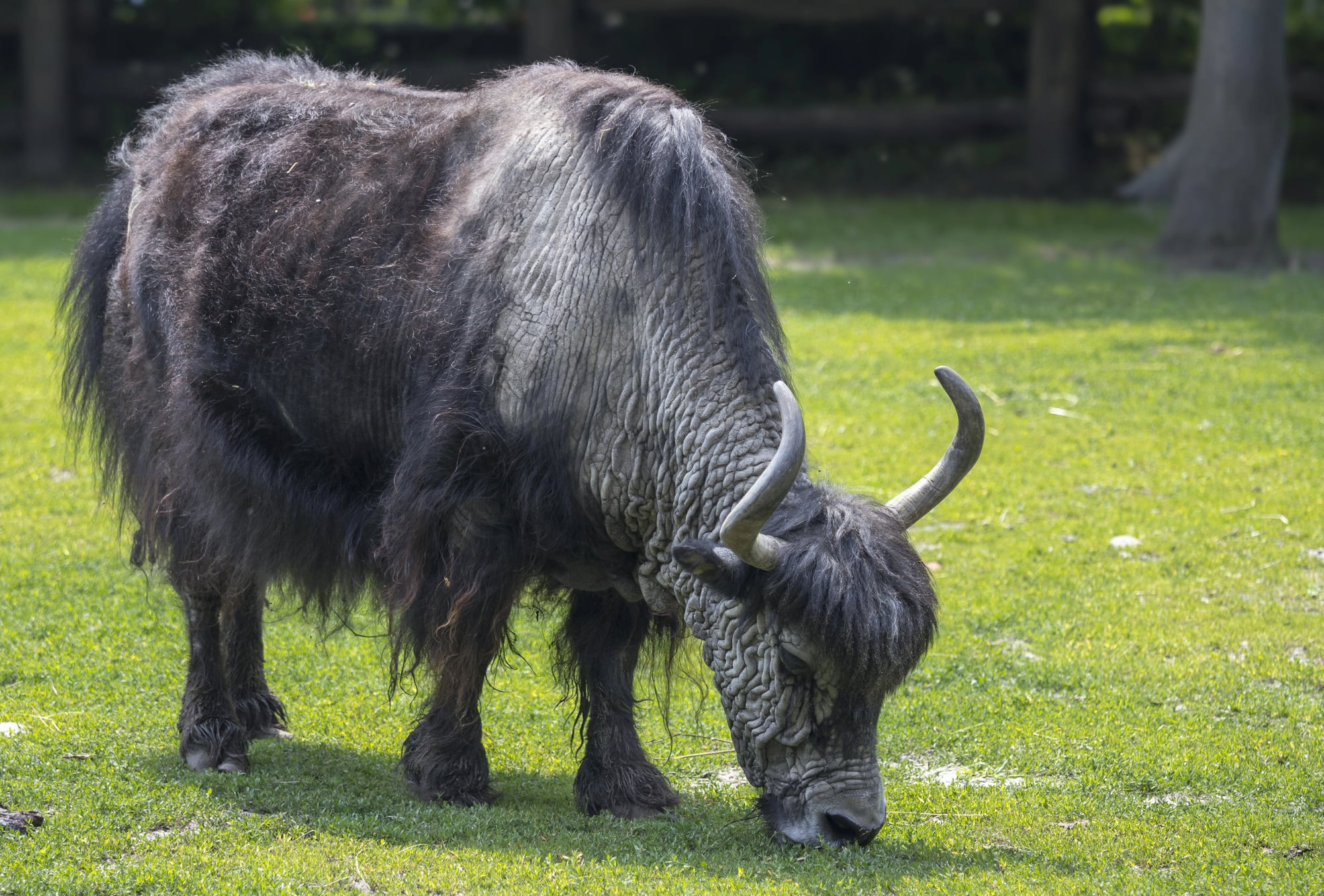
High in the mountains of Tibet and Mongolia, yaks aren’t just pack animals. During festivals, locals race these shaggy beasts across rugged terrain, and the sight is both hilarious and impressive.
Yaks aren’t exactly built for speed, but they’re strong and sure-footed on rocky ground. Riders balance on their backs without saddles, holding onto ropes or the yak’s thick fur.
The races draw big crowds, and there’s always plenty of cheering and laughter. It’s a celebration of the animals that sustain mountain communities through harsh winters.
Caber toss
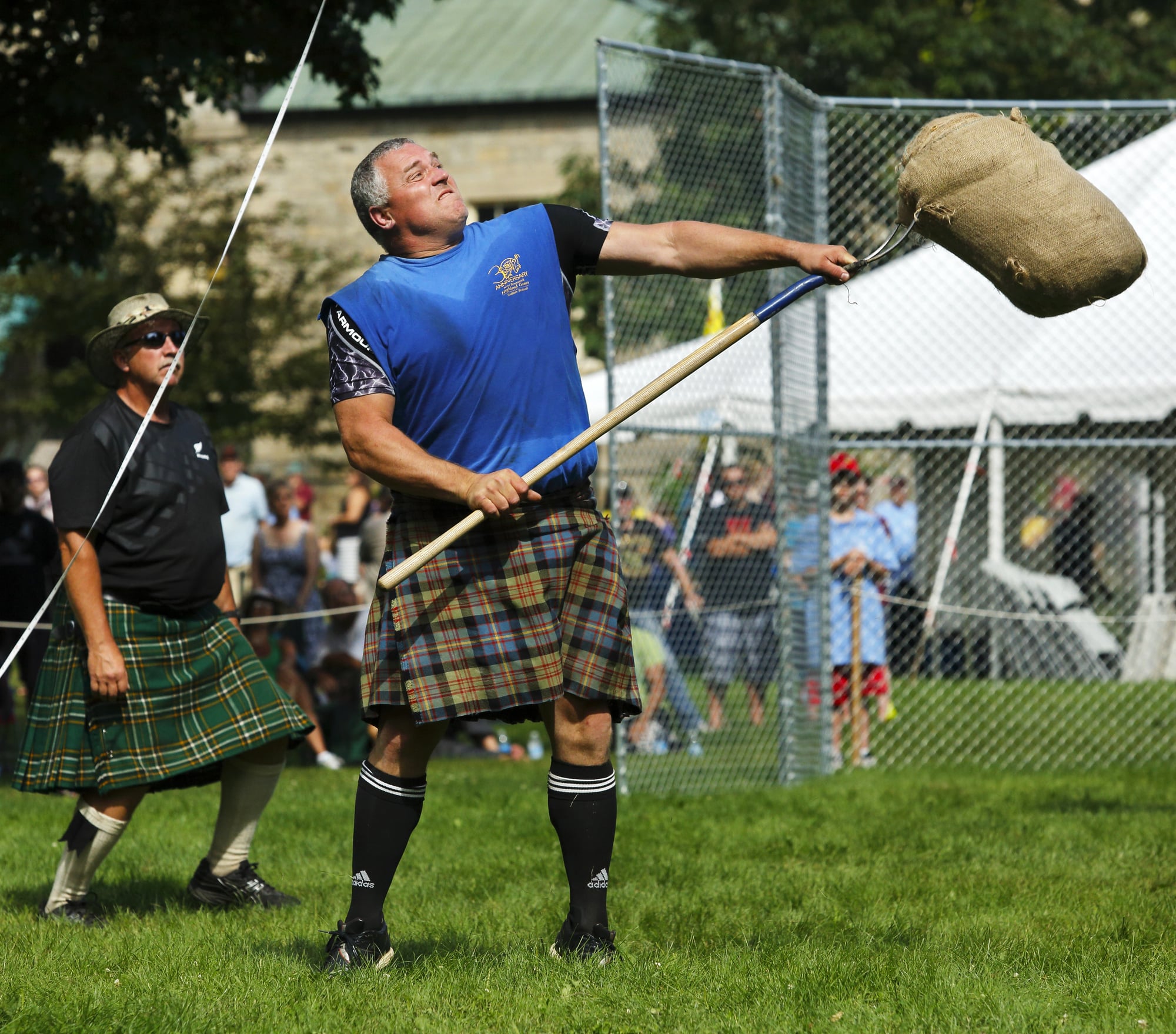
Scotland is home to this test of raw strength where competitors hurl a massive wooden pole called a caber end over end. The caber can weigh up to 175 pounds and stretch nearly 20 feet long.
Athletes must balance it vertically, then run forward and flip it so it lands straight ahead. Judges score based on accuracy, not distance.
The sport appears at Highland Games across Scotland, events that also feature bagpipes, dancing, and other traditional contests. It’s a proud display of Scottish heritage and physical power.
Reindeer racing
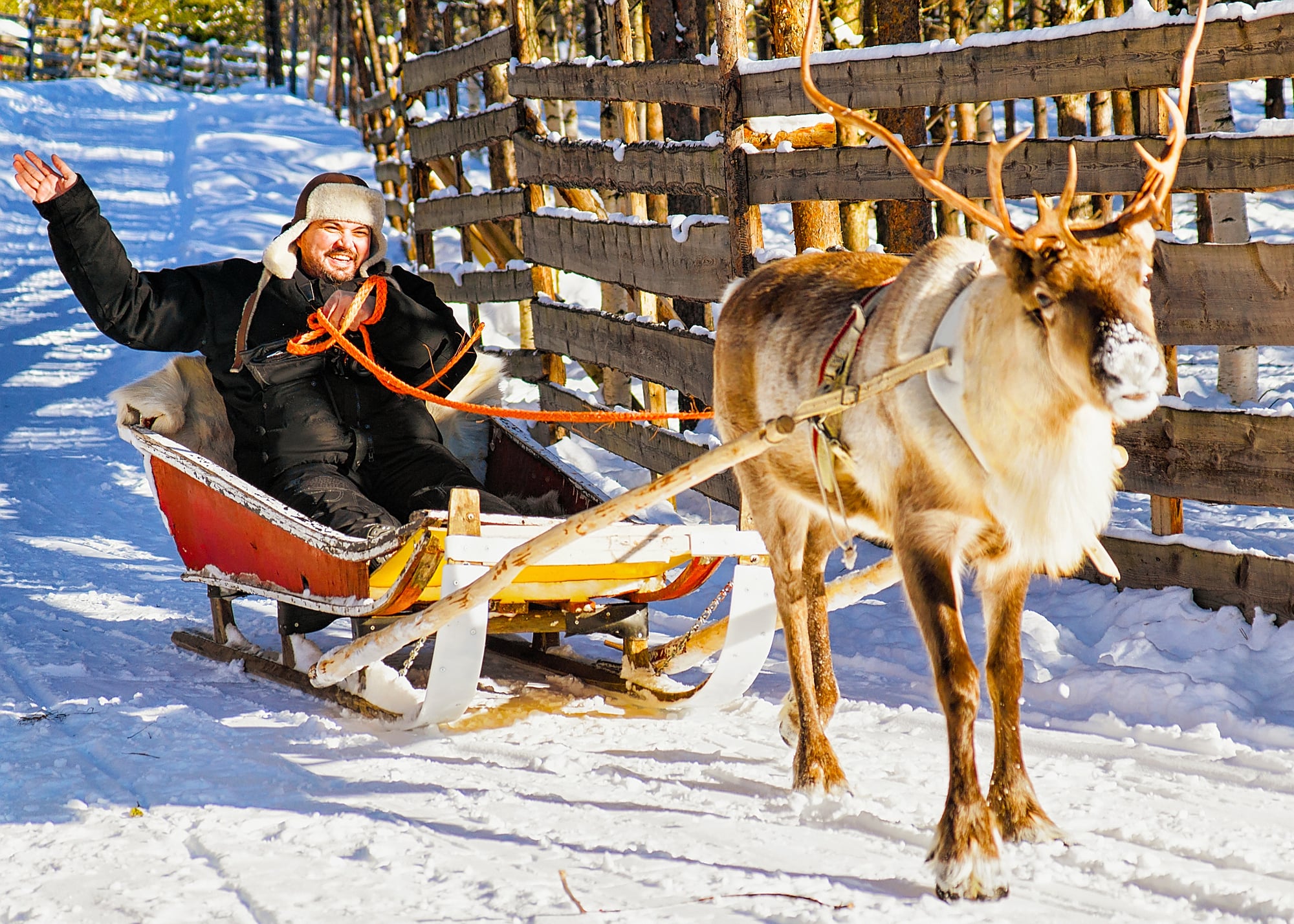
In the Arctic regions of Scandinavia and Russia, indigenous Sami people race reindeer across frozen lakes and snowy fields. Competitors ski behind the animals, holding onto reins as the reindeer pull them forward at surprising speeds.
Some races involve sleds instead of skis, and children often participate alongside adults. The tradition connects communities to their herding culture and offers a break from the long, dark winters.
Reindeer racing has become a popular attraction during winter festivals, drawing visitors from around the world.
Gouren
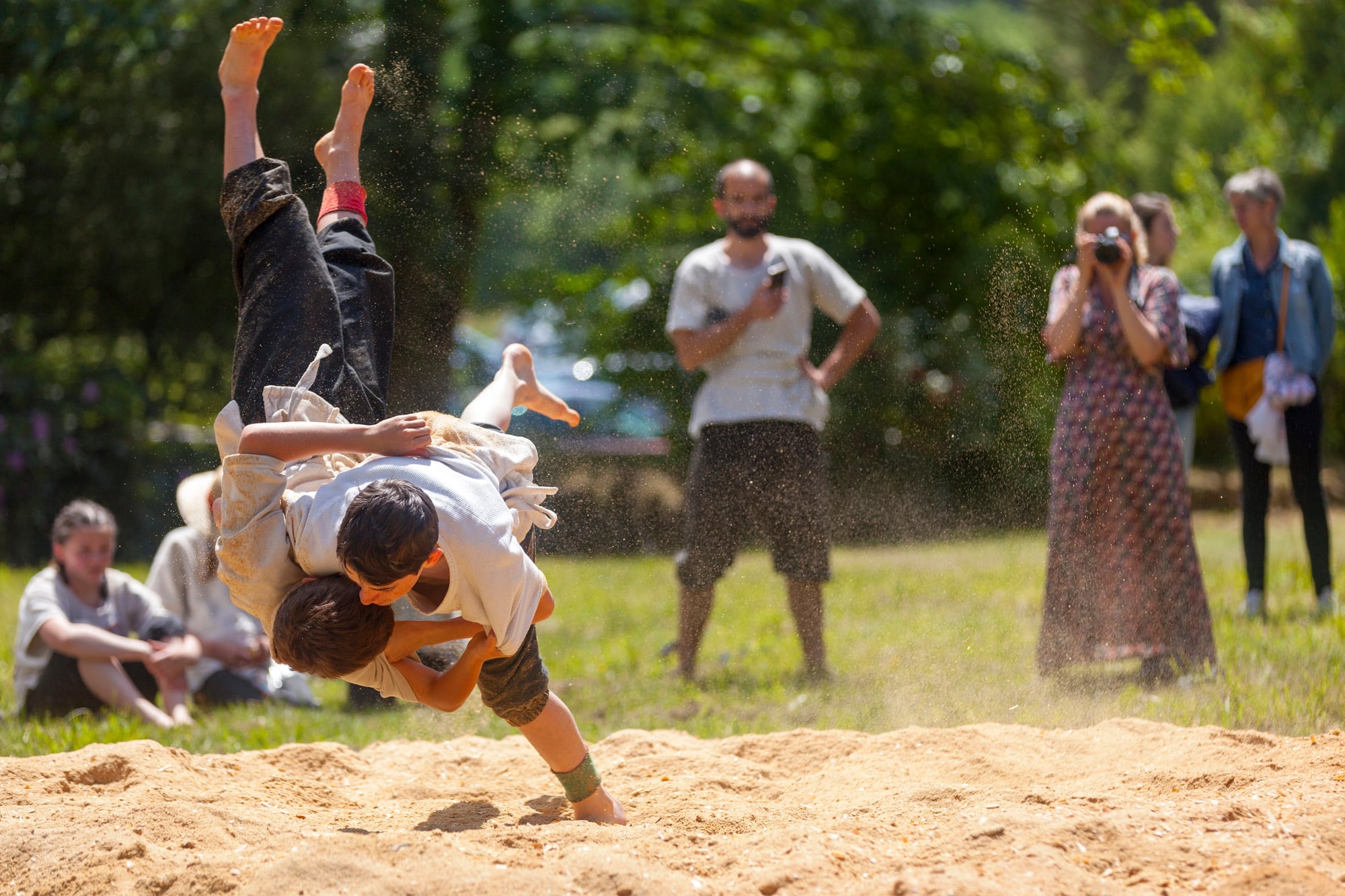
This form of wrestling comes from Brittany, a region in northwestern France with a distinct cultural identity. Two opponents grab each other’s shirts and try to throw their rival onto their back.
Matches take place in sawdust rings, and the first to land on their back loses. Gouren dates back over a thousand years and remains deeply rooted in Breton tradition.
Local clubs train young wrestlers, and regional tournaments happen throughout the year. The sport emphasizes technique over brute force, rewarding skillful throws and balance.
Kok boru
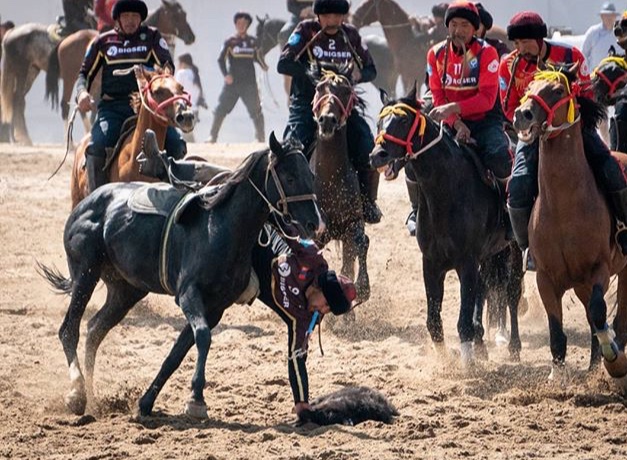
Central Asian countries like Kyrgyzstan and Kazakhstan host this wild horseback game that’s similar to Buzkashi but with its own fierce style. Teams of riders compete to grab a goat carcass and throw it into the opposing team’s goal, which is basically a large tub.
Players crash into each other at full gallop, and horses sometimes collide. The game tests both riding skill and nerve, and it’s a major part of national celebrations.
Kok boru has even been proposed for inclusion in the Asian Games, gaining recognition beyond its traditional borders.
Hornussen
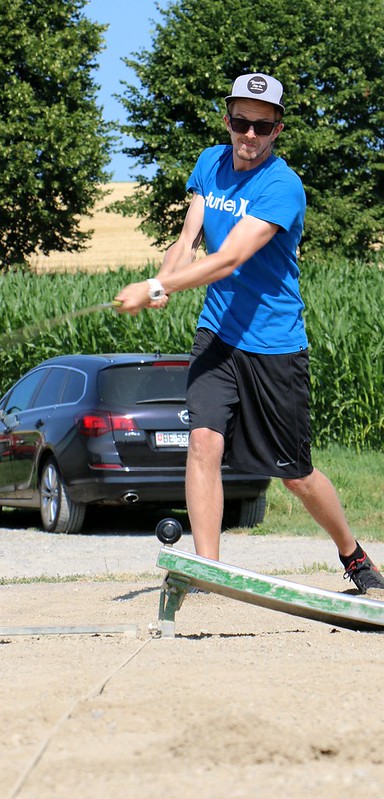
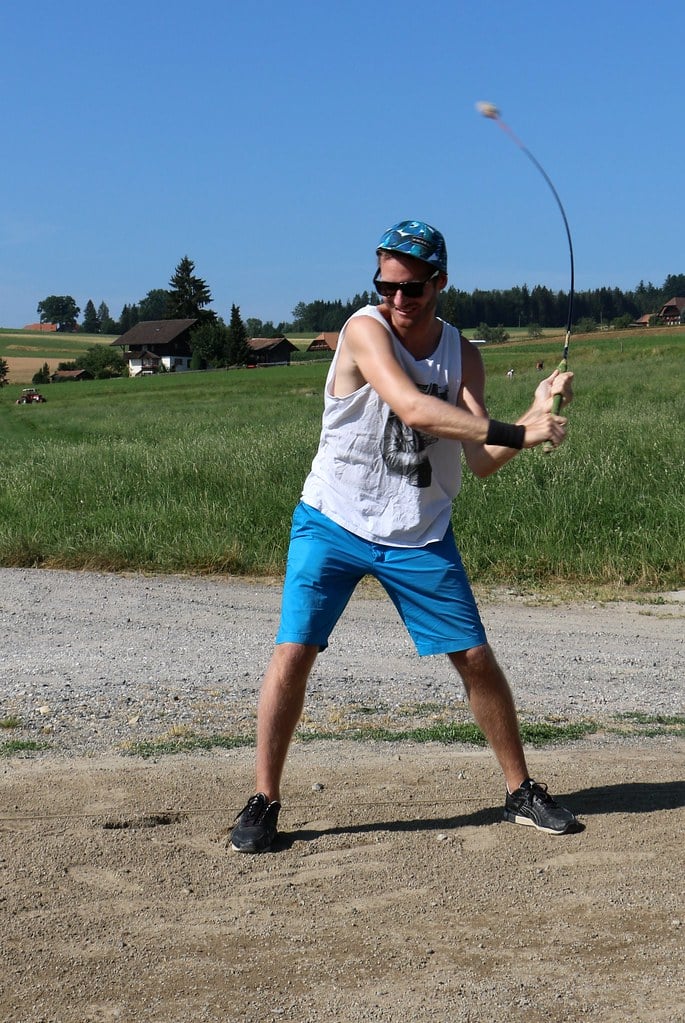
Switzerland’s national sport involves hitting a puck called a hornuss with a flexible whip and sending it flying across a field. The opposing team tries to knock it down before it lands using large wooden paddles.
The hornuss can travel over 180 miles per hour, and players need sharp reflexes to stop it. Matches happen in Alpine meadows and village fields, often during local festivals.
The sport has deep roots in Swiss farming communities, where it started as a way for villagers to settle disputes and show off their strength.
Dambe
In northern Nigeria, fighters wrap one hand in a cord and use it to strike their opponent while the other hand remains open for defense. Dambe is a traditional form of boxing among the Hausa people, and matches happen during harvest festivals and celebrations.
Rounds last until one fighter falls or gives up, and kicks are allowed as long as they don’t aim below the waist. The sport has strict cultural codes, and fighters often come from butcher families who have practiced Dambe for generations.
It’s aggressive but governed by respect and tradition.
Fierljeppen
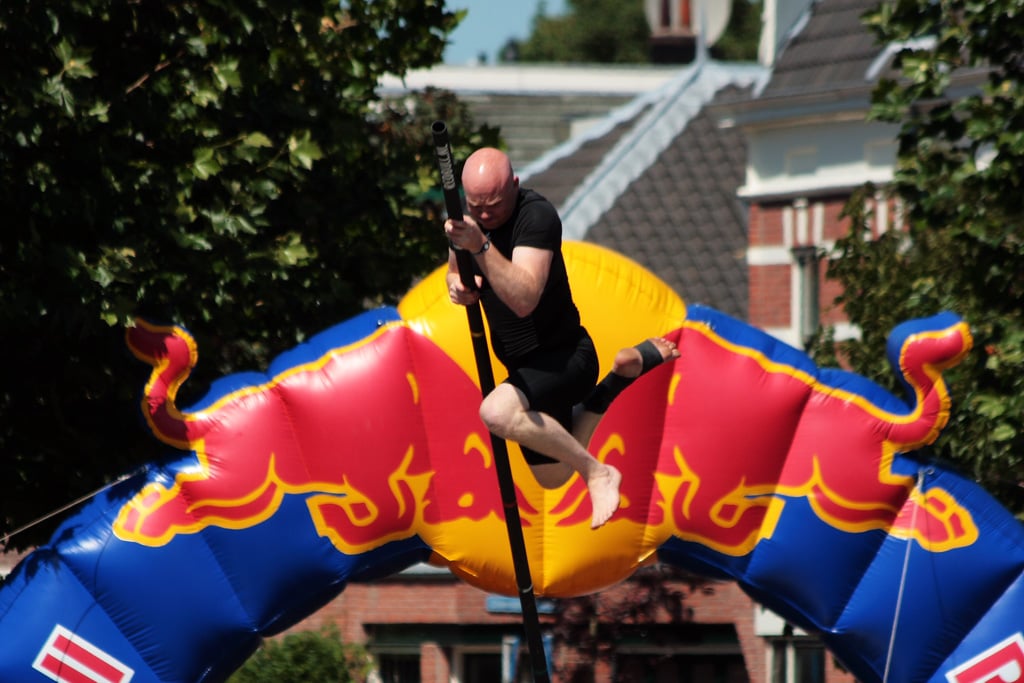
The Dutch have turned pole vaulting over canals into a competitive sport. Athletes sprint toward a body of water, grab a tall pole, and try to climb it while it tips forward, aiming to land as far as possible on the other side.
The poles can reach 40 feet tall, and timing is everything. Fierljeppen takes place in rural Friesland, a northern province where farmland is crisscrossed by waterways.
It started as a practical way for farmers to cross ditches, but now it’s a beloved tradition with national championships and dedicated athletes.
Bossaball
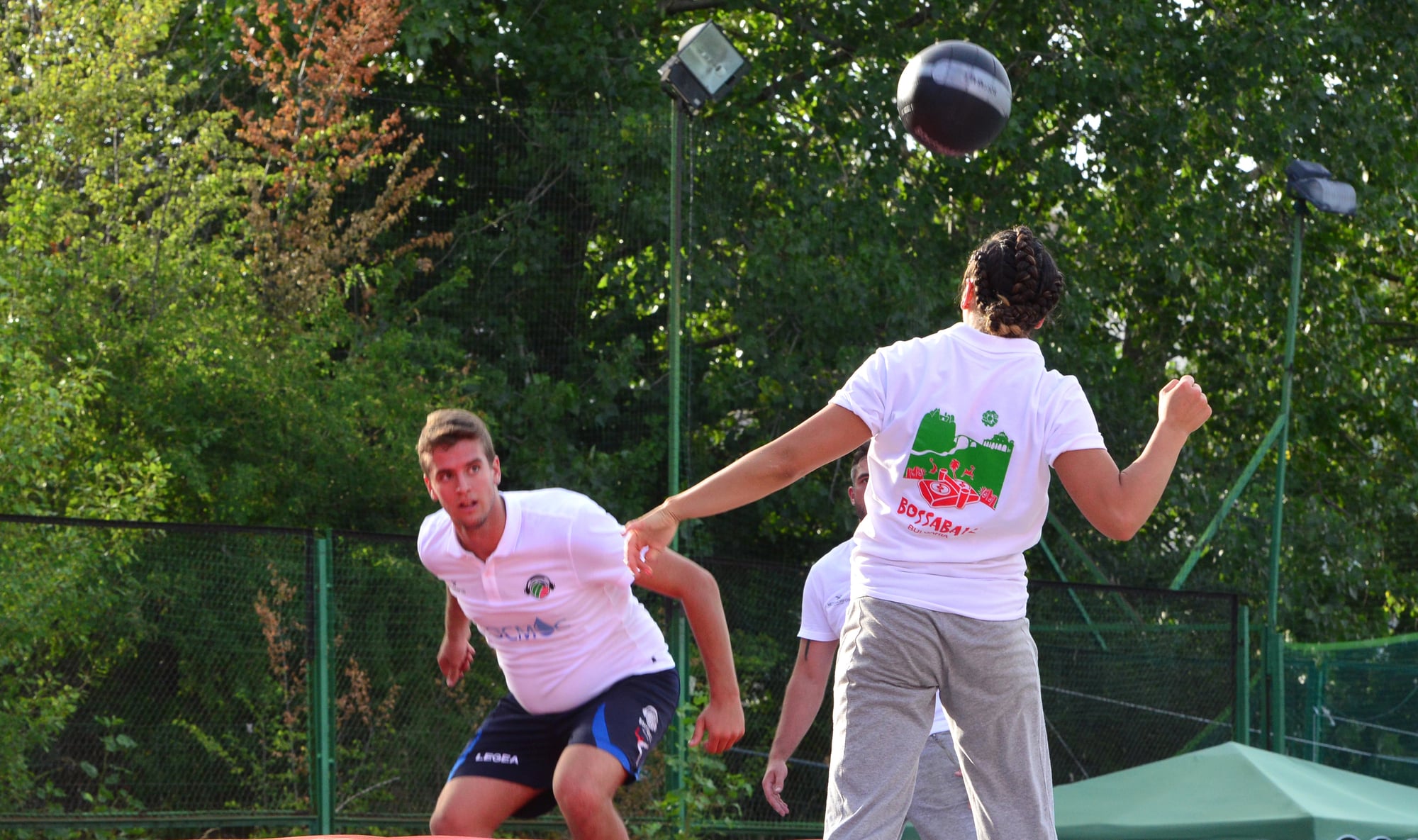
This hybrid sport blends volleyball, soccer, gymnastics, and trampolines on an inflatable court. It was invented in Spain but has gained traction in South America, particularly Brazil.
Teams hit an orb over a net using any part of their body, and the trampolines allow for gravity-defying spikes and saves. Music plays during matches, giving the game a festival atmosphere.
Bossaball is still relatively new compared to ancient traditions, but it’s spreading to beaches and sports festivals around the world. The energy and creativity make it a hit with younger crowds.
Kaiju
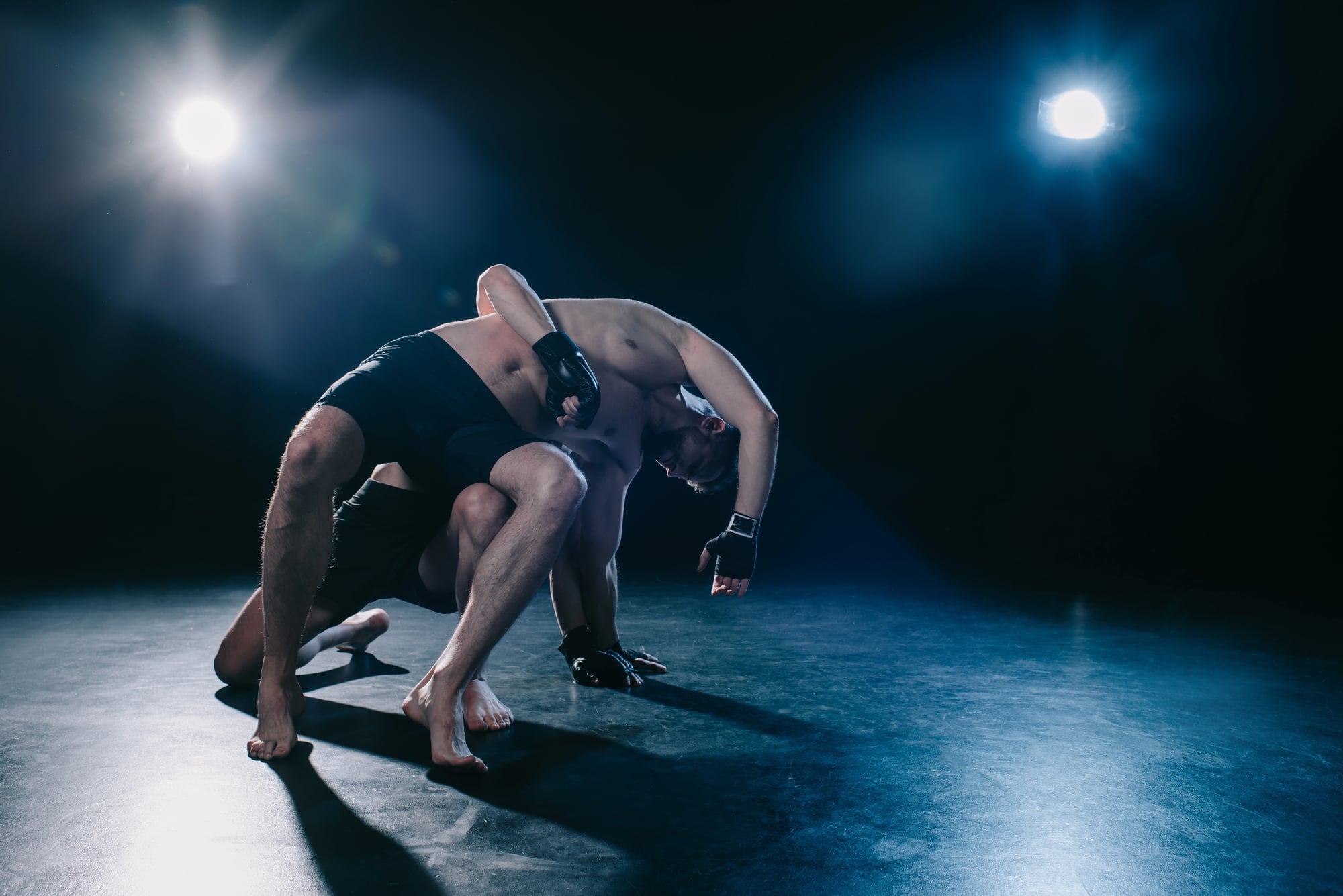
This traditional sport from the Pacific island nation of Kiribati involves standing combat where opponents try to throw each other off balance. Fighters must keep their feet planted while grappling, and the first to move their feet or fall loses.
Matches happen on beaches during community gatherings and celebrations. Kaiju emphasizes leverage and core strength rather than size or aggression.
It’s a way for islanders to honor their ancestors and teach discipline to younger generations. The sport remains central to Kiribati’s cultural identity despite outside influences.
Hurling
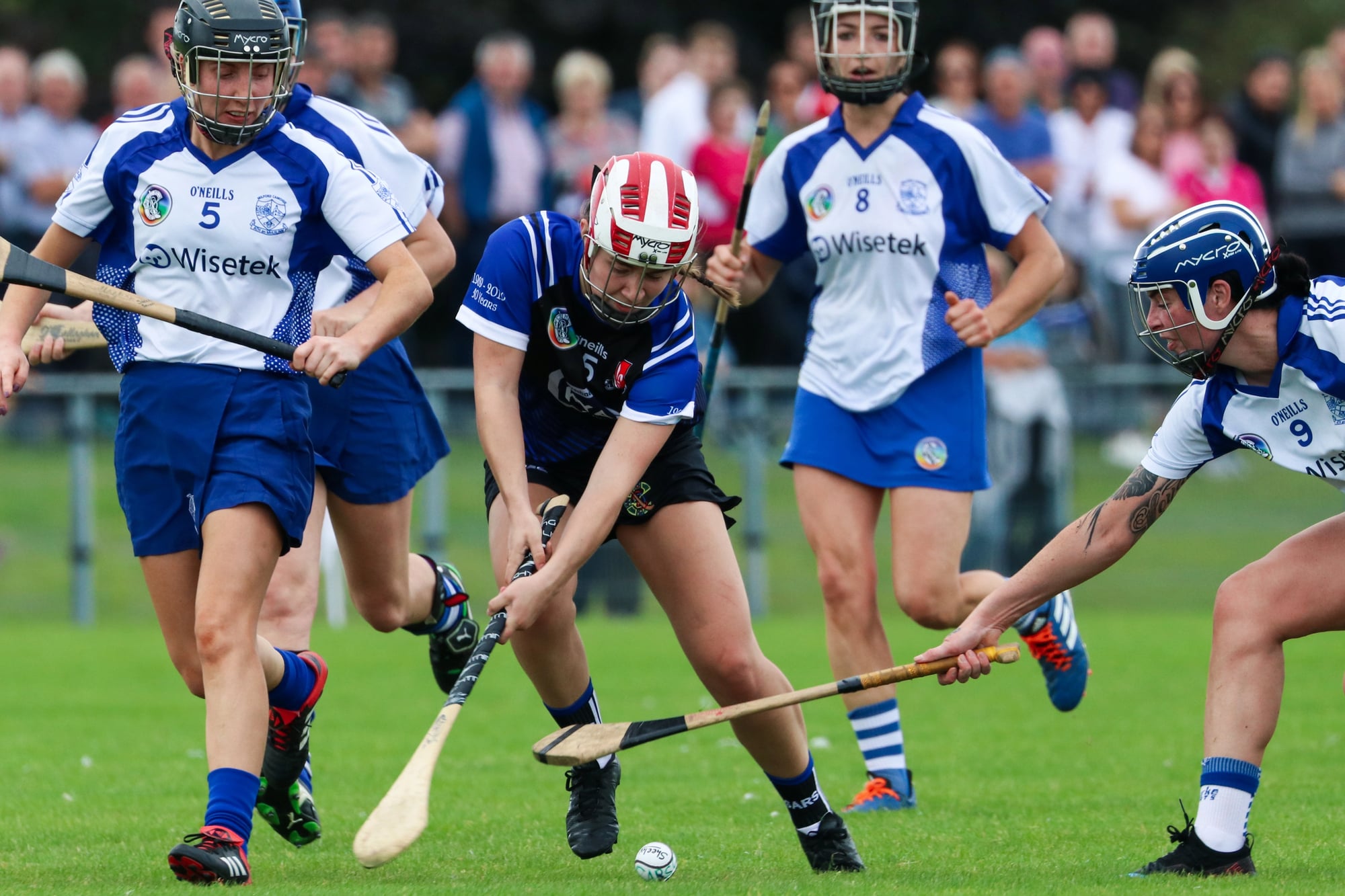
Ireland’s ancient sport moves at a blistering pace, with players using wooden sticks called hurleys to hit a small orb called a sliotar. The game resembles a cross between field hockey and lacrosse, but it’s faster and more physical.
Matches draw massive crowds, especially during the All-Ireland Championship. Players can catch the orb in their hand, but only for a few seconds before they must pass or strike it.
Hurling has been played for over 3,000 years, and it’s still one of the most popular sports in Ireland. The skill level is astonishing, and injuries are common despite minimal protective gear.
Eagle hunting
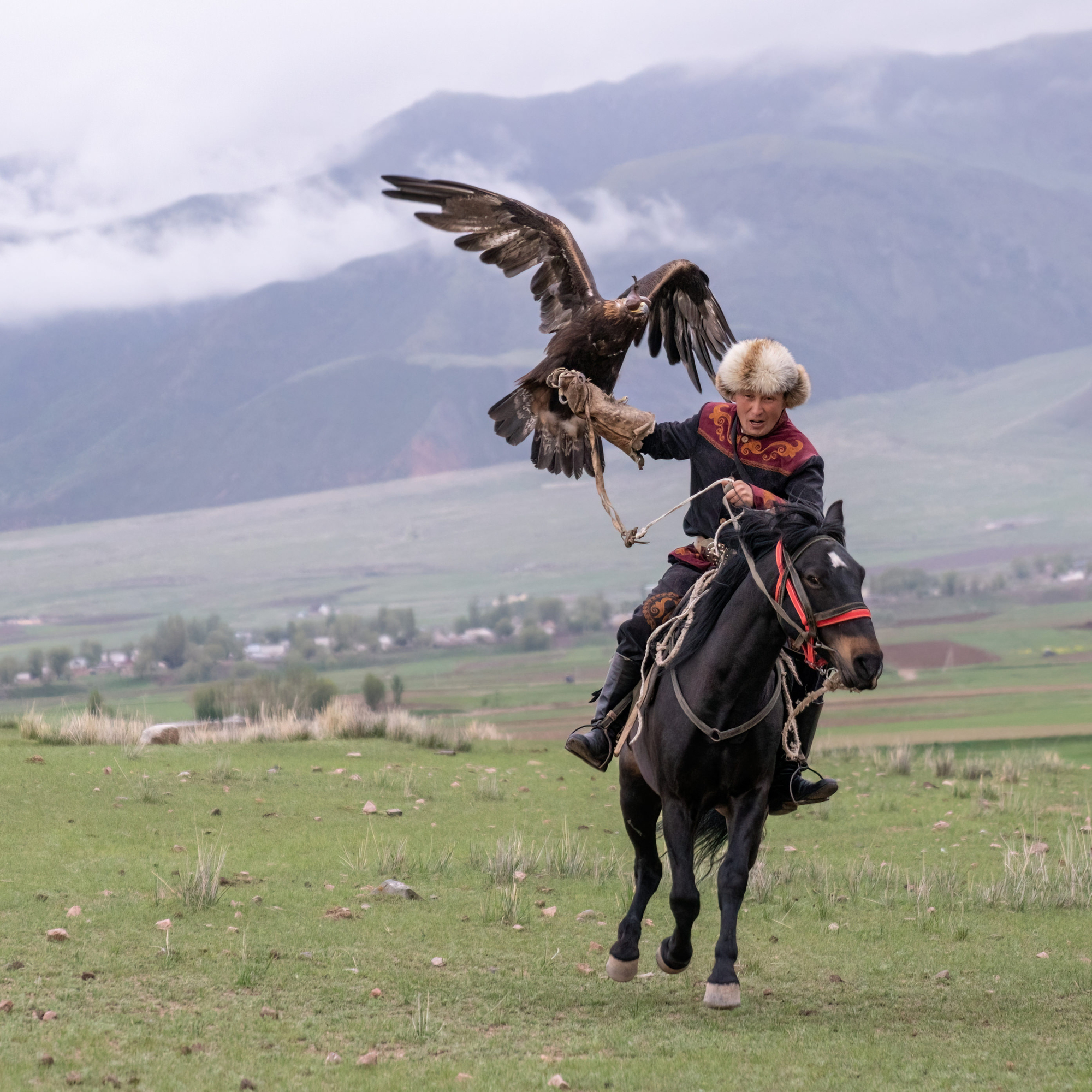
In the mountains of Mongolia and Kazakhstan, hunters train golden eagles to catch prey during winter months. Competitions test the bond between hunter and bird, with judges scoring based on the eagle’s speed, accuracy, and obedience.
Hunters, many of them from nomadic families, spend years building trust with their eagles before entering contests. The tradition is especially strong among Kazakh communities, where it’s often passed from father to son.
Women have also become prominent eagle hunters in recent years, breaking long-held customs. The sport celebrates the relationship between humans and nature in harsh, remote environments.
Pato
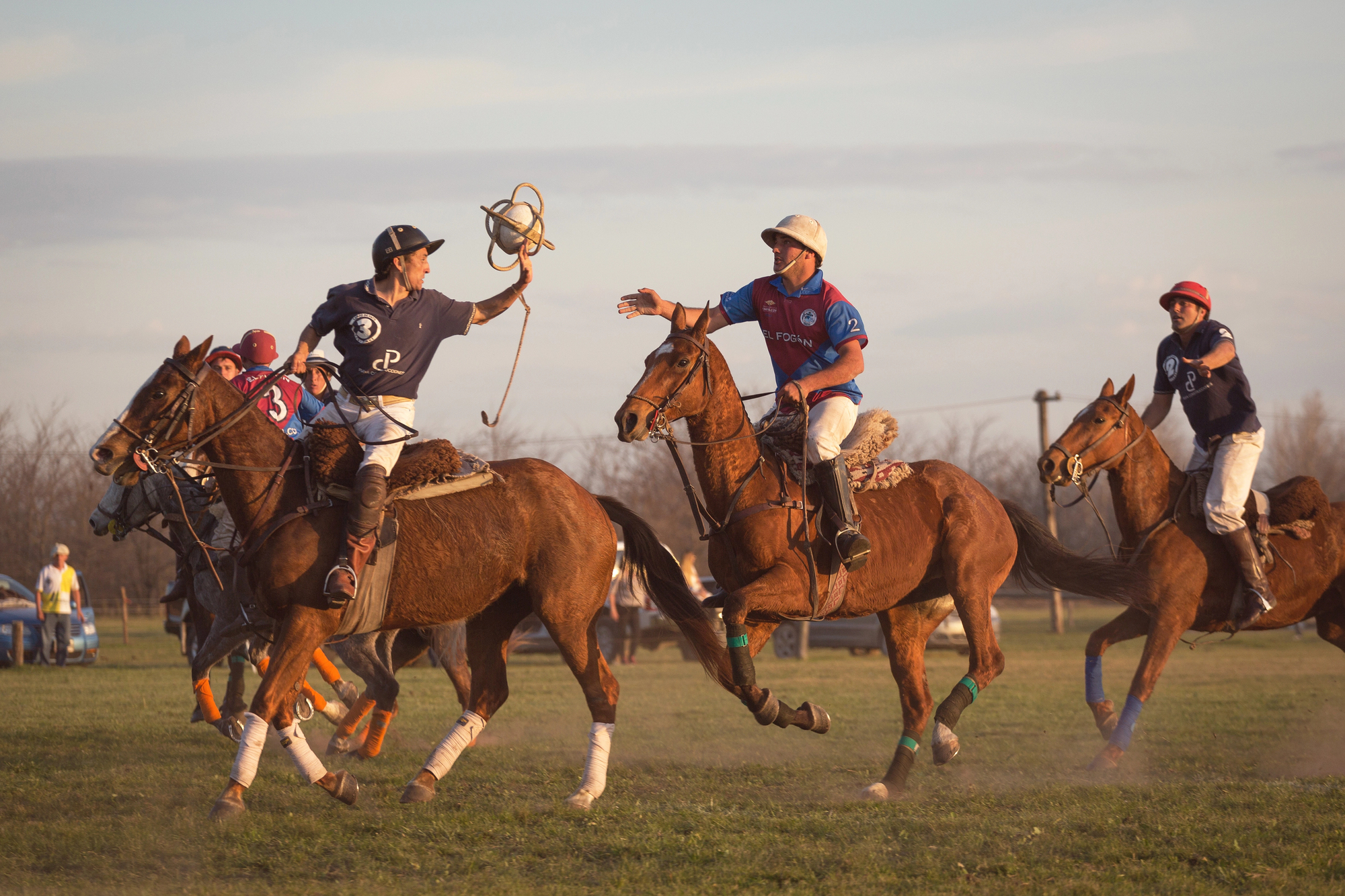
Horses thunder across dusty fields where players lean hard, aiming an orb toward a high ring. From chaotic matches long ago, this Argentine pastime shaped itself quietly over time.
Now it flows with clearer rules, borrowing pace from polo, structure from basketball. Speed matters, but so does control – hands must release the orb just right.
Riding skill blends tightly with timing, making each move count. A hoop stands tall at either end, waiting for clean shots amid motion.
Fights over open land shaped how games unfold today, yet roots still dig deep into gaucho ways. Banned long ago due to chaos on horseback, pato rides under law now – leagues watch every move, rules guard animals and riders alike.
Camel wrestling
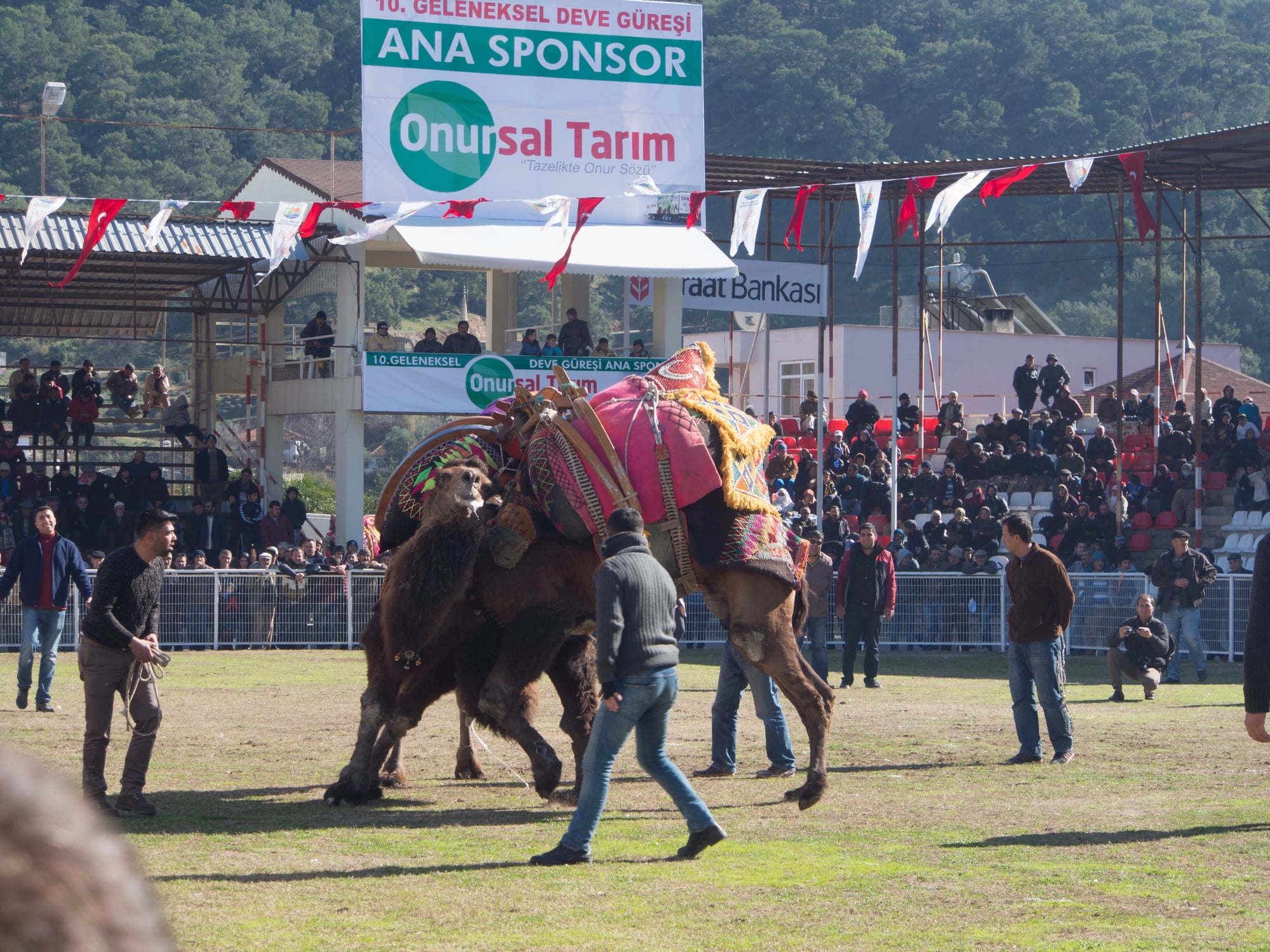
Out on Turkey’s western shoreline, big male camels clash when hormones run high in mating season. One lurches forward, another resists – bodies heaving as handlers stay close, watching every shift.
These aren’t random fights; months of feeding, walking, preparing go into readying a single animal. Crowds gather around sun-baked rings where two beasts press chest to chest, testing balance and strength.
Money changes hands quietly among watchers who know which camel has won before the dust settles. Pride swells in owners’ chests when their beast holds firm, ears back, refusing to budge.
Victory isn’t always about knocking the rival down – it can be sheer stubbornness that wins. Some camels never fight again after one strong bout; others return year after year.
Ancient roots stretch beyond two dozen centuries, yet the ritual still pulses through villages along Turkey’s Aegean coast. Even so, voices rise – some question if beasts feel pain during clashes; others insist bruises fade fast compared to memories passed down generations.
On your screen, that is where these games stay

What keeps these games alive is how much people care, not money or TV coverage. Rooted in place, they tie folks to ancestry, soil, territory, one another – deeper than big leagues often reach.
Even as global culture spreads, the games hold strong where they began, honored by locals who see beyond rules. They show contests and fun aren’t one-size-fits-all; landscapes and heritage shape what we do with our bodies, together.
More from Go2Tutors!

- The Romanov Crown Jewels and Their Tragic Fate
- 13 Historical Mysteries That Science Still Can’t Solve
- Famous Hoaxes That Fooled the World for Years
- 15 Child Stars with Tragic Adult Lives
- 16 Famous Jewelry Pieces in History
Like Go2Tutors’s content? Follow us on MSN.