17 Places Around the World Where People Speak More Than Five Languages
In our increasingly connected world, the ability to communicate across linguistic boundaries has become more valuable than ever. While many of us struggle to master even a second language, certain regions around the globe stand out as extraordinary hubs of multilingualism, where switching between multiple tongues is simply part of everyday life.
Here is a list of remarkable places where speaking five or more languages isn’t considered exceptional but rather a normal facet of daily communication and cultural identity.
Papua New Guinea
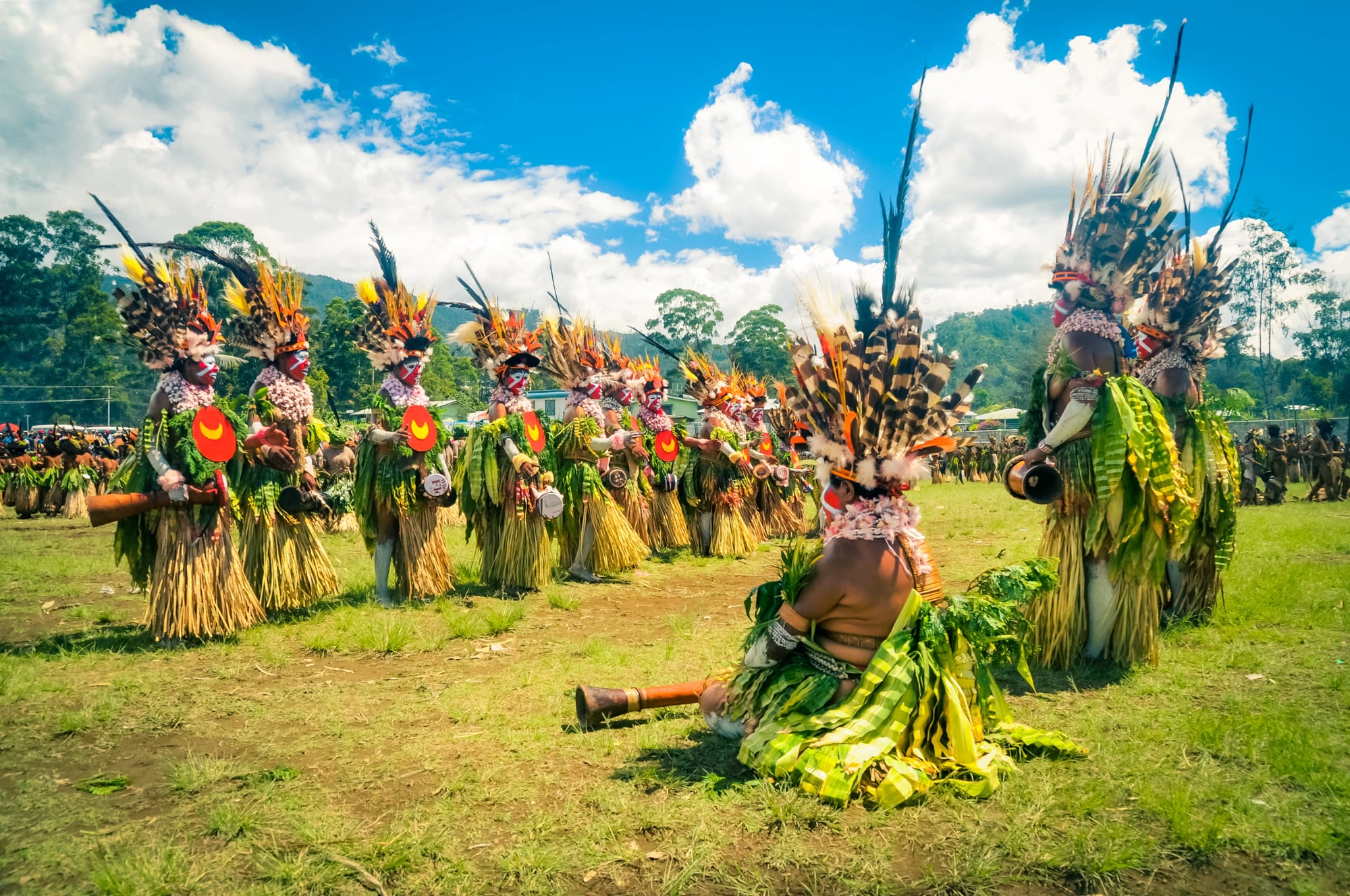
This Pacific island nation holds the world record for linguistic diversity with over 840 living languages spoken across its relatively small population of 9 million. Many Papua New Guineans routinely speak their local tribal language, several neighboring languages, Tok Pisin (the creole lingua franca), Hiri Motu, and English.
Village markets become astonishing polyglot environments where traders might negotiate in seven or eight different languages within a single hour.
Luxembourg
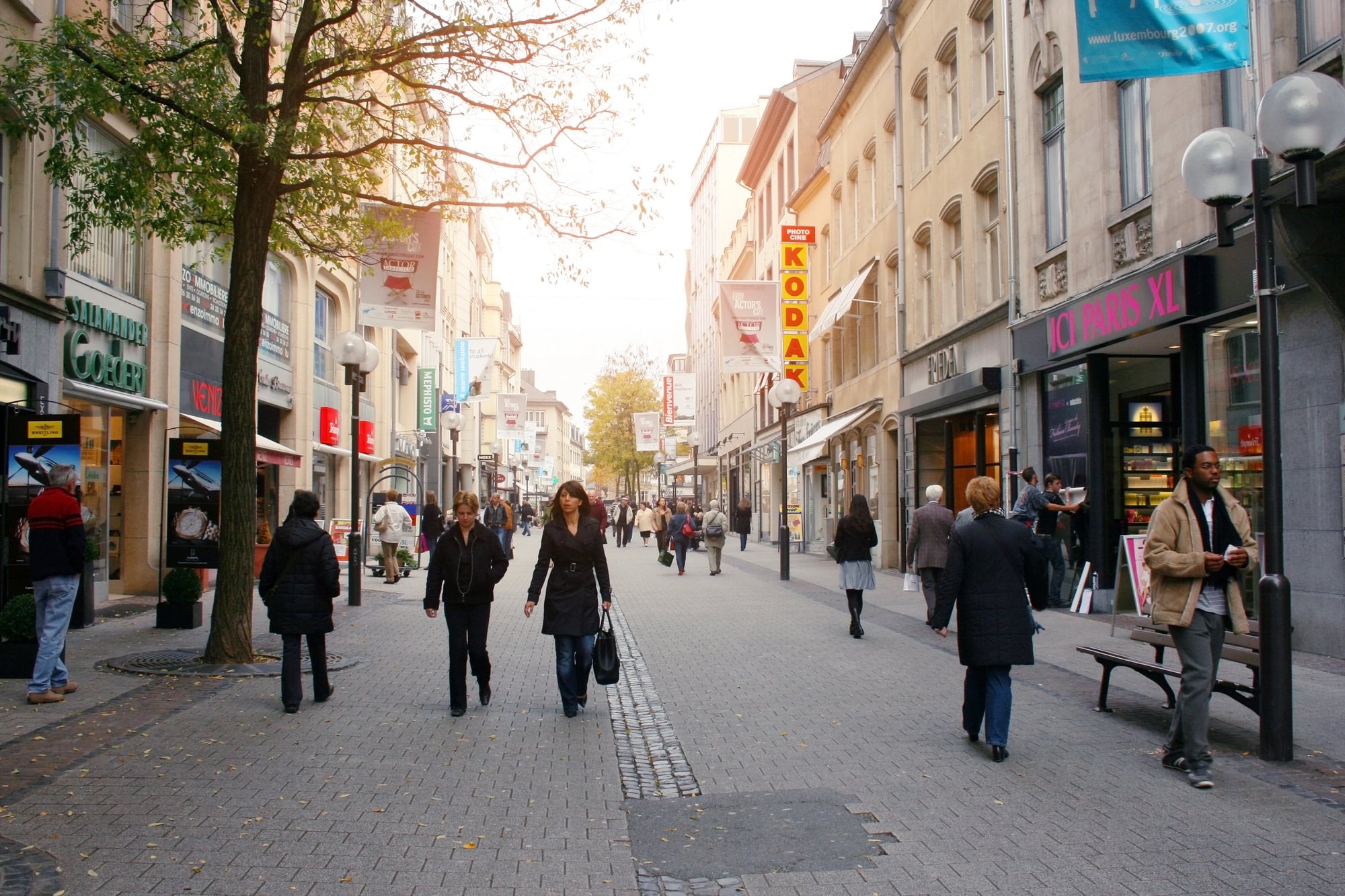
With citizens usually fluent in Luxembourgish, French, German, English, and often Portuguese or Italian, Luxembourg, despite its small size, has amazing linguistic variety. Children start formal language instruction at three and keep learning new languages all through their education.
Assuming readers can easily move between three distinct languages, the national daily regularly runs pieces in three different languages on one page without translating.
Singapore
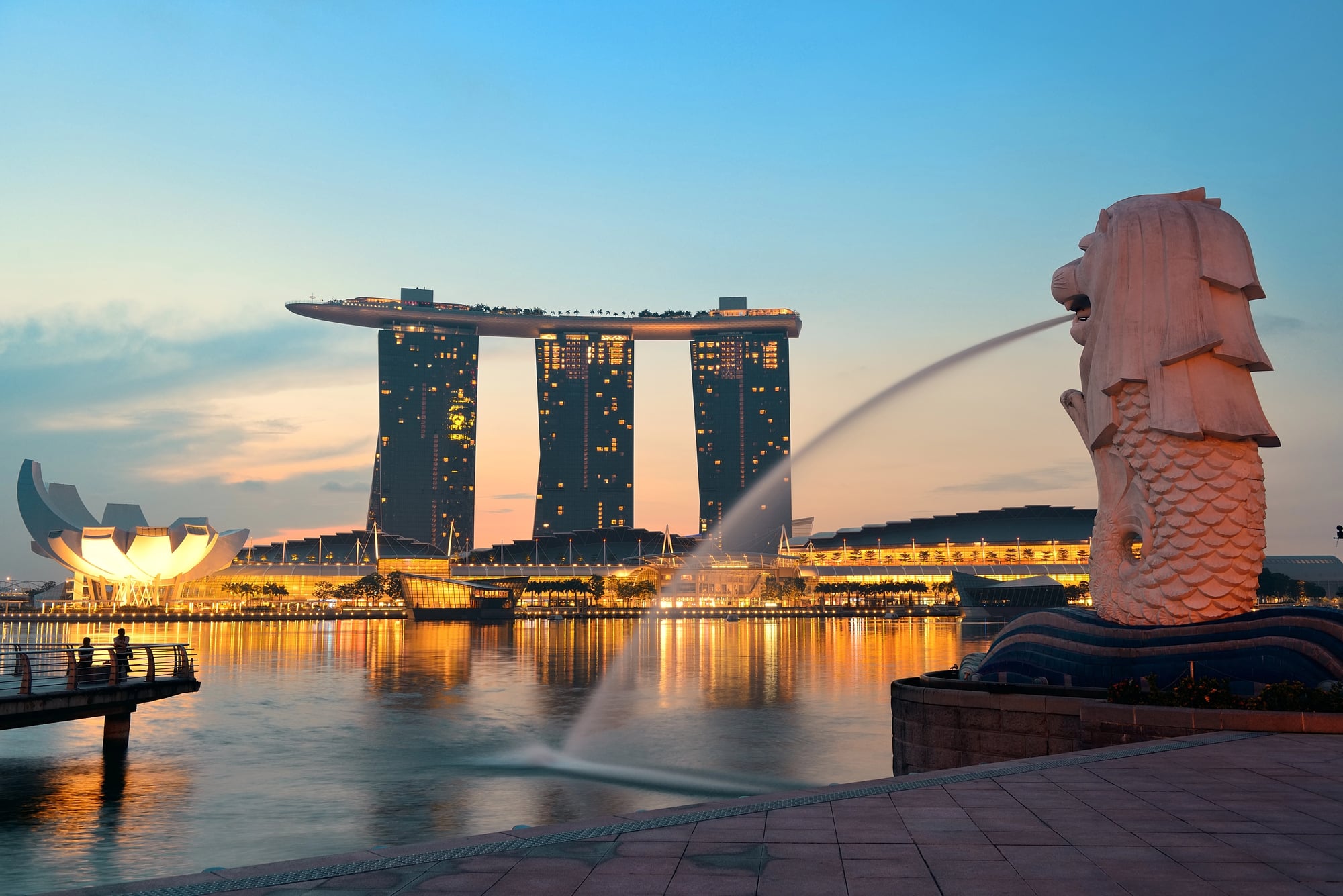
The city-state operates with four official languages—English, Mandarin Chinese, Malay, and Tamil—but the linguistic tapestry extends far beyond this foundation. Many Singaporeans speak at least five languages including their heritage language, several Chinese dialects like Hokkien or Cantonese, and often other regional languages from neighboring countries.
Singapore’s taxi drivers are famously multilingual, sometimes capable of greeting customers in eight different languages.
Hyderabad, India
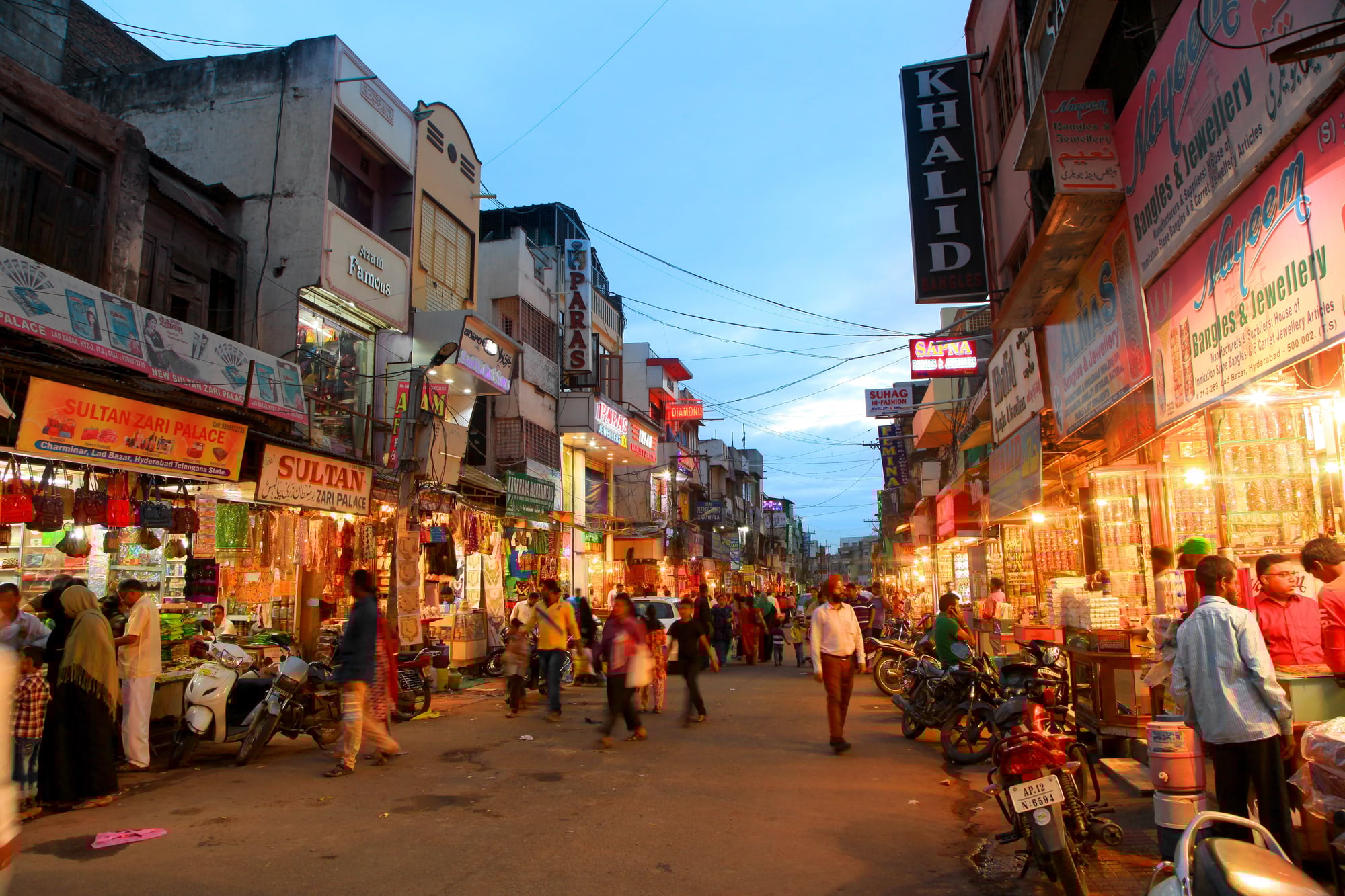
Often speaking Telugu, Urdu, Hindi, English, and the local Hyderabadi dialect, Hyderabad citizens live at the crossroads of North and South India. Many add Arabic, Sanskrit, Tamil, Kannada, or Marathi depending on their schooling and ties to their hometown.
The Old City markets highlight an amazing mix of languages, with vendors easily swapping linguistic codes for every buyer.
Brussels, Belgium
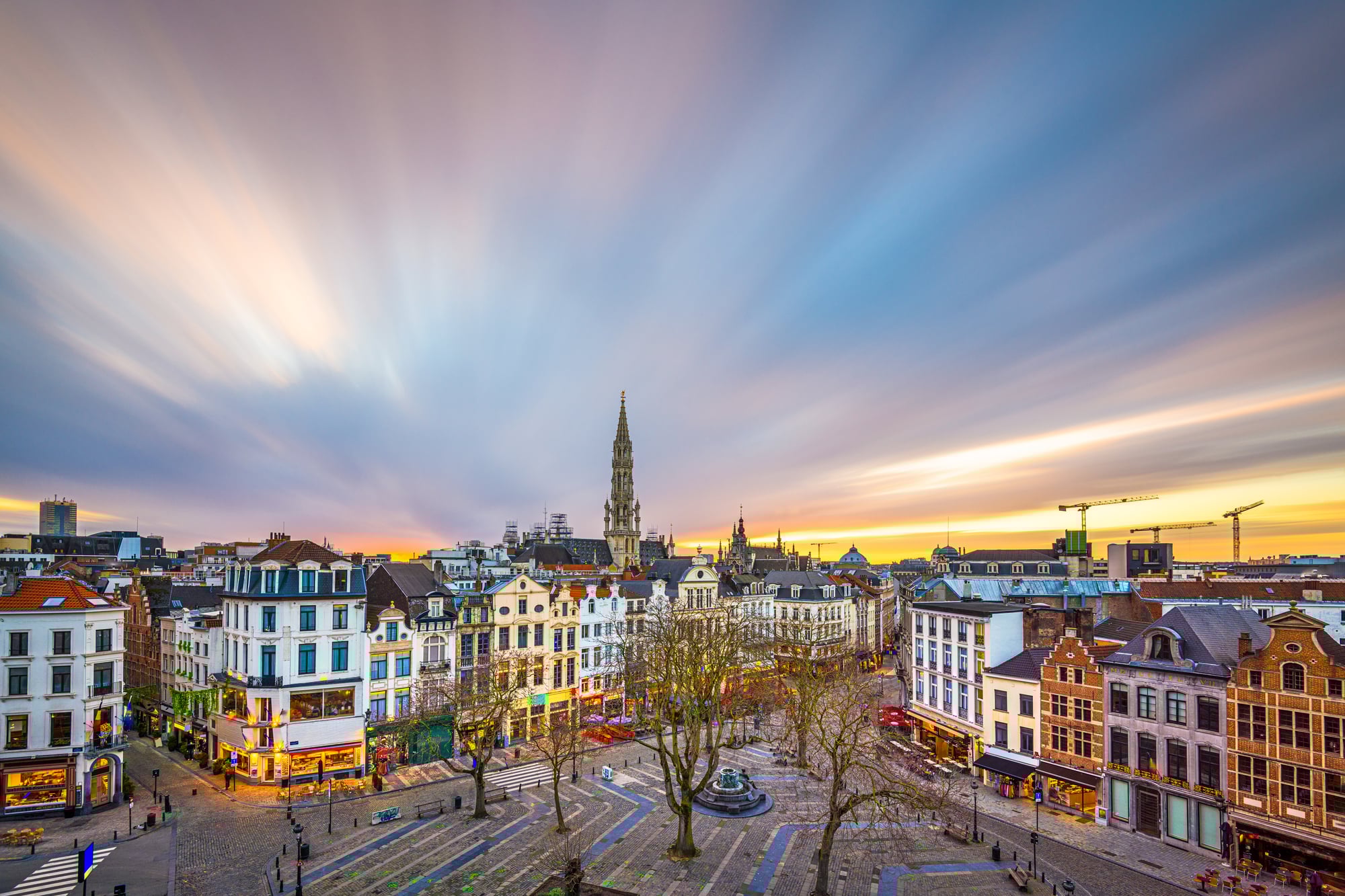
As the de facto capital of the European Union, Brussels harbors an environment where multilingualism thrives beyond the official French and Dutch divide. Many Brussels natives speak these two plus German, English, and either Italian, Spanish, Portuguese, or an immigrant community language.
The European School system educates children to function fluently across multiple language environments simultaneously.
Aruba
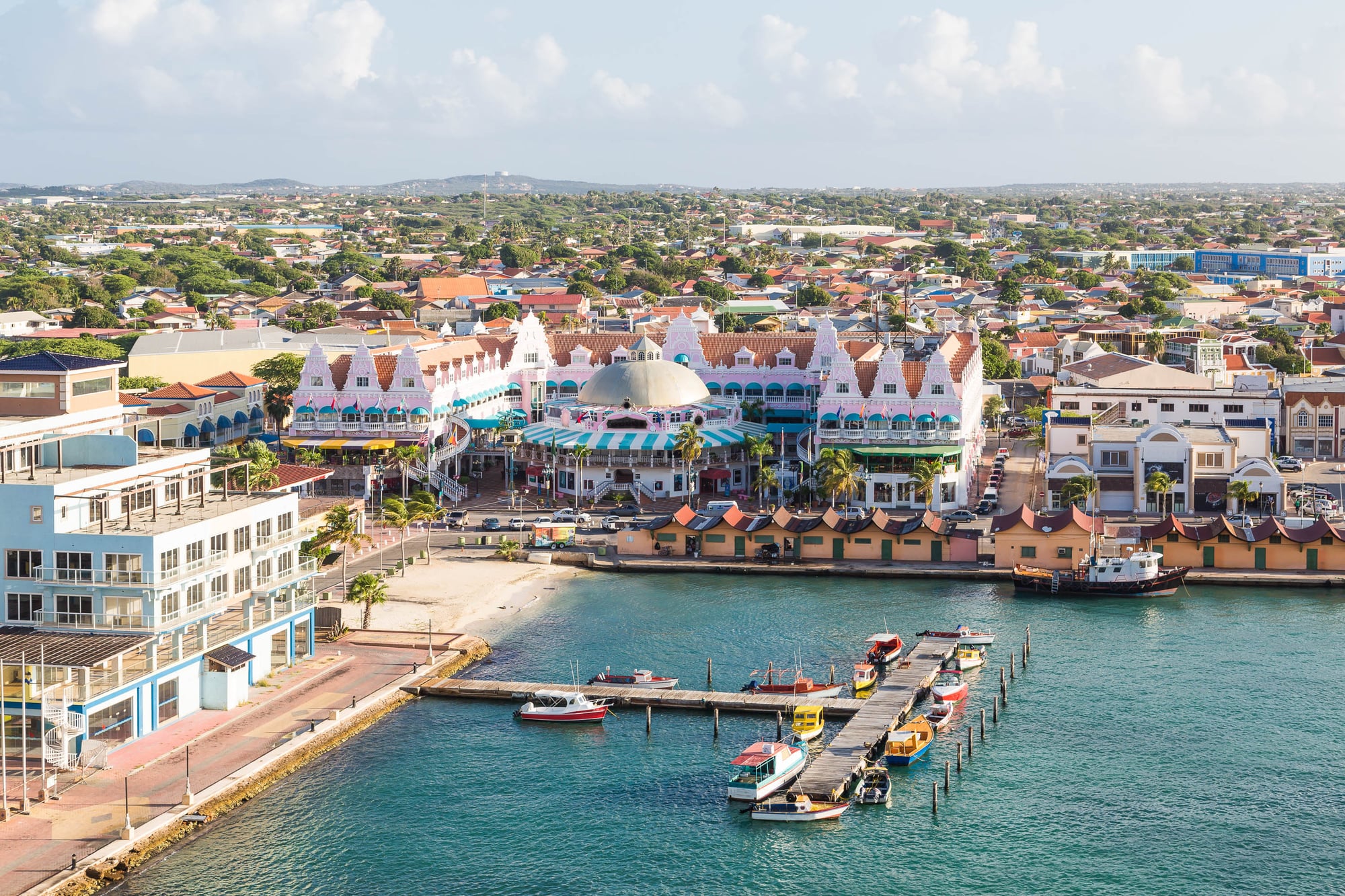
This small Caribbean island maintains impressive language diversity with locals commonly speaking Papiamento (the Creole language), Dutch, Spanish, English, and Portuguese. Many residents add additional languages including French, German, or Italian due to the tourism industry.
The island’s schools teach in four languages, producing graduates who transition between different linguistic worlds without conscious effort.
Goa, India
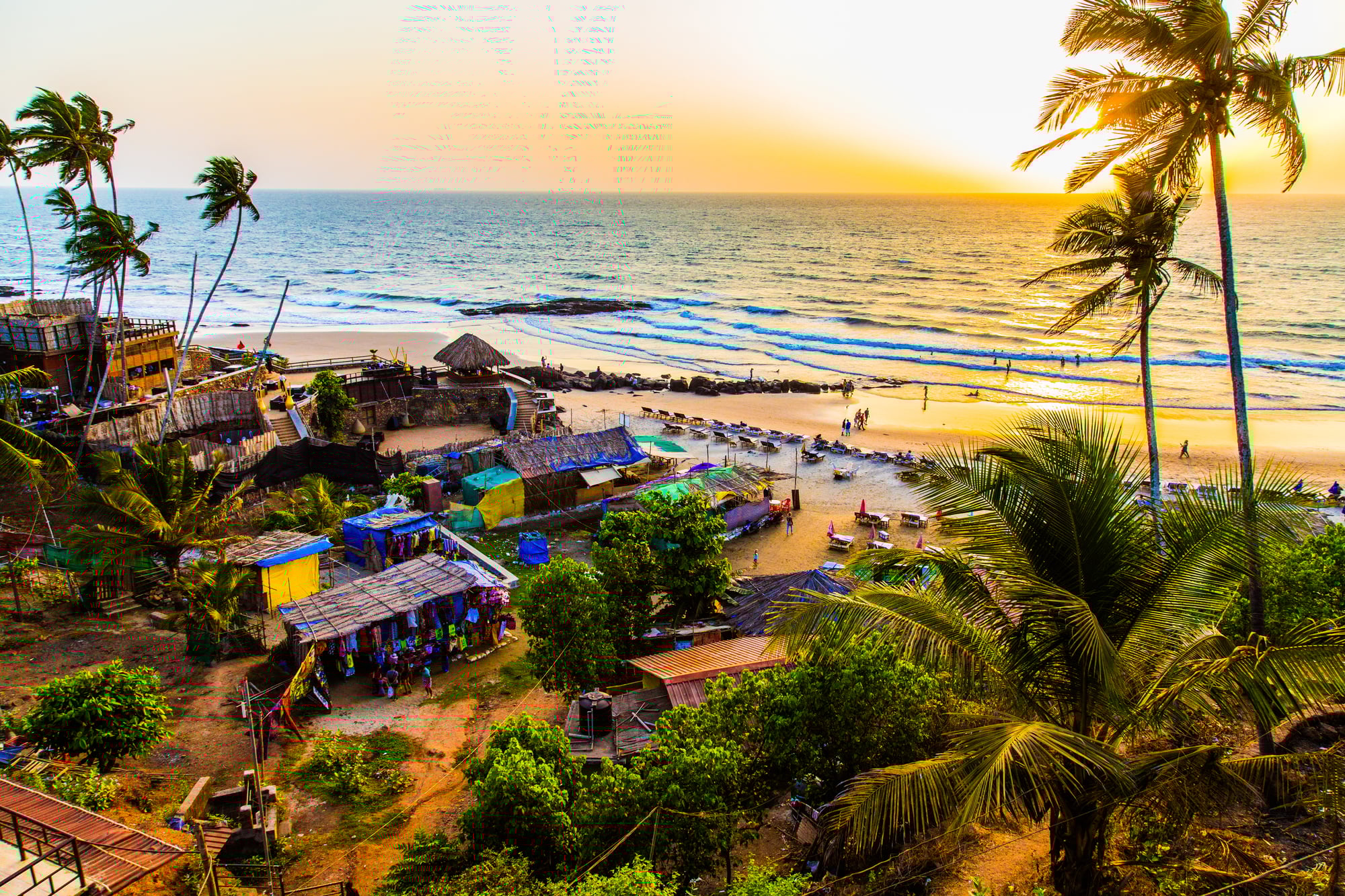
The unique history of this former Portuguese colony has created an exceptional linguistic landscape where many Goans speak Konkani, Marathi, Portuguese, English, Hindi, and often Malayalam or Kannada. The Catholic influence added Latin to many speakers’ repertoires, while tourism has encouraged proficiency in Russian, German, and French.
Coastal village markets showcase remarkable language-switching abilities among even those with limited formal education.
Jerusalem
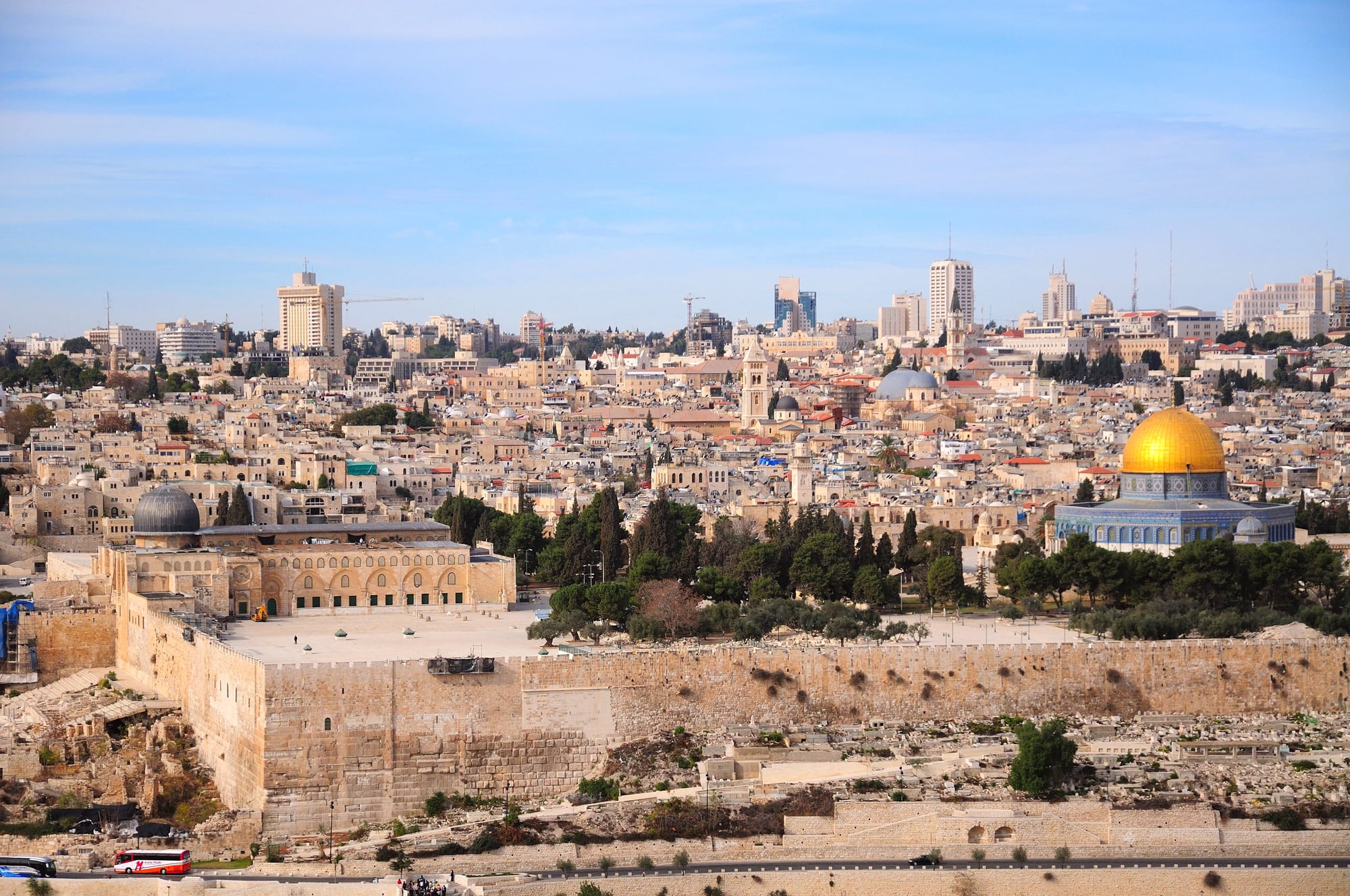
The sacred city stands at the intersection of multiple cultural and religious traditions, resulting in extraordinary multilingualism. Many Jerusalem residents speak Hebrew, Arabic, English, Yiddish or Ladino, Russian, and either French, Spanish, or Amharic depending on their background.
The Old City’s narrow streets contain shops where merchants routinely address customers in seven or more languages, identifying visitors’ origins within seconds.
Switzerland
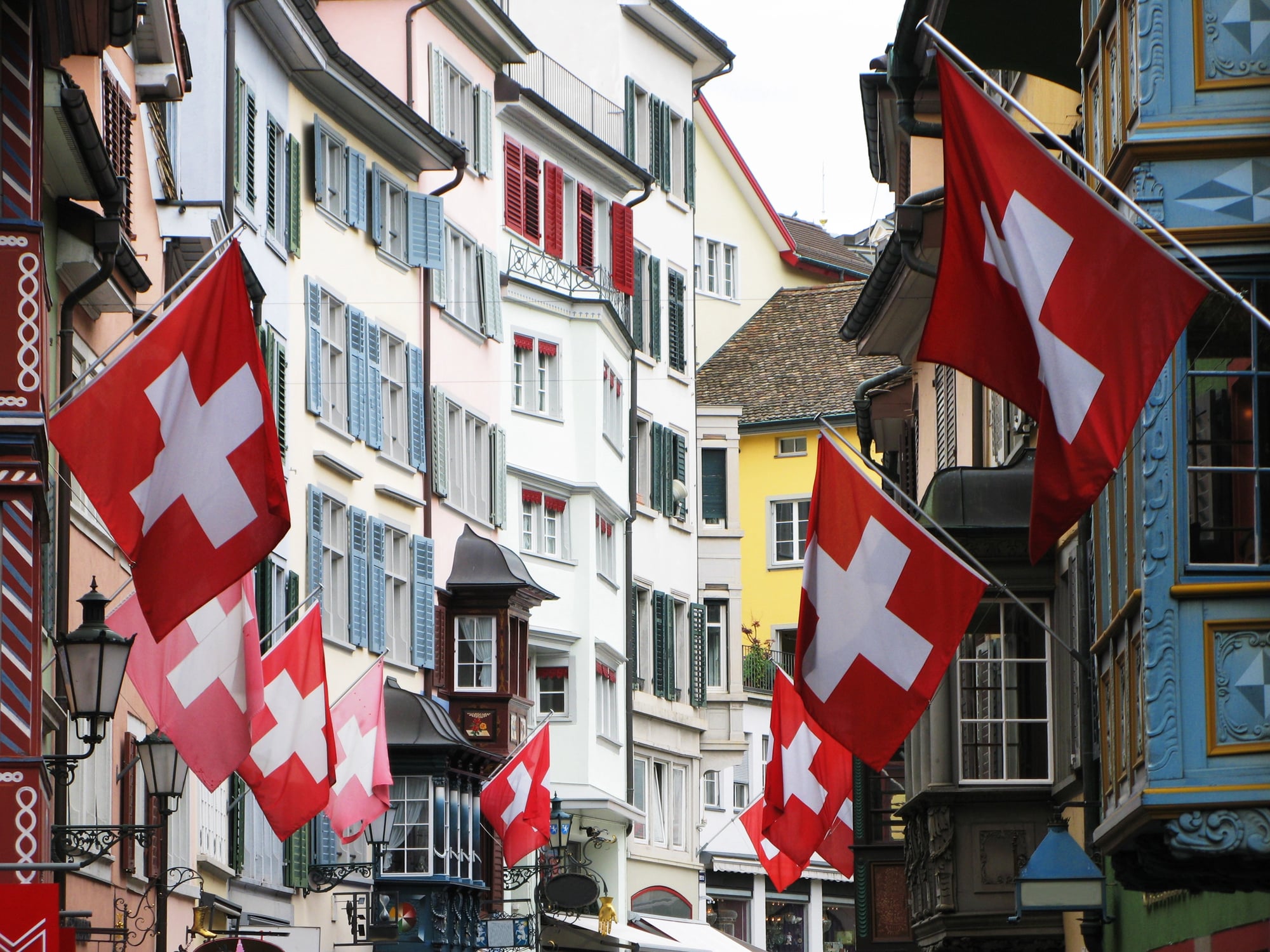
Though officially quadrilingual with German, French, Italian, and Romansh, Switzerland’s reality is far more complex. Many Swiss speak these national languages plus English and often Spanish or Portuguese.
The country’s unique linguistic geography means that residents near border regions typically add neighboring dialects to their repertoire. Swiss bankers are particularly known for their language abilities, sometimes conducting meetings in five different languages.
Kuala Lumpur, Malaysia
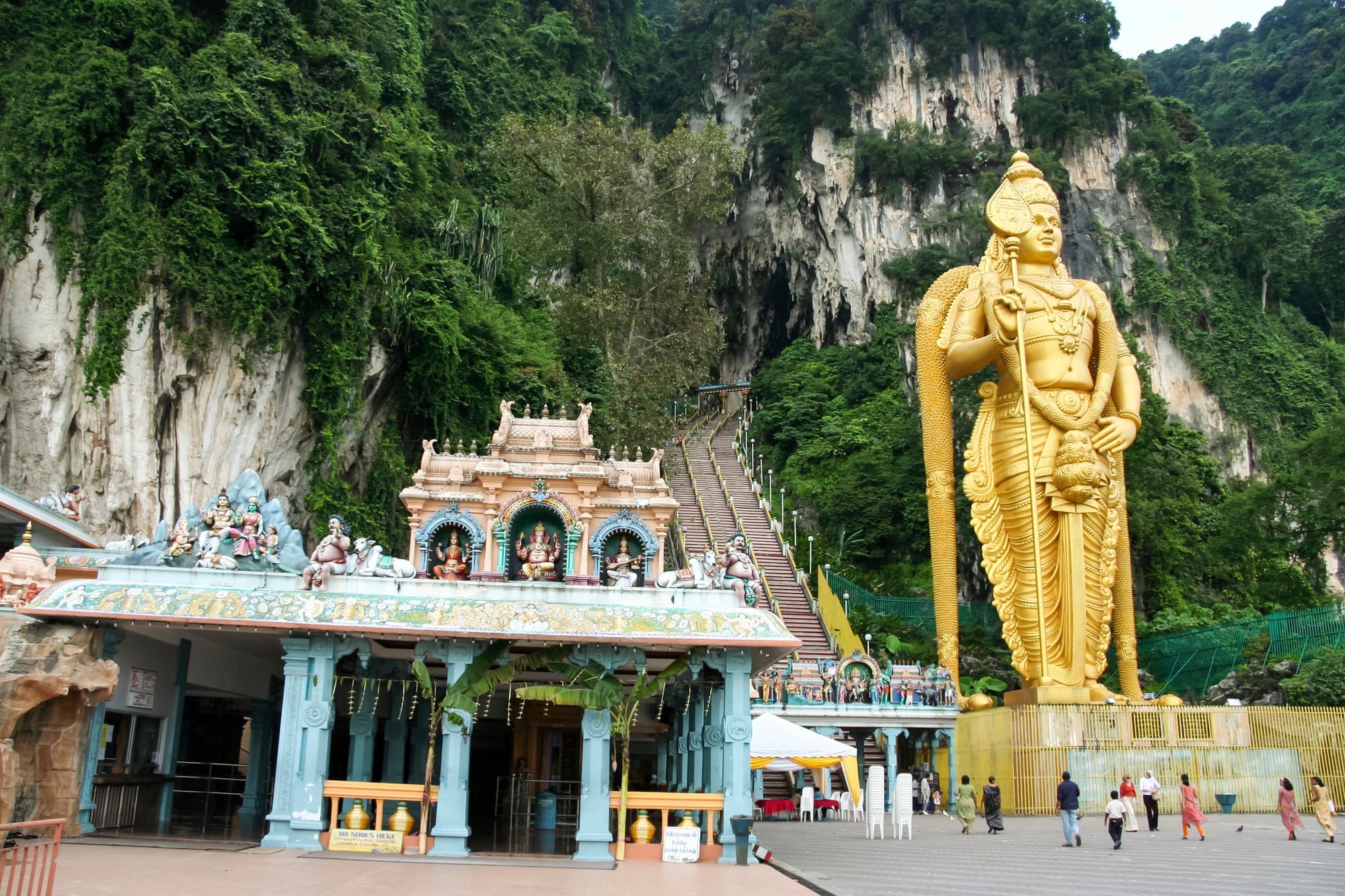
Malaysia’s capital exemplifies Southeast Asian multilingualism with many residents speaking Malay, English, Mandarin, Cantonese, Tamil, and Hindi. The city’s unique history has created linguistic layers where many add Hokkien, Hakka, Telugu, or indigenous languages to their communication toolkit.
Food courts become remarkable linguistic environments where orders might be placed in one language, confirmed in another, and paid for in a third.
Gibraltar
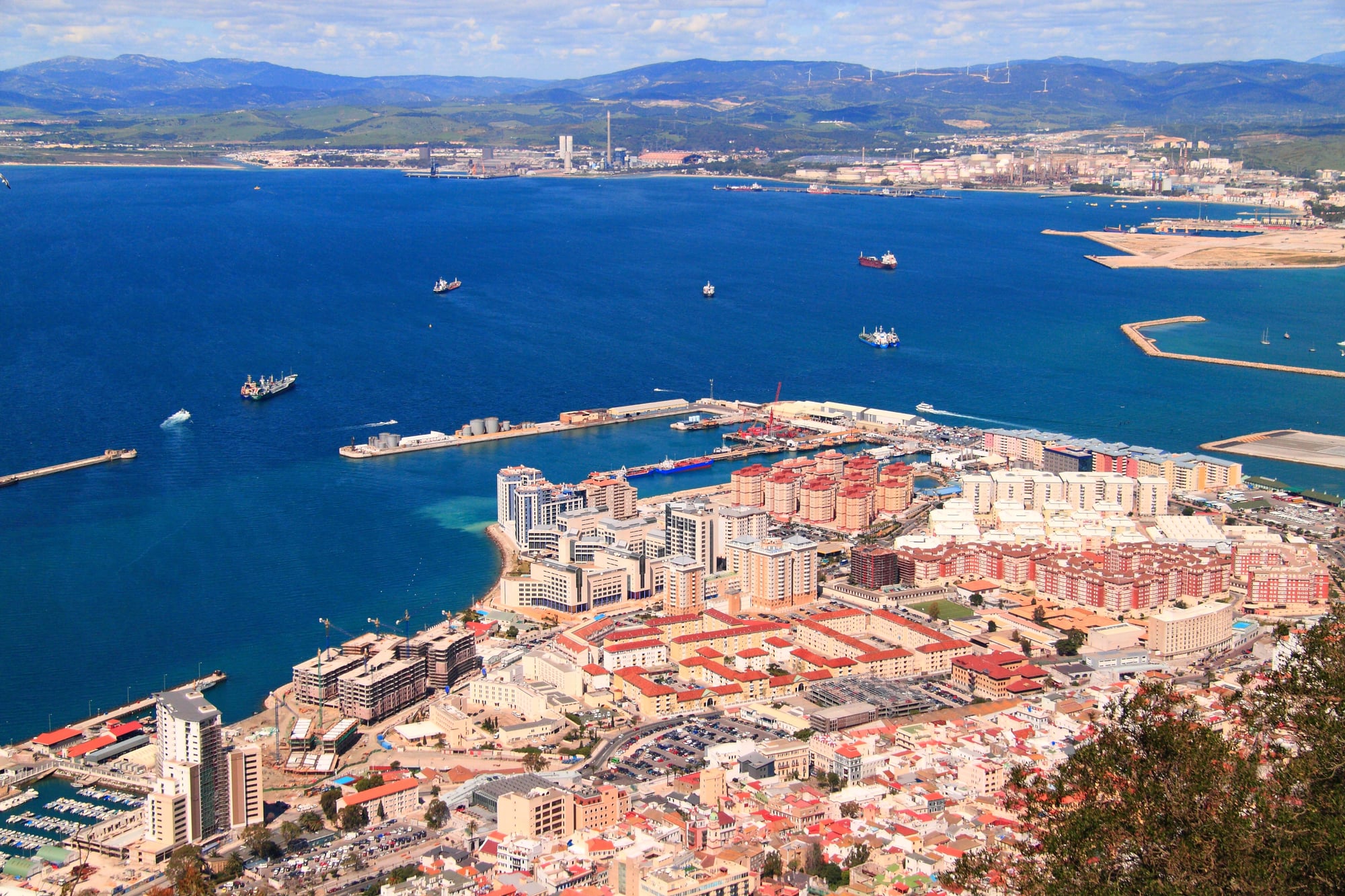
This tiny British Overseas Territory has developed a unique linguistic identity with locals often speaking English, Spanish, Llanito (the local dialect), Portuguese, Italian, and Moroccan Arabic. The territory’s position at the gateway between Europe and Africa has created an environment where language mixing is the norm rather than the exception.
Local shopkeepers often address tourists in their native tongue after hearing just a few words of conversation.
Mauritius
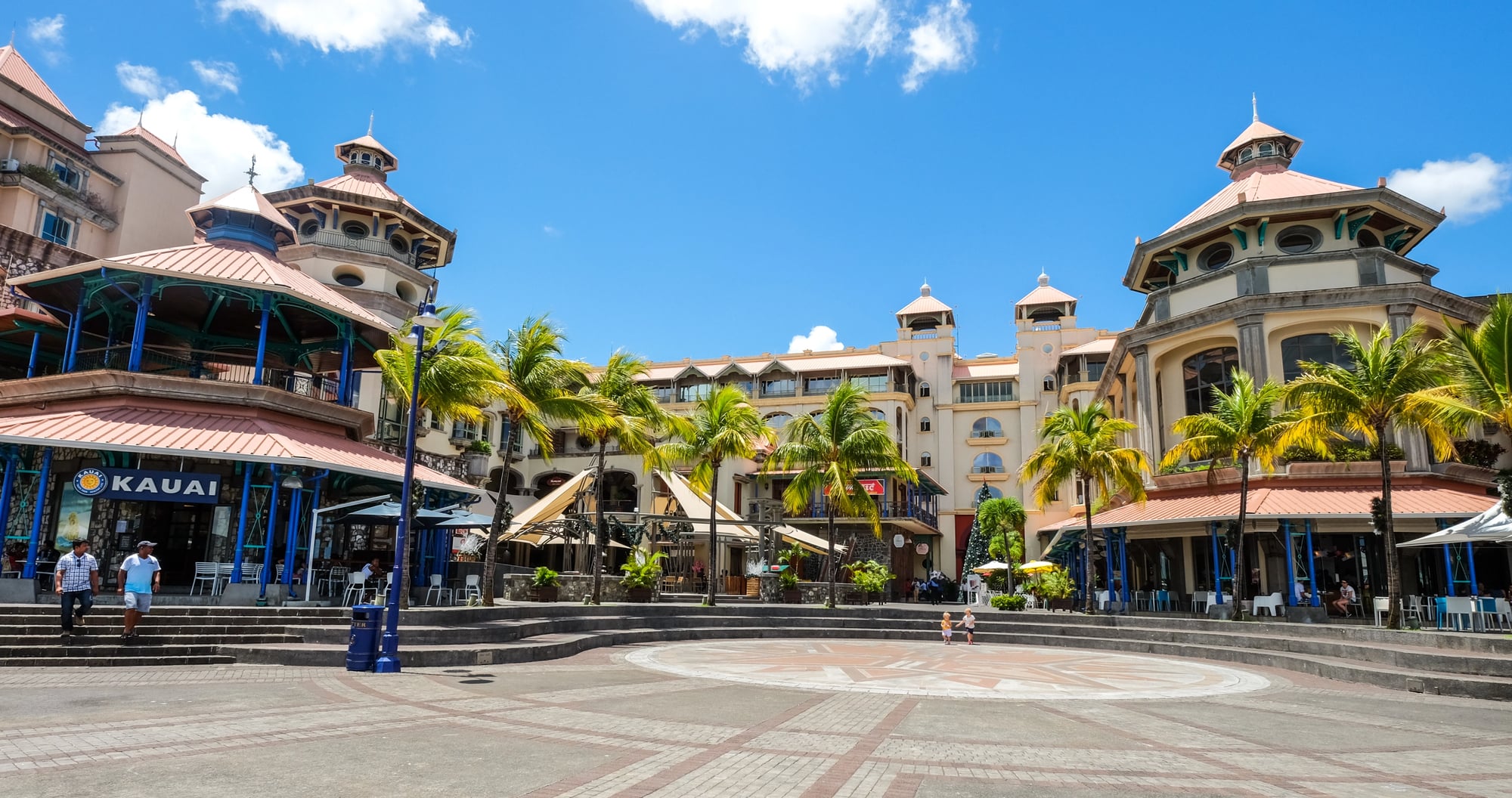
This Indian Ocean island nation maintains exceptional language diversity with many residents speaking Mauritian Creole, French, English, Hindi, Urdu, Hakka Chinese, and Bhojpuri. The island’s complex colonial history and immigrant heritage have created neighborhoods where conversations might begin in one language and flow through three others before concluding.
Even elementary school children demonstrate a remarkable ability to navigate this multilingual environment.
Djibouti
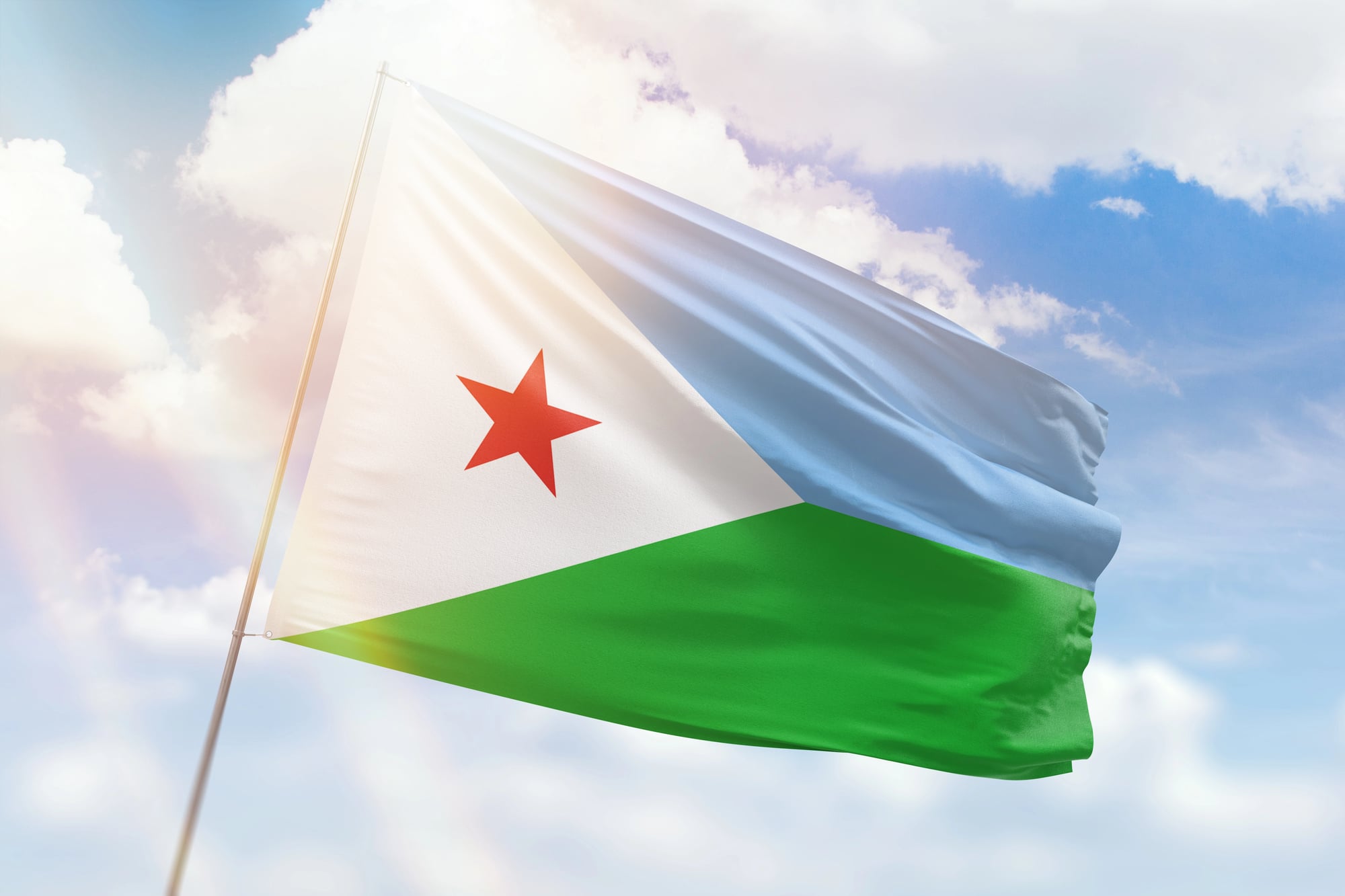
Located at the crossroads of Africa and the Middle East, Djibouti’s strategic position has cultivated impressive multilingualism. Many residents speak Somali, Afar, Arabic, French, and Amharic as their core languages, often adding Italian, English, and various Ethiopian languages.
The port city’s markets demonstrate this diversity with vendors conducting simultaneous negotiations in different languages without missing a beat.
Montreal, Canada
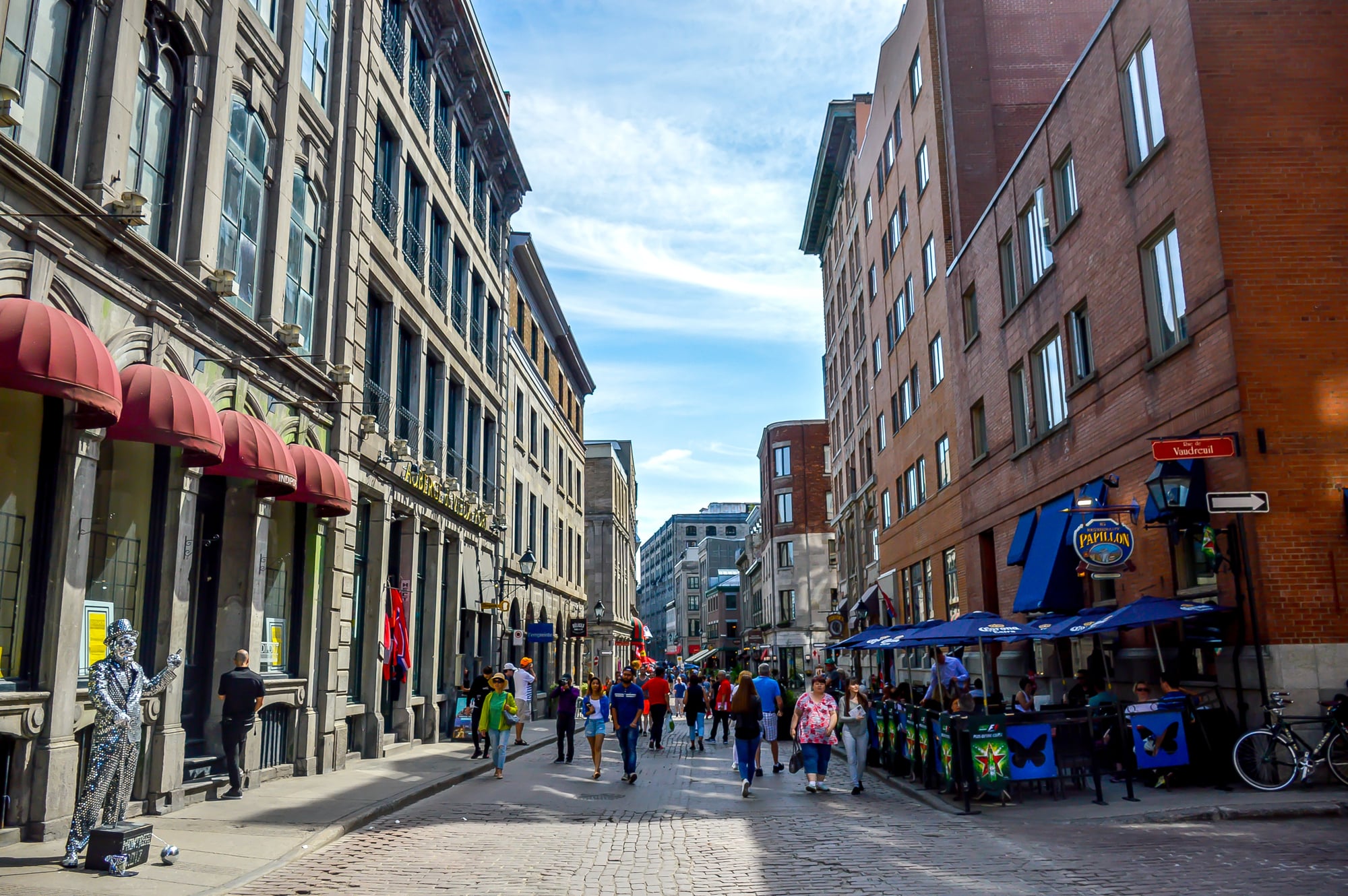
Beyond the well-known French-English bilingualism, Montreal has evolved into a remarkably multilingual city. Many Montrealers speak French, English, Spanish, Italian, Arabic, and either Portuguese, Russian, or Mandarin depending on their neighborhood.
The city’s universities attract international students who contribute to the linguistic diversity, creating areas where restaurant servers routinely address customers in six different languages.
Istanbul, Turkey
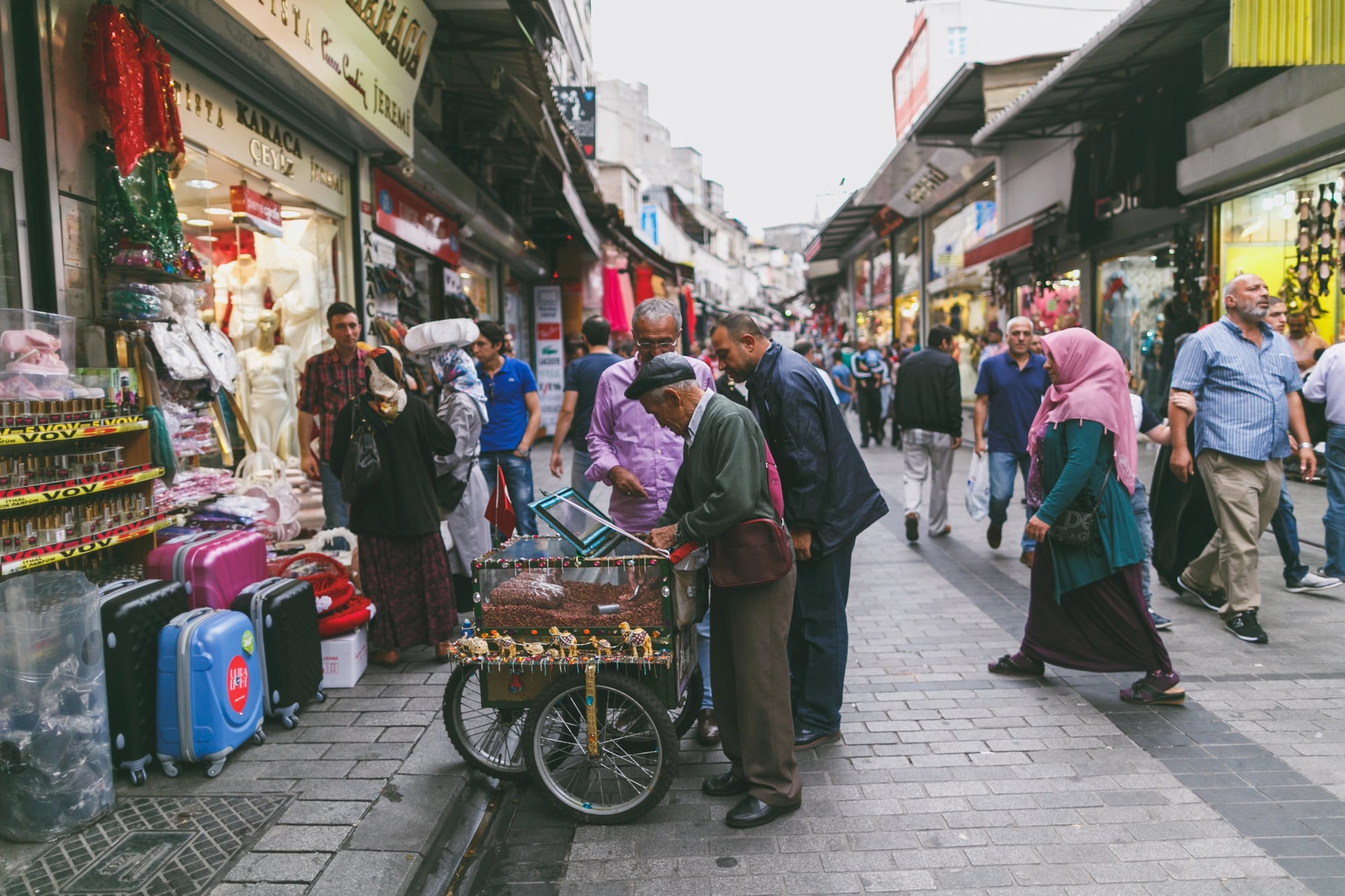
Straddling two continents, Istanbul has long been a meeting point for languages. Many residents speak Turkish, Arabic, Kurdish, English, Russian, and French, with older generations sometimes adding Greek, Armenian, or Ladino.
The Grand Bazaar remains perhaps the world’s most linguistically complex marketplace, with shopkeepers often able to greet customers in eight or more languages after decades of international trade.
Fes, Morocco
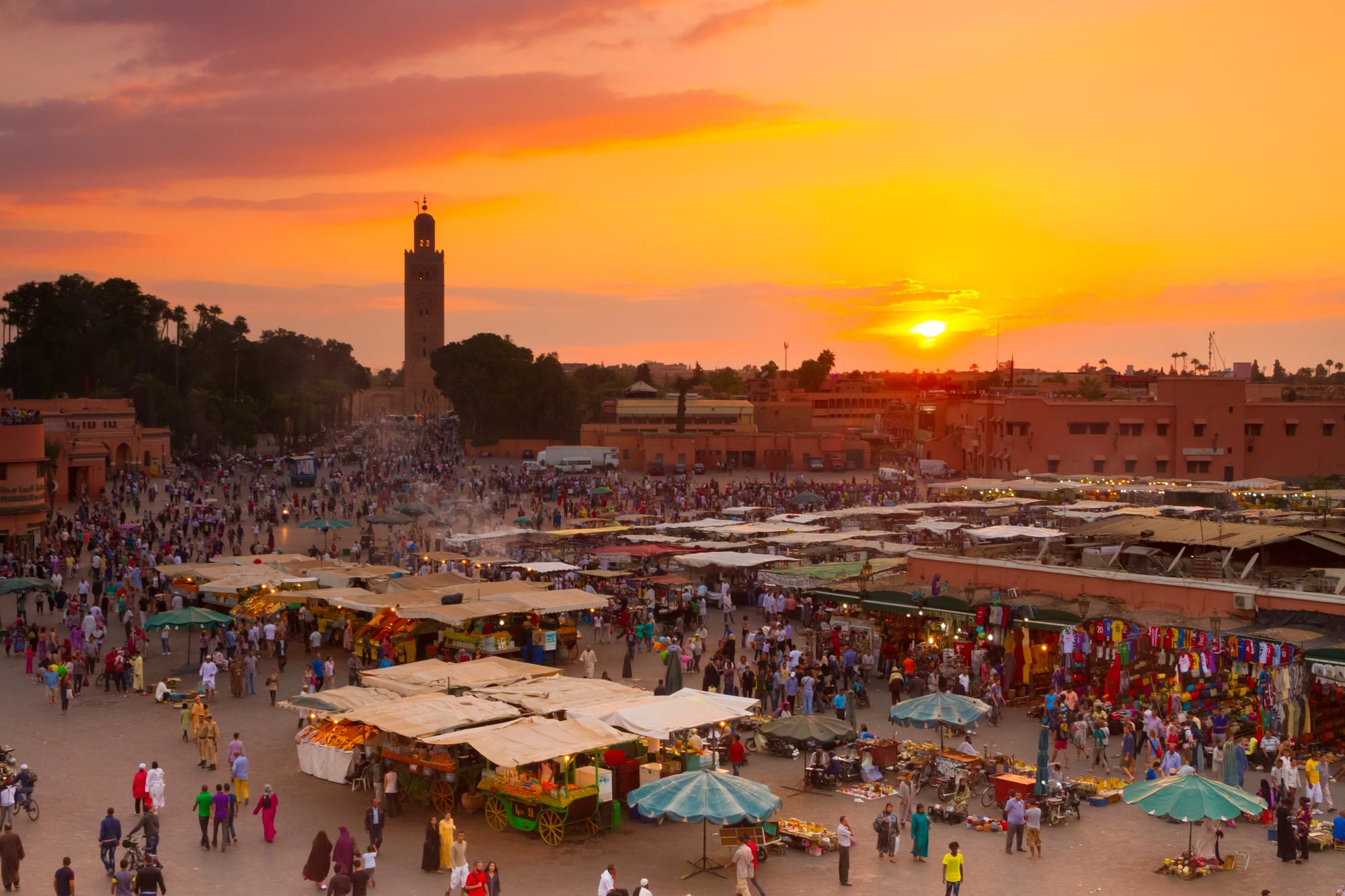
The ancient imperial city maintains extraordinary linguistic diversity with many residents speaking Moroccan Arabic, Standard Arabic, French, Spanish, Berber, and English. The medina’s merchants often add Italian, German, Japanese, and Turkish to communicate with tourists.
The city’s historic role as a trading center established a tradition of multilingualism that continues in contemporary families where children might use three different languages at home.
Paramaribo, Suriname
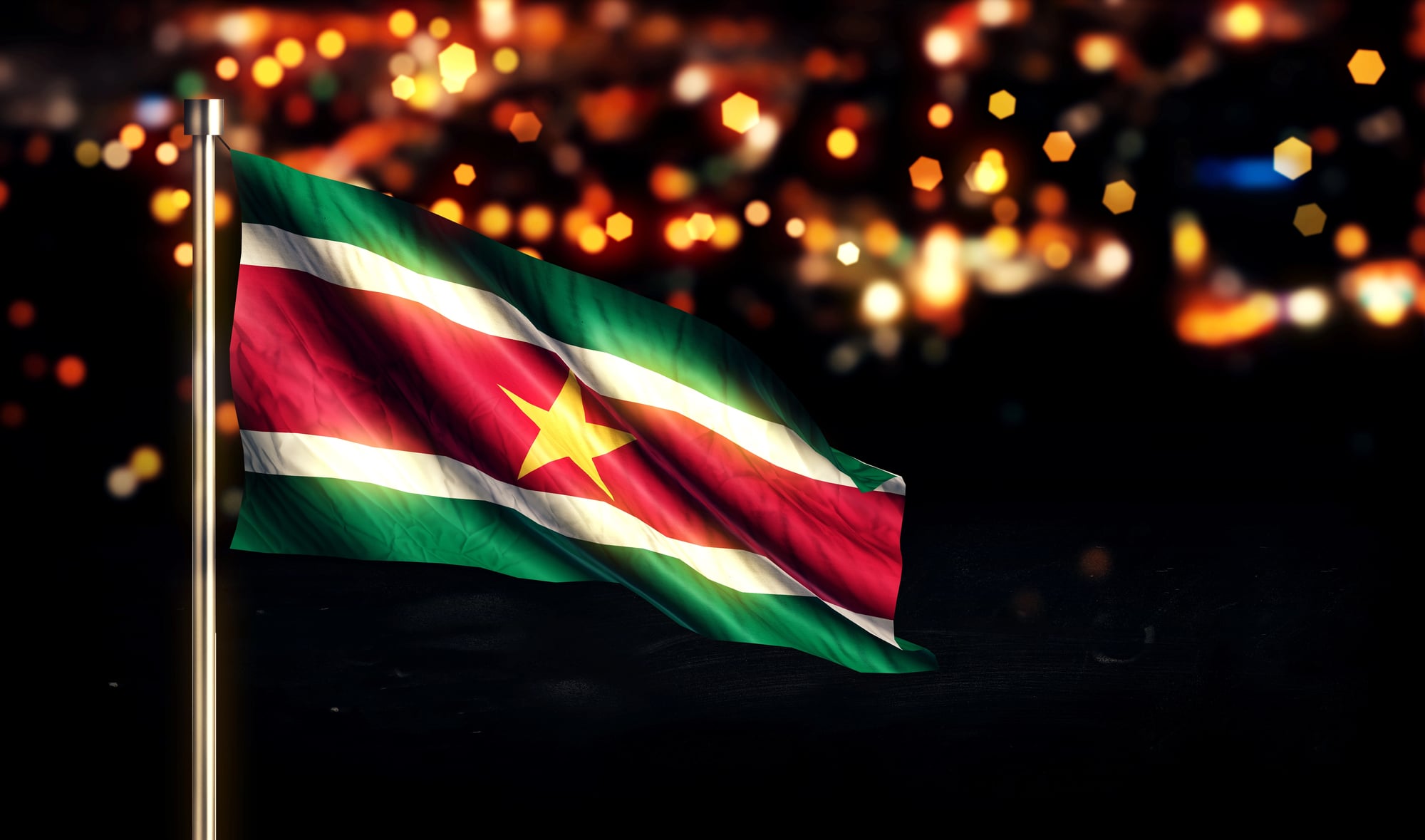
South America’s most linguistically diverse capital boasts residents who commonly speak Dutch, Sranan Tongo (the Creole lingua franca), English, Javanese, Hindi, Hakka Chinese, and Portuguese. The country’s unique colonial history under the Netherlands created an environment where different immigrant communities maintained their languages while adopting others for commerce.
Many families routinely use four different languages within a single conversation during dinner.
The Remarkable Symphony of Human Communication

These linguistic hotspots remind us that the human capacity for language acquisition extends far beyond what most educational systems encourage. While citizens of predominantly monolingual countries might view learning even one additional language as daunting, these remarkable communities demonstrate how multilingualism can become an ordinary aspect of human experience when supported by cultural necessity and educational priorities.
Their linguistic flexibility represents not just a practical skill but a profound form of cultural wealth connecting communities across the boundaries that so often divide us.
More from Go2Tutors!

- The Romanov Crown Jewels and Their Tragic Fate
- 13 Historical Mysteries That Science Still Can’t Solve
- Famous Hoaxes That Fooled the World for Years
- 15 Child Stars with Tragic Adult Lives
- 16 Famous Jewelry Pieces in History
Like Go2Tutors’s content? Follow us on MSN.