Birds that Fly Backward with Ease
Most birds follow one basic rule: forward is the only way. Watch a robin hop across your lawn or a crow glide between trees, and you’ll see creatures built for moving ahead.
But some birds break this pattern completely. They don’t just move backward as an emergency maneuver—they do it with the kind of control most birds reserve for their best forward flight.
The Hummingbird Exception
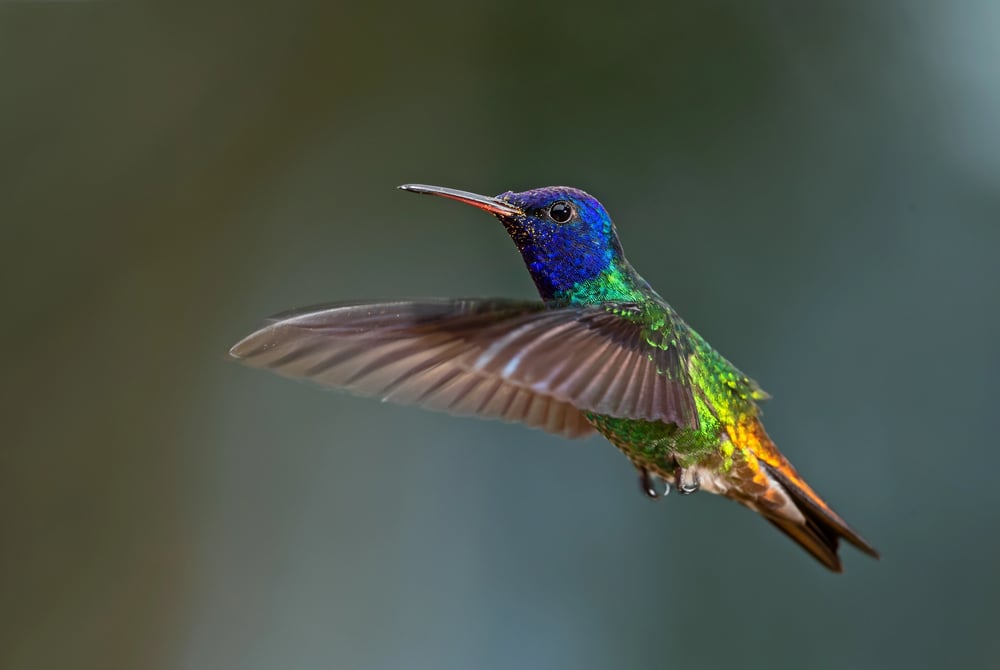
Hummingbirds own this skill. They’re not just capable of backward flight—they’re masters at it.
These tiny birds zip backward from flowers, retreat from aggressive rivals, and reverse direction mid-air without breaking their rhythm. No other bird comes close to matching this ability.
How Their Wings Make It Happen
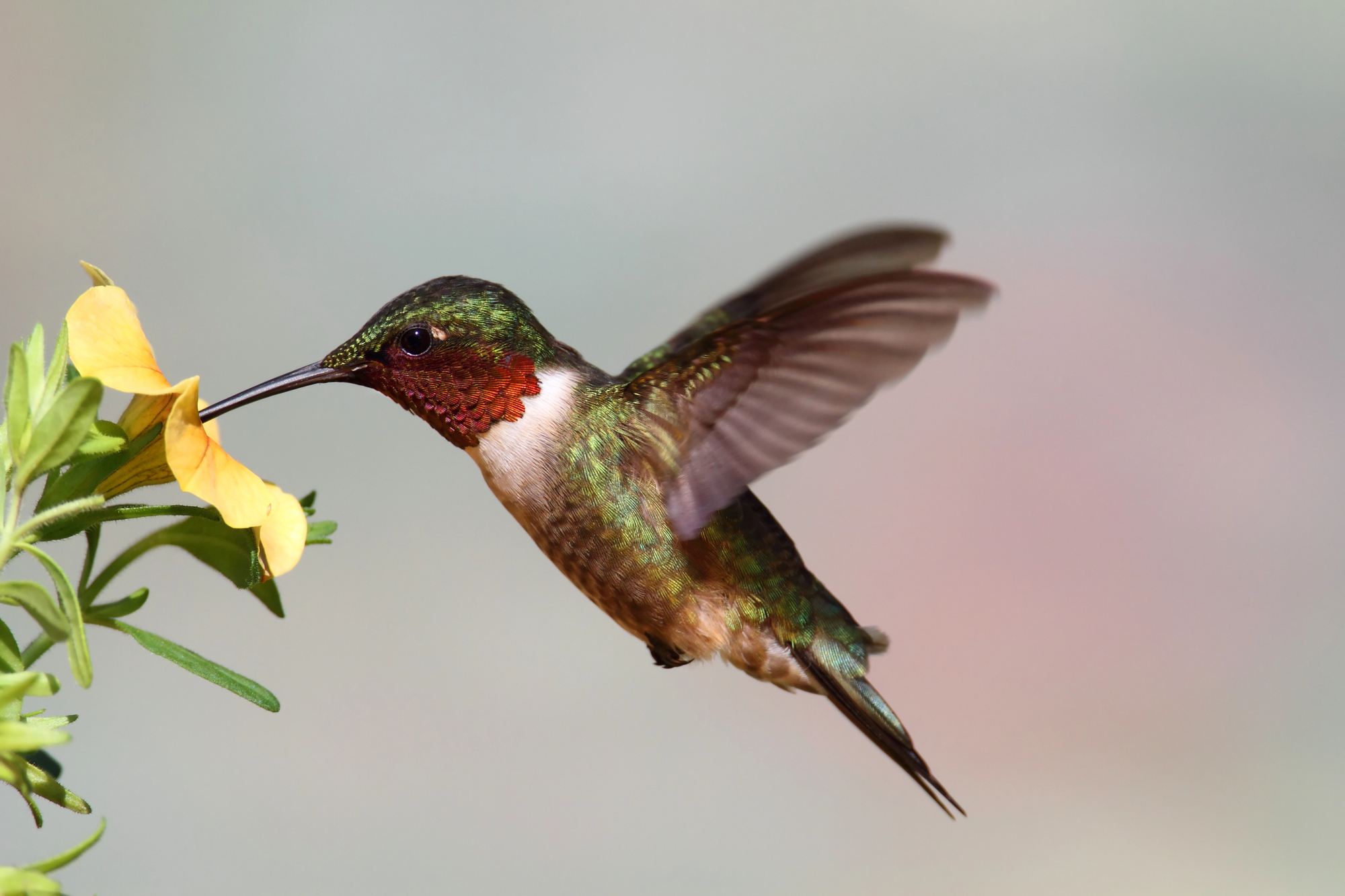
The secret sits in their wing design. Hummingbird wings rotate in a full circle at the shoulder joint.
Most birds can only move their wings up and down with some forward rotation. Hummingbirds swing their wings in a figure-eight pattern, which lets them generate lift on both forward and backward strokes.
The wings twist and flip at speeds your eyes can’t follow.
Hovering Shows Similar Control
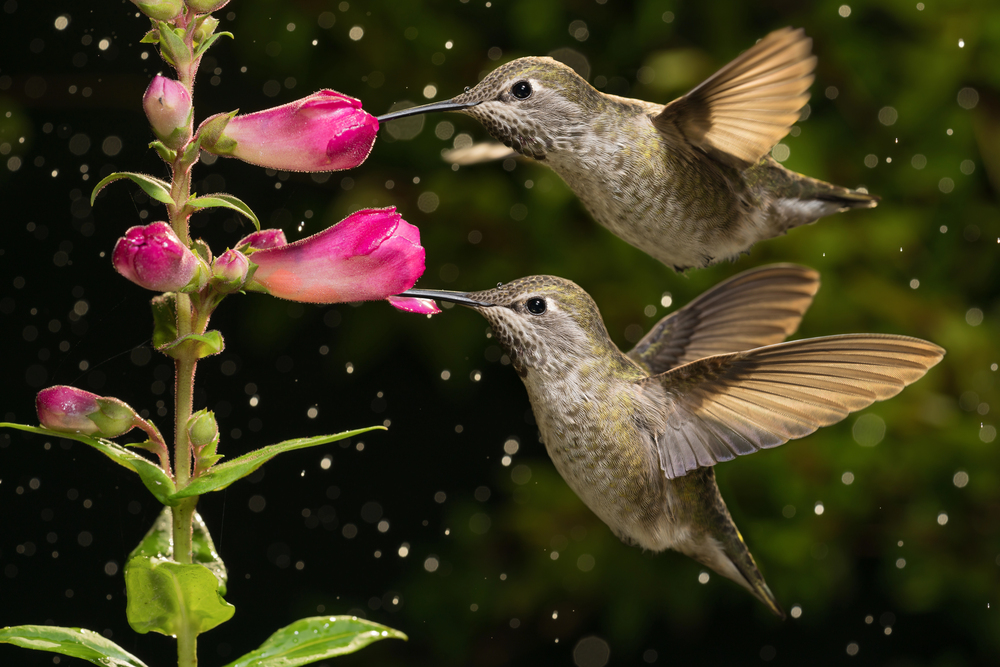
Before you understand backward flight, you need to see how hummingbirds hover. They beat their wings roughly 50 times per second, sometimes faster.
The wings trace that figure-eight pattern in the air, creating equal force in all directions. This keeps them perfectly still while they drink nectar.
Backward flight uses the same mechanics—they just shift the angle slightly.
Why Other Birds Can’t Match This
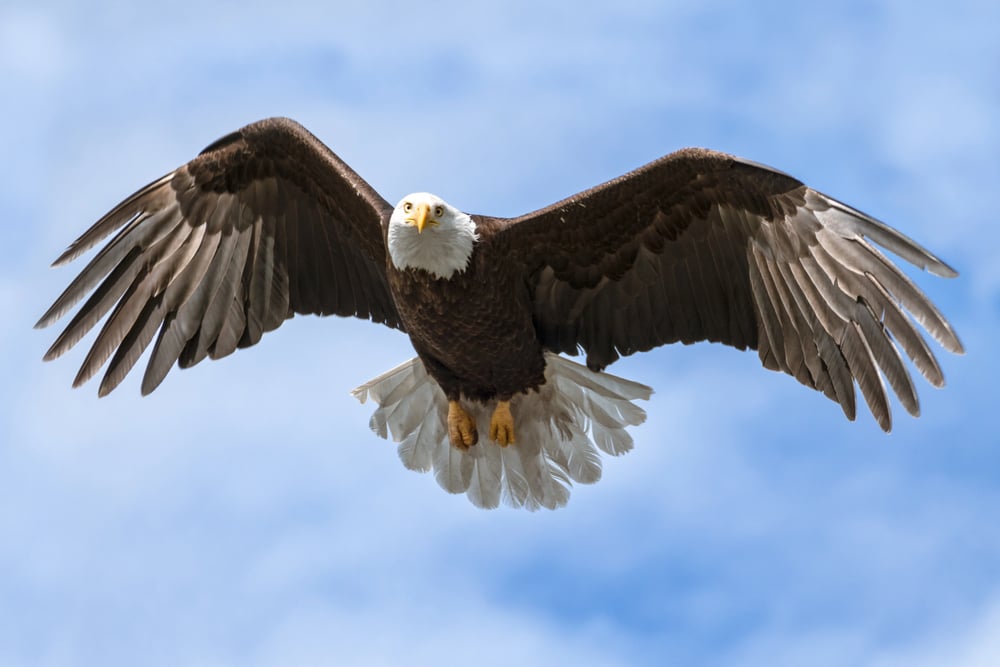
Bird wings aren’t all created equal. Eagles, sparrows, and gulls have wings designed for efficient forward flight.
Their shoulder joints limit rotation. Their wing shape focuses on creating lift during downstrokes.
They can slow down, sure. They can even back up a bit using wind resistance.
But true controlled backward flight? Their bodies won’t allow it.
The Energy Cost Runs High
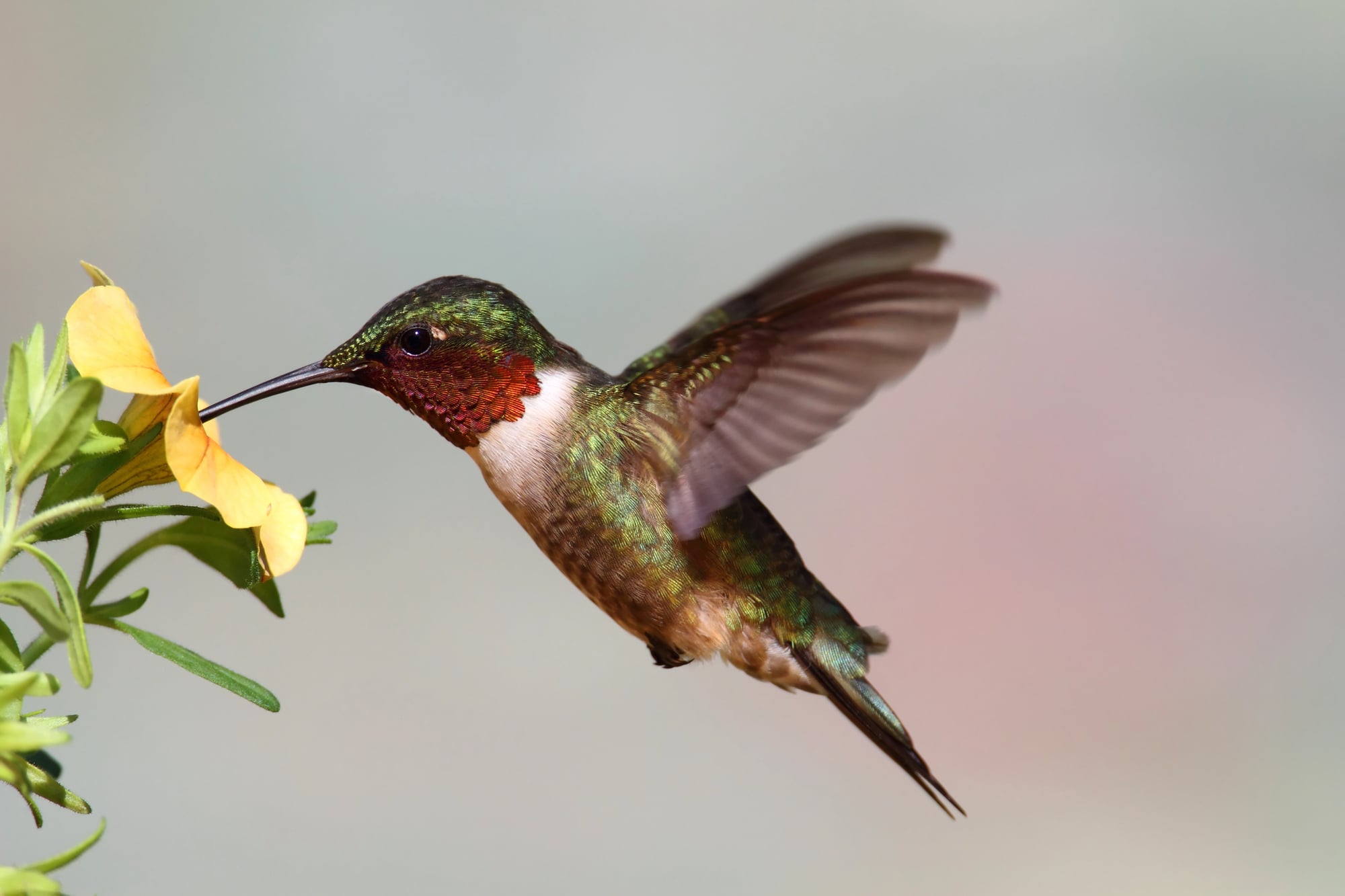
Hummingbirds pay a price for their aerial abilities. Their metabolism burns fuel faster than almost any other vertebrate.
They eat constantly—visiting hundreds of flowers per day. A hummingbird’s heart beats over 1,200 times per minute during active flight.
Flying backward demands even more energy than hovering because the bird works against its natural forward momentum.
Different Species, Different Speeds
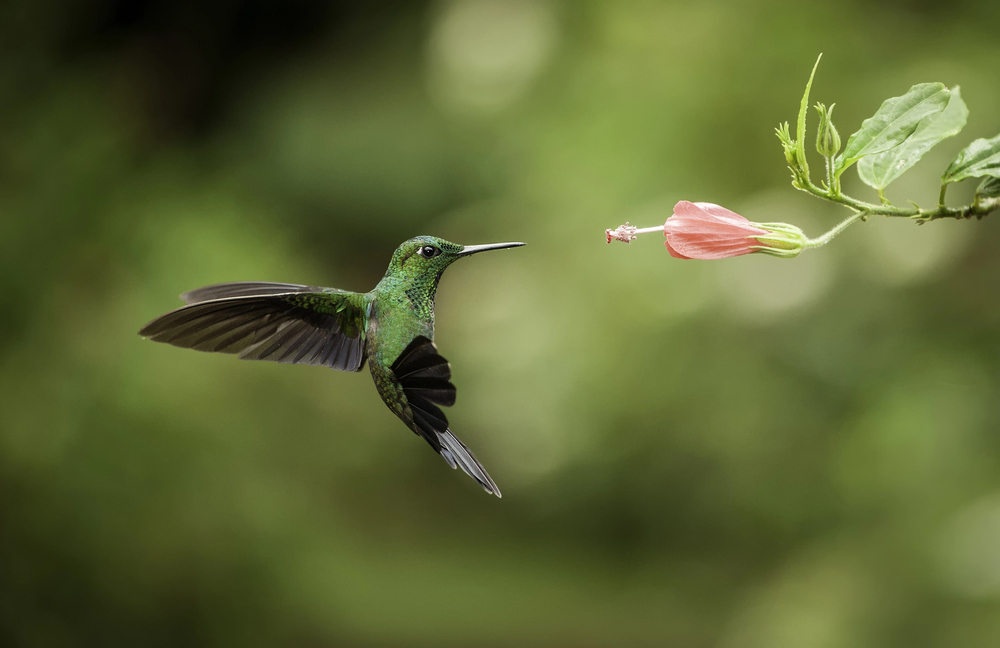
Not all hummingbirds fly backward equally well. The Ruby-throated Hummingbird, common in eastern North America, backs up with quick precision.
Anna’s Hummingbird on the West Coast does it smoothly during territorial disputes. Smaller species like the Bee Hummingbird can reverse faster relative to their body size.
Larger species take more time to build backward momentum.
Territorial Battles Demand Quick Retreats
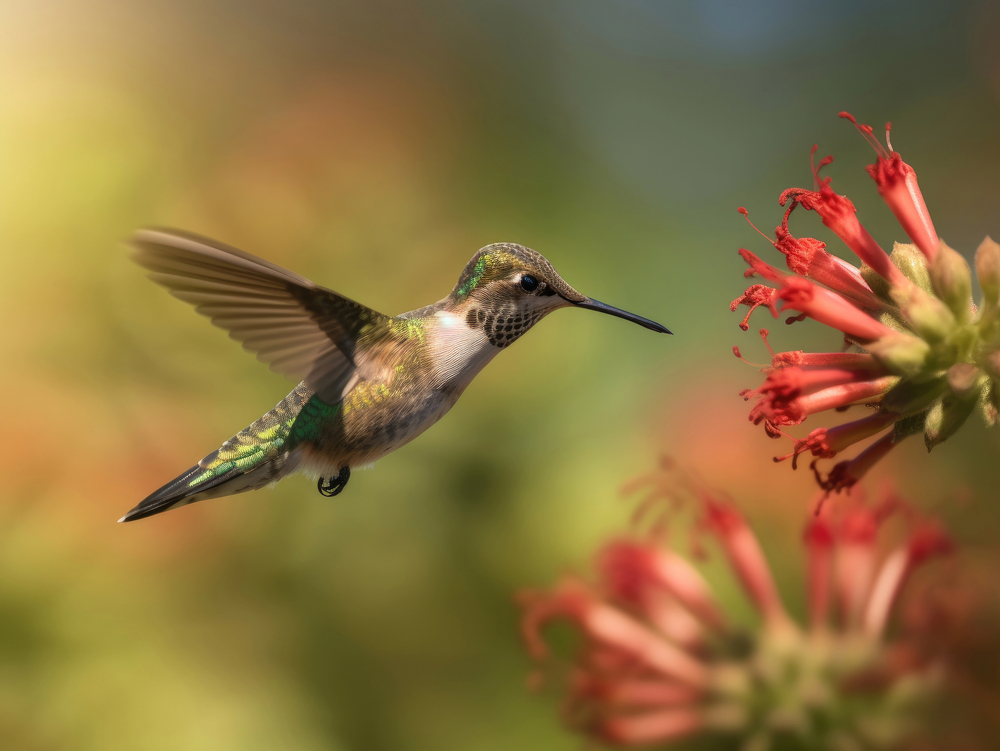
Watch hummingbirds around a feeder and you’ll see backward flight in action. These birds defend their food sources aggressively.
When two males face off, they dart forward to intimidate, then zip backward to reset for another charge. The ability to retreat quickly without turning around gives them a tactical advantage.
They keep their eyes on the threat while maintaining distance.
Feeding Requires Constant Adjustment
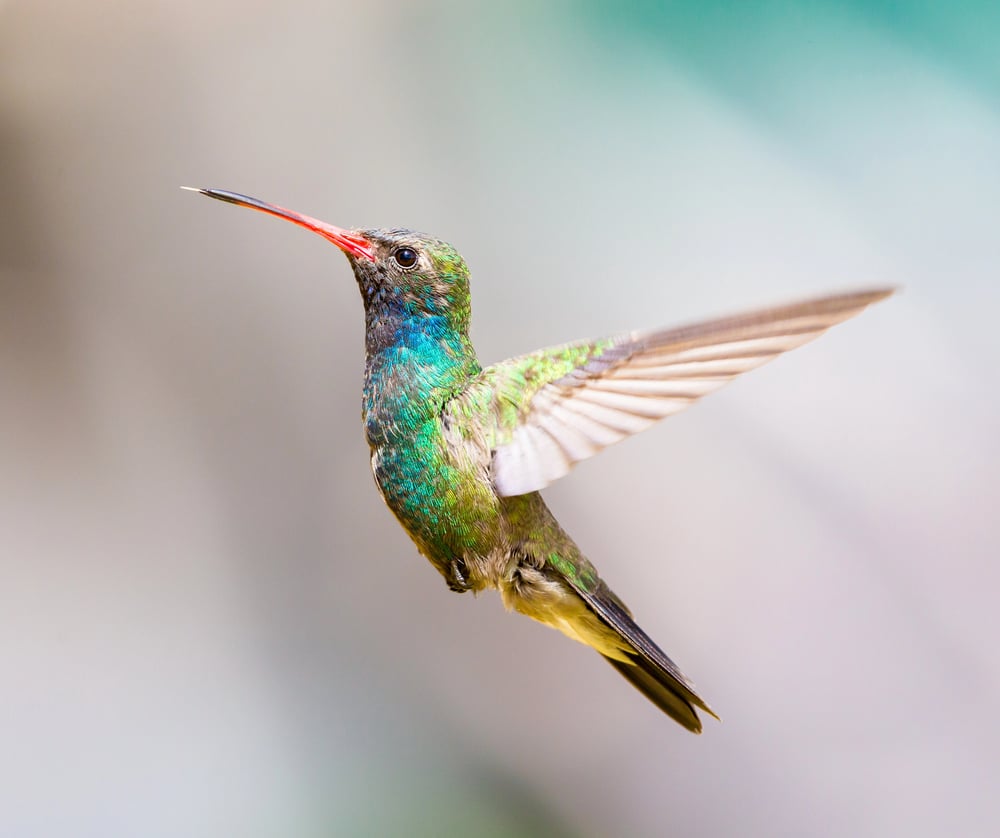
Flowers don’t always cooperate. Wind pushes blooms around. Other insects compete for the same nectar.
Hummingbirds insert their beaks, drink for a second or two, then pull straight back to move to the next flower. This backward motion happens dozens of times per minute during peak feeding hours.
The efficiency saves energy and time.
Males Show Off During Courtship
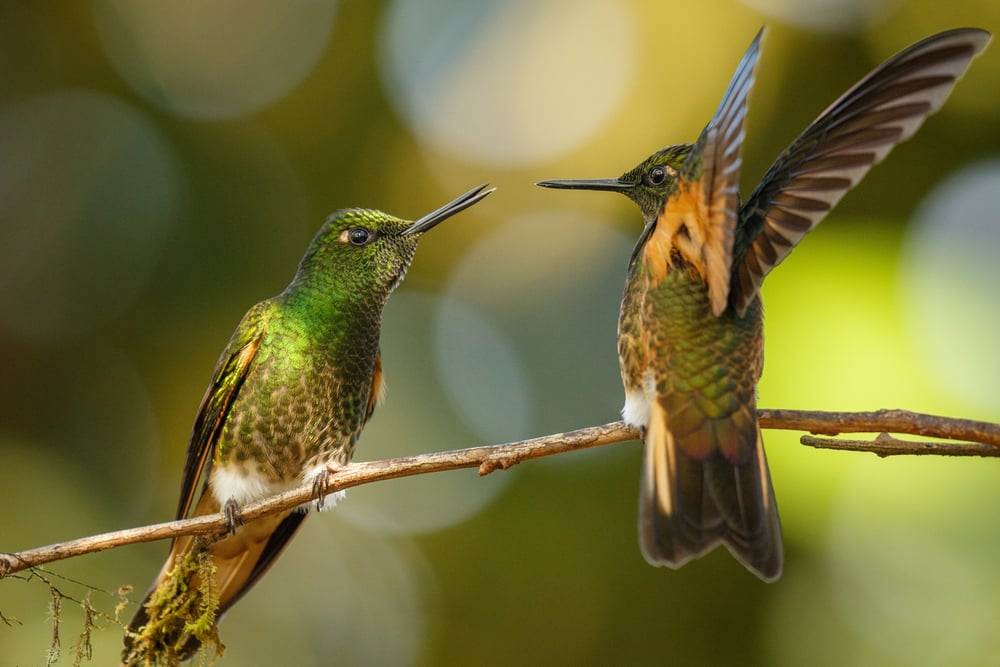
Backward flight plays a role in mating displays too. Male hummingbirds perform elaborate aerial shows to attract females.
They climb high, dive fast, and pull up at the last second—all while maintaining perfect control. The backward retreat after a dive demonstrates skill.
Females watch these displays carefully. Strong fliers get more attention.
Speed and Precision Combined
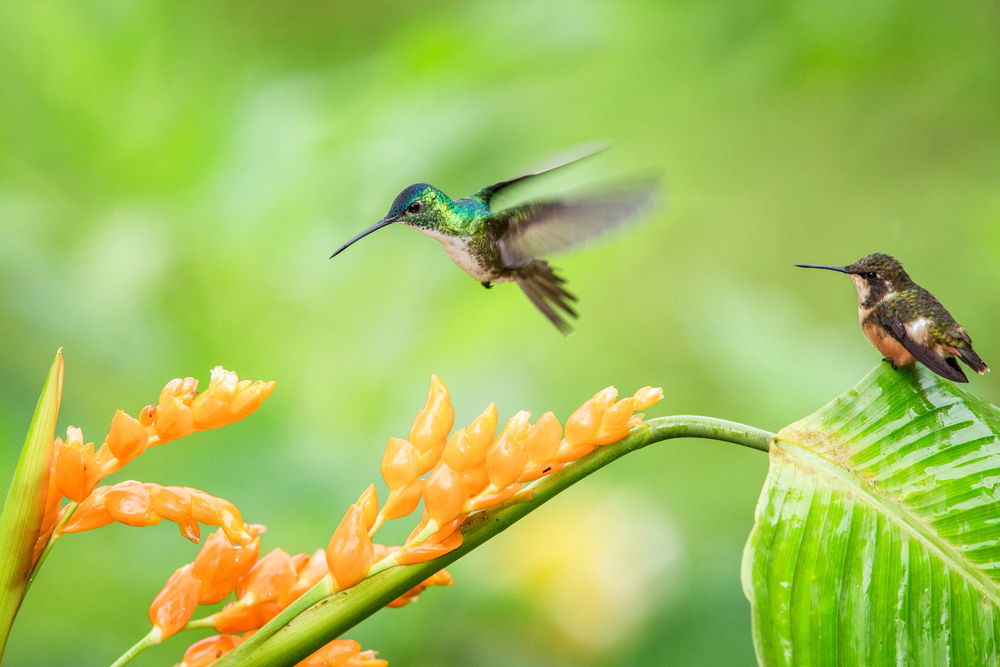
Hummingbirds don’t just fly backward slowly. Some species can reverse at speeds up to 15 miles per hour.
They can stop on a dime, shift to backward flight, and return to forward motion within milliseconds. This level of control requires incredible coordination between their brain, eyes, and wing muscles.
The precision looks effortless but demands constant adjustment.
Evolution Shaped This Ability
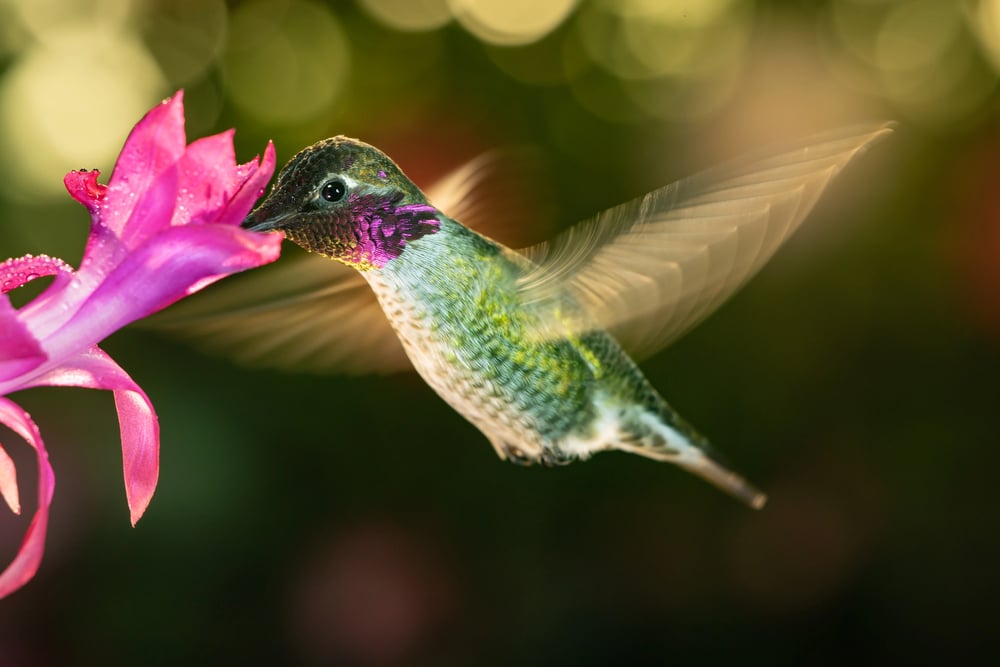
Scientists believe hummingbirds evolved backward flight alongside their nectar-feeding lifestyle. Flowers provided a reliable food source, but accessing nectar required hovering and precise movements.
Over millions of years, the birds that could maneuver better got more food and produced more offspring. The shoulder joint evolved. The wing muscles strengthened. The metabolic system adapted to support the energy demands.
Spotting Them Takes Patience
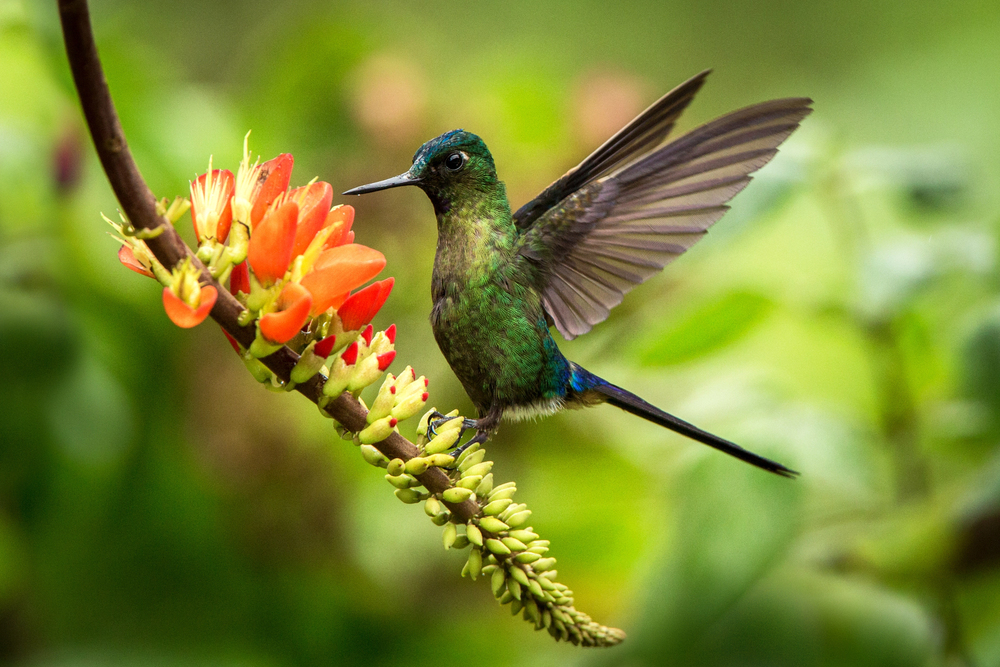
You can watch this behavior yourself with some setup. Place a hummingbird feeder in a visible spot. Sit quietly nearby.
The birds take a few days to discover new feeders, but once they do, they visit regularly. Watch how they approach the feeder, drink briefly, and pull straight back before darting away.
You’ll see the backward flight happen naturally, multiple times, without any special circumstances needed.
When Time Moves in Reverse
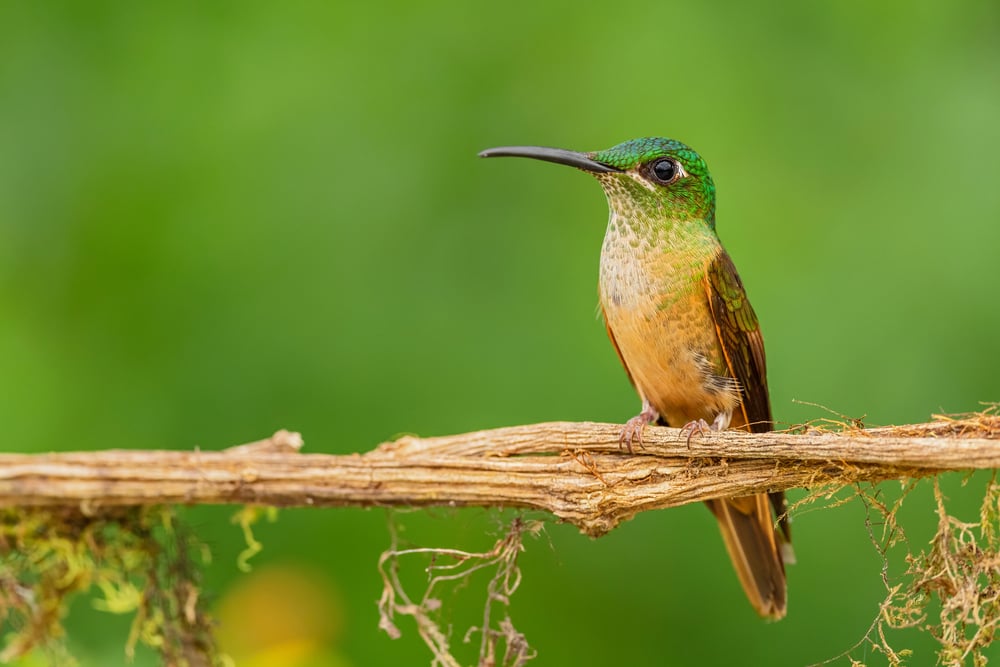
There’s something almost impossible about watching a bird fly backward. It contradicts what you expect from nature.
It challenges your understanding of physics and biology. But hummingbirds do it anyway, thousands of times a day, treating this remarkable skill as just another tool for survival.
They don’t think about how special it is. They just live their lives, moving in whatever direction serves them best.
More from Go2Tutors!

- The Romanov Crown Jewels and Their Tragic Fate
- 13 Historical Mysteries That Science Still Can’t Solve
- Famous Hoaxes That Fooled the World for Years
- 15 Child Stars with Tragic Adult Lives
- 16 Famous Jewelry Pieces in History
Like Go2Tutors’s content? Follow us on MSN.


