Beautiful Towns With No Roads
There’s something oddly peaceful about places where cars can’t go. These towns, scattered across the world, have kept motor vehicles at bay, either by choice or by natural design.
The air feels different in these places. Streets meant for walking, biking, or riding horses create a slower rhythm that most modern cities have long forgotten.
So what makes these car-free communities so special, and where can travelers find them? Let’s explore some of the most stunning towns where the rumble of engines never disturbs the quiet.
Giethoorn

This Dutch village looks like it stepped out of a fairytale, but without any magic required. Water channels replace streets throughout most of Giethoorn, earning it the nickname ‘Venice of the North.’
Residents travel by boat or bike across more than 55 miles of canals that wind between thatched-roof farmhouses dating back to the 18th century. The only sounds here come from ducks paddling through the water and the occasional scrape of a wooden boat against a dock.
Winter transforms the canals into skating paths that locals have used for generations.
Hydra
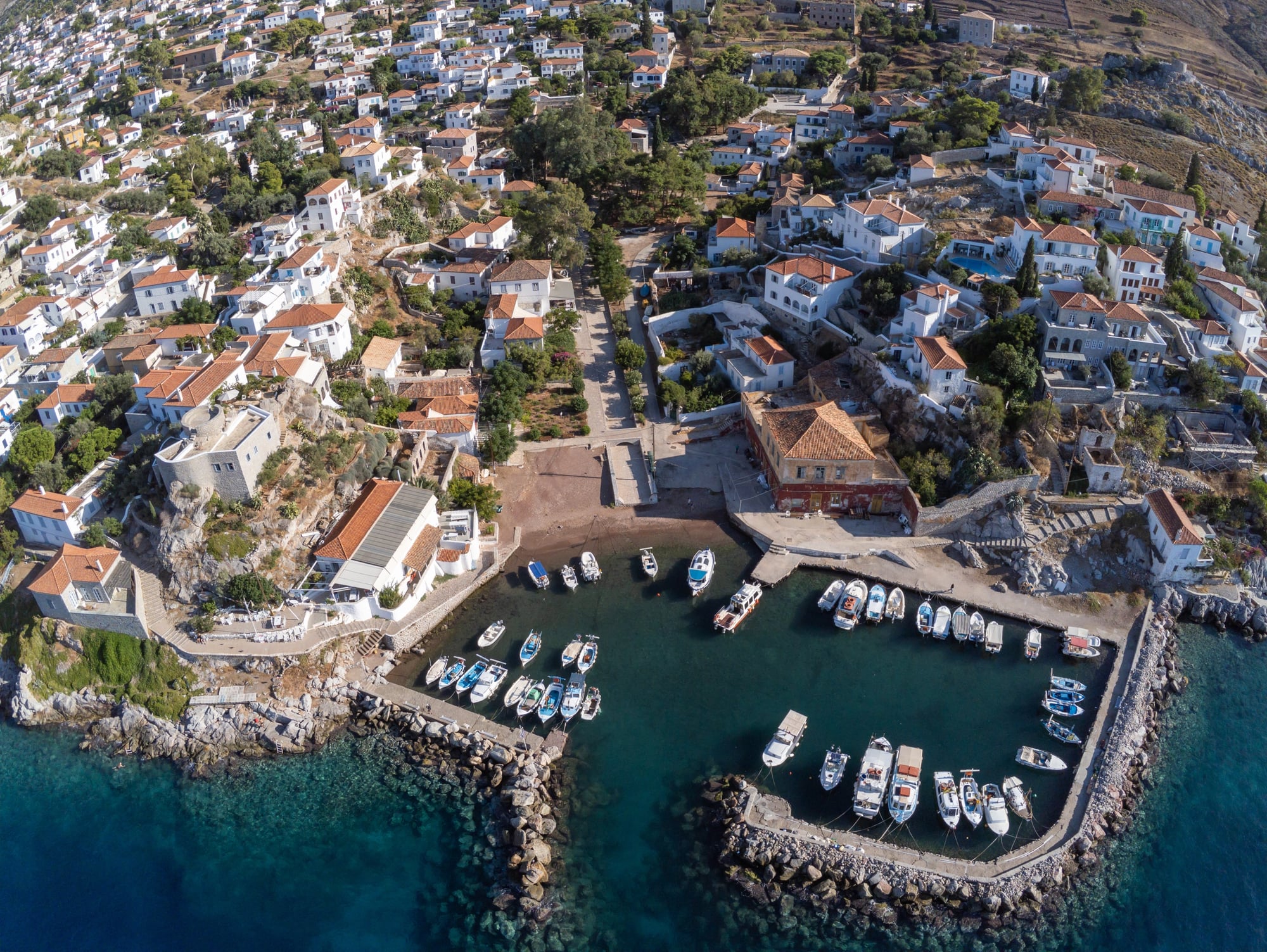
Greek islands attract millions of visitors each year, but Hydra stands apart from the tourist-packed ports. This rocky island banned motor vehicles decades ago, preserving its character as a haven for artists and writers.
Donkeys carry luggage and supply up steep cobblestone paths that connect whitewashed houses to the harbor. The island’s main town curves around a natural harbor where fishing boats bob next to expensive yachts.
Water taxis provide the only motorized transport, ferrying people to remote beaches that remain blissfully quiet.
Zermatt

Switzerland’s most famous ski resort sits at the base of the Matterhorn, one of the Alps’ most recognizable peaks. Cars stop at the valley entrance, where visitors must switch to electric taxis or horse-drawn carriages for the final stretch.
Traditional wooden chalets line streets that smell of fresh pine and bakery pastries instead of exhaust fumes. The town has maintained this policy since the 1960s, long before environmental concerns became mainstream.
Summer brings hikers who tackle trails that wind through meadows filled with wildflowers and the sound of cowbells.
Fes el-Bali

Morocco’s oldest city district operates much as it did a thousand years ago. The medina’s narrow alleys twist through a maze so complex that even longtime residents sometimes get lost.
Donkeys and handcarts remain the only way to transport goods through passages barely wide enough for two people to pass. Craftsmen still work in tiny shops hammering copper, dyeing leather in giant stone vats, and weaving textiles on ancient looms.
The call to prayer echoes off walls that have stood since medieval times, creating an atmosphere that feels removed from the modern world.
Chique Terre

Five colorful villages cling to cliff faces along Italy’s Ligurian coast, connected by hiking trails and a local train. Cars can’t navigate the steep terrain or narrow streets that wind between houses painted in shades of yellow, pink, and orange.
Fishing boats rest in tiny harbors where locals still haul in the day’s catch by hand. Terraced vineyards climb impossibly steep hillsides, producing wine that rarely leaves the region.
The trails between villages offer views of the Mediterranean that have inspired painters and poets for centuries.
Halibut Cove
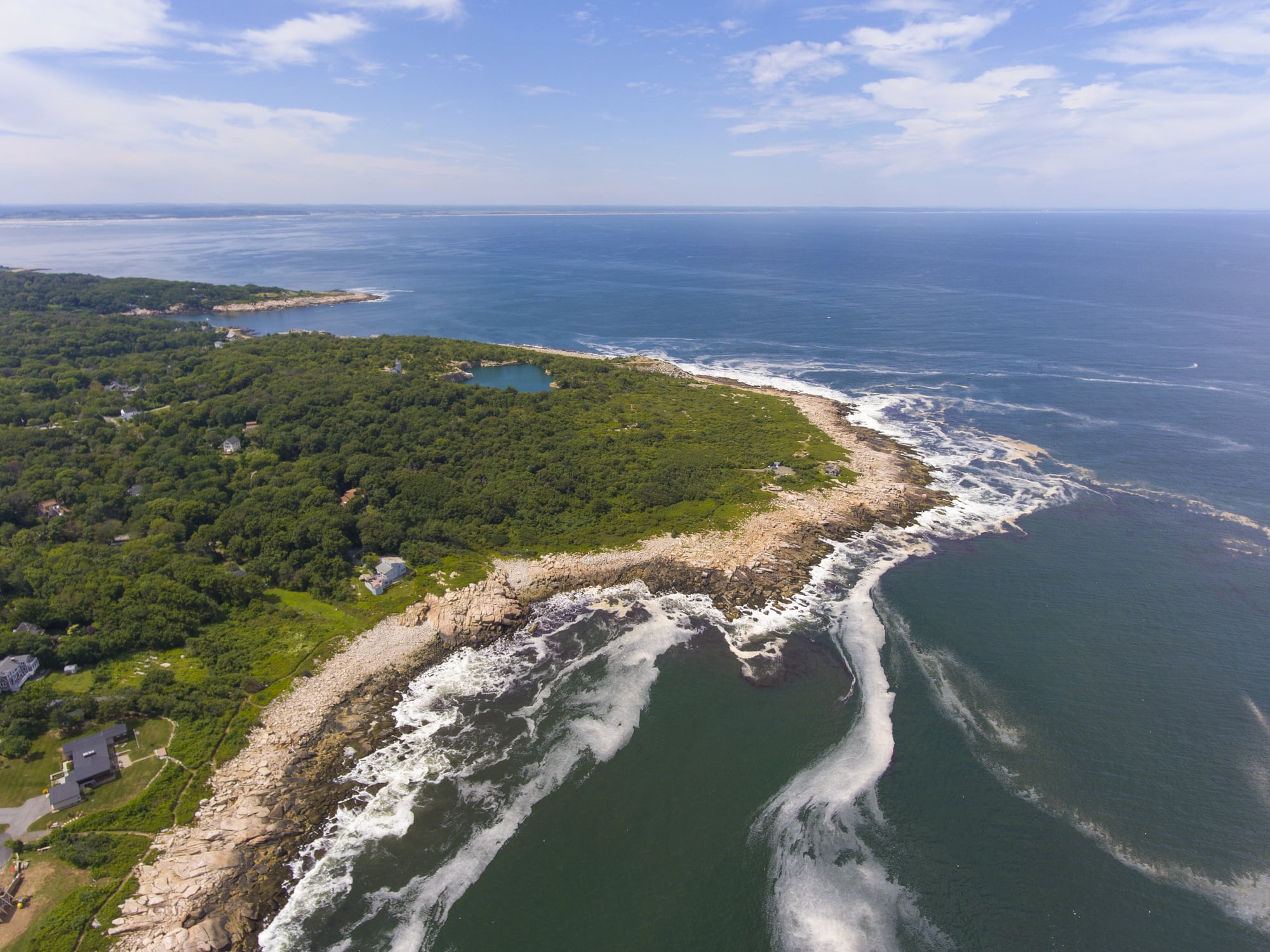
Alaska’s roadless communities number in the dozens, but few match the artistic charm of Halibut Cove. This tiny settlement across Kachemak Bay from Homer has no cars simply because no roads connect it to anywhere else.
About 35 year-round residents live in houses built on stilts above the water, accessible only by boat or floatplane. Artists’ galleries occupy old fishing buildings, showcasing work inspired by the surrounding wilderness.
Sea otters float past the boardwalks while eagles circle overhead, completely unbothered by human presence.
Lamu

Kenya’s oldest living town has preserved Swahili culture in ways that mainland cities have not. Narrow coral stone streets wind between houses with intricately carved wooden doors that serve as status symbols.
Donkeys remain the primary transport, carrying everything from construction materials to tourists’ luggage. The call of muezzins from ancient mosques mixes with the sound of dhow boats departing for fishing trips.
Life moves at a pace dictated by tides and prayer times rather than traffic lights and schedules.
Sark

This small island in the English Channel banned cars in 1949 and never looked back. Horse-drawn carriages and tractors provide the only motorized transport on roads that feel more like country lanes.
The island’s constitution actually prohibits motor vehicles, making it one of the few places where this ban has legal backing. Wildflowers cover clifftop paths that offer views of neighboring islands and the French coast on clear days.
About 500 residents share the island with sheep that graze freely along the coastal paths.
Supai

The Havasupai people have lived at the bottom of the Grand Canyon for over 800 years, in what remains America’s most remote community. Mail still arrives by mule train, the last place in the United States where this happens.
No roads reach the village, which sits 8 miles down a trail from the canyon rim. Turquoise waterfalls pour over red rock cliffs into pools that seem too beautiful to be real.
The tribe limits visitor permits to protect their home from overcrowding, maintaining a way of life that has changed remarkably little over centuries.
Wengen
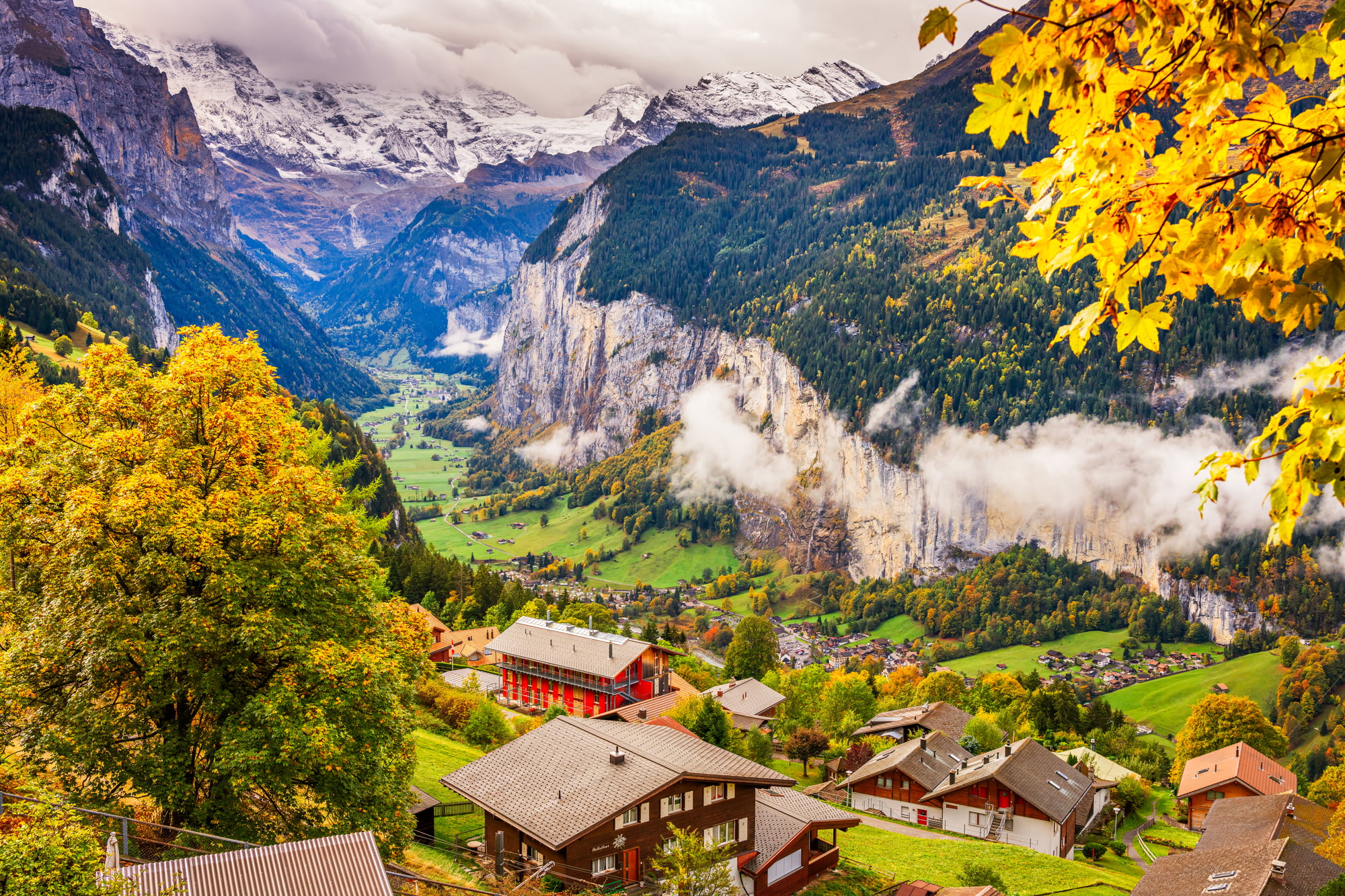
This Swiss alpine village perches on a sunny terrace above the Lauterbrunnen Valley, accessible only by cog railway. Traditional wooden chalets house hotels and restaurants that cater to skiers in winter and hikers in summer.
The absence of cars creates an atmosphere of mountain tranquility that attracts families seeking a break from city noise. Church bells mark the hours while the sound of cowbells drifts up from pastures below.
Locals commute to neighboring towns by train, a system that has worked efficiently for over a century.
Caye Caulker

Belize’s laid-back island culture reaches its peak on Caye Caulker, where golf carts replaced cars as the main transport. The island’s sandy streets can’t support regular vehicles anyway, and most residents prefer to walk or bike.
Colorful wooden houses on stilts line streets named after marine life rather than numbers or presidents. The island’s motto, ‘Go Slow,’ appears on signs and t-shirts throughout town, reflecting an attitude that visitors quickly adopt.
Mangroves and coral reefs surround the island, creating some of the Caribbean’s best snorkeling spots.
Ait Benhaddou

This fortified village in Morocco has served as a filming location for dozens of movies, from ‘Lawrence of Arabia’ to ‘Game of Thrones.’ Earthen buildings called kasbahs cluster together on a hillside, creating a silhouette that hasn’t changed in centuries.
Most residents have moved to a modern village across the river, but a few families still live within the ancient walls. Traders once stopped here on caravan routes between the Sahara and Marrakech, exchanging salt and gold in courtyards that still stand.
The narrow passages between buildings were designed for people and pack animals, not vehicles, making preservation easier than adaptation.
La Cumbrecita

Argentina’s attempt at an alpine village sits in the Calamuchita Valley, surrounded by peaks and forests. The community banned private vehicles in 1996, creating hiking trails where streets would normally run.
German and Swiss immigrants built the town in the 1930s, bringing architectural styles from their homelands. Visitors park at the entrance and walk into a town that feels transplanted from Europe.
Streams run alongside paths where locals walk their dogs and greet neighbors without competing with traffic.
Tangier Island

Virginia’s shrinking island community faces an uncertain future as climate change erodes its shores. About 400 residents still make their living from crabbing in the Chesapeake Bay, maintaining traditions that stretch back generations.
Golf carts and bikes navigate streets barely wide enough for them, passing houses that have weathered countless storms. The local accent sounds closer to Elizabethan English than modern American, a linguistic quirk that fascinates linguists.
Watermen leave before dawn to check crab pots, returning with catches that supply restaurants up and down the East Coast.
Capri

Italian charm peaked here, a place pulling stars and creators since Rome ruled. Up top, the chief village clings to steep drops, linked by cable car from the harbor down low.
Shops full of price tags plus coffee spots fill walk-only lanes – trendy travelers wander them when hopping between sights. That famed sea cave?
It shines blue from bouncing sunlight, sparking heaps of art shots over years. Battery-powered shuttles run around the isle, yet plenty choose walking instead.
Fire Island
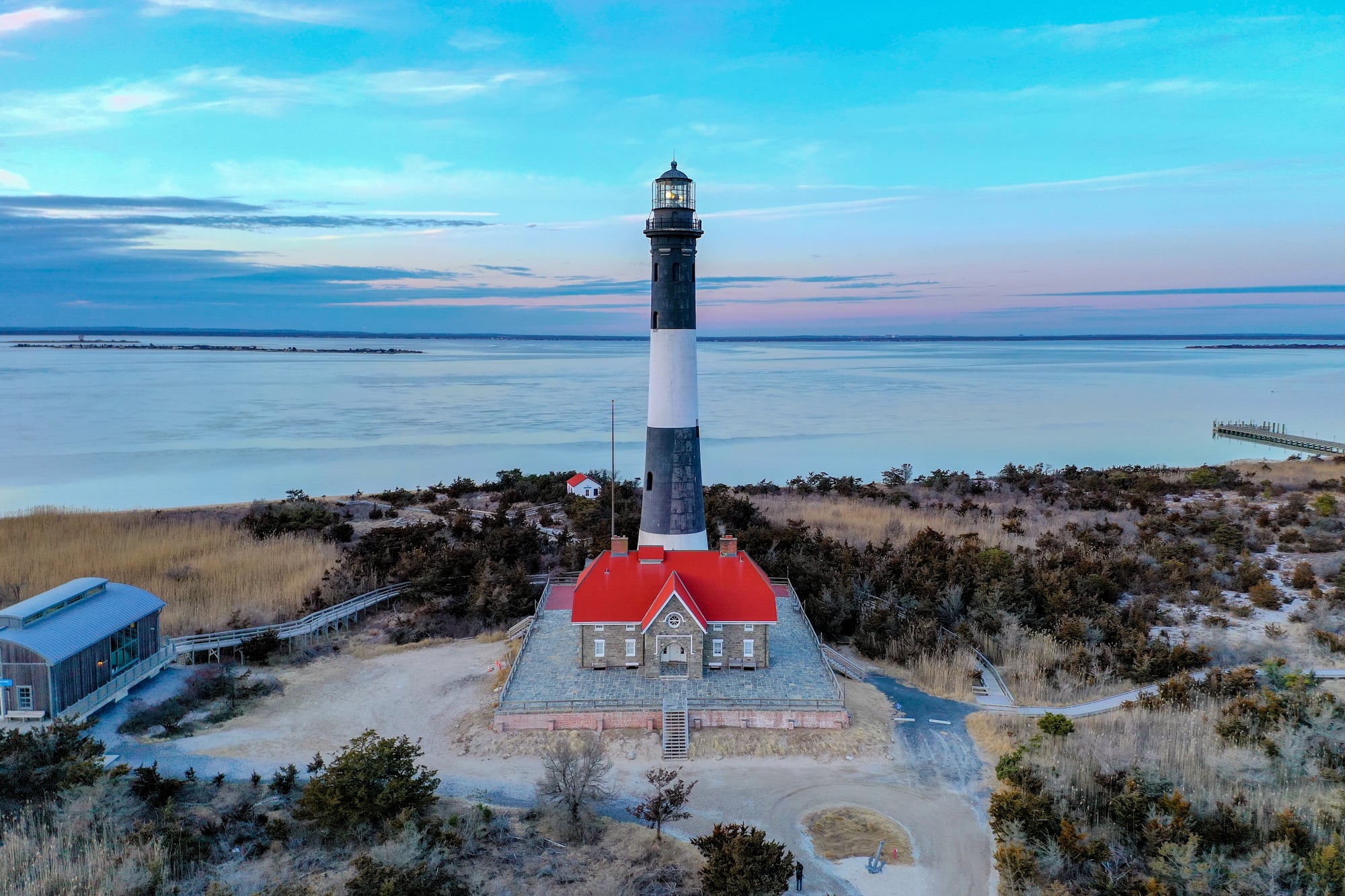
New York’s barrier island runs 31 miles along Long Island’s southern edge – just a couple of tiny spots let cars in. Elsewhere, narrow walkways take the place of roads, while folks use red carts instead of vehicles to carry their shopping.
Folks from NYC pour in on weekends via boat, turning quiet shores into busy summer hangouts. At sunrise, deer stroll across lawns; come sunset, foxes stalk prey among the sandhills.
Since it’s protected land under the National Seashore label, building is kept low-key and traffic remains rare.
Veliko Tarnovo’s old town

Bulgaria’s one-time capital clings to steep slopes overlooking the Yantra River – its winding alleys simply too tight for today’s traffic. Perched high on a ridge encircled by a looping river, Tsarevets Fortress links to the historic district via a centuries-old footbridge.
Homes made of stone and topped with terracotta tiles climb upward in tiers, shaping a bold profile against the sky. Artisans run small workshops inside weathered walls, offering hand-thrown ceramics and cloth woven just like their ancestors did.
This neighborhood keeps its timeless feel mainly since automobiles rarely make it into the core.
The quiet revolution

Some towns without cars show life can work fine without engines humming all day. While a few stopped vehicles to keep the charm, others simply lacked space from the start.
They’ve figured out daily routines that seem calmer, closer to how things used to be. People arriving usually say it feels like going backwards – but the truth is, they’re just seeing what happens when paths care more about folks than gadgets.
More from Go2Tutors!

- The Romanov Crown Jewels and Their Tragic Fate
- 13 Historical Mysteries That Science Still Can’t Solve
- Famous Hoaxes That Fooled the World for Years
- 15 Child Stars with Tragic Adult Lives
- 16 Famous Jewelry Pieces in History
Like Go2Tutors’s content? Follow us on MSN.



