Communities Living Like It’s Still the 1800s
Most people carry smartphones in their pockets and stream shows on demand. Meanwhile, scattered across the globe, entire communities reject modern technology and maintain lifestyles that mirror the 1800s.
They farm with horses, light their homes with kerosene lamps, and gather for worship in ways their great-great-grandparents would recognize. These groups don’t just avoid social media or limit screen time.
They’ve made conscious decisions to freeze certain aspects of life at specific points in history. The reasons vary—religious conviction, cultural preservation, distrust of industrialization—but the result remains striking.
You can visit these places and step backward in time.
The Amish Built a Parallel America
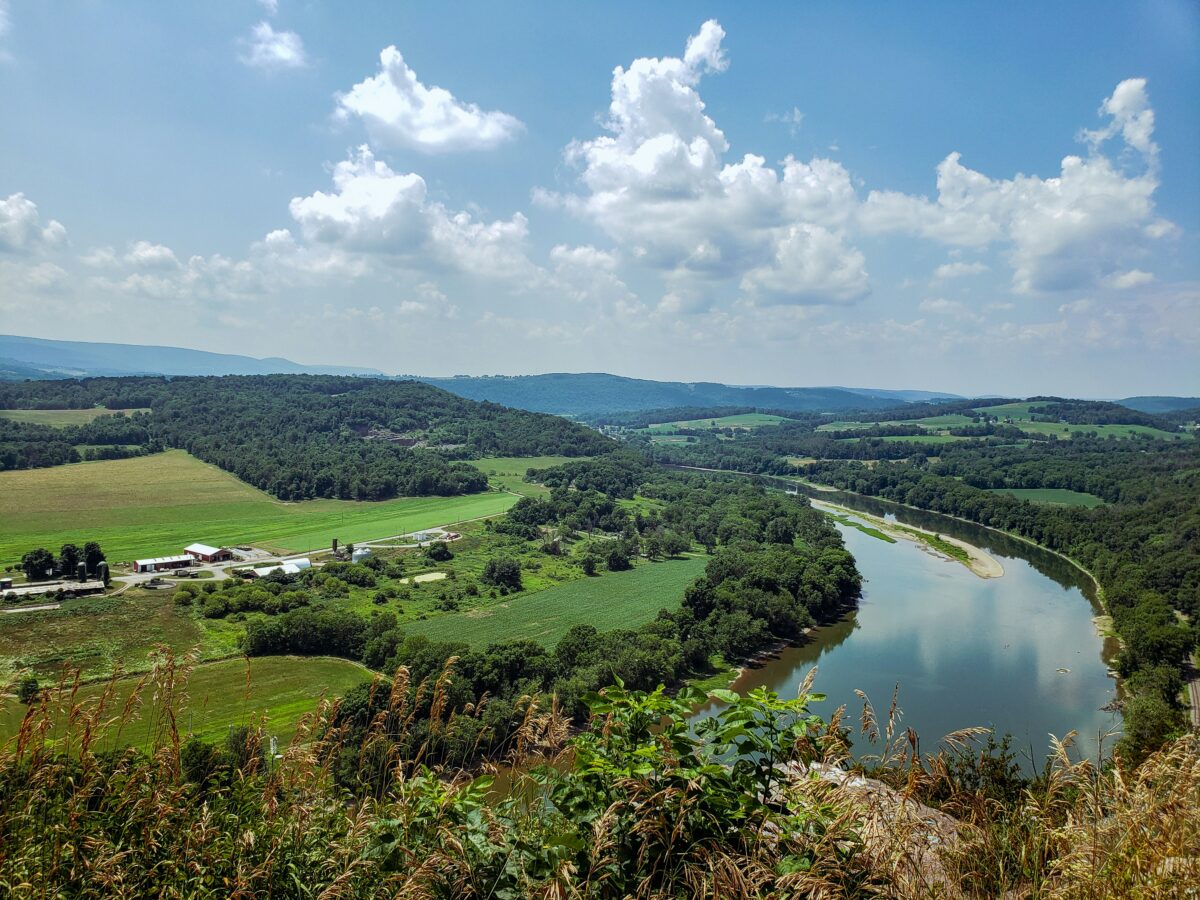
Pennsylvania, Ohio, and Indiana contain the largest Amish populations in North America. These communities originated with Swiss Anabaptists who split from mainstream Protestantism in the 1600s and 1700s.
They immigrated to America seeking religious freedom and found it in rural farming regions. Amish families live without electricity from public grids.
They use batteries, generators, and hydraulic power for specific tasks, but overhead power lines don’t reach their properties. Horses pull their plows and buggies.
Children attend one-room schoolhouses through eighth grade, then learn trades or farm work. The rules vary between communities.
Some allow bicycles, others don’t. Certain groups permit phones in shared community buildings but ban them from homes.
The details shift, but the core commitment to separation from modern society holds firm. Around 350,000 Amish people maintain this lifestyle across North America today.
Hutterites Share Everything They Own
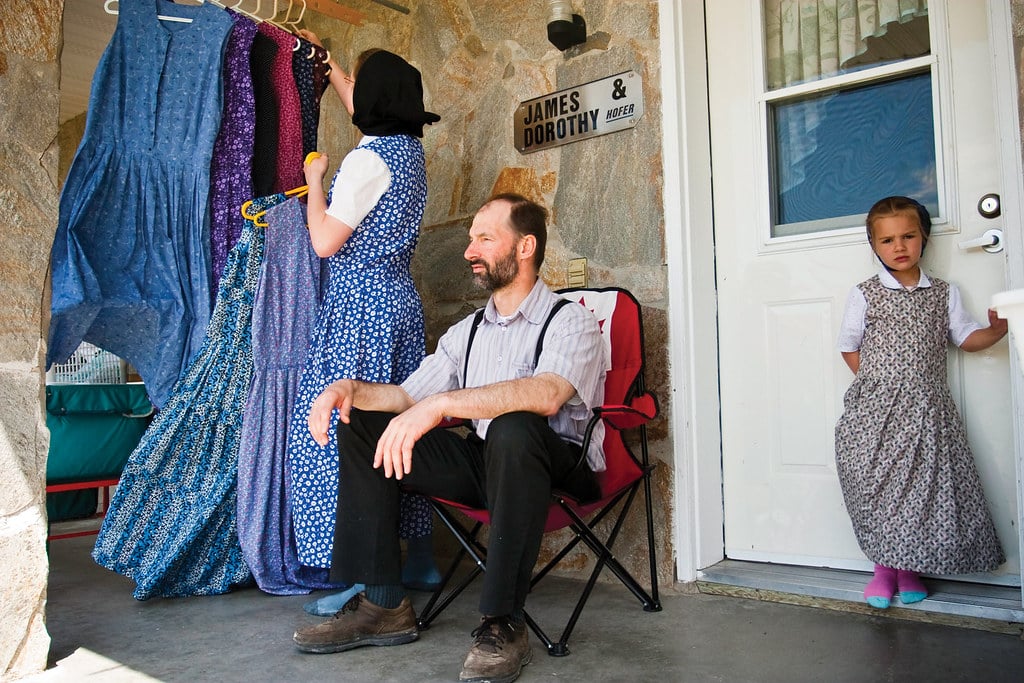
These communities practice complete communal living. All property belongs to the colony, not individuals.
Adults work in assigned roles—farming, teaching, cooking, maintaining equipment. Children grow up knowing they’ll contribute to the collective once they reach working age.
Hutterite colonies dot the northern Great Plains, from Montana through the Canadian prairies. Each colony splits once the population reaches about 150 people.
Half the members pack up and establish a new settlement nearby, maintaining the tight-knit structure that defines their culture. They use more technology than the Amish.
Tractors work their fields. Computers help manage large-scale agricultural operations. But they still dress in traditional clothing, speak an old German dialect at home, and maintain social structures that haven’t changed in centuries.
The outside world touches their farms but doesn’t penetrate their community life.
Old Order Mennonites Drive Black Buggies
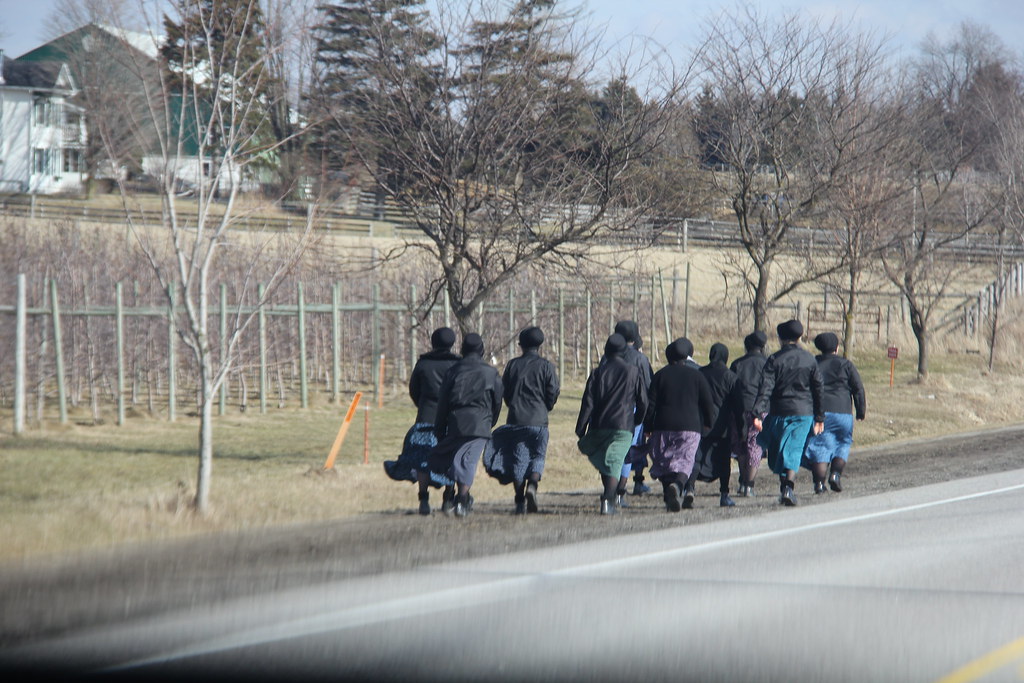
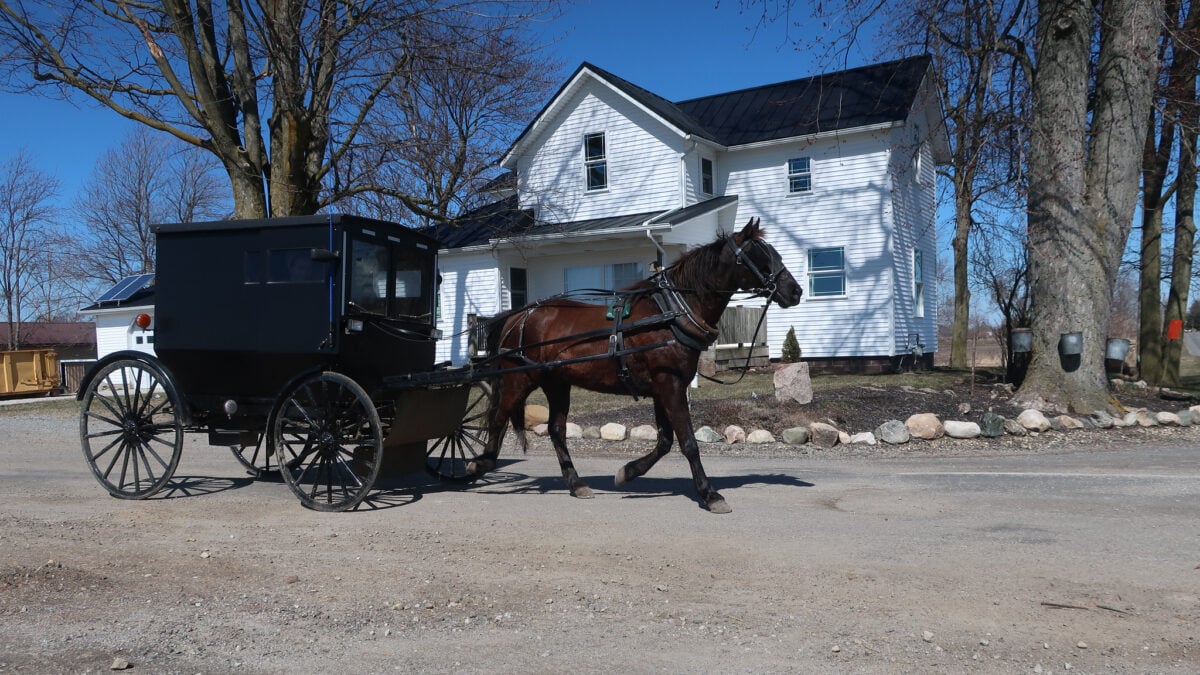
Pennsylvania’s Lancaster County contains both Amish and Old Order Mennonite communities. Visitors often confuse them.
Both groups drive horse-drawn buggies and dress plainly. The differences appear in details—Mennonites use different buggy styles and have slightly different rules about technology.
Old Order Mennonites generally allow more mechanical devices than the Amish. Some own cars painted black to avoid appearing fancy.
Others stick strictly to horses. Tractors work their fields using steel wheels instead of rubber tires, a compromise that acknowledges efficiency while maintaining separation from mainstream farming.
The children speak Pennsylvania Dutch at home and learn English in school. Many adults remain bilingual throughout their lives.
The community maintains these linguistic traditions as barriers that slow assimilation into broader American culture.
Doukhobors Fled Russian Persecution

These Russian Christian pacifists settled across Canada’s western provinces in the early 1900s. They rejected both the Orthodox Church and Russian state authority.
Their pacifism made them targets during Russian military conscription drives, so thousands emigrated. Traditional Doukhobor communities still exist in British Columbia and Saskatchewan.
They maintain communal ownership of land, though not as strictly as Hutterites. Their lifestyle emphasizes manual labor, vegetarianism, and hymn singing.
Some groups have modernized substantially. Others maintain traditions that stretch back to their Russian origins.
The most conservative Doukhobors still speak Russian, prepare traditional foods, and gather for communal worship that can last hours. They farm without advanced machinery, though the degree of technology varies.
The older generation holds these practices tighter than their children, creating tension between preservation and adaptation.
Swartzentruber Amish Reject Compromise
This group represents the strictest interpretation of Amish life. They ban indoor plumbing, forcing families to use outhouses regardless of weather.
They prohibit slow-moving vehicle triangles on their buggies, leading to frequent legal battles over road safety regulations. Their homes lack the bright colors seen in other Amish communities.
Plain gray siding covers their buildings. Windows stay clear, without curtains or decorations.
Even simple conveniences other Amish accept—like LED flashlights or pneumatic tools—face prohibition among the Swartzentruber. They live primarily in Ohio and upstate New York.
Their settlements grow slowly because the harsh lifestyle drives some young adults to join more moderate Amish groups. But the core members remain committed to preserving what they see as the purest expression of Amish faith and practice.
Old Believers Preserved Orthodox Traditions

When the Russian Orthodox Church reformed its practices in the 1600s, some communities refused to accept the changes. They maintained older liturgical texts, different crossing gestures, and traditional church architecture.
The Russian government persecuted them for centuries. Communities of Old Believers exist today in rural Alaska, Oregon, and scattered across Siberia.
They dress in traditional Russian peasant clothing—women in long skirts and scarves, men in belted tunics. Their homes contain icon corners where families pray daily.
Alaska’s Old Believer villages fish commercially but maintain otherwise separate lives from mainstream America. They speak Russian, attend services that last three hours or more, and marry within their communities.
Children learn traditional crafts and religious practices before modern academic subjects.
British Travellers Maintain Mobile Communities

These groups descended from Irish and Romani travelers who moved through Britain for centuries. Modern laws restrict their traditional nomadic lifestyle, but many maintain the cultural identity even when forced to settle in one place.
Traditional Traveller families still live in caravans when local councils allow it. They prefer cash transactions and oral agreements over written contracts.
Extended families stay close, often parking their homes in circles that face inward toward communal space. The younger generation struggles more with maintaining traditions.
British society pushes integration. Schools require attendance.
Employment discrimination makes traditional trades difficult. But some families hold firm to the old ways—speaking Cant (their traditional language), arranging marriages within the community, and resisting permanent housing.
Laestadian Communities Span Scandinavia
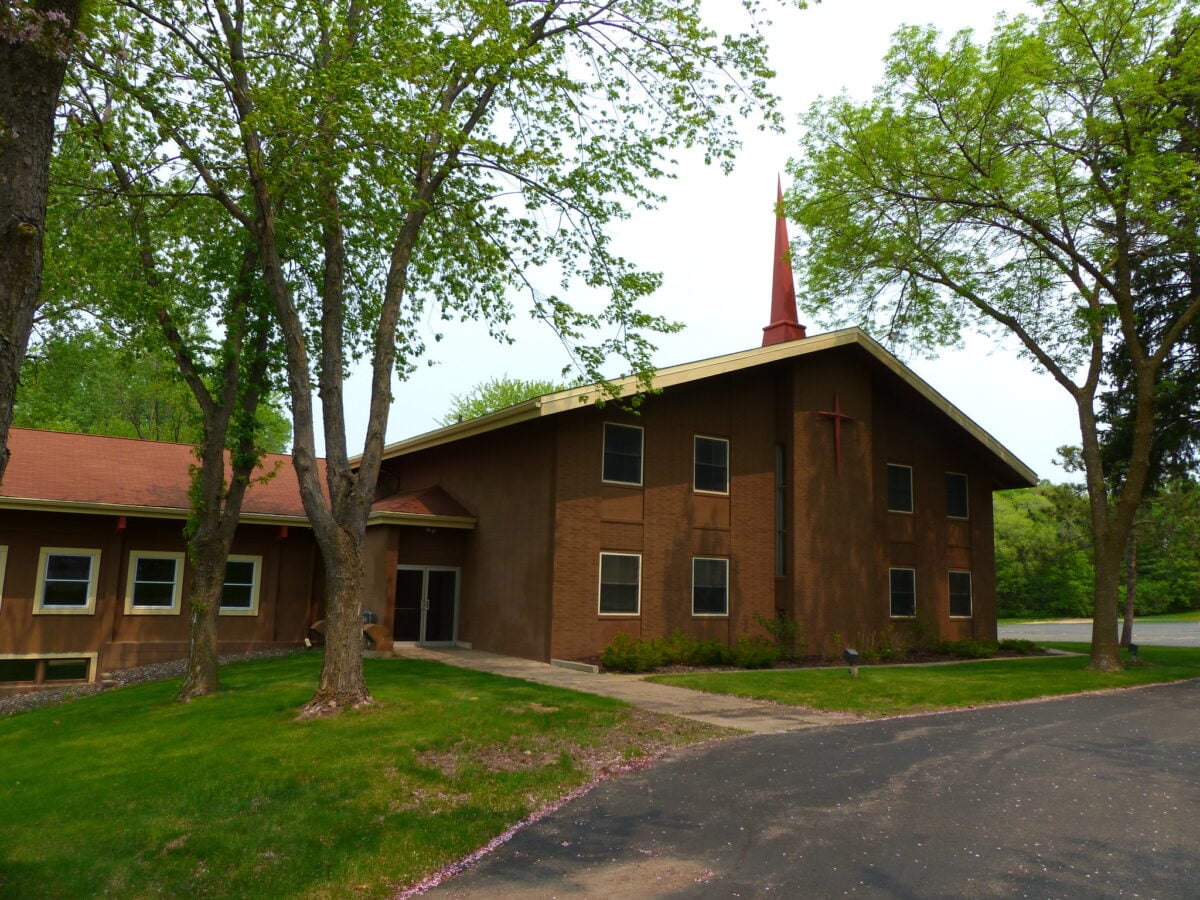
This Lutheran revival movement started in northern Sweden during the 1840s. It spread across Finland, Norway, and immigrant communities in North America.
The most conservative groups maintain practices and lifestyles that mirror 19th-century Scandinavian culture. Families stay large—ten or twelve children aren’t unusual.
Women dress modestly and cover their heads for worship. Men avoid alcohol, dancing, and television.
The communities gather for services held in homes or simple meeting halls rather than formal churches. They live in mainstream society more than Amish groups.
They hold regular jobs and attend public schools. But their social lives revolve entirely around the community.
Marriages happen young, almost always within the faith. Entertainment means group hymn singing and bible study, not movies or concerts.
Traditional Mennonites Farm the Tropics
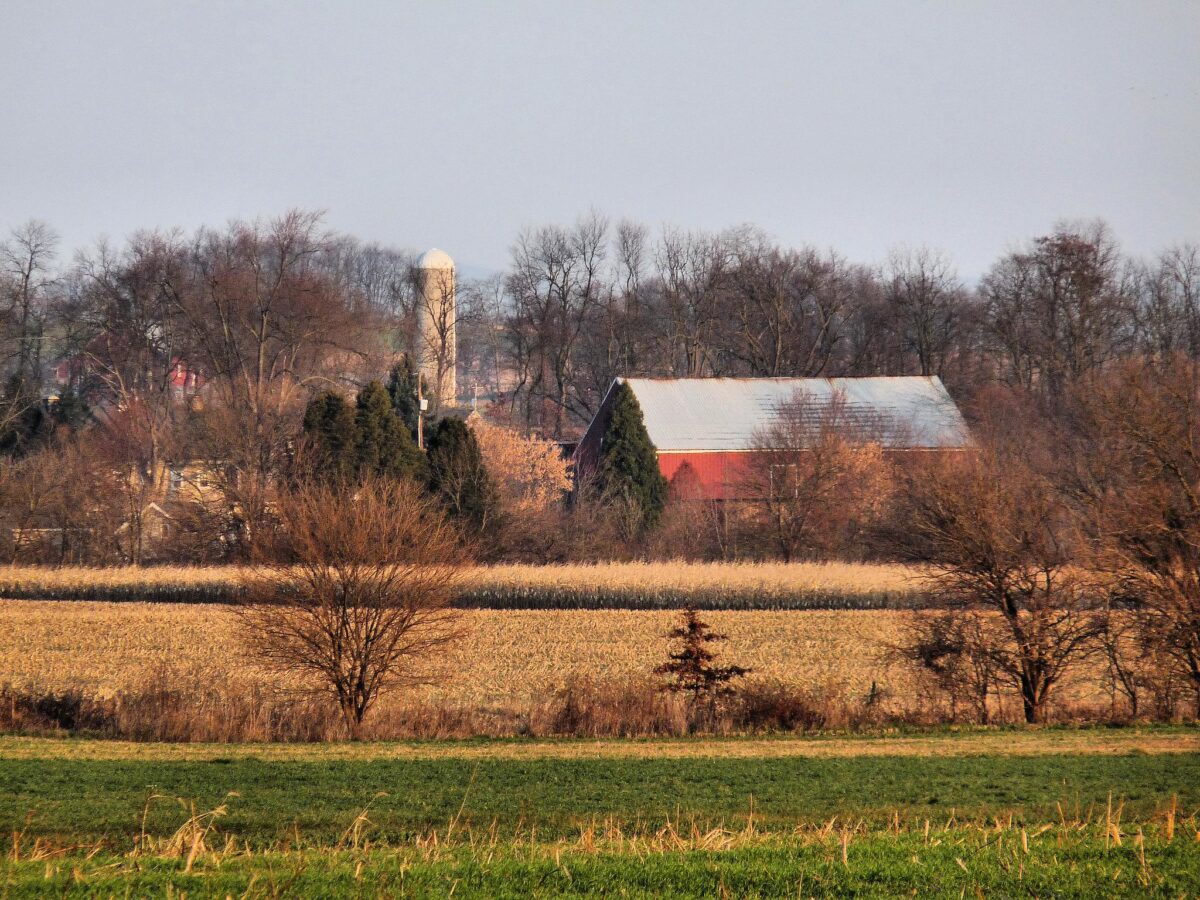
When you picture plain-dressed farmers avoiding modern technology, you probably imagine Pennsylvania or Kansas. But thousands of Mennonites live in Central and South America, maintaining similar lifestyles in completely different climates.
Belize contains several Old Colony Mennonite settlements. These families speak Low German, farm without electricity, and educate their children in one-room schools.
They migrated from Mexico and Canada seeking land and freedom from government interference. The tropical setting creates unique challenges.
Horse farming in heat and humidity proves harder than in temperate climates. Traditional clothing designed for European weather doesn’t suit the tropics.
But the communities adapt while maintaining core practices. They build their furniture, grow their food, and stay separate from Belizean society despite living alongside it.
Molokans Drink Milk During Lent

These Russian Christians rejected Orthodox fasting rules that prohibited dairy during Lent. The name literally means “milk drinkers.”
Russian authorities exiled them to the Caucasus region, and later many immigrated to California. Los Angeles County still contains Molokan communities.
They maintain Russian language and traditions despite living in one of America’s most modern cities. Their worship services involve communal jumping and spiritual singing that can last for hours.
Traditional Molokans dress plainly and avoid modern entertainment. Women cover their heads with scarves.
Men grow beards after marriage. They work regular jobs but keep social lives within the community.
The lifestyle mirrors Russian village life from 150 years ago, transplanted to Southern California suburbs.
Nebraska Amish Avoid Buggies Entirely
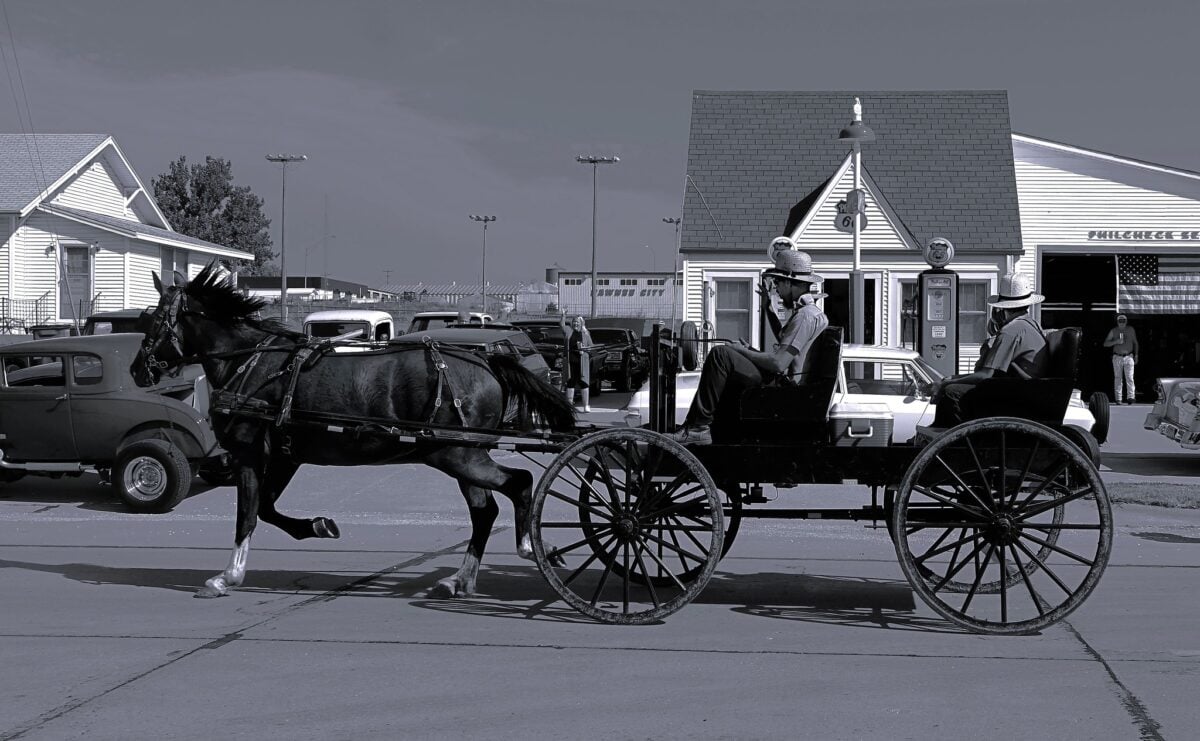
This small group takes simplicity further than mainstream Amish. They refuse to own horses for transportation at all.
Members walk everywhere or occasionally accept rides from English (non-Amish) neighbors. They farm with horses but won’t use them for personal travel.
The community numbers only a few dozen families. They live in central Pennsylvania and upstate New York.
Their extreme rejection of convenience makes growth difficult. Young adults often leave for less restrictive Amish groups.
But the dedicated core maintains practices they believe represent the most faithful interpretation of Anabaptist teaching. They view even horse-drawn buggies as unnecessary luxury.
Walking keeps them humble and rooted to the land.
Brethren Communities Practice Simplicity

Various Brethren groups maintain plain lifestyles, though not as strictly as Amish communities. The Old German Baptist Brethren wear simple clothing and avoid most modern technology.
They meet for worship in homes and reject church buildings as unnecessary. These communities exist across rural America, often in small clusters that barely register on census maps.
Families farm traditionally, women cover their heads, and members avoid worldly entertainment. But they’ll use cars and electricity, drawing different lines than their Anabaptist cousins.
The lifestyle appears more flexible than strict Amish practices, but the core commitment to separation remains. They believe modern culture corrupts faith.
Living simply protects against spiritual compromise. The 1800s offer a model they still find valuable.
Old Apostolic Lutheran Settlers Fill Church Pews
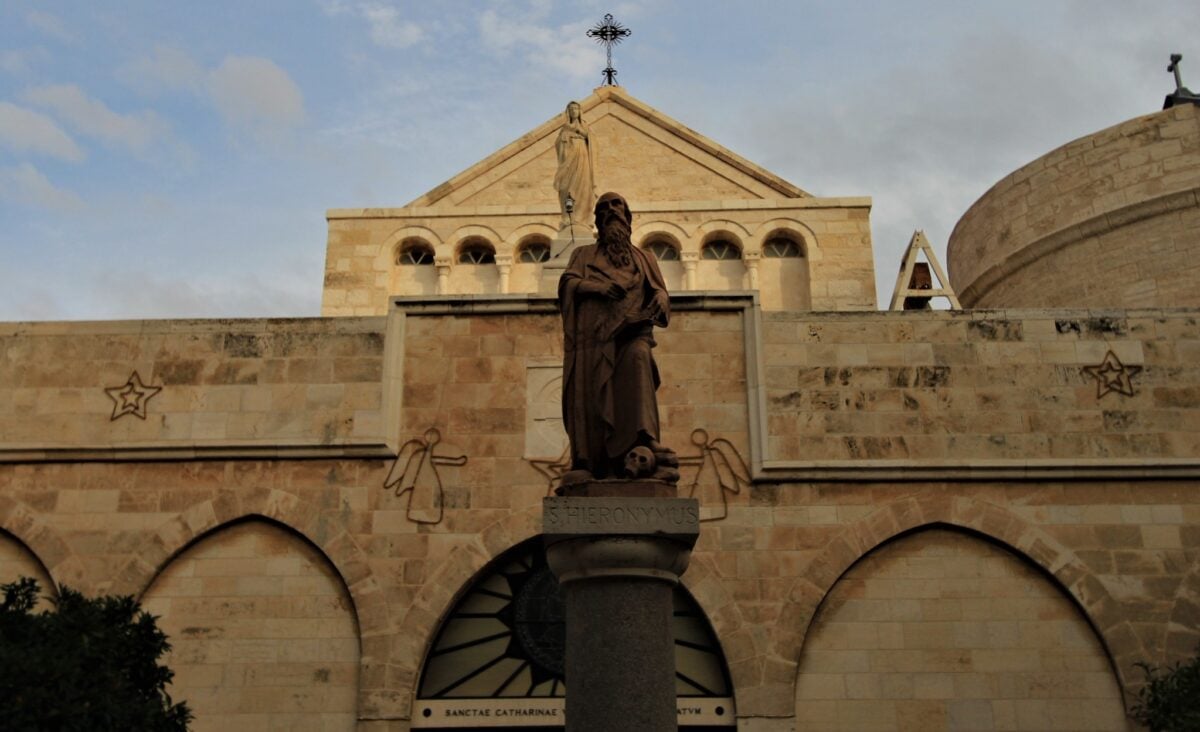
Finnish immigrants brought this conservative Lutheran movement to Michigan’s Upper Peninsula and the Pacific Northwest. The communities maintain traditional practices including large families, modest dress, and separation from worldly entertainment.
Sunday services pack churches with multiple generations. Women sit on one side, men on the other. Children stay quiet through long sermons delivered without notes.
Afterwards, families gather for communal meals that stretch through the afternoon. Members avoid birth control, television, and dancing.
Most married couples have five or more children. Extended families live near each other, creating tight social networks.
The lifestyle mirrors Finnish village culture from the 1800s, preserved through religious conviction rather than geographic isolation.
When the Past Stays Present
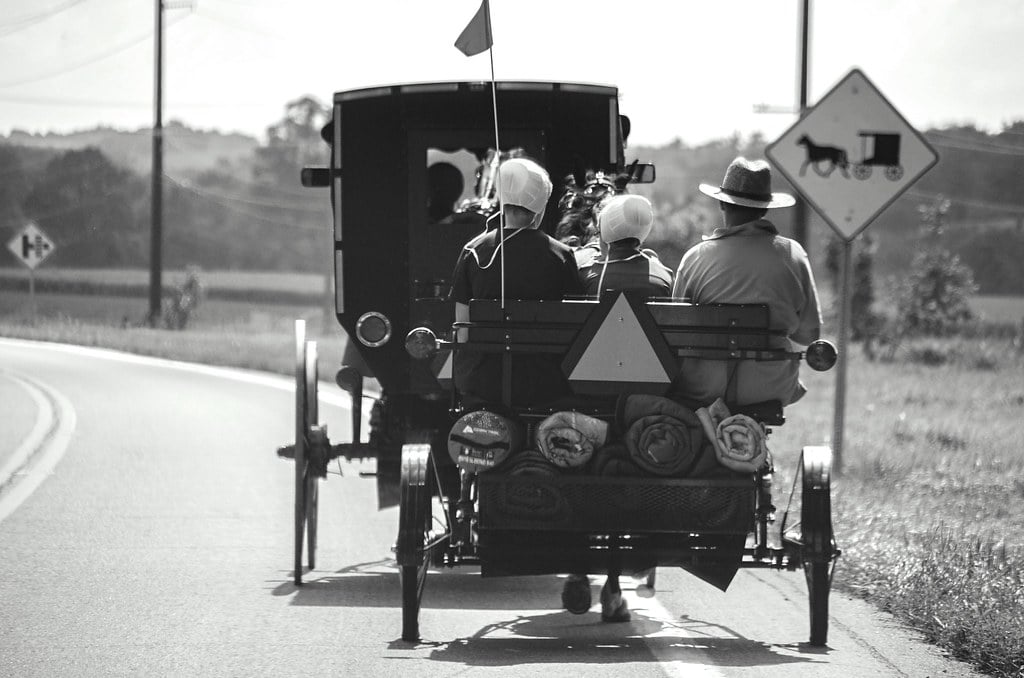
Far from the screen-lit rooms of city apartments, life moves differently. Not everyone lines up behind progress like soldiers.
Some simply walk away – quietly, steadily. Their homes run without Wi-Fi, their days shaped by sunlight instead of pings.
Clocks tick slower where wires never reach. These pockets of existence show another path exists. Machines hum less when hands take over tasks.
What looks like sacrifice to some feels like freedom to others. Distance from data centers doesn’t mean being left behind. Living off-grid becomes a quiet act of refusal.
Each unplugged choice chips at the idea that new is always better. Out here, forces push hard for things to be different.
School rules come down from those in charge. City jobs tend to draw the younger crowd away.
Old ways of working? They look slow when machines are around. Yet here they remain.
Finding worth in what lasts, strength in old ways, direction through standing firm. Life like this questions beliefs we hold about moving forward.
Perhaps the nineteenth century understood a few truths after all. Perhaps clarity brings what complication never could.
Entire lives here rest on that idea.
More from Go2Tutors!

- The Romanov Crown Jewels and Their Tragic Fate
- 13 Historical Mysteries That Science Still Can’t Solve
- Famous Hoaxes That Fooled the World for Years
- 15 Child Stars with Tragic Adult Lives
- 16 Famous Jewelry Pieces in History
Like Go2Tutors’s content? Follow us on MSN.