12 Pie Styles from Around the World
Baked dishes pop up where you might least expect them – places far apart in custom and climate. In snowy villages or along sunny coasts, near wheat fields or busy docks, they find their way onto plates.
What ties them? A basic move: tuck food inside flat bread, heat it through, let shape take hold. Out comes a meal that fills without fuss.
A dozen kinds of pies from different places tell stories through their flavors, built from what grows nearby, daily routines, how people lived long ago. One bite shows where it comes from – no words needed.
British meat pies
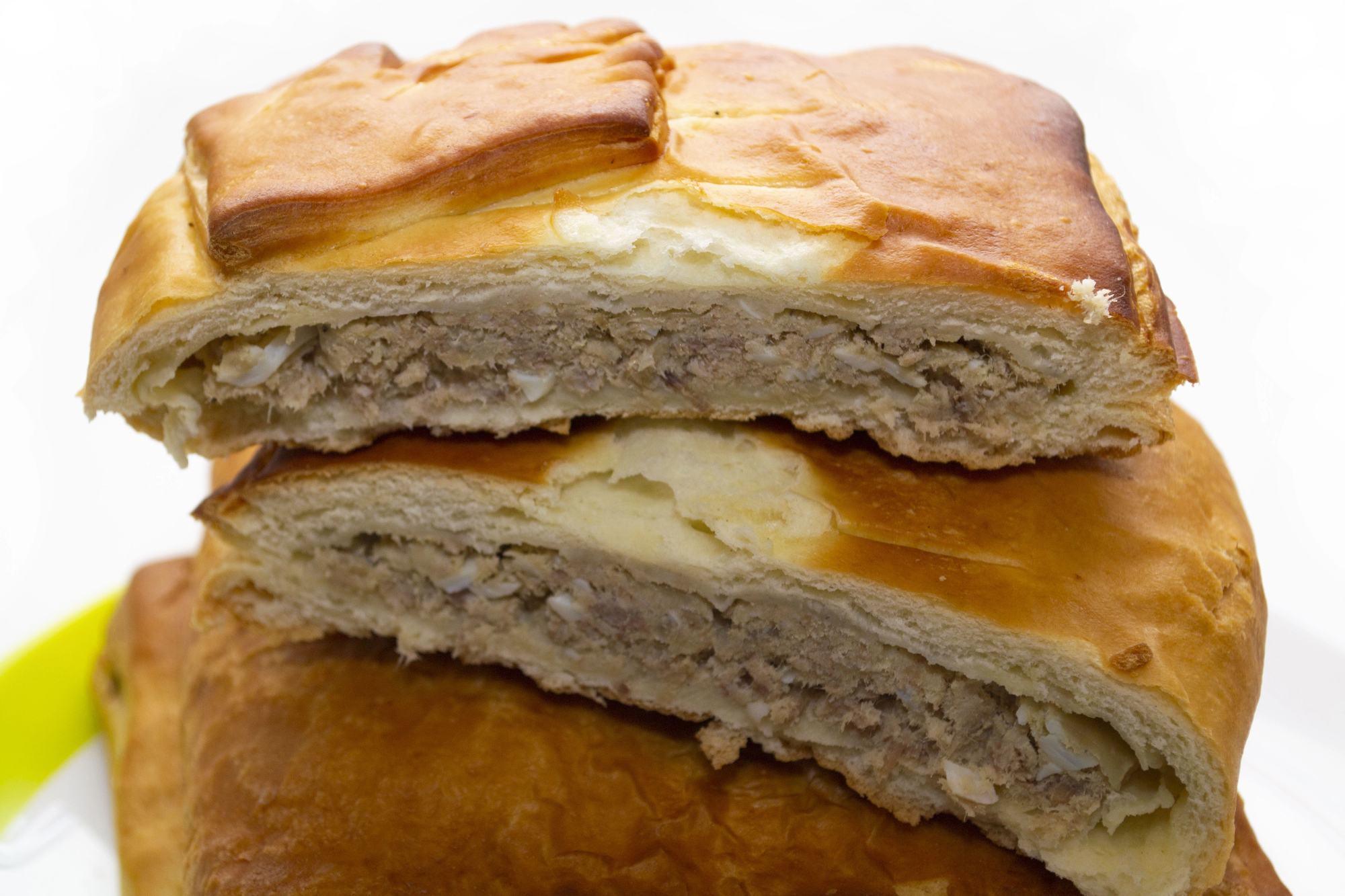
Built around a sturdy crust, British meat pies hold tender chunks of beef, lamb, or chicken cooked slowly in thick gravy. Though made for laborers needing sustenance that travels well, they never feel dense.
Instead, each bite carries warmth without weighing down. Their strength lies in simplicity – hearty yet measured.
Baking it right means the outside holds firm even when the inside is tender and rich. Right now, you can find them in pubs and shops, quietly serving up old habits one bite at a time.
American apple pie
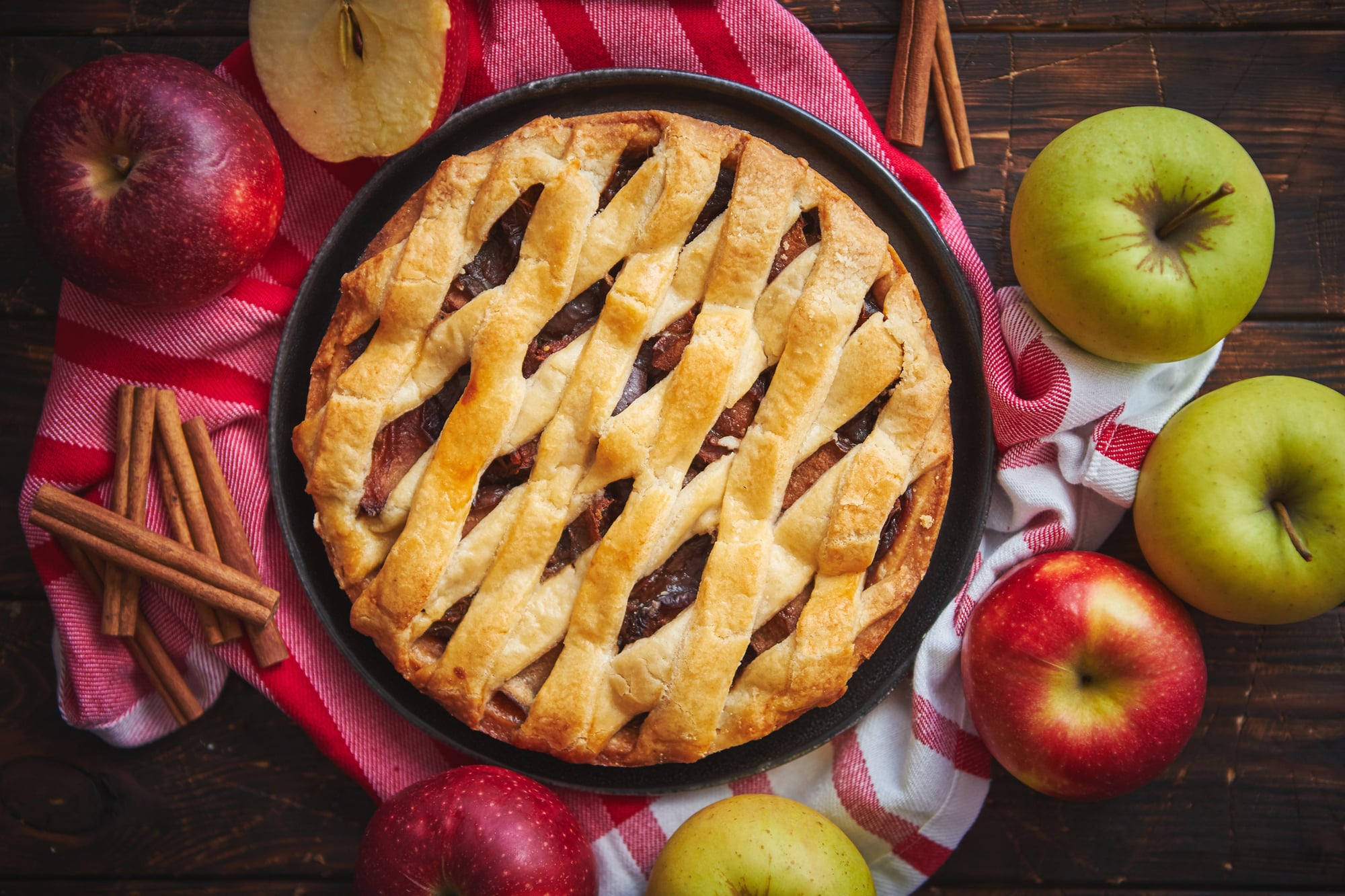
Crunch meets softness inside every bite of American apple pie. Outside, the pastry cracks just right when you cut into it.
Inside, slices of fruit soak up cinnamon and nutmeg while holding their shape through baking. Farmers planted apple trees across homesteads long ago, so kitchens often had what they needed nearby.
Over time, people started seeing more than a dessert on the plate. Familiar shapes carry deep meaning, hinting at warmth and moments we’ve lived together.
Plain looks stay quiet on purpose – yet feelings grow loud beneath them.
Australian meat pie
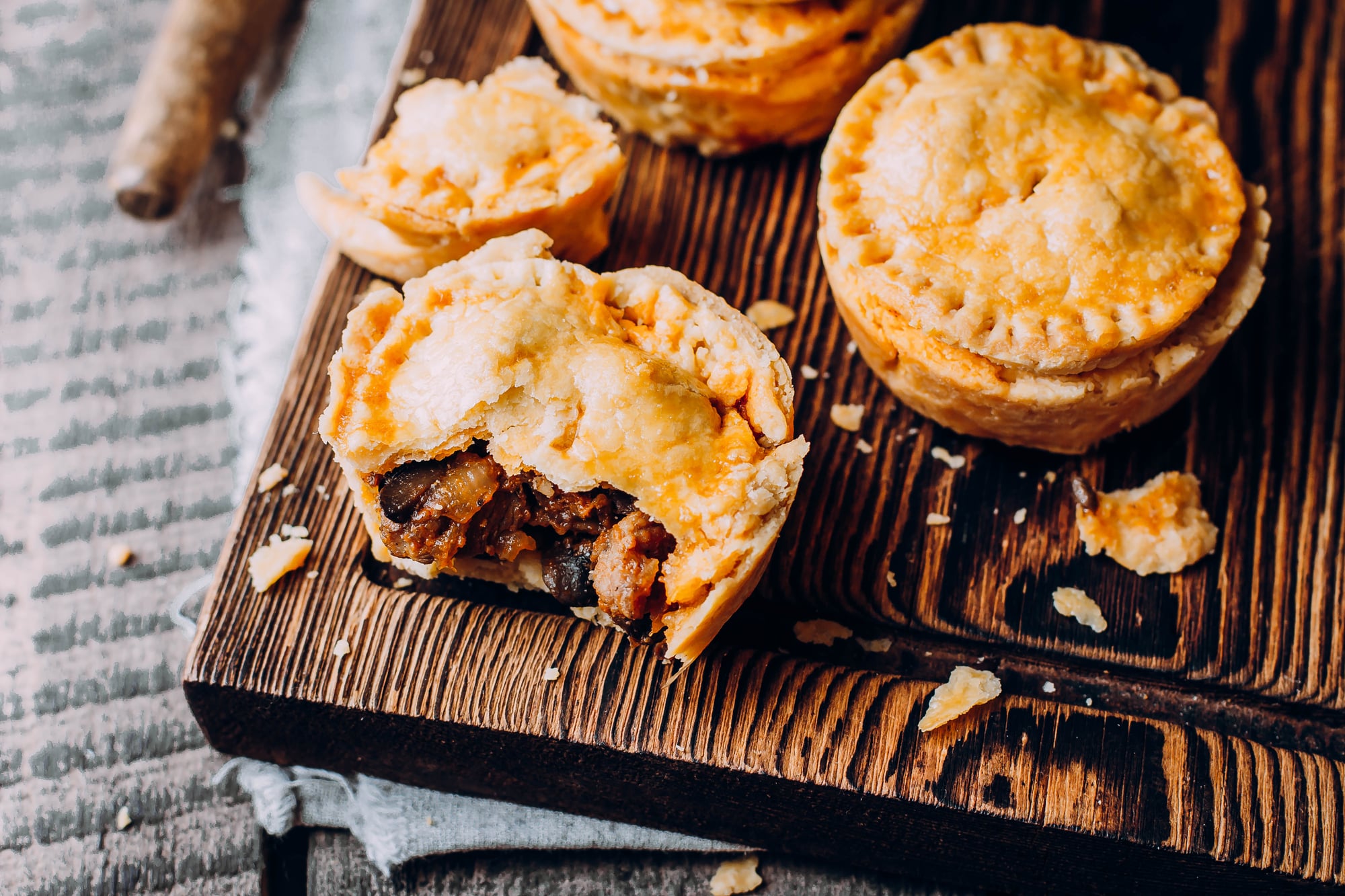
Australian meat pies are compact and made for eating with one hand. Finely chopped meat sits in a thick gravy, sealed inside shortcrust pastry and often topped with puff pastry.
These pies gained popularity at sporting events and roadside bakeries, where speed mattered. Still, they are not careless food.
A good version relies on clean seasoning and proper pastry technique. Their appeal lies in how easily they fit into daily life, warm, filling, and unpretentious.
Latin American empanadas
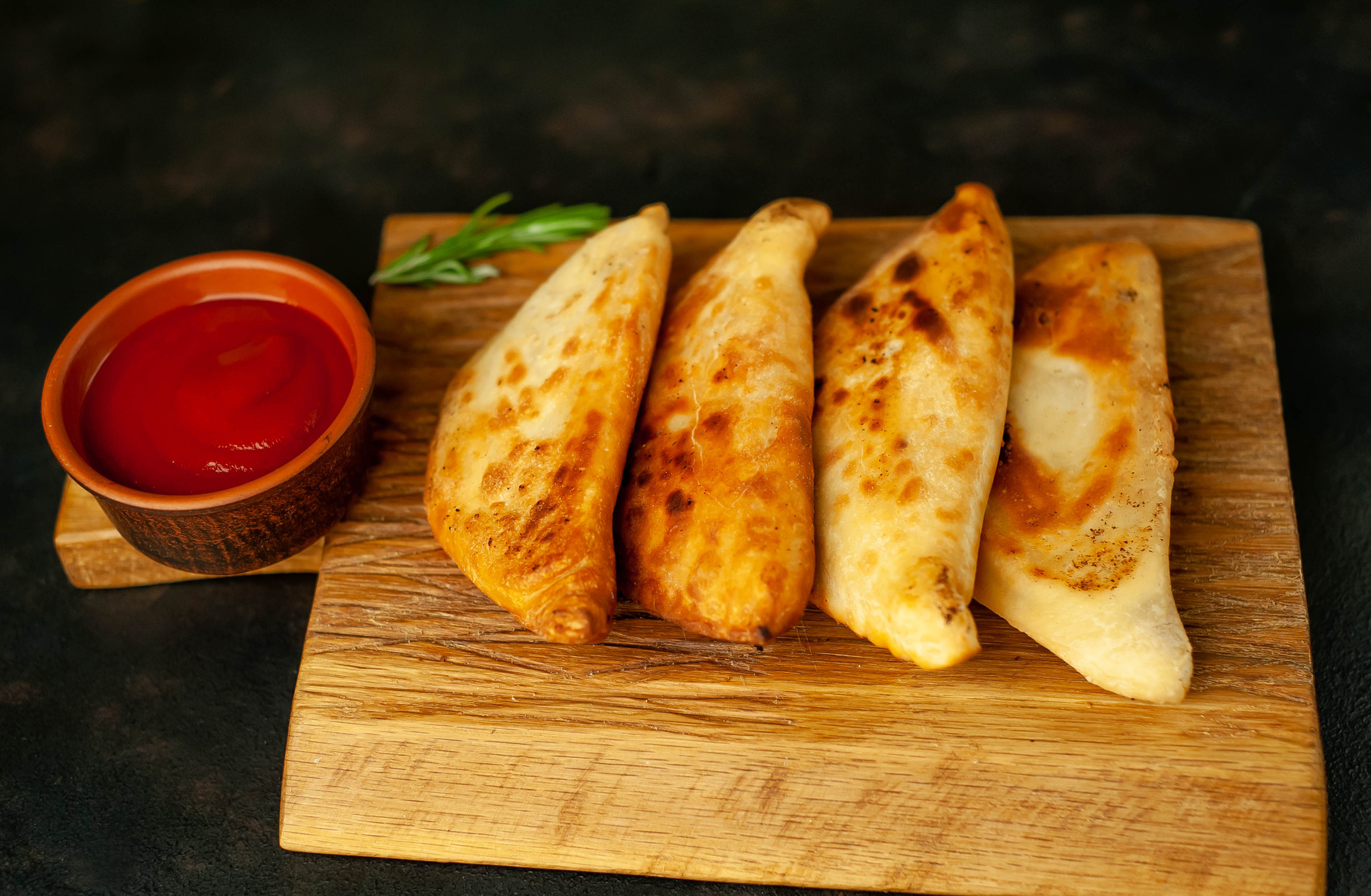
Empanadas blur the line between pie and pastry, but the principle is the same. Dough encloses a filling, then bakes or fries until crisp.
Fillings vary widely by region, reflecting local crops and cooking traditions. On the other hand, their role stays consistent.
Empanadas are social food, sold by street vendors or made for gatherings. Their folded shape keeps everything contained, making them practical while still expressive of local flavor preferences.
Greek spanakopita
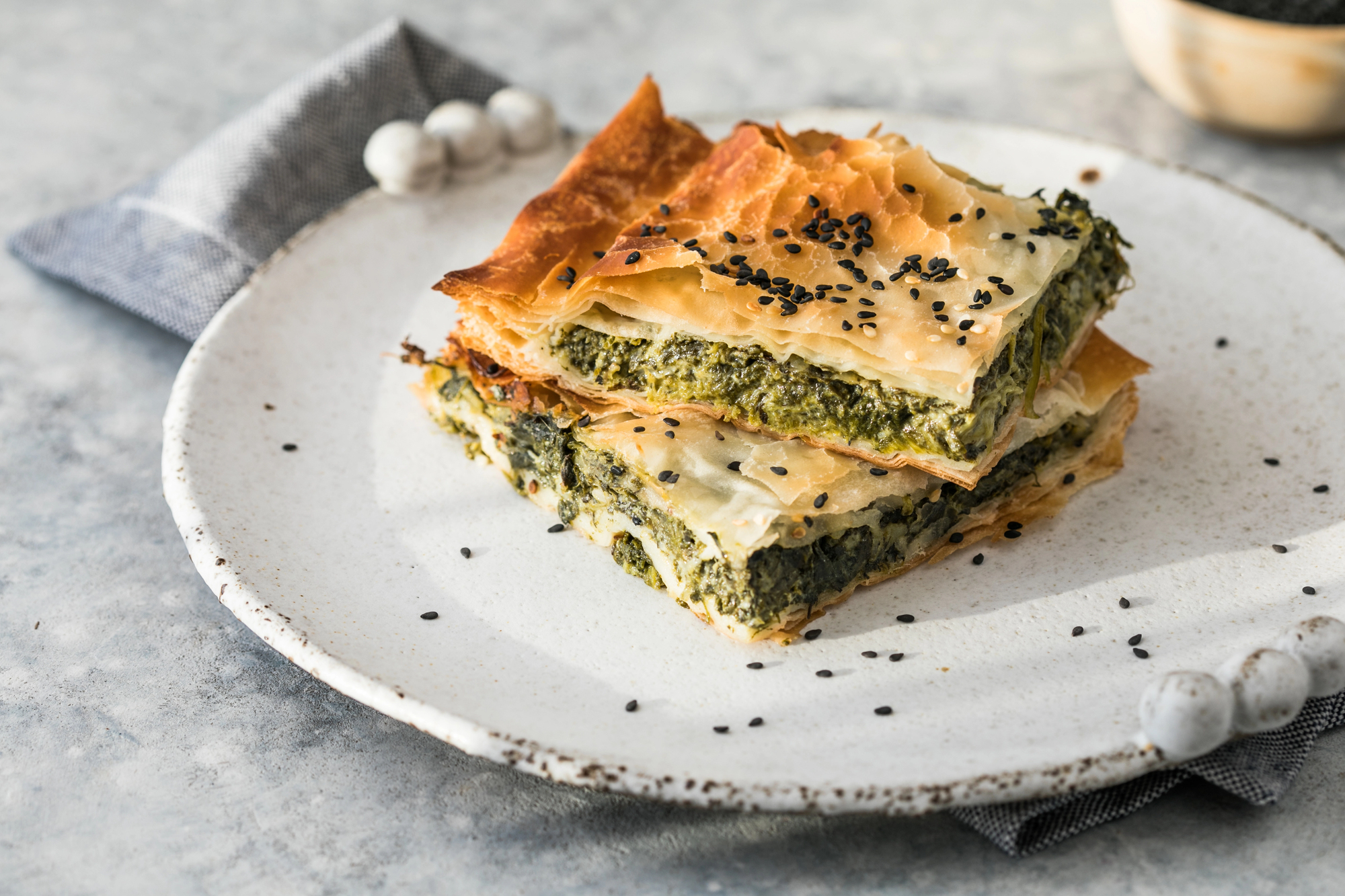
Spanakopita uses layers rather than a single shell. Thin sheets of pastry are brushed with fat and stacked around a filling of greens and cheese.
The result is crisp on the outside and tender within. This pie reflects a cooking tradition shaped by olive oil, fresh herbs, and careful layering.
Even so, it remains straightforward food. It can be served warm or at room temperature, sliced for sharing, and eaten without ceremony, fitting easily into daily meals.
Indian samosa-style pies
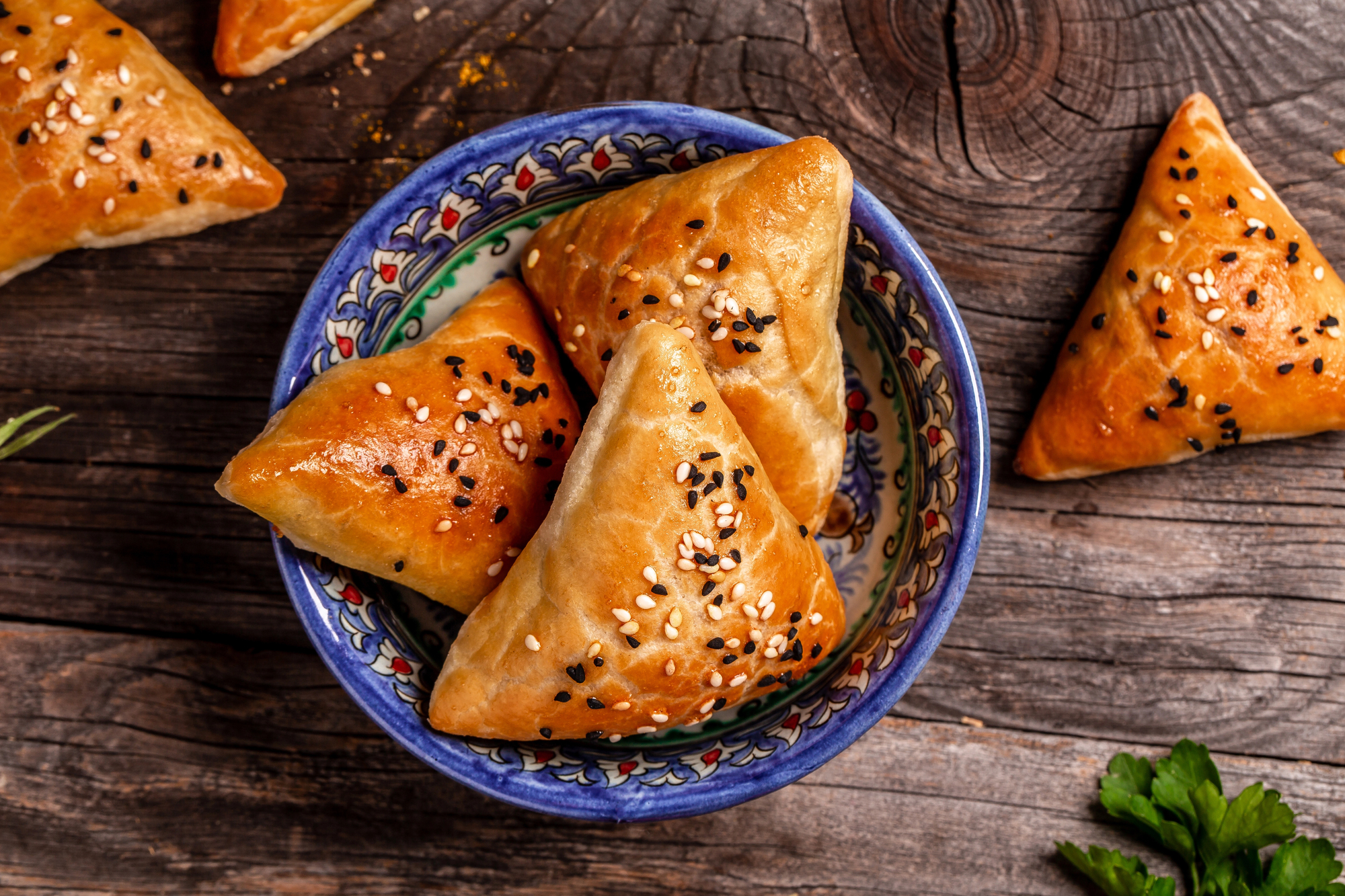
Samosa-style pies take a triangular form, enclosing spiced fillings inside thin dough. While often fried, they still follow the same enclosed logic as other pies.
The spice blends reflect regional tastes and trade routes, built around warmth rather than richness. That said, these pies are not heavy.
Their crisp shell and aromatic interior create contrast without excess. They are commonly eaten as snacks, valued for their portability and bold flavor rather than size.
French tourtière
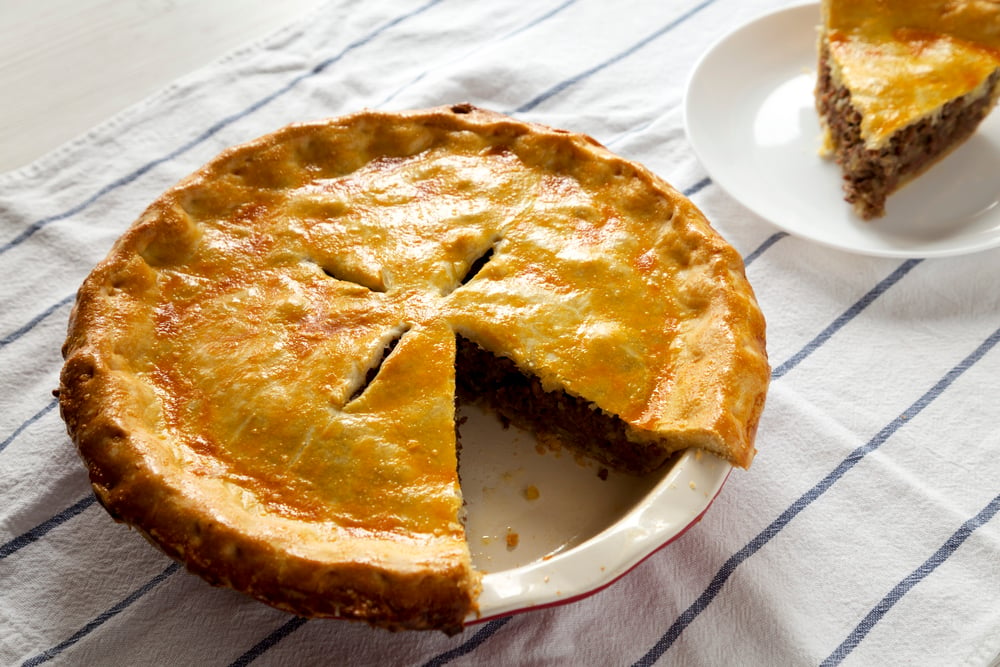
Tourtière comes from French-speaking regions of North America and carries deep seasonal associations. Ground meats are seasoned with warm spices and baked inside a sturdy crust.
Historically, this pie appeared during colder months, when preserved meat and long cooking times made sense. Still, it is not purely practical food.
The seasoning is deliberate, and the pastry is meant to hold clean slices. Tourtière bridges Old World techniques and New World ingredients in a single dish.
South African bobotie pie adaptations
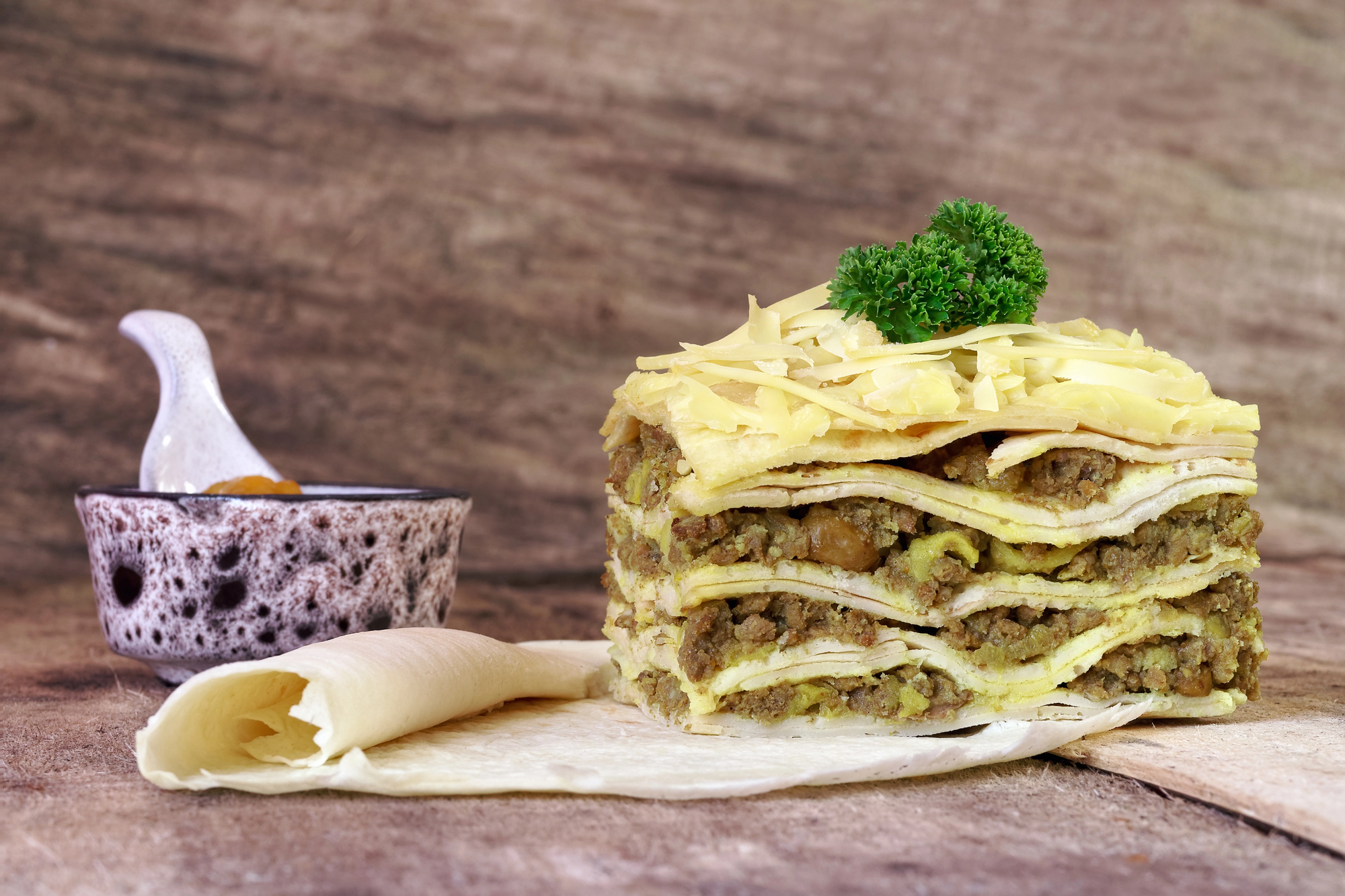
Bobotie-inspired pies adapt a well-known spiced meat dish into enclosed pastry form. The filling blends savory meat with gentle sweetness and aromatic seasoning, then bakes inside a crust that keeps everything contained.
This adaptation reflects a broader pattern of turning familiar meals into portable versions. Even so, the balance remains key.
The filling must stay moist without overpowering the pastry, preserving the character of the original dish while changing its shape.
Italian crostata
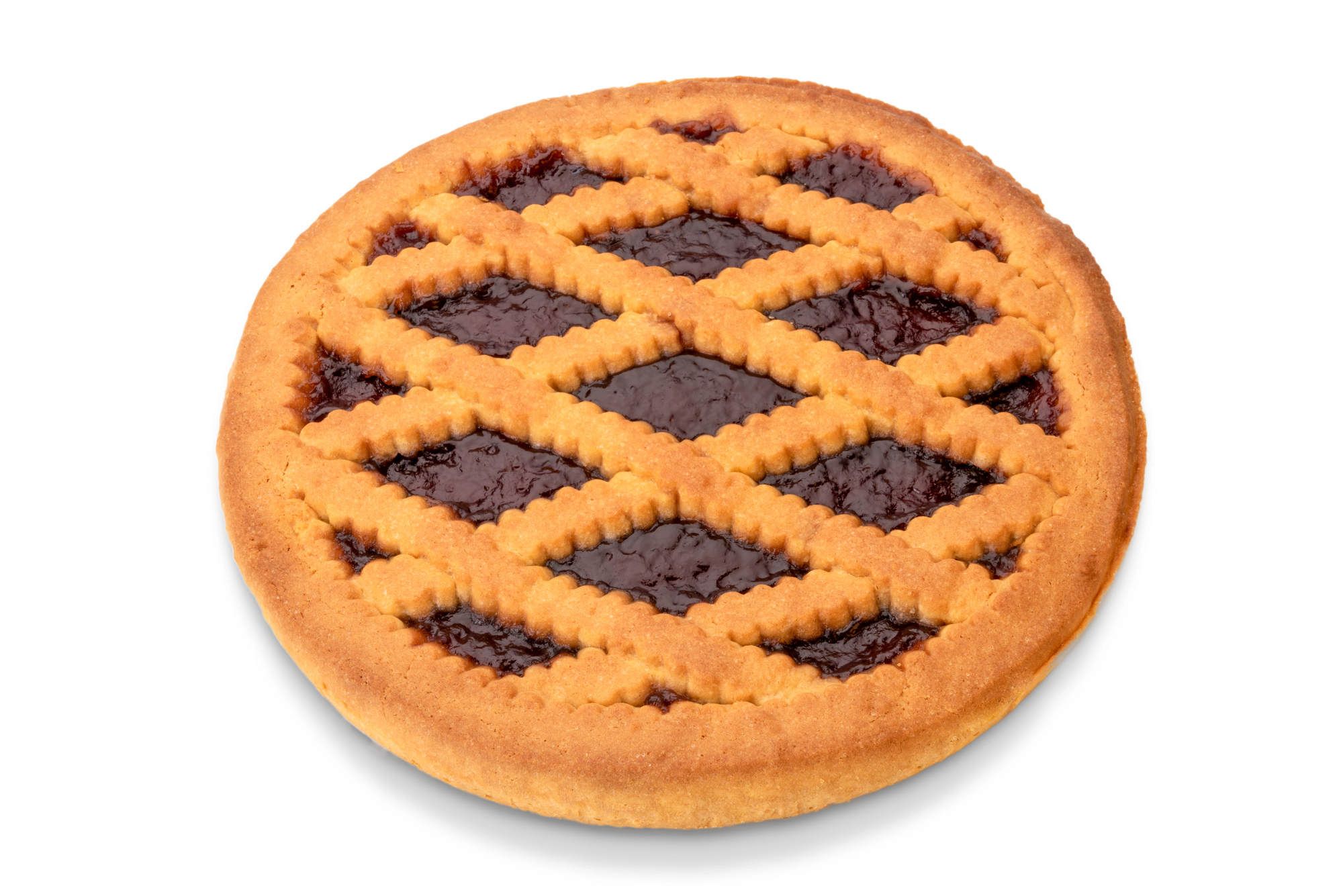
Crostata represents the sweeter side of pie traditions. A tender, crumbly crust holds fruit preserves or custard-like fillings, baked until just set.
This pie is less about structure and more about texture. The crust is meant to break easily rather than hold firm.
That said, it still reflects careful restraint. Crostata avoids excess sweetness, relying on quality ingredients and balance.
It often appears in homes rather than bakeries, tied closely to everyday baking.
Middle Eastern savory pies
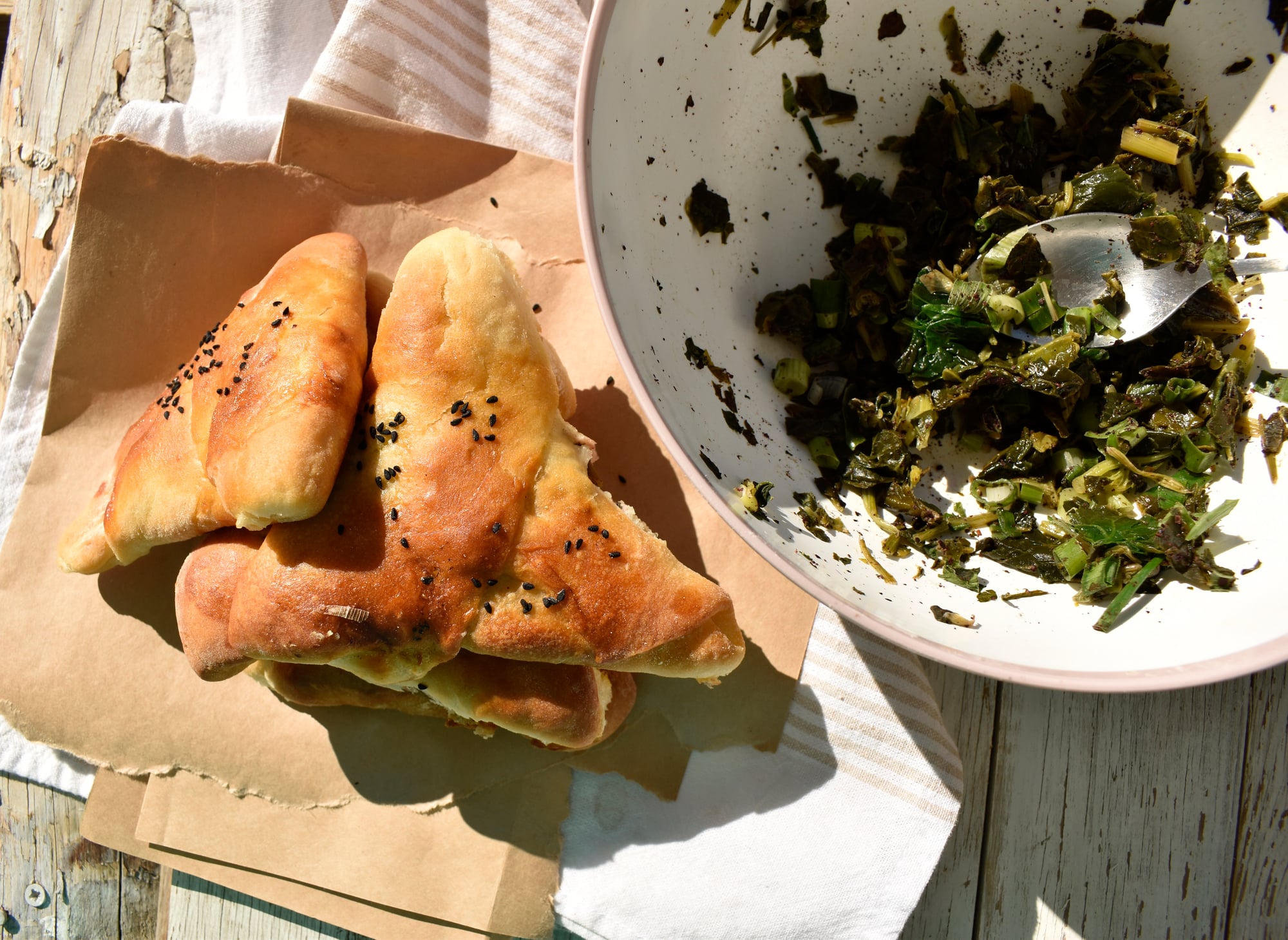
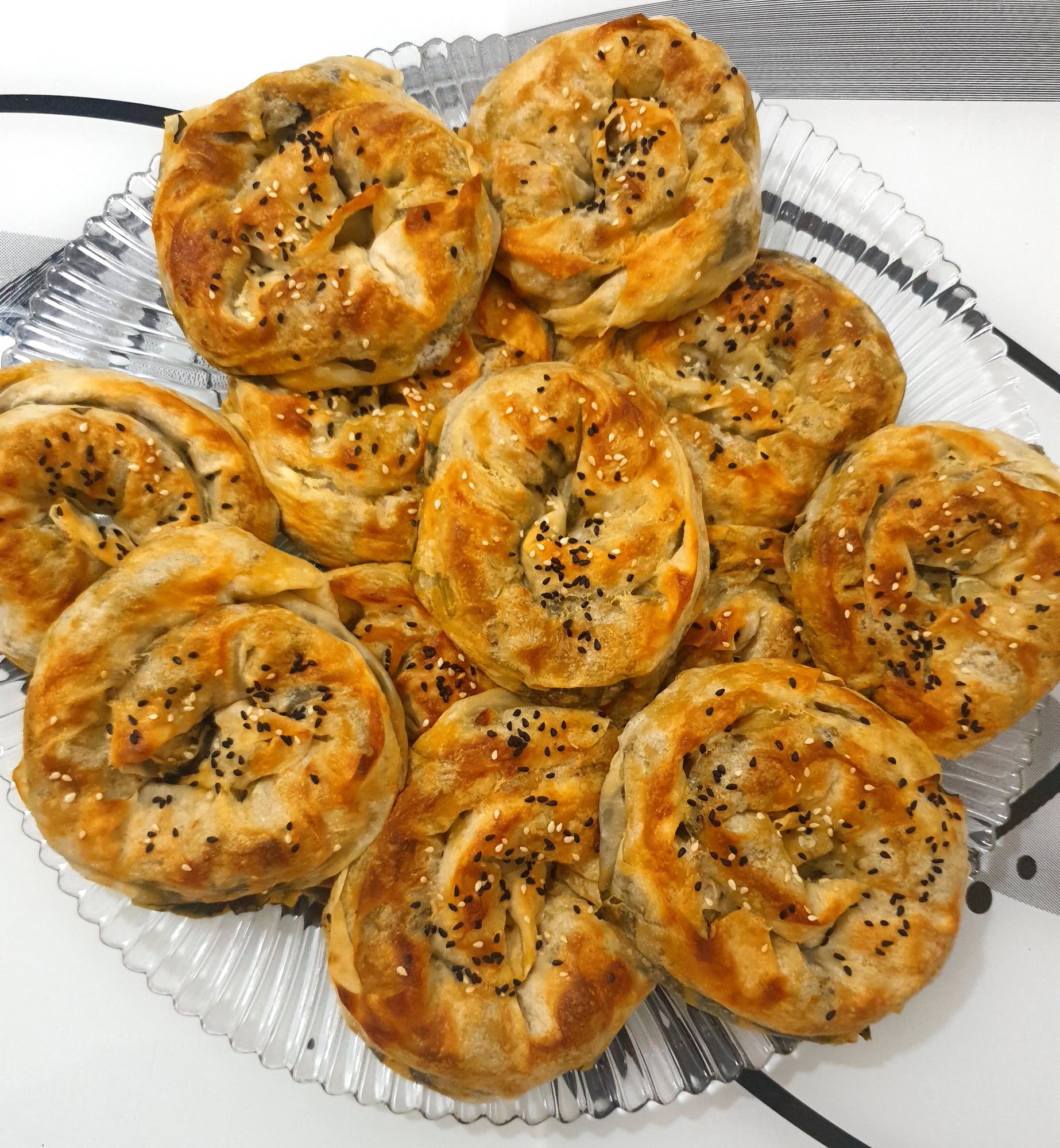
Across the Middle East, savory pies appear in various forms, often filled with seasoned meats, greens, or cheese. Thin dough wraps the filling tightly, then bakes to a crisp finish.
These pies are shaped by regional spice use and shared eating habits. On the other hand, they remain practical food.
They can be eaten warm or later in the day, carried easily, and shared across tables, making them well suited to communal meals.
New Zealand hand pies
New Zealand hand pies closely resemble their Australian counterparts but often feature chunkier fillings. Meat, vegetables, and gravy sit inside a sturdy pastry designed to hold its shape.
These pies are everyday food, sold in bakeries and eaten without occasion. Still, quality matters.
A good hand pie balances filling and crust so neither overwhelms the other. Their simplicity is the point, offering consistency rather than surprise.
Caribbean patties
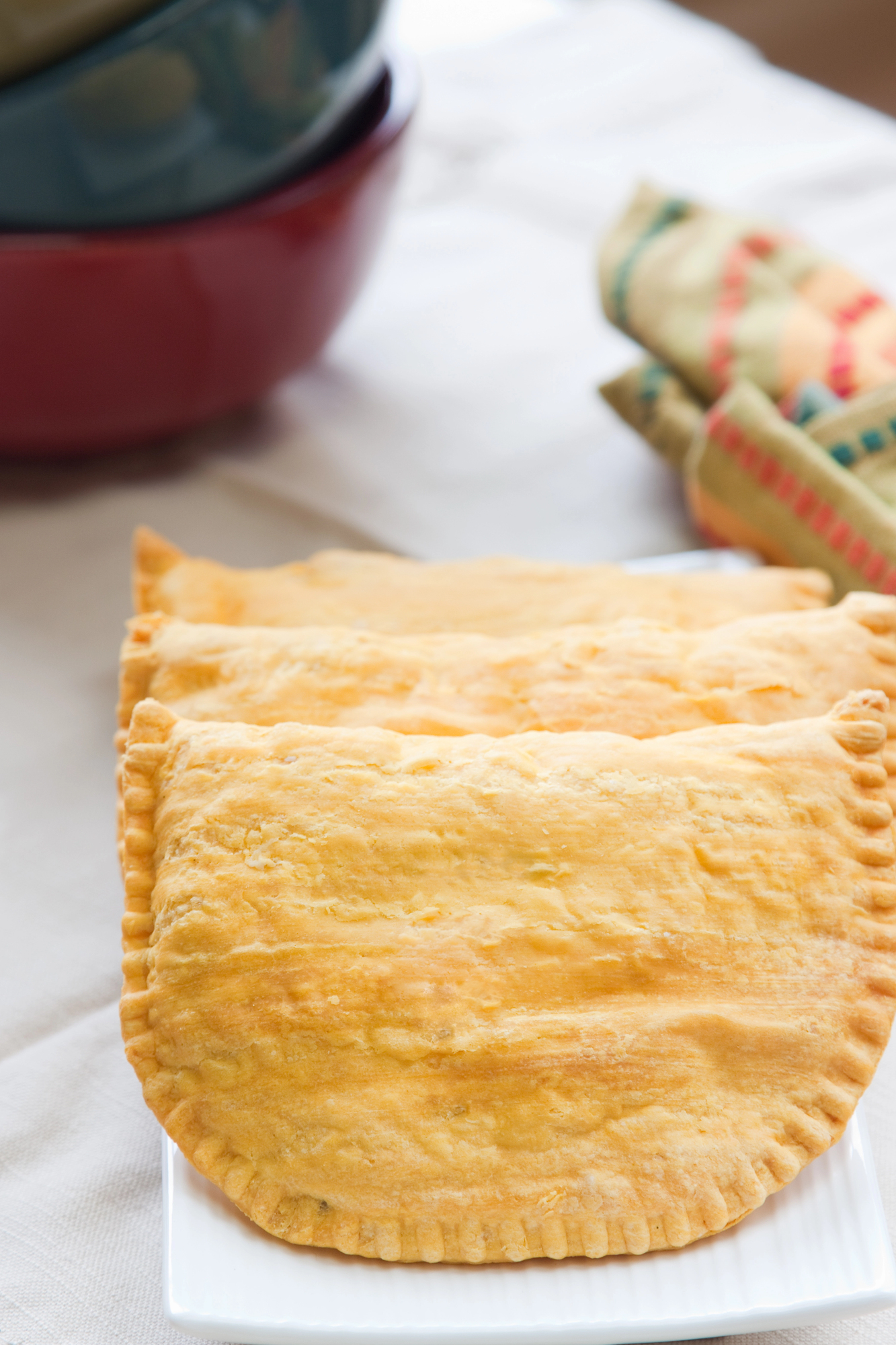
Caribbean patties use brightly colored pastry to signal bold seasoning inside. The crust is flaky yet firm, while the filling relies on spice blends that reflect local tastes and history.
These pies became popular as street food, designed to be filling without being heavy. Even so, they are carefully constructed.
The pastry must seal completely to keep the filling intact, maintaining that balance between portability and satisfaction.
Why pies still matter
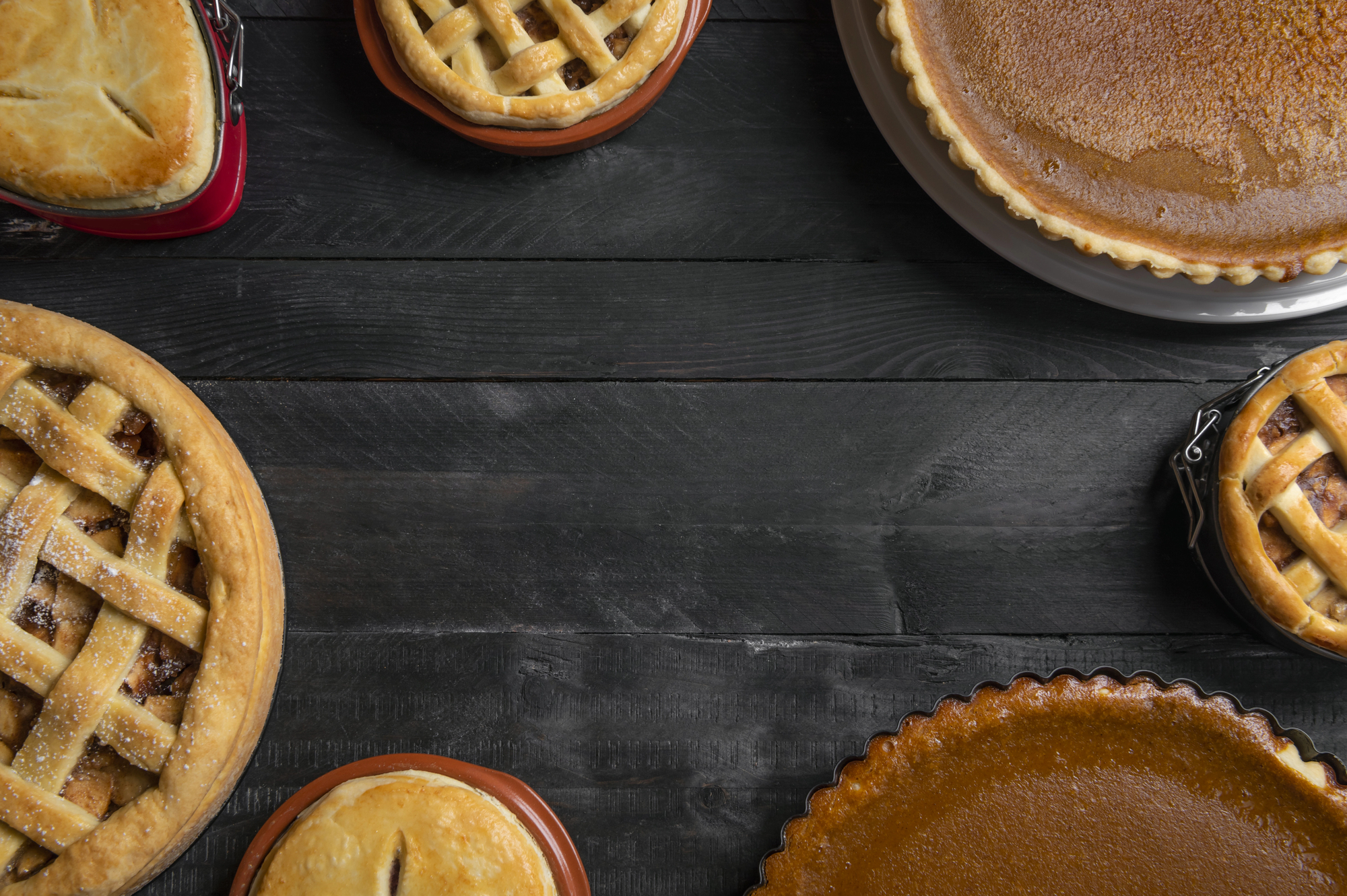
Baked out of necessity, pies answered real needs tied to weather, crops, and how folks spent their days. Little by little, they carried stories forward – more than fruit or meat tucked under pastry.
This tradition lives on now in small shops, roadside stands, even humble ovens at home. Still flexible after all these years, able to take in fresh ideas while staying true to itself.
Even as tastes shift fast around them, pies keep going – not loud, not flashy – just steady nourishment handed down through time.
More from Go2Tutors!

- The Romanov Crown Jewels and Their Tragic Fate
- 13 Historical Mysteries That Science Still Can’t Solve
- Famous Hoaxes That Fooled the World for Years
- 15 Child Stars with Tragic Adult Lives
- 16 Famous Jewelry Pieces in History
Like Go2Tutors’s content? Follow us on MSN.