Most Protected Borders Today
Borders tell stories. Some sit quietly between friendly neighbors.
Others bristle with walls, sensors, and armed patrols. The most heavily fortified boundaries on Earth reveal tensions that governments can’t or won’t resolve through diplomacy alone.
These aren’t relics from another era. Every day, billions of dollars fund the technology, personnel, and infrastructure that keep these borders locked down.
Understanding where these barriers exist—and why—shows you how nations prioritize security over almost everything else.
North Korea and South Korea
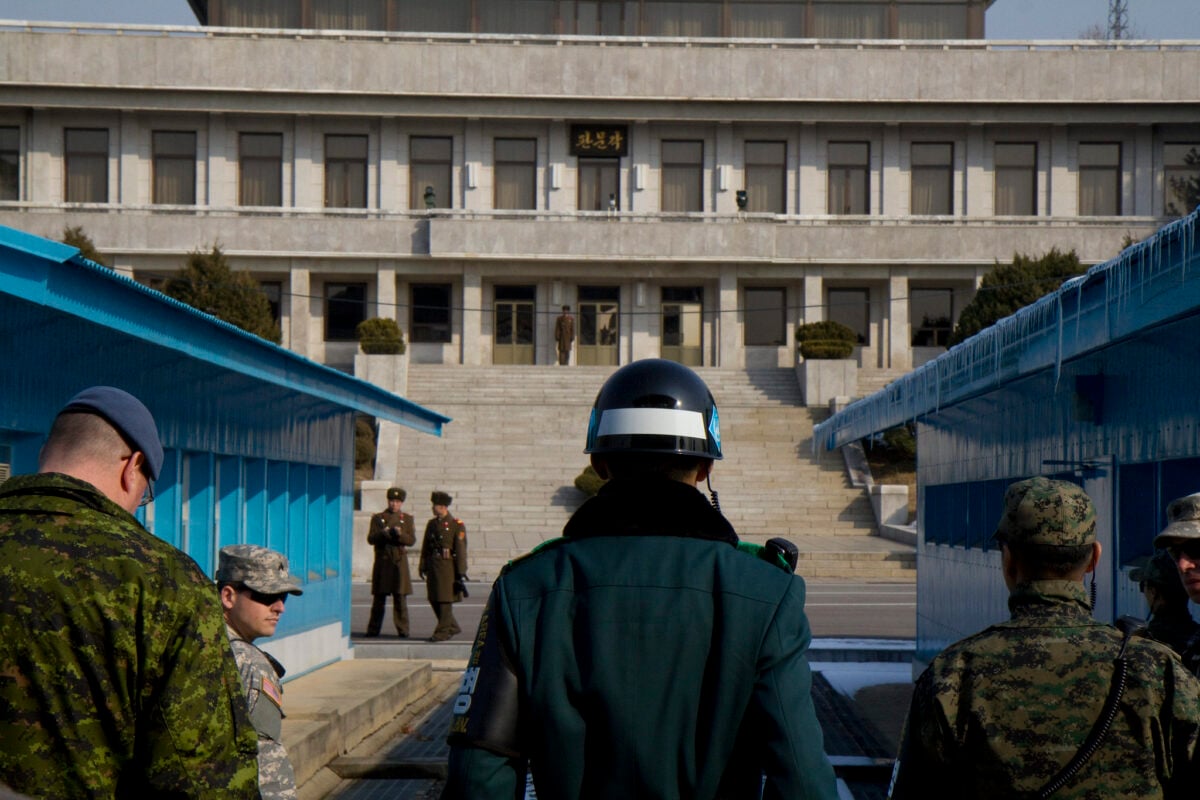
The Demilitarized Zone isn’t demilitarized at all. Both sides pack the 2.5-mile-wide strip with land mines, guard towers, and military installations.
Motion sensors cover every inch. Soldiers stand ready around the clock. This border has stayed frozen since 1953.
No peace treaty was ever signed, just an armistice that put the fighting on pause. The line cuts through what used to be a single country, separating families that haven’t seen each other in decades.
Barbed wire runs along the entire 160-mile length. The JSA—the Joint Security Area—remains one of the only places where soldiers from both sides stand face-to-face.
Even there, the tension hangs thick enough to choke on.
Israel and Gaza
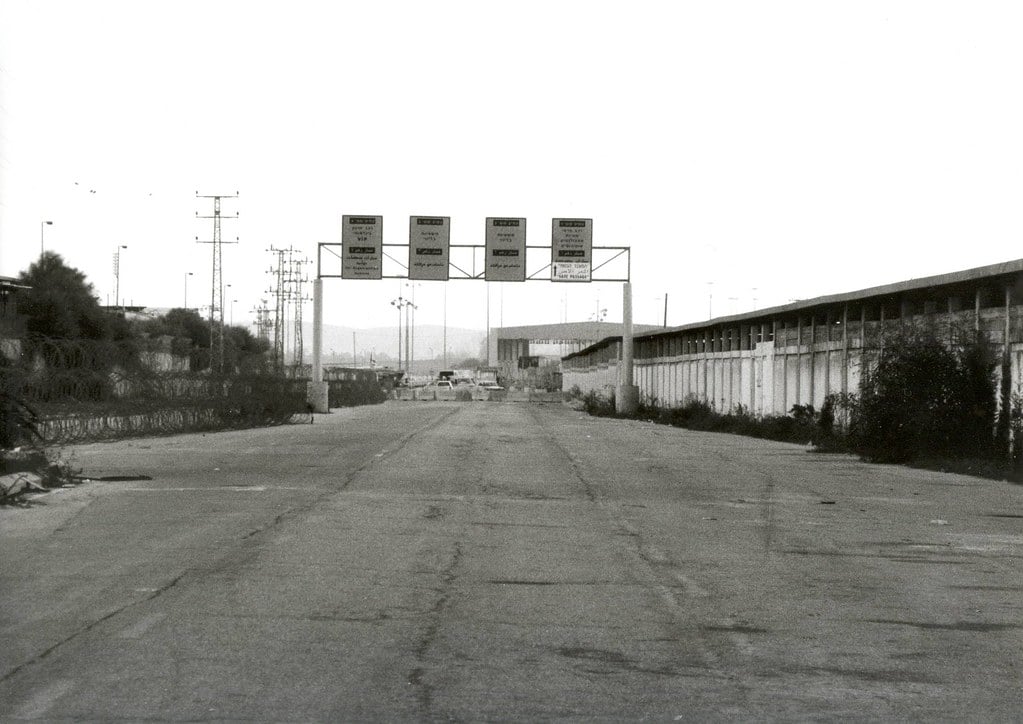
Concrete walls rise 20 feet high. Underground barriers extend deep into the earth to block tunnel construction. Cameras track every movement along the boundary.
Automated weapons systems respond to threats without human intervention. The border shrunk and tightened after multiple conflicts.
Israel controls what goes in and what comes out. The naval blockade extends the restrictions offshore.
Gaza has been called the world’s largest open-air prison, though Israel says the measures prevent attacks. Regular patrols scan for breaches.
The buffer zone inside Gaza means farmers can’t access their own land near the fence. Everyone living close to the border knows the sound of drones overhead.
United States and Mexico

Steel bollards stretch across the most trafficked sections. Some parts rise 30 feet.
Other sections rely on vehicle barriers, cameras, and sensors. Border patrol agents number in the thousands.
The fence doesn’t run the entire length. Geography makes parts impassable already—deserts, mountains, the Rio Grande.
Where people can cross, technology watches. Ground sensors detect footsteps miles away.
Detention facilities near the border process thousands of people caught trying to cross without authorization. The debate about this border never stops.
Some want more barriers. Others say the existing system causes more harm than it prevents.
India and Pakistan
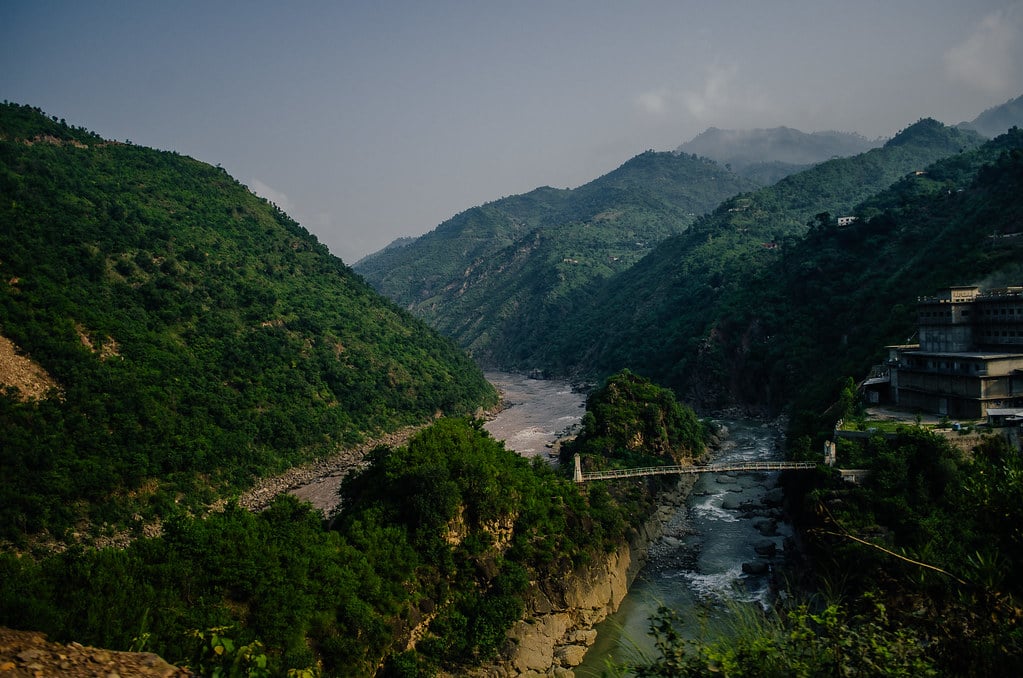
Kashmir sits at the center of this dispute. Both countries claim the territory.
Both maintain heavy military presence along the Line of Control. Artillery exchanges happen regularly.
Barbed wire marks the boundary. Bunkers and trenches dot the landscape.
Minefields kill civilians who wander too close. The two nations have fought multiple wars over this land, and another conflict always seems possible.
The Siachen Glacier hosts soldiers at altitudes where breathing takes effort. Supply runs risk avalanches and frostbite.
Both armies maintain positions in conditions that kill without any fighting required.
India and Bangladesh
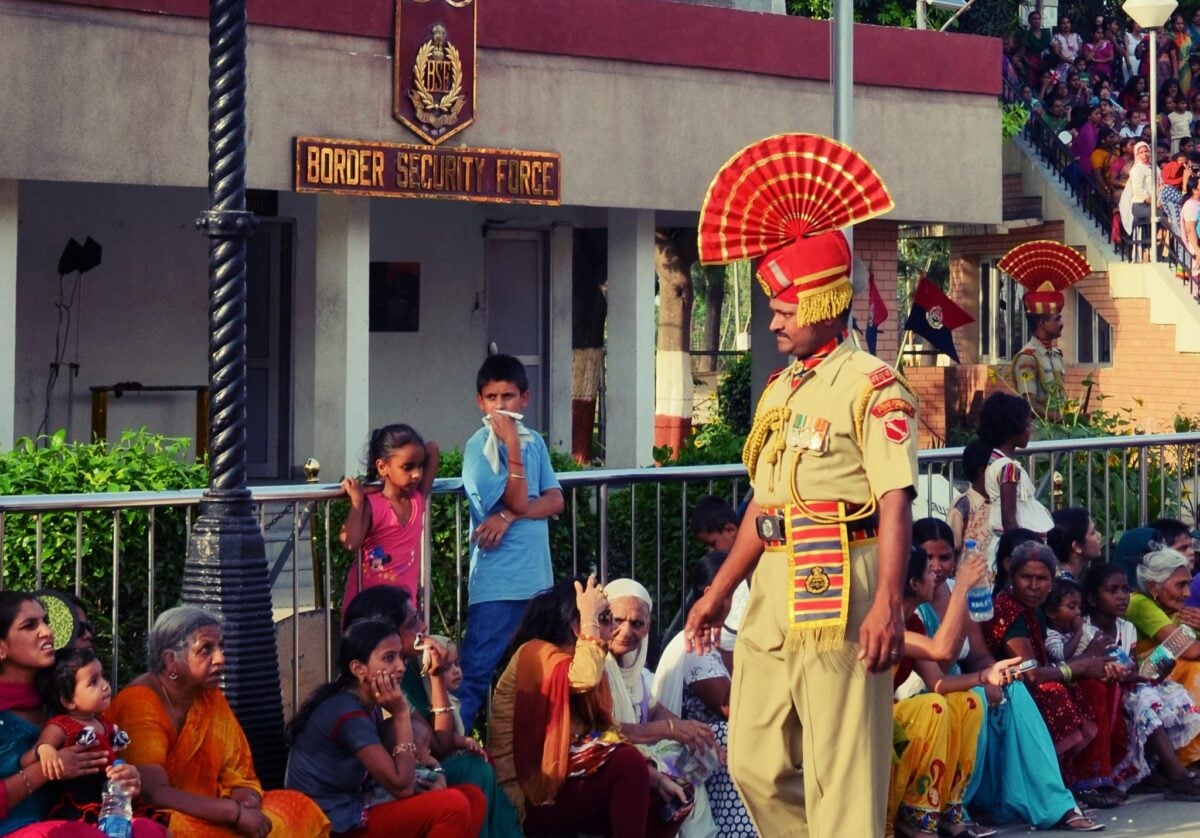
Fencing runs along most of the 2,500-mile border. Floodlights illuminate the night.
The BSF—Border Security Force—shoots people trying to cross illegally. Rights groups document regular killings.
This border sees smugglers moving cattle, drugs, and people. India built the barrier to stop illegal migration and trafficking.
Bangladesh says the fence cuts through villages, splitting communities. The Sundarbans mangrove forest makes some sections nearly impossible to patrol.
Boats become the primary means of crossing there. Still, the death toll from border enforcement keeps climbing.
European Union External Borders
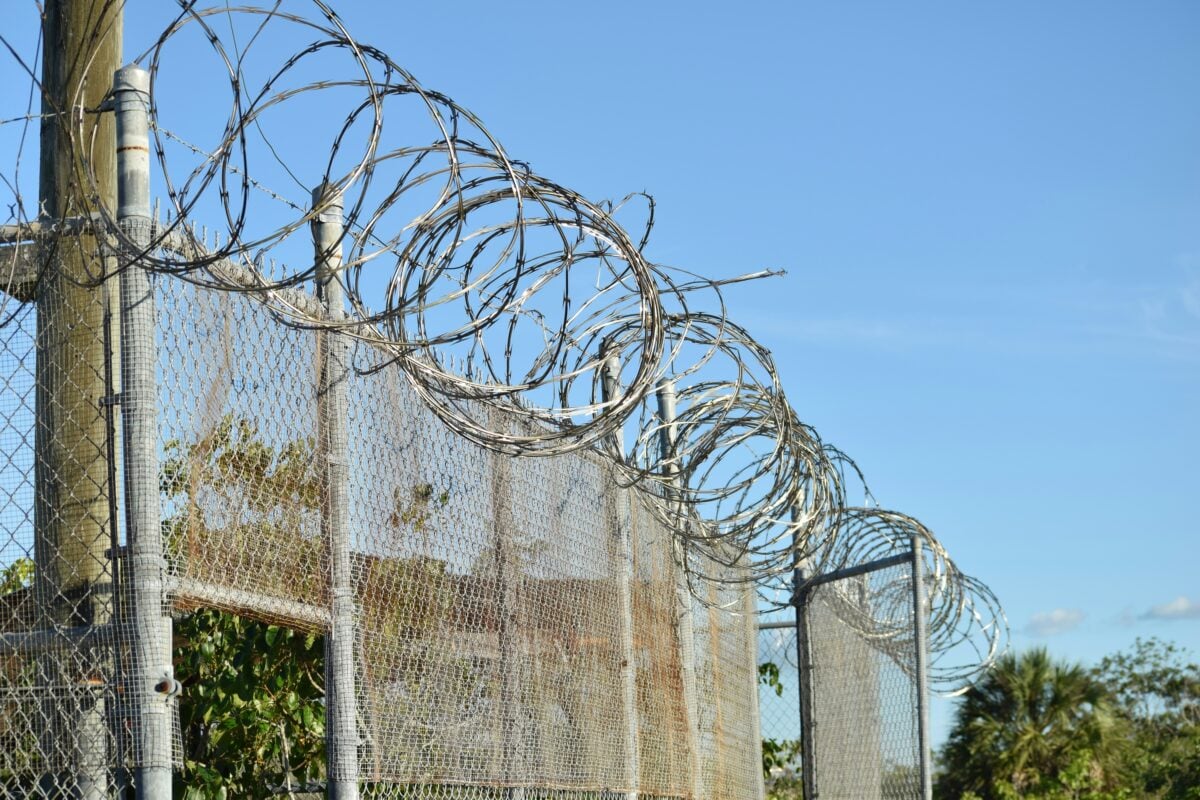
Greece erected a steel wall along the Turkish border. Hungary built fences to keep migrants out.
Poland reinforced its boundary with Belarus. The EU spent billions making its edges harder to cross.
These barriers emerged during migration crises. Thousands of people fleeing war and poverty tried reaching Europe.
The response involved walls, patrols, and pushback operations that international law prohibits. Technology does much of the work now. Drones spot boats in the Mediterranean.
Thermal cameras find people hiding in trucks. European countries share databases tracking everyone who tries to enter.
The system grows more sophisticated each year.
Russia and Ukraine
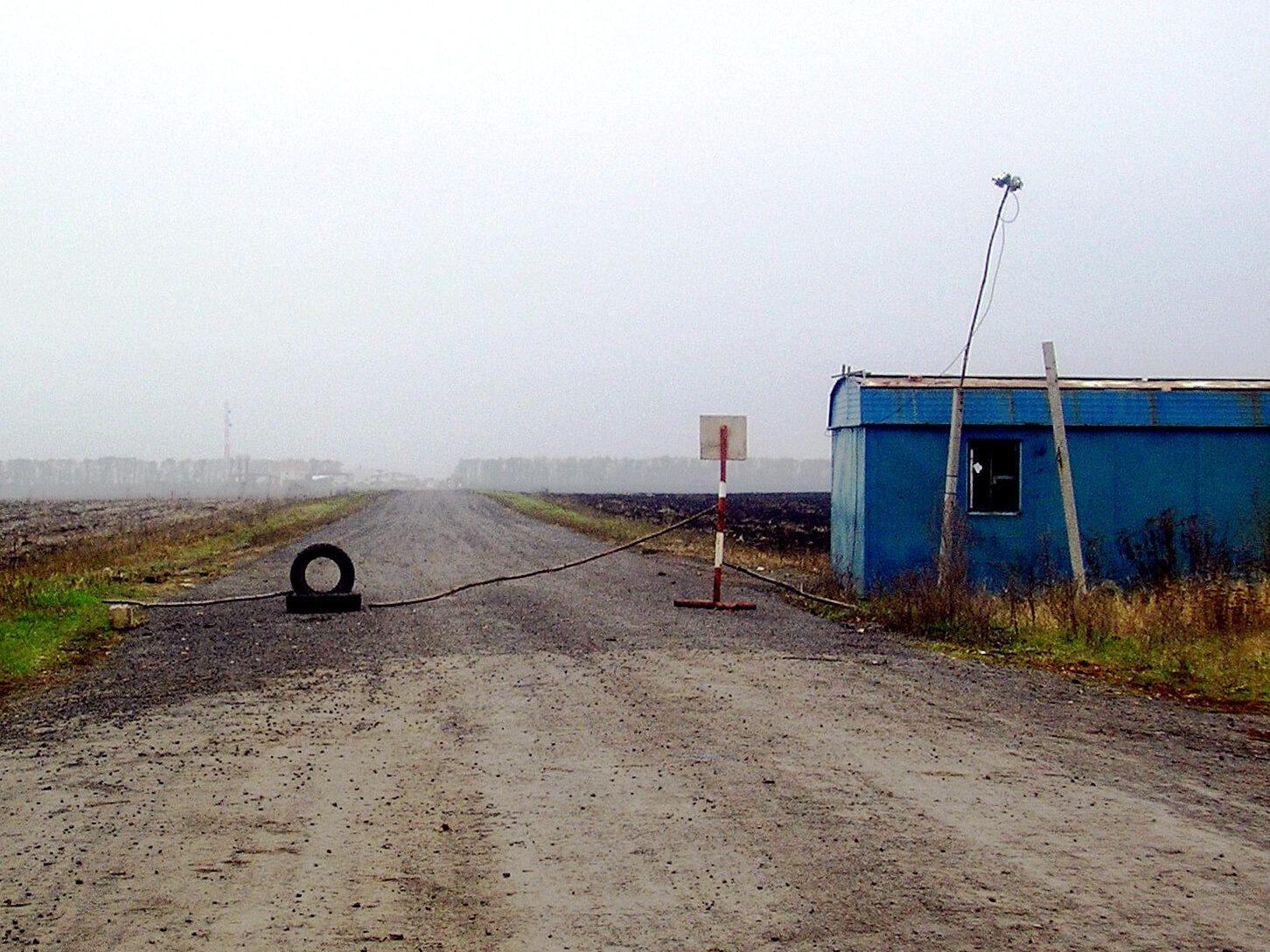
War changed this border completely. Before 2022, it operated like most European boundaries—mostly open, lightly monitored. The invasion transformed everything.
Now both sides dig trenches and plant mines. Russia annexed parts of eastern Ukraine, redrawing the line by force.
Ukraine fortifies the remaining border with defensive positions. Neither side knows where the boundary will settle.
The conflict turned farmland into battlefields. Towns near the border sit empty or destroyed.
Families fled, and the violence shows no clear end. This border remains the most actively contested in Europe.
China and North Korea
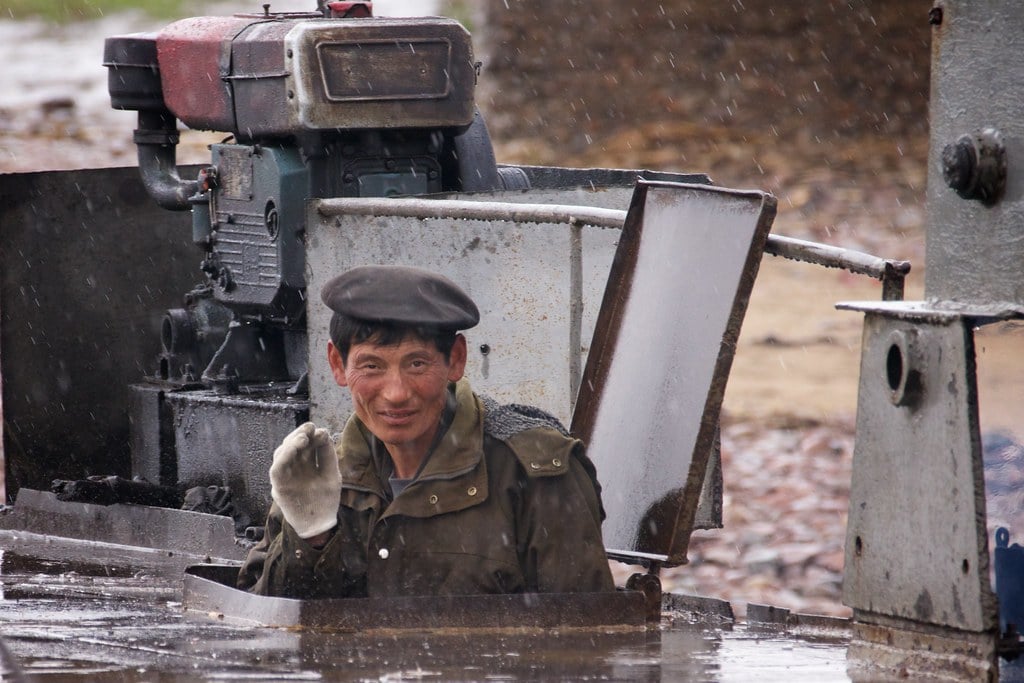
Rivers mark most of this boundary. The Yalu and Tumen freeze in winter, letting people walk across. China patrols both sides to stop North Korean refugees.
Watchtowers and cameras monitor the crossings. Chinese guards send refugees back even though international law says they shouldn’t.
North Korea considers leaving the country treason. Those caught face prison camps.
The river isn’t wide in many places. You can see across to the other side easily.
That proximity makes the control more intense. Both governments want this border sealed tight.
Morocco and Western Sahara
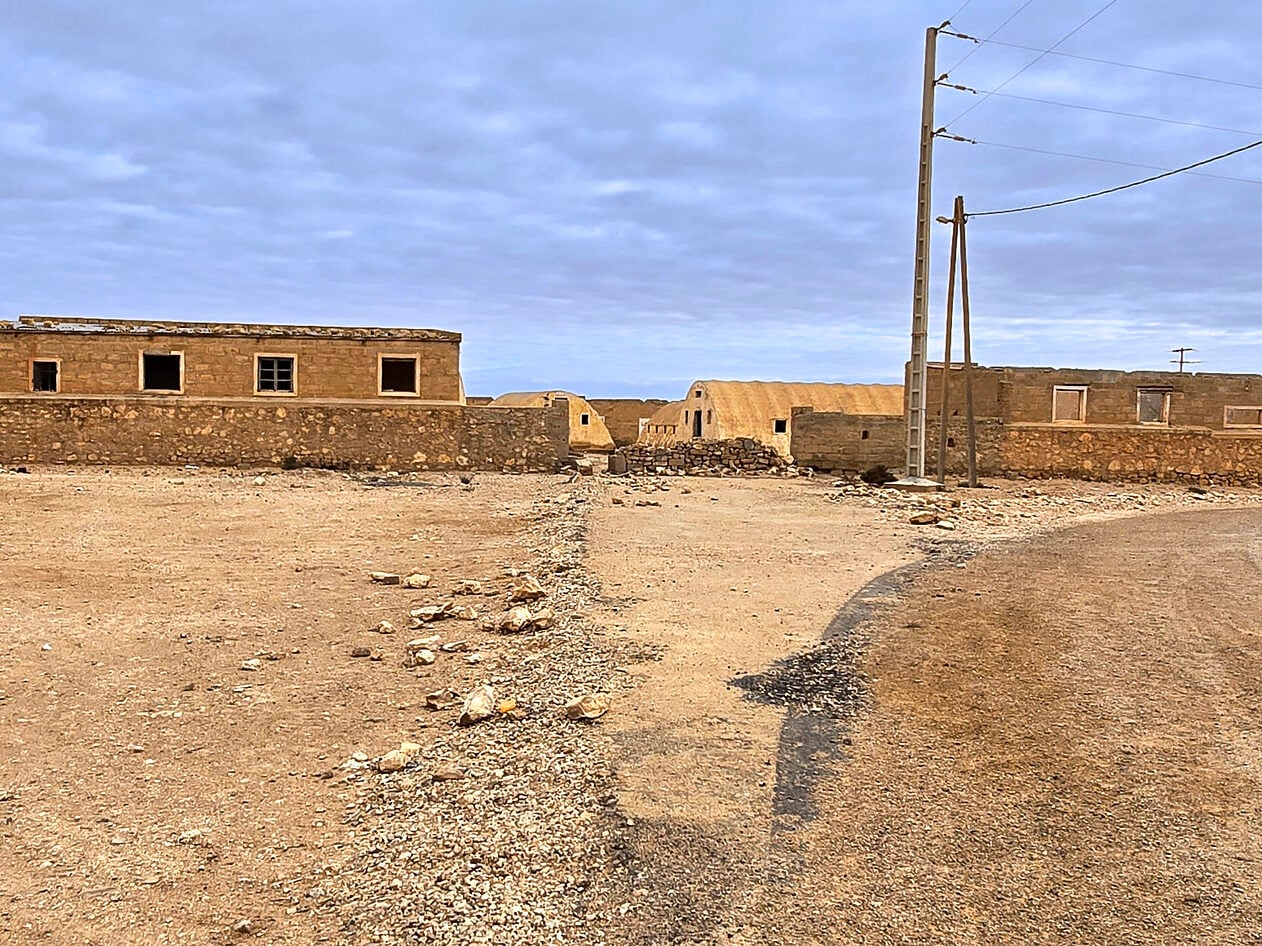
Sand berms stretch across the desert. Morocco built these earthen walls to control territory it claims.
Landmines buried along the barrier kill anyone who crosses on foot. The Polisario Front wants independence for Western Sahara.
Morocco calls the land its southern provinces. The UN recognizes neither claim fully.
The dispute drags on while people remain divided by berms and minefields. Moroccan soldiers guard observation posts along the wall.
The desert makes natural crossing difficult already. The barriers just make it deadlier. Refugees in camps wait for a resolution that never comes.
Israel and the West Bank
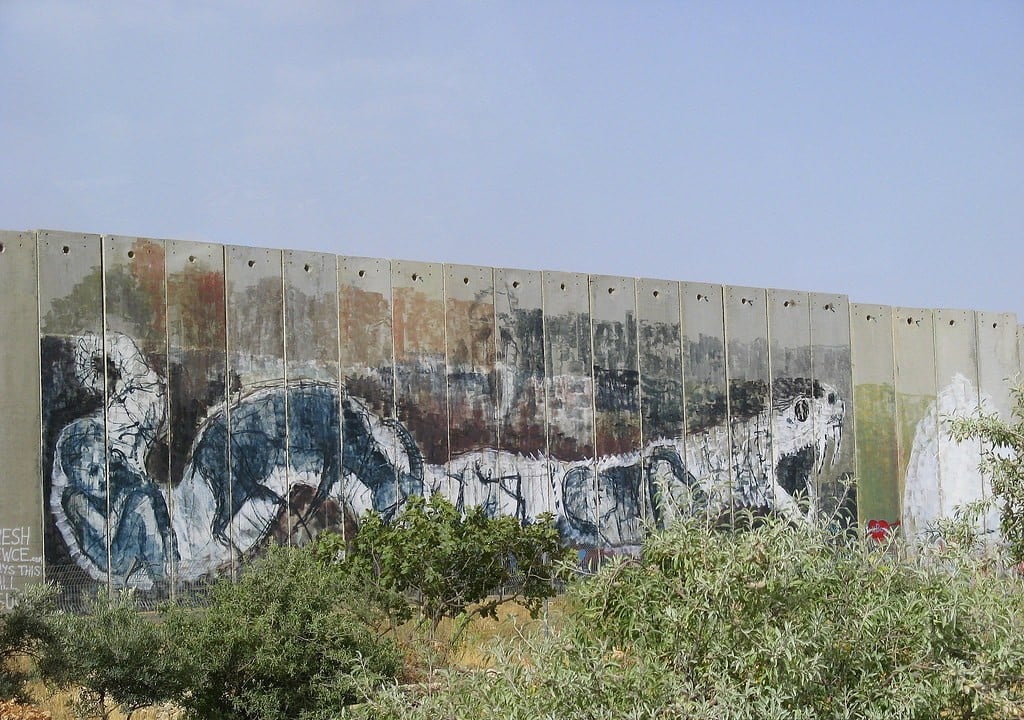
Concrete sections tower over Palestinian neighborhoods. Some parts stand 25 feet high.
The barrier snakes through the West Bank, often deviating from the actual boundary line to include Israeli settlements on the Israeli side. Israel built this after bombings killed hundreds of civilians.
The wall reduced attacks dramatically. Palestinians say it annexes their land and cuts them off from jobs, schools, and hospitals.
Gates in the wall open at specific times. Palestinians need permits to cross.
Israeli settlements dot the hilltops, connected by roads that Palestinians can’t use. The barrier makes daily life in the West Bank a series of checkpoints and delays.
Egypt and Gaza
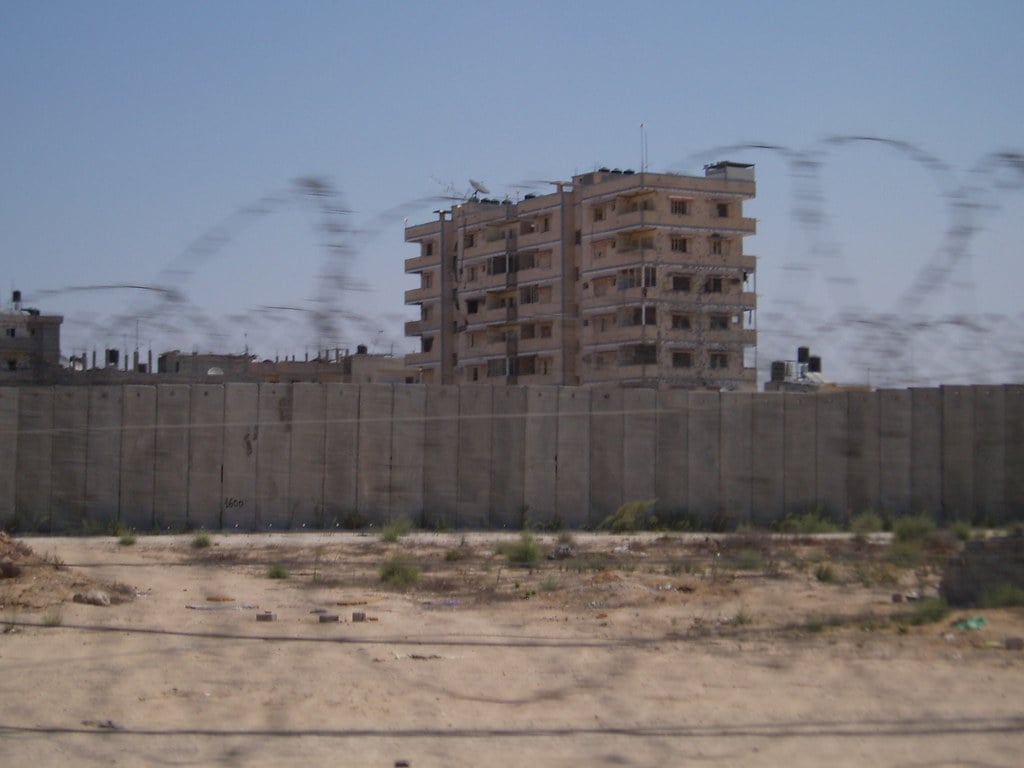
Egypt sealed its border with Gaza after Hamas took control. The Rafah crossing opens sporadically.
When it does, thousands of people wait for their chance to leave. Underground, smuggling tunnels once connected Gaza to Egypt.
The Egyptian military destroyed most of them by flooding the area. Above ground, walls and watch towers prevent crossing.
Egypt says it can’t open the border because Hamas threatens Egyptian security. Palestinians in Gaza feel trapped between Israeli restrictions and Egyptian barriers.
The crossing remains one of the most controlled points anywhere.
Saudi Arabia and Iraq
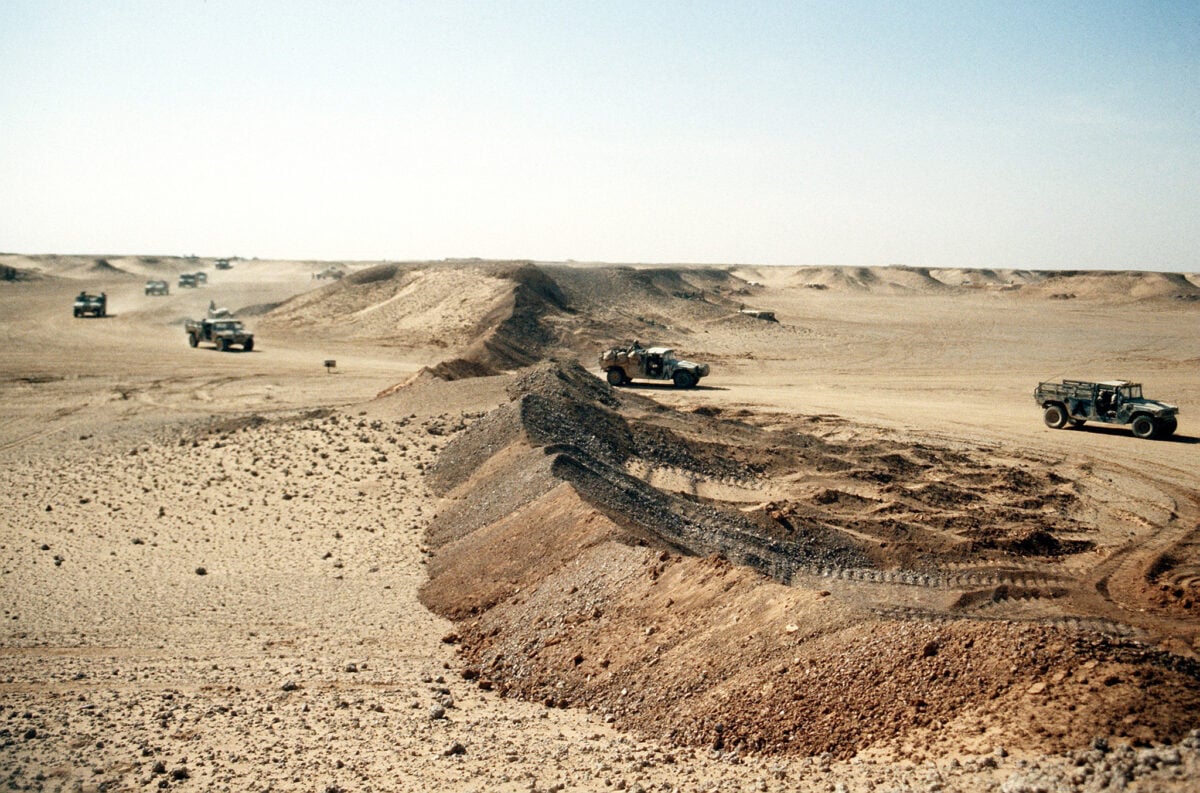
Fencing, sensors, and patrol routes mark this boundary. Saudi Arabia worries about ISIS fighters and smugglers.
The kingdom installed sophisticated surveillance systems along the entire length. Guard towers dot the landscape.
The desert makes crossing difficult but not impossible. Saudi forces respond quickly to any breach.
This border sees less drama than others on this list, but the protection level stays high. Oil facilities near the border get extra security.
Any threat to those installations threatens the Saudi economy. The military treats border defense as a critical national priority.
Uzbekistan and Kyrgyzstan
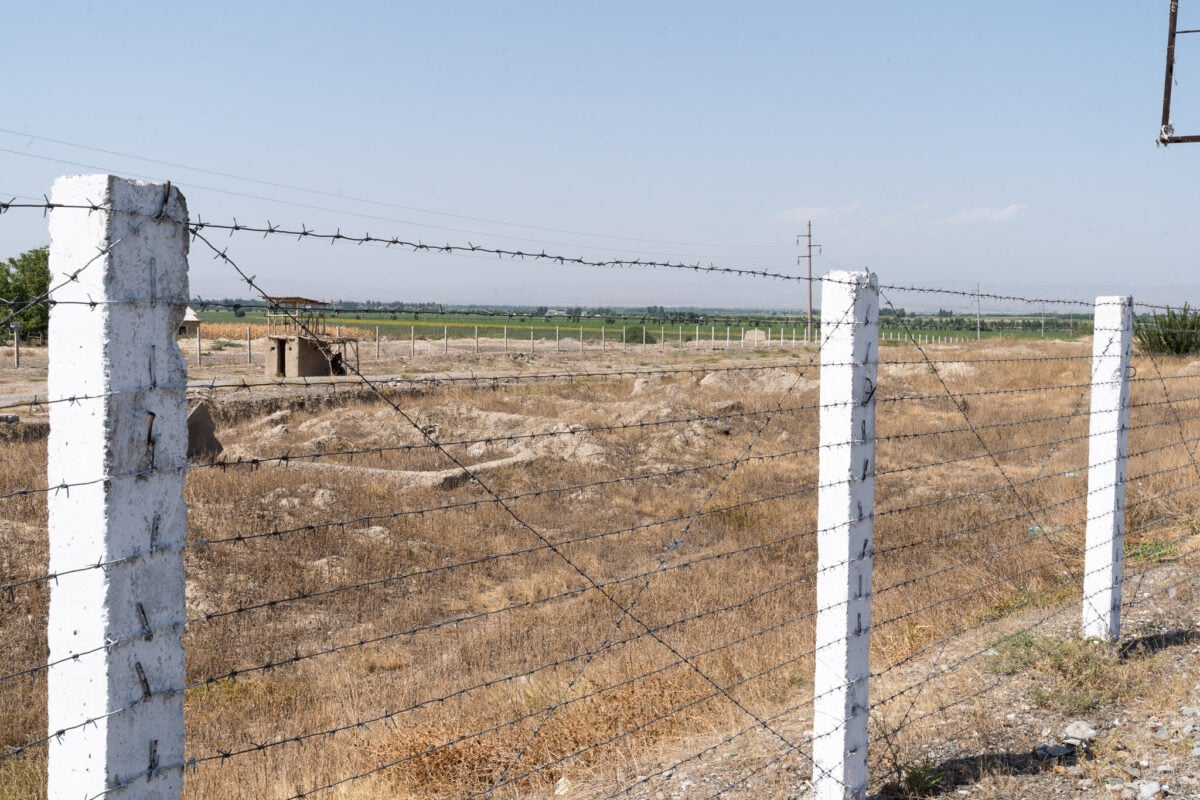
Footsteps on a dusty hillside – sudden silence where sheep used to graze. Though sharing old histories under one flag long gone, barbed wire still lines their edge, watchtowers casting thin shadows across cracked soil.
When Soviet cartographers drew lines long ago, those choices still spark trouble today. Water flows through land Uzbekistan holds tight, while Kyrgyzstan waits downstream.
Tension grows where maps meet mountains. Grudges shape how people see fences across the fields.
Farmlands stretch across an invisible line dividing homes. Some kin dwell just beyond reach, separated by rules.
Getting together means paperwork, delays, long waits. Goods move slower now, held up at checkpoints.
Each community watches the other with quiet suspicion.
Where Countries Set Boundaries
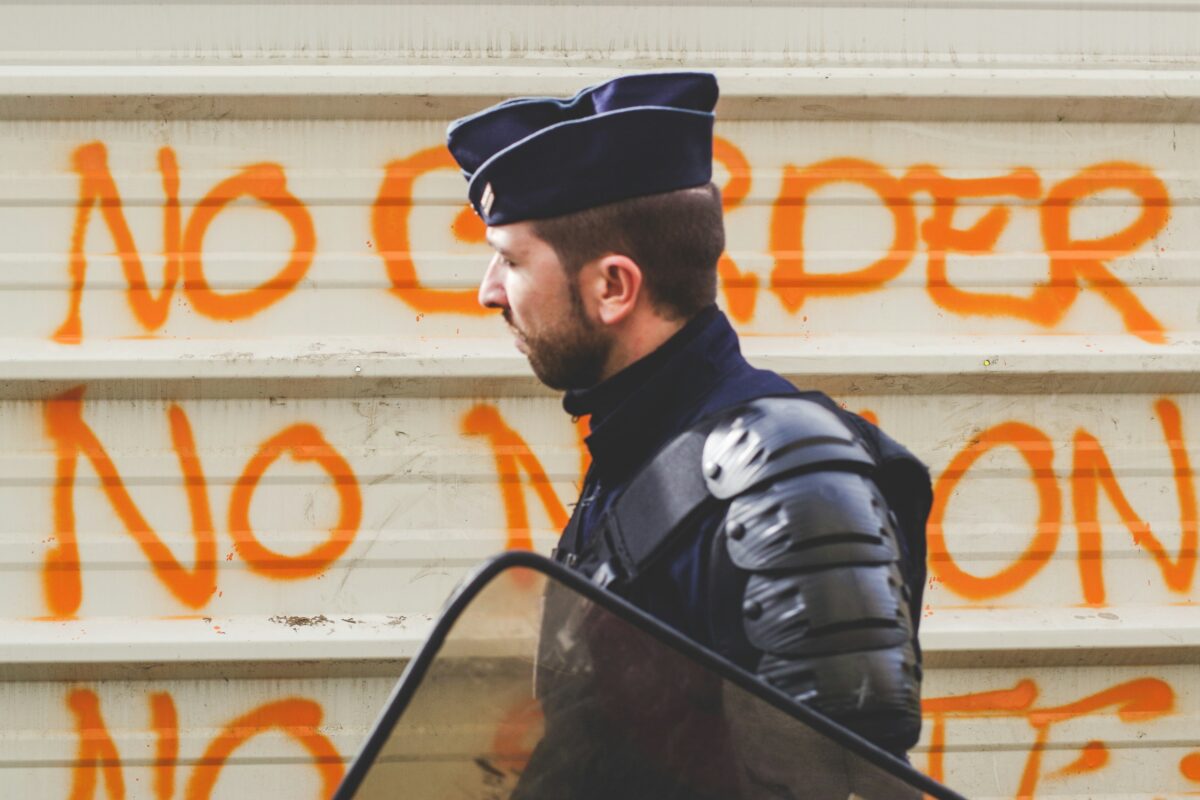
Out beyond where maps draw lines, problems begin. Where leaders once spoke, silence now sits heavy.
Fences rise because trust fell apart long ago. Mines buried underground remember older arguments.
Soldiers stand watch not because peace needs protection, but because someone forgot how to listen. Walls grow taller each time words fail.
Follow the world’s friction points by spotting its tallest barriers. Where concrete rises highest, so do unresolved disputes.
Money pours into upkeep yet results fall short of promises made. Gaps appear despite tight controls – ingenuity always tests limits.
Fences meant to shield people often leave them uneasy instead. New troubles pop up even as earlier issues stay unsolved.
Still, leaders push walls taller, stretch them farther, design them harsher. What lies beneath is hard to admit – when teamwork breaks down, countries choose barriers over bridges.
More from Go2Tutors!

- 16 Historical Figures Who Were Nothing Like You Think
- 12 Things Sold in the 80s That Are Now Illegal
- 15 VHS Tapes That Could Be Worth Thousands
- 17 Historical “What Ifs” That Would Have Changed Everything
- 18 TV Shows That Vanished Without a Finale
Like Go2Tutors’s content? Follow us on MSN.