Oldest Universities Still Running
Well before today’s lecture halls, internet classes, or uniform diplomas, schools began as spots where learning was stored, questioned, handed down. Not built to endure ages, most depended on faith leaders, kings, or regional authority – so staying open wasn’t certain.
Conflicts, government change, money crises, new views on teaching – all of these often put them at risk. Still, a few made it through. By shifting how they were built, expanding what they taught, because they changed their place in life while holding on to where they began.
Today’s universities aren’t stuck in time. These are active places, shaped long ago, now moving forward.
Peering into the past reveals some colleges that never closed their doors. What kept them going, while others folded? Each found its own path through changing times.
Staying open meant adapting without losing core purpose. Some shifted focus when politics changed. Others relied on steady support from local communities. A few rebuilt after wars erased much of what they had.
Survival often came down to flexibility. Not every school followed the same blueprint. Longevity wasn’t guaranteed by age alone.
Institutions that lasted tended to listen more than cling. Their stories differ widely – yet all avoided fading into silence.
University of al-Qarawiyyin
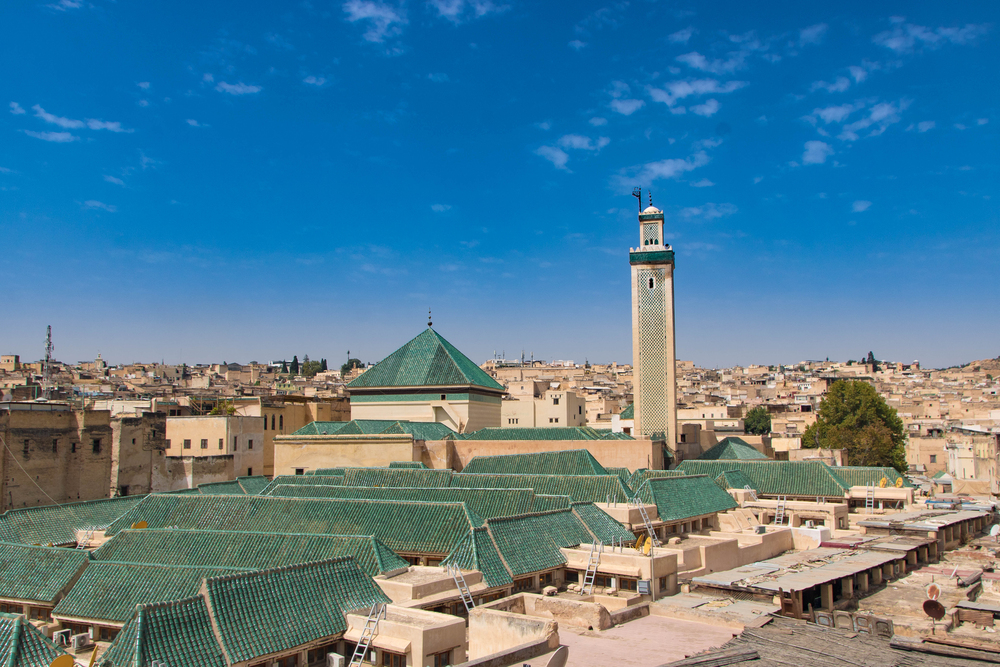
Founded in 859 in Fez, the University of al-Qarawiyyin is widely regarded as the oldest continuously operating university in the world. It began as a religious institution attached to a mosque, focusing on Islamic law, theology, and related disciplines.
Over time, it expanded to include subjects such as mathematics, astronomy, and grammar. What allowed al-Qarawiyyin to endure was its deep integration into the social and religious life of the region.
Education was not treated as separate from daily life or governance. Instead, it became a central pillar of intellectual authority.
Even as political powers shifted, the institution remained relevant by continuing to serve scholars and leaders across North Africa and beyond.
University of Bologna
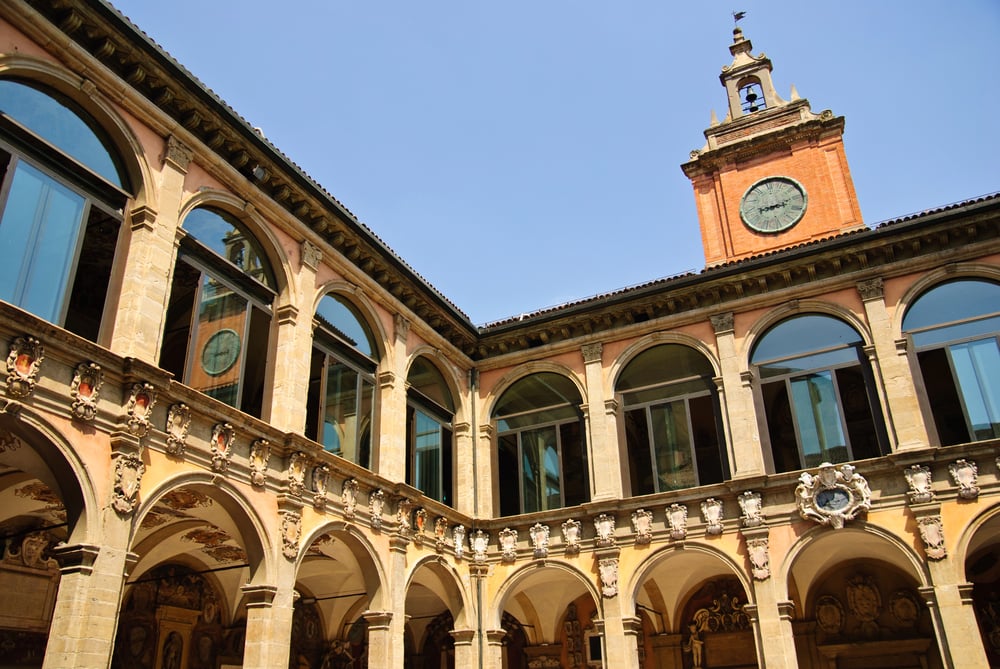
Established in 1088, the University of Bologna is often considered the oldest university in Europe in the modern sense. It was unique for its time because it was organized by students rather than the church or the state.
Scholars were hired and regulated by those who attended, creating an early model of academic independence. The university became famous for its focus on law, attracting students from across Europe.
Its survival depended on flexibility. As legal systems evolved and political borders shifted, Bologna adapted its curriculum while maintaining its identity.
That balance between tradition and reform allowed it to remain relevant for nearly a millennium.
University of Oxford
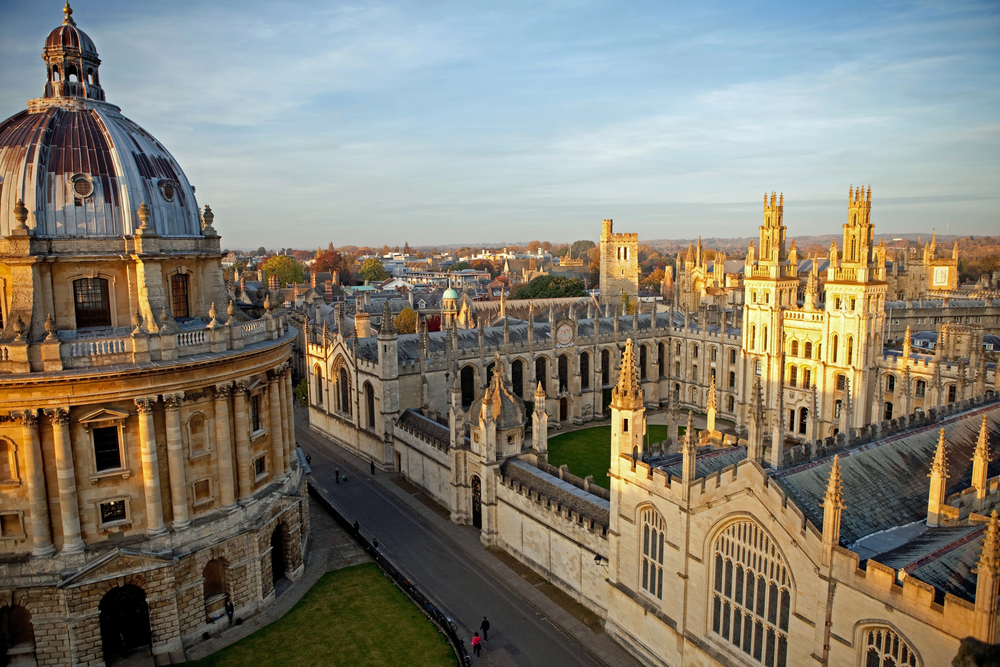
Teaching at the University of Oxford was underway by 1096, making it one of the oldest universities in the English-speaking world. Its early growth was driven by scholars migrating from continental Europe, particularly during periods of political tension.
Oxford survived by embedding itself within both religious and royal structures. Over time, it expanded beyond theology into philosophy, science, and the humanities.
The collegiate system, which divided the university into semi-independent communities, helped it weather political change by decentralizing authority. That structure remains one of its defining features today.
University of Cambridge
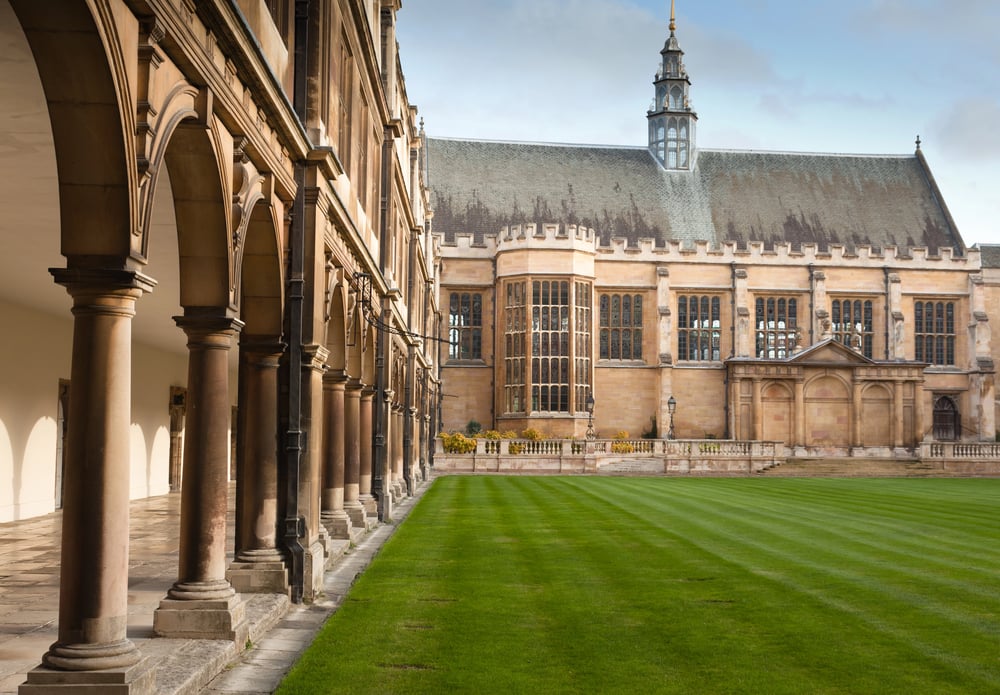
Founded in 1209 by scholars who left Oxford after disputes with local authorities, the University of Cambridge developed as both a rival and a complement to its older counterpart. From the beginning, it emphasized scholarly rigor and close academic communities.
Cambridge endured by continuously redefining its role. While rooted in medieval traditions, it became a center for scientific inquiry during the early modern period.
Its willingness to embrace new fields of study without abandoning its core identity allowed it to remain influential across centuries of change.
University of Paris
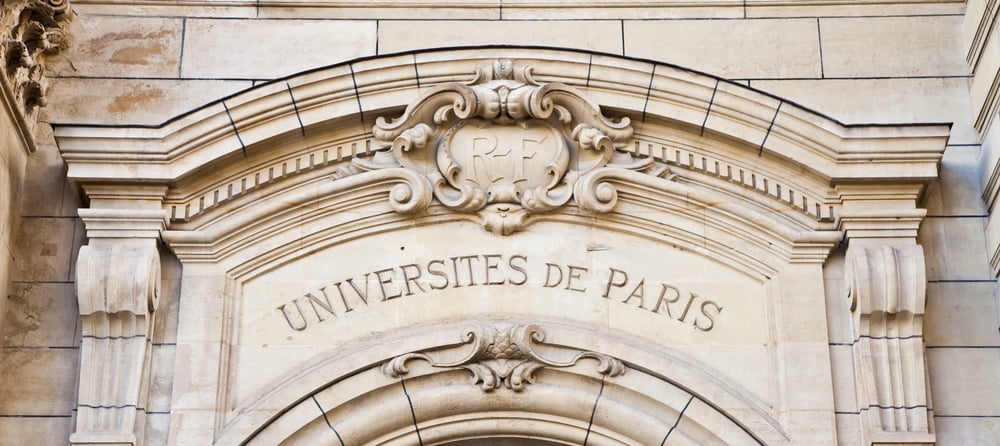
The University of Paris emerged in the mid-twelfth century as a leading center for theology and philosophy. It played a major role in shaping medieval intellectual life, attracting scholars from across Europe.
Although the original medieval structure was disrupted during the French Revolution, the institution evolved rather than vanished. Its legacy continues through successor universities that carry forward its academic traditions.
The endurance of Paris as a center of higher learning reflects how institutions can survive even when forced to reorganize entirely.
University of Salamanca
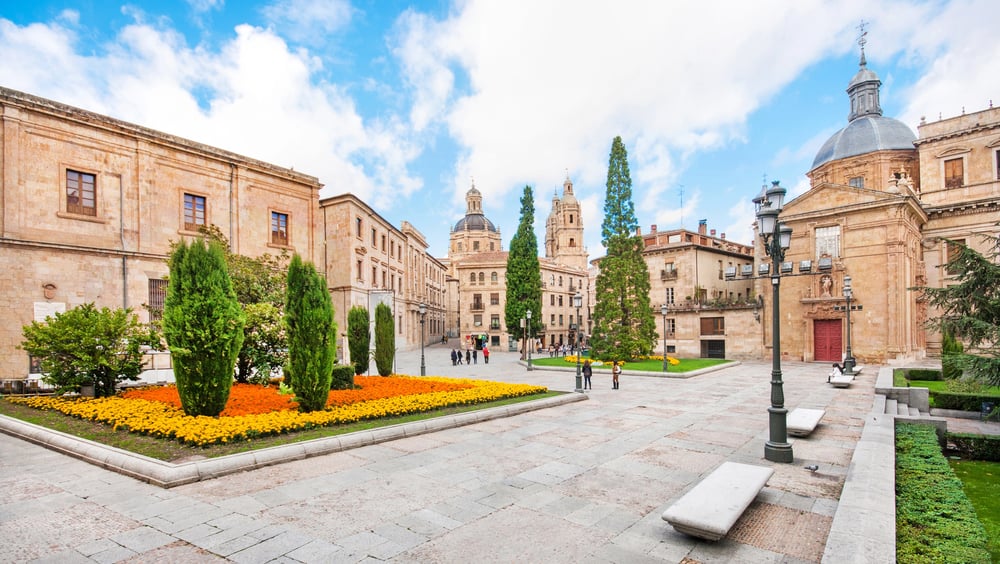
Founded in 1218, the University of Salamanca is the oldest university in Spain and one of the oldest still operating in Europe. It gained prominence during Spain’s rise as a global power, particularly in law, theology, and exploration-related studies.
Salamanca survived by aligning itself with state and religious authorities while also serving as a forum for debate. Its scholars were involved in discussions that shaped early international law and colonial policy.
That intellectual relevance helped sustain the university long after Spain’s political dominance waned.
University of Padua
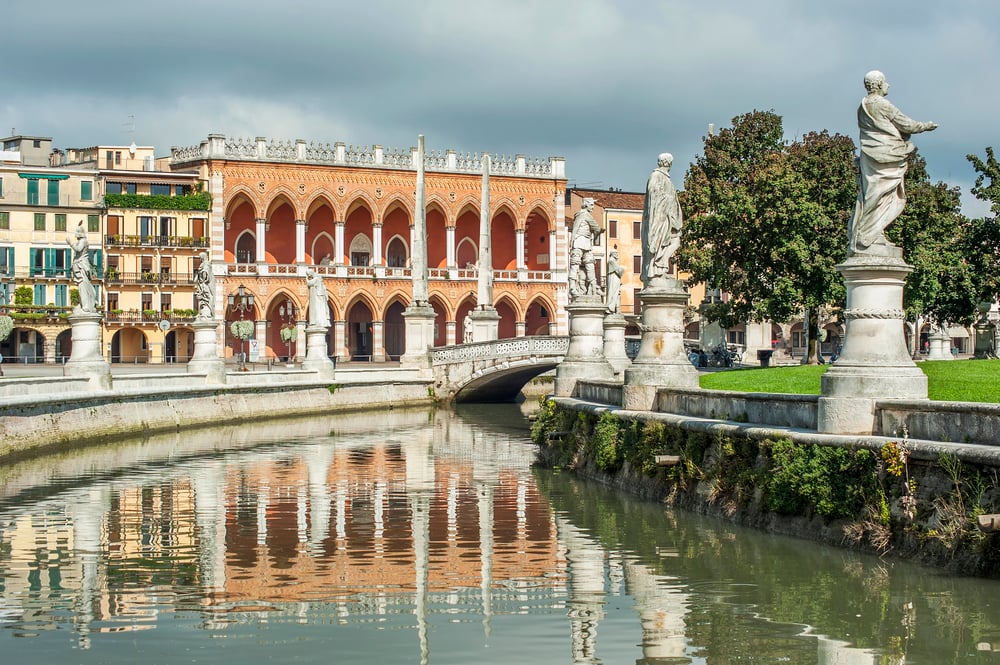
Established in 1222, the University of Padua was founded by scholars seeking greater academic freedom. It quickly became known for its emphasis on medicine, astronomy, and natural philosophy.
Padua’s survival was tied to its reputation for openness. It attracted thinkers willing to challenge established ideas, which kept it at the forefront of scientific progress.
Even as political control shifted in northern Italy, the university maintained its status as a respected center of research and teaching.
University of Naples Federico II
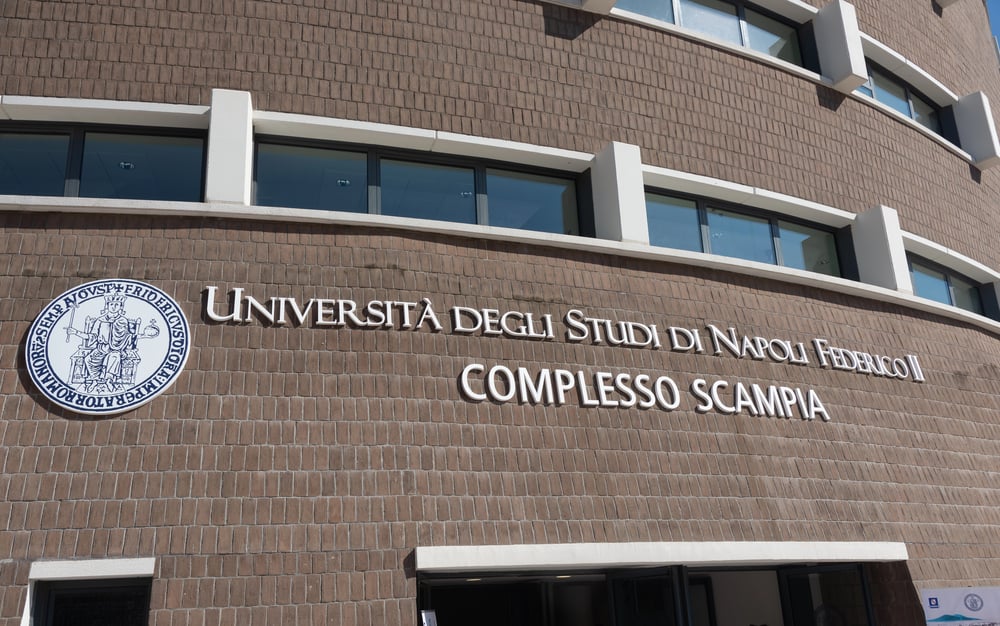
Founded in 1224, this university was established by a ruling authority rather than emerging organically from scholars or religious institutions. Its purpose was practical: to train administrators and legal experts for the state.
That original mission proved to be its strength. By aligning education with governance, the university remained essential through centuries of political change.
Its continuity shows that institutional longevity can come from serving practical needs as well as intellectual ones.
University of Siena
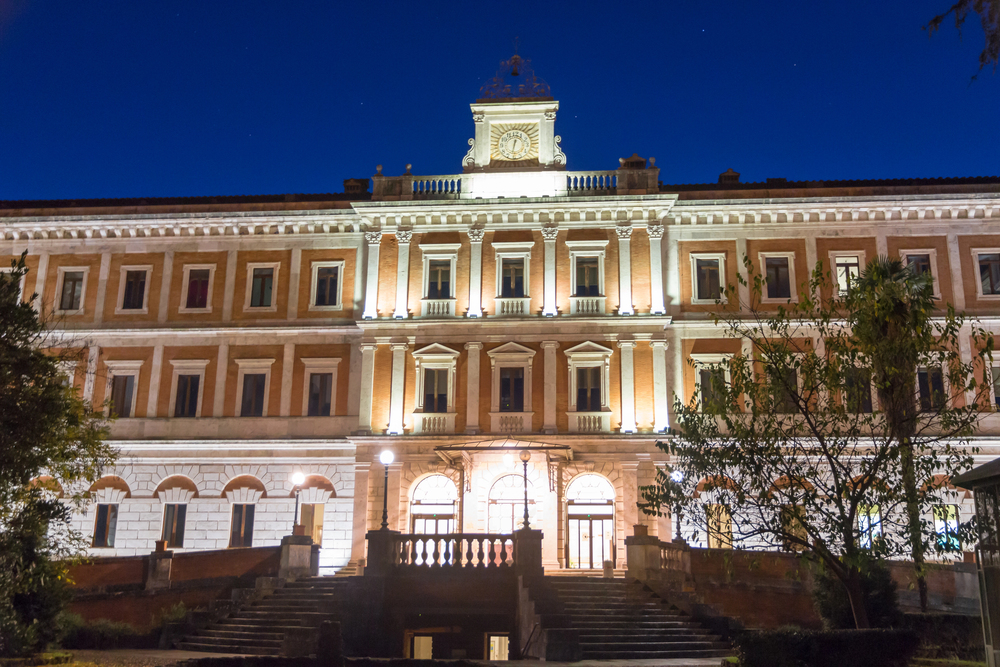
The University of Siena traces its origins to 1240, when it began offering publicly funded education. Its early focus on law and medicine made it valuable to both the city and surrounding regions.
Despite economic challenges and shifting political alliances, Siena survived by maintaining close ties to local governance. Its smaller size allowed it to adapt more easily than larger institutions, adjusting focus without losing identity.
University of Coimbra
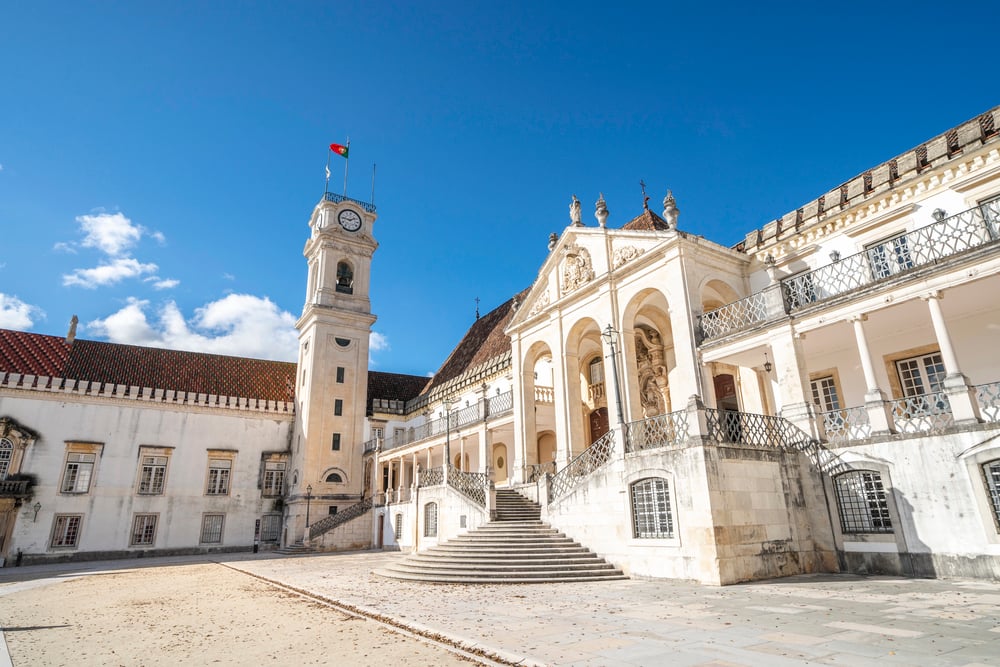
Founded in 1290, the University of Coimbra is Portugal’s oldest university. It was relocated multiple times between cities before settling permanently in Coimbra, a process that tested its resilience.
That mobility ultimately strengthened the institution. It developed a national identity rather than a purely local one, serving as a central pillar of Portuguese education.
Its endurance reflects the importance of state support combined with academic continuity.
Why These Universities Survived
Longevity did not come from prestige alone. These universities endured because they adapted their structures, subjects, and relationships with power.
Some aligned closely with religious institutions, others with governments, and some with student communities. All found ways to remain useful.
Another shared trait was flexibility in curriculum. Institutions that expanded beyond narrow specializations were better equipped to survive cultural and scientific shifts.
Those that clung too tightly to outdated models often disappeared or were absorbed by others.
What Longevity Really Means
Survival does not imply stagnation. The oldest universities still running today are radically different from their earliest forms.
Languages of instruction changed, subjects expanded, and access widened. What remained constant was the commitment to structured learning and intellectual exchange.
These institutions demonstrate that education thrives when it evolves alongside society. Their histories are not just timelines, but records of negotiation between tradition and innovation.
Why They Still Matter Today
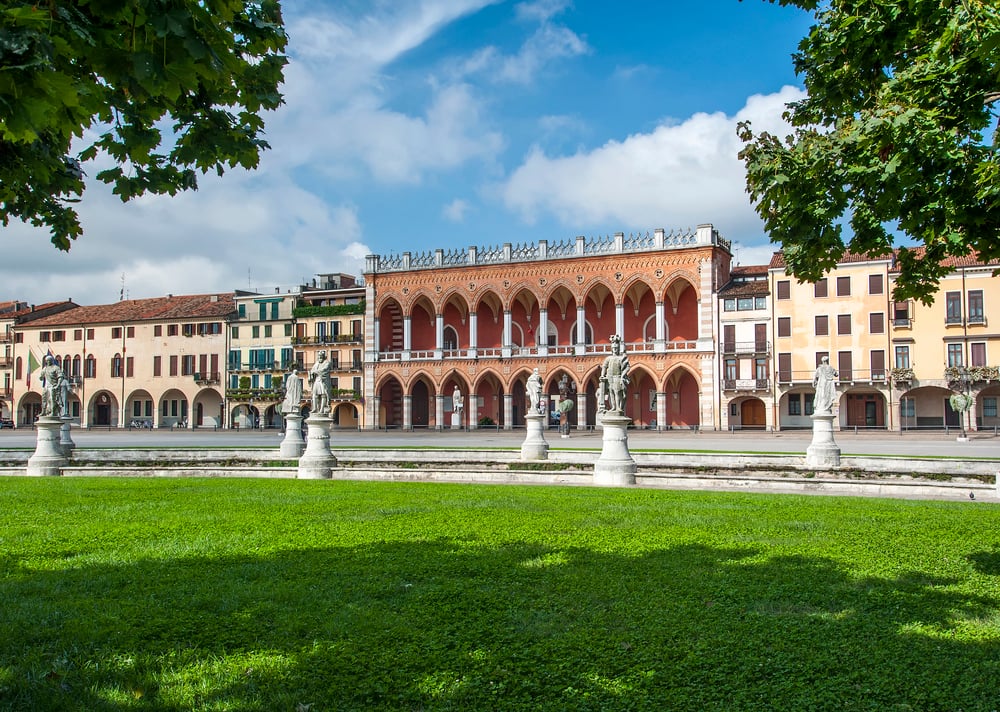
Older colleges stand like quiet witnesses to how learning began long ago. Because they still teach today, today’s learners tie back to hundreds of years of thinking, arguing, yet uncovering truths.
Even when everything rushes forward, such lasting presence brings balance where change rules. What stands out most is how staying power never happens by chance.
Staying true while adjusting to new demands shapes lasting impact – keeping core values alive even when surroundings shift. Right now, amid constant changes in learning environments, this idea holds just as much weight as it did centuries back.
More from Go2Tutors!

- The Romanov Crown Jewels and Their Tragic Fate
- 13 Historical Mysteries That Science Still Can’t Solve
- Famous Hoaxes That Fooled the World for Years
- 15 Child Stars with Tragic Adult Lives
- 16 Famous Jewelry Pieces in History
Like Go2Tutors’s content? Follow us on MSN.