Forgotten Details About Early Video Game Consoles
Back in the early days of video games, things were much simpler. The graphics were blocky, the sound was basic, and the controls were often clunky.
But those old consoles laid the groundwork for everything gamers enjoy today. While many remember the big names and the standout titles, there are a lot of small, weird, and surprising details that often get left behind.
Some of these details are just plain funny. Others show how far the industry has come in a short amount of time. Let’s take a trip back and uncover what time—and maybe some dusty closets—forgot.
Magnavox Odyssey had no sound at all
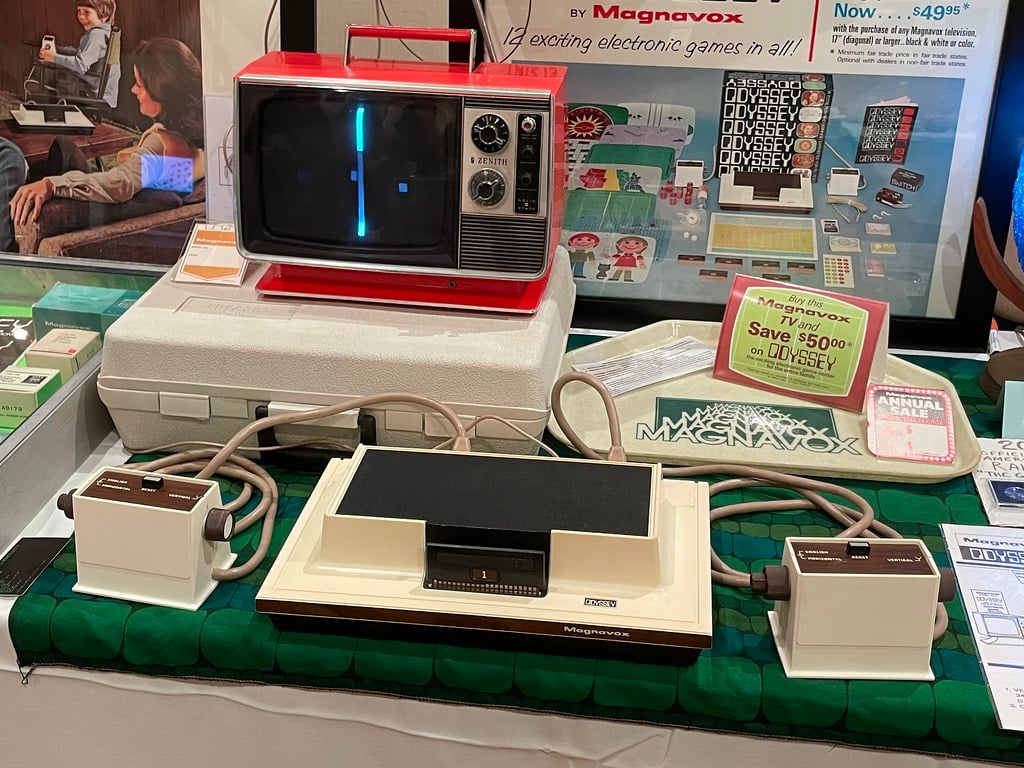
The very first home video game console, the Magnavox Odyssey, didn’t make a single sound. That’s right—no music, no beeps, not even a simple click.
Players had to rely on their eyes and imagination. It came out in 1972, and the games were so simple that some even used plastic overlays placed directly on the TV screen.
Still, it kicked off the home gaming revolution.
Atari 2600 used switches, not menus

Before clean user interfaces and smooth start screens, the Atari 2600 had physical switches. Players had to flip them to choose a game mode or change settings.
It felt more like operating a machine than playing a game. You couldn’t save anything either—once the power was off, your progress vanished.
It was old-school in every sense.
Like Go2Tutors’s content? Follow us on MSN.
The Nintendo Entertainment System locked you out with a blinking screen

That annoying blinking screen on the NES wasn’t just a glitch—it was the console protecting itself. The NES had a lockout chip that rejected unauthorized games or dirty cartridges.
When the chip failed or couldn’t read the cartridge, the screen would flash and refuse to load the game. Many kids learned to blow into the cartridge as a fix, even though that wasn’t the safest solution.
Sega Master System had better graphics than NES—but lost the fight
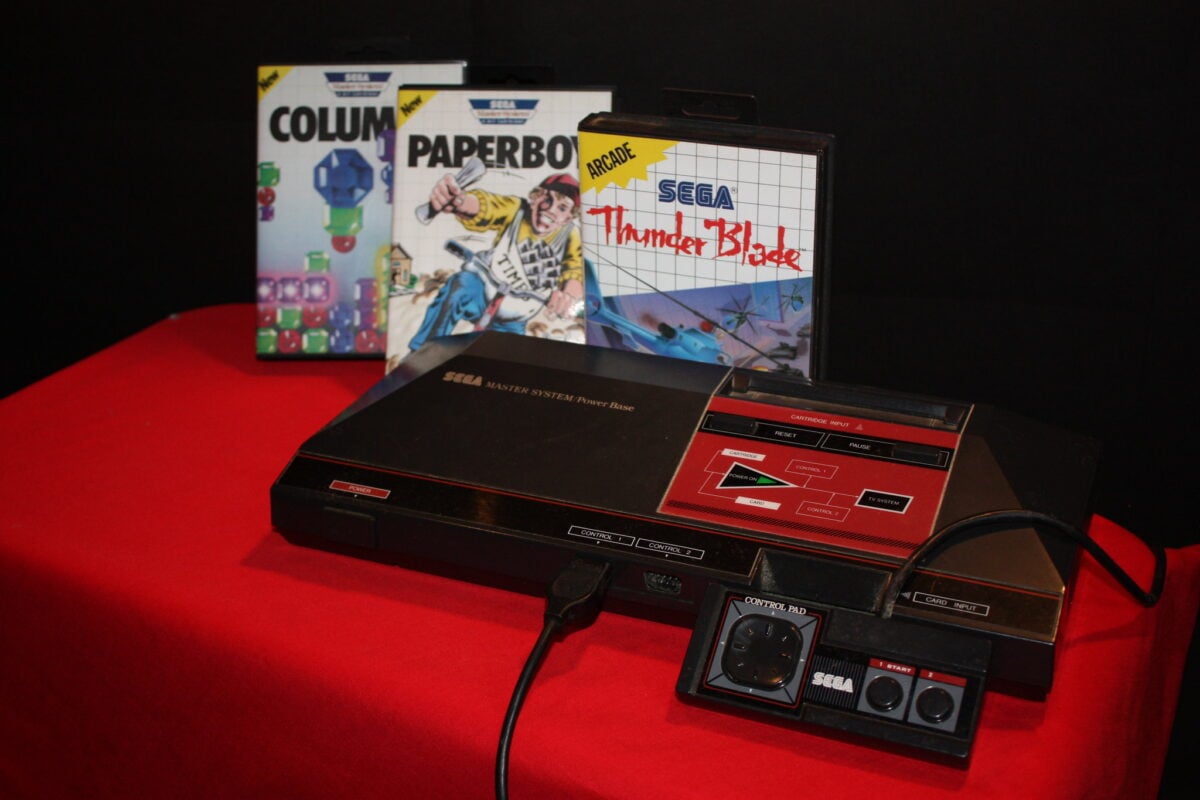
The Sega Master System had more colors, sharper visuals, and even more memory than the NES. On paper, it looked like a winner.
But in real life, it didn’t stand a chance in North America. Nintendo’s early deals with game developers made it hard for Sega to get popular games.
So, even though it looked better, it couldn’t compete where it mattered.
Game cartridges sometimes had hidden messages
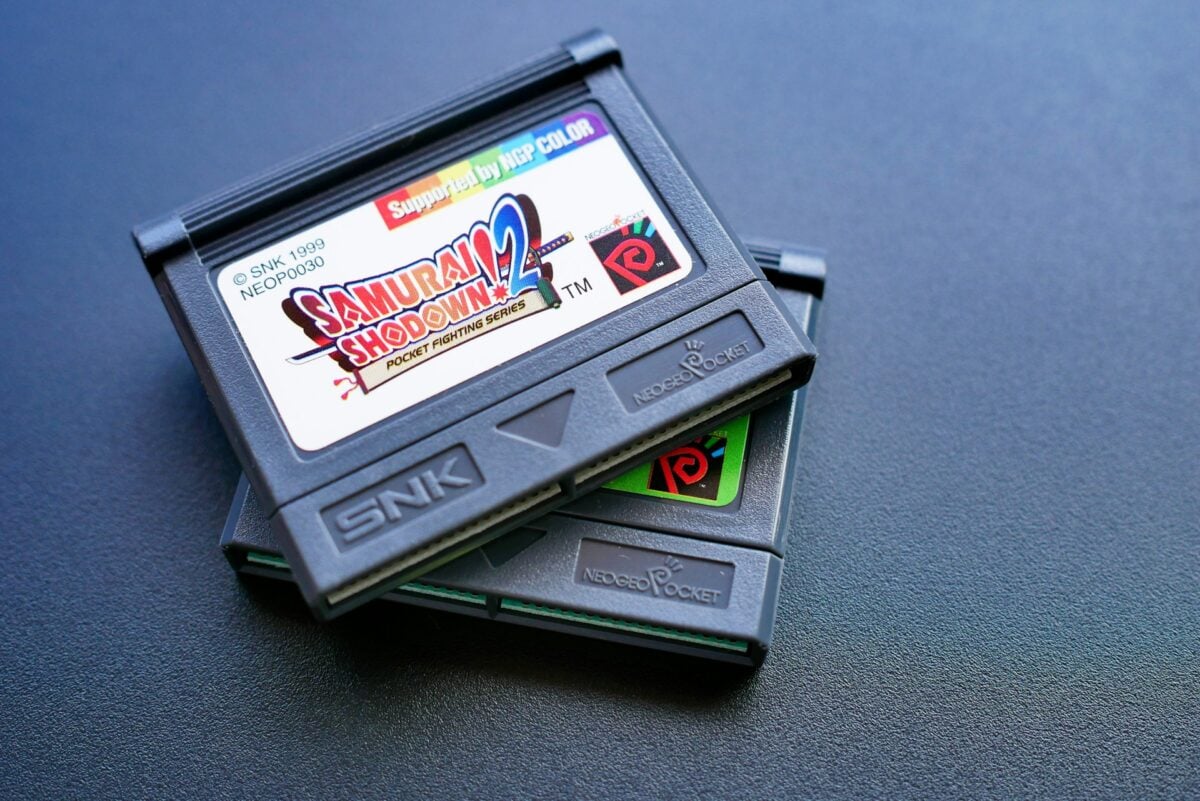
Some early game cartridges had tiny surprises hidden inside them—literally. Developers, often working long hours, would sneak in jokes, names, or even secret initials onto chips or circuit boards.
These weren’t visible unless the cartridge was opened. It was a small way for creators to leave their mark, even if no one ever saw it.
Like Go2Tutors’s content? Follow us on MSN.
The Intellivision used voice add-ons

Mattel’s Intellivision offered something most people didn’t even know existed in the early 80s: voice support. The Voice Synthesis Module was an add-on that plugged into the console and made some games talk.
It wasn’t crystal clear, but for the time, it was impressive. Still, only a few games used it, and it didn’t catch on widely.
Some consoles came with keyboards for “educational” use
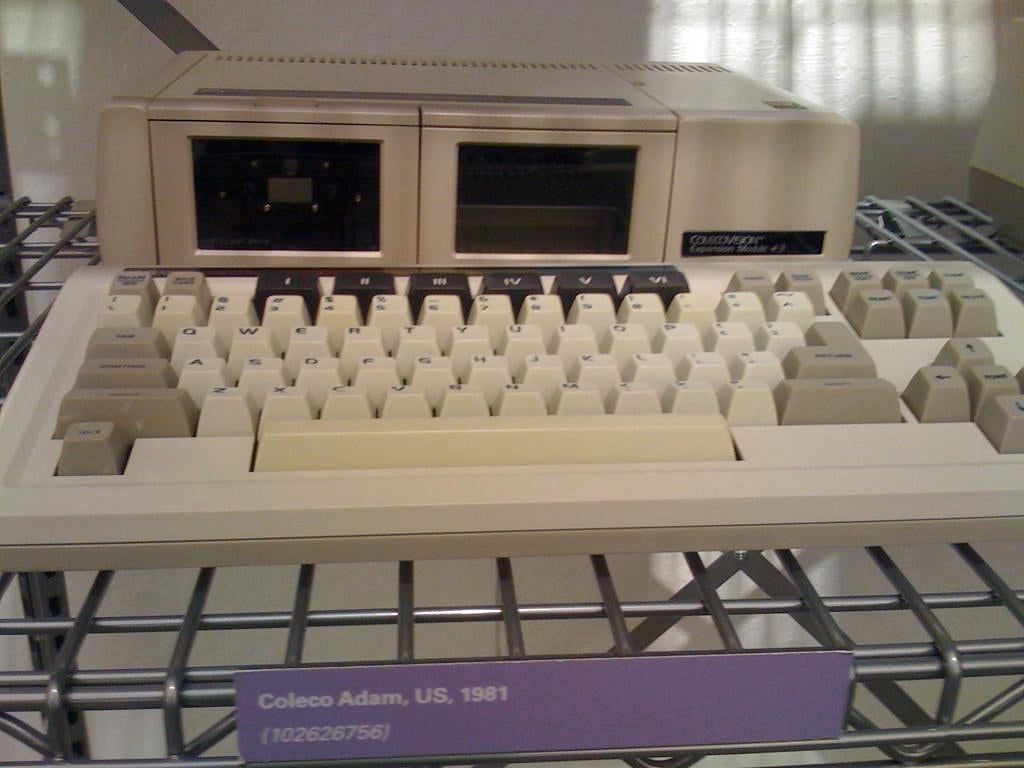
Before computers were common in homes, some gaming systems tried to pass themselves off as learning tools. Consoles like the Atari 800 or the Coleco Adam had full keyboards.
Parents thought they were buying a computer for homework, but kids just wanted to play games. It was a clever way to market games without making them sound like just entertainment.
The Fairchild Channel F had the first swappable cartridges

Before the Channel F, all video games were built into the console. Fairchild Channel F, which came out in 1976, was the first to use interchangeable cartridges.
This small change made consoles long-term entertainment tools. People could now build collections of games instead of repeatedly playing the same one.
Like Go2Tutors’s content? Follow us on MSN.
The Atari 5200 controller had a pause button before it was common

Today, pausing a game is something everyone takes for granted. But in the early days, that wasn’t always an option.
The Atari 5200 had one of the first controllers with a dedicated pause button. It also had a keypad and an analog stick, which was fancy at the time.
Unfortunately, it was also fragile and broke easily.
TurboGrafx-16 used tiny credit card–sized game chips
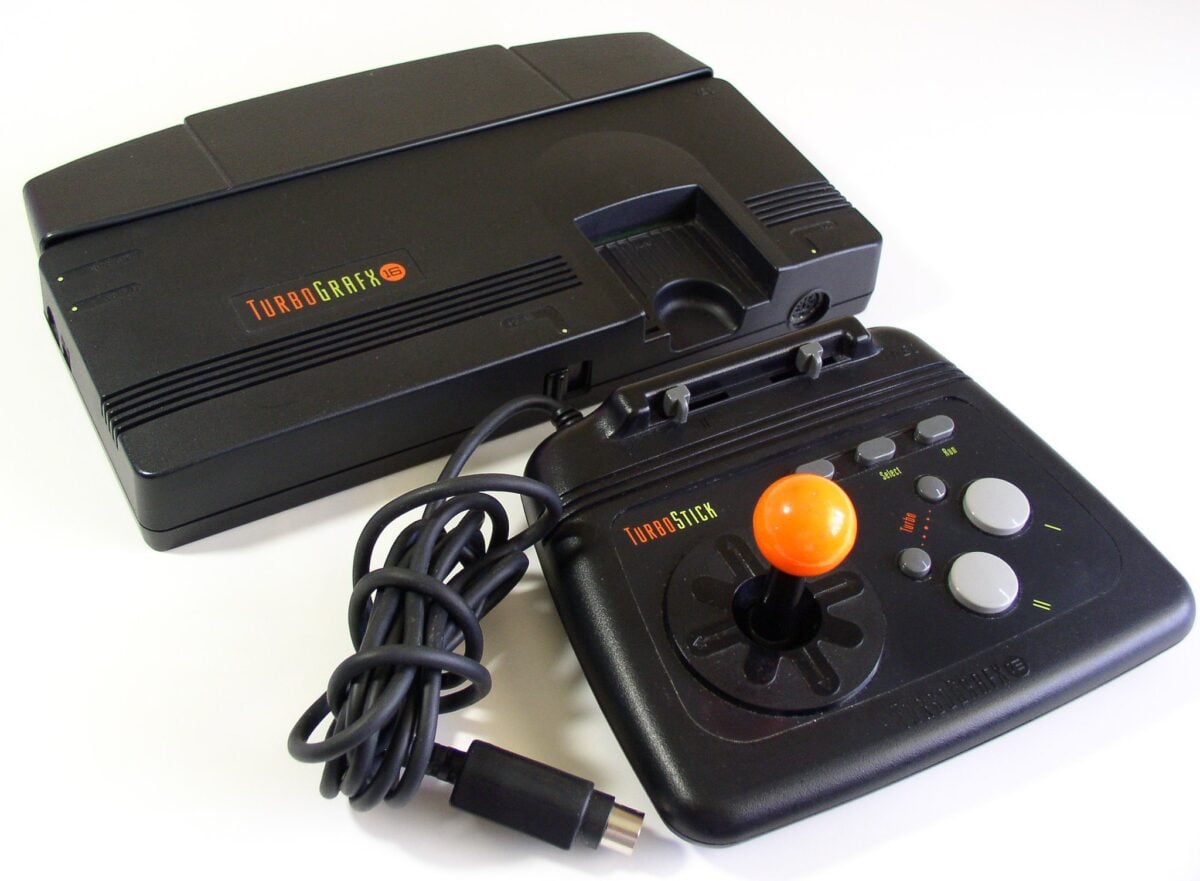
Instead of bulky cartridges, the TurboGrafx-16 used small, thin game cards called HuCards. They were easy to store, simple to swap, and looked like something from the future.
Despite its cool design and solid performance, it never gained huge popularity in the U.S. But it did quite well in Japan under the name PC Engine.
The Neo Geo was way more expensive than any other console
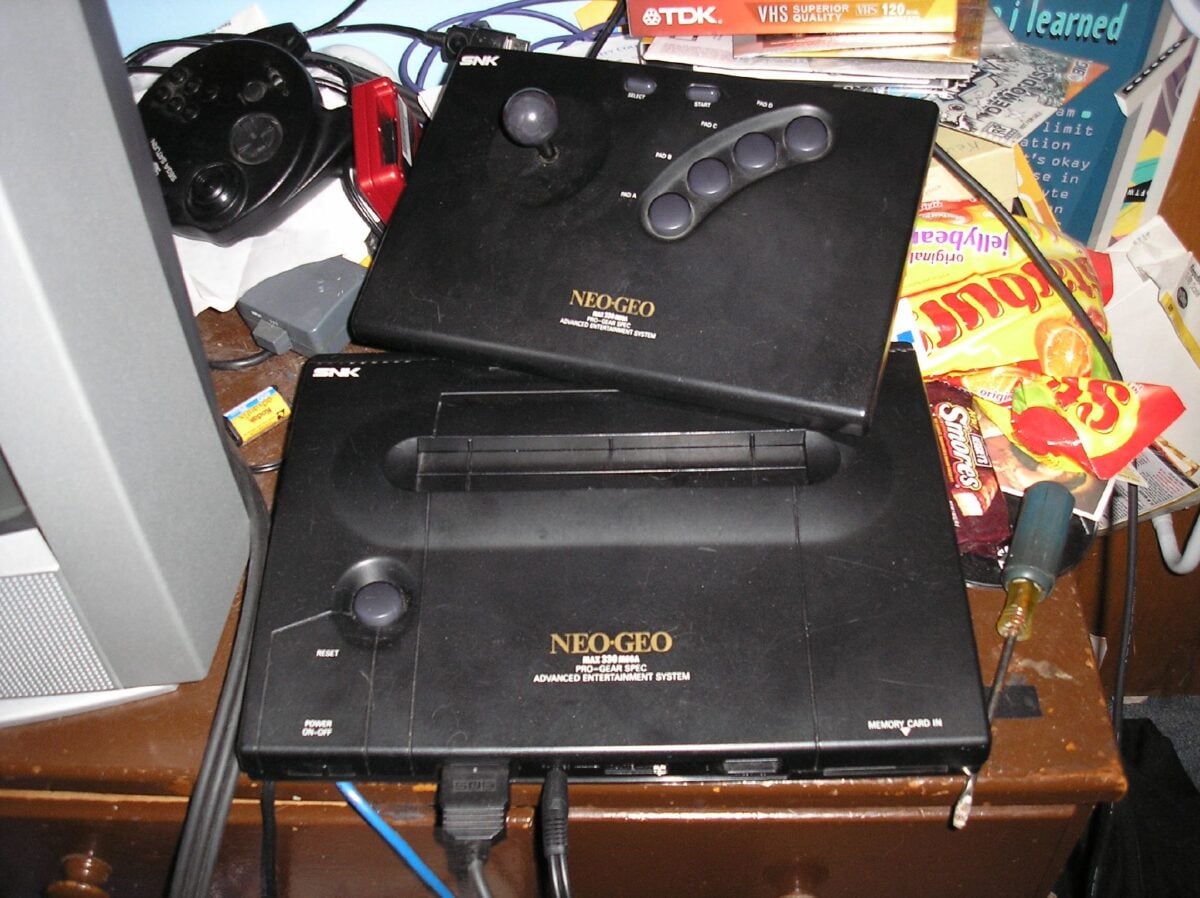
When the Neo Geo came out in the early 90s, it was only for the serious gamer. It was over $600 when it first came out—more than most computers were at the time.
Its games were of arcade quality, and its cartridges were huge and heavy. It was something that most could only wish for.
It was a status symbol for whoever actually had one.
Like Go2Tutors’s content? Follow us on MSN.
The Vectrex had its own built-in screen
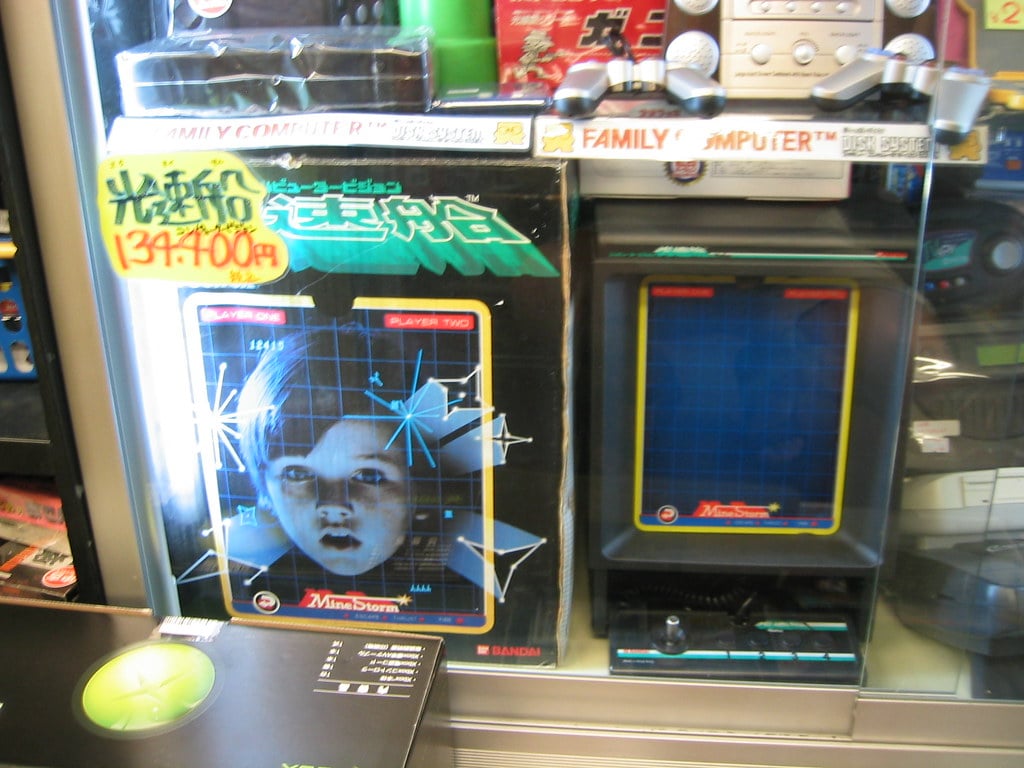
The Vectrex never connected to a television. It had a small screen that showed only vector graphics—lines and shapes, not filled-out images.
It appeared quite different from anything else available. The screen was clean, but the system didn’t survive.
But it was unusual for being entirely self-contained.
Controllers weren’t always designed for comfort
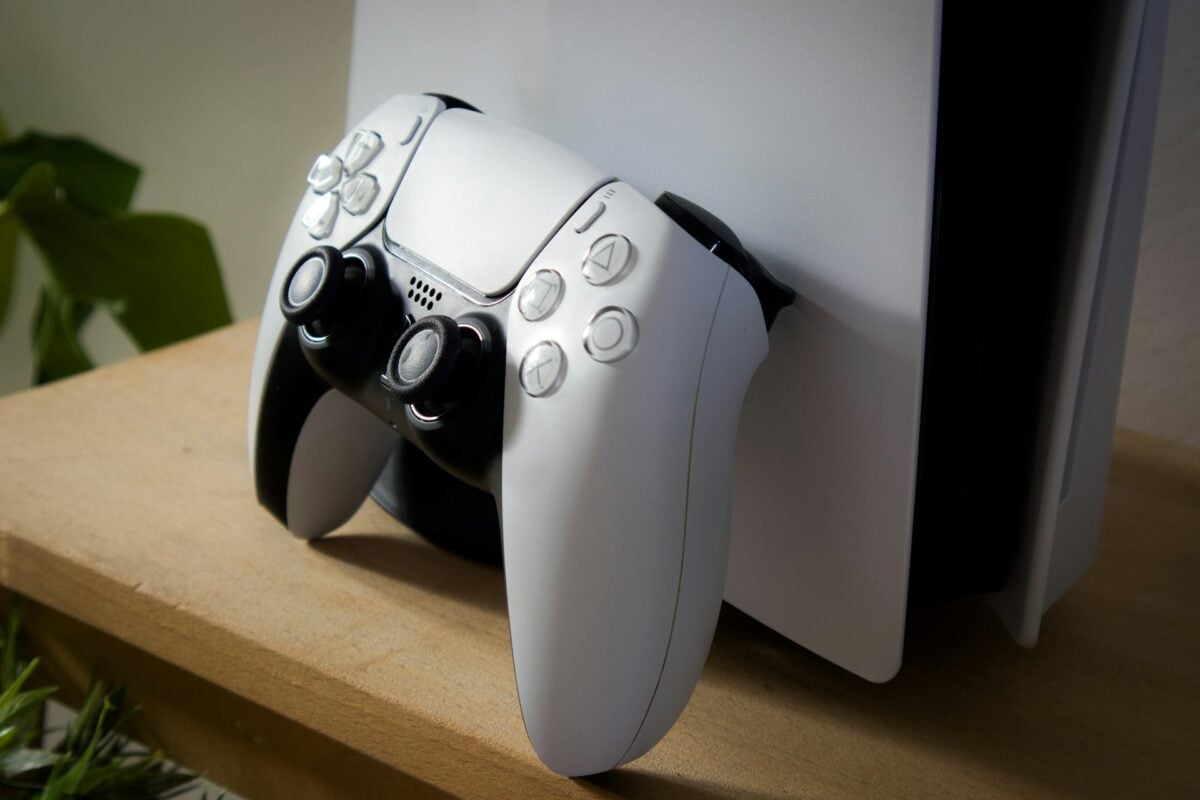
Modern controllers go through tons of testing to make sure they feel right. But in the early days, comfort wasn’t a big priority.
Some controllers were stiff, awkward, or had strange shapes. The Atari 5200 controller, for example, was so poorly made that players often had to buy spares.
It took years before ergonomics became part of design.
Some games had to be typed in from magazines

Before widespread access to new games, magazines would publish game code for readers to type themselves. This was especially true for early computer-based consoles.
Kids and hobbyists would spend hours copying the code, one line at a time. A single typo could crash the whole thing.
It wasn’t easy, but it taught a lot of people how programming worked.
Like Go2Tutors’s content? Follow us on MSN.
The Super Nintendo had a secret port underneath
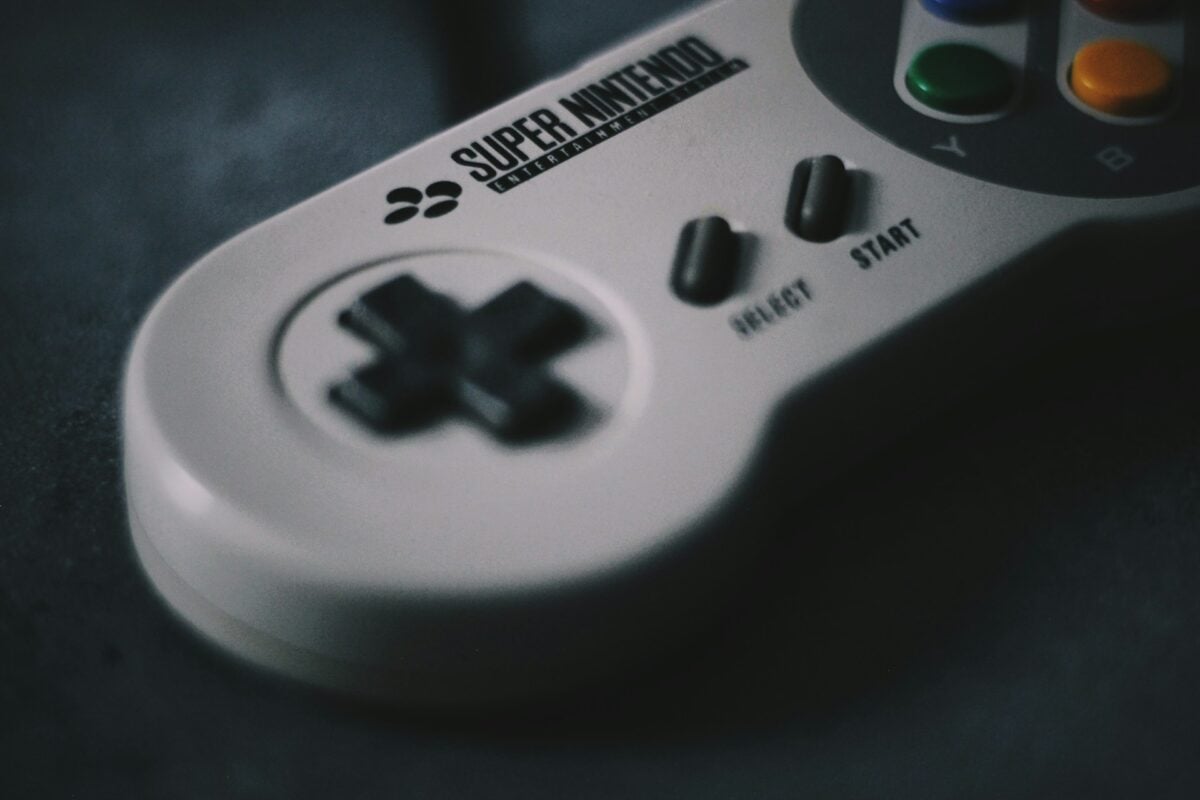
Flip over a Super Nintendo and there’s a little plastic cover hiding something strange. It’s a port that was meant for future accessories, like a modem or CD system.
Most of those plans never happened, and the port was never used in most regions. But it shows that even back then, companies were thinking about what came next.
Some early consoles had carrying handles

Before sleek designs became the norm, some game systems were built with portability in mind. The Nintendo GameCube, for example, had a small plastic handle on the back.
It made it easy to carry to a friend’s house. It might seem odd now, but it was a simple solution to a real problem—how to bring your games with you.
Early consoles had weird limits on game length
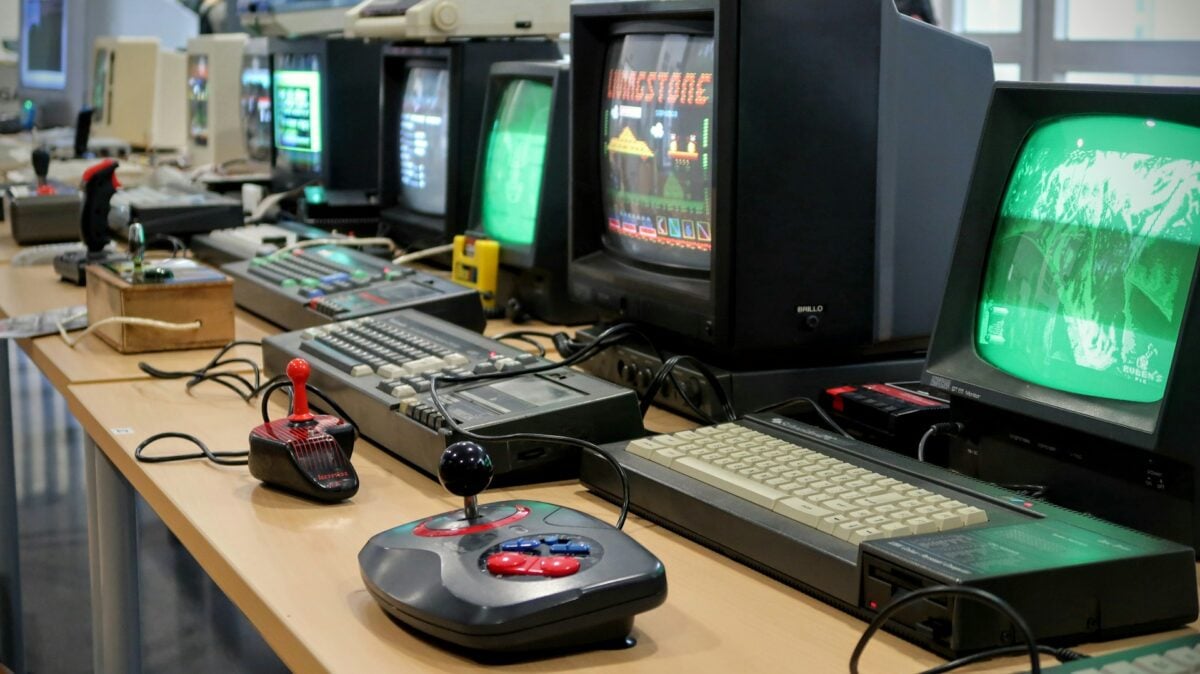
Old consoles did not have much memory, and so games had to be short. Programmers became creative by making them hard or the game would simply loop repeatedly.
That is the reason why most early games pretty much didn’t have endings. You just played until you lost.
The challenge was the payoff.
Like Go2Tutors’s content? Follow us on MSN.
CD-based systems often loaded slower than cartridges

When CDs replaced cartridges during the 90s, it seemed the future had finally arrived. But early CD consoles like the Sega CD or PlayStation were prone to slow loading times.
Compared to the instant playing of cartridges, it was in the wrong direction speed-wise. But the enhanced graphics and sound made up for it.
Players adjusted gradually.
What we remember and what we forget
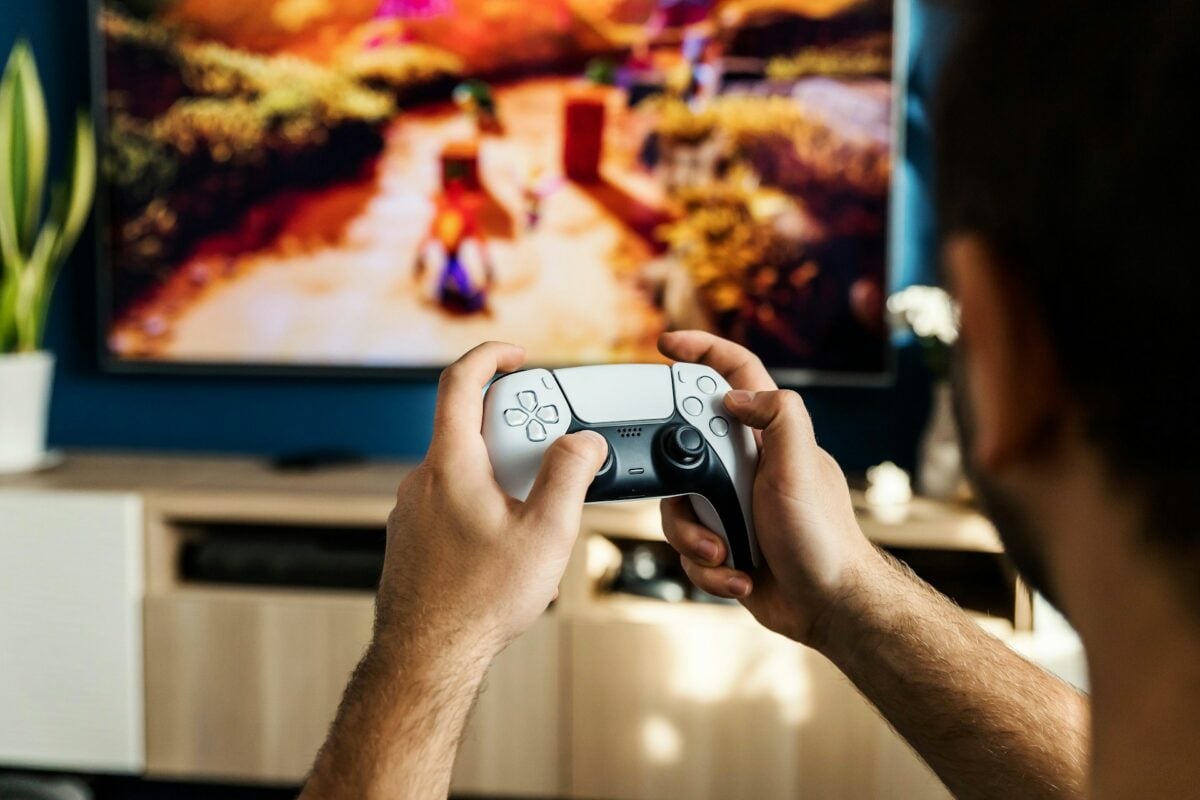
In hindsight, these original video game consoles were filled with wacky ideas, goofy designs, and creative workarounds. They appear charming by modern standards, but each was accountable in some measure for the games available today.
Folks overlook the rough patches because the memories are linked with good times and deep emotions. But remembering the idiosyncrasies offers a perspective on how far things have evolved.
The past wasn’t that wonderful, but it was the precursor to something that keeps getting better.
More from Go2Tutors!

- 16 Historical Figures Who Were Nothing Like You Think
- 12 Things Sold in the 80s That Are Now Illegal
- 15 VHS Tapes That Could Be Worth Thousands
- 17 Historical “What Ifs” That Would Have Changed Everything
- 18 TV Shows That Vanished Without a Finale
Like Go2Tutors’s content? Follow us on MSN.



