Ancient Culture Clues Found in Daily Objects
The most powerful stories about ancient people don’t always come from grand monuments or royal tombs. Sometimes a broken cooking pot or a worn-out comb tells us more about how people actually lived than any carved stone ever could.
These everyday items survived thousands of years, and they’re still talking if we know how to listen. Archaeologists call these finds ‘material culture,’ but that fancy term just means the stuff people touched, used, and tossed aside every single day.
Let’s look at what these ordinary objects reveal about extraordinary lives from long ago.
Combs reveal social status and hygiene habits
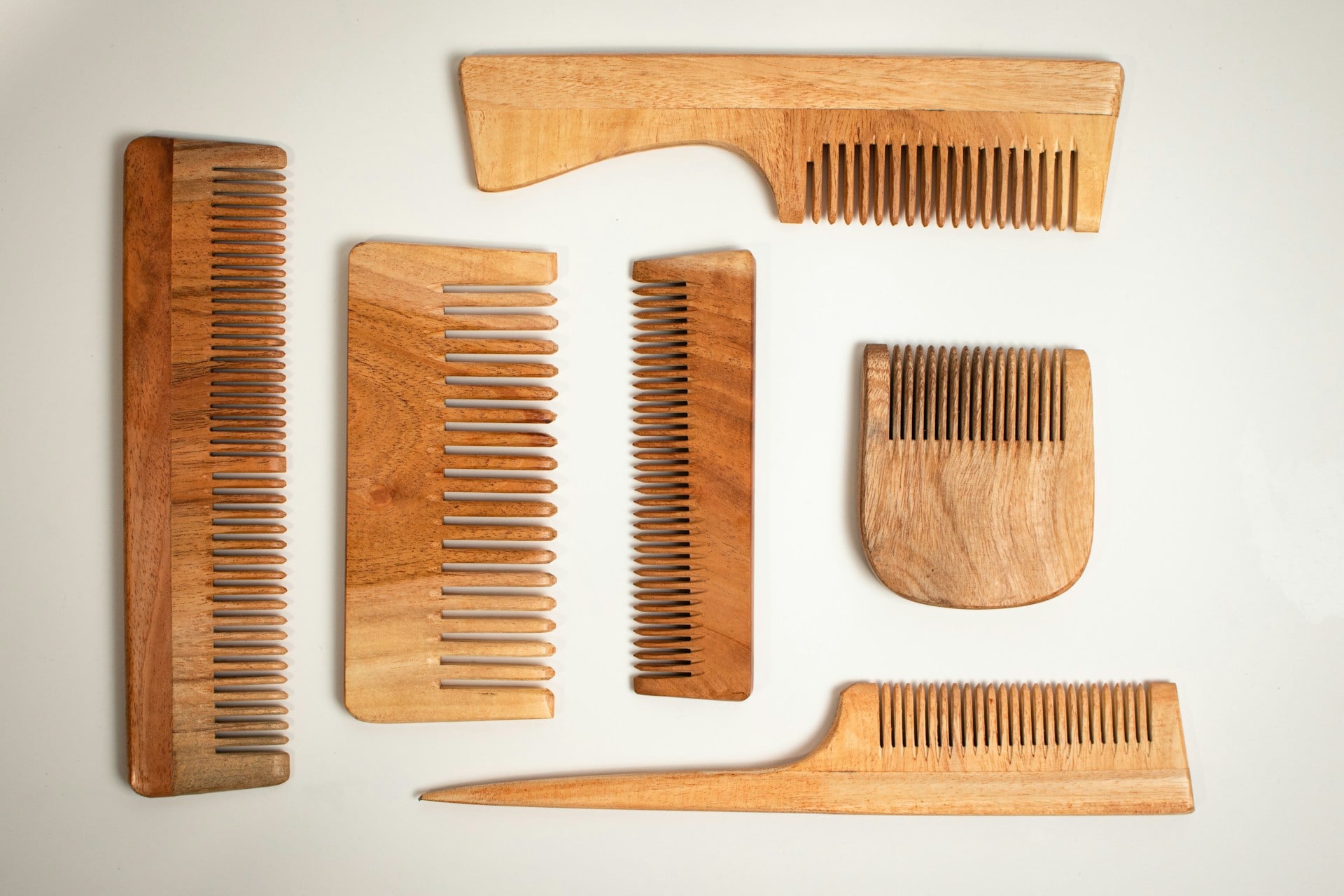
Ancient combs weren’t just for untangling hair. The materials used to make them showed exactly where someone stood in society.
Rich Egyptians carried ivory combs with decorated handles, while common workers made do with wood or bone. Some Viking combs had such tiny, precise teeth that experts think people used them to hunt for lice, which means even fierce warriors dealt with the same annoying problems we face today.
Cooking pots show what people actually ate

You can read ancient recipes all day long, but a crusty cooking pot tells the real story. Scientists now scrape residue from the insides of old pots and analyze what’s stuck there.
They’ve found traces of beer in Chinese pottery from 5,000 years ago and dairy products in vessels from early farming communities. One Roman pot even had fish sauce residue, proving that ancient people loved their condiments just as much as anyone standing at a kitchen counter today.
Shoes explain how far people traveled

Worn-out sandals and boots map ancient journeys better than most written records. The Iceman, that frozen body found in the Alps, wore shoes stuffed with grass for insulation, showing he understood mountain weather.
Roman military sandals had hobnails on the bottom that wore down in specific patterns, letting archaeologists track which roads soldiers marched on most often. Some ancient shoes show repairs upon repairs, suggesting people walked incredible distances and couldn’t afford to throw anything away.
Toys prove children played similar games

Kids in ancient Rome played with dolls that had movable arms and legs. Egyptian children rolled hoops down streets and played with spinning tops.
Archaeologists have found tiny clay animals, miniature cooking sets, and even ancient board games with the pieces still inside. These discoveries smash the myth that childhood is a modern invention.
Parents five thousand years ago watched their kids play pretend, get bored, and beg for new toys.
Makeup containers indicate beauty standards

Ancient people cared deeply about appearance, and their cosmetic containers prove it. Egyptian kohl pots held eye makeup made from lead and copper, which protected eyes from the desert sun while making people look flashier.
Greek and Roman women stored face creams in tiny alabaster jars, some with fingerprints still visible inside. Korean women from a thousand years ago used mother-of-pearl makeup boxes so beautiful that museums display them as art, but they were just bathroom items back then.
Dice and game pieces track gambling habits

Humans have always loved taking chances. Archaeologists keep finding dice in ancient trash heaps, taverns, and even temples.
Roman soldiers carved dice from bone during long military campaigns. Some ancient dice were weighted to cheat, proving that scammers existed in every era.
Board game pieces show up in unexpected places too, like a Viking game set buried with a warrior woman, suggesting she enjoyed strategy games as much as battle.
Lamps illuminate daily schedules

Before electricity, people’s entire lives revolved around daylight and fire. Oil lamps found in homes reveal when people woke up, worked, and went to bed.
Romans mass-produced cheap clay lamps that burned olive oil, and the soot patterns on ceilings show which rooms got used at night. Some lamps have maker’s marks stamped on the bottom, turning them into ancient advertisements.
The most interesting lamps come with decorations that show us what made people laugh, because many featured jokes or funny scenes.
Writing tablets expose school lessons

Wooden and wax tablets used by students survive in surprising numbers. Roman schoolchildren practiced their alphabet on these reusable surfaces, and some tablets still show teacher corrections.
One tablet from ancient Egypt contains a student’s math homework with all the wrong answers. Another has a bored kid’s doodles in the margins.
These items prove that education stressed reading, writing, and arithmetic in ancient times, and that students daydreamed through boring lessons just like they do now.
Fishing hooks demonstrate food sources

Different cultures developed wildly different fishing technology, and their hooks show incredible creativity. Pacific Islanders carved hooks from shells and bones that could catch specific fish species.
Ancient Scandinavians made iron hooks that could handle deep-sea fishing in harsh northern waters. The size and shape of hooks found at archaeological sites tell researchers which fish people targeted and which seasons they fished in.
Some hooks show modification marks where fishermen customized them for local conditions.
Needles and thread indicate clothing complexity
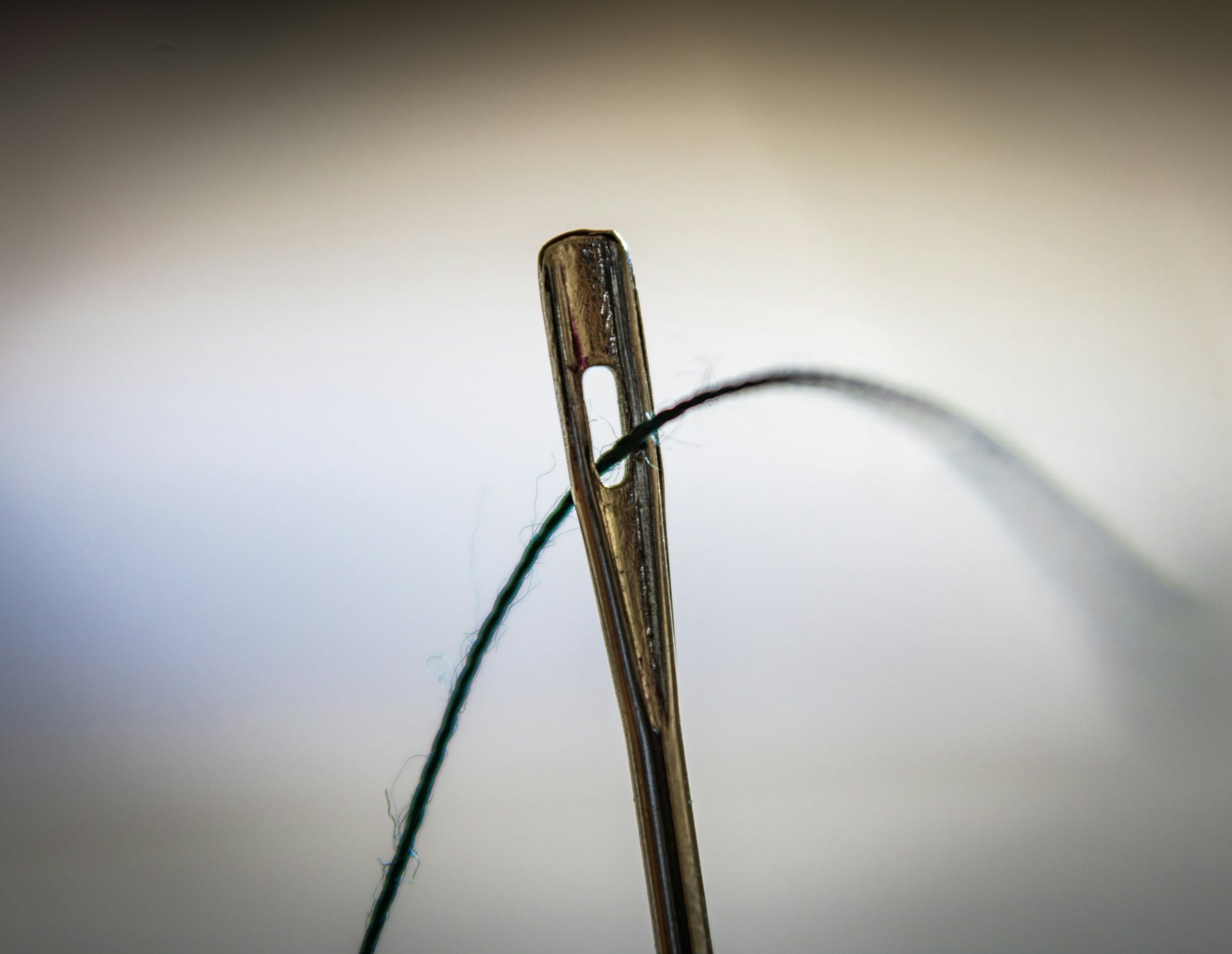
Bone needles date back over 40,000 years, making them one of humanity’s oldest tools. The eye of the needle matters a lot, because smaller eyes mean finer thread and more detailed work.
Ancient people who lived in cold climates made needles from ivory that could stitch thick furs into weatherproof clothing. Mediterranean cultures used bronze needles for linen garments with elaborate embroidery.
Finding needles in certain locations helps archaeologists figure out whether people made clothes at home or had specialized tailors.
Weights and measures show trade networks

Small stone weights found across ancient trade routes used standard measurements, proving that merchants from different cities needed to agree on fair exchange. Mesopotamian merchants carried sets of weights that matched Babylonian standards.
Egyptian weights often had the actual weight carved right on them to prevent cheating. When archaeologists find the same weight system in two distant cities, they know those places traded with each other regularly, even if no written records survived.
Musical instruments reflect entertainment

Flutes made from bird bones date back 40,000 years. Ancient drums, bells, and rattles show up in graves, temples, and homes.
Romans had a type of water organ that needed enslaved people to pump air constantly, suggesting music was important enough to dedicate serious labor to it. Some instruments came with decorations that depicted the gods they honored, while others were plain and practical.
Either way, every culture made noise for celebration, mourning, and religious ceremonies.
Plates and bowls reveal eating customs

The shape of dinnerware shows how people ate their meals. Cultures that ate with their hands used wide, flat plates.
Chopstick cultures developed bowls with specific rim designs. Romans reclined while eating, so their dishes had flat bottoms that wouldn’t tip over.
Broken pottery shards, called sherds, pile up by the millions at ancient sites, and archaeologists can date them precisely because styles changed often. Some plates even have writing on them, like party invitations or ownership marks.
Tools display technological innovation

A single axe head can reveal whether ancient people understood metal smelting or still used stone. Tool marks on buildings show which implements workers used and how skilled they were.
Ancient saws, hammers, and chisels look surprisingly similar to modern versions because the basic physics of cutting and shaping haven’t changed. Some tools show wear patterns that indicate whether the user was right-handed or left-handed, adding personal details to objects that seem completely impersonal.
Pottery stamps acted like old-school labels

Many groups left signs on their clay work, making each pot a kind of story piece. Roman lamp makers carved labels so experts today can follow where goods moved through ancient times.
In China, pottery carried symbols showing who fired it and under which ruler’s rule. Those markings did more than look nice – they meant trust in how well things were made.
If the same symbol pops up far apart, scholars trace old exchange paths spanning huge distances.
Boxes show how stuff’s kept

Amphorae – those pointy jars from around the Mediterranean – are full of hidden tales. Since they were designed to fit tight in boat cabins, how they looked depended on what was inside.
Wine versions weren’t like oil ones, while sauce pots stood out too. The dirt used often gives away its origin, as local earth varied by area.
Experts have sniffed old jars and caught whiffs of whatever sloshed around back then.
Keys plus locks point to safety issues

Ancient folks feared stolen goods – same as now. Inside Egyptian wood locks, pins slid down; you’d need a big wooden tool to raise them.
The Romans built iron versions with bits that clicked neatly into place. Spotting locks on some structures but missing from others hints at where safety mattered most.
Personal things – say, jewelry cases – came with small locks, showing folks preferred storing prized stuff at home instead of trusting banks. How tricky those locks were tells us just how skilled their metal craft really was.
Signs from old times proved who someone was

Back then, folks used stamps instead of signing – pushing them into wet clay or wax to mark a paper as real. Each stamp had its own look, some basic marks, others full little pictures.
A few featured clan emblems; meanwhile, some pictured beloved deities or creatures. Spotting a person’s seal? That was basically holding their ID plus approval in one go.
Big shots had several seals for various uses – picking the wrong one might scrap a deal completely. Stamp marks found at old spots show who traded or dealt with who, laying out whole webs of connections.
What comes after we follow the things around us

These simple things stuck around even after kingdoms crumbled and tongues vanished. They link us to folks who’d never guess someone’d give a second thought to their chipped bowls or worn-out combs millennia down the line.
Each dig turns up stuff that shakes up old beliefs, swapping certainties for curiosity and puzzles for proof. Chances are, the big reveal about how ancients lived won’t come from treasure – but from everyday junk tossed aside without a glance.
More from Go2Tutors!

- The Romanov Crown Jewels and Their Tragic Fate
- 13 Historical Mysteries That Science Still Can’t Solve
- Famous Hoaxes That Fooled the World for Years
- 15 Child Stars with Tragic Adult Lives
- 16 Famous Jewelry Pieces in History
Like Go2Tutors’s content? Follow us on MSN.