18 Historical Events That Were Actually Accidents
History books tend to paint world-changing events as carefully planned and intentional. But behind some of the biggest turning points in human history? Total accidents. A missed message, a wrong turn, or an unintended spark led to major shifts in power, invention, and culture. These weren’t grand strategies—they were unplanned surprises with permanent effects.
Here is a list of 18 historical events that weren’t supposed to happen—but did, and changed the course of history anyway.
The Discovery of Penicillin

Alexander Fleming wasn’t trying to start a medical revolution. He was just a bit messy. After returning from vacation in 1928, he found that mold had contaminated a petri dish—and killed the bacteria around it.
That accidental growth led to penicillin, the world’s first true antibiotic, which would go on to save millions of lives.
The Great Fire of London

In 1666, a small fire in a bakery on Pudding Lane got out of control fast. Most people thought it could be put out easily, but high winds and dry wooden buildings turned it into a massive blaze.
It wiped out most of the city’s medieval core. Though devastating, it also forced London to modernize its infrastructure and building codes.
The Louisiana Purchase

Napoleon never meant to sell the whole Louisiana Territory. He just wanted to get rid of some land he couldn’t defend. But after a slave uprising in Haiti and tensions in Europe, he offered to sell the entire area to the U.S. for cheap.
Thomas Jefferson jumped at the deal, doubling the size of the country in one accidental bargain.
The Fall of the Berlin Wall
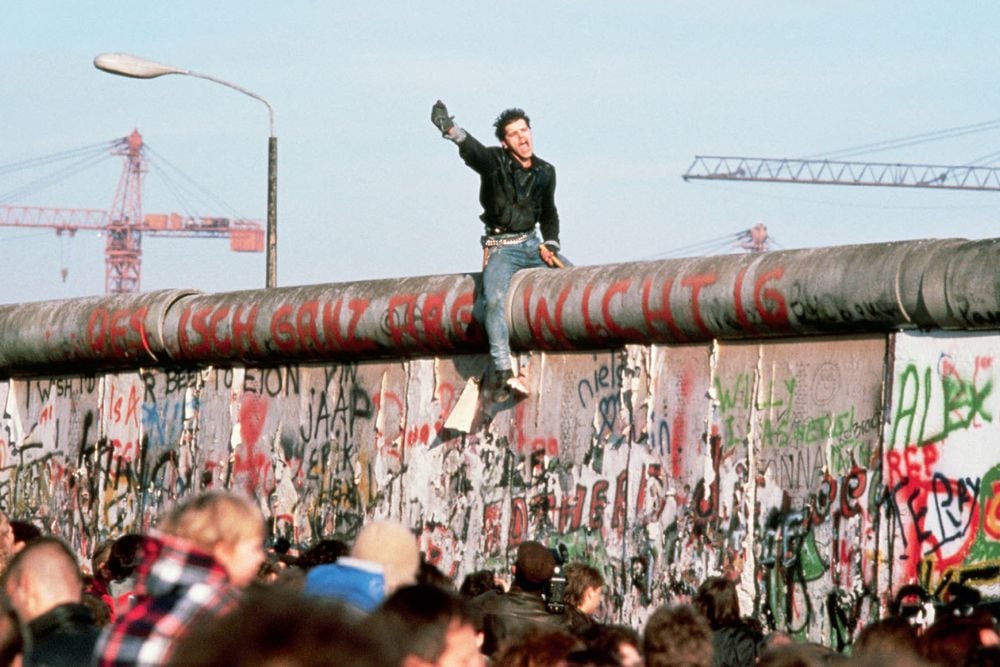
East German officials fumbled a press conference in 1989, announcing relaxed travel rules without proper planning. When asked when the border would open, the spokesperson guessed, ‘Immediately.’
Crowds flooded the wall, and the guards, confused and unprepared, let them through. What should’ve been a slow reform turned into the fall of the Iron Curtain overnight.
The Discovery of America by Columbus
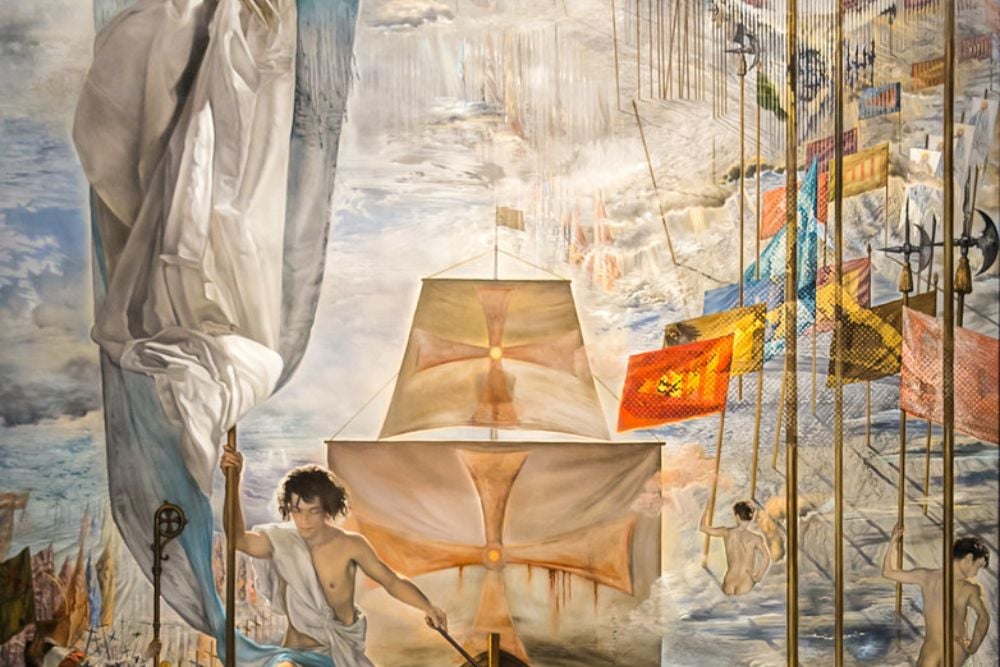
Columbus wasn’t looking for a new continent—he was aiming for a shortcut to Asia. His math was off, his maps were optimistic, and he ran into the Americas completely by accident.
He never realized he hadn’t reached Asia. Still, his unintended landfall reshaped the world in ways no one could have predicted.
The Invention of the Microwave

Percy Spencer was testing radar equipment during World War II when he noticed a chocolate bar in his pocket had melted. Curious, he experimented further and ended up inventing the microwave oven.
Heating food with invisible waves wasn’t the goal—but it turned out to be a pretty useful side effect.
The Trojan War Spark

The war between the Greeks and the Trojans didn’t start with politics or territory. It started because Paris of Troy accidentally picked the ‘wrong’ goddess in a beauty contest.
That led to Helen’s abduction—or elopement, depending on the version—and a full-scale war. One bad decision at a godly pageant turned into a decade-long siege.
Mount Vesuvius Eruption

The eruption that buried Pompeii wasn’t unusual for a volcano—but the fact that anyone was there to witness it was. Roman settlers thought the mountain was long dormant.
When it blew in 79 AD, it caught everyone off guard. That tragedy accidentally preserved an entire Roman city in ash, giving modern archaeologists a window into everyday life 2,000 years ago.
The Start of World War I

The assassination of Archduke Franz Ferdinand wasn’t supposed to succeed. The original bombing failed.
Later that day, one of the conspirators was sulking near a café when the Archduke’s driver took a wrong turn—right into his path. A chance encounter and a bad map triggered one of the deadliest wars in human history.
The Suez Canal Crisis
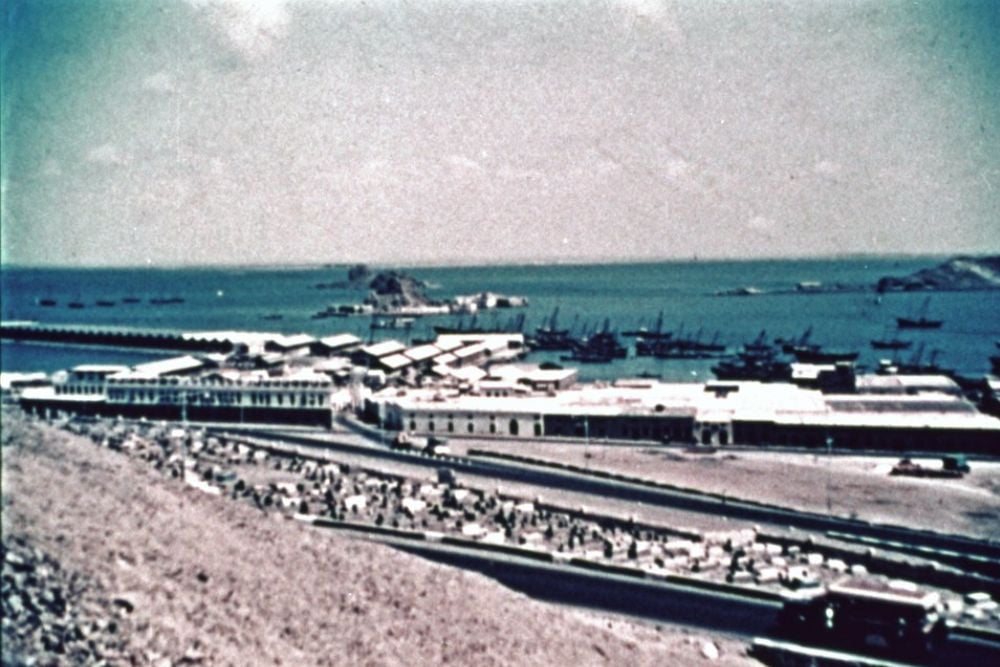
In 1956, Egypt nationalized the Suez Canal, which had long been under British and French control. The resulting invasion by Britain, France, and Israel was meant to be swift and quiet.
Instead, global backlash—especially from the U.S. and USSR—forced the attackers to back down. What began as a calculated move turned into an accidental turning point in post-colonial politics.
The Domino Theory

During the Cold War, the U.S. government believed that if one country fell to communism, others nearby would follow. That assumption—never actually tested—pushed America into wars in Korea and Vietnam.
It became one of the most influential, and costly, theories in 20th-century foreign policy, all based on a slippery idea rather than clear evidence.
The Invention of Velcro

A Swiss engineer noticed burrs sticking to his dog’s fur during a hike. Instead of brushing them off, he looked closer and saw tiny hooks that latched onto fabric and fur.
That accidental observation led to the creation of Velcro, now used everywhere from sneakers to spacecraft.
Nixon’s Tapes

Nixon didn’t mean to record himself plotting a cover-up. The taping system in the White House was meant for reference, not self-destruction. But once the Watergate scandal started unraveling, those tapes revealed more than any investigator could have guessed.
An automatic recorder turned into the key evidence that forced a president to resign.
The Boston Molasses Flood
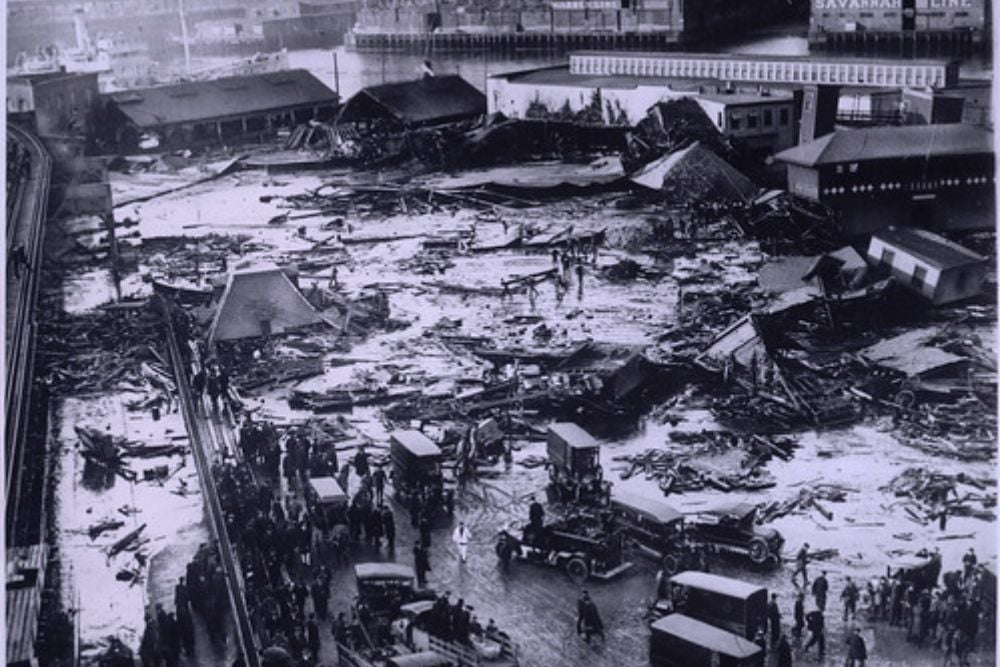
In 1919, a massive storage tank filled with molasses burst in Boston’s North End. The wave of syrup destroyed buildings, knocked over train cars, and killed 21 people.
The disaster was the result of bad engineering and poor oversight—but no one expected a flood of molasses to move fast enough to kill.
The Creation of LSD

Albert Hofmann was researching circulatory stimulants when he accidentally absorbed a chemical through his skin. The unexpected result?
The first recorded LSD trip. What began as a lab experiment turned into a global counterculture symbol, by complete accident.
The Discovery of Neptune

Astronomers noticed Uranus wasn’t orbiting quite right and figured something else had to be tugging at it. Mathematicians calculated where a mystery planet might be, and telescopes found Neptune right where the math predicted.
The discovery wasn’t planned—it was a response to a wobble, solved by guesswork and luck.
The D-Day Weather Delay

D-Day was supposed to launch on June 5, 1944. But unexpected bad weather caused a one-day delay. That accidental shift caught German forces off guard—they assumed no one would invade in such rough conditions.
That delay gave the Allies just enough surprise to gain a foothold in Normandy.
The Mars Climate Orbiter Crash
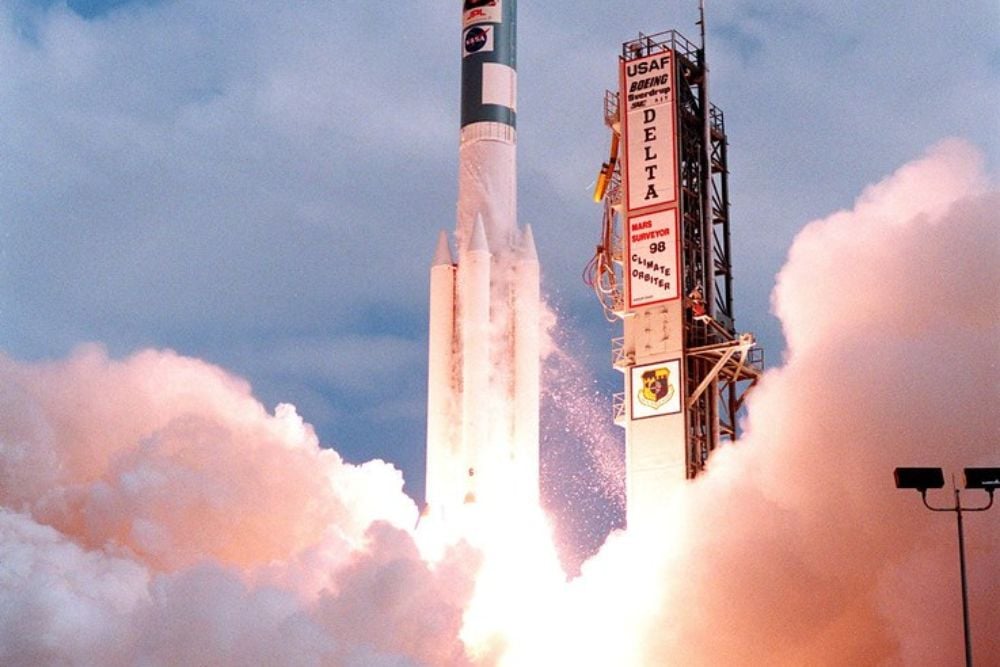
In 1999, NASA lost a $125 million spacecraft because one team used metric units and the other used imperial. The result?
A miscalculation that sent the orbiter crashing into Mars. A simple unit mix-up turned into a massive public embarrassment and a case study in communication failures.
Accidents With Lasting Impact

Plenty of history’s biggest moments weren’t the result of flawless planning—they were the outcome of human error, random chance, or unexpected twists. These accidents left a mark not because they were flawless, but because people reacted to them in big, irreversible ways.
Whether it was a burned loaf of bread or a botched press release, the unintended often ends up shaping the future just as much as the planned.
More from Go2Tutors!

- The Romanov Crown Jewels and Their Tragic Fate
- 13 Historical Mysteries That Science Still Can’t Solve
- Famous Hoaxes That Fooled the World for Years
- 15 Child Stars with Tragic Adult Lives
- 16 Famous Jewelry Pieces in History
Like Go2Tutors’s content? Follow us on MSN.