Ancient Foods That Influenced Today’s Cuisine
Walk into any modern kitchen and you’ll find ingredients that have been around for thousands of years. The bread on your counter, the olive oil in your pantry, and even that jar of honey tucked away in the cupboard all have ancient origins.
These foods didn’t just survive through history—they shaped the way we eat today. What’s remarkable is how little some of these foods have changed.
Ancient civilizations figured out preservation methods, fermentation techniques, and flavor combinations that still work perfectly well in contemporary cooking. Here is a list of ancient foods that helped build the foundation of modern cuisine.
Bread
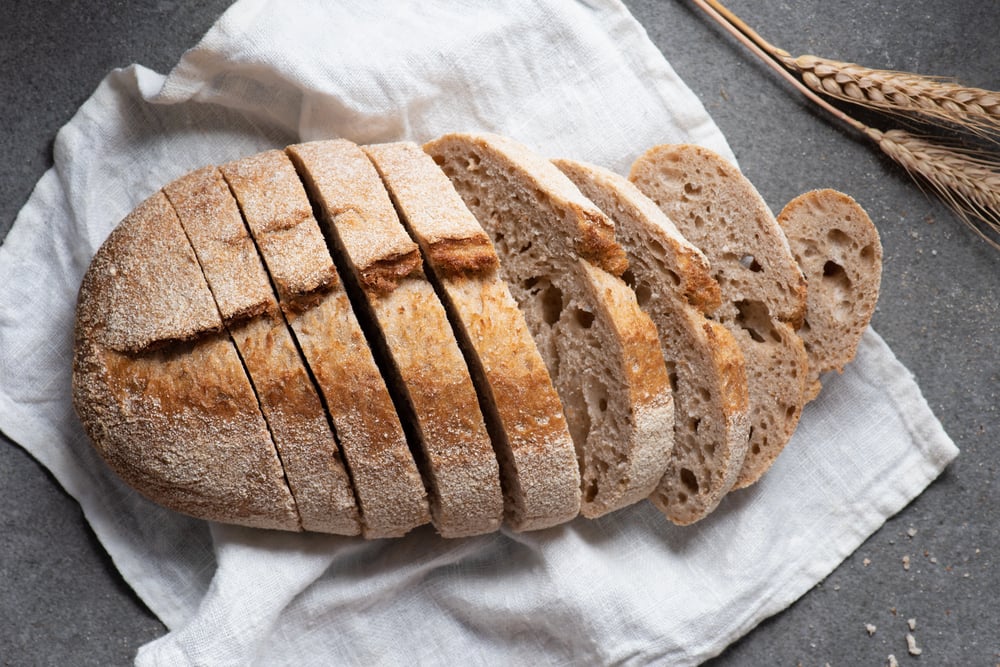
Bread ranks among humanity’s oldest prepared foods, with evidence dating back roughly 14,000 years to ancient Jordan. Early versions were simple flatbreads made from ground grains mixed with water and cooked on hot stones.
The Egyptians later discovered fermentation around 2600 BCE, creating the first leavened bread that actually rose and developed more complex flavors.
Beer

Beer production goes back about 10,000 years, with some of the earliest evidence found in modern-day Iran. The Sumerians were brewing it by 3500 BCE, and it quickly became a dietary staple rather than just a drink for getting drunk.
Ancient workers received beer as part of their daily wages, and recipes were even written down on clay tablets so the knowledge wouldn’t get lost.
Honey
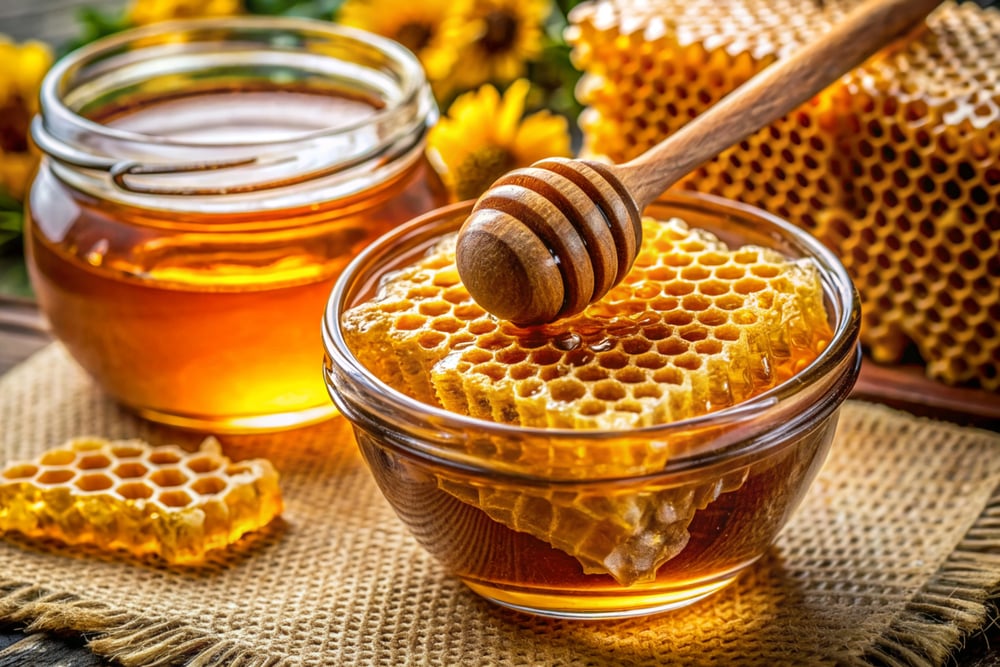
Humans have been collecting honey for at least 8,000 years, as shown by cave paintings in Spain depicting people gathering it from wild bee nests. The ancient Egyptians took things further by actually keeping bees in man-made hives around 2400 BCE.
They used honey for everything from sweetening food to treating wounds, and jars of the stuff were even placed in pharaohs’ tombs for the afterlife.
Olive Oil
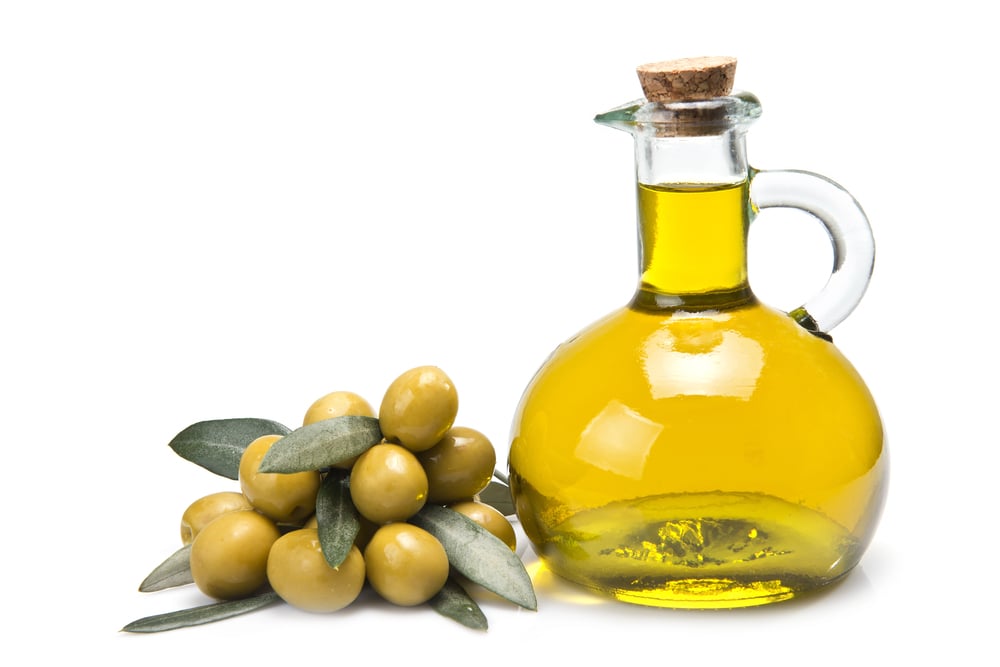
Olive cultivation started around 6,000 years ago in the eastern Mediterranean, and the oil became central to ancient Greek and Roman life. The Greeks didn’t just cook with it—they rubbed it on their skin before athletic competitions, used it as lamp fuel, and even awarded it as prizes at sporting events.
Winners at the Panathenaic Games could take home up to 1,000 gallons of the stuff, which was worth about three years of a carpenter’s wages.
Wine
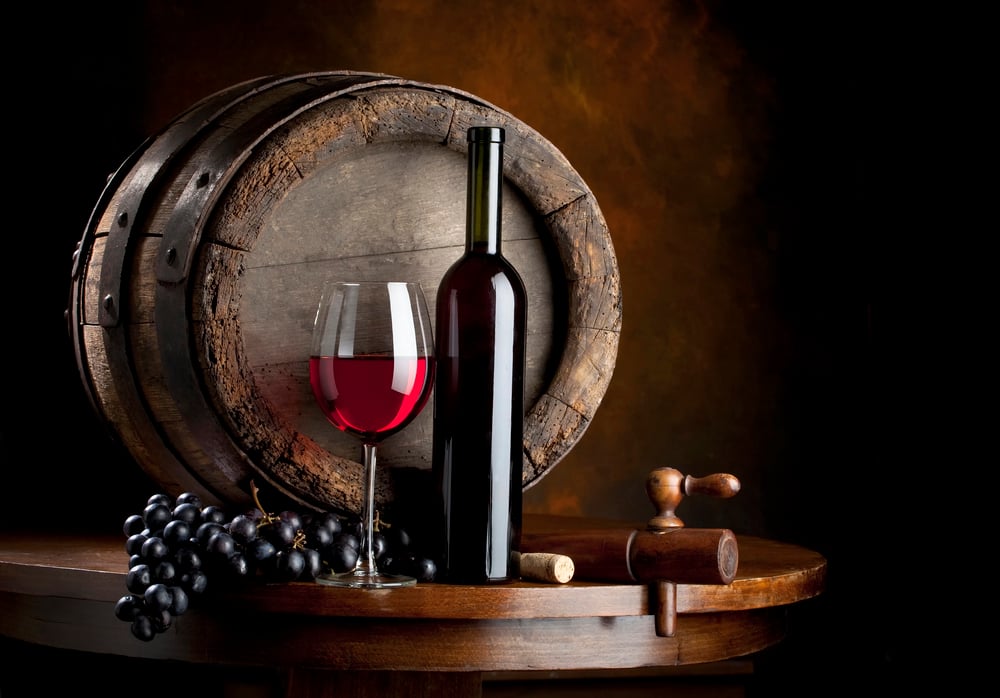
Wine production traces back at least 8,000 years to the region that’s now Georgia. The ancient Greeks and Romans turned wine-making into an art form, developing different varieties and trading them across their empires like people trade craft beers today.
They rarely drank it straight though—mixing wine with water was standard practice, and showing up drunk was considered pretty uncouth.
Cheese
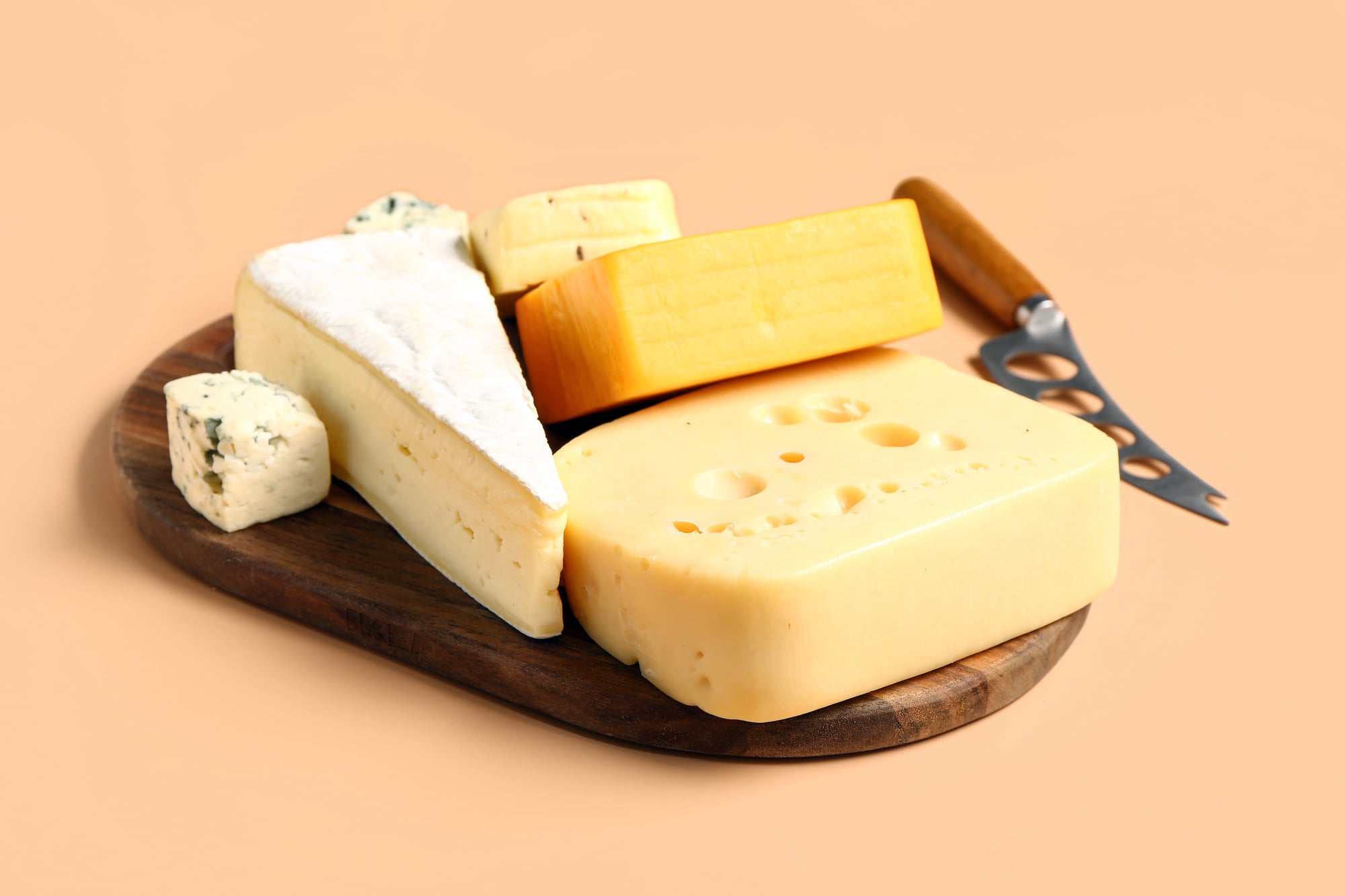
Cheese-making probably began accidentally when milk was stored in pouches made from animal stomachs, which contained natural enzymes that caused curdling. By the time of ancient Rome, cheese had become sophisticated enough that Emperor Diocletian actually set maximum prices for it around 300 CE.
The Romans developed many varieties and even had designated aging caves, much like modern cheese producers.
Pancakes

Pancakes date back over 30,000 years in some form, though early versions were more like hardtack than fluffy breakfast treats. Ancient Egyptians made flat cakes from grain flour cooked on hot stones around 3000 BCE.
The Greeks and Romans ate their pancakes with honey, and these simple cakes became such a staple that they survived through medieval times and evolved into what you flip in your kitchen today.
Sausages

The Babylonians started stuffing meat into animal intestines about 3,000 years ago, creating one of history’s first processed foods. Romans loved their version called ‘salsus’—which is where the word sausage comes from—and ate them during festivals.
The early Christian Church actually tried to ban sausages because of their association with pagan celebrations, but people ignored the ban so thoroughly that officials eventually gave up trying to enforce it.
Popcorn

Native Americans were popping corn at least 5,000 years ago, and the Aztecs used it in ceremonies, even wearing popcorn necklaces and amulets. Columbus and his crew encountered it during their voyages and brought the knowledge back to Europe.
The snack remained fairly niche until the 1950s when television became popular—then popcorn found its perfect partner and became the ultimate TV snack.
Pasta
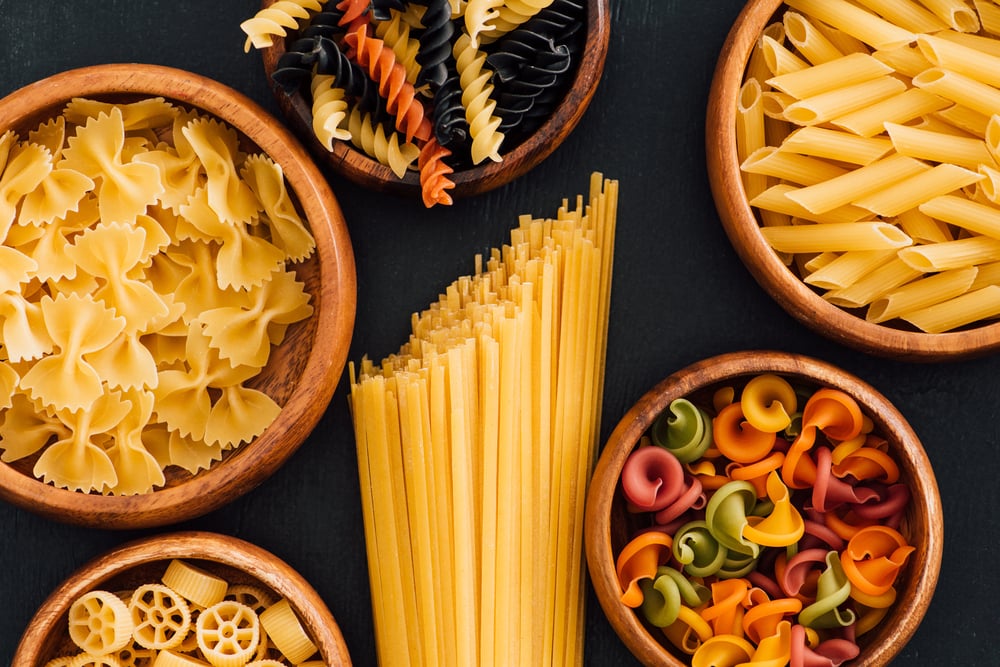
The Etruscans invented testaroli, considered Italy’s oldest pasta, roughly 1,200 years ago. They made a batter and poured it onto hot stones to cook, creating a flat pasta that’s still eaten in parts of Italy today.
While pasta in various forms existed in different cultures, the Italian versions we know developed over centuries into the hundreds of shapes that now fill grocery store aisles.
Cheesecake
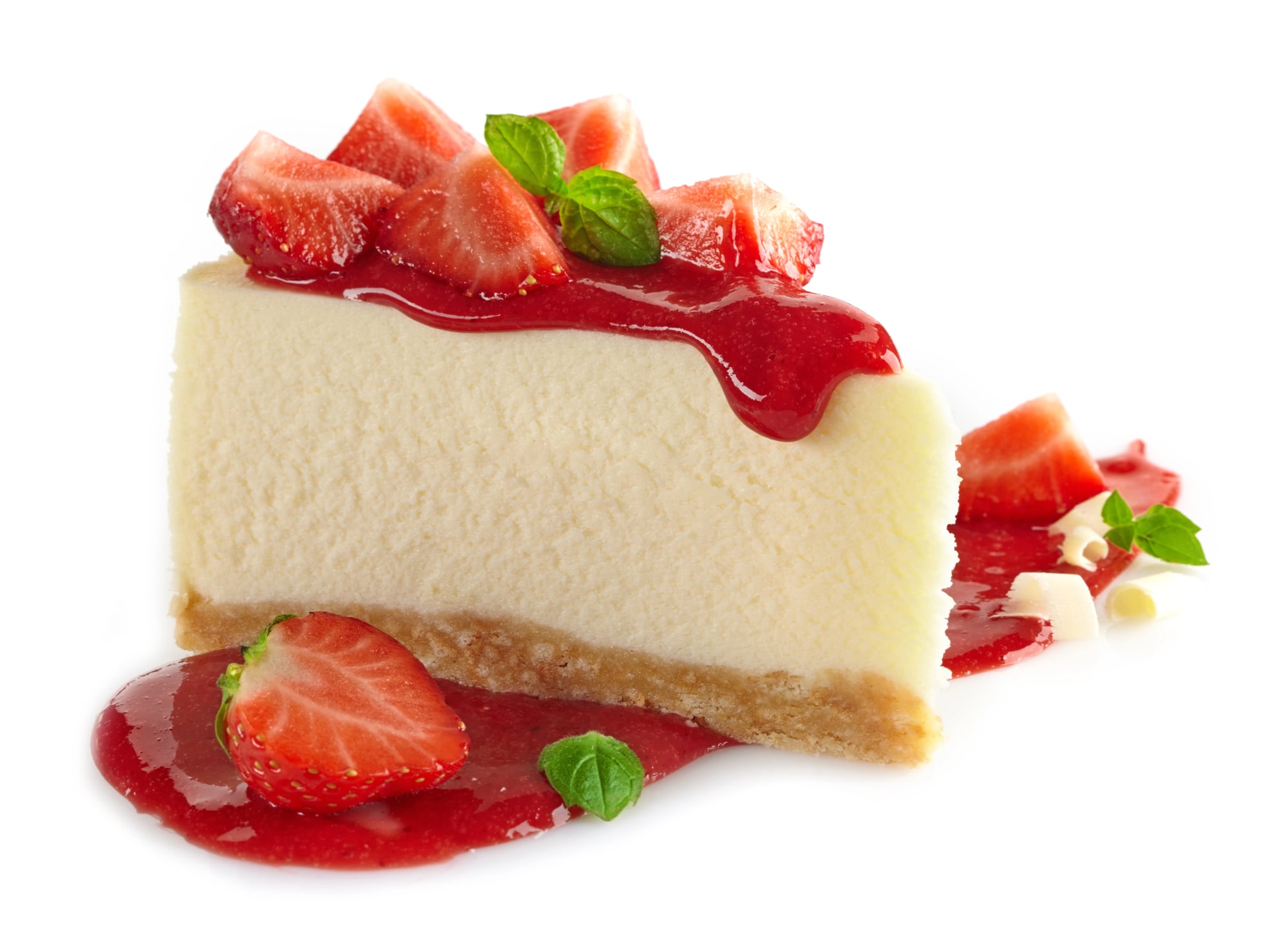
Ancient Greeks served cheesecake at the first Olympic Games in 776 BCE, making it one of the world’s oldest desserts. The original version used simple cheese mixed with honey and wheat flour, baked until set.
Romans later improved the recipe by adding eggs, which made the texture richer and more cake-like—basically creating the ancestor of the New York-style cheesecake that’s famous today.
Baklava

This layered pastry made from phyllo dough, nuts, and honey likely originated in the Assyrian Empire around 800 BCE. The paper-thin dough technique was perfected over centuries, spreading throughout the Middle East and Mediterranean as empires rose and fell.
Each culture adapted the recipe to local tastes, but the basic concept of sweet, crispy layers held together with honey syrup remained remarkably consistent.
Hummus
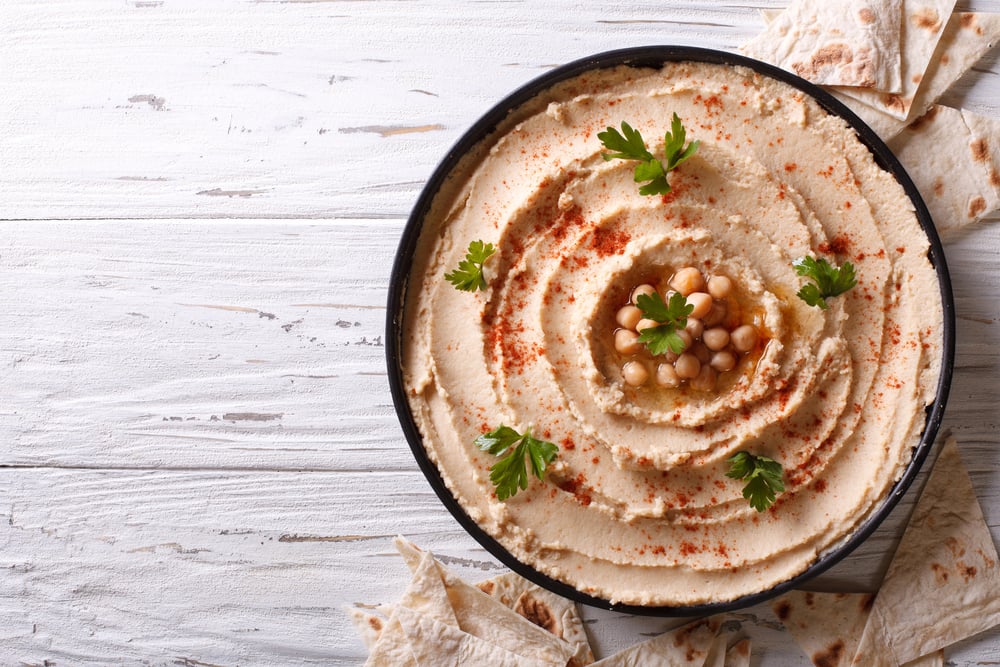
The earliest written mention of hummus appears in a 13th-century Egyptian cookbook, though the dish is probably much older. The combination of chickpeas, tahini, lemon, and garlic created a protein-rich spread that could be stored relatively well in hot climates.
What started as Middle Eastern peasant food has become a global staple, stocked in refrigerators from Brooklyn to Bangkok.
Pickled Foods
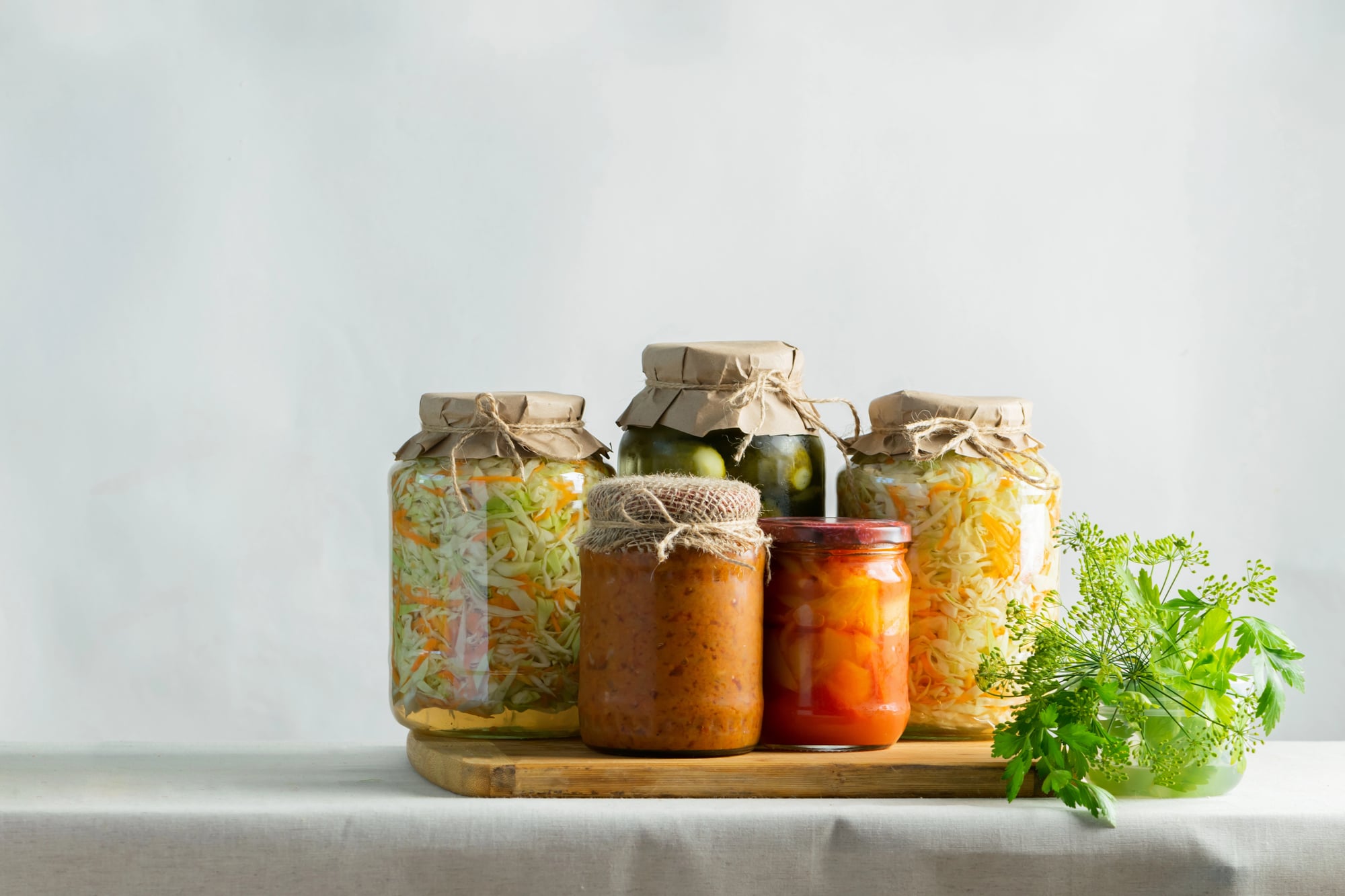
Pickling began in Mesopotamia around 2400 BCE as a way to preserve cucumbers that would otherwise spoil in the heat. The technique spread rapidly because it worked on almost any vegetable and made food last through winter or long journeys.
Ancient people pickled fish, vegetables, and even meats using salt, vinegar, or fermentation—methods that still produce the pickles, kimchi, and sauerkraut found in modern markets.
Pilaf
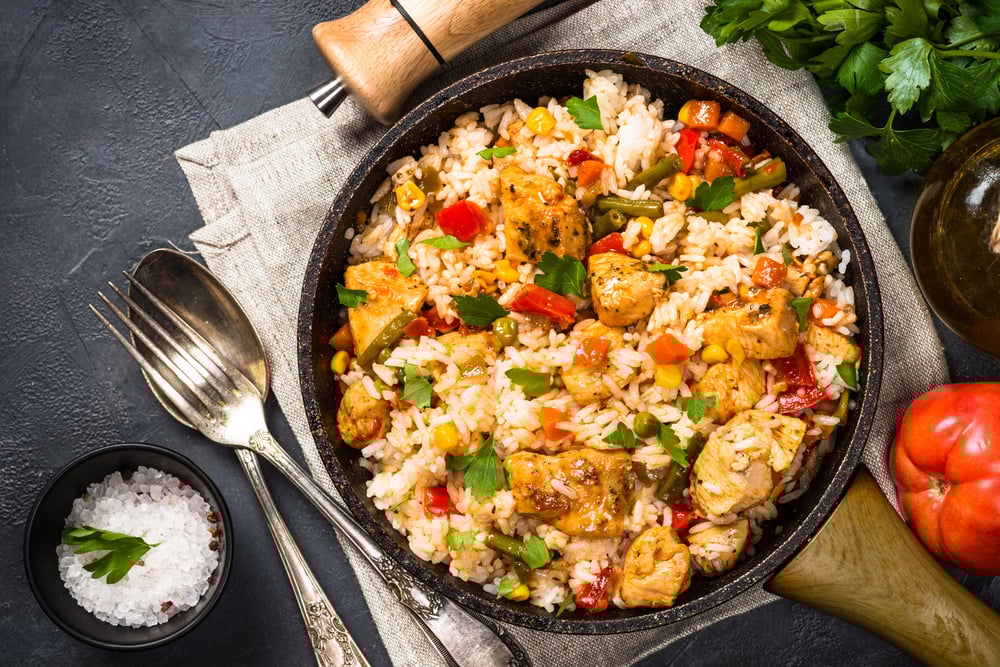
This rice dish appears in ancient texts dating back to around 1000 BCE, with some mentions in the Mahabharata suggesting it existed even earlier. The technique of cooking rice with broth and spices, creating distinct layers, spread from Persia throughout the Middle East and eventually reached Europe.
Spanish paella and countless other rice dishes descended from this ancient cooking method that turned plain rice into something worth celebrating.
From Ancient Hearths to Modern Tables
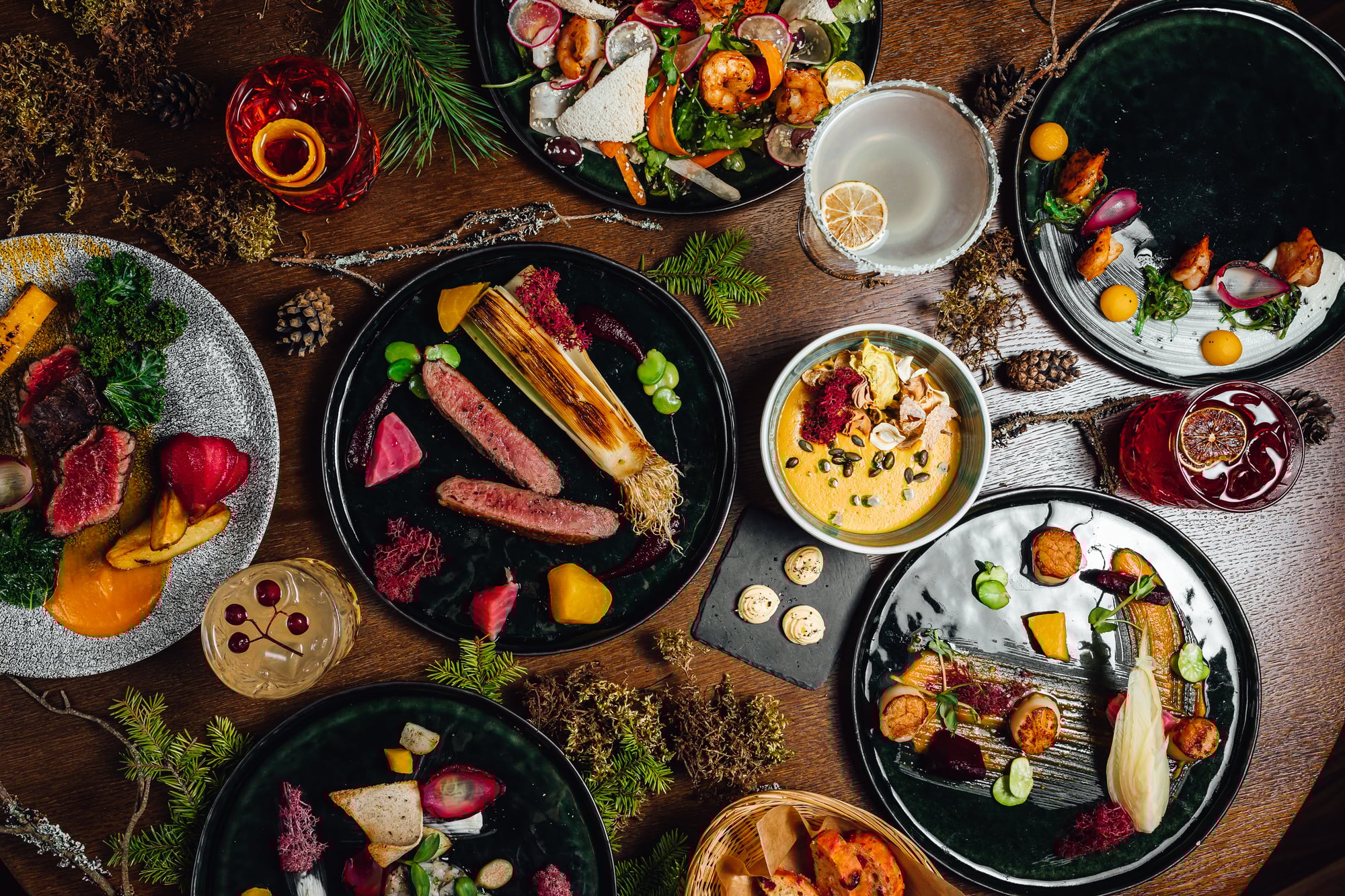
These foods tell a story that stretches across millennia and continents. What started as survival strategies—preserving meat in salt, fermenting fish for flavor, or baking grain into portable bread—became the building blocks of every cuisine you encounter today.
The ancient cooks who first made these foods would probably recognize them on your dinner table, even if the packaging and preparation methods have changed. That continuity connects modern eaters to ancestors who solved the same basic problem: how to make food that tastes good and lasts long enough to share.
More from Go2Tutors!

- The Romanov Crown Jewels and Their Tragic Fate
- 13 Historical Mysteries That Science Still Can’t Solve
- Famous Hoaxes That Fooled the World for Years
- 15 Child Stars with Tragic Adult Lives
- 16 Famous Jewelry Pieces in History
Like Go2Tutors’s content? Follow us on MSN.