15 Discontinued Products in Their Original Packaging
There’s something magnetic about discontinued products still sealed in their original packaging. Maybe it’s the knowledge that what sits inside can never be replaced, or the way these forgotten items carry the weight of their own obsolescence.
Walking through thrift stores or estate sales, stumbling across a mint-condition package of something that vanished years ago feels like discovering buried treasure — except this treasure once sat on grocery store shelves for $2.99.
Crystal Pepsi
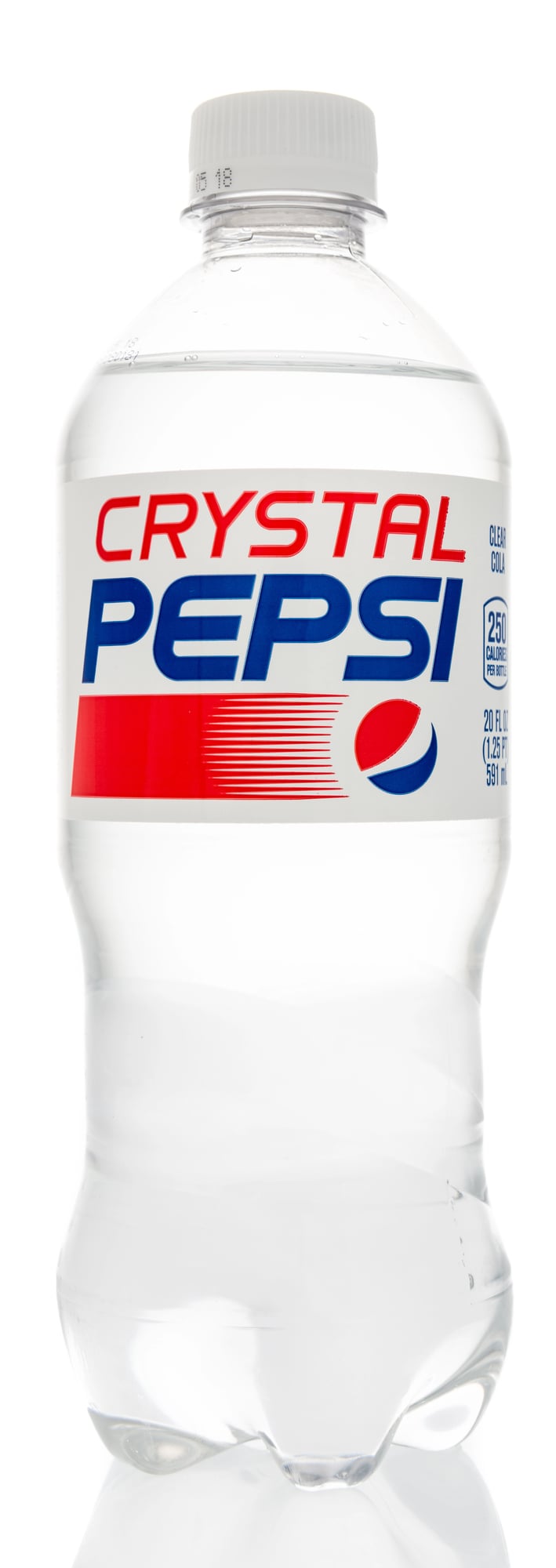
Clear cola was never going to work long-term. The whole appeal of Pepsi lives in its dark, caramel color — strip that away and people get confused.
But Crystal Pepsi bottles from the early 1990s now command serious money from collectors, especially if the liquid inside still looks clear after three decades.
New Coke
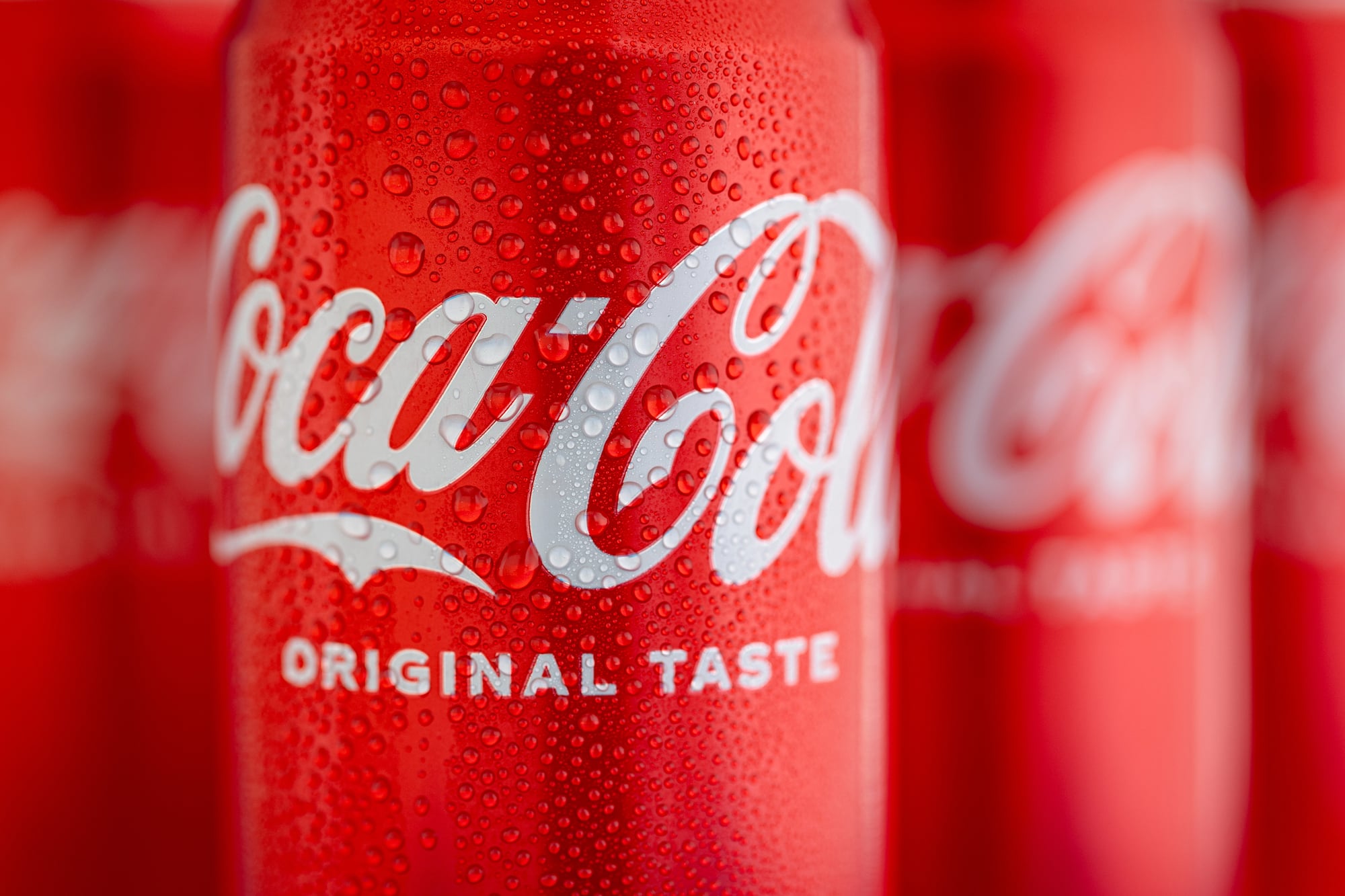
Coca-Cola’s 1985 reformulation lasted exactly 79 days before the company admitted defeat. Original New Coke cans represent one of the most spectacular marketing failures in corporate history, which is precisely why people want them.
The irony tastes better than the soda ever did.
McDonald’s McRib Sauce Packets
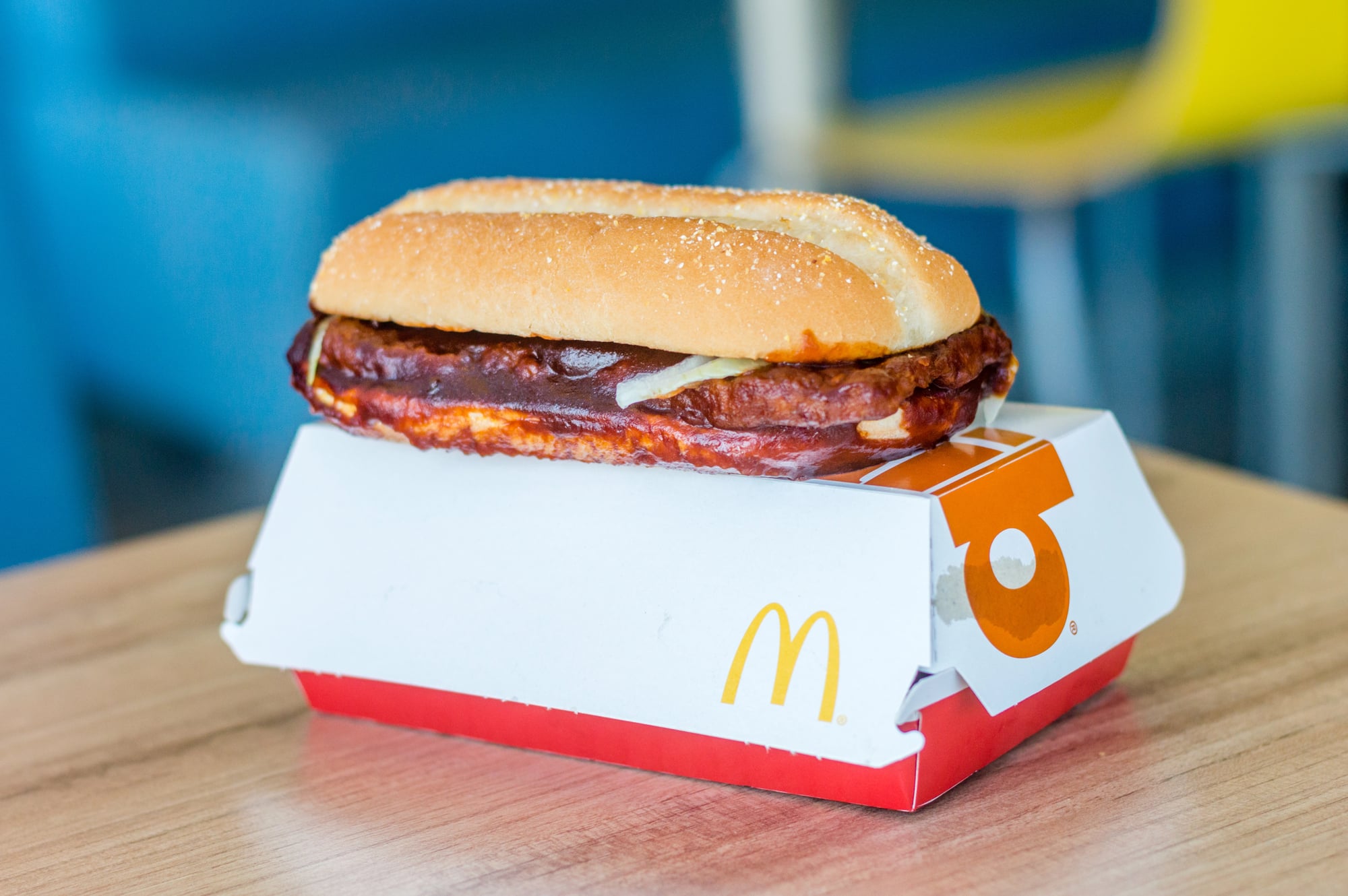
Fast food condiment packets occupy their own strange corner of the collectibles world, and McRib sauce packets (distributed during limited runs throughout the 1980s and 1990s) sit at the top of that particular pyramid.
The McRib itself keeps coming back — but those original sauce packets, the ones that came in the little foil pouches before everything switched to plastic, those are gone for good. And yet here’s the thing about McDonald’s packaging from that era: it was built to last in ways that seem almost defiant now, when everything dissolves if you look at it wrong.
So these packets survive, tucked away in junk drawers and forgotten lunch boxes, waiting for someone to realize what they’ve been holding onto. The sauce inside has probably turned into something resembling barbecue-flavored cement by now (assuming the packet hasn’t leaked, which it probably has), but that’s not really the point.
Blockbuster Video Membership Cards
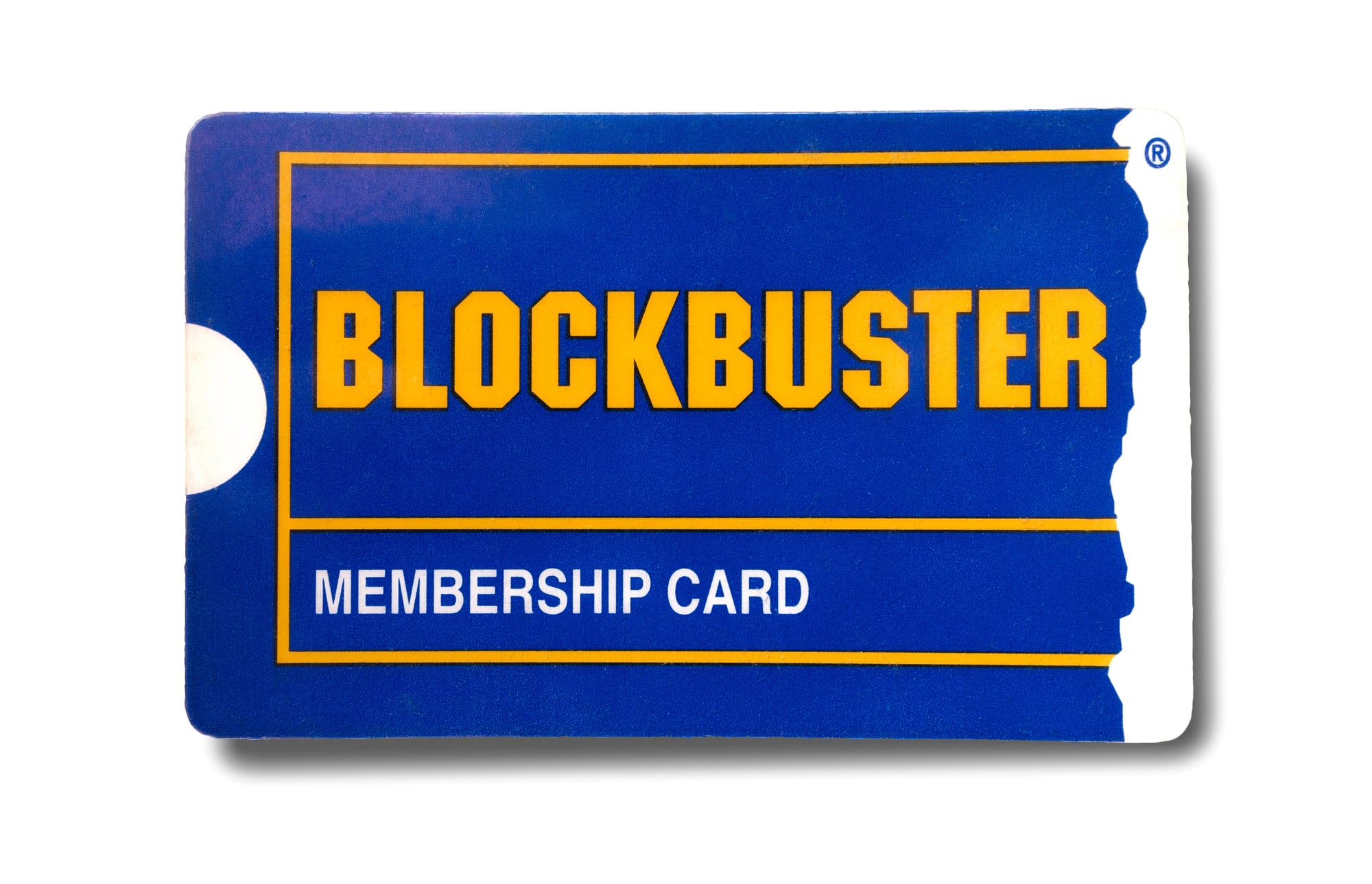
Blockbuster membership cards tell the story of an entire industry that simply stopped existing. These plastic rectangles once held the power to unlock Friday night entertainment for millions of families.
Now they’re relics from the age when choosing a movie required leaving the house.
Polaroid 600 Film Packs
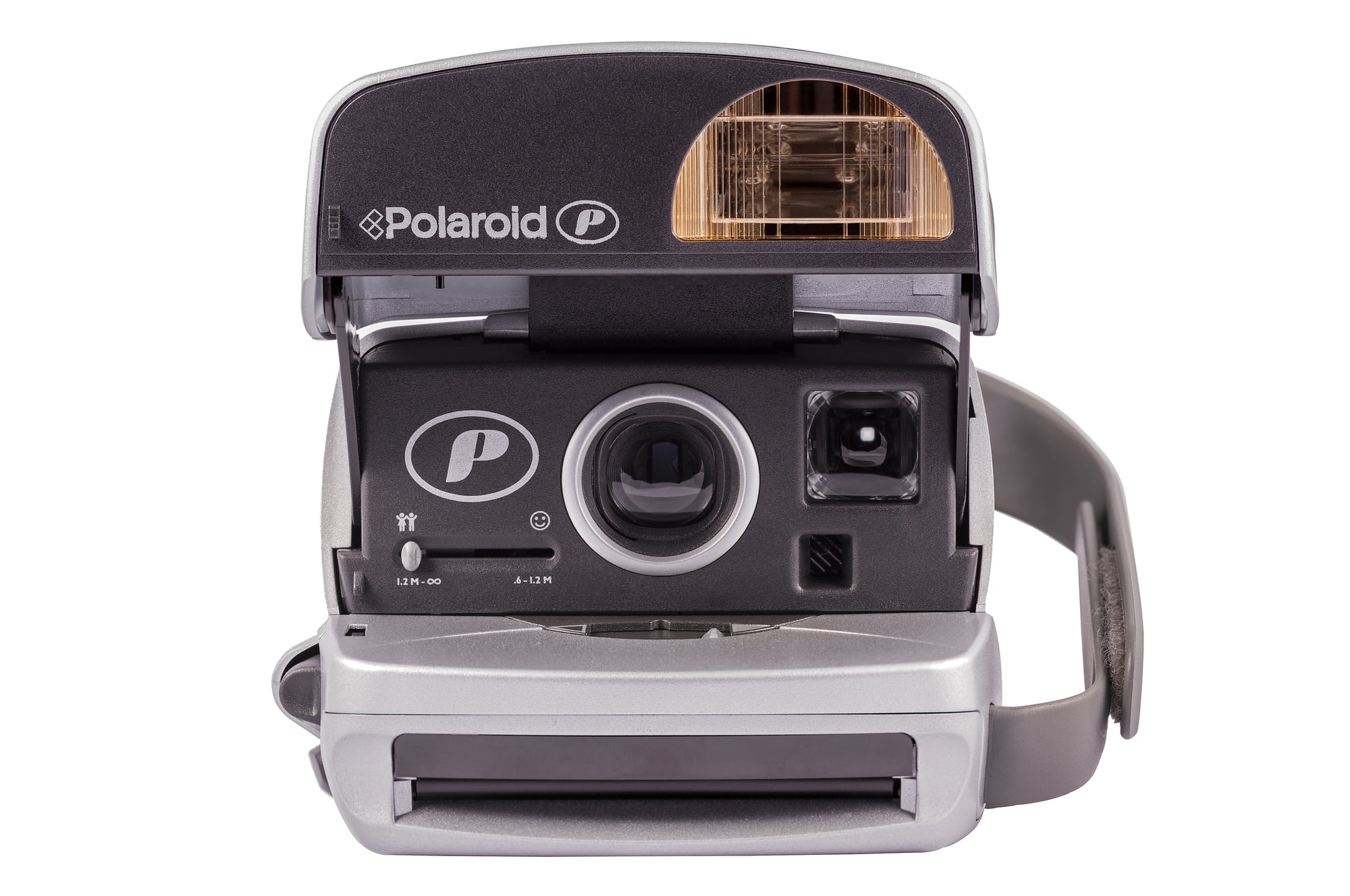
When digital photography killed instant film, it seemed permanent. Polaroid 600 film became worthless overnight — then suddenly priceless years later when analog photography made its comeback.
Original packs with expiration dates from the early 2000s now sell for more than the cameras that use them.
Tab Cola Cans
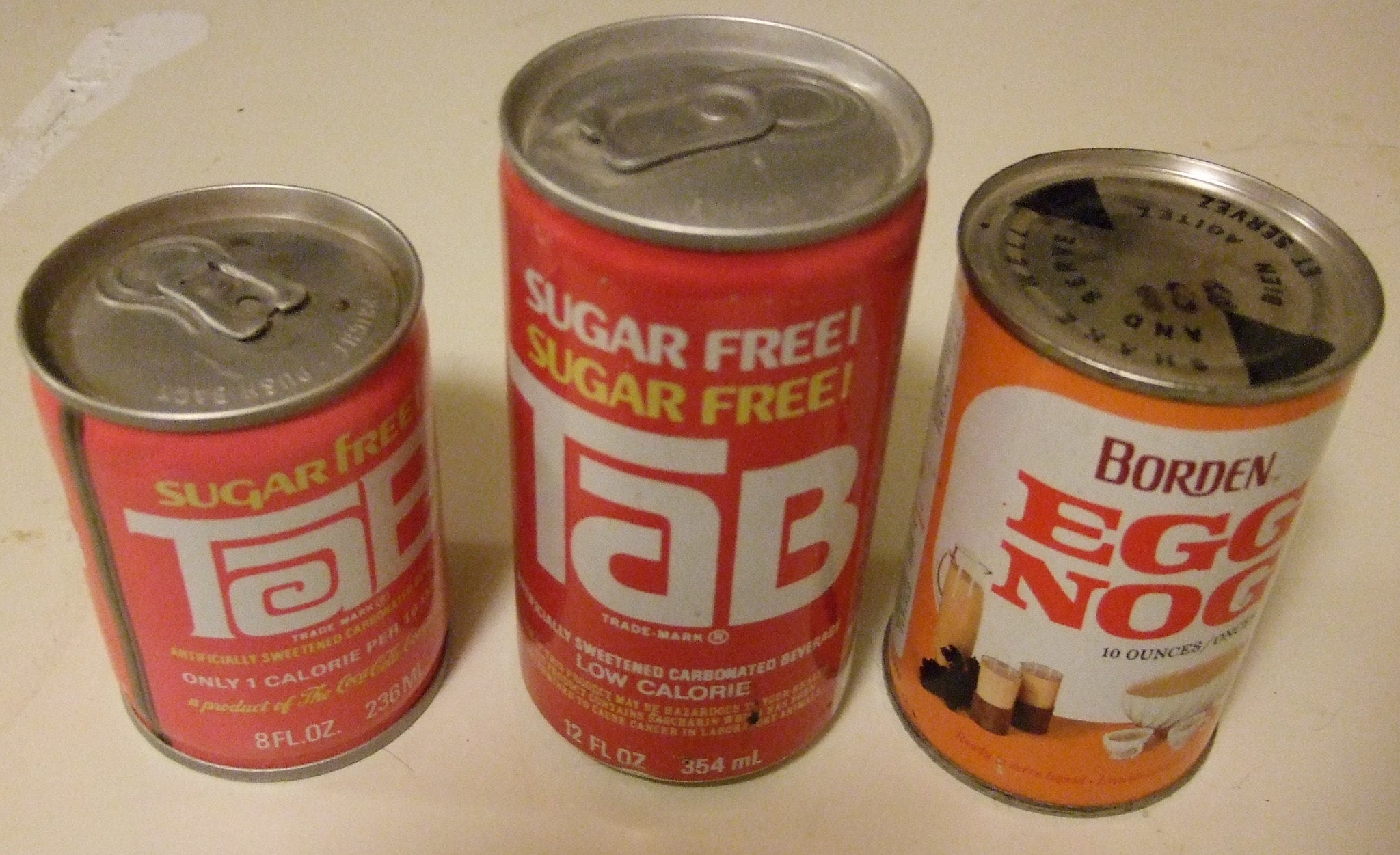
Tab was Coca-Cola’s diet cola before Diet Coke existed, and it maintained a devoted following until production finally ceased in 2020.
The pink-and-white cans became visual shorthand for 1980s excess, which explains why unopened vintage Tab cans feel like artifacts from a more optimistic time. The soda itself was famously terrible — bitter, metallic, and somehow both too sweet and not sweet enough.
But people loved it anyway.
Nintendo Power Glove
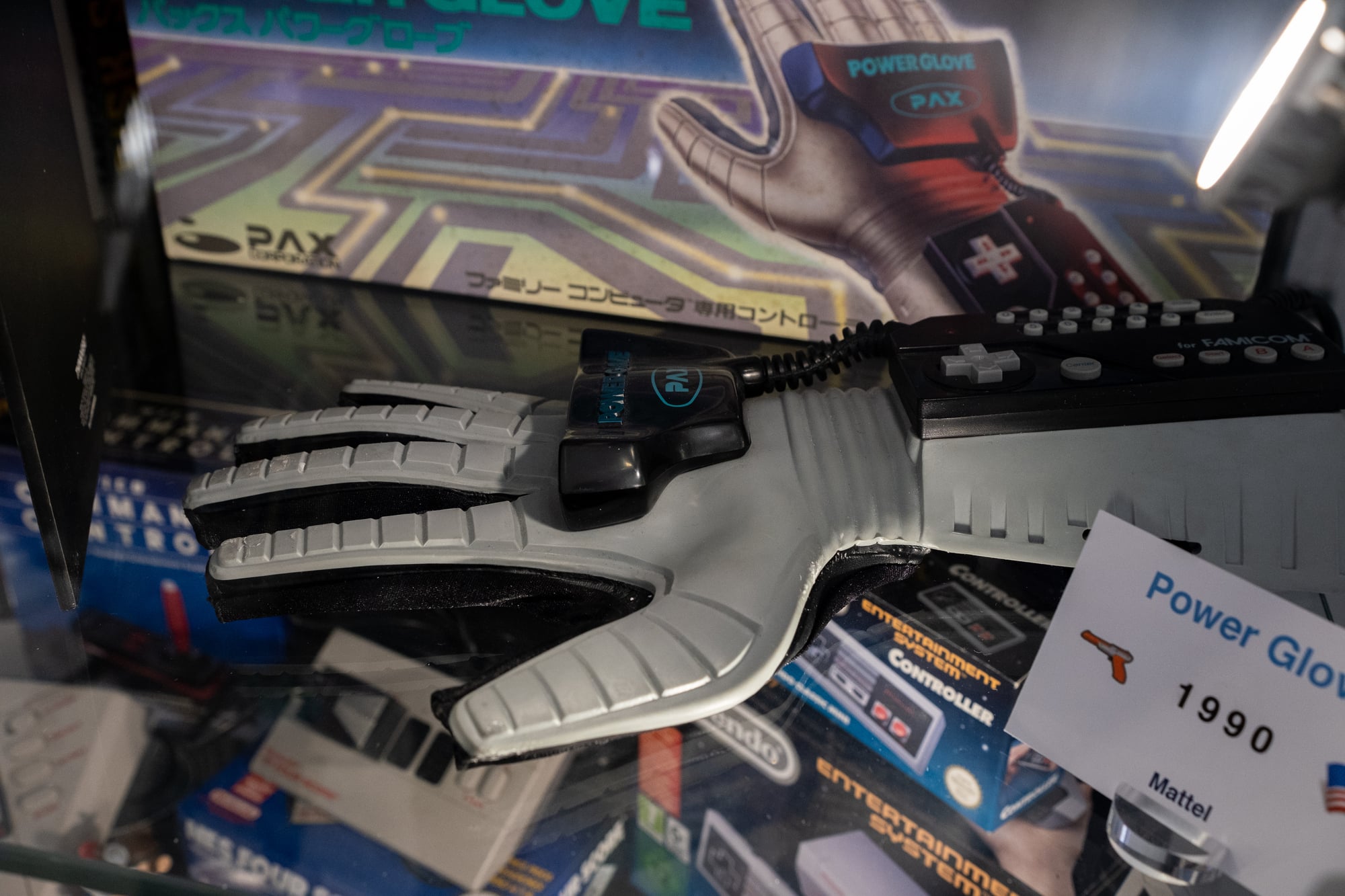
The Power Glove represents everything ambitious and misguided about late-1980s gaming technology. This wearable controller promised to revolutionize how people played video games by letting them control the action with hand gestures.
The reality was a clunky device that barely worked and frustrated more players than it impressed. But sealed Power Gloves in their original packaging have become Holy Grail items for retro gaming collectors.
The box art alone — featuring a determined kid wearing the glove while staring intensely at a TV screen — captures the earnest optimism of an industry still figuring itself out.
Fruitopia Bottles
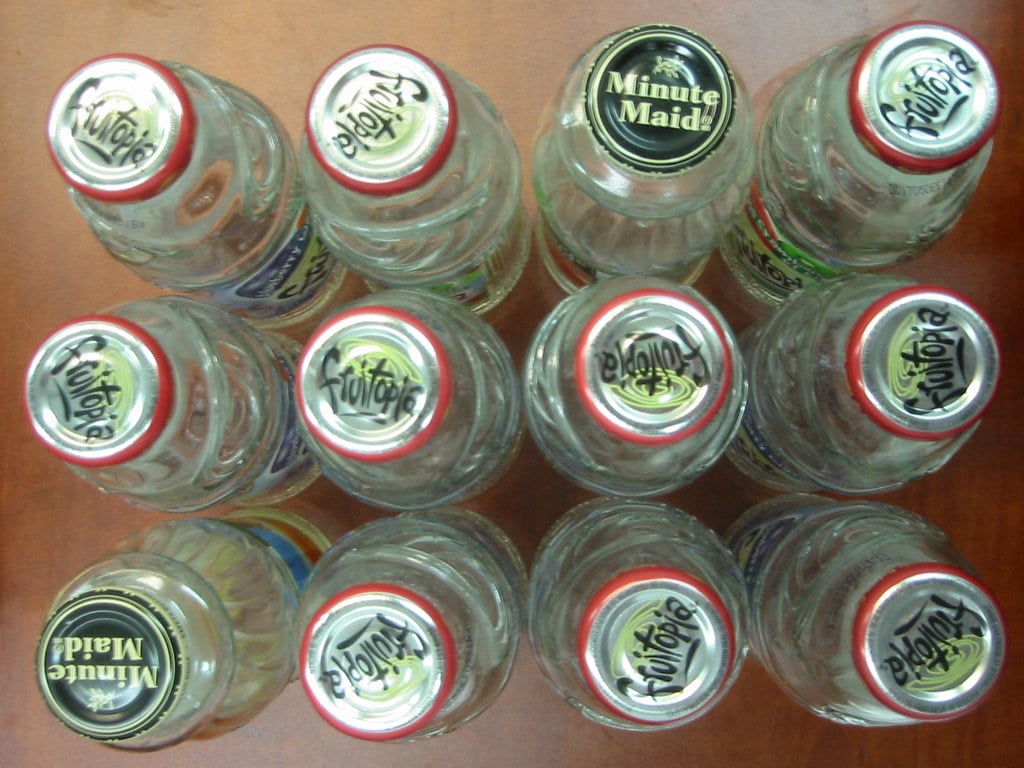
Psychedelic fruit drinks were peak 1990s marketing madness. Fruitopia promised “psychotropic nutri-intellectuals” and came in flavors with names like “Strawberry Passion Awareness.”
The whole brand felt like someone’s attempt to sell enlightenment in liquid form, which was ridiculous and somehow perfect at the same time.
Original Four Loko Cans
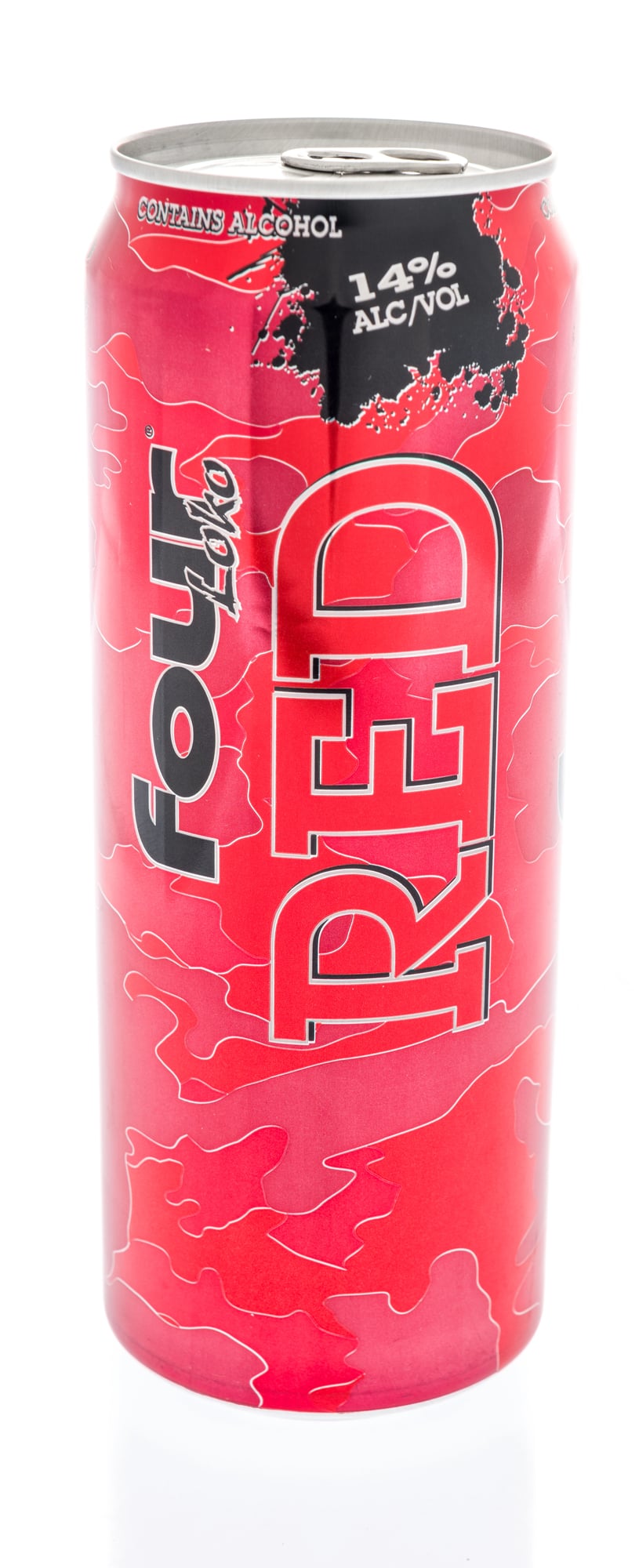
Before the FDA intervened, Four Loko contained caffeine, alcohol, and enough sugar to power a small city. These original cans from 2010 and earlier represent a brief moment when energy drink companies pushed too far too fast.
The reformulated version still exists, but collectors want the dangerous original recipe.
Hydrox Cookies in Unopened Packages
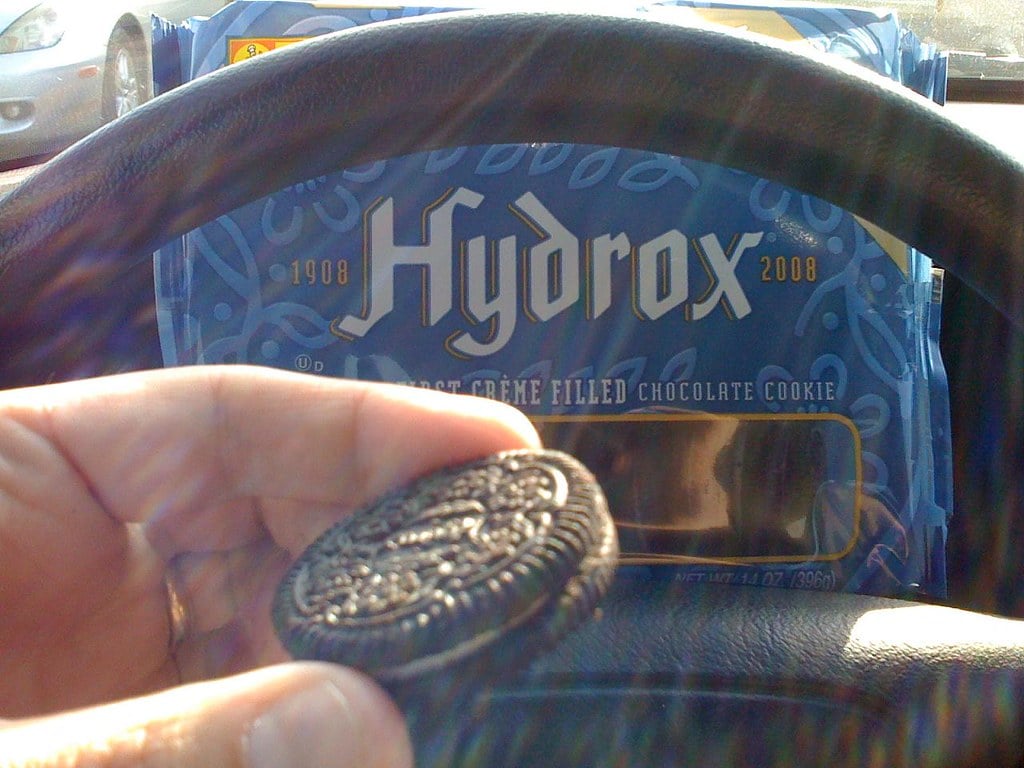
Hydrox cookies existed before Oreos, lasted longer than most people realize, and disappeared with barely a whisper in 2012 (though they briefly returned under different ownership).
Finding unopened packages of original Hydrox cookies means discovering the road not taken in American snack history. These cookies were arguably better than Oreos — crispier, less sweet, with a more pronounced chocolate flavor that didn’t dissolve into mush when dunked in milk.
But Oreos had better marketing, better shelf placement, and a name that didn’t sound like cleaning solution. So Hydrox became the footnote, the answer to a trivia question most people get wrong.
And yet those unopened packages persist, proof that sometimes the better product doesn’t win — it just waits longer to be appreciated.
Surge Soda Bottles
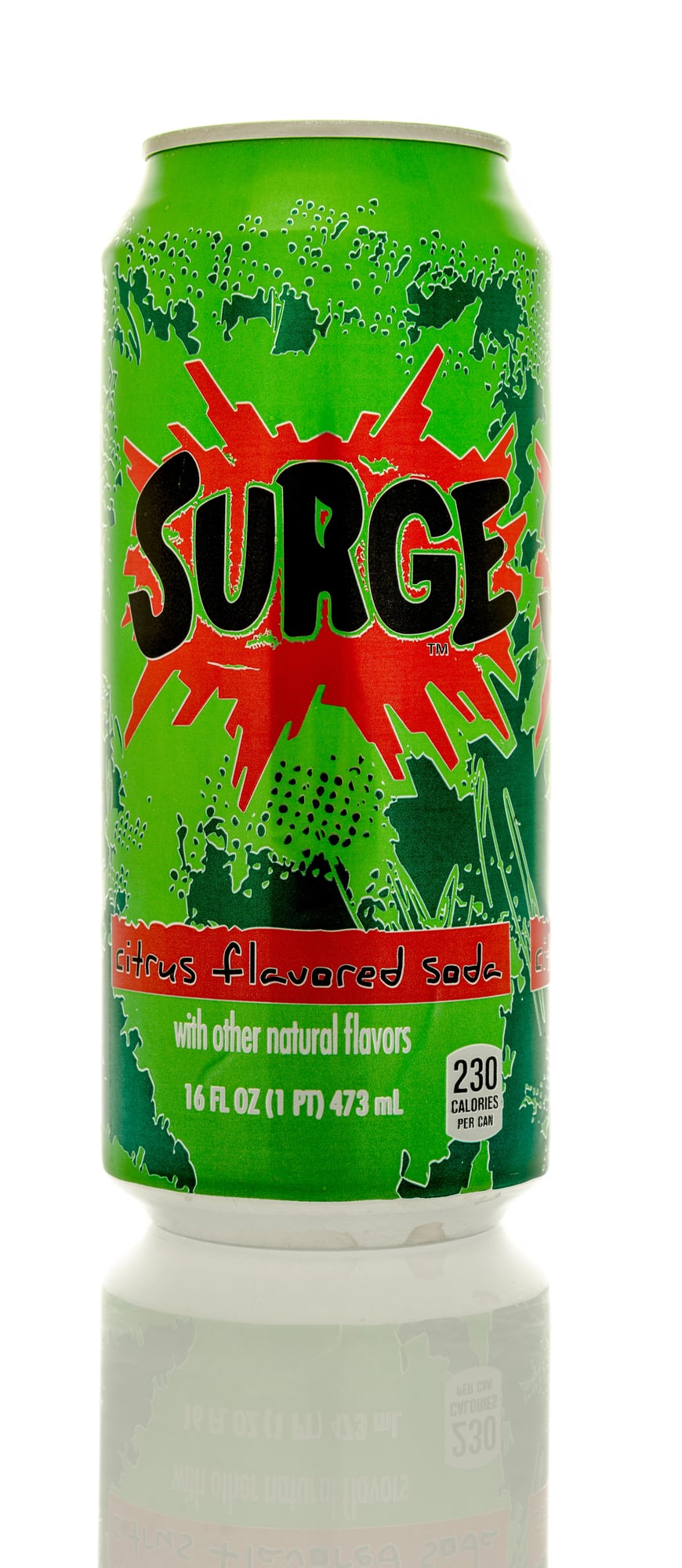
Coca-Cola created Surge to compete with Mountain Dew in the extreme sports drink market. The marketing campaign was aggressively 1990s — all skateboarding and punk rock soundtracks — but the soda itself was just highly caffeinated citrus sugar water.
Production ended in 2003, making original bottles valuable to collectors who remember when energy meant caffeine instead of supplements.
Original Twinkies Boxes
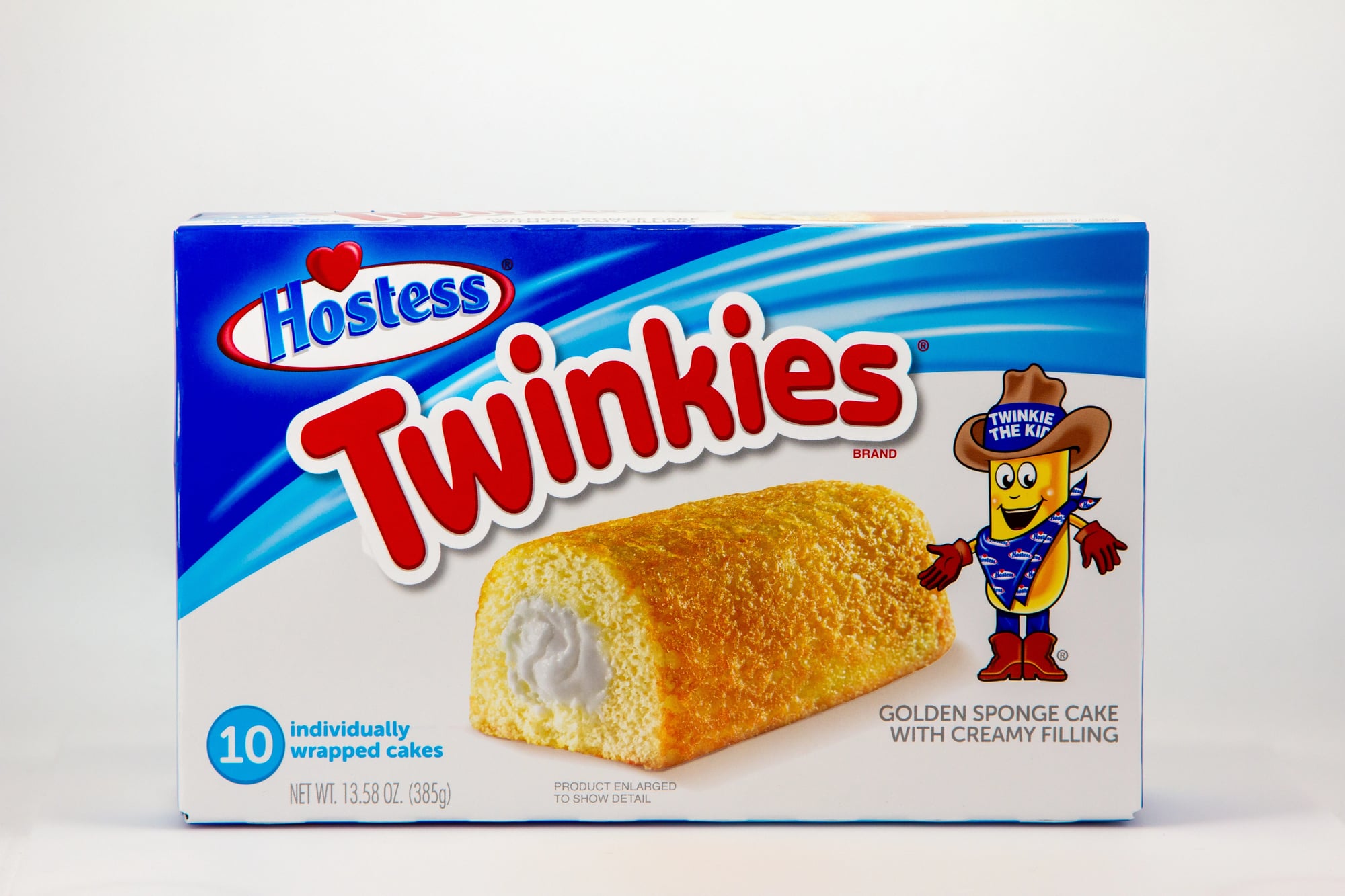
When Hostess filed for bankruptcy in 2012, Twinkies briefly disappeared from store shelves. People hoarded boxes like they were preparing for the apocalypse, not realizing production would resume under new ownership within months.
Those original Hostess boxes from before the bankruptcy represent the brief moment when America’s most indestructible snack cake actually became extinct.
Lawn Darts Sets

Lawn Darts were metal-tipped projectiles disguised as backyard family fun. The Consumer Product Safety Commission banned them in 1988 after multiple injuries and deaths, making complete sets in original packaging both rare and slightly macabre.
The boxes promised wholesome outdoor entertainment while containing what were essentially weaponized garden games.
Original Beanie Babies With Tag Protectors
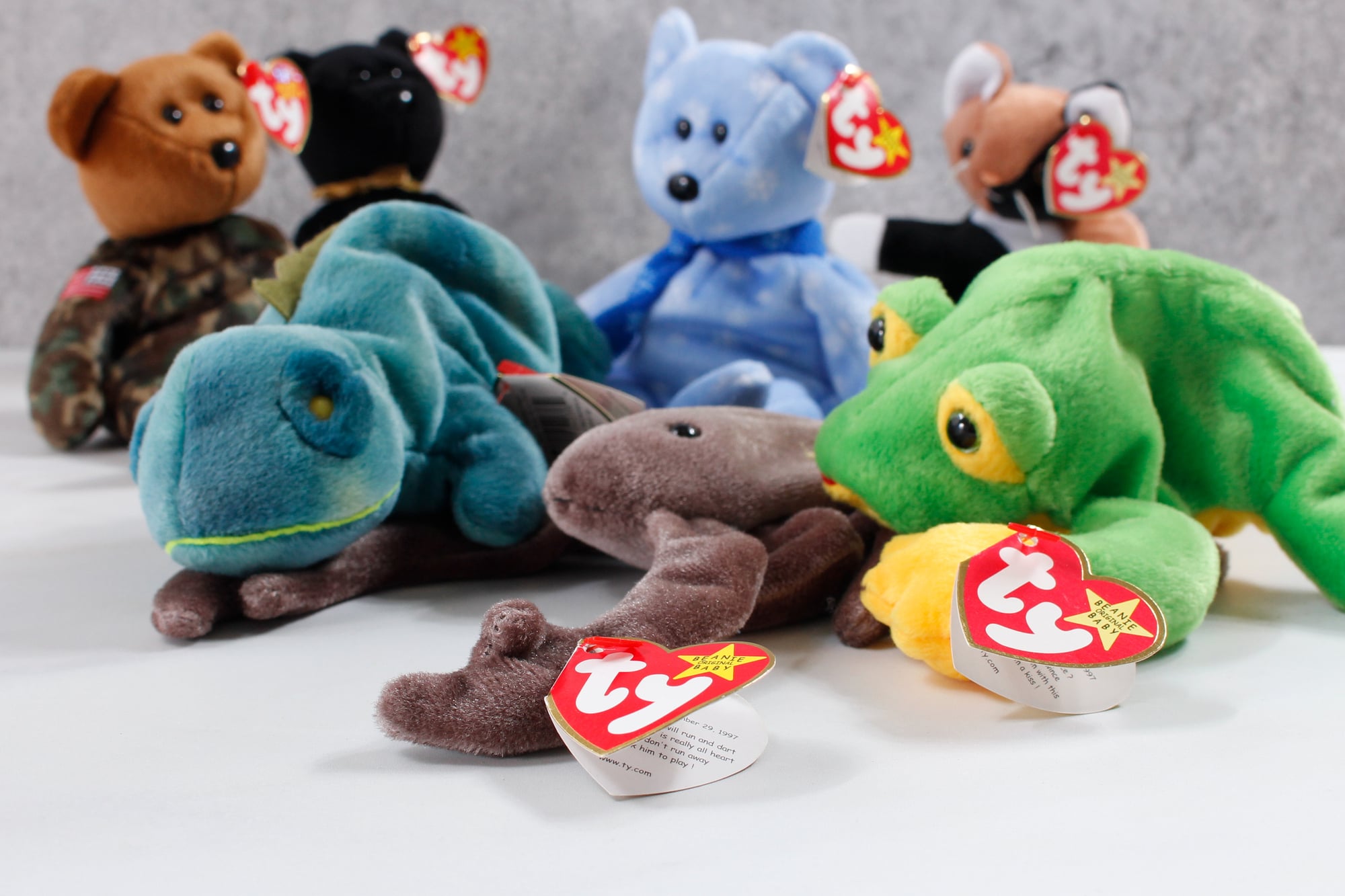
Ty’s Beanie Babies created the first mass-market collectibles craze driven entirely by artificial scarcity and retirement announcements.
The most valuable specimens are those that never left their original packaging and still have their heart-shaped tags in pristine condition. Tag protectors — clear plastic sleeves designed to preserve those tags — became their own micro-industry during the height of Beanie Baby mania.
Orbitz Drink Bottles
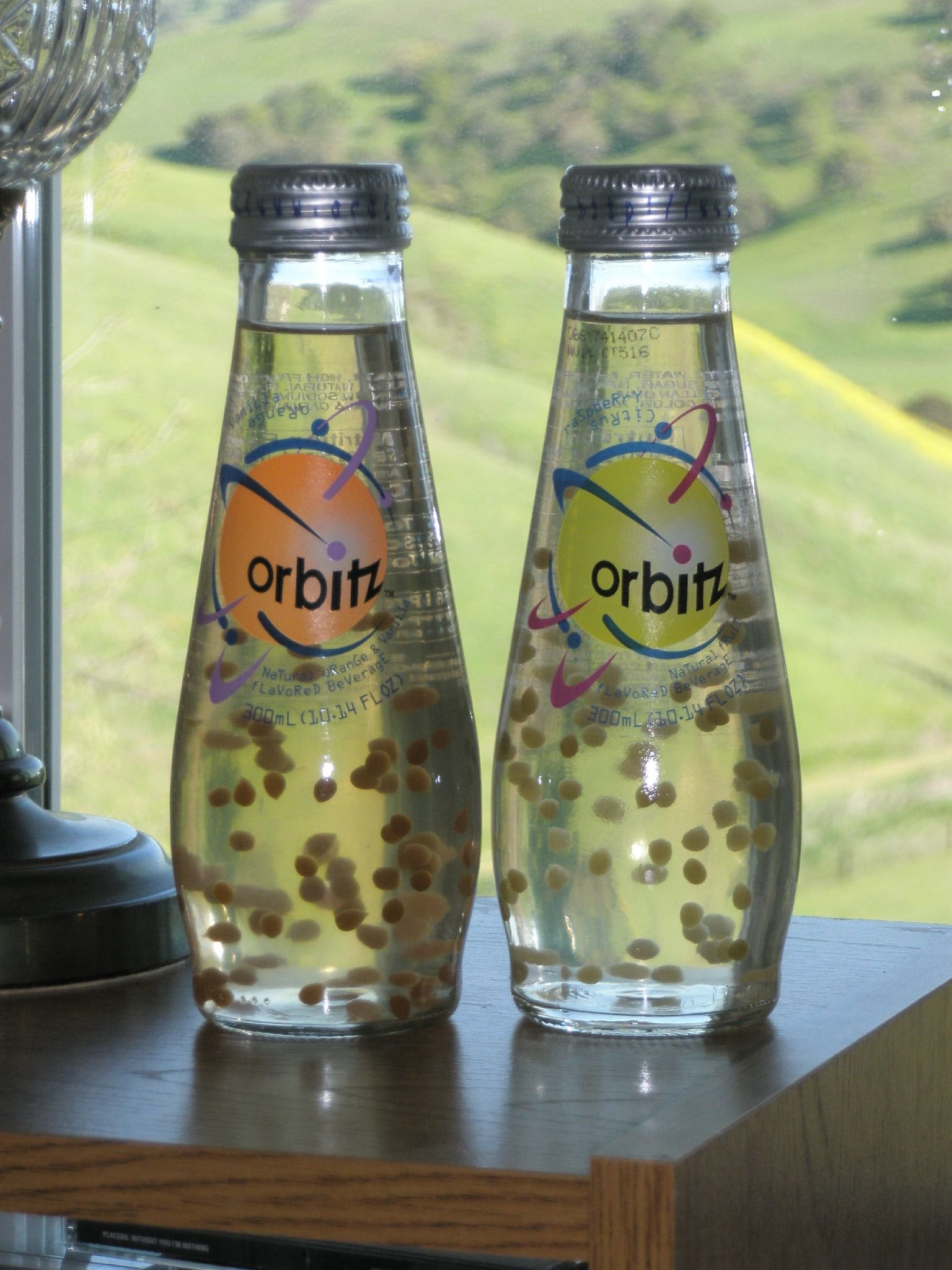
Orbitz looked like a lava lamp you could drink — clear liquid with colorful gelatin spheres floating inside.
The texture was reportedly awful, like swallowing tiny bouncy orbs suspended in flavored water. But the visual was striking enough that unopened bottles became conversation pieces long after the brand disappeared in 1998.
The Weight of What’s Gone

These discontinued products in their original packaging represent more than nostalgic curiosities or collector investments.
They’re time capsules from moments when companies took bigger risks, when the marketplace felt more unpredictable, when failure was just another step in the endless cycle of trying new things. Each unopened package contains not just a product, but the optimism that someone, somewhere, thought this particular combination of ingredients or ideas might be exactly what the world needed.
More from Go2Tutors!

- The Romanov Crown Jewels and Their Tragic Fate
- 13 Historical Mysteries That Science Still Can’t Solve
- Famous Hoaxes That Fooled the World for Years
- 15 Child Stars with Tragic Adult Lives
- 16 Famous Jewelry Pieces in History
Like Go2Tutors’s content? Follow us on MSN.



