Birthplaces Of Famous Food and Drinks
Foods and flavors people adore usually start small. Think of a cart in Naples, maybe.
Or inside an old kitchen where Belgian royalty once dined. Even a quiet harbor town down in Mexico might hold the origin.
What arrives on your plate carries more than flavor – it brings history along too.
Peek under the surface of famous foods and drinks around the globe, their origins hiding in places you’d never guess. Twists and turns shaped each one, far from what we assume today.
Some began in quiet corners of distant towns, others emerged by accident during busy kitchen moments. Each tale swaps simplicity for surprise, flipping common belief upside down without warning.
Pizza (Naples, Italy)
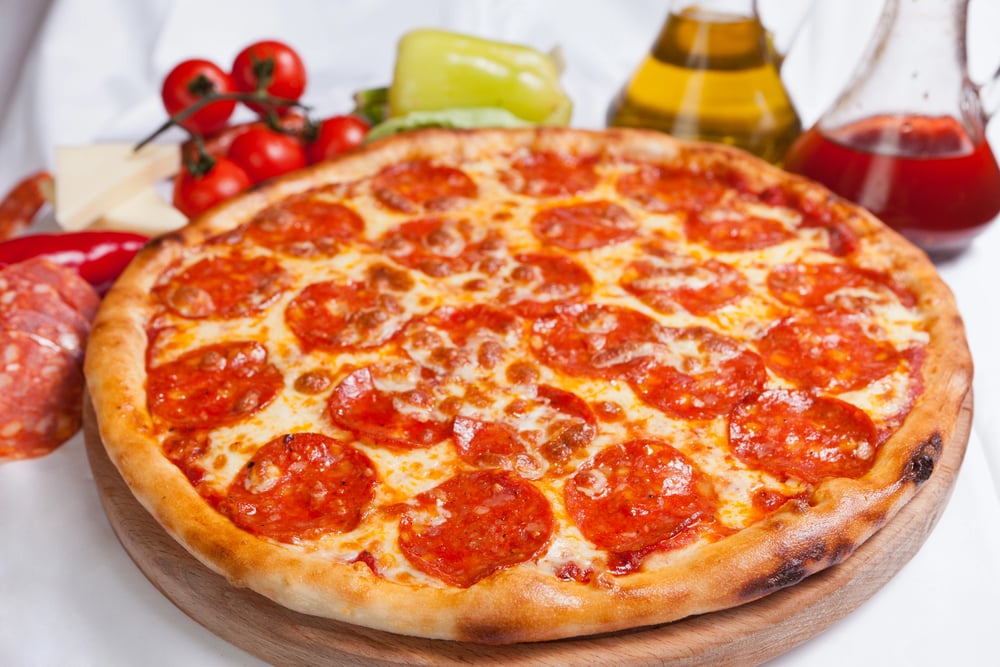
Pizza, the kind everyone recognizes today, started in Naples. In 1889, a pie topped with tomatoes, mozzarella, and fresh basil appeared – said to honor Queen Margherita of Savoy.
Earlier still, city sidewalks had sellers offering dressed-up flatbreads to laborers wanting something fast, low cost. This food matters deeply here; an organization called Associazione Verace Pizza Napoletana actually defines every detail of real Neapolitan pizza.
Chocolate (Mesoamerica)
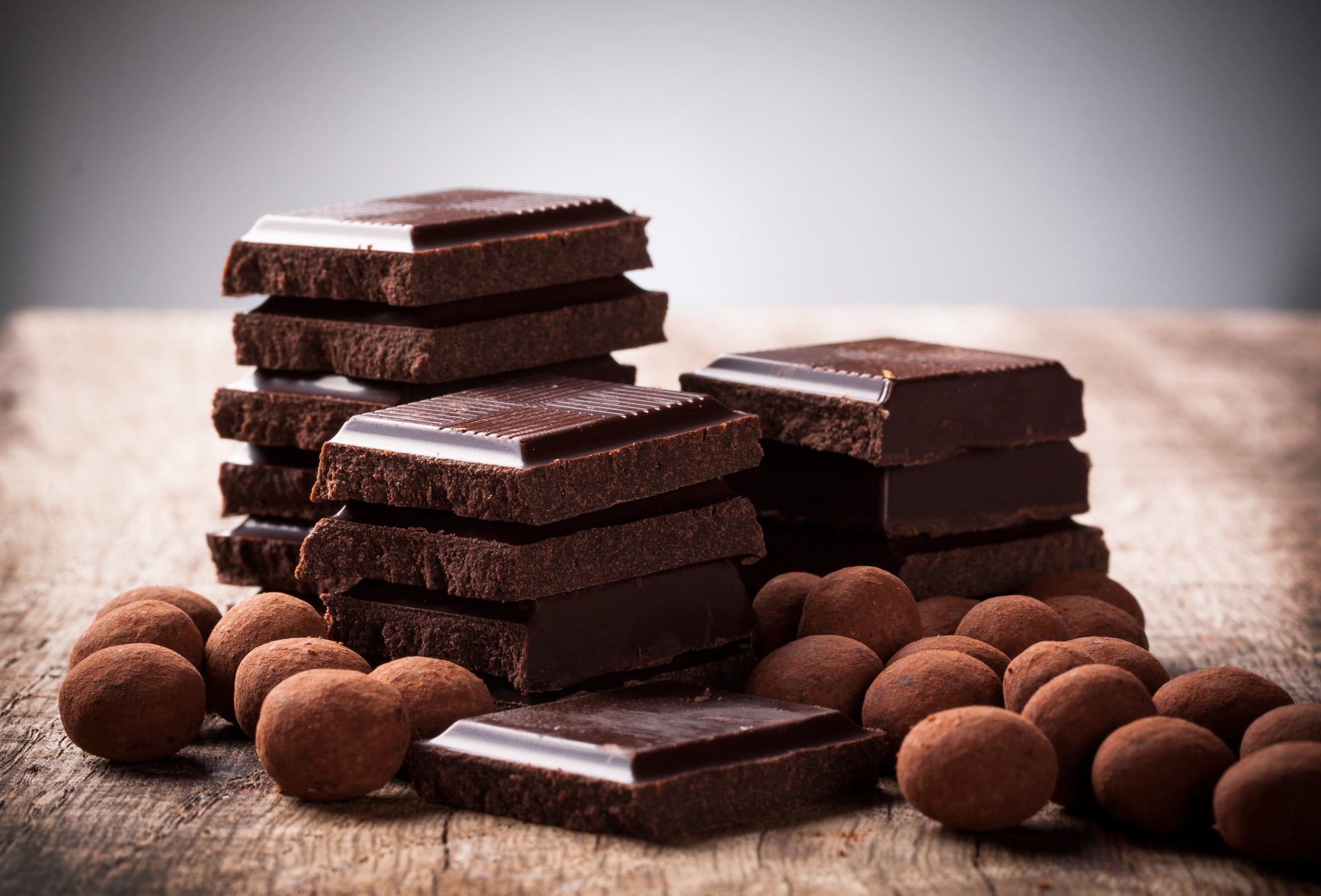
Before candy bars were even imagined, people of the Olmec culture in what is now Mexico drank cacao as early as 1500 BCE. Moving forward in time, the Aztecs whipped theirs into a sharp bubbly beverage named ‘xocolatl’ – a drink only kings and fighters could touch.
After that, when Spaniards carried cacao across the ocean to Europe, sweetness entered the mix, shifting how everyone saw the treat. Much later, around the 1840s, a firm from England known as Fry’s shaped it into something firm – the first real chocolate bar.
Hamburger Hamburg Germany Not Exactly
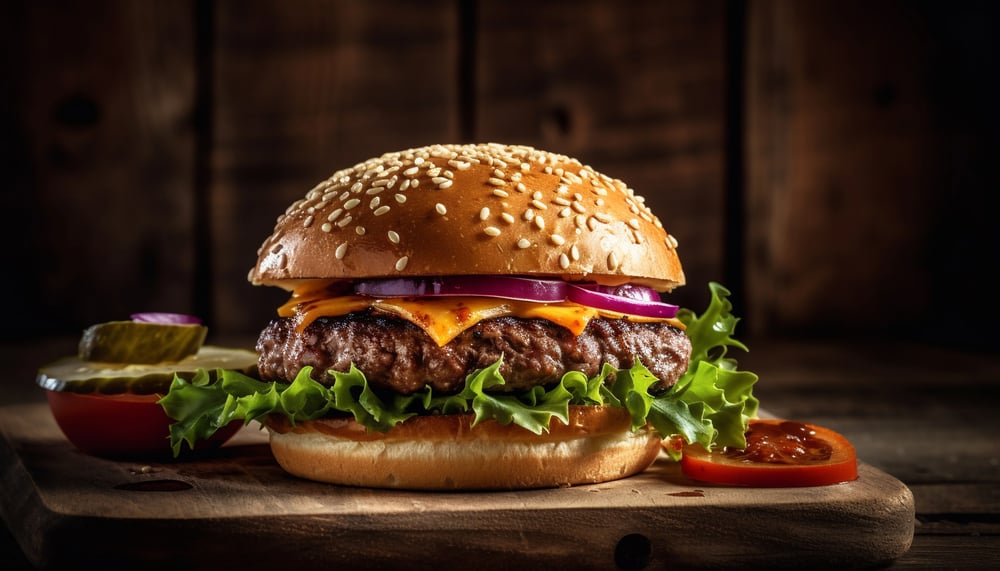
Some say one thing, others argue differently – the hamburger’s beginnings are hard to pin down. Named after Hamburg, a city across the ocean, it ties back to seasoned ground beef disks known there as ‘Frikadellen’.
People from that region carried the dish westward, landing in American ports and towns. In Connecticut diners or roadside spots near cattle trails, someone stacked meat on bread – maybe by accident.
A small event at a rural gathering around 1885? Possibly just routine service in a busy kitchen ten years later?
Hard facts blur. Still, out of simple roots grew something huge, recognized everywhere now.
Champagne (Champagne, France)

Named after a place in northeast France, champagne comes only from the Champagne area. Sparkling wines made anywhere else cannot carry that label by law.
Its rise began in the 1600s, though tales about monk Dom Perignon creating it miss the truth – he aimed to stop bubbles, not spark them. Cold weather there plus ground rich in chalk-shaped grapes unlike those grown beyond the zone.
What sets it apart? A mix of land traits and time-honed methods found nowhere else.
Sushi (Japan)
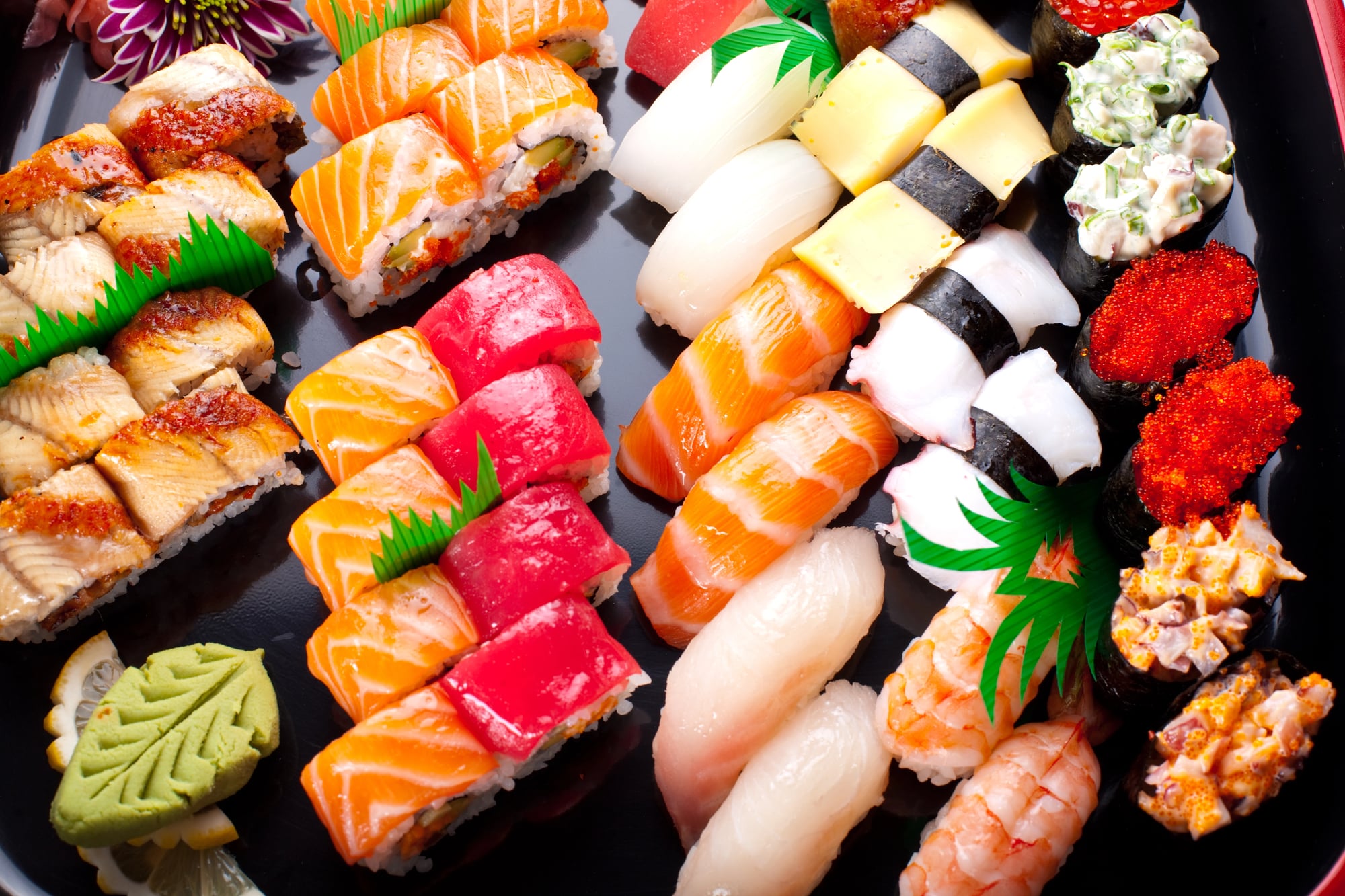
Back then, in early 1800s Edo – today’s Tokyo – raw fish first landed on vinegared rice without waiting months. Earlier still, people preserved fish through long fermentation using rice, tossing out the grains after.
Not until Hanaya Yohei stepped in did someone serve it quick and raw from roadside stands. From those humble carts emerged a dish now found almost everywhere across the globe.
Tacos (Mexico)
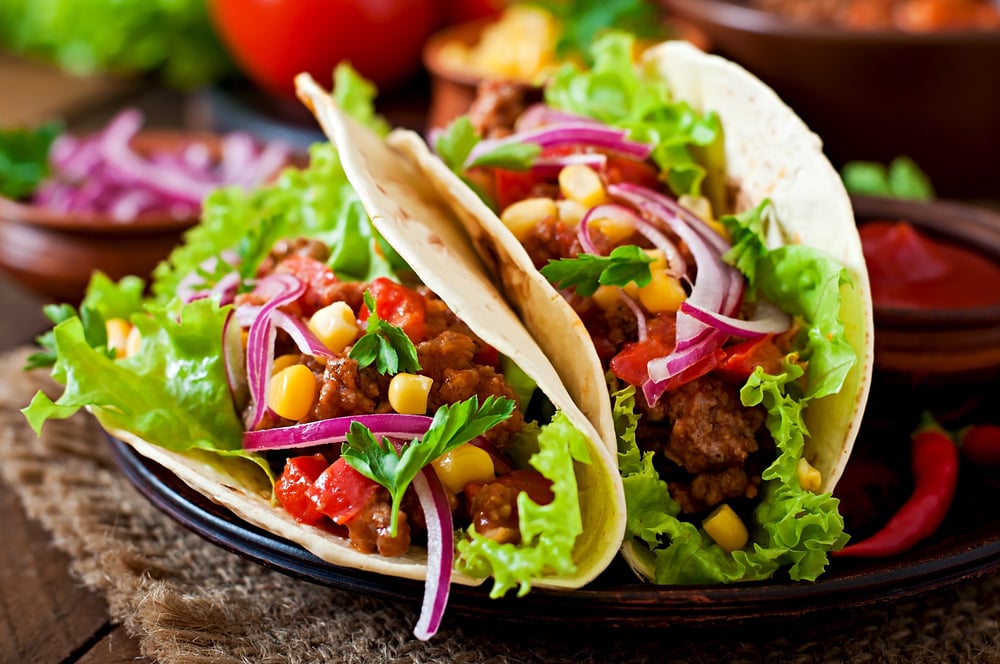
Long before Spaniards reached Mexico, tacos existed. Small tortillas made of corn held bits of fish inside, eaten by native groups around the lake region.
Miners digging for silver later gave the name ‘taco,’ using it for paper-wrapped bursts of explosive stuff. Food moved northward slowly, reaching U.S. towns only much later.
Thousands of years sat behind that moment when someone first tasted one on American soil.
French Fries (Belgium)
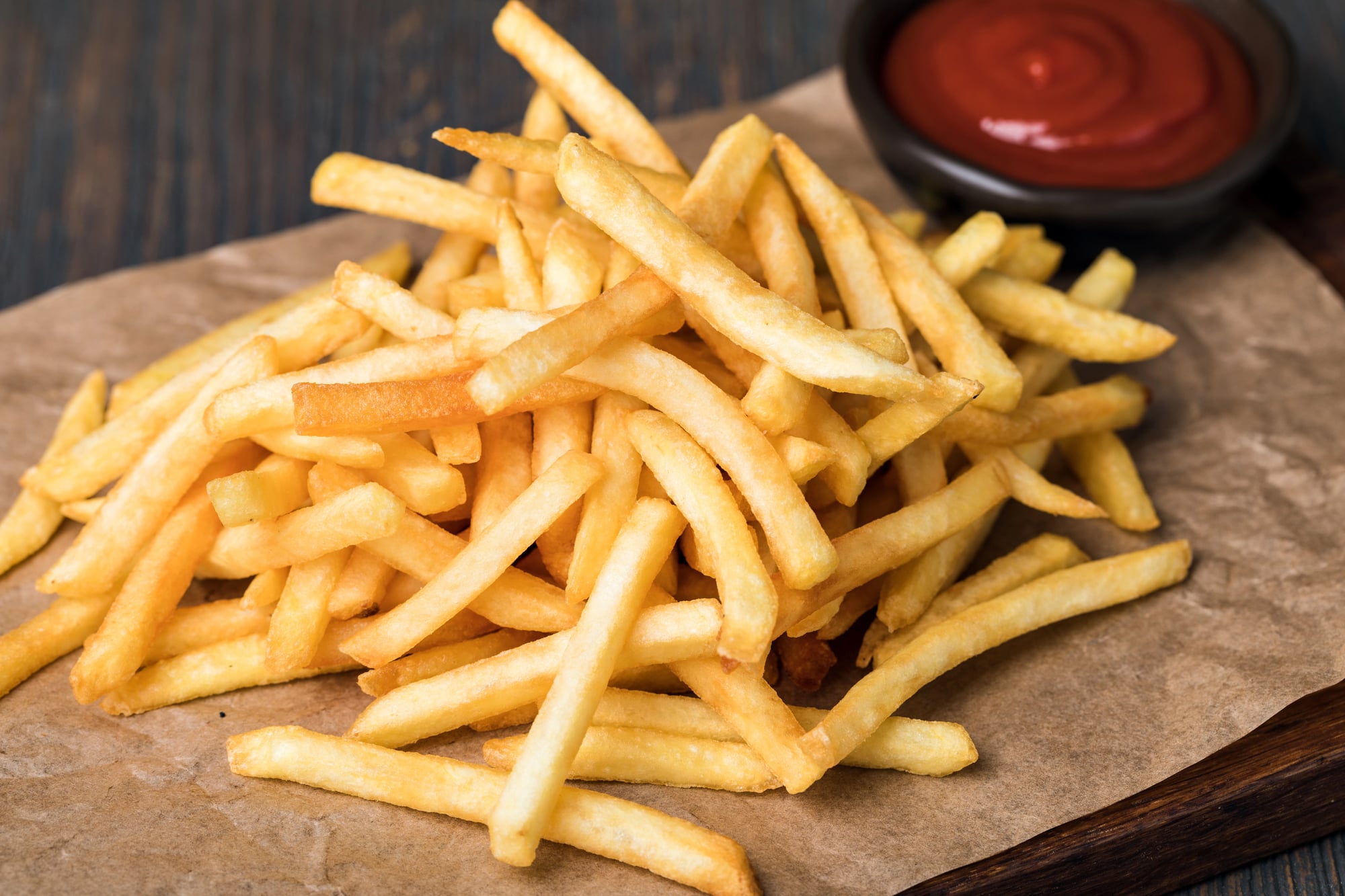
Fried potatoes didn’t come from France, even if the name suggests otherwise. Most experts who study food history point to Belgium as the real birthplace.
In the Meuse Valley, people often cooked tiny fish by deep-frying. When icy winters locked up the rivers, they switched to slicing spuds into long strips, mimicking fish.
U.S. troops trying local dishes during World War I picked up the habit. Hearing French spoken among Belgian forces, the soldiers labeled the snack ‘French fries.’
To this day, Belgians guard that origin like a family secret.
Whiskey (Ireland And Scotland)
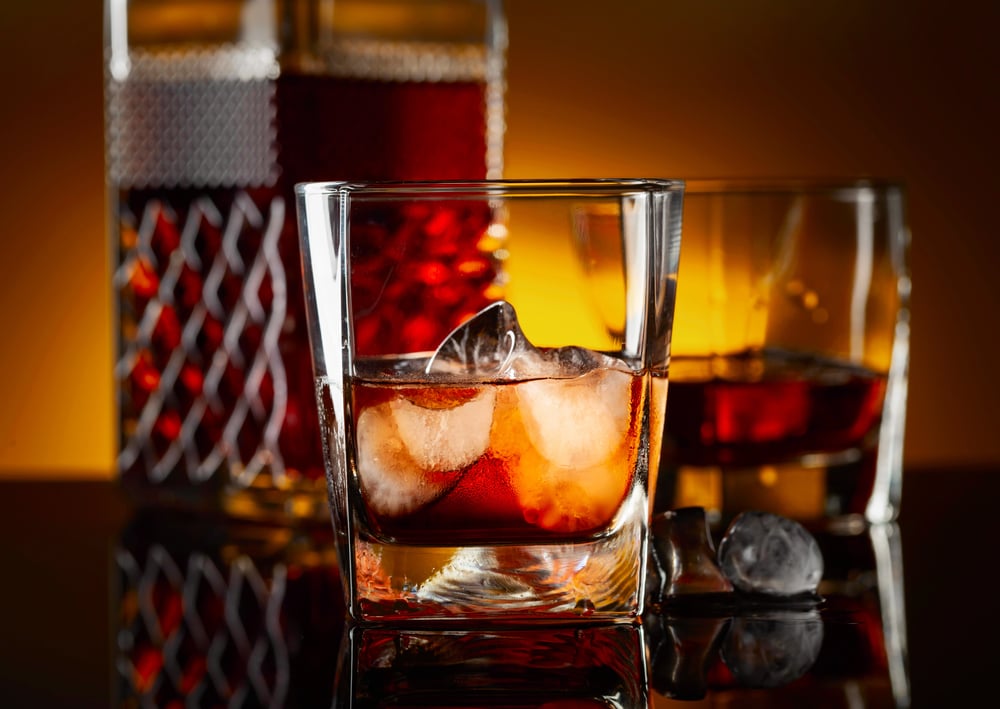
Both Ireland and Scotland claim to have invented whiskey, and neither side is backing down anytime soon. Irish monks are said to have been distilling a spirit called ‘uisce beatha,’ meaning ‘water of life,’ as early as the 6th century.
Scotland developed its own distinct style, particularly the smoky single malt Scotch, tied to the peat-rich landscape of the Highlands. Today, the two styles taste quite different, but they share roots in the same ancient craft.
Croissant (Austria)
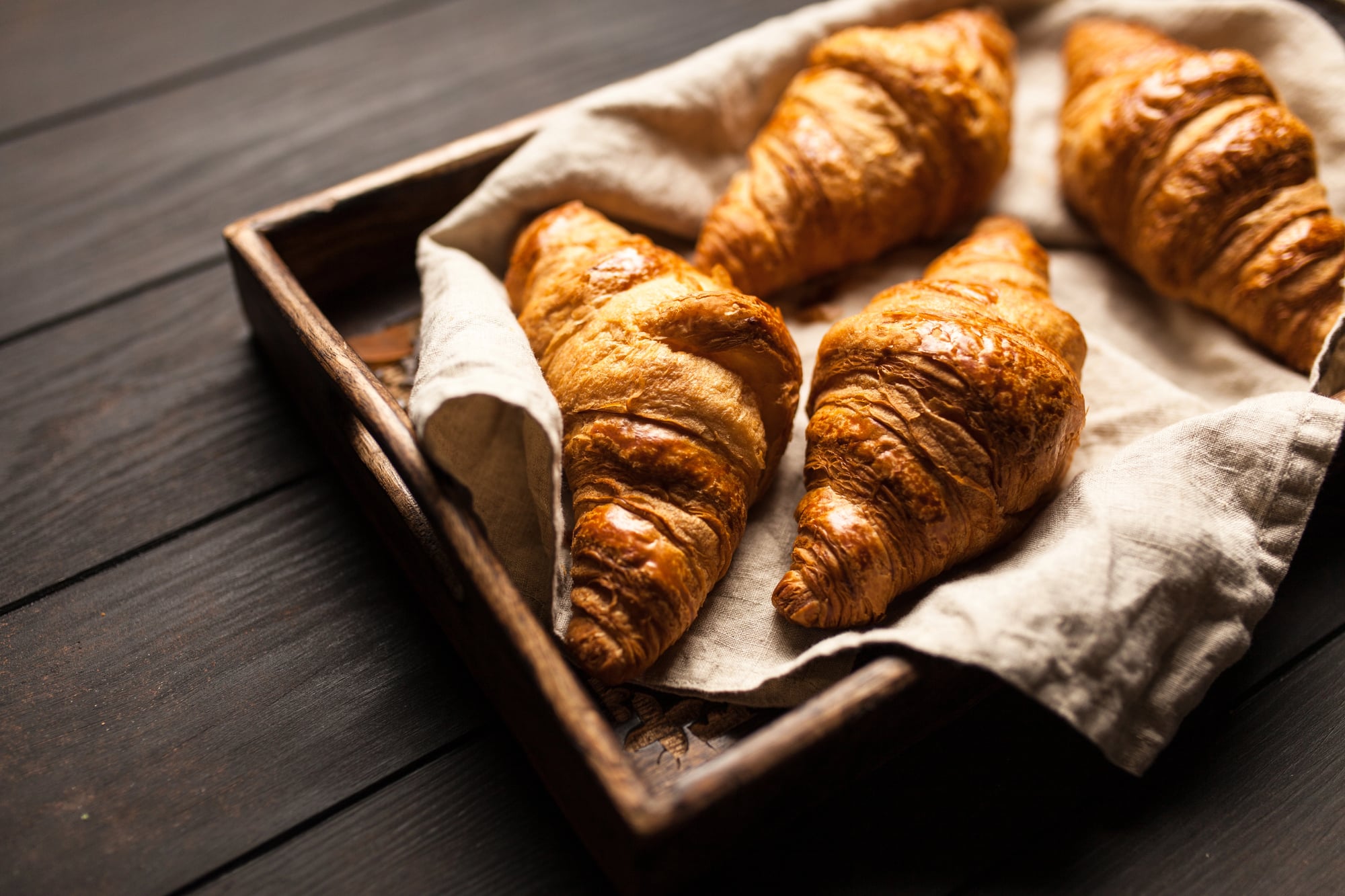
The croissant is French in name and reputation, but it actually came from Austria. A crescent-shaped pastry called the ‘kipferl’ existed in Vienna for centuries before a Viennese baker named August Zang opened a bakery in Paris around 1839 and introduced the style to France.
French bakers then adapted it using a laminated dough technique that created the flaky, buttery version known today. Vienna rarely gets the credit, but the croissant owes its existence to Austrian baking tradition.
Coca-Cola (Atlanta, USA)
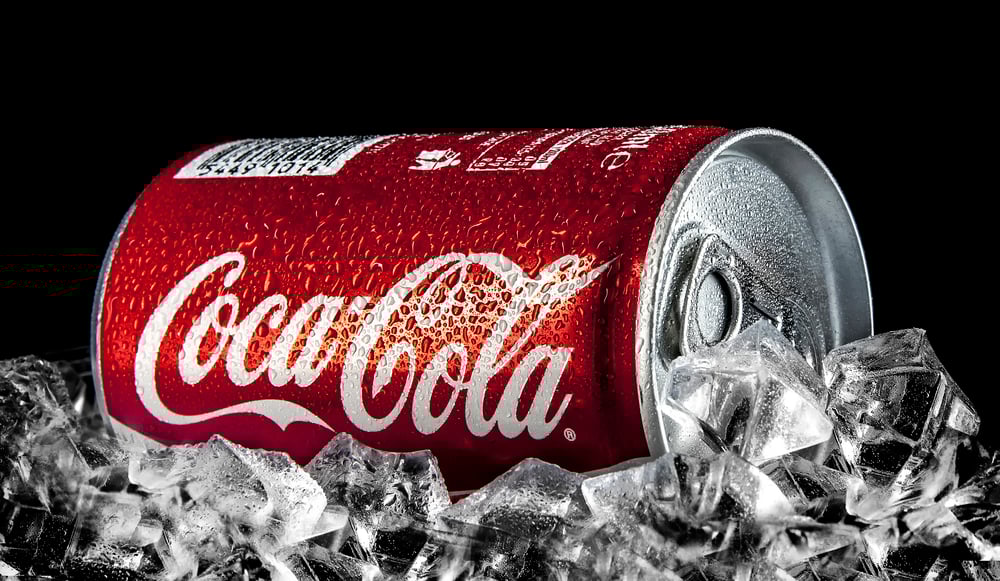
Coca-Cola was created in Atlanta, Georgia, in 1886 by a pharmacist named John Stith Pemberton. He originally made it as a medicinal tonic, sold at a pharmacy soda fountain for five cents a glass.
The drink contained extracts from the coca leaf and the kola nut, which is where the name comes from. Within a century, it became the most recognized brand on the planet, all from a small pharmacy on Peachtree Street.
Curry (Indian Subcontinent)
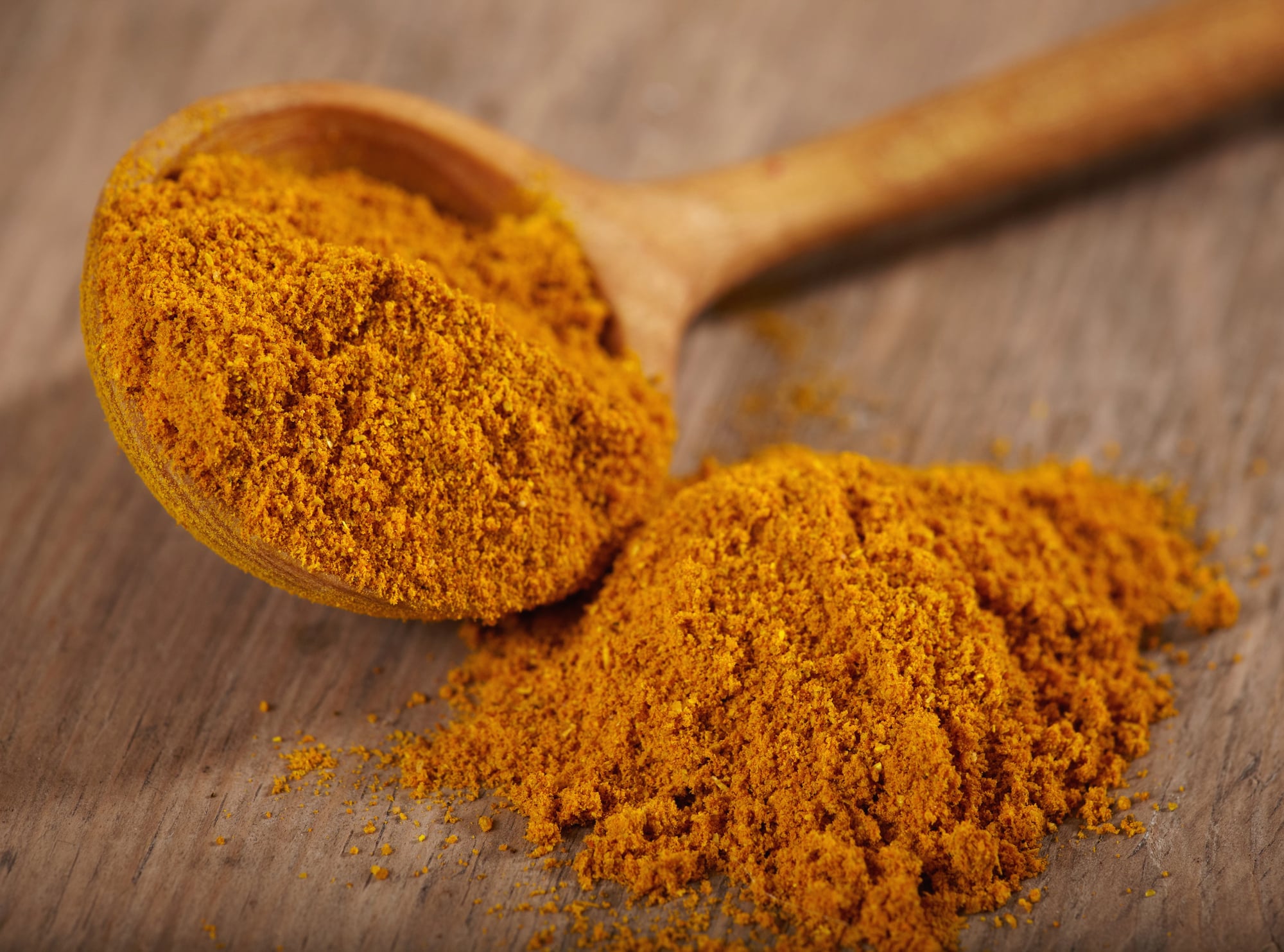
Curry is not one dish but a whole category of cooking that developed across the Indian subcontinent over thousands of years. The word ‘curry’ was actually coined by British colonizers as a catch-all term for spiced South Asian dishes.
Spice combinations like turmeric, cumin, coriander, and cardamom have been used in the region since at least 2500 BCE, based on residue found in ancient cooking pots. India, Pakistan, Sri Lanka, and Bangladesh each have distinct curry traditions that differ vastly from each other.
Beer (Ancient Mesopotamia)
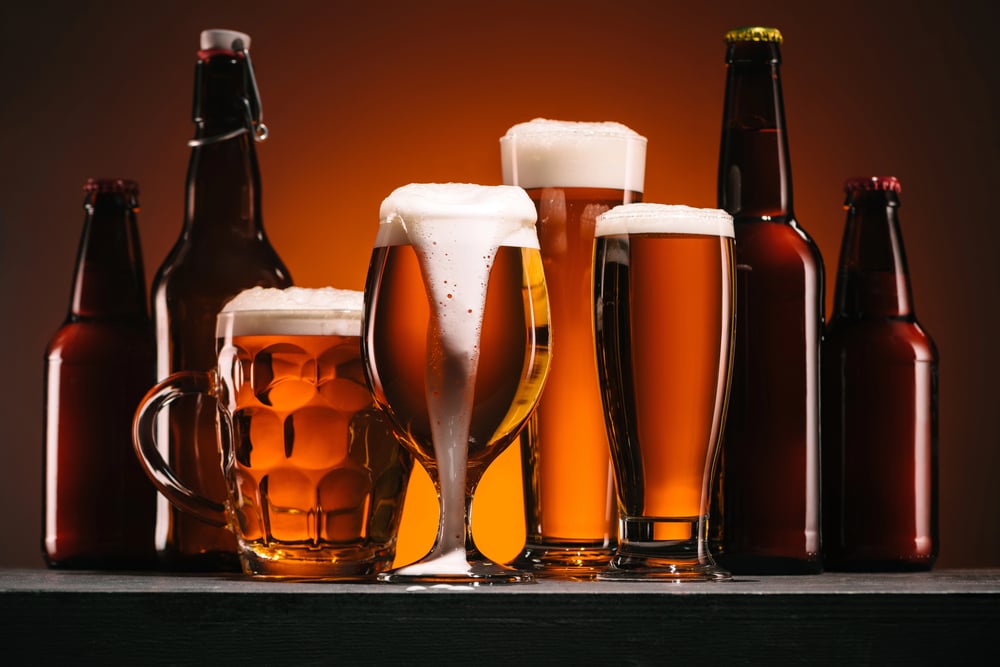
Beer is one of the oldest drinks in human history, tracing back to ancient Mesopotamia, in what is now Iraq and Iran, around 5000 BCE. The Sumerians had a goddess of beer named Ninkasi, and they wrote a hymn to her that doubled as a brewing recipe.
Early beer was thick, grainy, and consumed through straws to filter out the solids. What started as a nutritious staple for laborers building ancient cities is now a global industry worth hundreds of billions of dollars.
Cheese (Middle East/Europe)
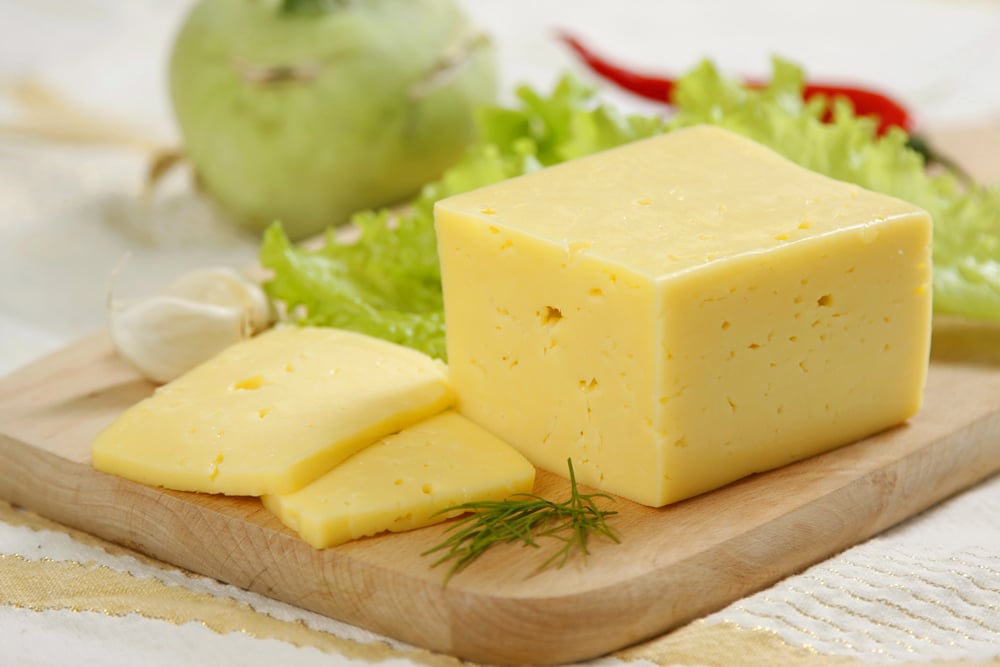
Cheese is believed to have been discovered by accident around 8000 BCE, when early farmers stored milk in pouches made from animal stomachs, which contain natural enzymes that curdle milk. The earliest evidence of cheesemaking comes from Poland and the Middle East.
Different regions then developed their own varieties based on local milk, climate, and technique. France alone has over 1,000 named cheeses, a direct result of centuries of regional experimentation.
Ramen (China, Refined In Japan)
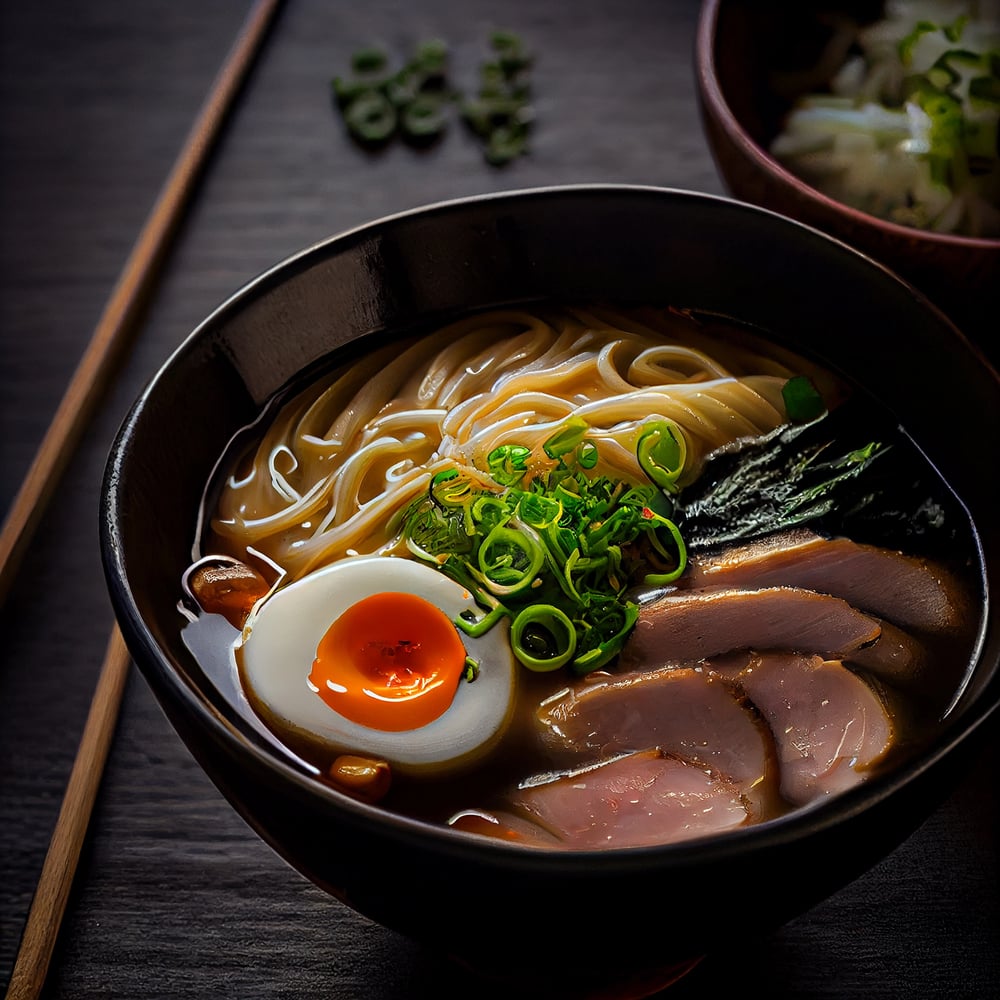
Ramen has Chinese roots, brought to Japan by Chinese immigrants in the late 19th century. Japanese cooks then adapted it, adding local broths, toppings, and preparation methods that made it distinctly Japanese.
The city of Fukuoka is especially known for its tonkotsu ramen, made from pork bones simmered for hours until the broth turns rich and creamy. Instant ramen, which came along in 1958 thanks to Nissin Foods founder Momofuku Ando, turned a regional dish into a worldwide pantry staple.
Hot Sauce (Ancient Americas)
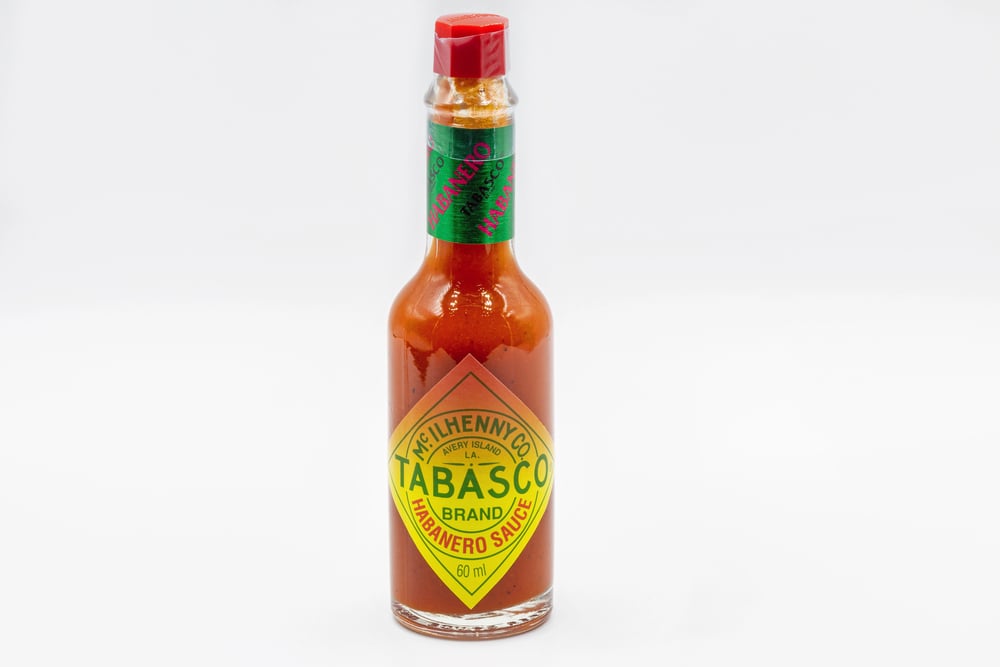
Humans have been mixing chilies with other ingredients to make hot sauce for over 6,000 years, with the earliest evidence found in the ancient cultures of Central and South America. The Aztecs and Maya used chili-based condiments as both food and medicine.
Louisiana-style hot sauce, the kind most Americans are familiar with, was developed in the southern United States in the 19th century. Today, the global hot sauce market is worth billions, but the credit belongs entirely to the indigenous farmers who first cultivated chili peppers.
Where Every Bite Begins
Food does not appear out of nowhere. Every item on a menu carries centuries of history, migration, accident, and invention.
A Belgian winter shaped the fry. A frozen river in Germany shaped the burger.
The next time a meal feels ordinary, it is worth remembering that someone, somewhere, made it for the very first time. That first version probably looked nothing like what is on the plate today, but it started something that spread across the world.
More from Go2Tutors!

- The Romanov Crown Jewels and Their Tragic Fate
- 13 Historical Mysteries That Science Still Can’t Solve
- Famous Hoaxes That Fooled the World for Years
- 15 Child Stars with Tragic Adult Lives
- 16 Famous Jewelry Pieces in History
Like Go2Tutors’s content? Follow us on MSN.