17 Things Our Grandparents Did That Are Illegal Today
Laws don’t stay the same forever. What once seemed completely normal — even expected — can become restricted or outright illegal as society grows more safety-conscious, environmentally aware, or simply changes its priorities.
Many of the everyday habits from previous generations wouldn’t fly today. Some were risky, others just outdated, but all 17 of the following practices would now be breaking the law in one way or another.
Driving Without Wearing a Seatbelt

There was a time when buckling up wasn’t part of the routine. Although seatbelts began showing up in vehicles in the 1950s, laws enforcing their use came much later — New York led the way in 1984. Today, not wearing one can result in a fine, or worse.
Letting Children Ride in Pickup Truck Beds

Back then, it wasn’t unusual to see a group of kids bouncing around in the back of a moving pickup. Especially in rural areas — it was just how families got around. These days, most states have banned it due to the high risk of injury in a crash.
Using Lead-Based Paint at Home

Bright, durable, and widely available — lead-based paint was a household staple. It wasn’t until the health dangers, particularly to children, became undeniable that regulations kicked in. Since 1978, its use in homes has been illegal.
Pouring Motor Oil Down the Drain
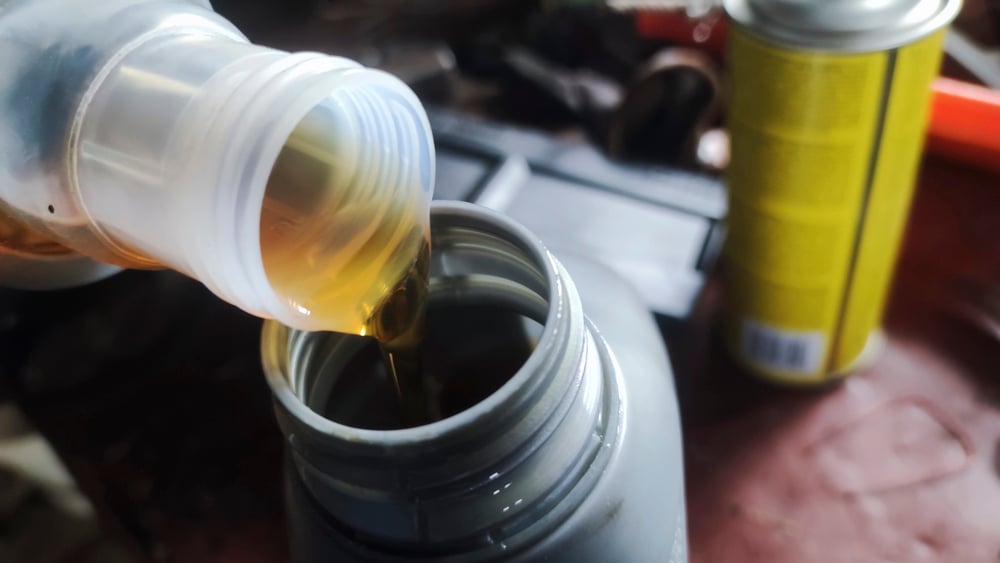
After an oil change in the garage, some folks would simply pour the used oil into a storm drain — or worse, onto the ground. It was quick, sure, but extremely harmful. Nowadays, improper disposal can lead to serious environmental fines.
Selling Property Without Disclosing Defects

Homebuyers weren’t always entitled to know what they were walking into. Structural damage, mold, pest infestations — these could all be hidden without consequence. Today, failing to disclose such issues can land sellers in legal hot water.
DIY Electrical Work Without a Permit

Tinkering with wiring was once seen as part of homeownership. Permits? Rarely obtained. Now, most jurisdictions require licensed professionals for electrical work — and even minor jobs may need inspection to pass code.
Burning Trash in the Backyard
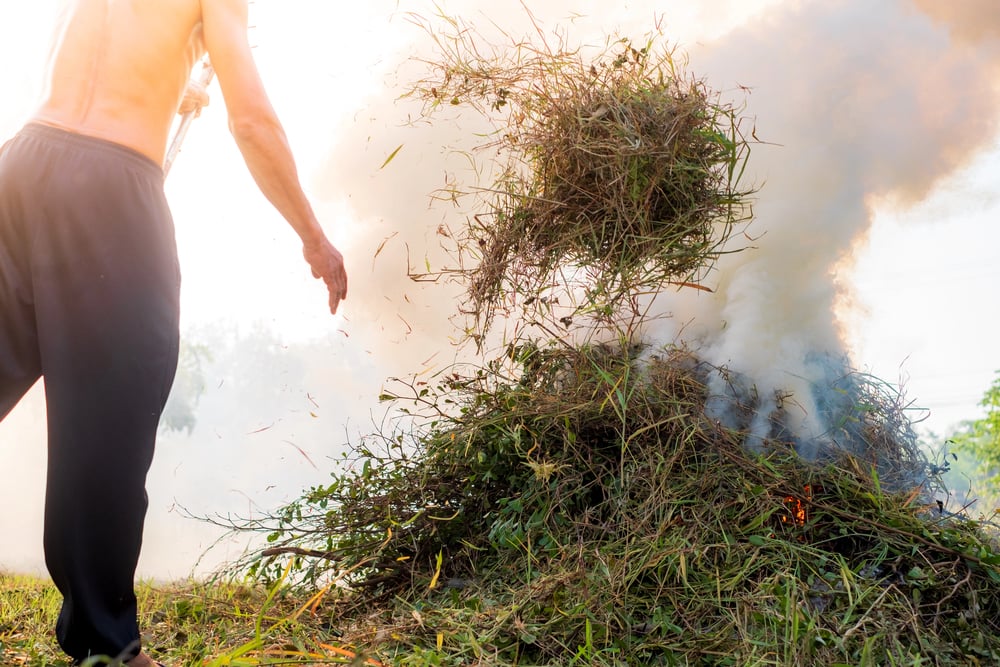
Burn barrels were a common sight in many neighborhoods — people burned household waste right at home. While it may have seemed practical, this practice is now banned in many regions due to fire hazards and air pollution concerns.
Using Asbestos in Building Materials

For decades, asbestos was hailed as a miracle material — fire-resistant and cheap. It appeared in insulation, tiles, and even wall compounds. Once the serious health risks became clear, its use was strictly regulated, and removal now requires certified professionals.
Opening a Business Without Accessibility Compliance

Older buildings weren’t built with inclusivity in mind. Stairs without ramps, narrow doorways, and inaccessible restrooms were commonplace. That changed with the Americans with Disabilities Act in 1990 — businesses today must accommodate all customers.
Marketing Prescription Drugs to Children

Decades ago, medication ads with cartoons and catchy jingles aimed directly at kids weren’t uncommon. Modern advertising laws have shut that down — it’s now prohibited to market prescription drugs in that way, especially to minors.
Hiring Children for Hazardous Jobs

It wasn’t rare for children to work long hours in fields or factories. The line between “helping out” and exploitation was blurry. Today, child labor laws place strict boundaries on working hours and prohibit dangerous environments altogether.
Constructing Homes Without Seismic Considerations

Even in quake-prone areas, older homes were built without seismic reinforcements. That’s no longer acceptable — building codes in many regions now require specific measures to prevent structural collapse during an earthquake.
Owning Wild or Exotic Pets

— Photo by dchulov
Monkeys, tigers, even bears — some people kept them in their backyards. No permits. No enclosures. Modern laws crack down on exotic pet ownership, mostly due to safety risks and animal welfare concerns. In many places, it’s outright banned.
Using CFCs in Everyday Products
Chlorofluorocarbons were once found in spray cans, fridges, and AC units. They were reliable — but also catastrophic for the ozone layer. Global regulations like the Montreal Protocol led to their ban, and manufacturers had to pivot quickly.
Fishing or Hunting Without a License

For a long time, hunting and fishing were seen as personal rights — no license, no problem. These days, conservation laws require permits, regulate seasons, and impose quotas to protect ecosystems and wildlife populations.
Broadcasting Without an FCC Call Sign

Early amateur radio hobbyists often used homemade equipment without formal registration. That kind of freedom is now regulated — transmitting without an FCC call sign can interfere with emergency communications and land you in legal trouble.
Storing Gasoline in Unsafe Containers
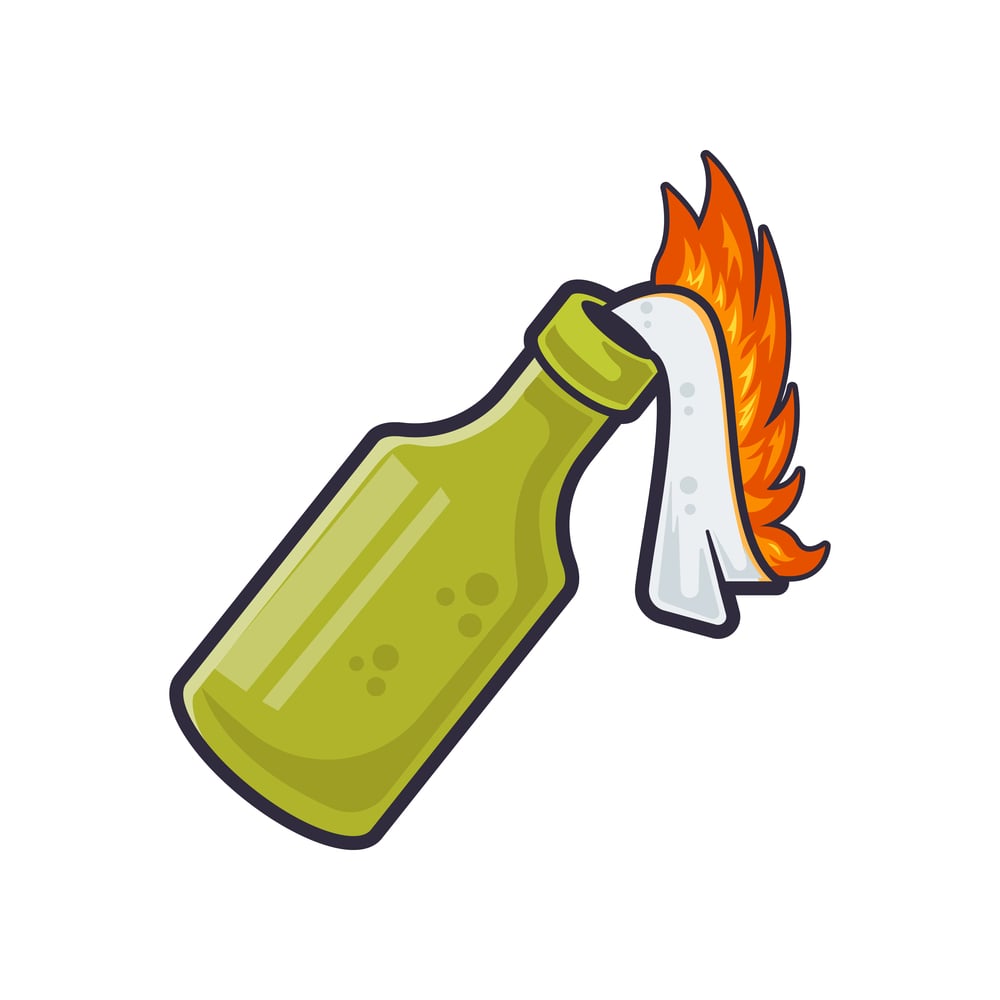
Fuel was sometimes kept in whatever container was lying around — even glass jugs or milk bottles. Today, fire codes mandate specific safety-approved containers, and exceeding storage limits can lead to hefty fines or worse.
From Everyday Habits to Legal Headaches
The things that once made sense — or at least didn’t raise eyebrows — now come with consequences. Society has shifted, often for the better, toward greater awareness of safety, health, and environmental impact. What was once everyday behavior could now land someone in court — or worse.
More from Go2Tutors!

- 16 Historical Figures Who Were Nothing Like You Think
- 12 Things Sold in the 80s That Are Now Illegal
- 15 VHS Tapes That Could Be Worth Thousands
- 17 Historical “What Ifs” That Would Have Changed Everything
- 18 TV Shows That Vanished Without a Finale
Like Go2Tutors’s content? Follow us on MSN.