Black Lightning: The Motorcycle That Broke Records
Back in 1948, most motorcycles could barely manage 80 mph on their best day. Then Vincent Motorcycles built something that changed everything.
The Black Lightning wasn’t just fast – it was rocket-ship fast, hitting speeds that seemed impossible for its time. Here’s the wild story of the bike that left everyone else eating dust.
Only 31 bikes ever existed
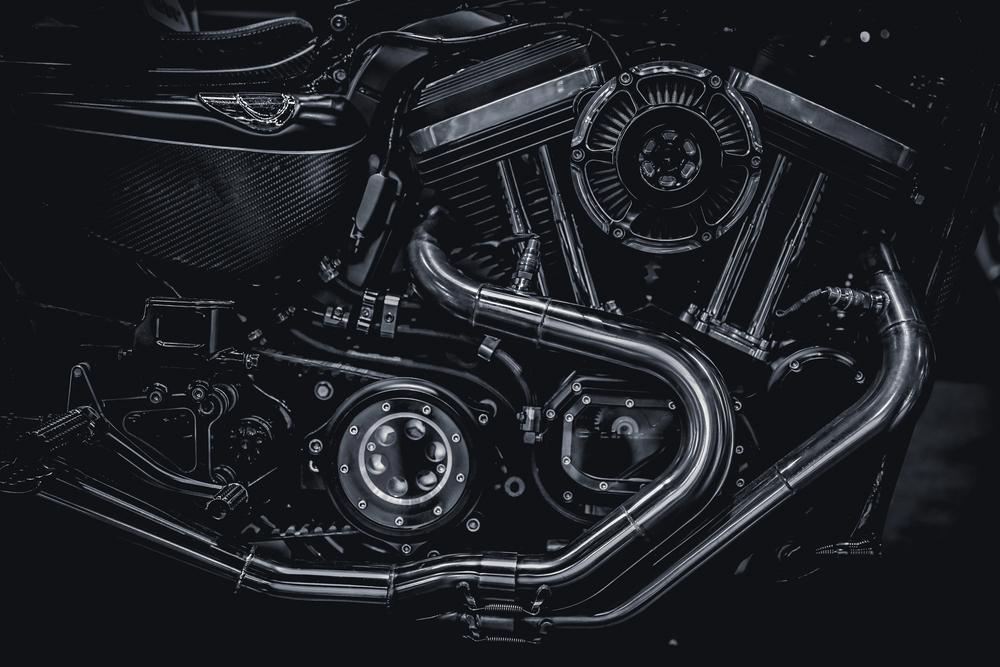
Vincent built exactly 31 Black Lightning motorcycles between 1948 and 1952. That’s it.
Only 31 Black Lightnings were ever built, making each one rarer than most supercars today. The company knew they were creating something special, not mass-producing commuter bikes.
Each Black Lightning took months to build because every part was hand-crafted for speed.
It hit 150 mph when that seemed crazy
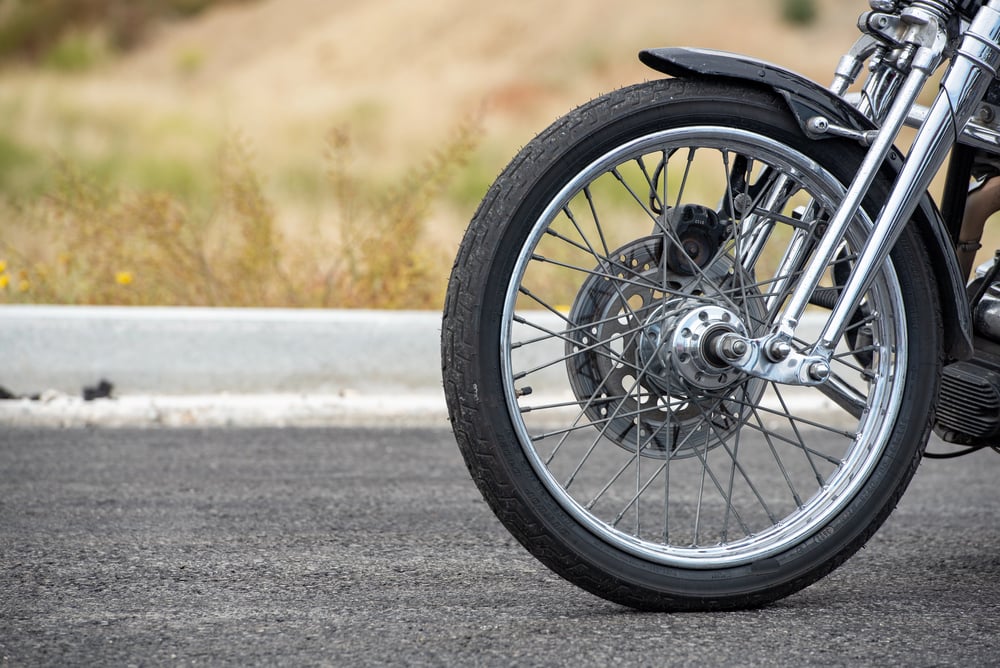
At the time of its introduction in 1948, the Vincent Black Lightning was the fastest production motorcycle in the world, capable of achieving 150 mph through its 70-hp, 998cc V-twin engine.Most people couldn’t believe a motorcycle could go that fast and stay in one piece.
Cars of the era struggled to reach those speeds, yet Vincent pulled it off with two wheels and a prayer.
Rollie Free wore just a bathing suit for speed

American rider Rollie Free knew that clothes created drag at high speeds. So he stripped down to swimming trunks and sneakers, then laid flat on his Black Lightning at Bonneville Salt Flats.
In 1950, Rollie Free returned to the Bonneville Salt Flats and broke his own record, averaging speeds of 156.58 mph. The famous photo of him stretched out on the bike became legendary in motorcycle history.
Each bike weighed less than two people
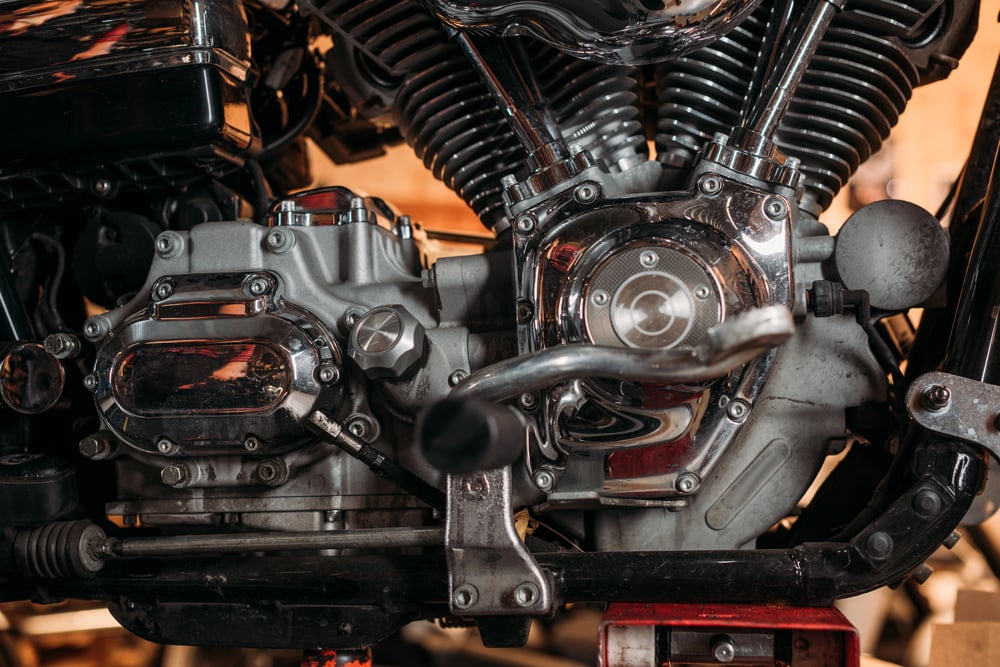
Racing trims were supplied with magnesium alloy parts, special racing rims and tyres and others which made the Lightning lose weight to a mere 380 lbs.Vincent engineers obsessed over every ounce, using lightweight materials everywhere possible.
The frame itself was part of the engine structure, eliminating unnecessary weight while keeping the bike strong enough to handle brutal speeds.
The engine packed 70 horsepower when that was huge
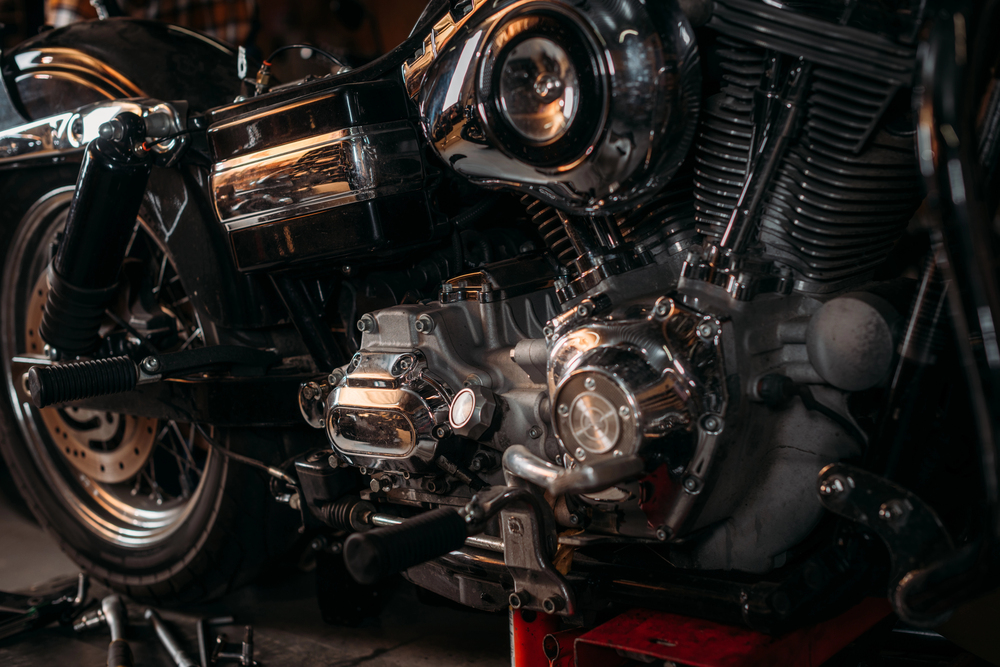
A 70-hp, 998cc V-twin engine doesn’t sound like much today, but in 1948 it was enormous power. Most motorcycles made 20-30 horsepower back then.
Vincent achieved this by using racing camshafts, polished connecting rods, and careful engineering that squeezed every bit of power from the 998cc engine without making it explode.
Jack Ehret set the Australian speed record
In 1953 this particular machine on display was used by Jack Ehret to set the Australian speed record at 227.7 km/h on a short stretch of road near Gunnedah, New South Wales.Ehret picked a straight stretch of country road and opened the throttle completely.
Racing parts came standard from the factory
Black Lightning was supplied in racing trim with magnesium alloy components, special racing tyres on alloy rims, rear-set foot controls, a solo seat and aluminium mudguards.Vincent didn’t mess around with street-friendly compromises.
Every Lightning left the factory ready to race, with components designed for maximum performance rather than comfort or convenience.
The camshafts were specially ground for racing
Higher-performance racing components, including Mark II Vincent cams with a higher lift and more overlap gave the engine its fierce personality.These racing cams made the engine lumpy at idle but screaming fast at high RPM.
Street riders found them difficult to manage, but racers loved the explosive power they delivered when the throttle opened wide.
One bike sold for nearly a million dollars

Bonhams today captured the world record for a motorcycle at auction when it sold a 1951 Vincent Black Lightning for $929,000 in Las Vegas.That specific bike was the same one Jack Ehret used to set his Australian speed record.
Collectors went crazy bidding on a piece of motorcycle history that represented the absolute peak of 1950s engineering and speed.
Only 19 original bikes survive today
Only 19 matching-numbers examples still exist out of the original 31 built.
Many were crashed during racing or modified so heavily that they lost their original identity. The surviving bikes are treated like museum pieces because finding replacement parts is nearly impossible and the craftsmanship can never be replicated exactly.
The frame was part of the engine design
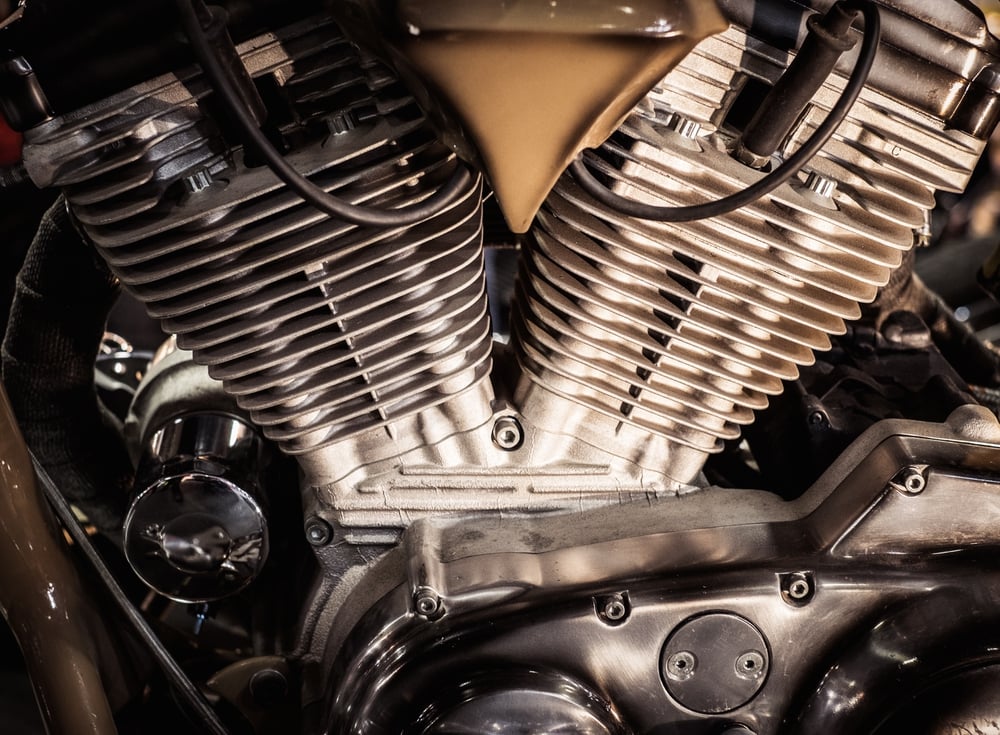
Vincent used the engine as a stressed member of the chassis, meaning the motor itself helped hold the bike together.This innovative design saved weight and improved rigidity compared to traditional separate frame and engine setups.
The approach was decades ahead of its time and influenced modern motorcycle design philosophy.
Special connecting rods could handle the power
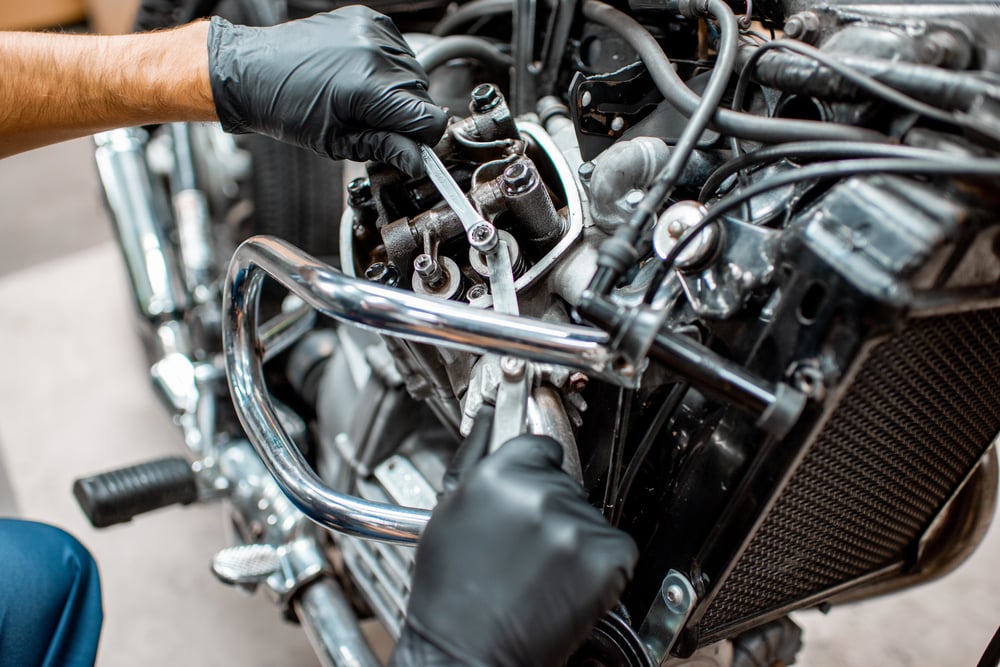
Stronger, highly polished Vibrac connecting rods with a large-diameter caged roller-bearing big end were built to withstand the massive forces inside the racing engine.Regular connecting rods would have snapped under the stress of 150 mph runs.
Vincent spared no expense on internal components that riders never saw but absolutely depended on.
The speedometer went to 280 kilometers per hour
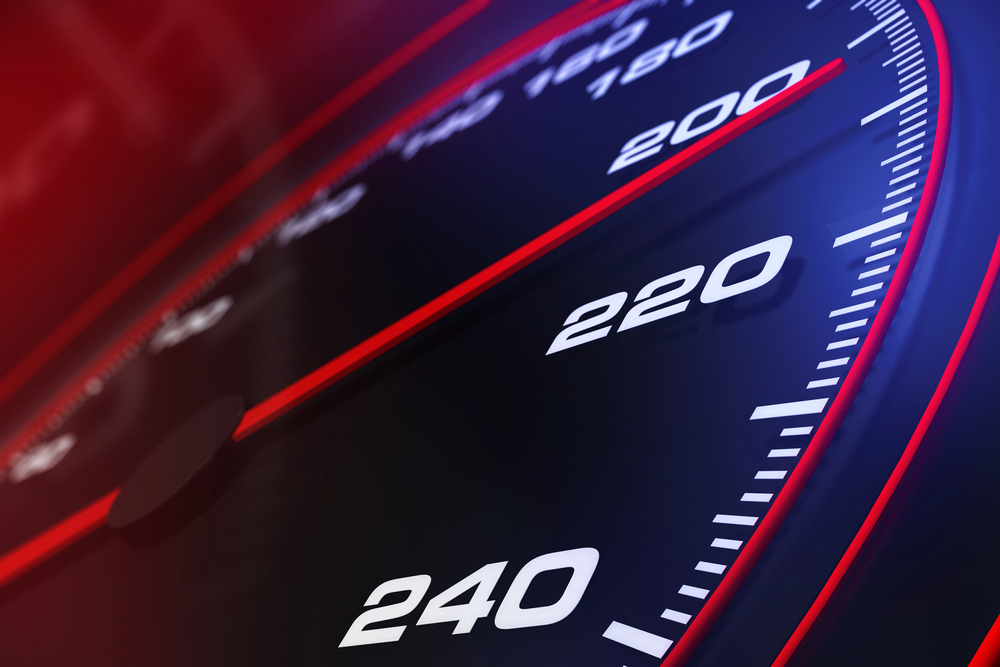
Besides the standard Lightning spec carried a 280km/h speedometer because Vincent knew the bike could actually reach those speeds.Most motorcycle speedometers of the era optimistically showed 100 mph but rarely got used above 60.
Lightning riders needed instruments that could handle the real performance their machines delivered.
From post-war innovation to timeless legend
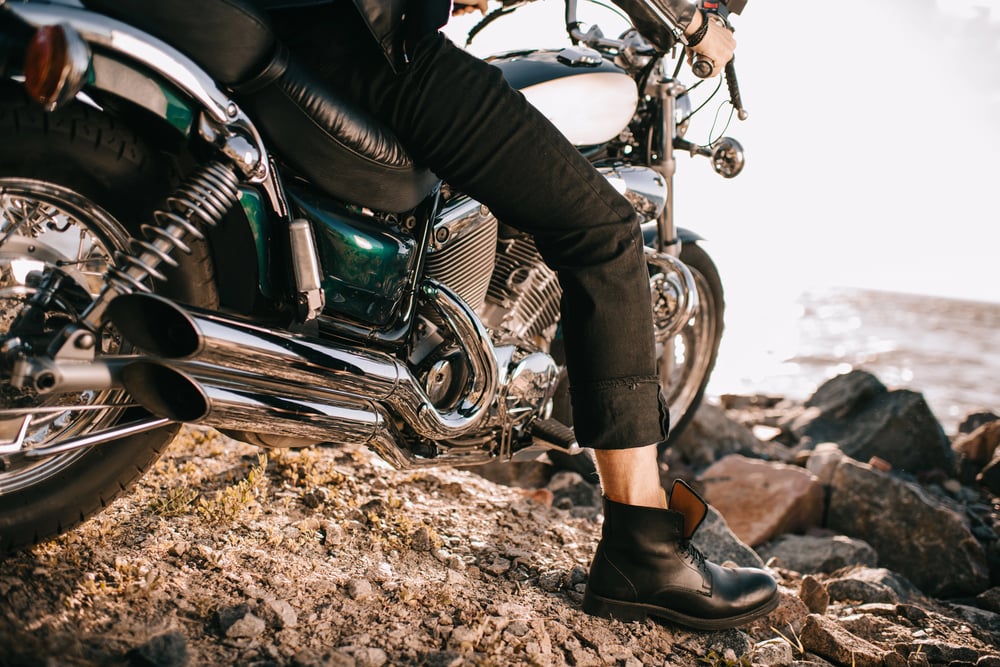
The Vincent Black Lightning emerged from a time when engineers could build whatever they imagined without worrying about emissions, safety regulations, or insurance companies.Those brilliant designers created a motorcycle that still seems fast and exotic today, decades after its last ride.
More from Go2Tutors!

- The Romanov Crown Jewels and Their Tragic Fate
- 13 Historical Mysteries That Science Still Can’t Solve
- Famous Hoaxes That Fooled the World for Years
- 15 Child Stars with Tragic Adult Lives
- 16 Famous Jewelry Pieces in History
Like Go2Tutors’s content? Follow us on MSN.



