Facts People Think Are Obvious But Aren’t
You’ve likely pointed out a flaw in someone else’s words before, then realized afterward that your own understanding was off. That moment sits heavily.
Worse still if the error lived inside a belief you held tightly – so clear in your mind that doubt didn’t stand a chance.
The world runs on shaky truths – stuff everybody swears by until it crumbles. Beliefs treated like fact, yet built on air.
What’s odd? How sure folks are when they’re dead wrong. Confidence without foundation, somehow never in short supply.
Goldfish Memory Lasts Longer Than Three Seconds

The idea that goldfish forget everything after three seconds has become shorthand for a terrible memory. People use it in jokes, analogies, and insults.
The problem is that goldfish can remember things for months.
Studies show goldfish can be trained to respond to signals, recognize their owners, and remember feeding schedules. They can navigate mazes and remember the route weeks later.
Some research suggests their memory span extends up to five months. The three-second myth has no scientific basis whatsoever, yet it persists as common knowledge.
Lightning Strikes the Same Place Repeatedly

The saying “lightning never strikes the same place twice” sounds wise until you think about it for even a moment. Lightning follows the path of least resistance to the ground.
Tall structures, metal objects, and high points create ideal paths. Once lightning finds a good route, it’s likely to use it again.
The Empire State Building gets struck by lightning around 25 times per year. Certain trees in parks get hit repeatedly.
Lightning rods work specifically because lightning does strike the same place multiple times. The saying might be metaphorical, but people regularly cite it as a scientific fact.
You Don’t Lose Most of Your Body Heat Through Your Head
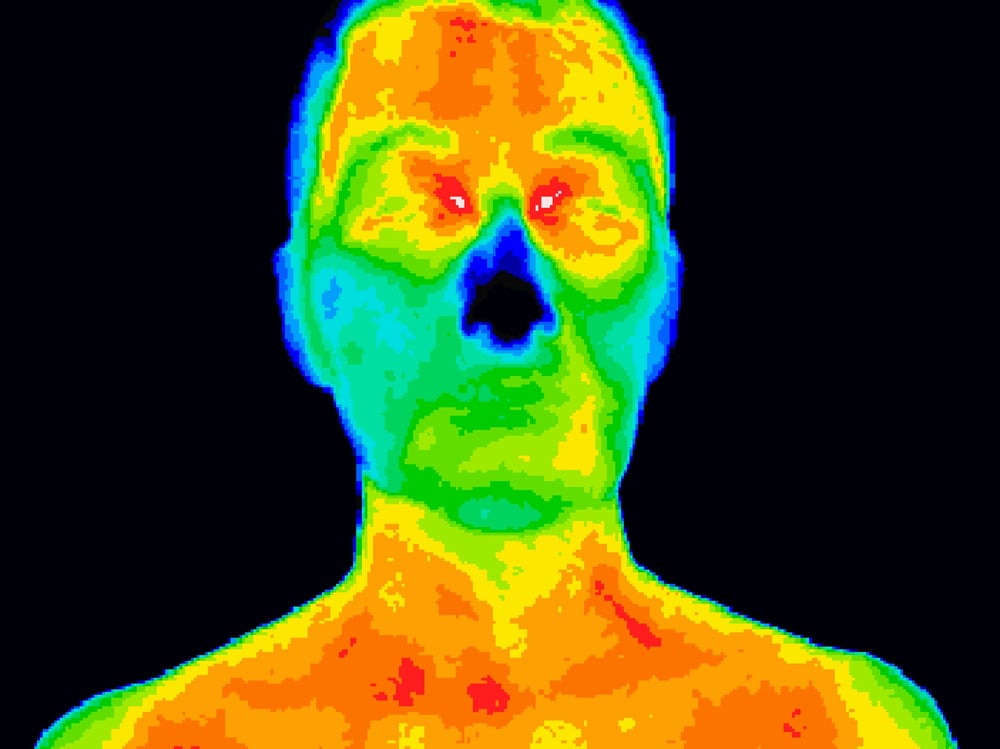
This one gets repeated constantly, especially by parents telling kids to wear hats. The claim is that you lose 40 to 50 percent of your body heat through your head.
In reality, you lose heat from any exposed skin proportional to how much skin is exposed.
Your head accounts for about 10 percent of your body’s surface area. When it’s uncovered, you lose roughly 10 percent of your heat through it.
The myth originated from a flawed military study in the 1950s where subjects wore survival suits that left only their heads exposed. Of course they lost most of their heat through their heads—it was the only uncovered part.
Mount Everest Isn’t the Tallest Mountain

Ask someone to name the tallest mountain on Earth and they’ll say Mount Everest. That’s technically correct only if you measure from sea level.
If you measure from base to peak, Mauna Kea in Hawaii is taller.
Most of Mauna Kea sits underwater, but from its base on the ocean floor to its summit, it measures 33,500 feet. Everest is 29,032 feet from sea level to peak.
If you measure by distance from Earth’s center, Mount Chimborazo in Ecuador wins. Earth bulges at the equator, so mountains there extend farther into space than mountains at higher latitudes.
Chimborazo’s peak is about 6,800 feet farther from Earth’s center than Everest’s peak. Everest is only the tallest when measured specifically from sea level.
Glass Isn’t a Slow-Moving Liquid
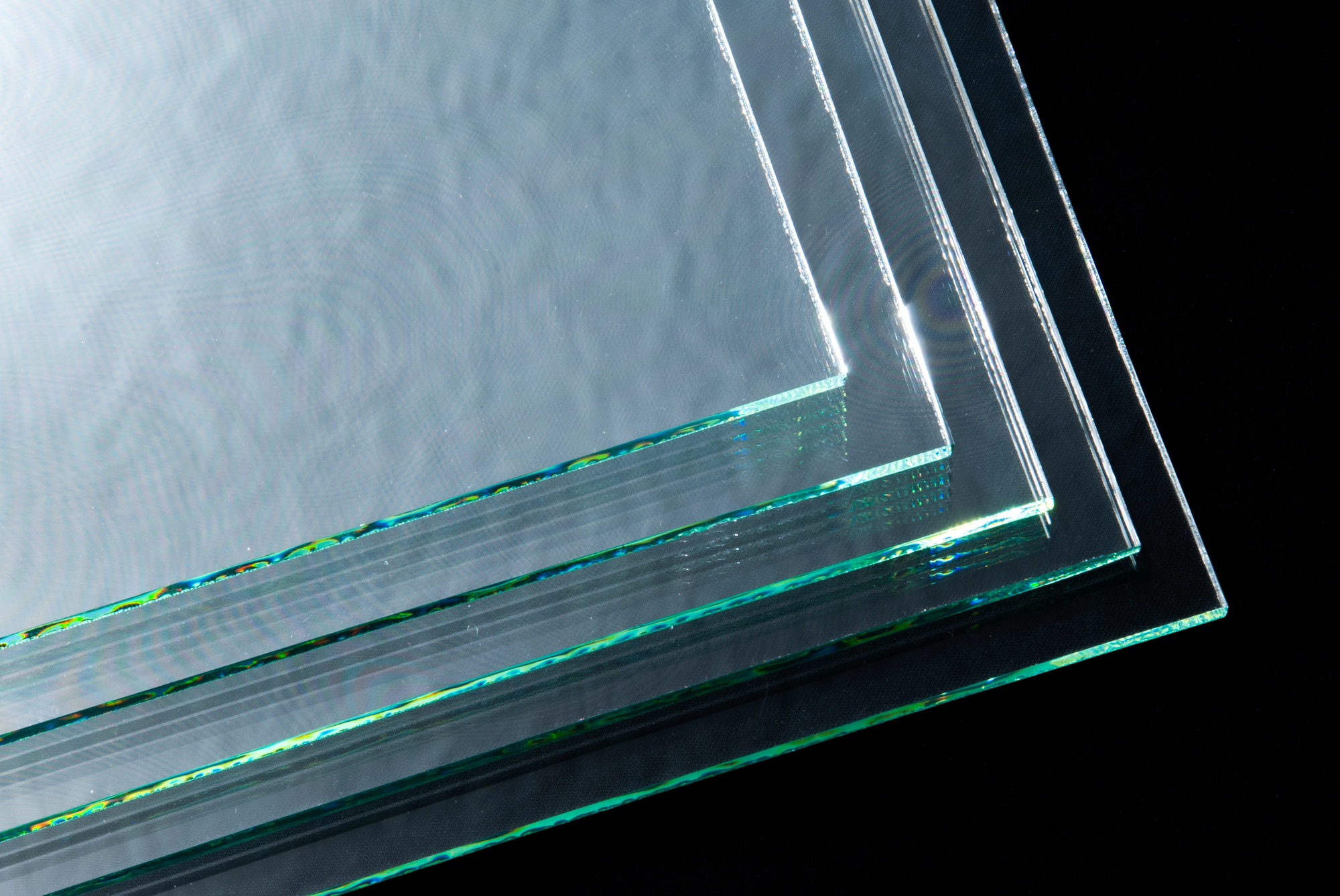
Old windows sometimes appear thicker at the bottom, leading to the widespread belief that glass is actually a liquid that flows downward over centuries. This explanation sounds plausible and gets taught as fact, but it’s wrong.
Glass is an amorphous solid. Its molecules are arranged randomly, like a liquid, but they don’t move.
The thick-bottom effect in old windows comes from manufacturing processes. When glassmakers created window panes, they often installed them with the heavier side down for stability.
Modern analysis of ancient glass shows no flow whatsoever. If glass flowed at room temperature, we’d see sagging in ancient Roman glass artifacts.
We don’t.
Different Parts of Your Tongue Don’t Taste Different Flavors

The tongue map—showing sweet at the tip, salty and sour on the sides, and bitter at the back—appears in textbooks, classrooms, and educational videos. It’s completely false.
Every part of your tongue can detect all five basic tastes: sweet, salty, sour, bitter, and umami.
The myth originated from a mistranslation of a German paper from 1901. The researcher noted slight variations in sensitivity across the tongue, but the translator and subsequent educators exaggerated these minor differences into distinct zones.
You can prove this wrong yourself by putting sugar on the back of your tongue or salt on the tip. You’ll taste them just fine.
Chameleons Don’t Change Color to Match Their Surroundings

Chameleons change color based on temperature, light, and mood—not to camouflage themselves against backgrounds. When a chameleon gets cold, stressed, or wants to attract a mate, its skin changes.
The color shift comes from cells called chromatophores that expand or contract in response to these conditions.
Some species do use color for camouflage, but it’s not a conscious matching process. They don’t look at a red flower and turn red.
Their natural resting colors tend to blend with their environment, but the dramatic color changes happen for communication and thermoregulation. The idea of chameleons as perfect camouflage artists is mostly fiction.
The Great Wall of China Isn’t Visible From Space

This gets stated as fact so often that astronauts have had to repeatedly debunk it. The Great Wall is long, but it’s also narrow—about 20 feet wide in most places.
From low Earth orbit, you can’t see it with your eyes any more than you can see a highway.
The myth gained traction long before space travel. People assumed something so large must be visible from space.
When astronauts finally went up, they found it wasn’t. Some astronauts have photographed it using telephoto lenses, but that’s different from seeing it naturally.
Meanwhile, you can easily see cities, airports, and large agricultural areas from orbit.
Carrots Don’t Dramatically Improve Your Vision

Eating carrots provides vitamin A, which is necessary for eye health. But eating extra carrots beyond what you need won’t give you better than normal vision.
The idea that carrots significantly improve eyesight comes from World War II propaganda.
British intelligence wanted to hide their use of radar from the Germans. When British pilots started shooting down enemy planes at night with suspicious accuracy, the British government spread stories about pilots eating lots of carrots to improve their night vision.
The Germans apparently bought it, and the myth spread to the general public. Carrots are healthy, but they won’t give you supervision.
Vikings Didn’t Wear Horned Helmets
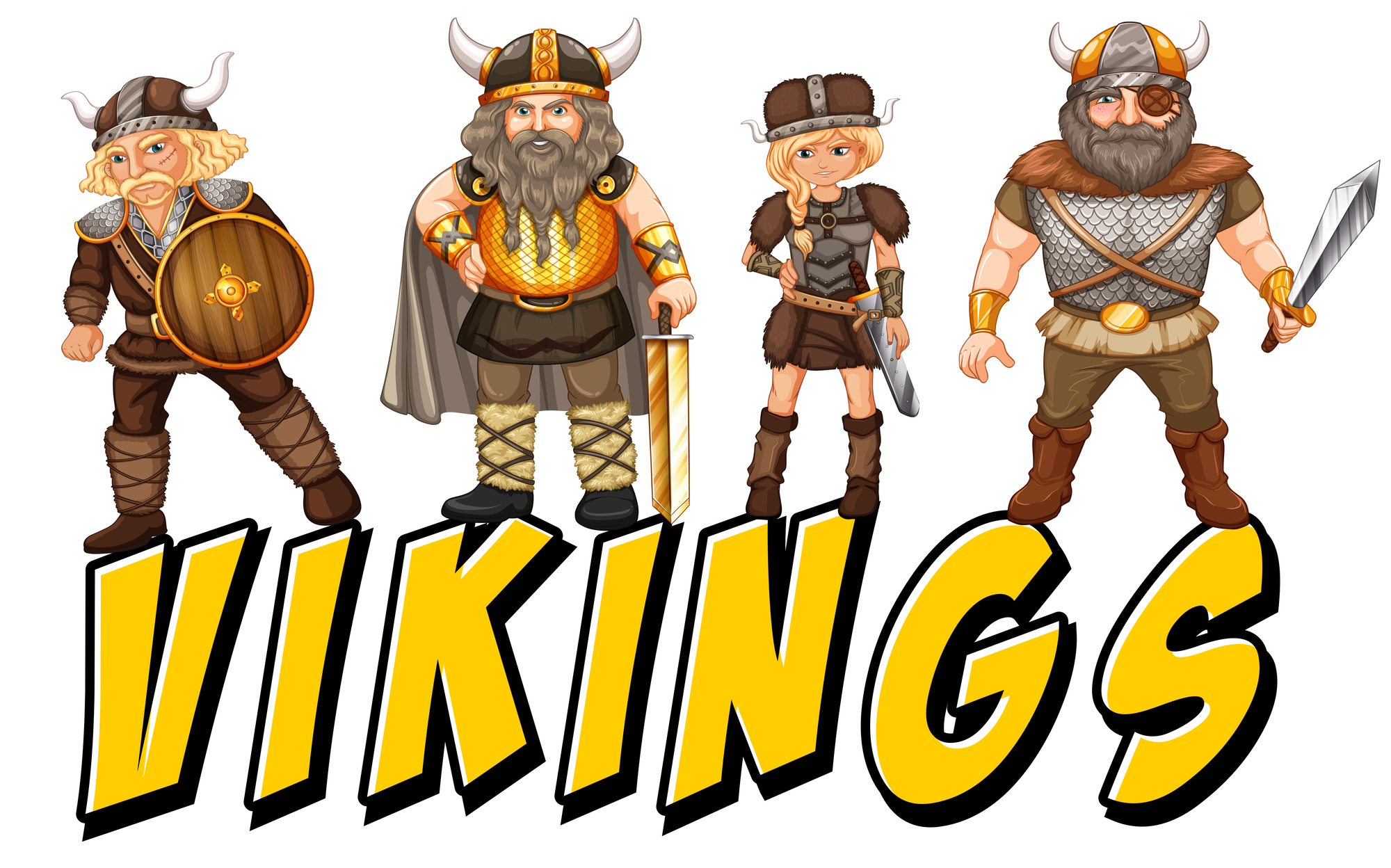
Every cartoon, Halloween costume, and sports mascot depicts Vikings with horned helmets. No archaeological evidence supports this image.
Historians have found plenty of Viking helmets, and none have horns.
The horned helmet idea came from 19th-century romanticism. Artists and opera costume designers added horns to make Vikings look more dramatic and barbaric.
The image caught on and became the standard depiction. Actual Viking helmets were simple, practical, and horn-free.
Horns would be a liability in combat—they’d give opponents something to grab and would catch on things.
Diamonds Aren’t Actually Rare

The diamond industry has successfully convinced the world that diamonds are rare, precious, and the only acceptable stone for engagement rings. In reality, diamonds are relatively common.
They’re rarer than sand, but so is almost every other gemstone.
The scarcity is artificial. One company, De Beers, controlled the diamond supply throughout most of the 20th century and carefully restricted how many entered the market.
They also ran one of history’s most successful marketing campaigns, creating the tradition of diamond engagement rings. Before the 1930s, diamond rings weren’t standard for engagements.
The whole tradition is younger than your grandparents.
Bulls Don’t Get Angry at the Color Red

Matadors wave red capes, bulls charge, and everyone assumes the bulls are enraged by the color. Bulls are colorblind to red.
They see it as a shade of gray or brown. What makes them charge is the movement of the cape, not its color.
The cape is red for the human audience. It hides bloodstains and creates visual drama.
Test after test has shown bulls respond the same way to different colored capes as long as they’re moving. The misconception is so widespread that “seeing red” has become a metaphor for anger, all based on a misunderstanding of bull behavior.
Eating Before Swimming Doesn’t Cause Cramps

Parents have warned generations of children to wait 30 minutes after eating before swimming, claiming you’ll get cramps and drown. No evidence supports this.
Athletes eat before competitions all the time. Olympic swimmers don’t schedule meals hours before races.
The concern about diverted blood flow causing cramps is exaggerated. Your body can handle digestion and swimming simultaneously.
The real dangers in swimming are exhaustion, cold water, and lack of supervision. The 30-minute rule is one of those things that gets passed down because it sounds reasonable, not because it’s true.
Shaving Doesn’t Make Hair Grow Back Thicker

You shave your legs or face, and when the hair grows back, it feels coarser and looks darker. This creates the impression that shaving makes hair thicker.
It doesn’t. Shaving cuts hair at its thickest point—at the skin surface.
The tip of a hair naturally tapers. When you cut off that tapered end, the blunt edge that’s left feels rougher.
As the hair grows, it returns to its normal thickness. Multiple studies have confirmed that shaving has no effect on hair texture, color, or growth rate.
The perception persists because the sensory difference between a tapered tip and a blunt cut is real, even though the actual thickness hasn’t changed.
Napoleon Wasn’t Particularly Short

Napoleon’s reputation as a short man is so entrenched that “Napoleon complex” refers to overcompensating for small stature. Napoleon was about 5 feet 6 inches to 5 feet 7 inches tall.
For his time and nationality, this was average or slightly above average.
The confusion comes from French versus British measurements. In French units, Napoleon was 5 feet 2 inches, which British propaganda translated directly without accounting for the different measurement systems.
British cartoonists depicted him as tiny, and the image stuck. His actual height wouldn’t have stood out in a crowd.
Where Certainty Meets Reality

Myths linger simply – they seem true enough. They match our assumptions without trying.
Trusted voices echo them back, again and again. Calling them out? That’s seen as nitpicking.
So silence wins, more often than not. Every wrong idea you swallow nudges your view of reality slightly off track.
When the next claim feels unquestionably right, maybe pause – look closer.
More from Go2Tutors!

- The Romanov Crown Jewels and Their Tragic Fate
- 13 Historical Mysteries That Science Still Can’t Solve
- Famous Hoaxes That Fooled the World for Years
- 15 Child Stars with Tragic Adult Lives
- 16 Famous Jewelry Pieces in History
Like Go2Tutors’s content? Follow us on MSN.