Car Features from the Past That Were Genius
These days cars come packed with more tech, speed up quicker, yet lose old tricks that made sense. Cameras help you reverse, alerts nudge you back into lanes, warm seats beat winter chill – sure, they smooth out trips.
Yet somehow, car builders tossed aside bits that just did their job without fuss. A few were basic, cost next to nothing, fixed real hiccups far cleaner than today’s fixes ever do.
Vent Windows
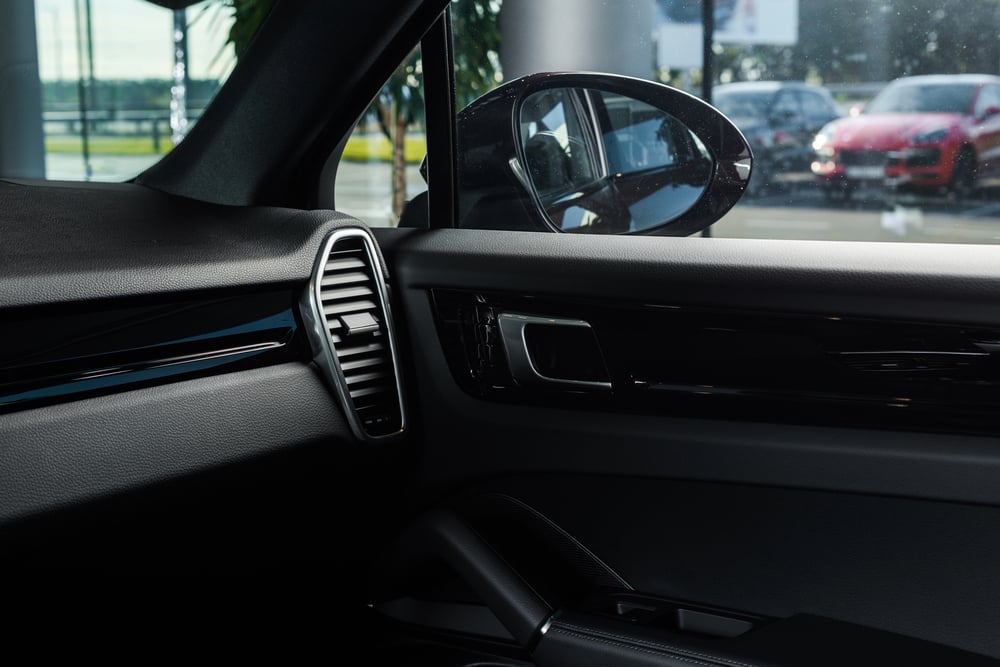
Tiny triangle panes up front on the door – more than just looks. Crack one open, airflow moves through but no gale inside.
Today’s vehicles make you drop the entire glass, leaving you swamped or stuck. That little flap let adjustments stay exact, whether crawling or moving fast.
Floor-Mounted Dimmer Switches
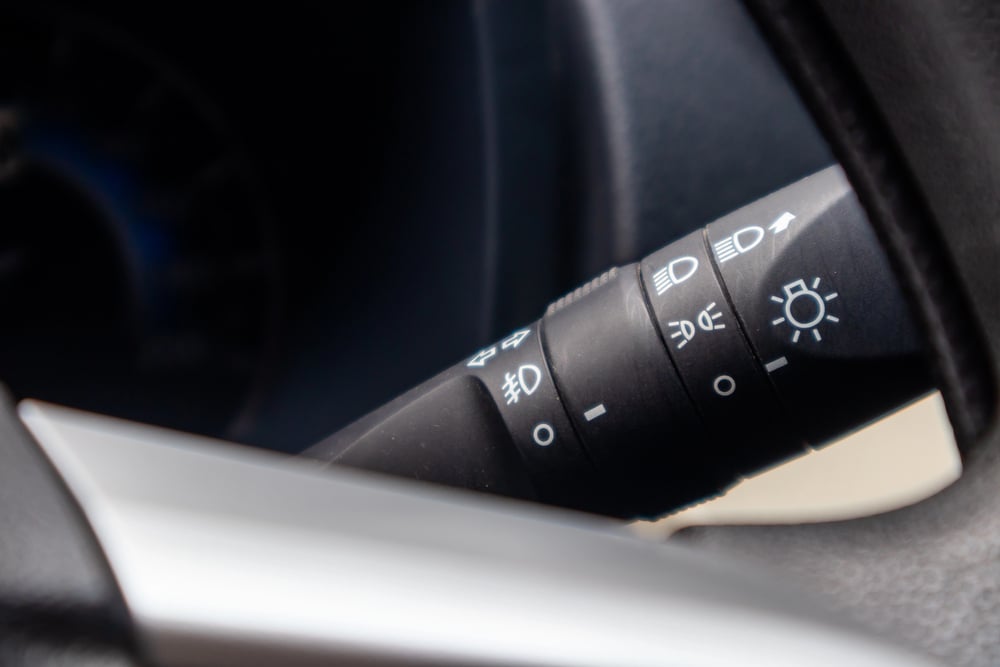
Footwork did more than work the clutch. Hitting a tap on the floor button switched lights fast – high to low.
Hands stayed put on the wheel, no hunting for stalks near the dash. Eyes kept forward, motion smooth.
Bench Front Seats
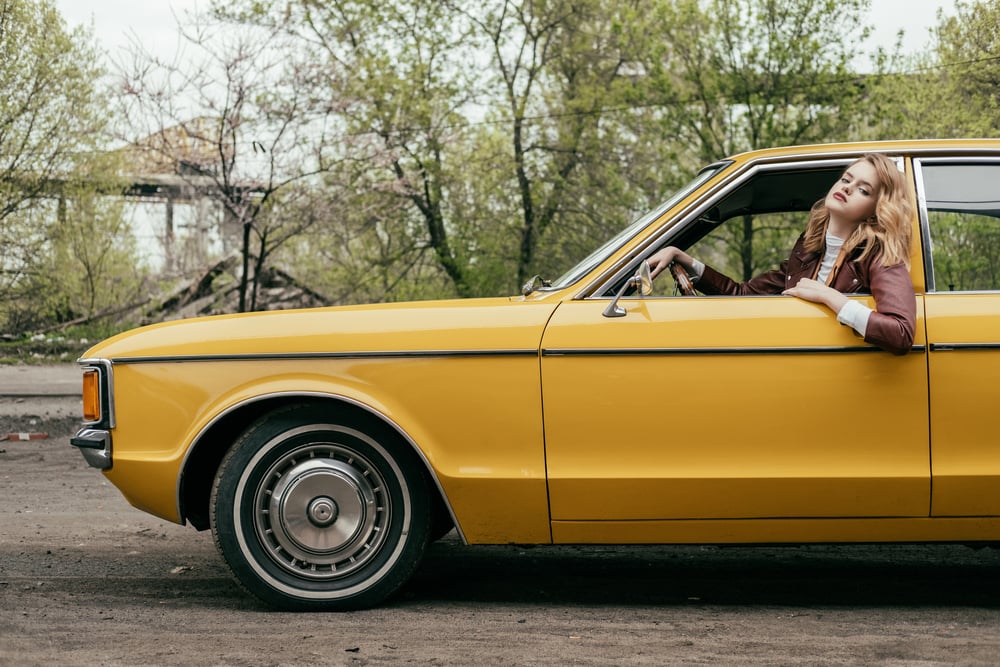
Three people fit across the front. Sure, bucket seats look sportier and hold you better in turns, but bench seats were practical.
Road trips with friends meant someone didn’t get stuck in the cramped back seat. Plus, the middle spot worked as an armrest when you only had two people up front.
Wing Vents That Actually Opened
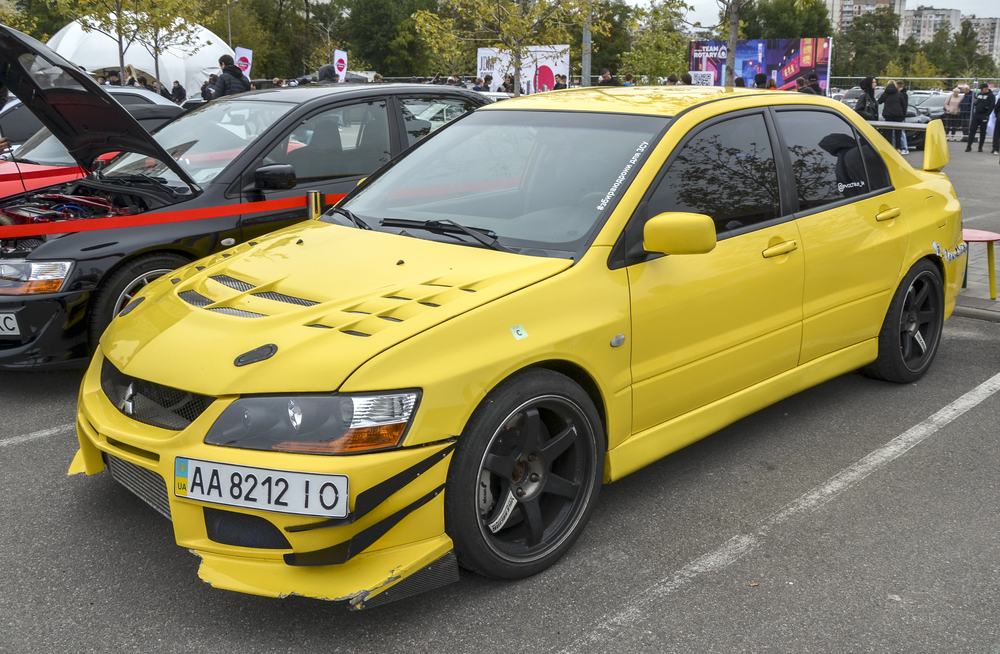
Wind slipped into old cars before coolers filled the dash. Tiny side vents cracked open by themselves, feeding breezes exactly where hands pointed them.
Aim high for forehead gusts when sun baked the roof, or tilt low so air crawled across seats while glass stayed shut. No wires, no switches – just knobs twisting metal flaps awake.
Column Shifters
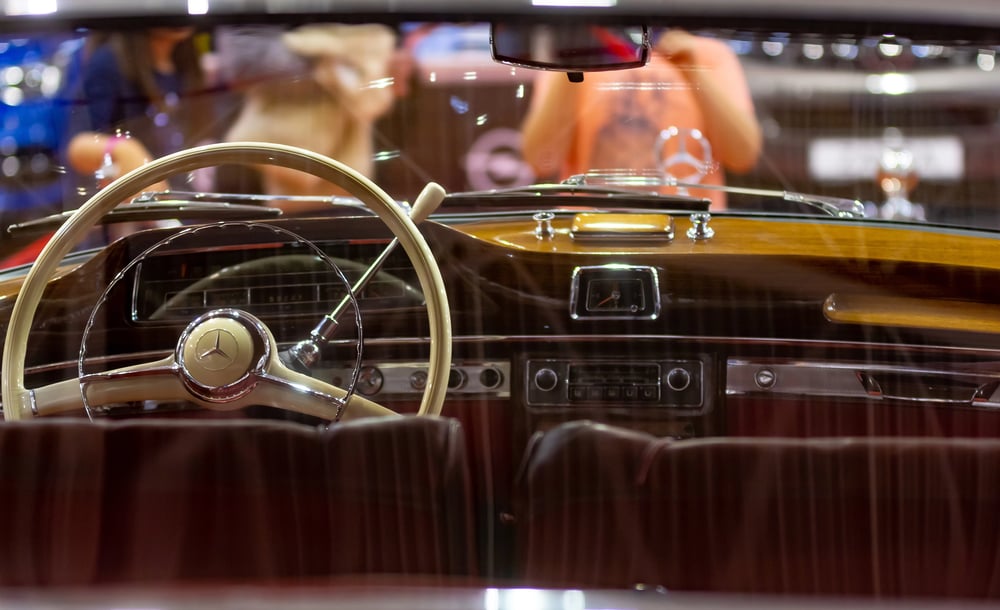
The gear shifter mounted on the steering column freed up the entire center console area. No awkward hump between the driver and passenger seats.
You could slide across the bench seat easily, and the extra space made the interior feel bigger. Automatic transmissions worked fine on the column, and it kept things uncluttered.
Physical Climate Control Knobs
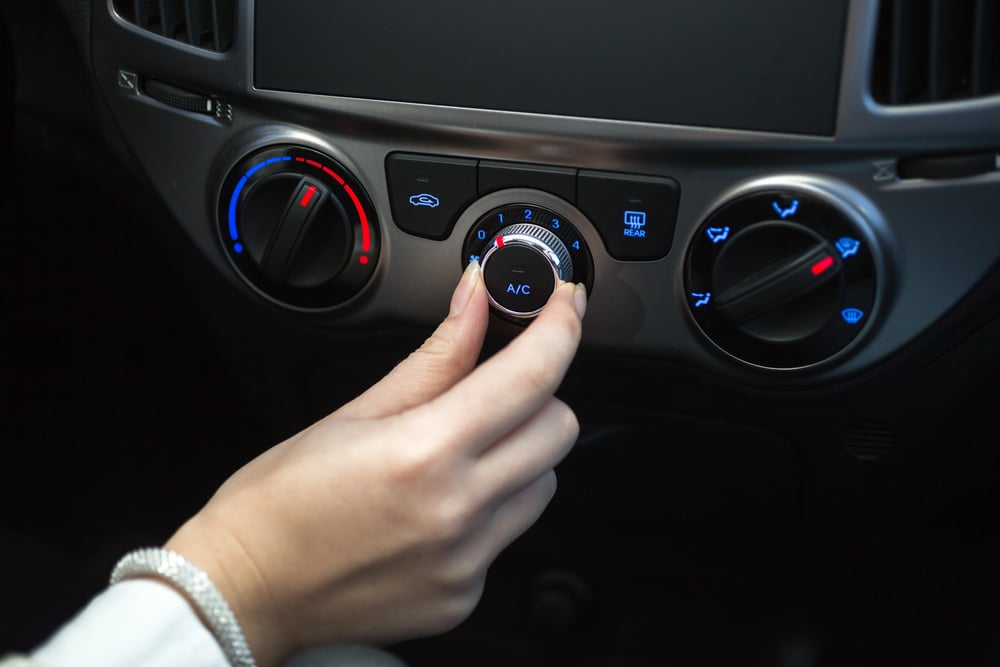
The three dials ran it all – heat level, airflow strength, wind direction. Eyes stayed off them.
Fingers remembered their spots, a single twist changed warmth in just one beat of time. Screens never touched this job.
Chrome Bumpers
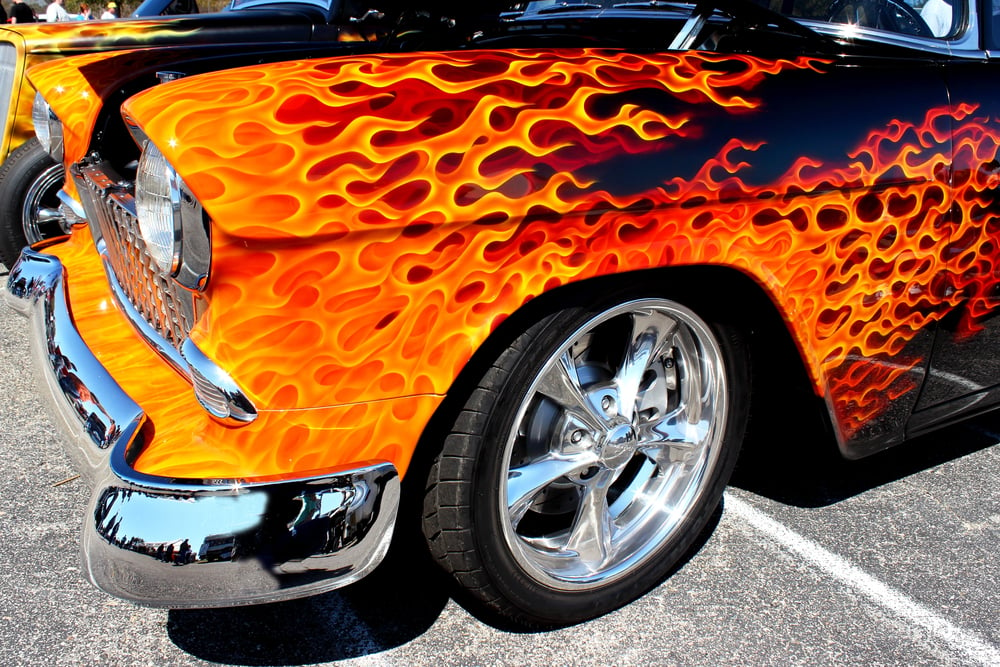
Bumpers used to protect the car. A solid chrome bumper could take a hit from another car in a parking lot and barely show a scratch.
Modern bumpers are made of plastic and foam that crumples on impact. Even minor bumps require expensive repairs because the whole assembly needs replacement.
Foot-Operated Parking Brakes
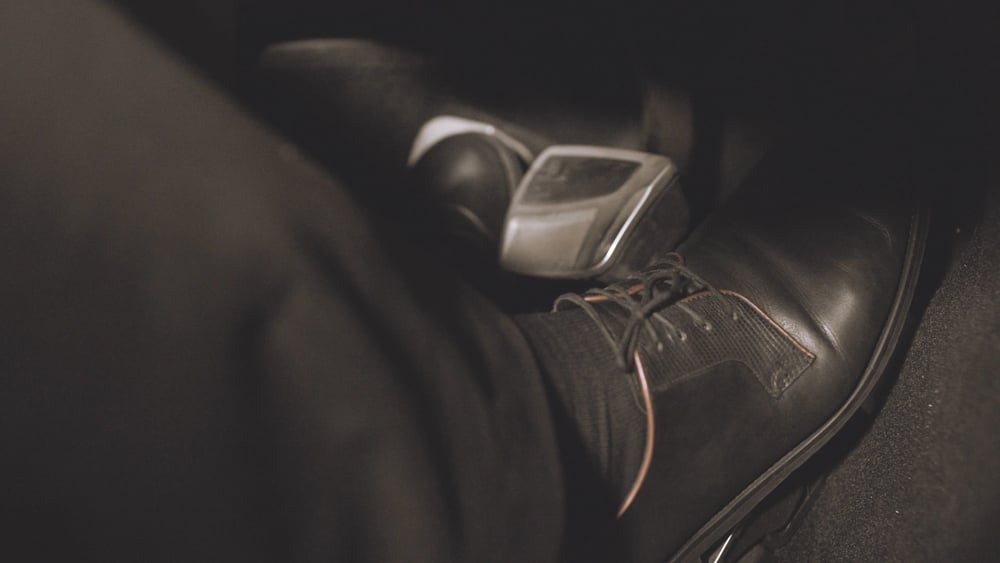
The parking brake pedal sat up near the dead pedal on the far left. One push engaged it, and you released it with a small handle under the dash.
This setup kept the center console clear and made engaging the brake feel solid and secure. Hand brakes between the seats work fine, but they take up space and require more effort.
Simple Key Ignition
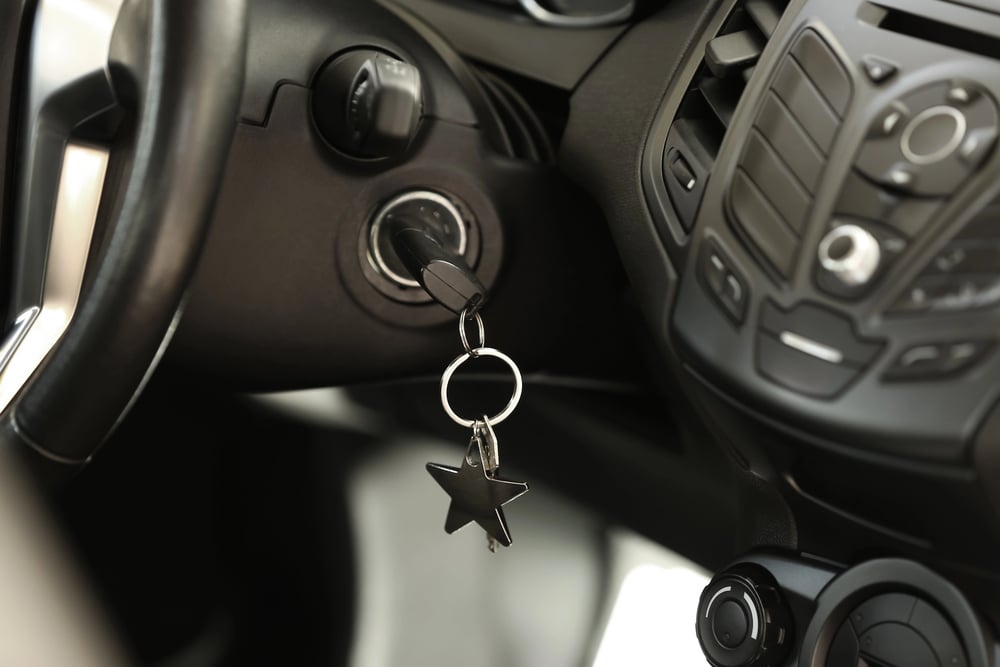
A metal key started the car. No fobs, no push buttons, no proximity sensors.
You turned the key and the engine fired up. The old keys never ran out of power.
Ashtrays for Storage
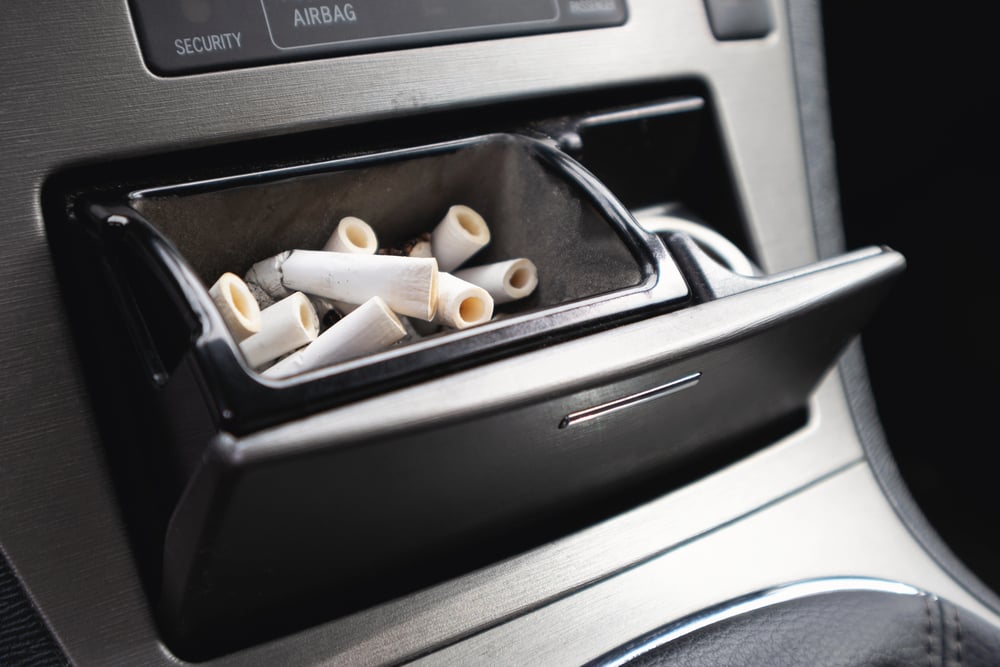
Cars came with multiple ashtrays built into the doors and center console. Even if you didn’t smoke, these made perfect spots for spare change, receipts, or small items you needed within reach.
Modern cars give you a couple of cup holders and expect you to throw loose items in the door pocket where they rattle around. The ashtray slots were small, organized, and kept clutter under control.
Hood Ornaments for Alignment
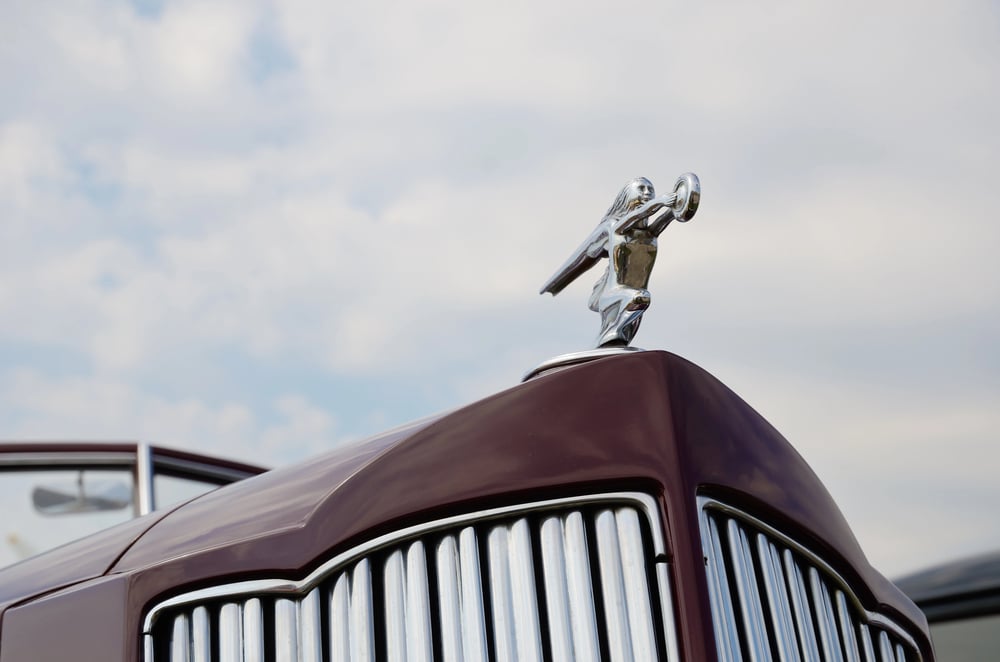
That chrome ornament on the hood wasn’t just decoration. It gave you a visual reference point for where the front of your car was positioned.
Parking in tight spots became easier because you could see exactly where your hood ended. Cars today have cameras and sensors to help with parking, but those systems cost money and require power.
Crank Windows
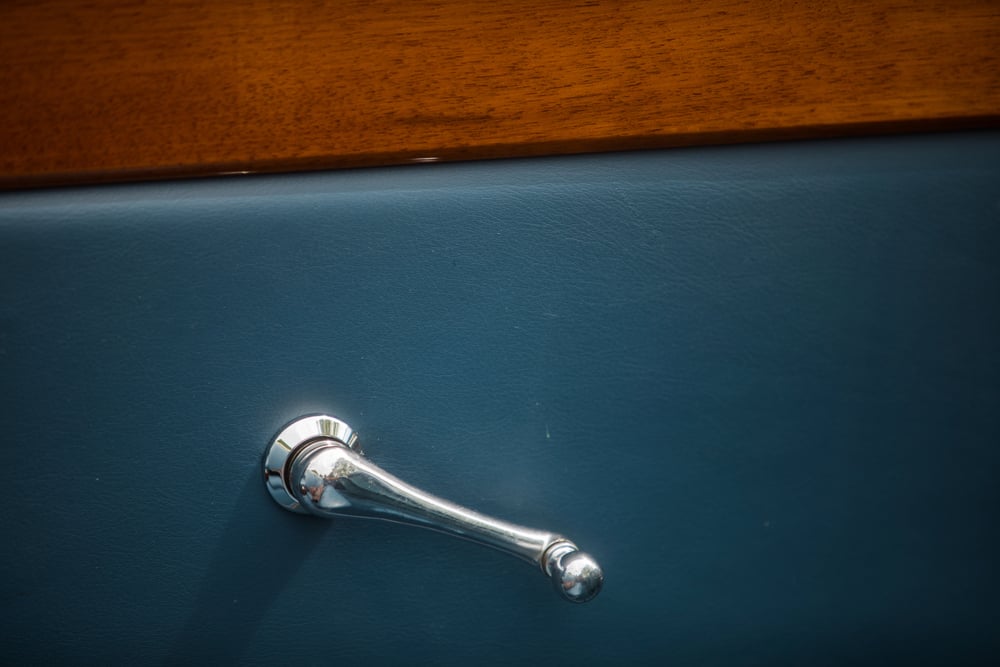
Windows that rolled down by hand just worked. Always did.
Without motors, there was nothing to wear out. Electrical glitches didn’t matter one bit.
Full-Size Spare Tires
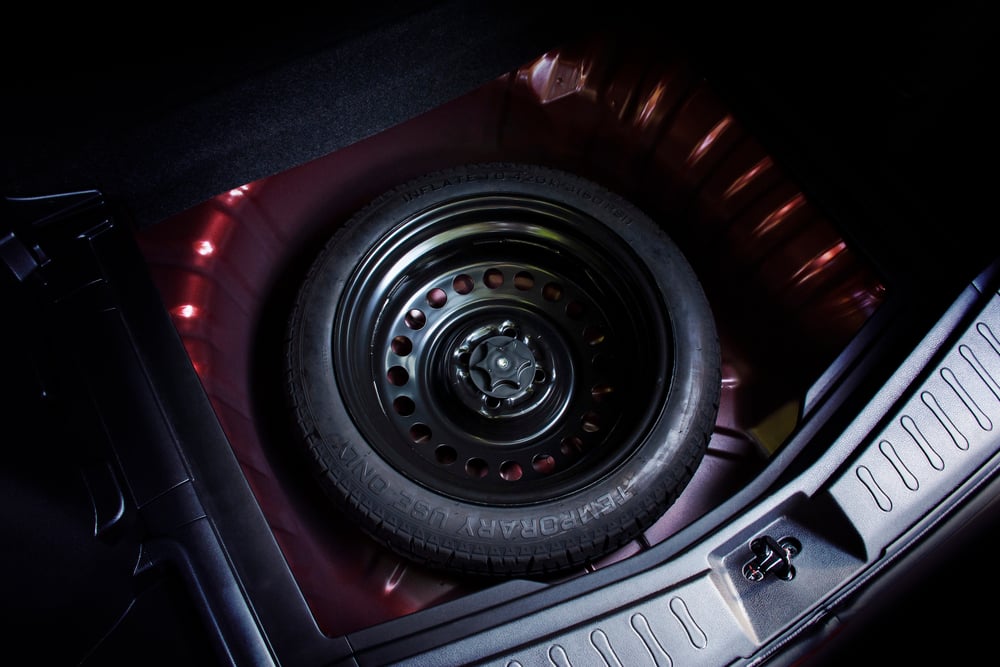
A full-size spare used to come standard in cars, just like the other tires – drivers could use it anytime. Now most times there’s only a smaller temporary wheel, built for brief trips at low speeds.
A flat tire used to mean trouble, but not once the spare arrived – suddenly a breakdown became nothing more than a brief stop. Left by the road? Maybe not anymore; swap it out and keep going, without chasing down a mechanic straight off.
What Actually Mattered
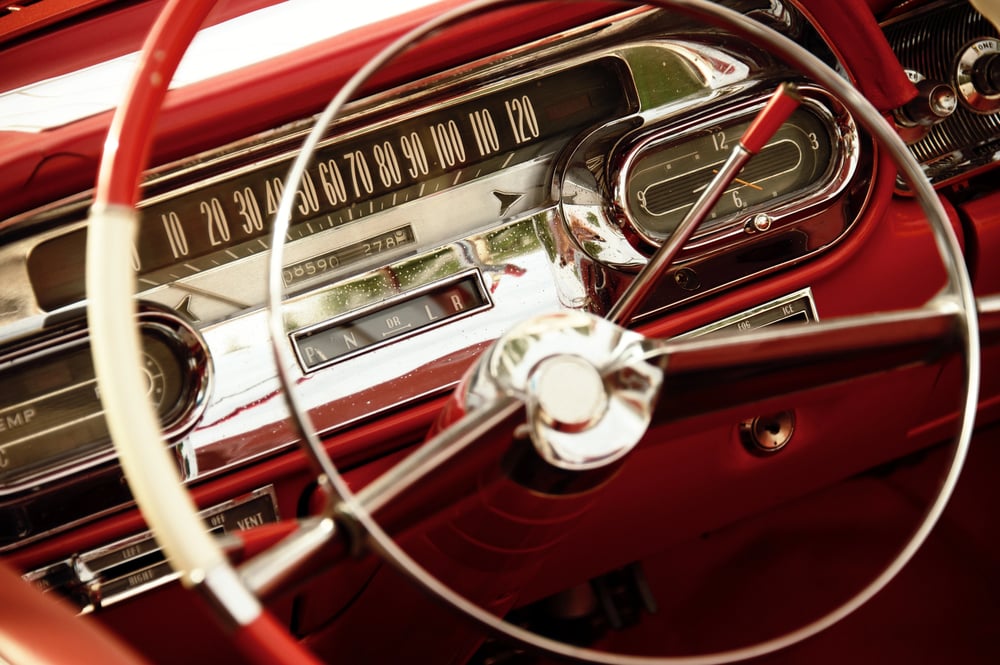
Often, simpler works better when it comes to cars. Long ago, designs gained notice by being practical, tough, surviving rough use.
Things broke less frequently in the past since there were fewer parts that could go wrong. Now, hidden extras add complexity, yet reliability feels harder to hold onto.
More from Go2Tutors!

- The Romanov Crown Jewels and Their Tragic Fate
- 13 Historical Mysteries That Science Still Can’t Solve
- Famous Hoaxes That Fooled the World for Years
- 15 Child Stars with Tragic Adult Lives
- 16 Famous Jewelry Pieces in History
Like Go2Tutors’s content? Follow us on MSN.