Charlie Chaplin’s Birthday: 15 Ways He Changed Cinema Forever
Charlie Chaplin is one of the people who has had the biggest impact on filmmaking. He was born into poverty in London in 1889 and went on to become the first true worldwide superstar in cinema, leaving an artistic legacy that continues to inspire filmmakers over a century later.
At a time when movies couldn’t even communicate, his recognizable Tramp character—who wore a bamboo cane, a bowler hat, and a toothbrush mustache—became well-known worldwide.
Let’s examine 15 significant ways that Chaplin transformed filmmaking and established methods and strategies that contemporary directors still use today.
Complete Creative Control
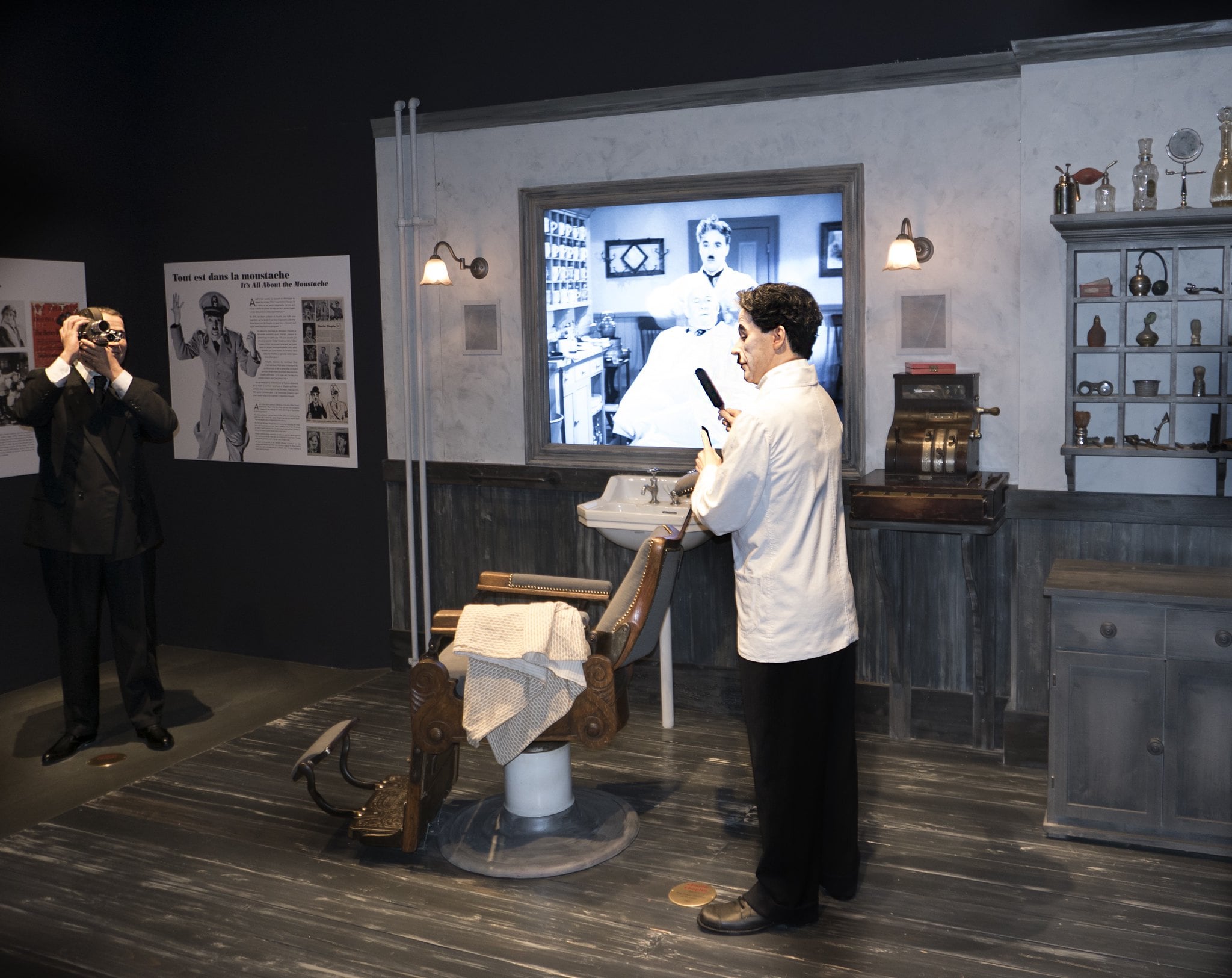
When other actors were bound by restrictive studio contracts, Chaplin was able to exercise unparalleled creative freedom when he co-founded United Artists studio in 1919. His bold decision allowed him to maintain control over all aspects of his films, including scripting, directing, and final editing.
His autonomous method demonstrated how artistic vision might flourish outside of the large studio system, laying the groundwork for auteur cinema decades before French critics would ever coin the term.
Physical Comedy Perfection

Chaplin didn’t just do physical comedy — he elevated it to high art, combining balletic grace with split-second timing that made seemingly simple gags look effortless. His background in English music halls gave him foundations for stunts he’d practice hundreds of times until perfect.
Countless modern performers from Jackie Chan to Rowan Atkinson have studied his films to understand how a tilted bowler hat or perfectly timed stumble can tell stories without a single word.
Blending Comedy With Pathos
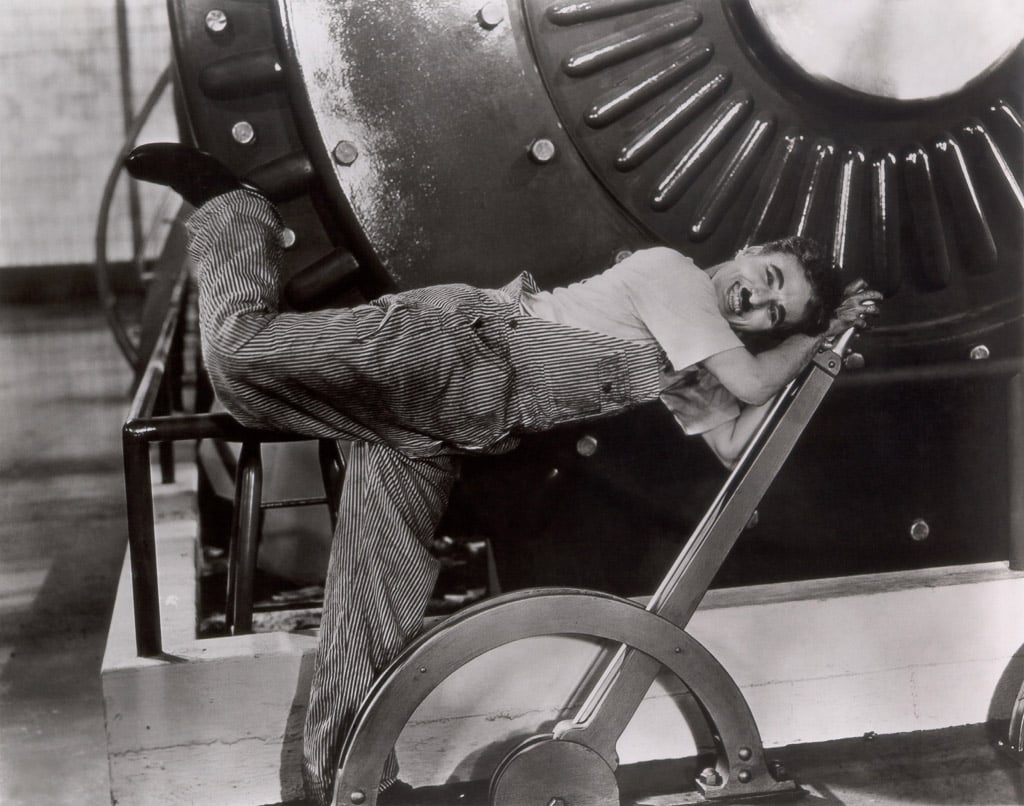
Chaplin boldly included real emotion into his comedy, creating something quite different from many silent comedians who merely sought to make people laugh. His movies frequently alternated, sometimes even within a single scene, between agonizing tenderness and comic moments.
From Roberto Benigni to Jordan Peele, this groundbreaking storytelling technique has demonstrated that comedies could convey meaningful social critique and emotional depth in addition to being lighthearted entertainment.
Like Go2Tutors’s content? Follow us on MSN.
Social Commentary

Chaplin tackled serious social issues including poverty, wealth inequality, and industrialization — wrapping them in comedy that audiences couldn’t resist. His willingness to critique society’s problems through accessible humor created uniquely powerful commentary that reached viewers worldwide.
Today’s filmmakers still follow his model of using entertainment as a vehicle for meaningful messages, recognizing that important ideas become more digestible when delivered with a perfectly timed pratfall.
Iconic Character Creation

The Tramp character became cinema’s first globally recognized icon — instantly identifiable whether you lived in New York or New Delhi. This carefully crafted persona combined contradictory elements: shabby clothes with dignity, poverty with optimism, vulnerability with cleverness.
Modern character-driven comedians from Sacha Baron Cohen to Tyler Perry follow Chaplin’s template of developing distinctive, memorable personas that can sustain multiple films while examining different corners of society.
Transition to Sound
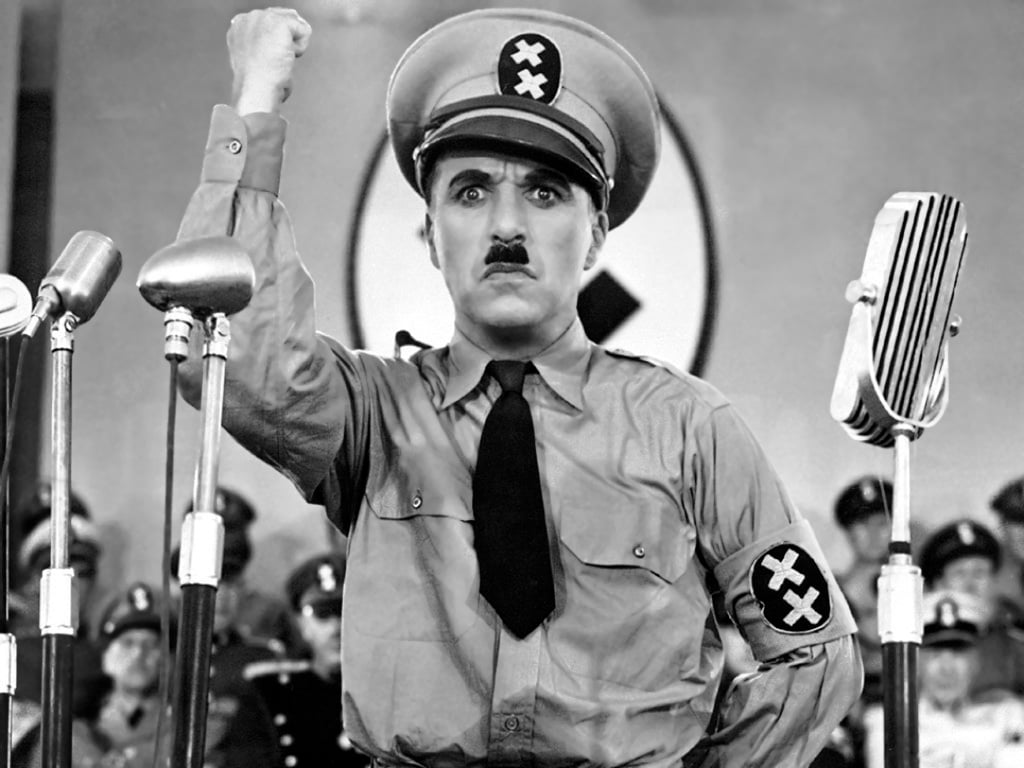
When talkies revolutionized movies, Chaplin resisted jumping on the bandwagon — instead creating silent masterpieces like ‘City Lights’ (1931) and ‘Modern Times’ (1936) years after most studios had abandoned silent filmmaking. When he finally embraced sound in ‘The Great Dictator’ (1940), he did so with purpose rather than gimmickry.
His thoughtful, stubborn approach taught filmmakers that new technology should serve storytelling — not the other way around, a lesson particularly relevant in today’s CGI-saturated industry.
Like Go2Tutors’s content? Follow us on MSN.
Score Composition
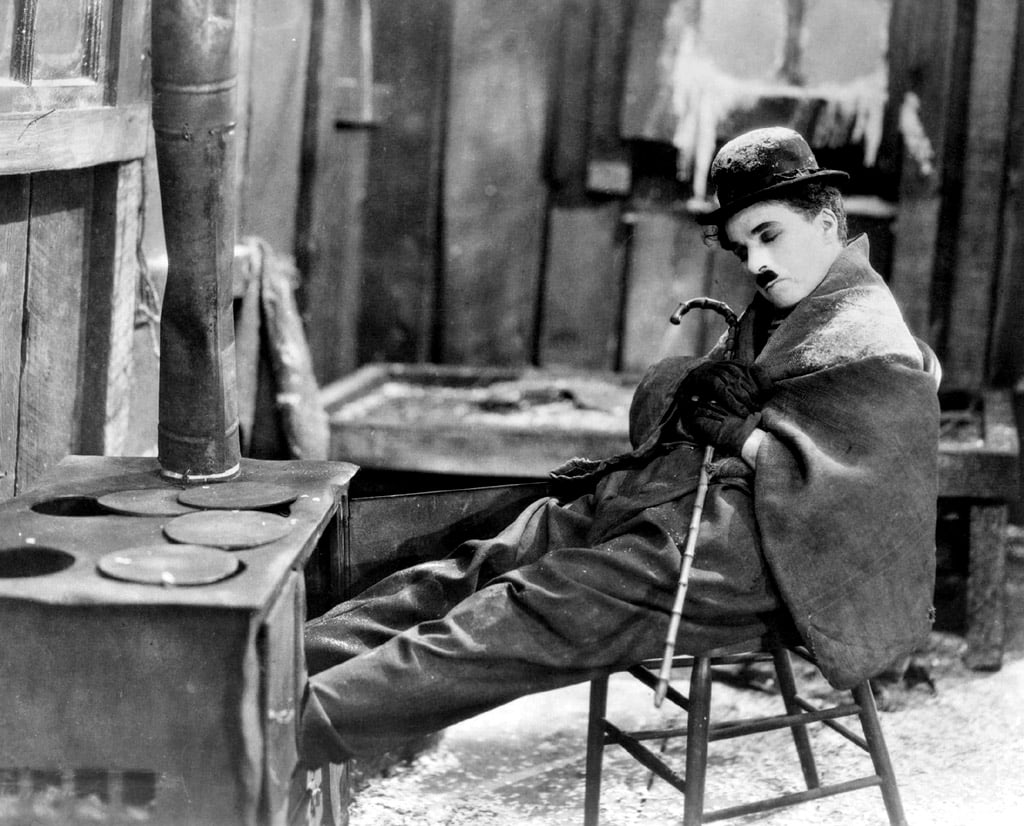
Chaplin composed musical scores for his films despite having zero formal training — creating themes that perfectly matched his visual storytelling. His most famous composition, ‘Smile’ from ‘Modern Times,’ became a standard recorded by everyone from Nat King Cole to Michael Jackson.
This hands-on approach to film music demonstrated the importance of integrating sound and image into one cohesive vision, inspiring later filmmaker-composers who maintain creative control across multiple disciplines.
Global Appeal

Chaplin deliberately crafted films that worked without language — creating universal stories when cinema was just beginning to reach international audiences. His physical comedy and expressive face communicated across cultures without translation, making him arguably the world’s first truly global entertainer.
Filmmakers today still analyze his techniques for creating narratives that resonate globally — particularly valuable in our interconnected entertainment marketplace where international appeal can make or break a film’s success.
Editing Innovations
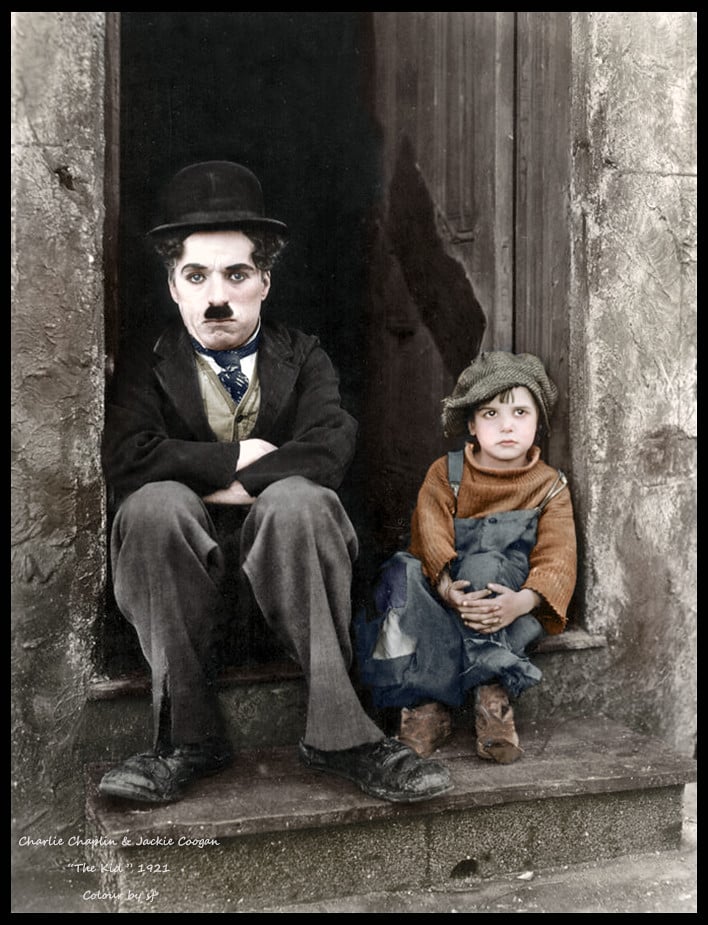
Chaplin developed distinctive editing techniques that enhanced comedic timing and emotional impact. He often spent months in the editing room perfecting a film’s rhythm.
He intuitively understood how pacing affected audience response, sometimes holding shots longer than contemporaries to build anticipation or let emotional moments breathe. Modern comedy directors from Edgar Wright to Adam McKay acknowledge their debt to Chaplin’s pioneering work in editing for maximum comedic effect.
Like Go2Tutors’s content? Follow us on MSN.
Production Perfectionism
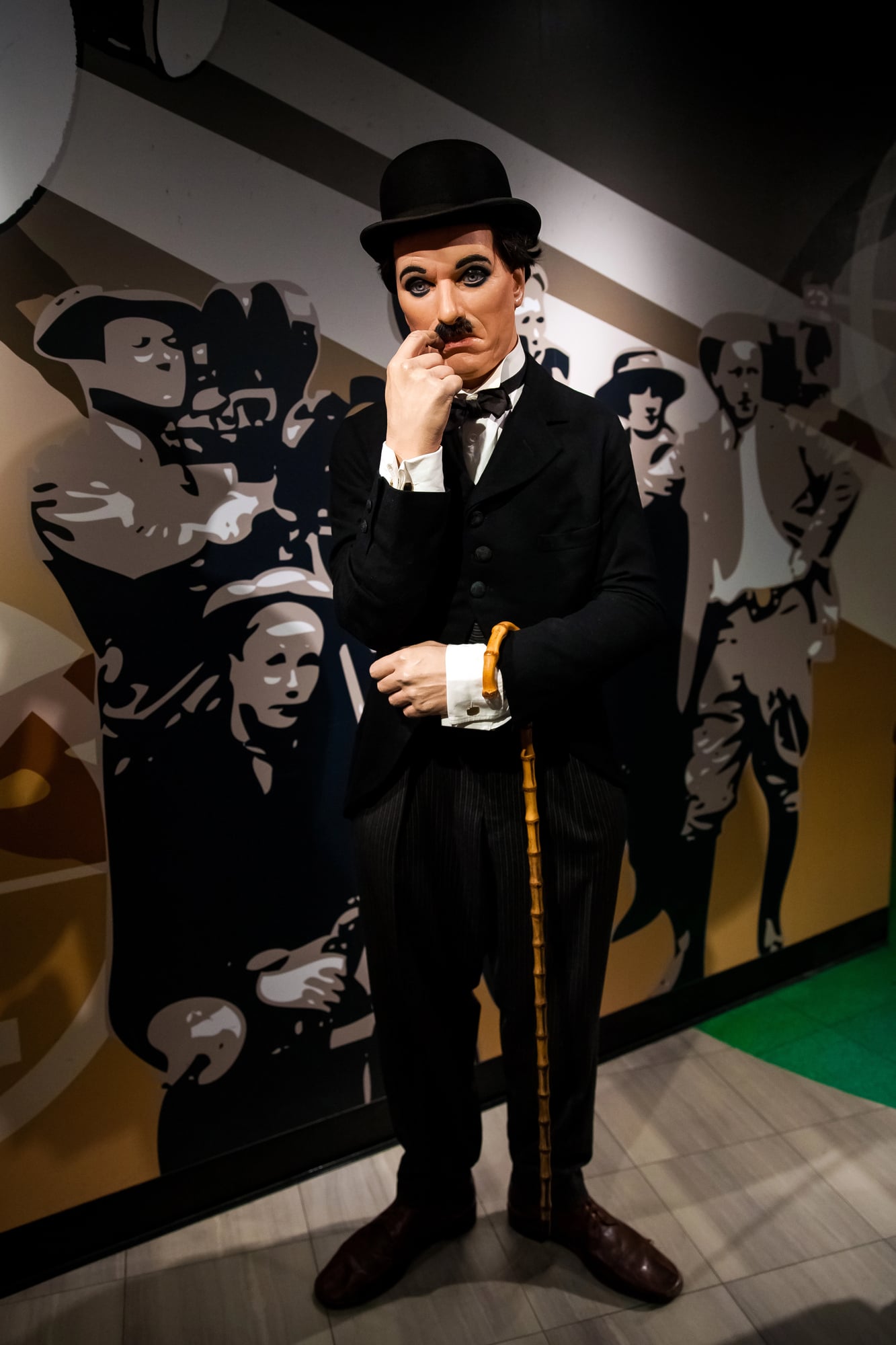
While most early films were shot quickly with minimal takes, Chaplin might film a single scene hundreds of times — driving actors crazy until achieving his exact vision. His legendary perfectionism established the radical concept that filmmaking should prioritize quality over speed or budget constraints.
Directors known for meticulous attention to detail — from Stanley Kubrick to Christopher Nolan — followed Chaplin’s example of pursuing artistic excellence regardless of how many takes or resources it required.
Improvisation Within Structure
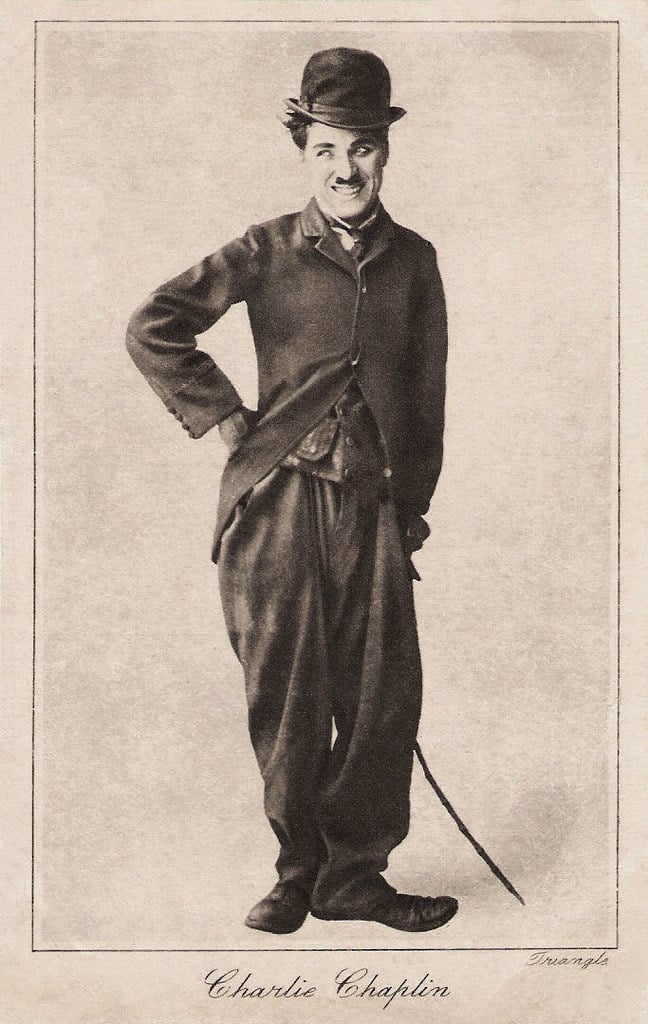
Chaplin balanced careful planning with spontaneous creativity, often starting with a basic scenario and then discovering the comedy through experimentation on set. This blend of structure and improvisation created some of his most memorable sequences, including the famous bread roll dance in ‘The Gold Rush.’
Contemporary comedy filmmakers like Judd Apatow and Taika Waititi employ similar techniques, writing thorough scripts yet allowing performers freedom to find unexpected moments during filming.
Visual Storytelling Mastery

Chaplin developed sophisticated visual metaphors that conveyed complex ideas without dialogue, crucial during the silent era. His famous factory sequence in ‘Modern Times’ brilliantly visualized dehumanizing industrialization through workers literally consumed by machinery.
Filmmakers from Alfred Hitchcock to Guillermo del Toro have learned from Chaplin that powerful images often communicate more effectively than any dialogue could.
Like Go2Tutors’s content? Follow us on MSN.
Independent Distribution
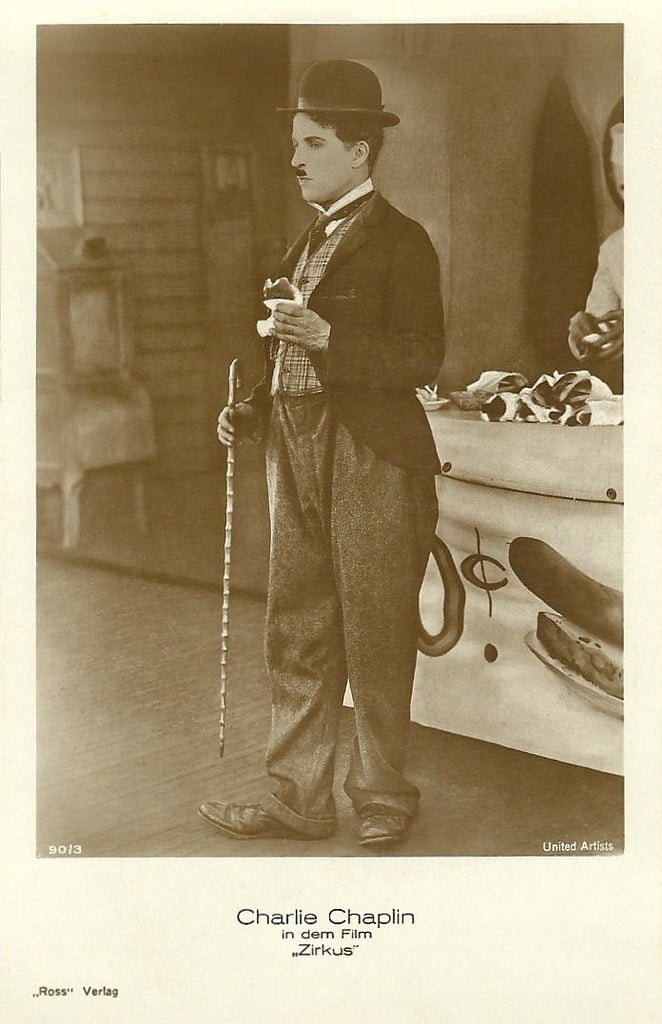
Beyond producing his own films, Chaplin maintained control over their distribution, ensuring his work reached audiences exactly as he intended without studio interference. This unprecedented level of creative control extended from initial concept all the way to theater screens, preserving artistic integrity throughout the process.
Today’s independent filmmakers continue following his example by seeking distribution models that protect creative vision rather than compromising for commercial considerations.
Political Courage

Chaplin created ‘The Great Dictator’ satirizing Hitler when many Hollywood studios avoided antagonizing Nazi Germany for fear of losing European markets. This bold statement against fascism demonstrated cinema’s potential as a platform for political commentary during dangerous times.
Filmmakers facing authoritarian pressure or political backlash still look to Chaplin’s example of using art to speak truth to power despite potential personal and professional consequences.
Artistic Longevity

Chaplin continued creating significant films across five decades, adapting to industry changes while maintaining his distinctive voice throughout silent films, talkies, and color cinema. His final film, ‘A Countess from Hong Kong,’ appeared in 1967, nearly 60 years after his entertainment career began.
This remarkable creative lifespan showed how genuine artistic vision can transcend technological shifts and changing audience tastes, inspiring filmmakers to develop sustainable approaches rather than chasing temporary trends.
Beyond the Bowler Hat

Chaplin’s contributions to cinema reach way beyond his era or comedic genre, influencing everything from acting techniques to business models for independent filmmakers. His birthday reminds us that truly revolutionary artists change not just their medium but the entire culture surrounding it, creating ripple effects that continue long after they’re gone.
The techniques Chaplin pioneered and the artistic integrity he maintained continue shaping how stories appear on screen, proving that genuine innovation transcends time. His work still speaks to audiences across generations through the universal language of cinema – not bad for a kid who started with nothing but talent and determination.
More from Go2Tutors!

- 18 Unexpectedly Valuable Collectibles You Might Have Lying Around
- 20 Little-Known Historical Battles That Had Huge Consequences
- 20 Historical Artifacts That Scientists Can’t Explain
- 15 Inventions That Were Immediately Banned After Being Created
- 20 Actors Who Were Almost Cast in Iconic Roles
Like Go2Tutors’s content? Follow us on MSN.



