Acronyms You Need To Know
The digital age has turned our language into alphabet soup. Every industry, every platform, every conversation seems packed with letters that stand for something else.
Some acronyms slip into daily use so seamlessly that people forget what they originally meant. Others remain mysterious until the moment you need to know them — and then you really need to know them.
API

Application Programming Interface sounds like something only developers care about. That’s not quite right anymore.
Every time you use a third-party app to post on social media, check the weather, or order food, APIs are working behind the scenes. They’re the digital handshakes that let different software systems talk to each other.
When companies say their platform has “robust API support,” they mean other developers can build tools that connect to their service. It’s why you can sign into dozens of apps using your Google account instead of creating new passwords everywhere.
VPN

Virtual Private Network — and there’s a reason every podcast seems sponsored by one these days. A VPN creates an encrypted tunnel between your device and the internet, hiding your location and making your browsing harder to track.
So yes, it can help you access Netflix shows from other countries (though that violates their terms of service, technically). But the real value sits in the privacy protection, especially when you’re connecting to public Wi-Fi networks that broadcast your activity to anyone paying attention.
Which happens more often than most people realize.
CRM

Customer Relationship Management systems are like digital filing cabinets that remember everything about every person your business has ever talked to. They track emails, phone calls, purchase history, preferences, complaints — the entire relationship mapped out in searchable detail.
Small businesses think they don’t need one until they hit the point where remembering every customer becomes impossible. Large businesses think their CRM is working until they realize their sales team is still keeping the important stuff in personal notebooks because the system is too clunky to actually use.
The gap between what CRMs promise and what they deliver (in terms of user experience) remains stubbornly wide, which explains why there are hundreds of different options competing for the same basic function.
SEO

Search Engine Optimization is the art of making Google notice your content. Every blog post, every product page, every piece of writing that goes online gets judged by algorithms that decide whether it deserves to show up when someone searches for related topics.
The rules change constantly. Strategies that worked last year get penalized this year.
And yet businesses pour enormous resources into SEO because being on the first page of search results can mean the difference between thriving and disappearing entirely.
IoT

The Internet of Things refers to regular objects getting internet connections they probably don’t need. Smart refrigerators, connected doorbells, fitness trackers, thermostats that learn your schedule — everyday items transformed into data collectors.
There’s something both convenient and unsettling about a house that knows when you’re home, what you’re eating, how well you slept, and whether you remembered to lock the door. The convenience part gets the marketing attention.
The data collection part gets mentioned in fine print. These devices create dozens of new entry points for security breaches, yet most people set them up without changing the default passwords.
SaaS

Software as a Service — the reason you probably don’t own any software anymore, just rent access to it. Instead of buying programs that live on your computer, you pay monthly fees to use applications that live in the cloud.
Adobe Creative Suite became Adobe Creative Cloud. Microsoft Office became Office 365.
Even tax software moved to subscription models. The shift makes sense for companies because predictable monthly revenue beats unpredictable one-time purchases.
For users, it means never owning anything and watching small monthly fees add up to substantial yearly costs.
AI

Artificial Intelligence has become the catch-all term for any software that seems smarter than it should be. Chatbots, recommendation engines, photo recognition, voice assistants — all get labeled as AI even when they’re using completely different technologies.
The current AI boom focuses on large language models that can write, code, and analyze text in ways that feel surprisingly human. But most of the AI you actually encounter daily is much simpler: algorithms that suggest what to watch next or decide which ads to show you.
UX

User Experience design determines whether digital products feel intuitive or infuriating. Good UX is invisible — you accomplish what you wanted without thinking about the interface.
Bad UX makes simple tasks complicated and leaves users feeling frustrated without knowing exactly why.
UX designers spend their time figuring out where buttons should go, how many steps a process should take, and what happens when something goes wrong. They’re the people responsible for making sure the technology serves the human instead of the other way around.
When that doesn’t happen, you feel it immediately.
B2B

Business to Business describes companies that sell to other companies instead of regular consumers. The acronym shows up constantly in marketing and sales contexts because B2B relationships work differently than consumer sales.
The decision-making process takes longer. Multiple people get involved.
Price sensitivity varies wildly depending on whether the purchase gets categorized as an investment or an expense. B2B companies often struggle with marketing because the strategies that work for consumer brands feel wrong when you’re trying to convince procurement departments.
KPI

Key Performance Indicators are the numbers that supposedly tell you whether your business is succeeding. Revenue, customer acquisition cost, employee retention, website traffic — every department tracks different metrics that matter to their specific function.
The challenge isn’t finding things to measure. It’s picking the measurements that actually predict success instead of just making you feel busy.
Bad KPIs encourage gaming the system rather than improving results. Sales teams that get rewarded purely for closing deals might prioritize bad customers who will cancel quickly.
CTR

Click Through Rate measures how often people click on something after seeing it. Email campaigns, online ads, social media posts — anything designed to drive action gets evaluated partly on CTR.
A high CTR suggests your message resonated with the audience. A low CTR means people saw your content but didn’t find it compelling enough to engage.
But CTR only tells part of the story. Clicks don’t always convert to sales, and optimizing purely for clicks can attract the wrong kind of attention.
ROI

Return on Investment — the calculation that determines whether spending money on something was worth it. Take what you got back, subtract what you put in, divide by what you put in, multiply by 100 for a percentage.
Simple concept, tricky execution. Some benefits show up immediately in revenue numbers.
Others take months or years to materialize. Marketing campaigns, employee training, new software systems — all require investment upfront with payoffs that might be difficult to track precisely.
MVP
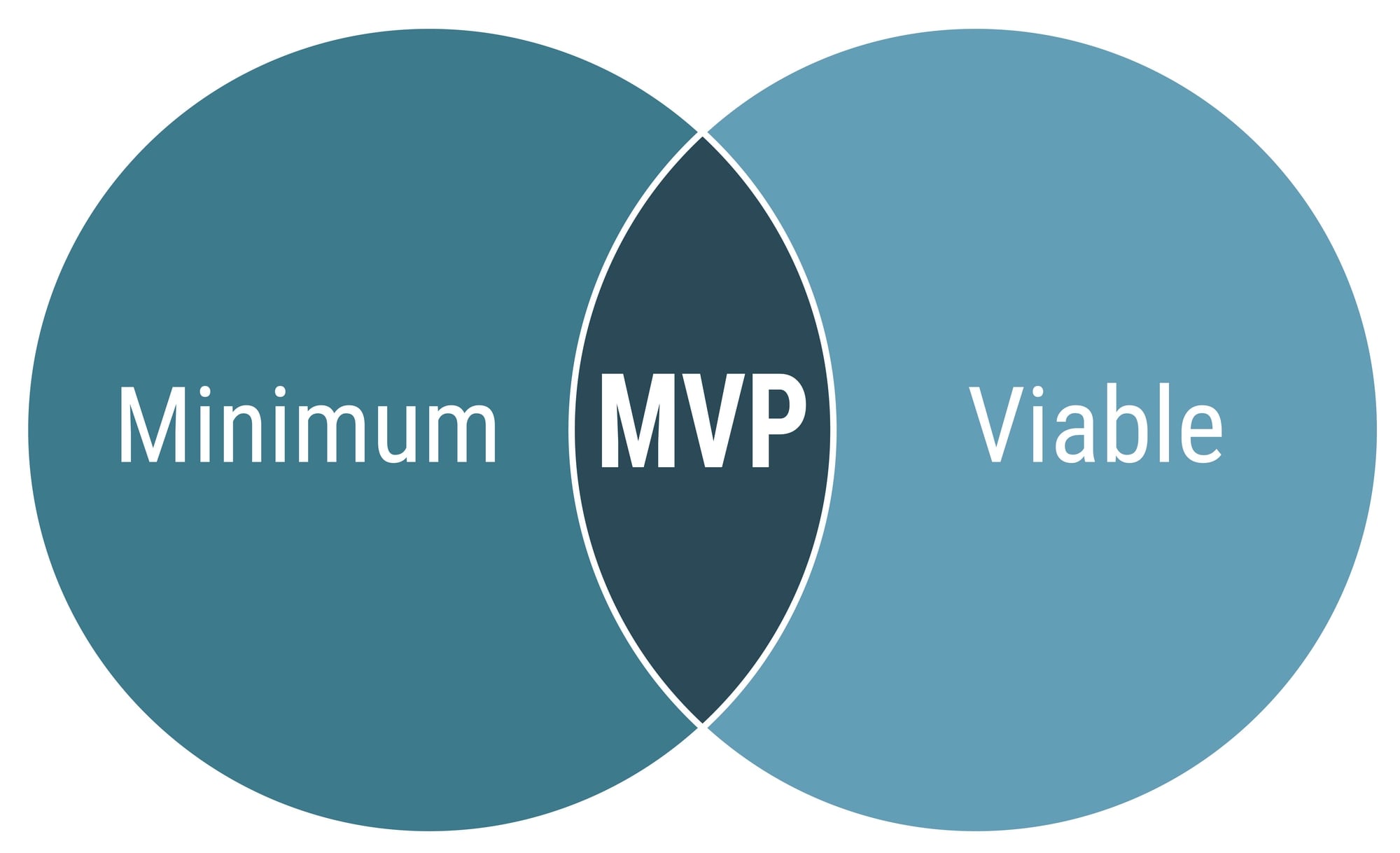
Minimum Viable Product represents the simplest version of something that still provides value. Instead of building every possible feature before launching, you create the bare minimum that solves the core problem and see how people respond.
The idea comes from startup culture but applies anywhere perfectionism gets in the way of progress. An MVP forces you to identify what’s truly essential versus what just seems nice to have.
Done right, it gets useful feedback faster and wastes fewer resources on features nobody wants.
Staying Current Without Drowning

New acronyms appear constantly as technology evolves and industries develop specialized language. The key isn’t memorizing every abbreviation but recognizing which ones matter to your specific situation.
Context usually provides enough clues to figure out unfamiliar acronyms in the moment, and the important ones tend to show up repeatedly until they stick.
More from Go2Tutors!

- The Romanov Crown Jewels and Their Tragic Fate
- 13 Historical Mysteries That Science Still Can’t Solve
- Famous Hoaxes That Fooled the World for Years
- 15 Child Stars with Tragic Adult Lives
- 16 Famous Jewelry Pieces in History
Like Go2Tutors’s content? Follow us on MSN.