Christmas Tree Trivia You Probably Missed
Most people think they know everything about Christmas trees. You put one up every year, string the lights, hang the ornaments, and call it tradition.
But the history and quirks behind this holiday centerpiece run deeper than you’d expect. Some facts sound too strange to be true, while others explain traditions you never questioned.
The First Christmas Trees Hung Upside Down

Early European Christmas trees didn’t stand upright on the floor. People suspended them from the ceiling, pointing down.
This practice started in Central Europe during the Middle Ages, partly to save floor space in small homes and partly for religious symbolism. The inverted tree represented the Holy Trinity, with its three points suggesting divine structure.
This tradition faded as floor stands became common, but it left its mark on how we view Christmas trees today.
Americans Once Banned Christmas Trees

The Puritan community in colonial America outlawed Christmas celebrations, including Christmas trees, for nearly two decades. They viewed the decorated tree as a pagan symbol that distracted from religious observance.
Massachusetts actually passed laws against celebrating Christmas in any form between 1659 and 1681. You could face fines for hanging decorations or taking the day off work.
The ban eventually lifted, but suspicion around Christmas trees lingered in some American communities well into the 1800s.
Queen Victoria Made Them Popular
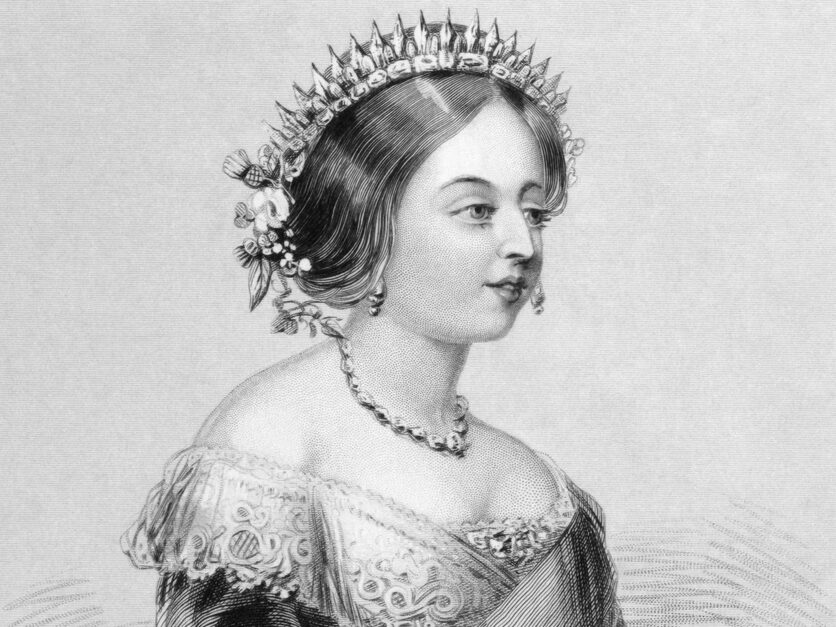
The Christmas tree boom in Britain and America traces back to one royal family portrait. In 1848, the Illustrated London News published an image of Queen Victoria, Prince Albert, and their children gathered around a decorated Christmas tree.
The public went wild for it. Families across England and the United States rushed to copy the royal tradition. Before this moment, Christmas trees existed but remained relatively rare.
After the portrait, they became a standard part of the holiday season.
Real Trees Can Last Two Months
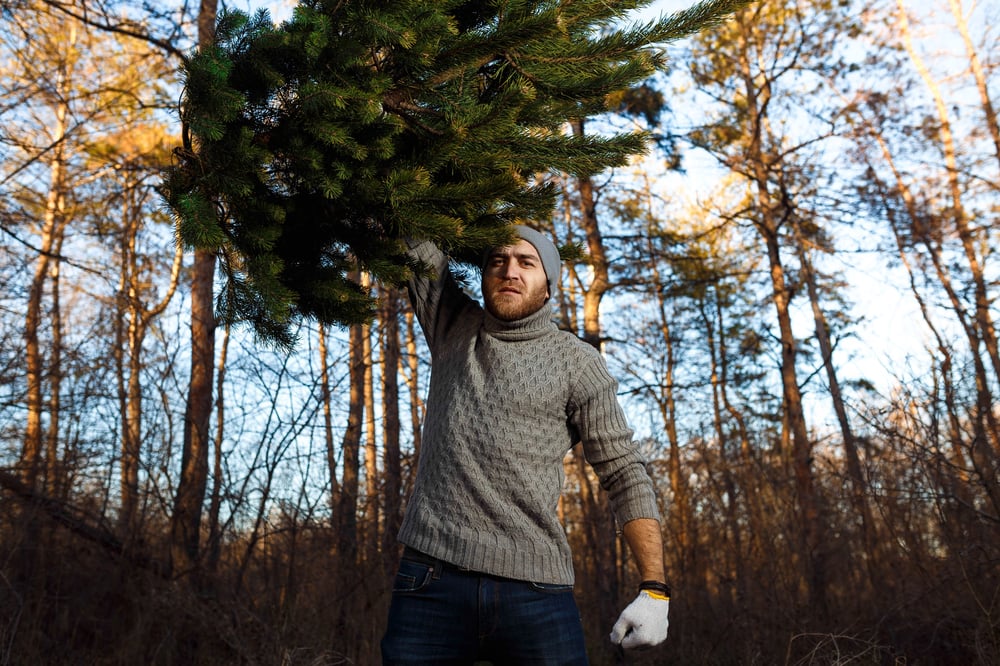
A fresh-cut Christmas tree can stay green and vibrant for six to eight weeks if you care for it properly. The trick involves keeping the trunk base submerged in water at all times.
A six-foot tree can drink up to a gallon of water per day during the first week in your home. Most trees die early because people let the water reservoir run dry.
The tree seals its base with sap within hours of losing water access, making it nearly impossible to rehydrate.
Teddy Roosevelt Refused to Have One

President Theodore Roosevelt banned Christmas trees from the White House during his administration. His reasoning centered on conservation, as he worried about the environmental impact of cutting down trees for temporary decoration.
Roosevelt’s children reportedly defied the ban by smuggling a small tree into their room. When their father discovered it, his friend and chief forester Gifford Pinchot explained that selective tree harvesting actually benefited forests.
Roosevelt grudgingly accepted the argument, and White House Christmas trees returned.
Spider Webs Became Christmas Tinsel
The legend of Christmas tinsel comes from a German folktale about a poor family who couldn’t afford decorations. On Christmas Eve, spiders spun webs all over their tree.
When morning came, the webs had transformed into silver and gold strands that caught the light. The story spread through Europe, and people began hanging metallic strands on their trees to recreate the magic.
Tinsel eventually became a staple decoration, though its origins as imaginary spider webs faded from common knowledge.
The Tallest Cut Tree Reached 221 Feet
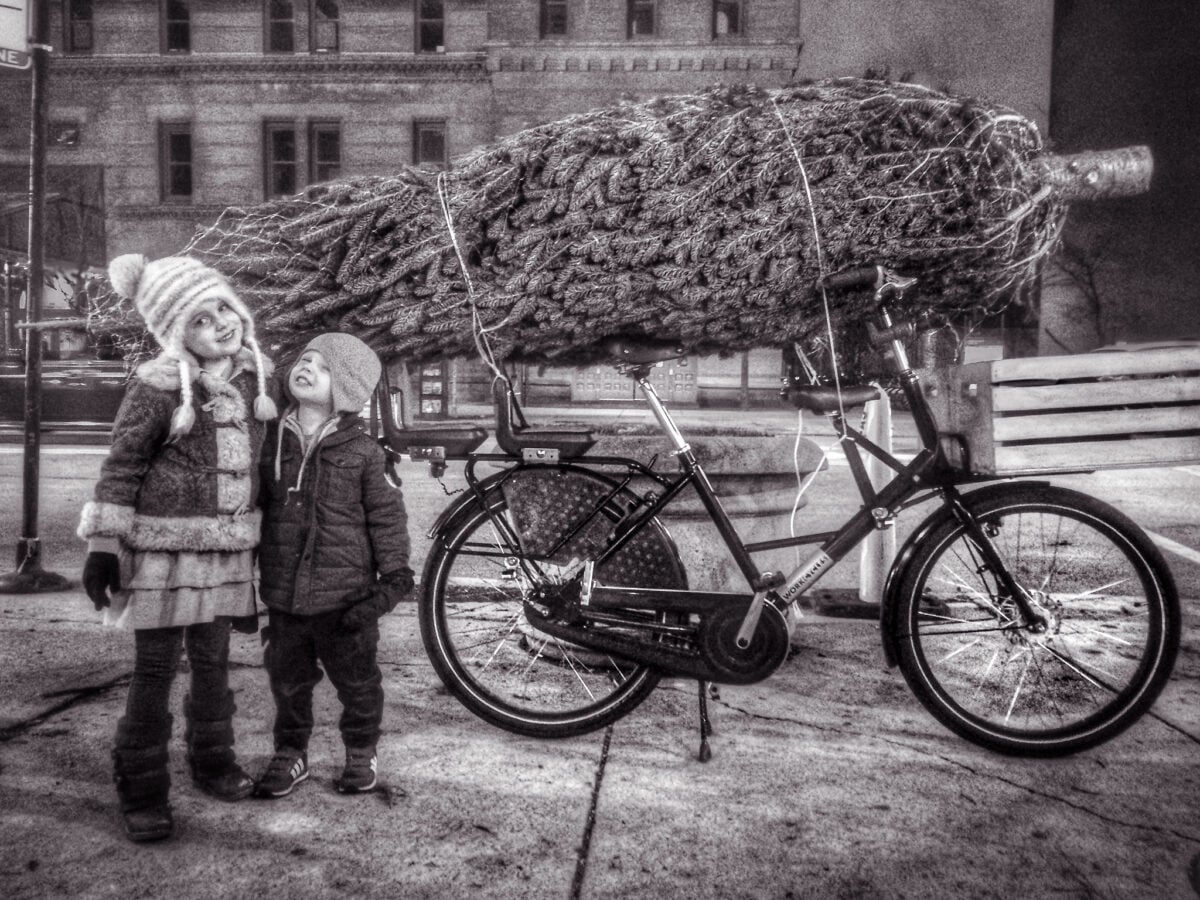
In 1950, a Douglas fir measuring 221 feet tall was cut down and erected in a Seattle shopping center. Workers needed special equipment just to transport and raise the massive tree.
It held the record for decades as the tallest cut Christmas tree ever displayed. The tree required thousands of lights and decorations scaled to match its size.
Photos from the era show crowds gathering just to stand beneath it, marveling at the engineering feat as much as the holiday spirit.
Artificial Trees Weren’t Always Green

The first artificial Christmas trees, created in Germany during the 1800s, were made from goose feathers dyed green and attached to wire branches. These feather trees became popular because they addressed concerns about deforestation and fire hazards.
Some versions featured white or even pink feathers to create different aesthetic effects. The feathers gave the trees a soft, fluffy appearance unlike modern plastic versions.
They remained popular through the early 1900s before newer materials took over.
Rockefeller Center’s Tree Started with Construction Workers
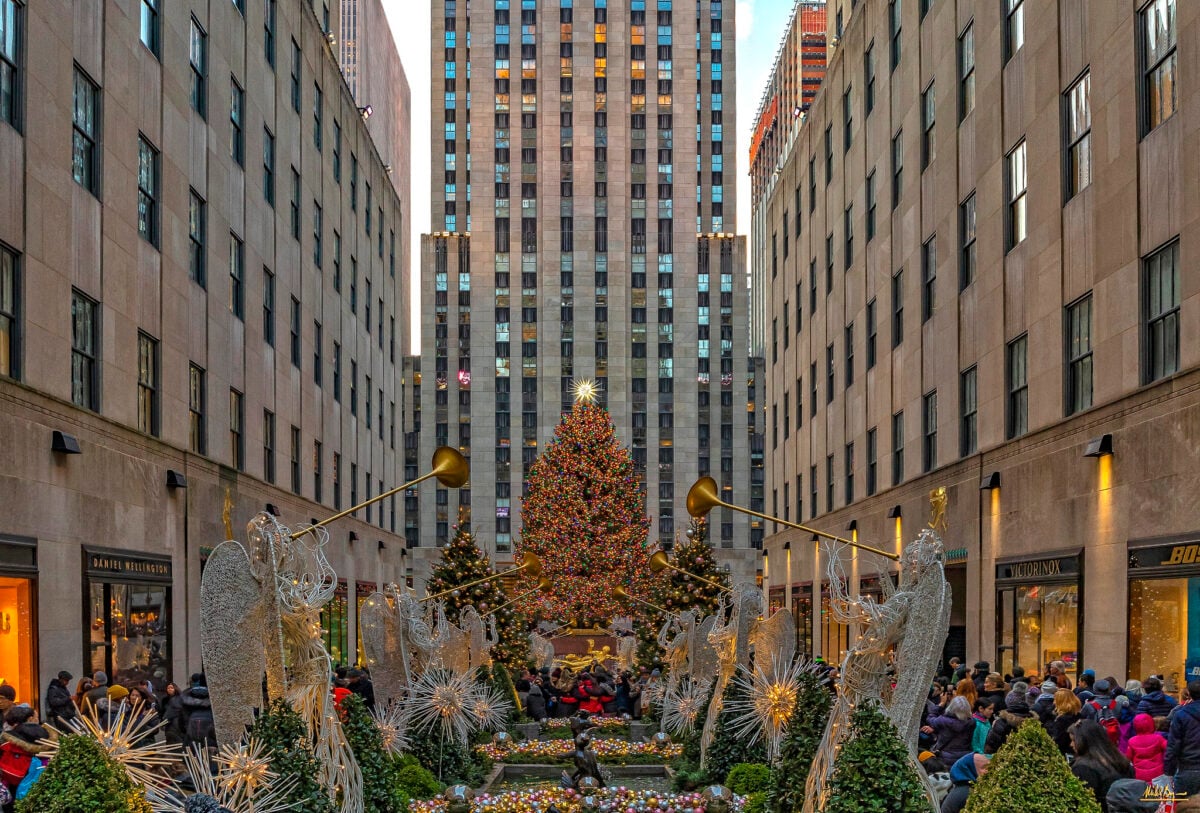
The first Rockefeller Center Christmas tree wasn’t a planned public spectacle. Construction workers building the complex during the Great Depression pooled their resources to buy and decorate a small tree on the construction site in 1931.
They wanted something to lift spirits during hard times. The informal tradition caught on, and by 1933, Rockefeller Center officials turned it into an annual public event.
Today’s massive tree and lighting ceremony evolved from that humble gesture by workers who just wanted a bit of cheer.
Some Trees Get Recycled Into Beaches

Many cities collect Christmas trees after the holidays and repurpose them as sand barriers on eroding beaches. The trees get bundled together and placed along coastlines where they trap sand and help rebuild dunes.
Marine life uses the submerged branches as shelter. The trees eventually break down but leave behind restored beach areas in the process.
This practice turns millions of discarded trees into environmental solutions rather than landfill waste.
The Tradition Might Come From Evergreen Worship
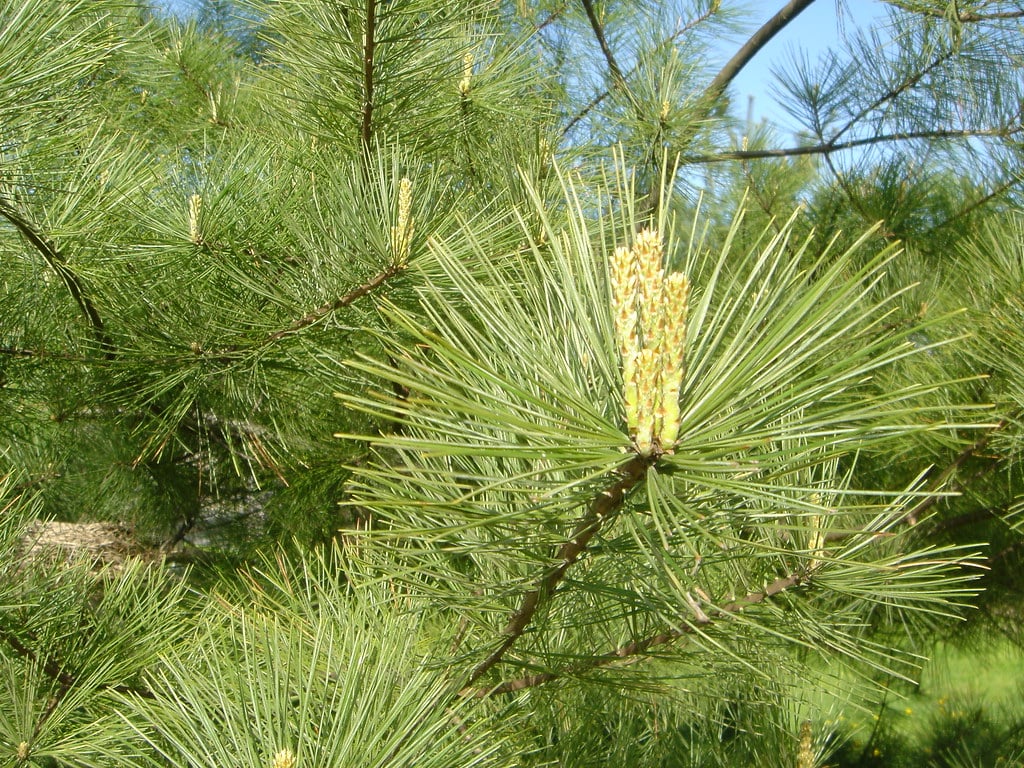
Ancient pagans revered evergreen trees as symbols of eternal life because they stayed green through winter when everything else appeared dead. Romans decorated their homes with evergreen branches during Saturnalia, and Germanic tribes believed evergreens held special protective powers.
Early Christians may have adopted and adapted these existing practices, gradually transforming them into the Christmas tree tradition. The exact timeline remains debated, but the connection between ancient evergreen reverence and modern Christmas trees seems stronger than most people realize.
Electric Lights Replaced Candles After a Tragedy

Before electric lights, people placed lit candles directly on Christmas tree branches using small clips and holders. This created beautiful but incredibly dangerous displays. Numerous house fires resulted from the practice every holiday season.
Thomas Edison’s associate Edward Johnson created the first string of electric Christmas lights in 1882, but they remained too expensive for most families. The tradition of candles on trees finally ended in the early 1900s as electric lights became affordable.
Even then, some families stuck with candles for decades, despite the fire risk.
Tree Farms Outnumber Forests for Christmas Trees
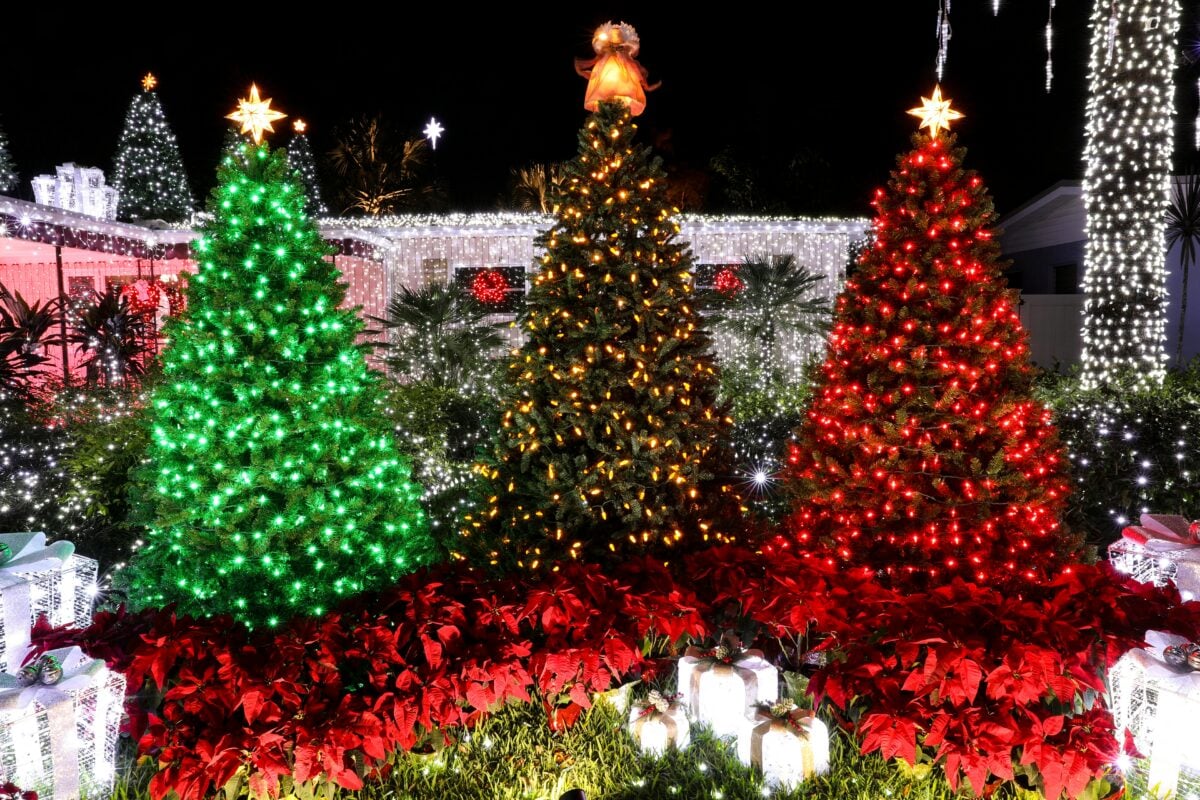
About 98 percent of Christmas trees sold in the United States come from farms specifically dedicated to growing them. These aren’t wild forests being cleared, but agricultural operations where farmers plant, tend, and harvest trees in rotation.
For every tree cut down, farmers typically plant one to three seedlings in its place. The farms support wildlife habitats, prevent soil erosion, and generate oxygen while trees grow to harvest size.
This industrial-scale tree farming developed over the past century as demand exploded.
Some Trees Keep Growing After Christmas
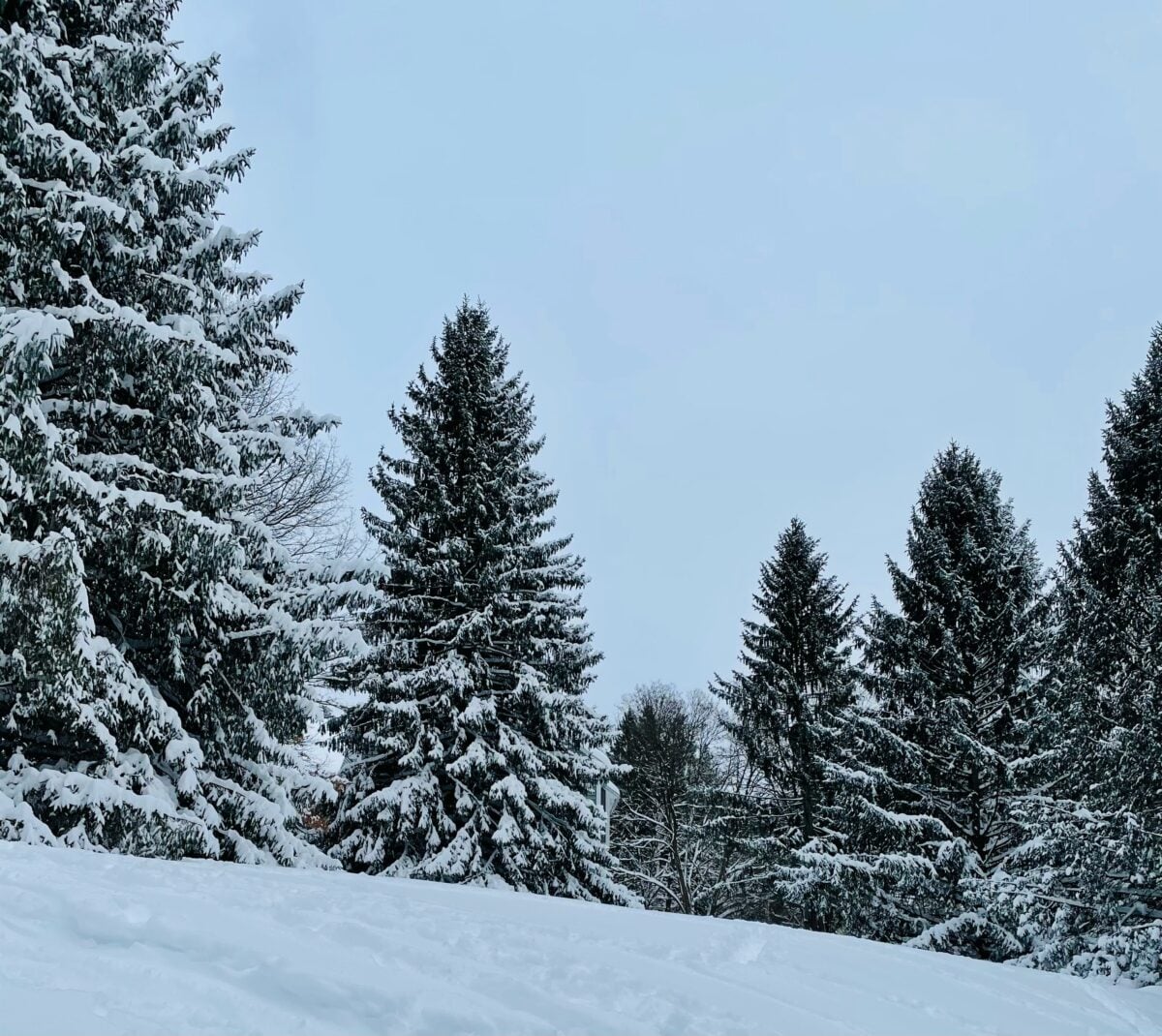
Out in the yard, a container-grown Christmas tree might find its next chapter. Moving it indoors too soon wakes it up – heat makes roots think winter is over.
Most last just under two weeks inside before stress sets in. Once holiday lights come down, getting them outside while temperatures stay cool gives them a real chance.
Over years, these trees stretch upward, sometimes taller than the house. Families often measure how much they’ve grown since that first December night.
Traditions Growing Roots

Year after year, a new trinket finds its place among the branches, growing a custom older than memory. This quiet ritual – dressing up a tree – ties you to people long gone: villagers in winter cloaks, settlers with tired eyes, kings behind palace glass, laborers pausing mid-shift for warmth.
What links you across time weighs heavier than tinsel ever could. When you stand before those lights again, know one thing – the tree holds stories, not just festive glow.
A single tree carries what hands have built, battles once held, rules torn up, moments welcomed, seasons stacked one after another. Each one matters just the same, grown on open fields or rooted where you live.
More from Go2Tutors!

- The Romanov Crown Jewels and Their Tragic Fate
- 13 Historical Mysteries That Science Still Can’t Solve
- Famous Hoaxes That Fooled the World for Years
- 15 Child Stars with Tragic Adult Lives
- 16 Famous Jewelry Pieces in History
Like Go2Tutors’s content? Follow us on MSN.



