15 Famous Ideas That Were Rejected the First Time They Were Pitched
Great ideas don’t always get recognized immediately. Even concepts that later revolutionized industries or changed the world often faced harsh criticism and outright rejection when first proposed.
The journey from rejected concept to worldwide success often involves persistence, belief, and sometimes a healthy dose of stubbornness. Here is a list of 15 famous ideas that were initially dismissed before going on to achieve remarkable success.
Walt Disney’s Mouse

Walt Disney’s iconic Mickey Mouse character was initially rejected by MGM executives who claimed a giant mouse on screen would terrify women. Disney faced over 300 rejections before finally getting financing for his mouse-centered animation concept.
Mickey went on to become the foundation of one of the world’s largest entertainment empires and one of the most recognizable characters globally.
Harry Potter Manuscripts

J.K. Rowling’s manuscript about a young wizard was rejected by 12 publishing houses before finally being accepted by Bloomsbury. The editor only agreed to publish it after his eight-year-old daughter read the first chapter and demanded more.
The series has since sold over 500 million copies worldwide and spawned a multi-billion dollar franchise including movies, theme parks, and merchandise.
Like Go2Tutors’s content? Follow us on MSN.
The Beatles’ Early Days
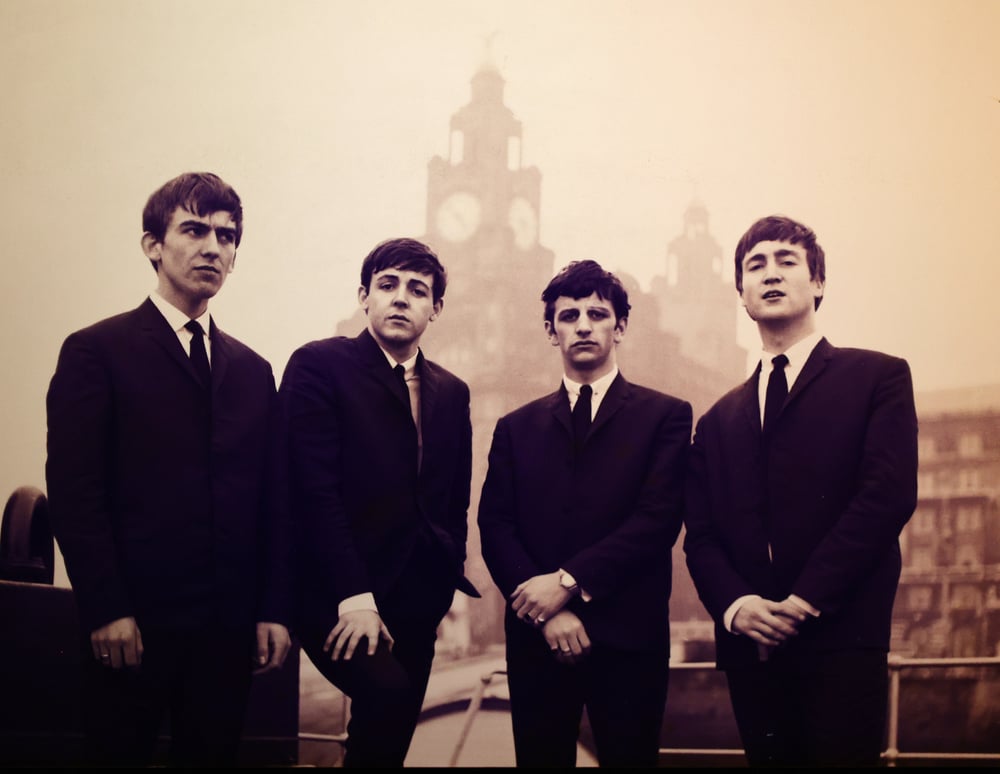
Decca Records famously rejected The Beatles after an audition in 1962, telling their manager Brian Epstein that “guitar groups are on the way out” and “The Beatles have no future in show business.” The band went on to revolutionize music, becoming one of the most influential acts of all time with estimated sales of over 600 million units worldwide.
Google’s Search Algorithm

Larry Page and Sergey Brin tried to sell their PageRank algorithm to Excite CEO George Bell for just $1 million in 1999. Bell turned them down, even when they lowered the price to $750,000.
Google is now one of the most valuable companies in the world with its parent company Alphabet valued at over a trillion dollars.
The iPhone Concept

When Steve Jobs first presented the iPhone concept internally at Apple, many executives were skeptical about entering the phone market. Even Microsoft’s CEO Steve Ballmer famously laughed at the iPhone, saying it was too expensive and not appealing to business customers.
The iPhone went on to revolutionize mobile technology and became Apple’s most profitable product.
Like Go2Tutors’s content? Follow us on MSN.
Facebook’s Social Network

Mark Zuckerberg approached Friendster to sell his fledgling social network for $10 million in its early days. Friendster declined the offer, missing out on what would become a social media giant.
Facebook (now Meta) went on to become one of the world’s most influential companies with billions of active users across its platforms.
Amazon’s Online Bookstore

When Jeff Bezos first pitched the idea of an online bookstore, many investors were skeptical about the viability of selling books on the internet. After facing numerous rejections, Bezos approached family members for initial funding.
Amazon has since grown from an online bookstore to one of the world’s largest retailers and cloud service providers.
Airbnb’s Home-Sharing Platform

Numerous investors rejected Airbnb’s founders because they couldn’t grasp the concept of people renting out their homes to strangers. Fred Wilson of Union Square Ventures later called passing on Airbnb his “biggest mistake.”
The company has revolutionized the hospitality industry and hosted over 1 billion guest arrivals worldwide.
Like Go2Tutors’s content? Follow us on MSN.
FedEx’s Overnight Delivery
Fred Smith’s college professor gave him a C grade on his paper outlining the concept for FedEx, commenting that the idea needed to be “feasible” to get a better grade. Smith persisted and founded the company despite initial funding challenges.
FedEx now handles millions of packages daily and has become essential to global commerce.
The Telephone’s Debut

Alexander Graham Bell’s telephone was initially dismissed as a useless toy with limited practical application. Western Union passed on buying the patent for $100,000, considering it an electrical toy.
The telephone went on to become one of the most transformative technologies in human history, fundamentally changing how people communicate.
Star Wars’ Space Fantasy

George Lucas’s Star Wars script was rejected by United Artists and Universal before finally being accepted by 20th Century Fox. Even then, many executives had little faith in the project.
The franchise has since generated over $70 billion in revenue and created one of the most dedicated fan bases in entertainment history.
Like Go2Tutors’s content? Follow us on MSN.
The Personal Computer Revolution
Ken Olsen, founder of Digital Equipment Corporation, famously stated in 1977 that “there is no reason for any individual to have a computer in their home.” This sentiment was shared by many technology executives who couldn’t envision the personal computer revolution.
PCs have since become essential devices in homes worldwide, completely transforming how we work and live.
Thomas Edison’s Light Bulb

Thomas Edison’s electric light bulb was met with skepticism from gas lighting companies and financial backers who saw little potential in electric lighting. Edison reportedly tested over 6,000 materials before finding the right filament.
His persistence led to one of the most important inventions in modern history, quite literally illuminating the world.
Dyson’s Bagless Vacuum

James Dyson created 5,127 prototypes of his bagless vacuum cleaner before perfecting it. Established manufacturers rejected his design, forcing him to launch his own company.
Dyson vacuums are now premium products worldwide, and the company has expanded into numerous other categories with innovative designs.
Like Go2Tutors’s content? Follow us on MSN.
Netflix’s Streaming Service
Blockbuster famously turned down the opportunity to purchase Netflix for $50 million in 2000, failing to see the potential of the DVD-by-mail and future streaming model. Blockbuster eventually went bankrupt while Netflix pioneered streaming entertainment.
The company transformed from a DVD rental service to a global entertainment powerhouse producing award-winning original content.
Innovations That Changed Everything

These rejection stories remind us that initial dismissal doesn’t determine final value. Many world-changing ideas were once considered foolish, impractical, or unnecessary by the experts of their time.
The common thread among these success stories is the creators’ unwavering belief in their vision despite facing multiple rejections. What seems obvious in hindsight was often revolutionary and difficult to comprehend when first introduced.
These stories serve as powerful reminders that persistence often matters more than initial reception when bringing truly innovative ideas to life.
More from Go2Tutors!

- 18 Unexpectedly Valuable Collectibles You Might Have Lying Around
- 20 Little-Known Historical Battles That Had Huge Consequences
- 20 Historical Artifacts That Scientists Can’t Explain
- 15 Inventions That Were Immediately Banned After Being Created
- 20 Actors Who Were Almost Cast in Iconic Roles
Like Go2Tutors’s content? Follow us on MSN.



