Cities Once Known by Different Names
Looking at a map feels straightforward until you remember that every name was chosen by someone, somewhere, at some point in time. Cities don’t emerge from the ground with their labels already attached.
They grow, change hands, reinvent themselves, and sometimes the names that stick aren’t the ones they started with. The city you call home might have been called something entirely different a century ago, and the reasons why make for better stories than most people expect.
Istanbul
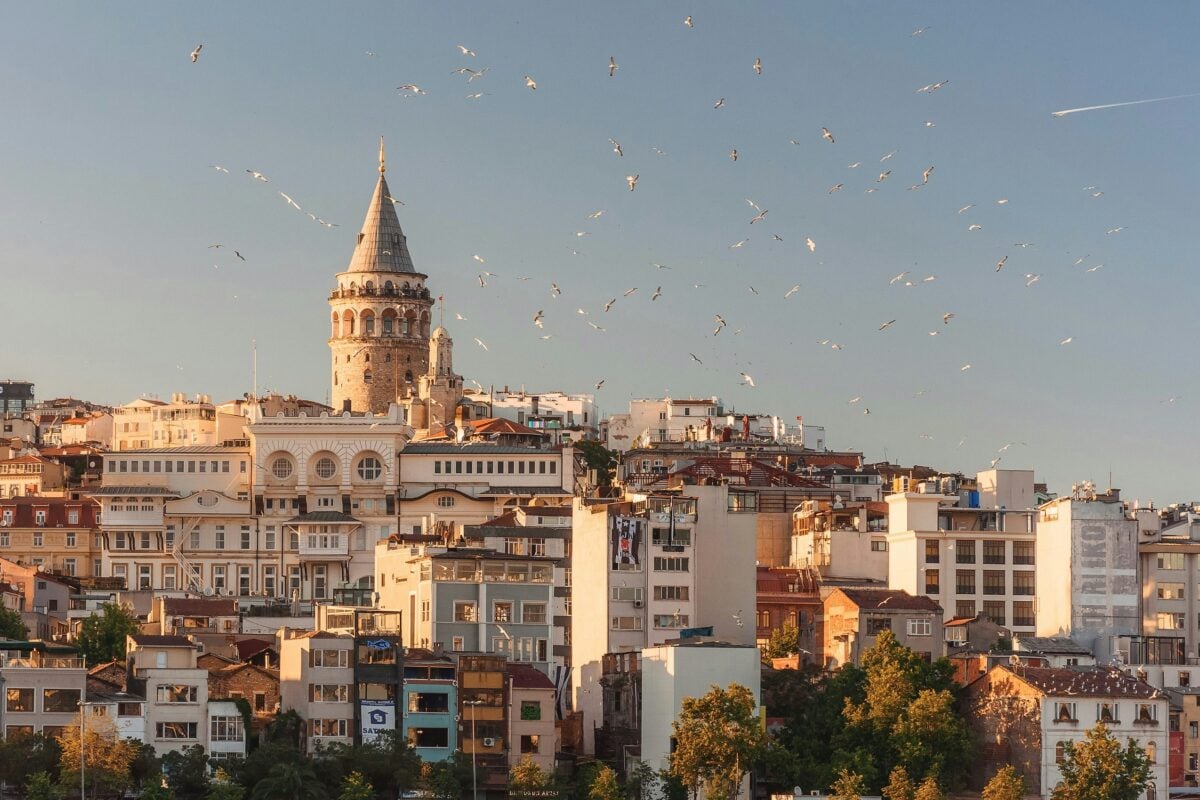
Constantinople lasted over a thousand years. Then it didn’t.
The Ottomans conquered the city in 1453 but kept calling it Constantinople for centuries afterward. Istanbul was what locals had been saying all along — a corruption of the Greek phrase meaning “to the city.”
By the 1920s, the Turkish postal service finally made it official.
New York City
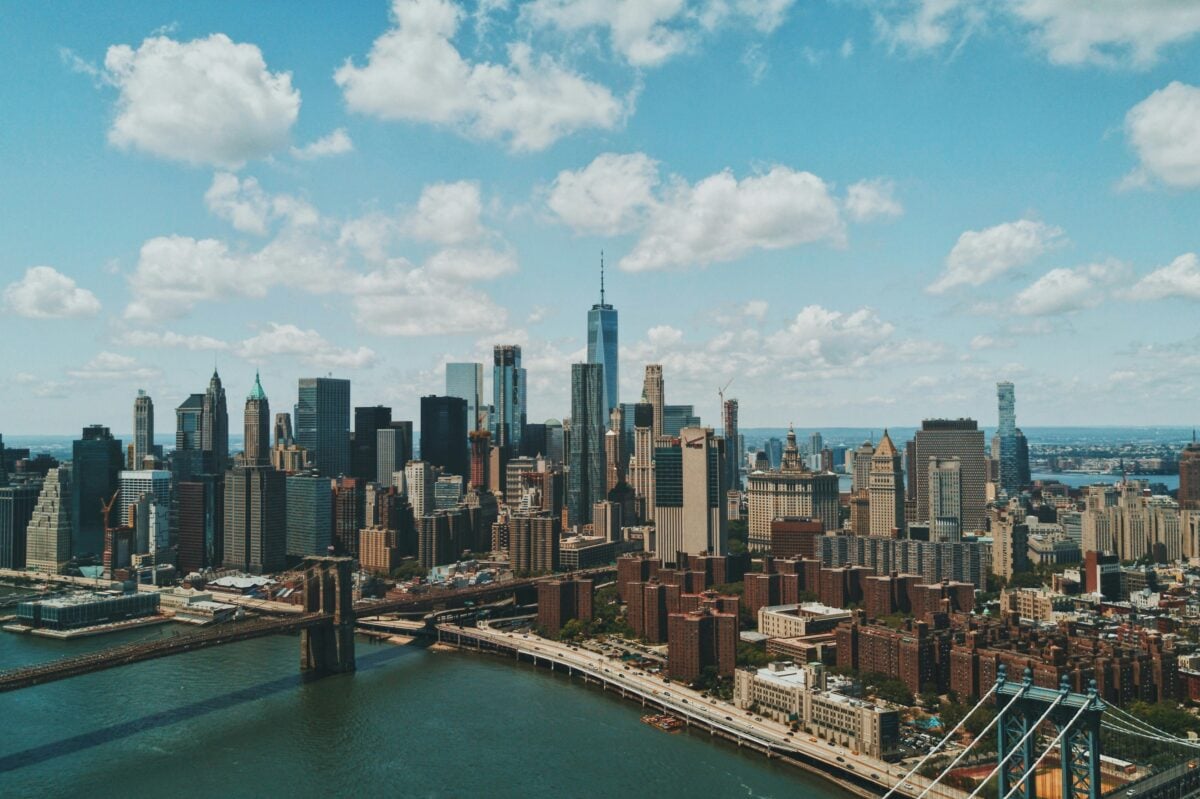
New Amsterdam sounds like a place where people would speak Dutch and build narrow houses along canals. Which is exactly what happened before the English showed up in 1664 and renamed everything after the Duke of York.
The Dutch had been there for 40 years. That’s enough time to get attached to a name, but apparently not enough time to keep it when the British fleet appeared in the harbor.
Mumbai
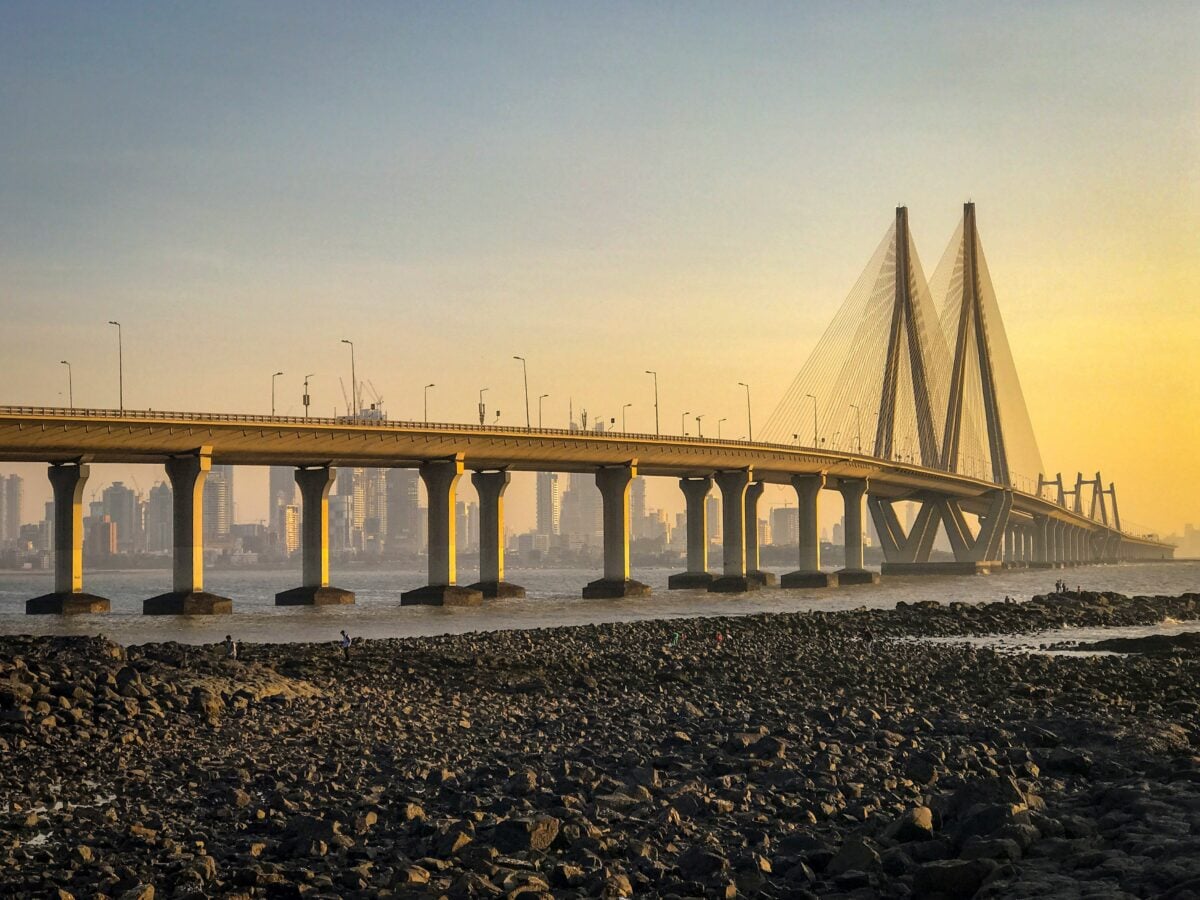
The transformation from Bombay to Mumbai in 1995 wasn’t just administrative paperwork — it represented something larger, the kind of shift that happens when a city decides to reclaim its identity rather than carry the name that colonizers left behind. Bombay came from the Portuguese “Bom Bahia” (good bay), which described the geography well enough but ignored the people who had been living there long before European ships arrived.
Mumbai derives from Mumbadevi, the patron goddess of the original fishing villages that eventually grew into India’s financial capital, and the change back felt less like renaming than like remembering. And yet the transition wasn’t seamless (nothing that involves seven million people ever is), because language doesn’t shift overnight just because the government says it should.
Some people still say Bombay, particularly when referring to the film industry — “Bollywood” sounds better than “Mollywood,” and certain phrases resist change even when the intention behind the change makes perfect sense. The city absorbed both names the way it absorbed waves of migrants over decades: gradually, unevenly, but with the understanding that identity can hold more than one truth at the same time.
Ho Chi Minh City
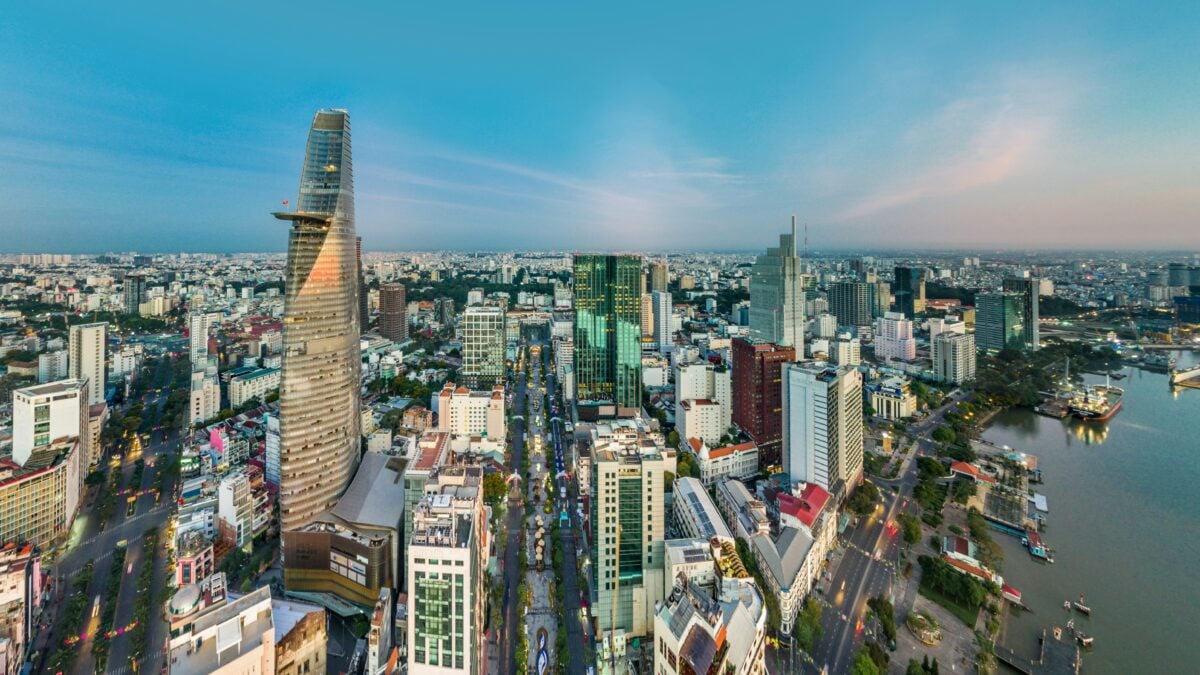
Saigon never really disappeared — it just became unofficial. The name changed in 1976 to honor the revolutionary leader, but plenty of locals kept using the old name anyway.
Even the government uses “Saigon” for the central district. Sometimes the practical choice wins out over the political one.
Chennai
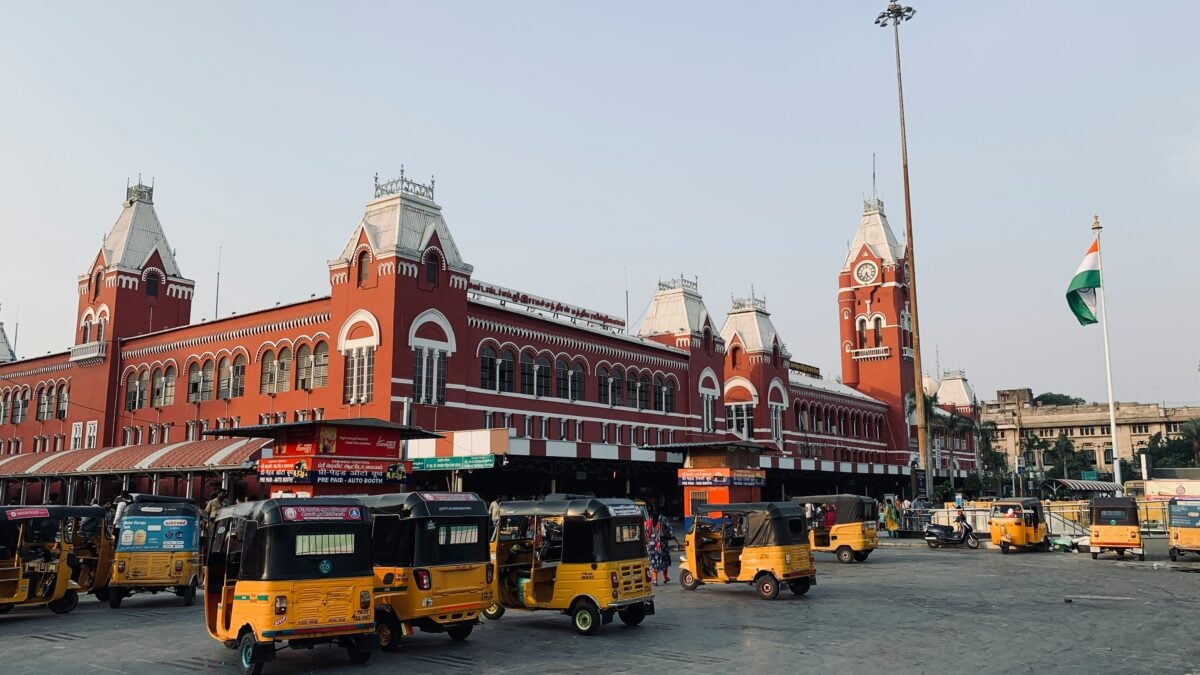
Madras carried weight for over three centuries before Chennai took its place in 1996, and the switch represented more than just swapping one set of syllables for another — it marked the difference between a name imposed by traders who showed up with ledgers and cannons versus a name that grew from the villages and families who had been farming and fishing along that stretch of coast since long before anyone thought to build a fort there. The British East India Company called it Madras after a local village, but Chennai comes from Chennapattinam, named for a Telugu ruler whose father had actually been granted the land by local kings rather than simply taking it.
The timing wasn’t accidental either, arriving during the wave of name changes that swept through India in the 1990s as cities began shedding their colonial identities like old coats that no longer fit properly. But Chennai wasn’t just returning to something older; it was claiming something that felt more authentic, the way a person might go back to using their original name after years of being called something else for someone else’s convenience.
The city’s character didn’t change — the beaches, the temples, the film industry, the brutal summer heat — but the name finally matched what the place had always been to the people who belonged there.
Beijing
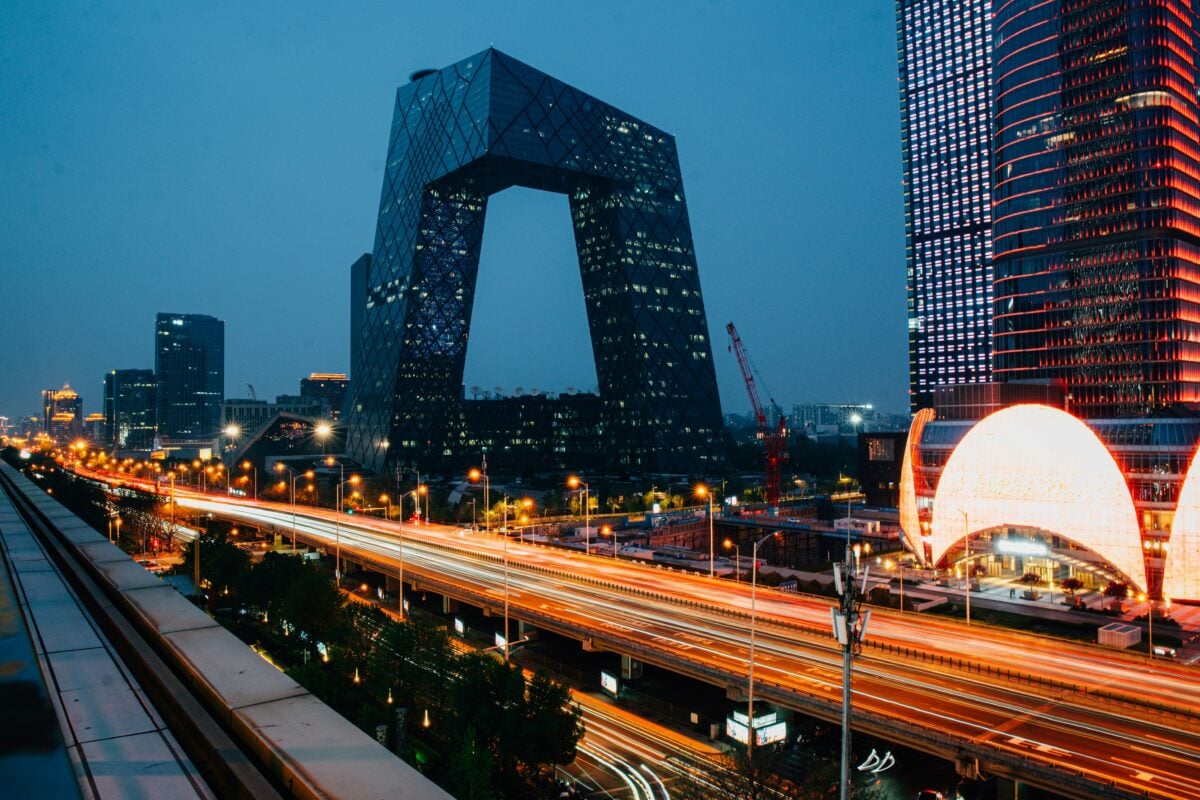
Peking duck still goes by the old name, but the city switched back to Beijing decades ago.
The name had always been Beijing in Chinese — “northern capital.”
Peking was just how Westerners heard it and wrote it down. When China standardized the romanization system in 1979, the spelling caught up with the pronunciation.
The duck kept its name because tradition sometimes trumps accuracy.
Kolkata
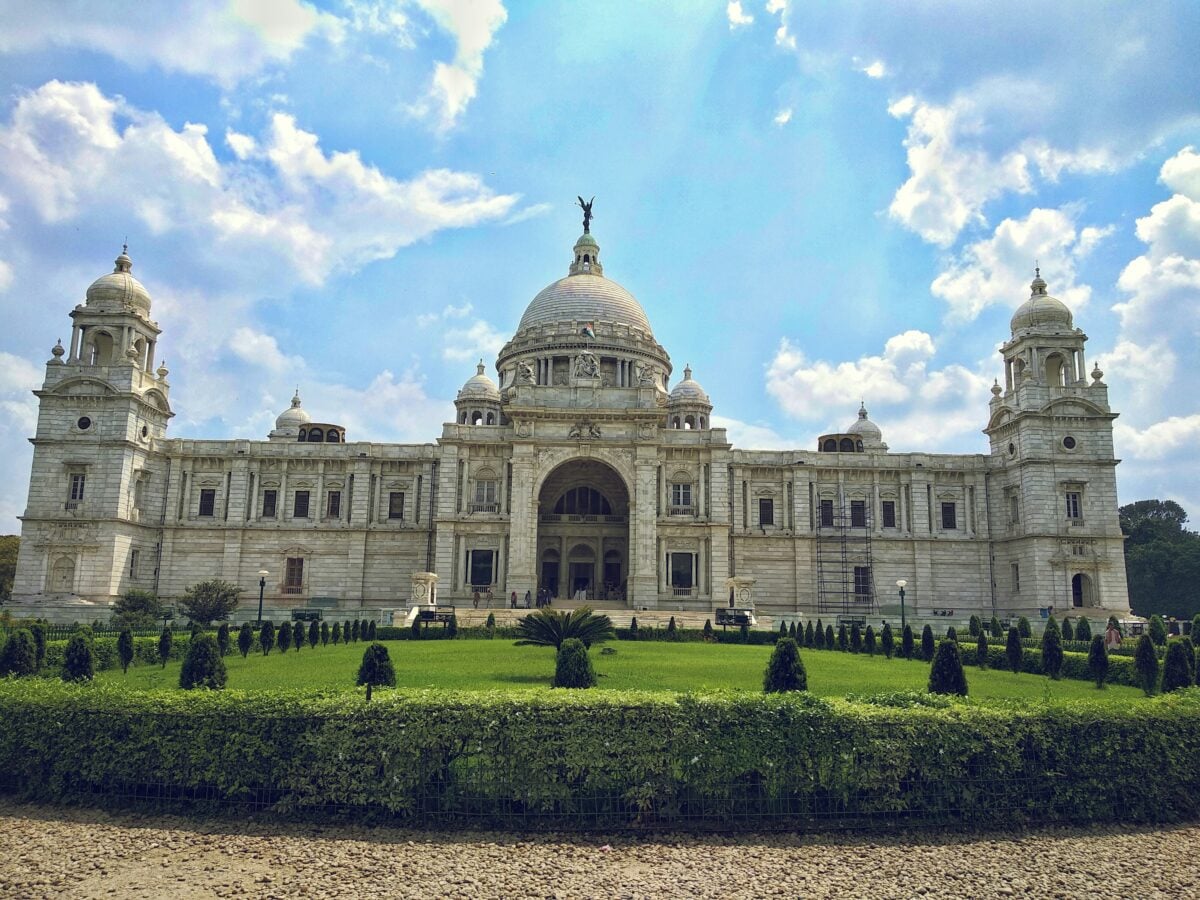
The shift from Calcutta to Kolkata in 2001 represented one of those corrections that seems obvious in hindsight but took centuries to implement, like finally getting around to fixing a mispronunciation that everyone just accepted because it had been wrong for so long that wrong started feeling normal. Calcutta had been the British attempt at spelling what they heard when locals said “Kolkata,” but colonial ears weren’t particularly good at capturing Bengali sounds, and the anglicized version stuck for three hundred years because that’s what appeared on maps and official documents and letterheads.
The change back wasn’t just about phonetics, though — it carried the quiet satisfaction of a city finally getting to introduce itself properly instead of being introduced by people who had never bothered to learn the correct pronunciation. Kolkata had been the name all along in Bengali; the rest of the world just hadn’t been paying attention.
And there’s something satisfying about that correction, the same feeling you get when someone finally gets your name right after years of subtle mispronunciation that you’d stopped correcting because it seemed easier to let it slide. So the city became Kolkata officially, though plenty of people still say Calcutta, particularly outside India where old habits die hard and change travels slowly.
But for a place that had been the capital of British India, reclaiming its original name felt like the kind of quiet revolution that doesn’t make headlines but still matters to the people who live there.
St. Petersburg
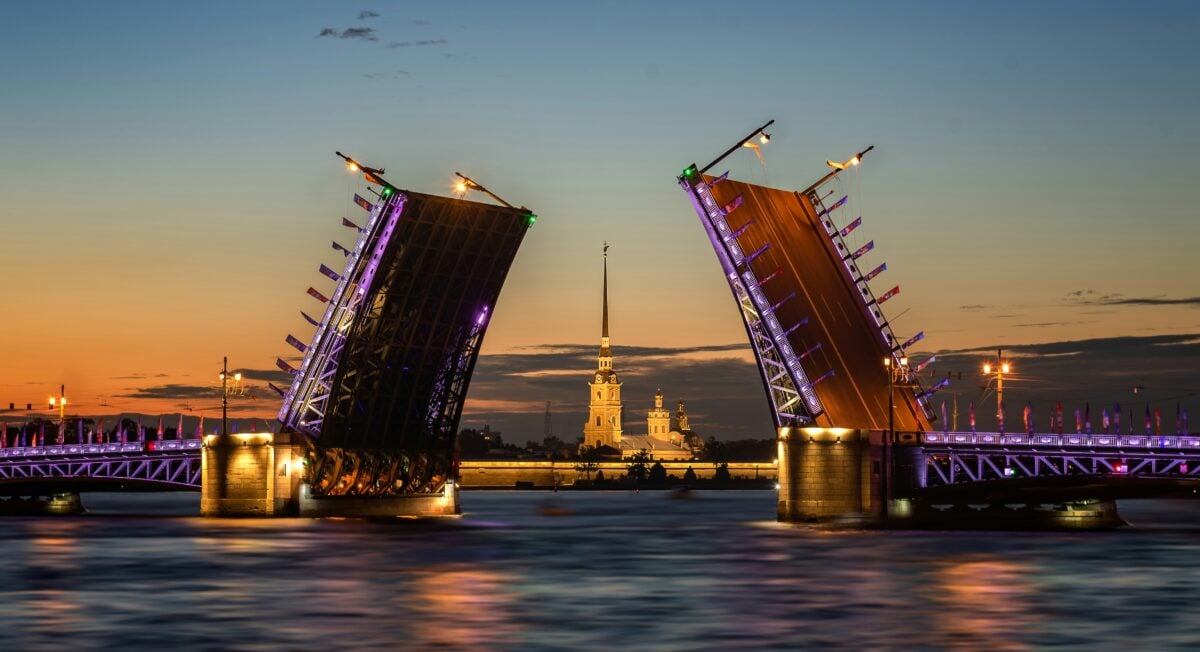
This city has changed names more times than most people change jobs. St. Petersburg became Petrograd during World War I because the original name sounded too German.
Then it became Leningrad after the revolution. Then back to St. Petersburg when the Soviet Union fell.
Each name change reflected whoever was in charge and what they wanted to remember or forget.
Almaty
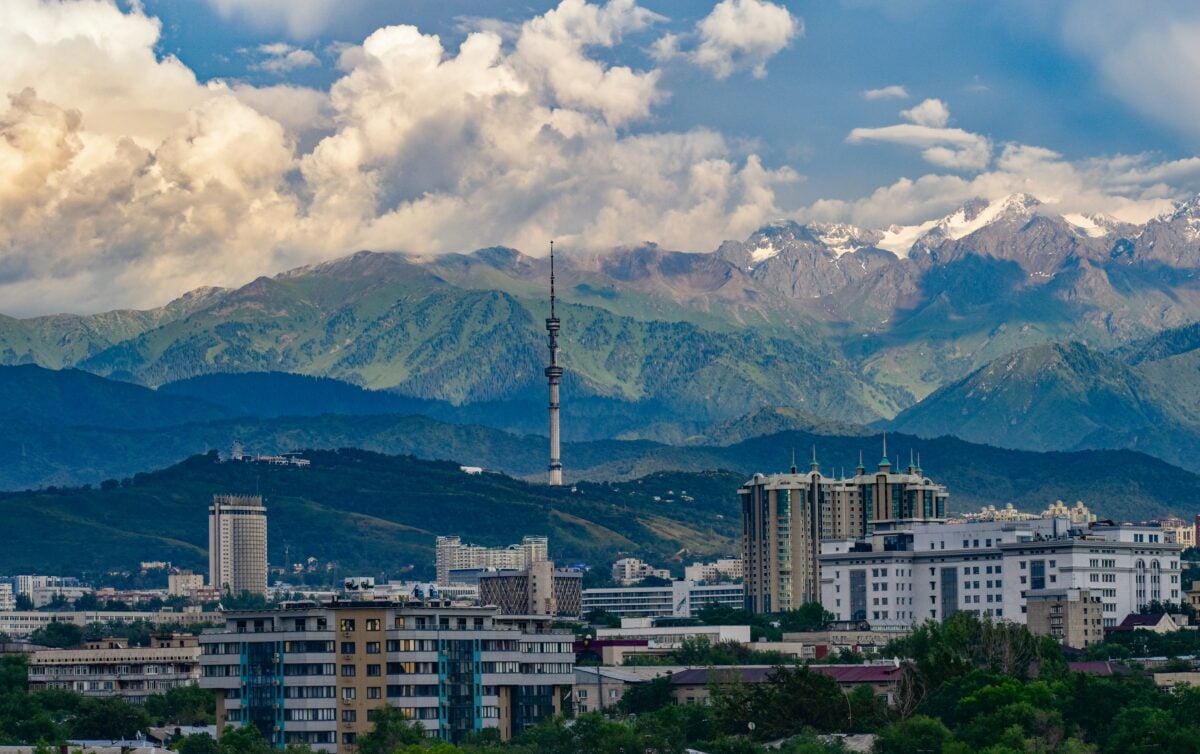
Alma-Ata sounds Russian because it was — the Soviet version of Almaty, which means “place of apples” in Kazakh and describes the wild apple forests that still grow in the mountains nearby. When Kazakhstan gained independence in 1991, cities started reclaiming their pre-Soviet names, and Almaty was among the first to make the switch back.
The apples are still there, growing wild in the foothills of the Tian Shan mountains, the same varieties that spread along the Silk Road centuries ago. Changing the name back didn’t just honor the language; it honored the landscape that had been there long before anyone thought to rename it.
Yangon
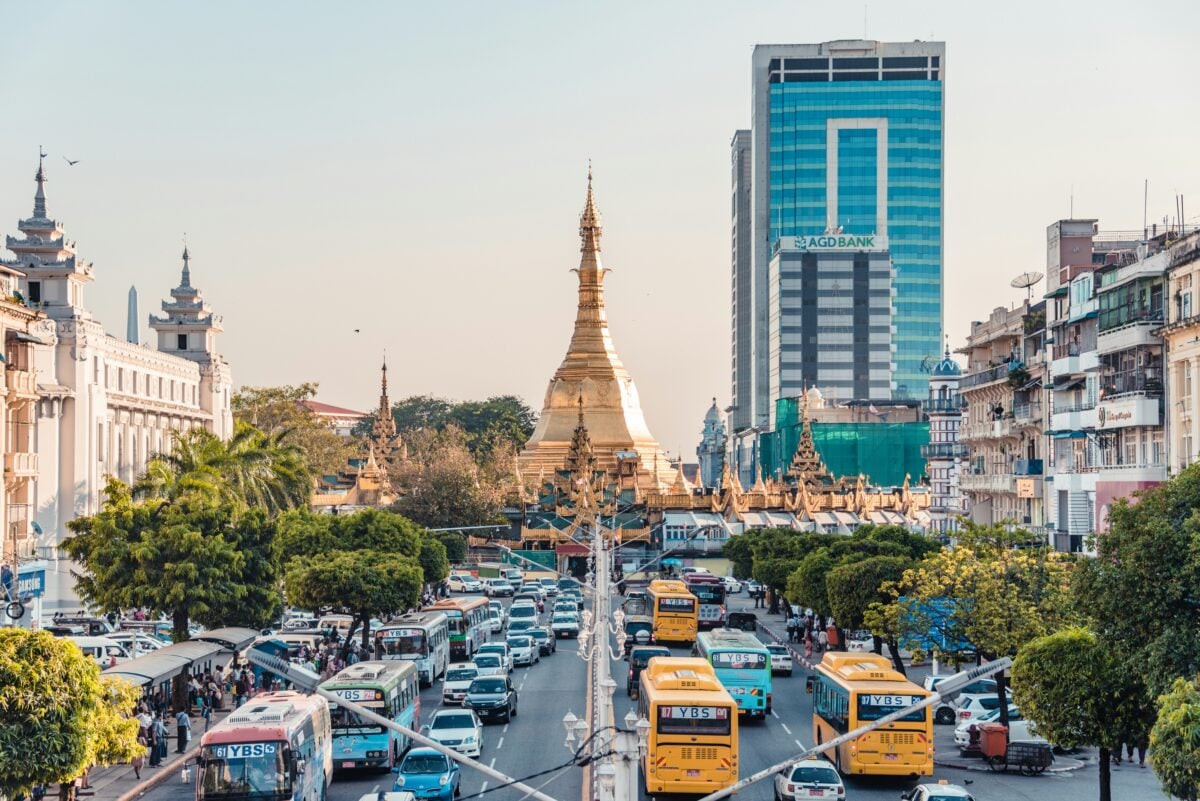
Rangoon belonged to the British colonial period, but Yangon reaches back further than that — to the original Burmese name that meant “end of strife,” which turned out to be overly optimistic given the city’s history over the past century and a half. The military government officially changed it back to Yangon in 1989, along with changing the country’s name from Burma to Myanmar, though plenty of people outside the country kept using the older names partly out of habit and partly out of politics.
The name change got caught up in larger questions about legitimacy and recognition, the kind of diplomatic complexity that turns a simple matter of pronunciation into a statement about which government you’re willing to acknowledge. But for people living in the city, Yangon had always been Yangon in their own language — the English-speaking world just took a while to catch up.
And there’s something ironic about a name meaning “end of strife” for a city that has seen so much conflict over what to call it.
Bangkok
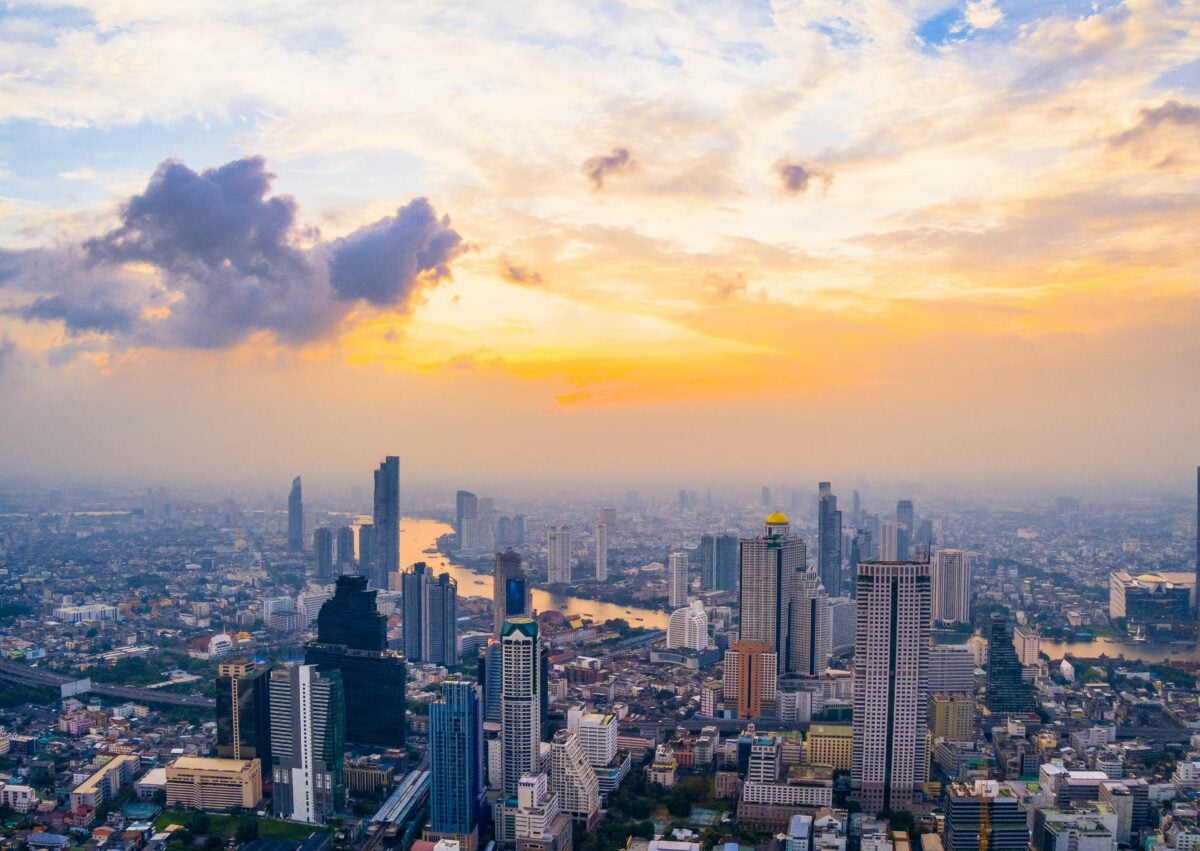
The full ceremonial name of Bangkok contains 169 letters and mentions dragons, gems, and divine residences, but locals just call it “Krung Thep” — the city of angels. Bangkok comes from “Bang Makok,” the name of a small trading post that existed before the current city was founded.
Most people outside Thailand never learned the real name. Bangkok was easier to pronounce and stuck on maps, so that’s what the world kept using even though it technically refers to a place that doesn’t exist anymore.
Oslo
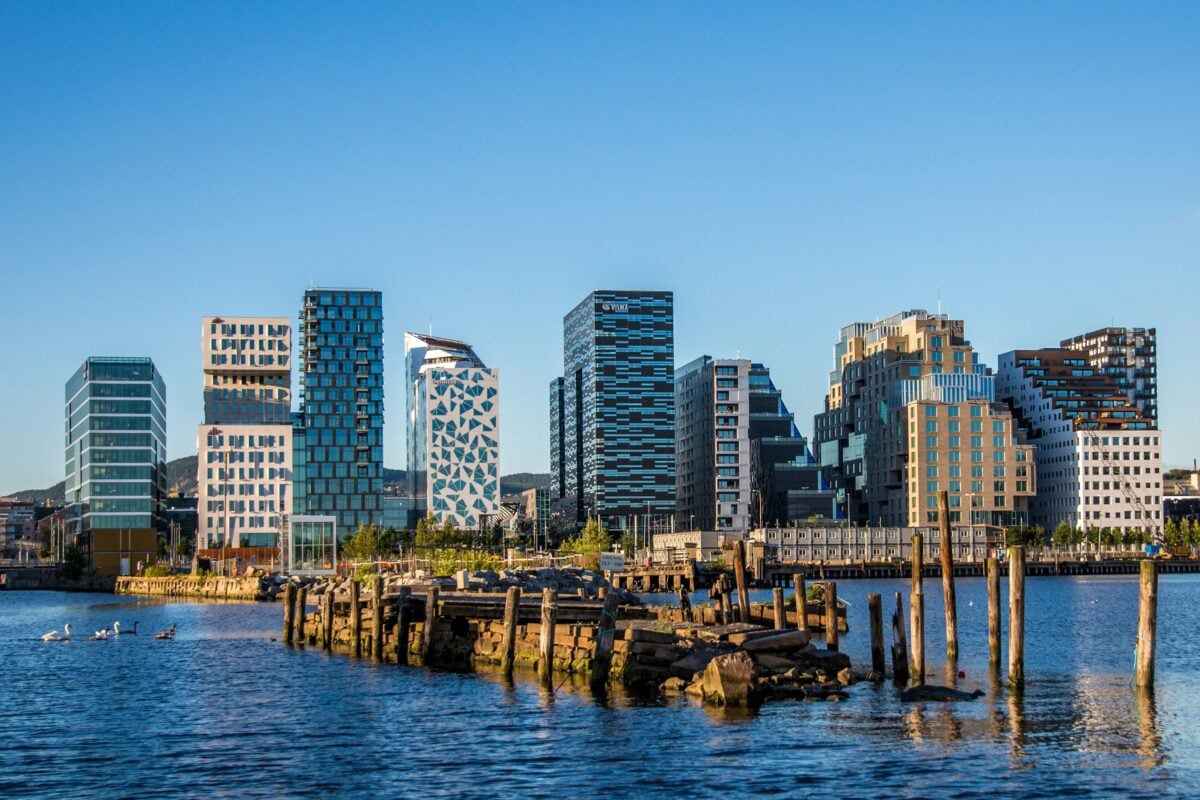
Kristiania lasted from 1624 to 1925, named after King Christian IV who rebuilt the city after a fire destroyed most of it. The Norwegians changed it back to Oslo when they felt confident enough in their independence to stop honoring Danish kings.
The original name had been Oslo for three hundred years before the fire. Sometimes going back is the most radical thing you can do.
Harare
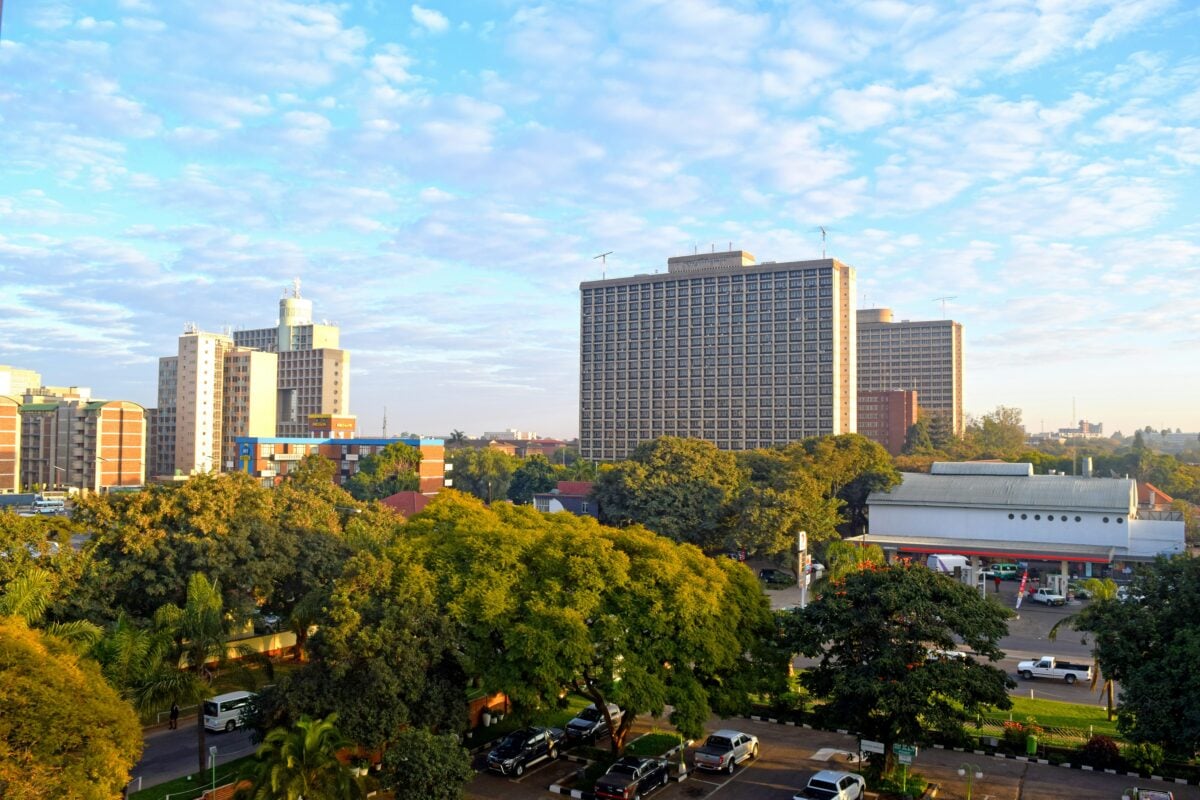
Salisbury honored Cecil Rhodes’ friend, but Harare honored the local Shona chief who had lived there long before Rhodes showed up with his mining company and territorial ambitions. Zimbabwe changed the capital’s name in 1982, two years after independence, and the choice wasn’t subtle — it represented exactly the kind of historical correction that happens when people get to name their own places again.
The timing made sense. Salisbury had been the colonial name, chosen by settlers who figured they had the right to rename everything they claimed. Harare connected the modern city to its pre-colonial roots, acknowledging that the land had a history before European arrival.
Not every name change works, but this one felt inevitable.
Echoes that remain

Names layer over each other like paint on an old wall, and sometimes what shows through the cracks tells a more interesting story than whatever color ended up on top. Cities carry their former names in street signs that were never updated, in the memories of older residents who learned the first version and never quite adjusted, in restaurants and businesses that kept the original name for sentimental or practical reasons.
The past doesn’t disappear just because someone files new paperwork — it lingers in the corners, shows up in old maps, gets passed down in family stories about what this place used to be called back when everything was different.
More from Go2Tutors!

- The Romanov Crown Jewels and Their Tragic Fate
- 13 Historical Mysteries That Science Still Can’t Solve
- Famous Hoaxes That Fooled the World for Years
- 15 Child Stars with Tragic Adult Lives
- 16 Famous Jewelry Pieces in History
Like Go2Tutors’s content? Follow us on MSN.



