15 Toys That Outsold the Pop-Culture Franchise That Inspired Them
When we think of merchandise, we typically imagine it as the profitable afterthought of successful movies, TV shows, or video games. Yet sometimes, the toys designed to capitalize on these franchises become far more lucrative than the original content that inspired them.
These plastic playthings occasionally transcend their promotional origins to become cultural phenomena in their own right. Here is a list of 15 toys that financially eclipsed the pop-culture franchises that brought them into existence.
Transformers
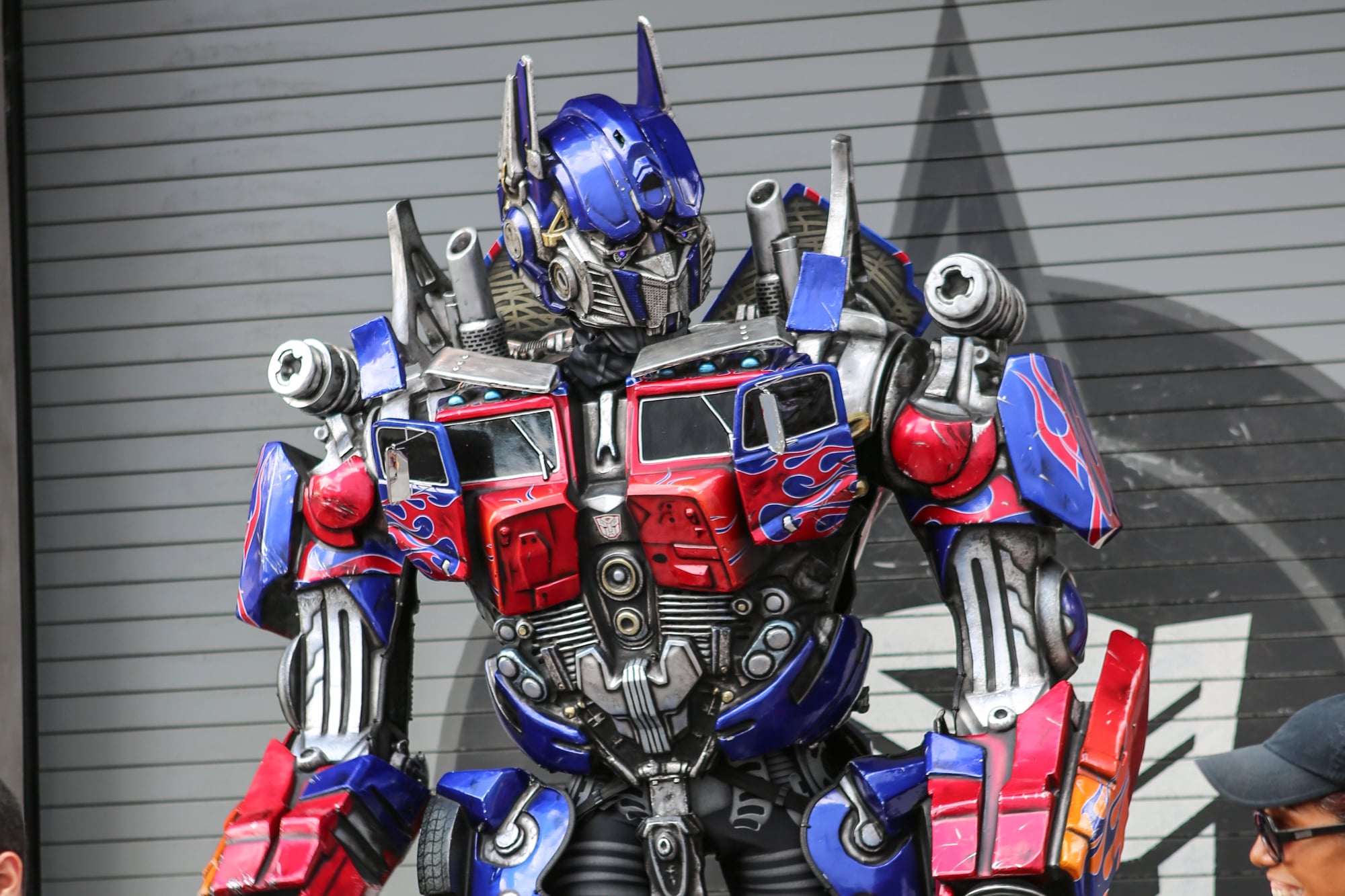
The robots in disguise began as a Japanese toy line before Hasbro imported them to America in 1984. The accompanying cartoon served primarily as a 22-minute commercial for the shape-shifting action figures.
While the animated series enjoyed modest success, the toys generated over $1 billion in revenue by 1987 alone, vastly outperforming the TV show’s production budget of approximately $6 million.
G.I. Joe

Long before the movies or even the famous 1980s cartoon, G.I. Joe action figures had already cemented their place in toy history. The original ‘action figure’ term was coined specifically to market these military toys to boys.
The merchandise has generated over $5 billion in lifetime sales, dwarfing the combined box office of the film adaptations and the production costs of all animated iterations.
My Little Pony
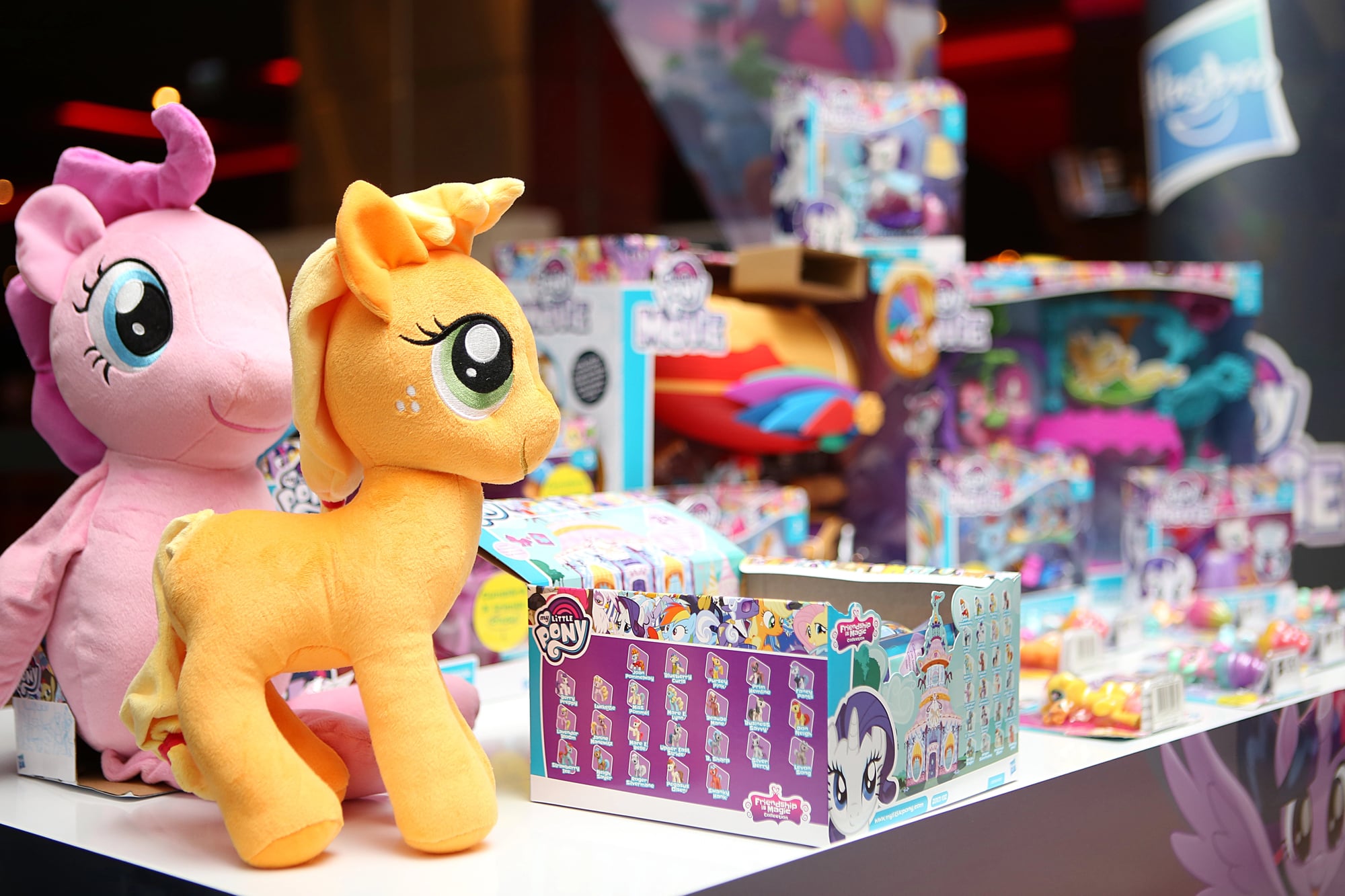
The colorful equines galloped onto shelves in 1983, initially supported by television specials rather than a full-fledged series. The toys became an instant hit with young girls, selling over 150 million ponies in the 1980s alone.
This impressive figure easily surpassed the viewership and revenue of the scattered TV specials and movies that supported them at the time.
Star Wars Kenner Figures

While the Star Wars films were undeniably successful, the merchandising rights that George Lucas famously retained proved even more valuable. The original Kenner toy line (1978-1985) generated approximately $3.8 billion in revenue, exceeding the combined box office of the original trilogy, which stood at around $1.8 billion.
These 3.75-inch figures fundamentally changed how movies and toys interacted.
Pokemon Cards

The trading card game based on the popular monster-catching franchise became a schoolyard staple in the late 1990s. With over 43.2 billion cards sold worldwide, the trading card game has generated approximately $13.4 billion in revenue.
This impressive figure stands above even the combined sales of the video games that initially spawned the franchise, which total around $11 billion.
Super Soaker

Though not inspired by a traditional media franchise, these powerful water guns were popularized through clever marketing campaigns featuring animated characters. Created by NASA engineer Lonnie Johnson, Super Soakers have sold over 200 million units and generated more than $1 billion in sales.
The promotional animated shorts and commercials cost merely a fraction of this amount to produce.
He-Man and the Masters of the Universe

The muscular action figures actually preceded the cartoon series, with Mattel creating the toys first and then commissioning the animated show to help market them. The original toy line generated approximately $1.2 billion between 1982 and 1988, vastly outperforming the television series, which was produced on a relatively modest budget of about $40 million for its entire run.
Beanie Babies
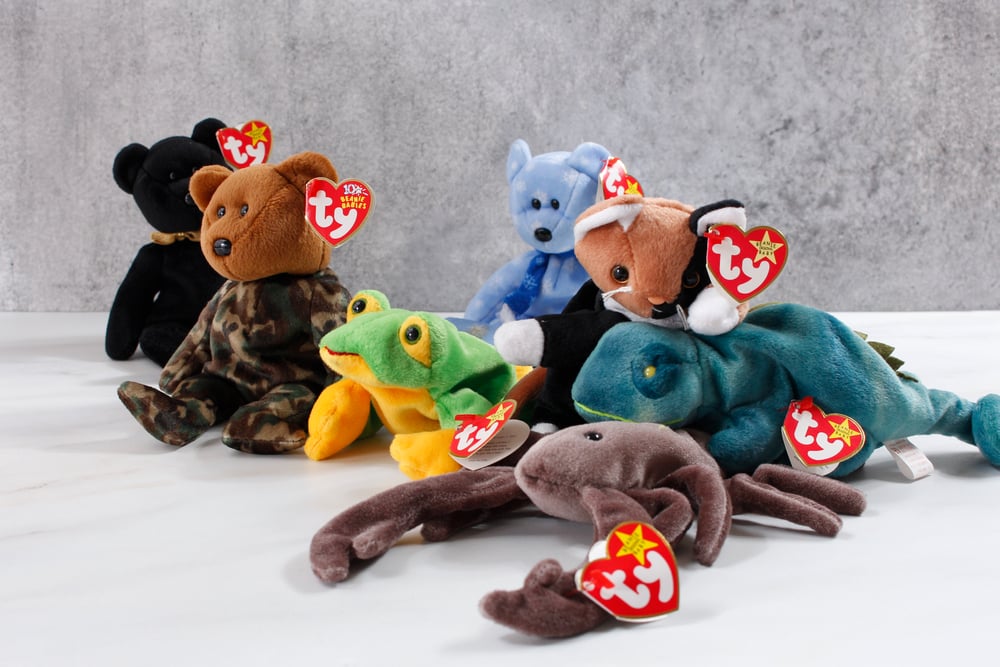
These stuffed animals sparked a collecting frenzy in the 1990s despite having minimal media presence beyond commercials. At their peak, Beanie Babies generated annual revenues of $1.4 billion for Ty Inc., making founder Ty Warner a billionaire.
The handful of animated specials and books created to support the toys cost less than $10 million to produce altogether.
Teenage Mutant Ninja Turtles
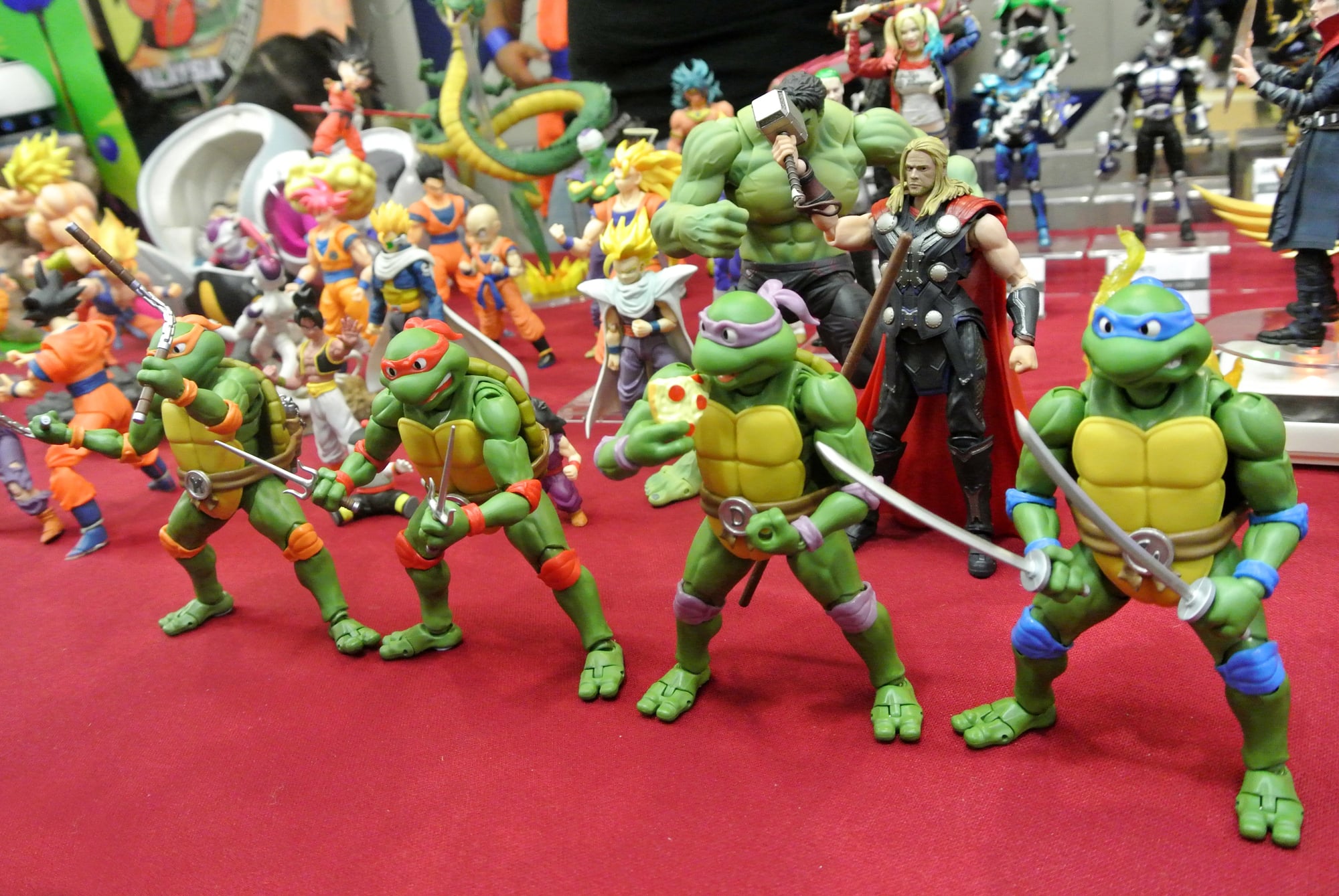
While the original comic book was an independent hit, the action figures catapulted the franchise to new heights. The first wave of TMNT toys in 1988 generated $23 million in sales, quickly outpacing the comic book that inspired them.
By 1990, toy sales reached $1.1 billion annually, exponentially more than what the original black-and-white comic series ever made for its creators.
Furby
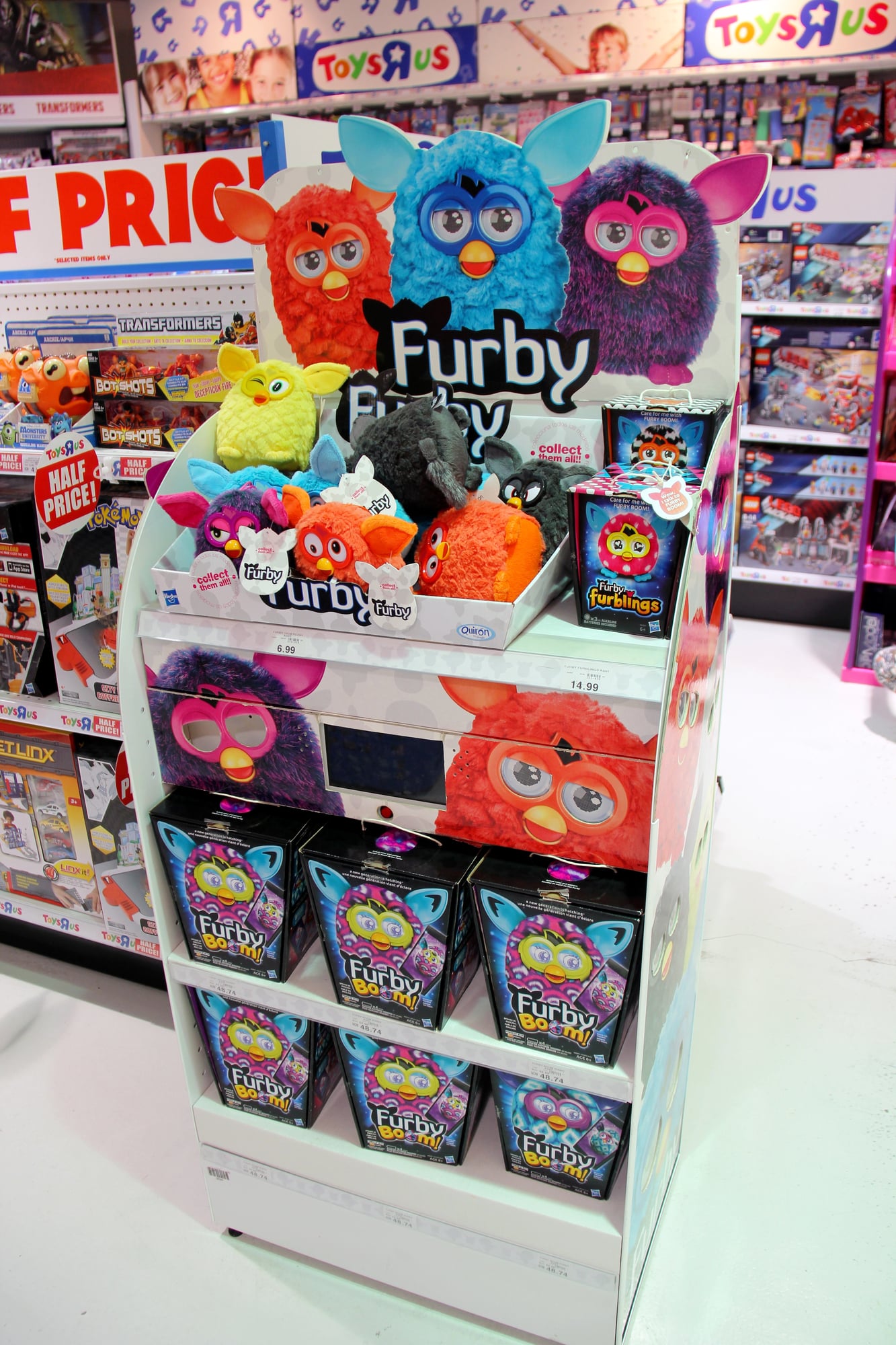
This electronic furry companion became a must-have toy despite having almost no established narrative or media presence. Introduced in 1998, Furby sold 40 million units in its first three years, generating approximately $1.2 billion in revenue.
The handful of promotional commercials and the rudimentary Furby website cost less than $5 million to create and maintain.
Bratz

These fashion dolls, with their distinct style and attitude, launched in 2001 with minimal media support. Within their first five years, Bratz dolls generated over $2 billion in revenue, vastly outperforming the direct-to-video animated features and television series that were created afterward to support the brand.
The animated content was clearly an afterthought to the toy’s success.
Nerf

Originally just a foam ball marketed as the world’s first indoor ball, Nerf expanded into blasters that loosely borrowed from science fiction aesthetics. The brand has generated over $400 million annually in recent years, totaling billions in lifetime revenue.
The various animated commercials and web series created to showcase the products cost merely a fraction of what the toys themselves have earned.
Care Bears

These colorful bears began as greeting card characters before becoming plush toys and eventually stars of their own media. The initial toy line sold $2 million worth of product in its first year alone.
By 1985, Care Bears merchandise was generating over $100 million annually, far exceeding the production budgets of the television specials and movies that followed.
Shopkins

These tiny collectible grocery-themed figures launched in 2014 with minimal narrative support. With over 500 million units sold, the toys quickly generated over $1 billion in revenue.
The animated webisodes and later television series were produced on modest budgets that represented just a small percentage of the merchandise revenue.
Skylanders

This clever toy-video game hybrid flipped the typical model by making physical toys essential to gameplay. The Skylanders franchise generated over $3 billion in its first three years, with approximately 80% of that revenue coming from toy sales rather than the video games themselves.
Each new wave of figurines consistently outsold the games they were designed to enhance.
Beyond the Toy Box

The relationship between entertainment media and toys has clearly evolved beyond simple promotional tie-ins. These examples demonstrate how physical products can transcend their origins to become the main attraction rather than mere merchandise.
The economic impact of successful toy lines often creates a feedback loop where the original media continues primarily to support toy sales. What these success stories teach us is that tangible play experiences can create deeper connections than passive entertainment alone.
When children can physically engage with characters and worlds, they form lasting attachments that keep registers ringing long after screens go dark. The tactile experience of play remains a powerful economic force even in our increasingly digital world.
More from Go2Tutors!

- The Romanov Crown Jewels and Their Tragic Fate
- 13 Historical Mysteries That Science Still Can’t Solve
- Famous Hoaxes That Fooled the World for Years
- 15 Child Stars with Tragic Adult Lives
- 16 Famous Jewelry Pieces in History
Like Go2Tutors’s content? Follow us on MSN.