Concepts Everyone Learned Wrong the First Time
Other times, it’s a well-meaning simplification that becomes harder to unlearn than the actual truth. Either way, you walk away with ideas that sound right but fall apart the moment you look closer.
These misunderstandings don’t just live in your head. They shape how you see the world, how you explain things to others, and sometimes how you make decisions.
The good news? Once you see where the confusion started, the real version usually makes more sense anyway.
Your Tongue Doesn’t Have Taste Zones
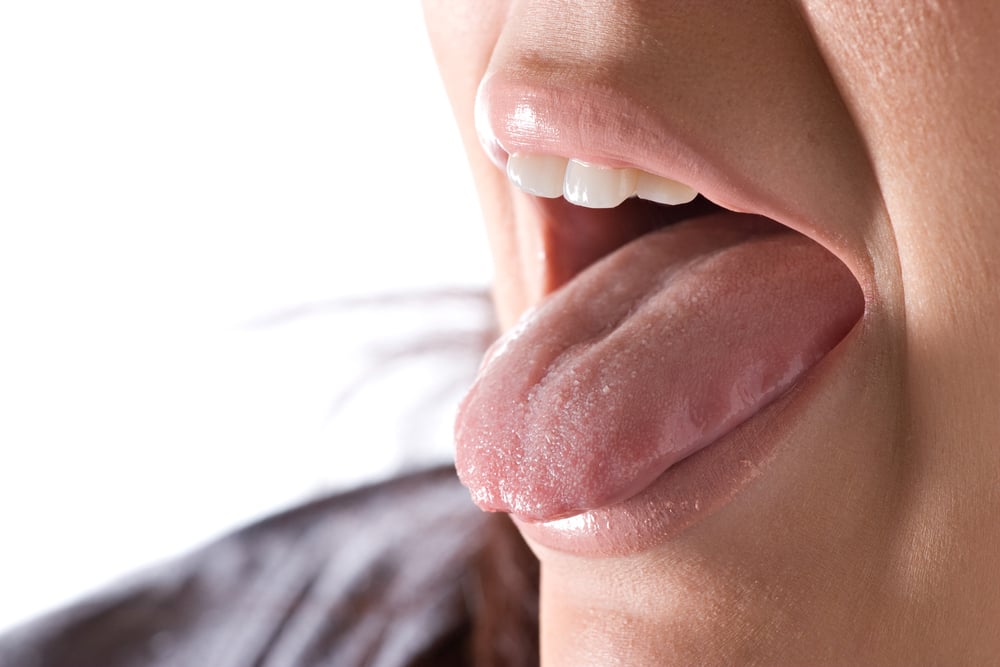
Remember that tongue map from elementary school? The one showing bitter at the back, sweet at the tip, salty on the sides?
That map is wrong. Your tongue tastes everything everywhere.
The whole zoned taste idea came from a mistranslation of German research from 1901, and somehow it never died.
Every taste bud on your tongue can detect sweet, salty, sour, bitter, and umami. Some areas might be slightly more sensitive to certain tastes, but the difference is minimal.
You’re not missing out on flavors because you put food on the wrong part of your tongue.
Blood Isn’t Blue Inside Your Body

Your blood is always red. Always.
It’s never blue, not even in your veins.
The confusion comes from seeing blue veins through your skin, but that’s just an optical illusion caused by how light penetrates and reflects off your skin.
Deoxygenated blood (the blood in your veins) is a darker, deeper red than oxygenated blood (in your arteries). But it’s still red.
The idea of blue blood probably seemed logical when paired with those anatomy diagrams that color-code arteries and veins. Unfortunately, those diagrams prioritized clarity over accuracy.
Goldfish Have Better Memories Than You Think
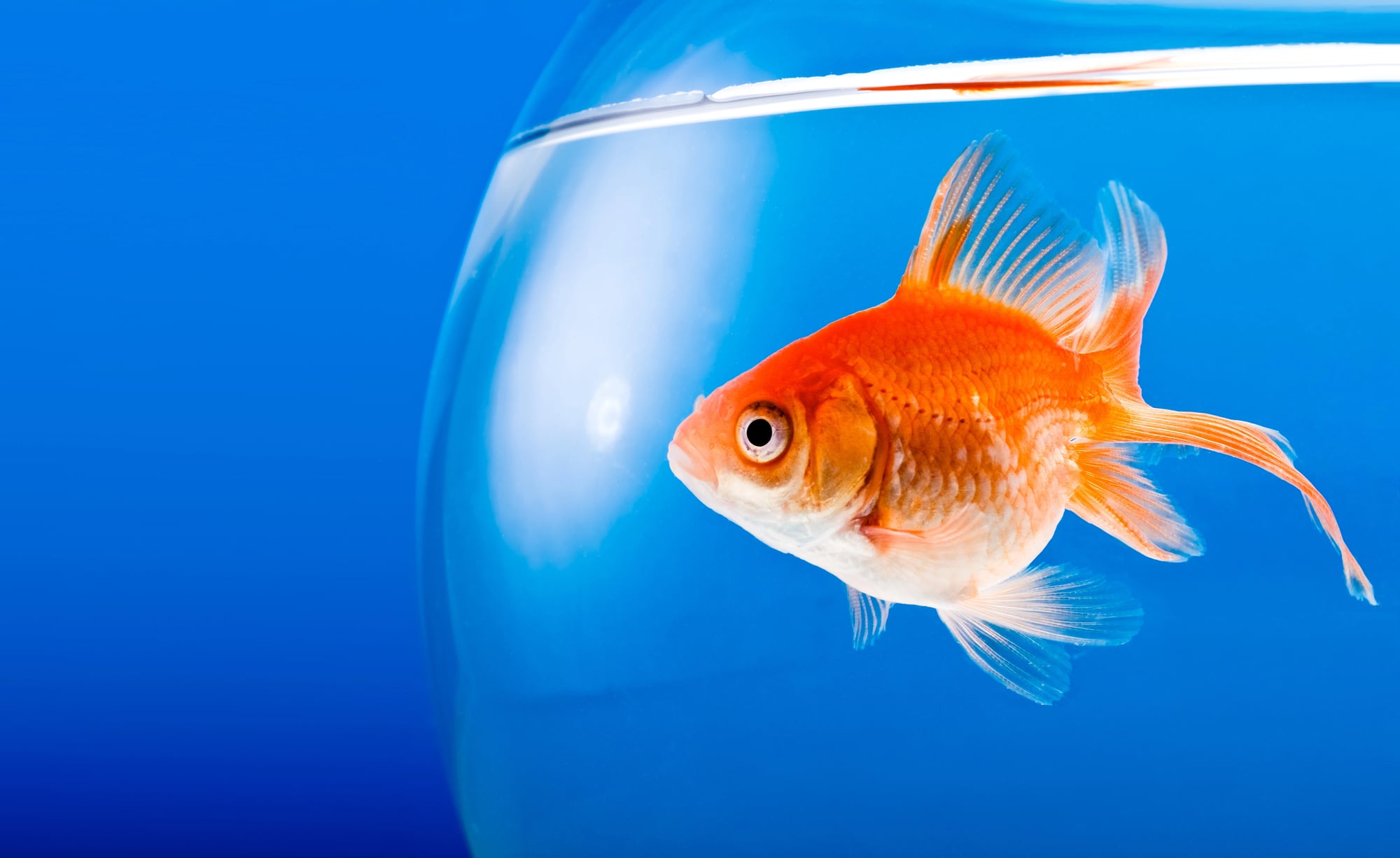
The three-second memory thing is nonsense. Goldfish can remember things for months.
Researchers have trained them to recognize shapes, respond to sounds, and navigate mazes. Some studies show they remember feeding schedules and can even tell time.
This myth probably exists because goldfish don’t do much that seems memorable to us. They swim in circles, they eat, they exist.
But that’s not the same as having no memory. Their small tank might bore them, but they haven’t forgotten everything every three seconds.
Glass Is Not a Slow-Moving Liquid
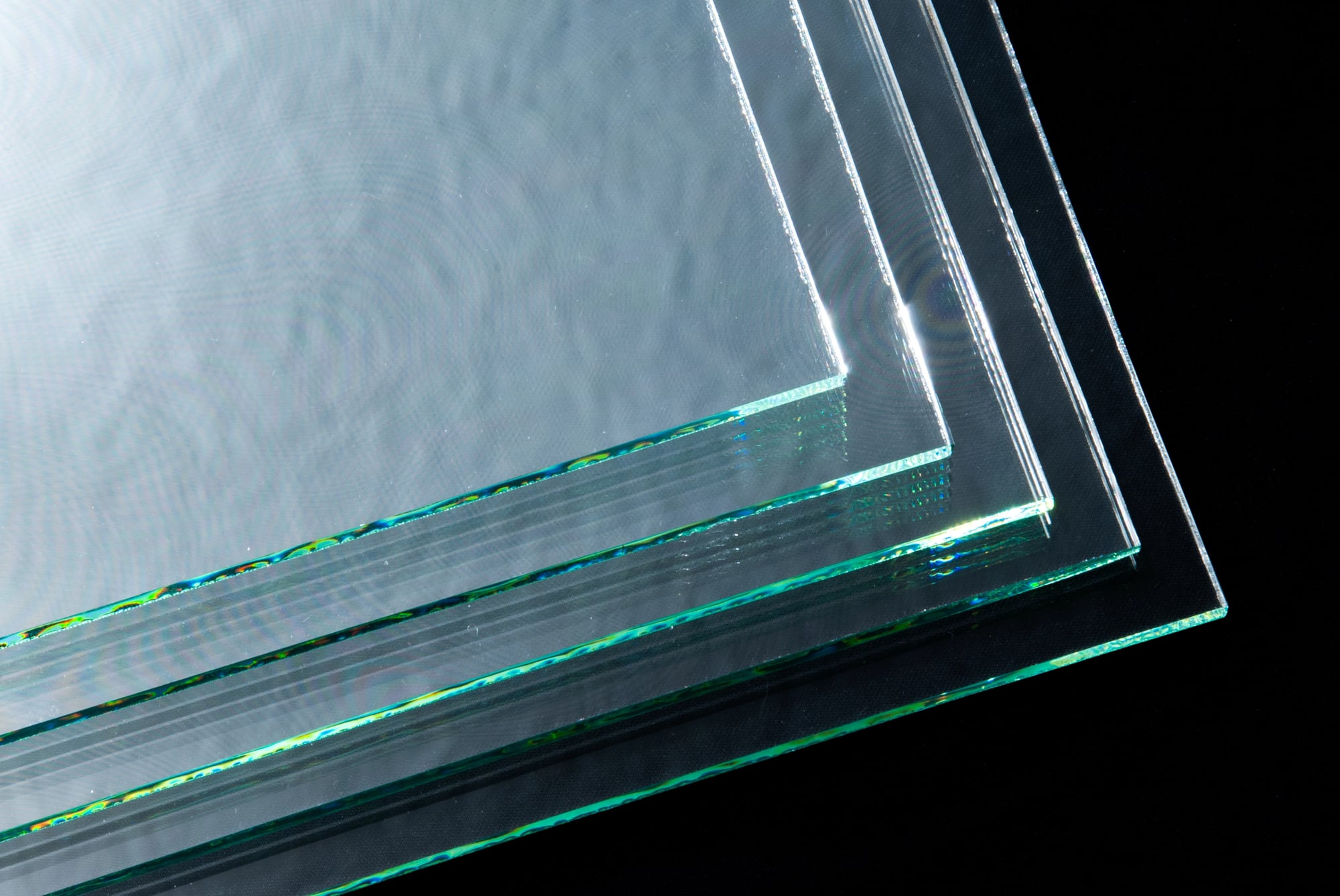
Old windows have thicker glass at the bottom, and someone decided that meant glass was slowly flowing downward over centuries. That’s not what’s happening.
Glass is an amorphous solid, which means its molecules aren’t arranged in a crystal pattern, but it’s not flowing.
Those old windows are thicker at the bottom because glassmaking techniques in the past were inconsistent. When installing the panes, it made sense to put the heavier side down for stability.
The glass didn’t sag. It was just installed that way.
Sugar Doesn’t Make Kids Hyperactive

Parents see kids at birthday parties eating cake, running around screaming, and blame the sugar. But study after study shows no direct link between sugar consumption and hyperactivity.
The behavior you see at parties comes from excitement, social stimulation, and sometimes just being in a new environment.
The placebo effect works both ways. Parents who expect their kids to go wild after eating sugar are more likely to interpret normal kid behavior as hyperactivity.
When researchers give kids sugar or a placebo and don’t tell the parents which, the parents can’t tell the difference in behavior.
You Don’t Lose Most of Your Heat Through Your Head

The “you lose 40% to 50% of your body heat through your head” claim is based on flawed military research. The study put subjects in cold weather with full winter gear but no hats.
Of course they lost heat through their heads—it was the only exposed part.
Your head loses heat at about the same rate as any other part of your body relative to its surface area. If you’re completely uncovered in the cold, you lose heat pretty evenly everywhere.
Wear a hat if it’s cold outside, but not because your head is in some special heat-flowing zone.
The Great Wall of China Isn’t Visible from Space

Astronauts can’t see the Great Wall from space without aid. It’s narrow, made of materials that blend with the surrounding landscape, and simply not distinct enough to spot from that distance.
The myth persists because it sounds impressive and has been repeated enough times to feel true.
What you can see from space are cities at night, large-scale agricultural patterns, and geographic features like rivers. But a wall that’s about 30 feet wide? Not happening.
Even astronauts have confirmed this, but the myth has staying power.
Lightning Strikes the Same Place Repeatedly

“Lightning never strikes the same place twice” is something people say to mean you won’t have the same bad luck twice. But lightning absolutely hits the same spots over and over.
Tall structures, trees on hilltops, and metal objects get struck multiple times.
The Empire State Building gets hit around 25 times per year. Lightning doesn’t have memory or preference—it just follows the path of least resistance.
If a spot is high, pointed, or conductive, it’s getting hit again.
Cracking Your Knuckles Doesn’t Cause Arthritis

Your parents and teachers warned you about this one. The popping sound comes from gas bubbles in your joint fluid collapsing, not from bone grinding or cartilage damage.
Studies comparing habitual knuckle-crackers to non-crackers show no increased arthritis risk.
One doctor even cracked the knuckles on one hand for 60 years while leaving the other hand alone. No arthritis in either hand.
The sound might annoy people around you, but it’s not destroying your joints.
Bats Aren’t Blind

“Blind as a bat” doesn’t make sense because bats can see. They use echolocation for hunting in the dark, which is incredible, but they also have functional eyes.
Some species see better in low light than humans do.
The confusion probably comes from watching bats fly erratically at night and assuming they’re bumping around blindly. They’re not.
They’re hunting insects with remarkable precision using both sight and sound. Calling them blind is like calling someone who uses headphones deaf.
Humans Have More Than Five Senses

Touch, taste, smell, sight, hearing—that’s the list everyone knows. But your body has way more senses than that.
You have proprioception (knowing where your body parts are without looking), thermoception (sensing temperature), nociception (feeling pain), and equilibrioception (balance).
You also sense time passing, hunger, thirst, and the need to use the bathroom. These aren’t just thoughts or feelings—they’re sensory information your body collects and processes.
The five-sense model is tidy and easy to teach, but it’s not complete.
Chameleons Don’t Change Color to Match Their Surroundings

Chameleons change color based on mood, temperature, and communication with other chameleons. They’re not trying to camouflage themselves by turning plaid to match your couch.
Their color shifts help them regulate body temperature and signal aggression, submission, or readiness to mate.
They do have some camouflage ability, but it’s more about matching general environments (green for forests, brown for branches) than performing real-time color matching.
The instant-camouflage trick is mostly a cartoon invention.
Antibiotics Don’t Work on Viruses

This one matters for your health. Antibiotics kill bacteria.
They do nothing to viruses.
When you have a cold or the flu (both caused by viruses), antibiotics won’t help. Taking them anyway contributes to antibiotic resistance, which makes actual bacterial infections harder to treat later.
Doctors know this, but patients often demand antibiotics anyway.
The pressure to prescribe something, anything, means people walk out with pills that won’t help. If your doctor says you don’t need antibiotics, trust them.
You have a virus, and it just needs time.
The Earth’s Orbit Doesn’t Cause Seasons

Seasons happen because Earth’s axis is tilted, not because Earth gets closer or farther from the sun. When the Northern Hemisphere tilts toward the sun, it’s summer there and winter in the Southern Hemisphere.
Six months later, the situation flips.
If distance from the sun caused seasons, both hemispheres would experience summer and winter at the same time. They don’t.
Also, Earth is actually closest to the sun in January, when it’s winter in the Northern Hemisphere. The tilt is what matters.
Shaving Doesn’t Make Hair Grow Back Thicker
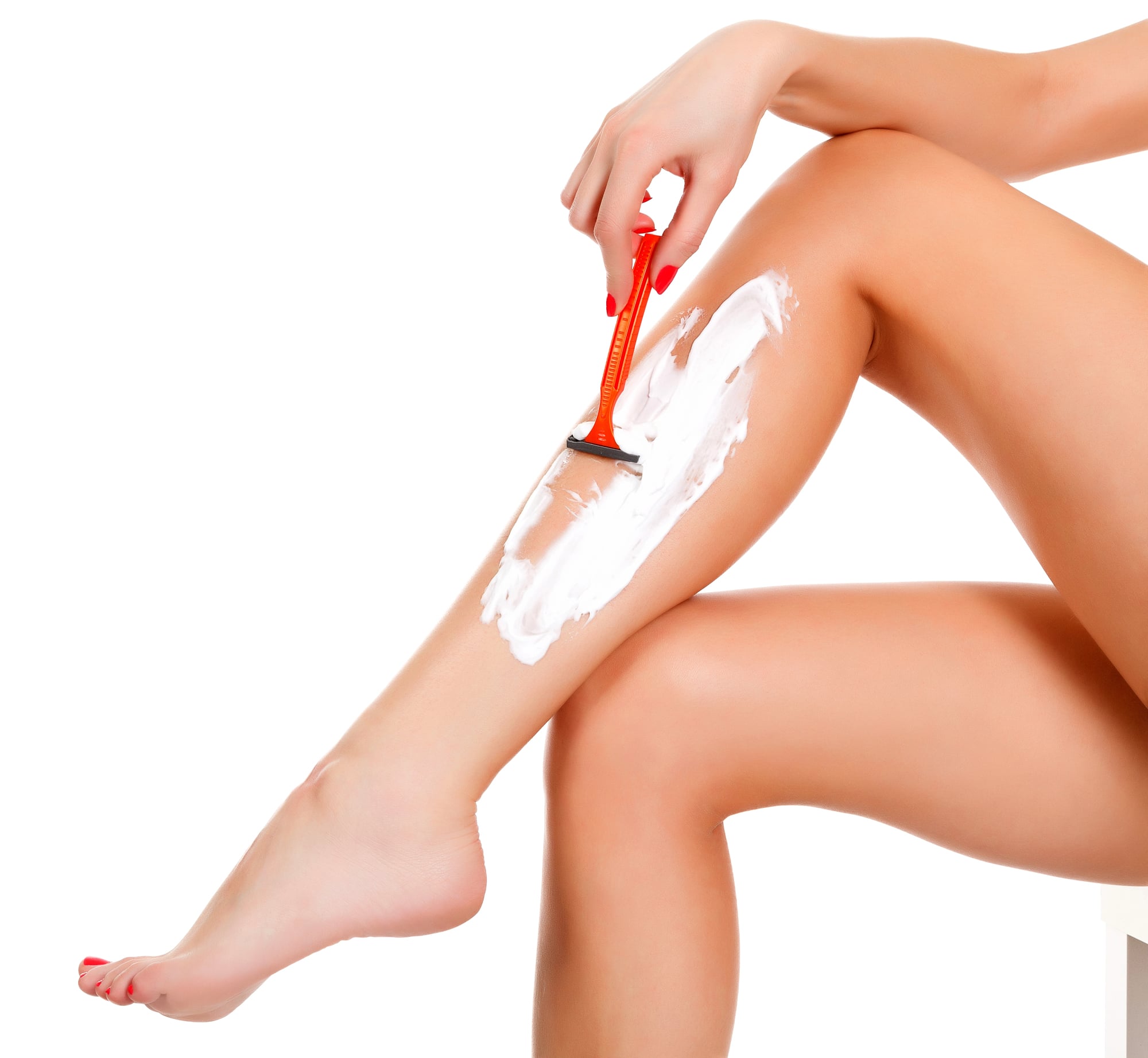
Hair tapers naturally at the end. When you shave, you cut through the thicker middle part of the hair shaft.
As it grows back, that blunt edge feels coarser and looks darker than the fine, tapered tip you cut off. But the hair itself hasn’t changed.
It’s the same thickness, color, and growth rate as before. This myth probably survives because the stubble period feels so different from smooth skin.
The contrast tricks you into thinking something changed permanently. It didn’t. You just removed the tapered ends.
What You Thought You Knew

These misunderstandings spread because they’re simple, memorable, and just plausible enough. The truth often requires a longer explanation, which makes it harder to pass along.
But knowing the real story gives you a clearer picture of how things actually work.
And once you start noticing these common errors, you realize how many other “facts” you’ve accepted without question. That’s not a reason to distrust everything you learned—just a reminder that it’s worth checking the details now and then.
More from Go2Tutors!

- The Romanov Crown Jewels and Their Tragic Fate
- 13 Historical Mysteries That Science Still Can’t Solve
- Famous Hoaxes That Fooled the World for Years
- 15 Child Stars with Tragic Adult Lives
- 16 Famous Jewelry Pieces in History
Like Go2Tutors’s content? Follow us on MSN.