Countries With the Most Prisoners
The world’s prison population tells a complicated story about justice, crime, and how different nations handle law enforcement. Some countries lock up millions of people, while others take different approaches to dealing with lawbreakers.
The numbers reveal patterns that go beyond just crime rates and touch on everything from drug policies to political systems. Let’s look at which nations keep the most people behind bars and what drives those staggering numbers.
United States
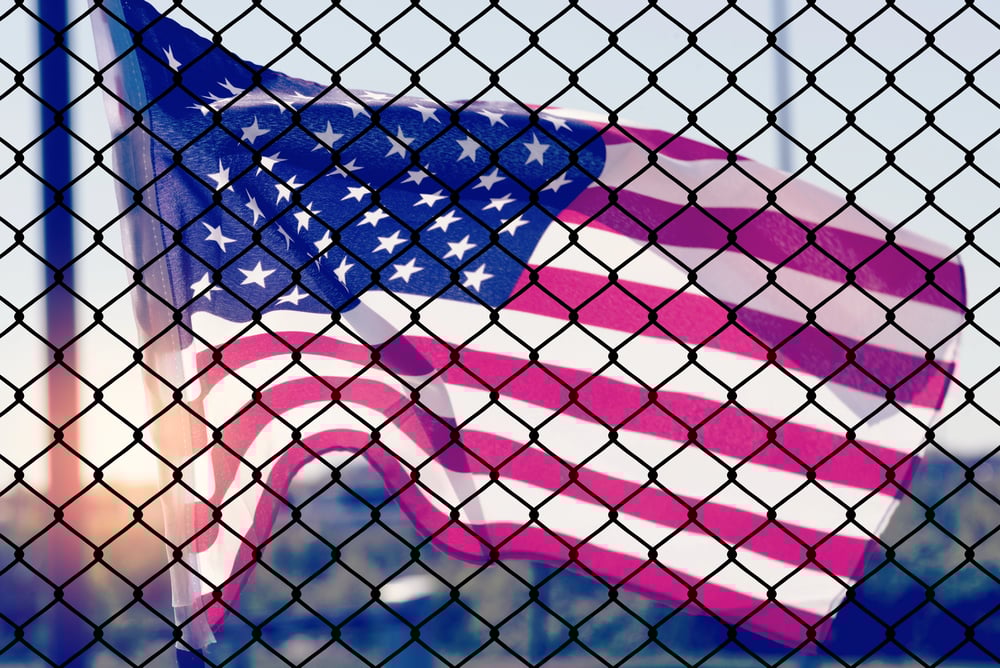
America leads the world in total prison population with over 2 million people locked up. That’s more than China and India combined, despite those countries having way larger populations.
The U.S. prison system grew massively during the 1980s and 1990s when tough-on-crime laws became popular. Today, about 1 in every 150 Americans is sitting in a cell somewhere.
The country’s approach to drug offenses and long mandatory sentences keeps those numbers high year after year.
China
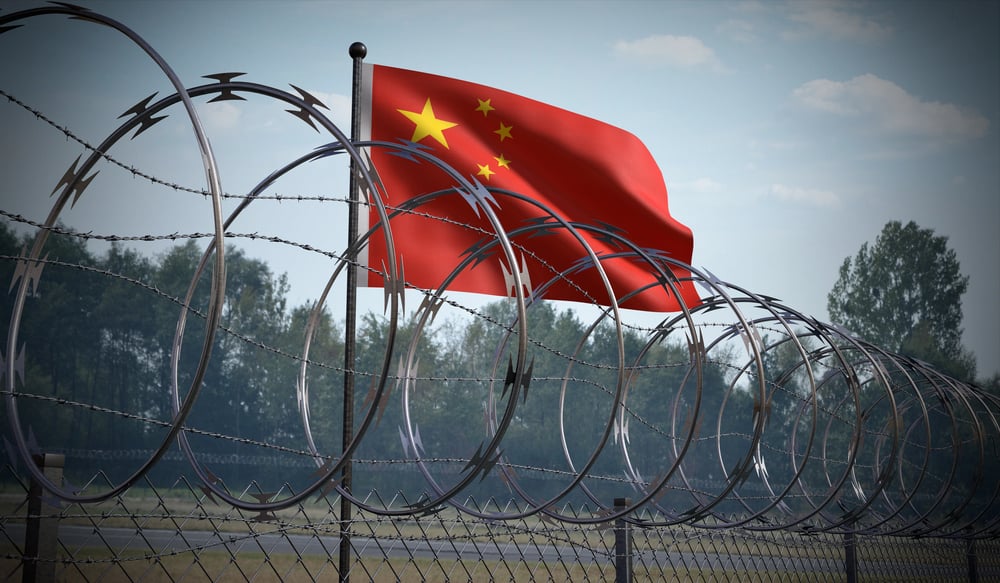
China holds the second spot with around 1.7 million prisoners, though the real number might be higher since the government doesn’t share complete data. The country’s legal system works differently than Western nations, with less transparency about who gets locked up and why.
Political prisoners and people detained for religious reasons add to the count. China’s massive population means the rate per person is actually lower than many other countries, but the total number remains enormous.
Brazil
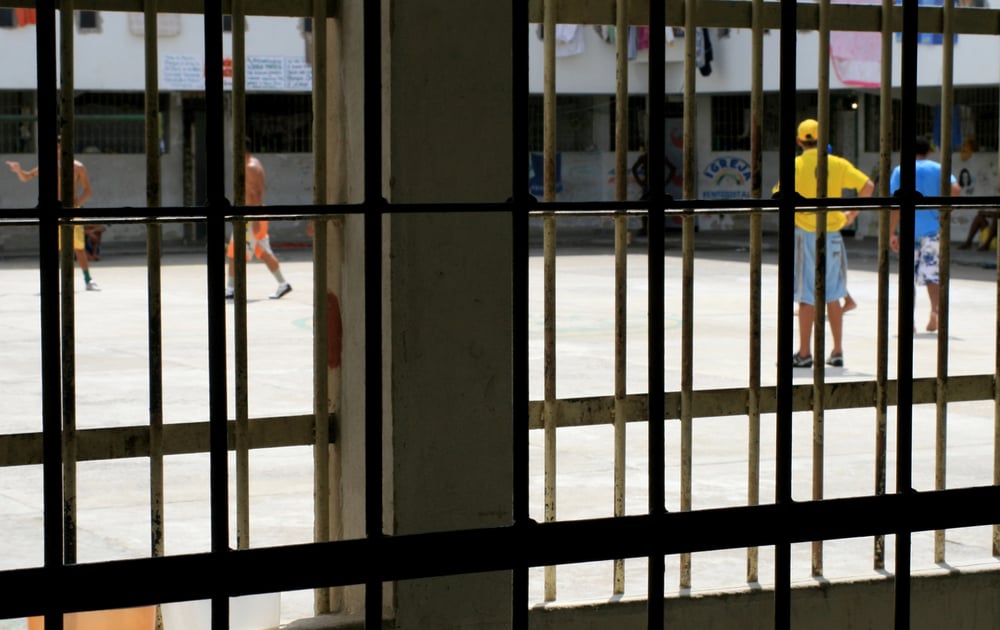
Brazil’s prison system houses over 800,000 people, making it the third largest in the world. Gang violence and drug trafficking drive many of these imprisonments.
The country’s prisons are notoriously overcrowded, often holding twice as many people as they were built for. Many inmates wait months or even years for trials.
The conditions inside these facilities have sparked international concern and regular protests about human rights.
India
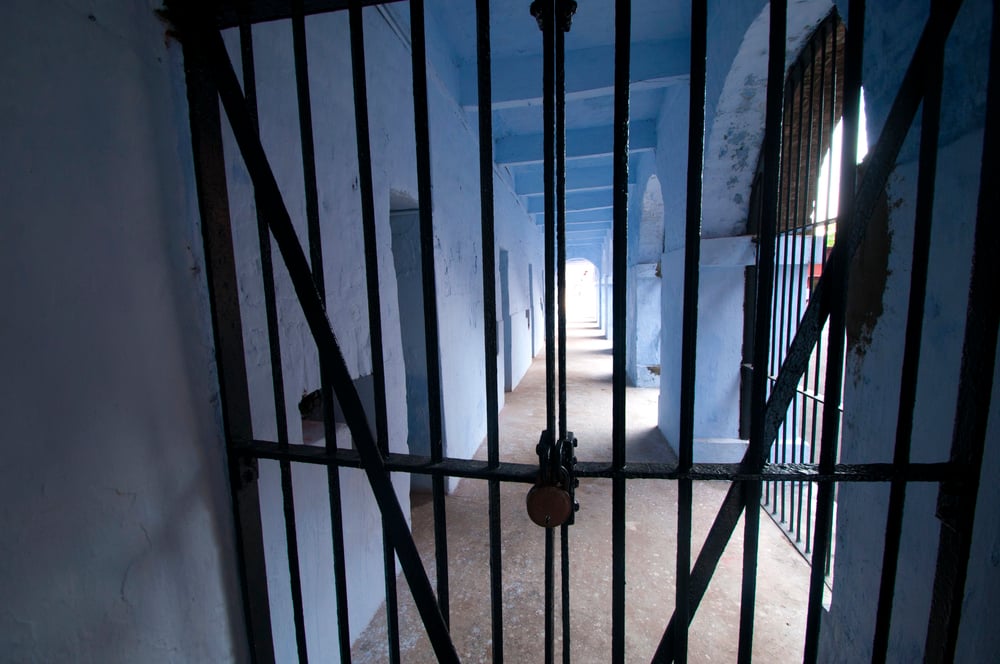
India keeps roughly 580,000 people in prison across its huge territory. The country’s legal system moves slowly, which means many prisoners are actually awaiting trial rather than serving sentences.
Some people spend years in jail before ever seeing a judge. India’s growing population and efforts to crack down on crime have pushed prison numbers upward.
The system struggles to keep up with the demand for space and resources.
Russia
Russia’s prison population sits at about 470,000, a number that has actually decreased from Soviet-era peaks. The country’s tough approach to crime and lengthy sentences for various offenses keep the numbers substantial.
Harsh conditions in Russian prisons are well-documented, with inmates facing cold weather and limited resources. The justice system tends to favor imprisonment over alternative punishments.
Many former Soviet republics inherited similar approaches to handling criminals.
Thailand
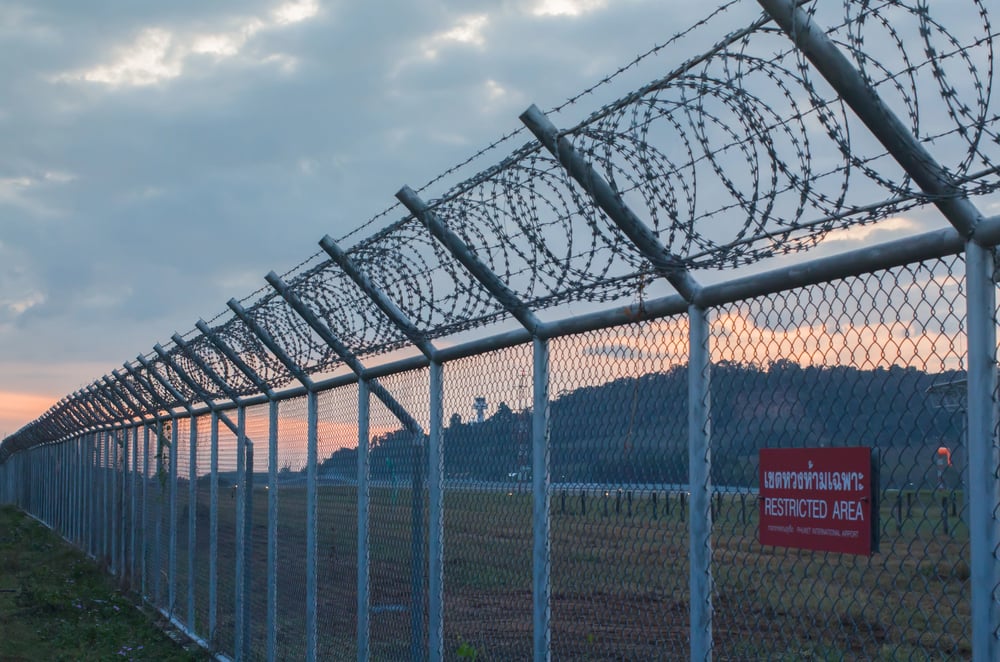
Thailand might surprise people by making this list with around 310,000 prisoners. The country’s extremely strict drug laws explain most of this number.
Thailand hands out long sentences for drug possession, even small amounts meant for personal use. Foreigners make up a noticeable portion of the prison population.
The government has discussed reforms but progress moves slowly. Tourism and international trade haven’t pushed Thailand to soften its stance on drug crimes.
Turkey
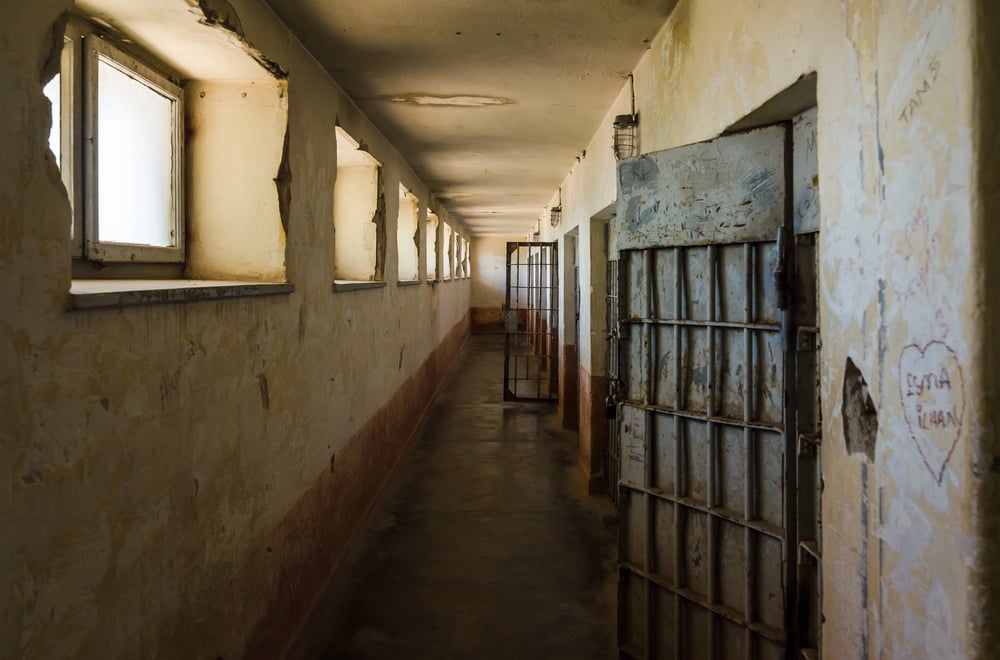
Turkey holds approximately 300,000 prisoners in its facilities. Political tensions and crackdowns have increased the prison population in recent years.
The country arrested thousands after a failed coup attempt in 2016. Journalists and activists sometimes end up behind bars for criticizing the government.
Turkey’s location between Europe and Asia influences its legal system, which blends different approaches to justice.
Indonesia
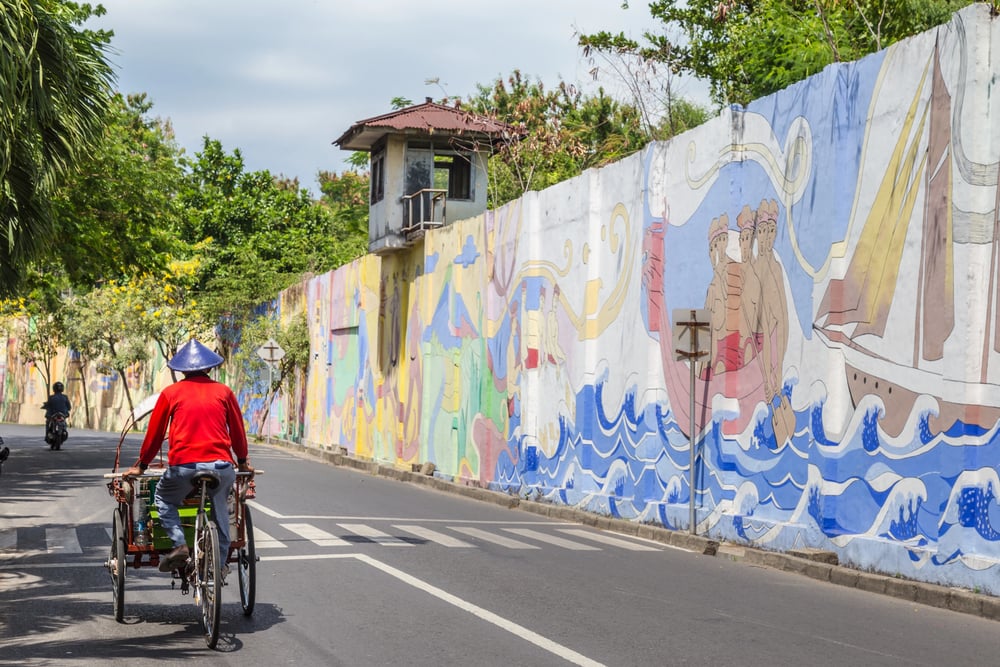
Indonesia’s prison system contains about 270,000 people spread across thousands of islands. Drug offenses account for a large share of imprisonments.
The country has some of the toughest drug penalties in the world, including the death sentence for major traffickers. Overcrowding plagues Indonesian prisons, with some facilities at 200% capacity.
The tropical climate and aging infrastructure create difficult conditions for inmates.
Mexico
About 220,000 individuals stay locked up in Mexican prisons, even as news often focuses on cartel bloodshed. While drug cartels grab attention, behind bars a different story unfolds.
Harsh policies from the war on drugs packed facilities – some guilty of serious crimes, others caught doing minor offenses. Power inside certain jails shifts away from officials, landing instead in inmate hands.
Where oversight weakens, corruption seeps into daily routines. Fixes introduced lately haven’t quite balanced the scales so far.
Iran
About 190,000 people are locked up in Iran, where laws follow Islamic teachings. Alongside common criminals sit those jailed for opposing officials or criticizing leaders.
Punishments tend to be severe – something foreign governments frequently point out. Outside groups rarely get permission to visit detention centers.
For women, restrictions tighten further; breaking clothing rules or defying expected behavior can lead straight behind bars.
Philippines
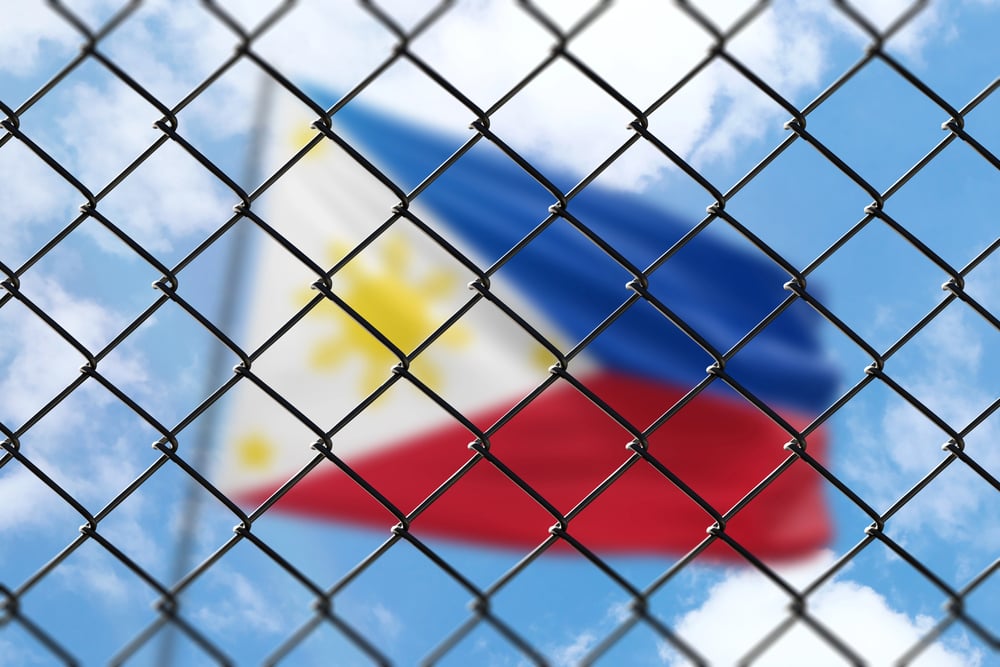
About 215,000 individuals remain behind bars across the Philippines, a figure spiking amid intense drug-related enforcement actions. While tough measures rolled out under ex-President Duterte netted countless arrests and triggered widespread fatalities, overcrowding turned into a crisis inside jails from Manila down to smaller urban centers.
The sleeping room is so tight some prisoners take turns lying down. Because spaces are shared in shifts, rest becomes fragmented, unpredictable.
Public reaction splits – some back the strategy, others denounce it sharply.
Vietnam
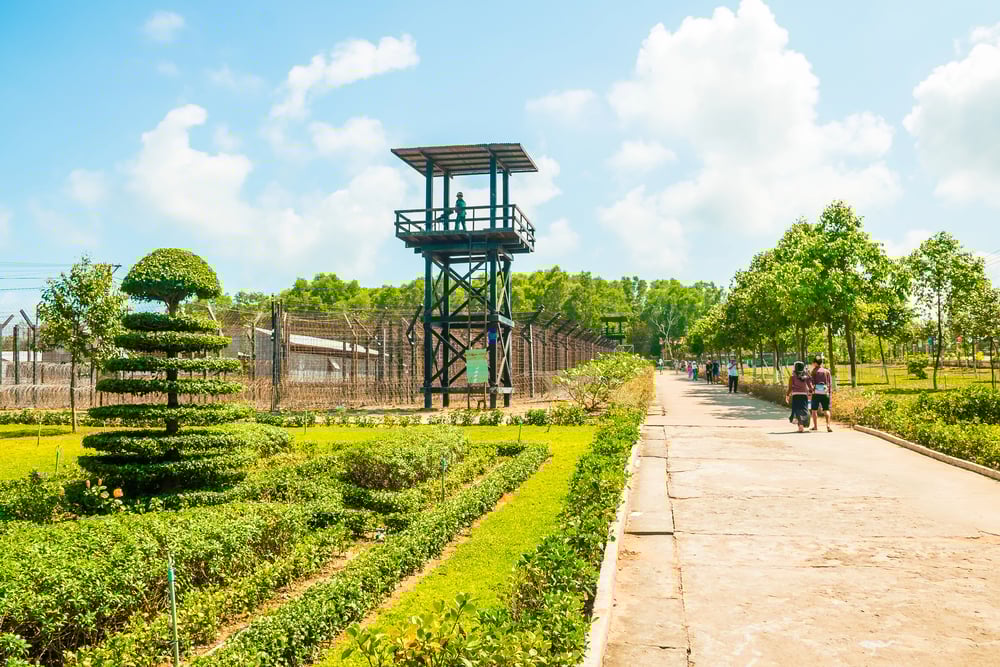
About 130,000 people sit behind bars in Vietnam, ruled by a single-party communist regime. Little light shines on how arrests happen or why someone gets locked up.
Caught moving drugs? Expect harsh punishment – sometimes execution. Those who speak out online or push for change may vanish without warning.
Prisons aren’t quite as grim as before, though watchdogs still point at flaws.
United Kingdom
Around 80,000 individuals fill UK prisons, spread through England, Wales, Scotland, and Northern Ireland. Though smaller than several nations’ totals, that figure stands out within Europe.
Overcrowding remains a problem, even after steps were taken to shorten penalties for less serious offences. In political circles, arguments go on – reforming offenders or focusing on consequences?
A number of jails opened more than one hundred years ago, now finding it hard to meet today’s expectations.
Pakistan

Packed beyond limits, Pakistan’s jails hold close to ninety thousand individuals. From north to south, one thing stays clear – prison life looks nothing alike in different areas.
Shaped by old British rules mixed with faith-based guidelines, the justice setup carries heavy historical weight. Charges tied to extremism or claims of disrespect toward religion fill court dockets and stretch holding cells.
Not every building has working taps; some run without proper doctors nearby. Once out, women wrestle not just with freedom but judgment that follows them home.
The Bigger Picture
Not every jail number tells the story of how much crime exists worldwide. Where drugs are punished hard, cell blocks fill faster compared to places focusing on medical care for users.
Power structures shape outcomes – regimes that control speech sometimes stash opponents behind bars. Money troubles feed into arrests because lack of jobs or income nudges some into breaking rules.
Big inmate counts spark argument: safety boost or future headaches? That question lingers without clear answers.
More from Go2Tutors!

- The Romanov Crown Jewels and Their Tragic Fate
- 13 Historical Mysteries That Science Still Can’t Solve
- Famous Hoaxes That Fooled the World for Years
- 15 Child Stars with Tragic Adult Lives
- 16 Famous Jewelry Pieces in History
Like Go2Tutors’s content? Follow us on MSN.