Food Traditions from Faraway Places
Food does more than fill our stomachs. It connects us to generations past, reflects cultural values, and brings people together in ways that transcend language barriers. Every corner of the globe has developed its own relationship with food, shaped by history, geography, and the simple human need to share meals with those we care about.
Here is a list of 17 food traditions from faraway places that show just how differently we approach the universal act of eating.
KFC Christmas in Japan
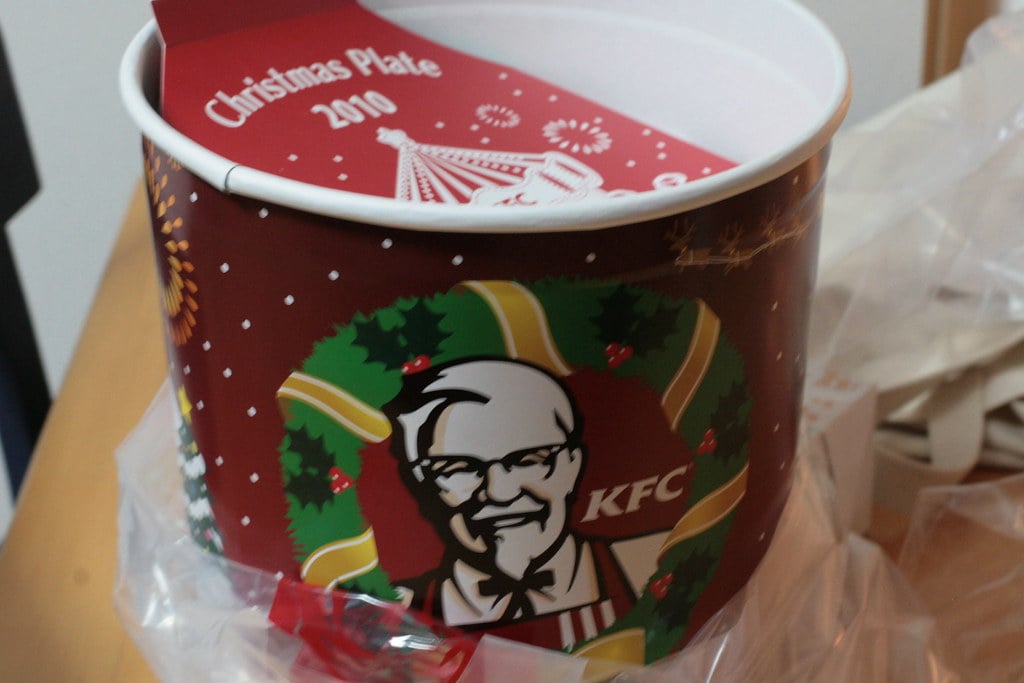
Since 1974, millions of Japanese families have made fried chicken from KFC their go-to Christmas meal. The tradition started when the company launched a ‘party barrel’ promotion to recreate an American-style Christmas dinner, just with chicken instead of turkey.
Japan had no established Christmas food traditions at the time, so KFC simply filled that cultural gap. Today, around 3.6 million families order their buckets weeks in advance to beat the holiday rush.
The meal typically includes fried chicken, salad, and a Japanese-style Christmas cake.
Eating with Hands in India
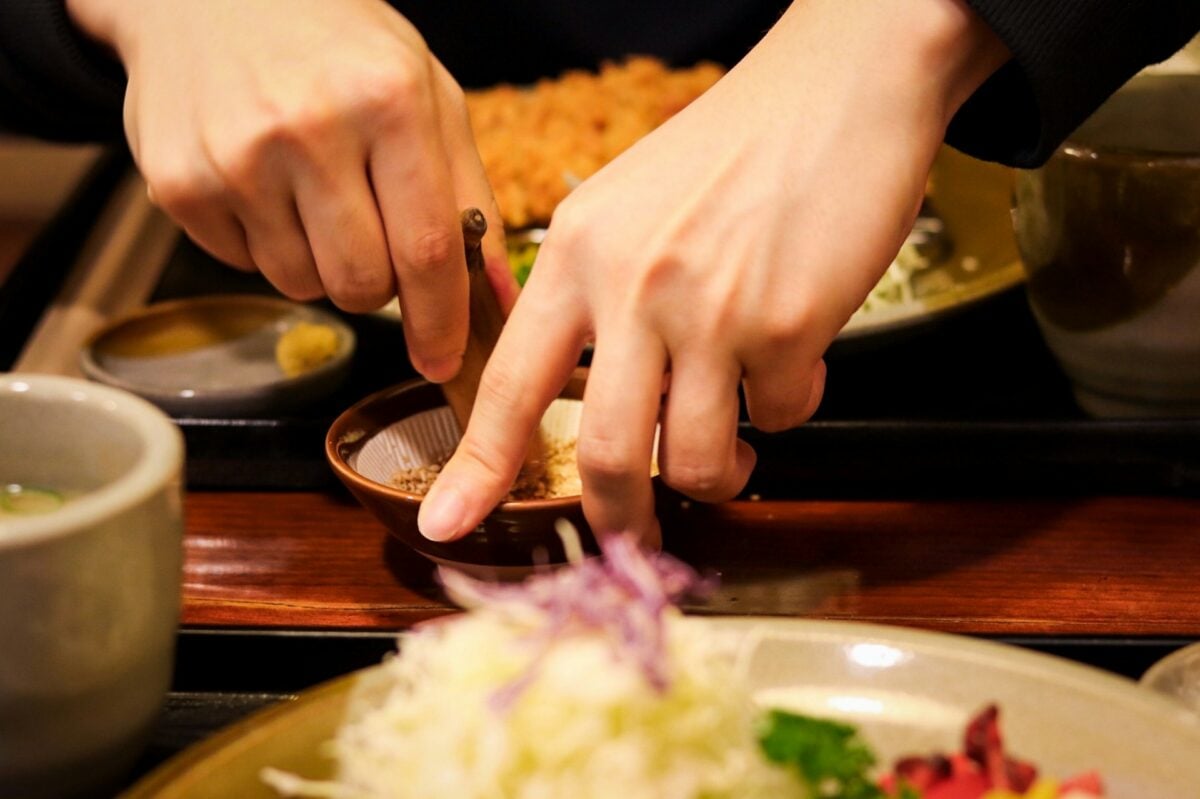
Indians have been eating with their hands for thousands of years, and it’s far more than just a practical approach to dining. The practice carries spiritual significance, with the right hand symbolizing purity while the left is reserved for other purposes.
Mixing rice, curries, and chutneys with your fingers is believed to create a deeper sensory connection to the meal and may even trigger digestive enzymes before food enters your mouth. Each of the five fingers is thought to represent different energies according to ancient Vedic texts.
Like Go2Tutors’s content? Follow us on MSN.
Ethiopian Gursha Feeding
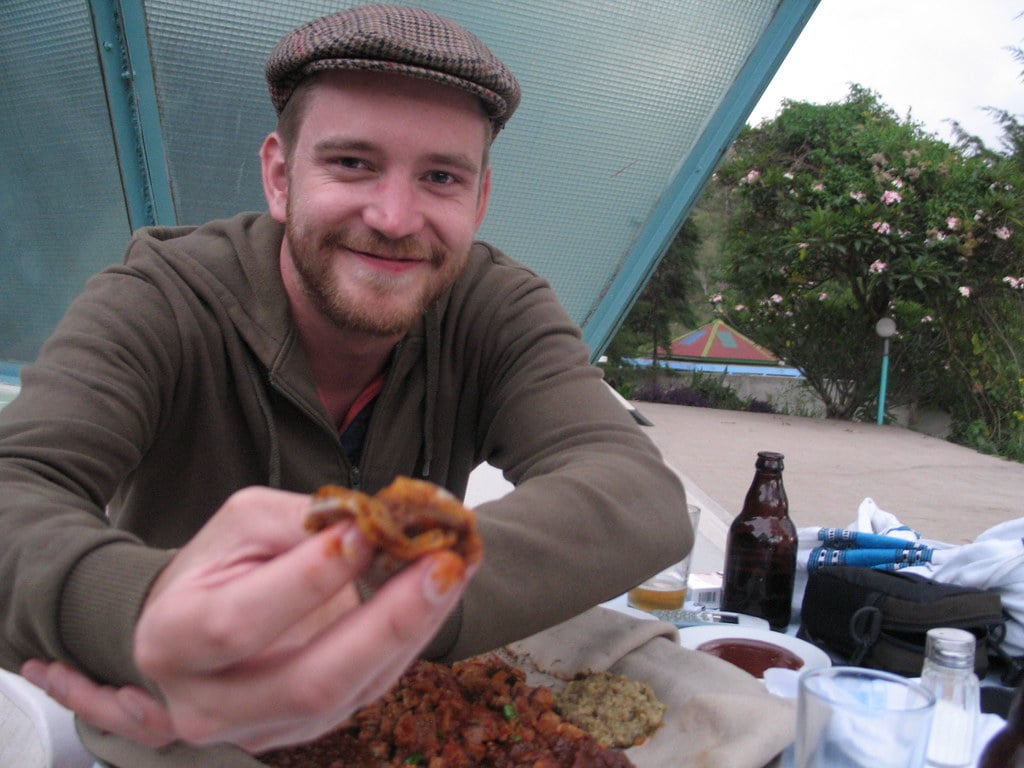
In Ethiopia, feeding someone else at the dinner table is called gursha, which translates to ‘mouthful’ in Amharic. The host places a generous portion of food directly into another person’s mouth as a gesture of affection, friendship, and hospitality.
Recipients typically reciprocate the gesture to show respect and trust. Guests and elders usually receive gursha first, and the practice emphasizes the communal nature of Ethiopian dining where individual plates are considered wasteful and rarely used.
No Cappuccino After Noon in Italy
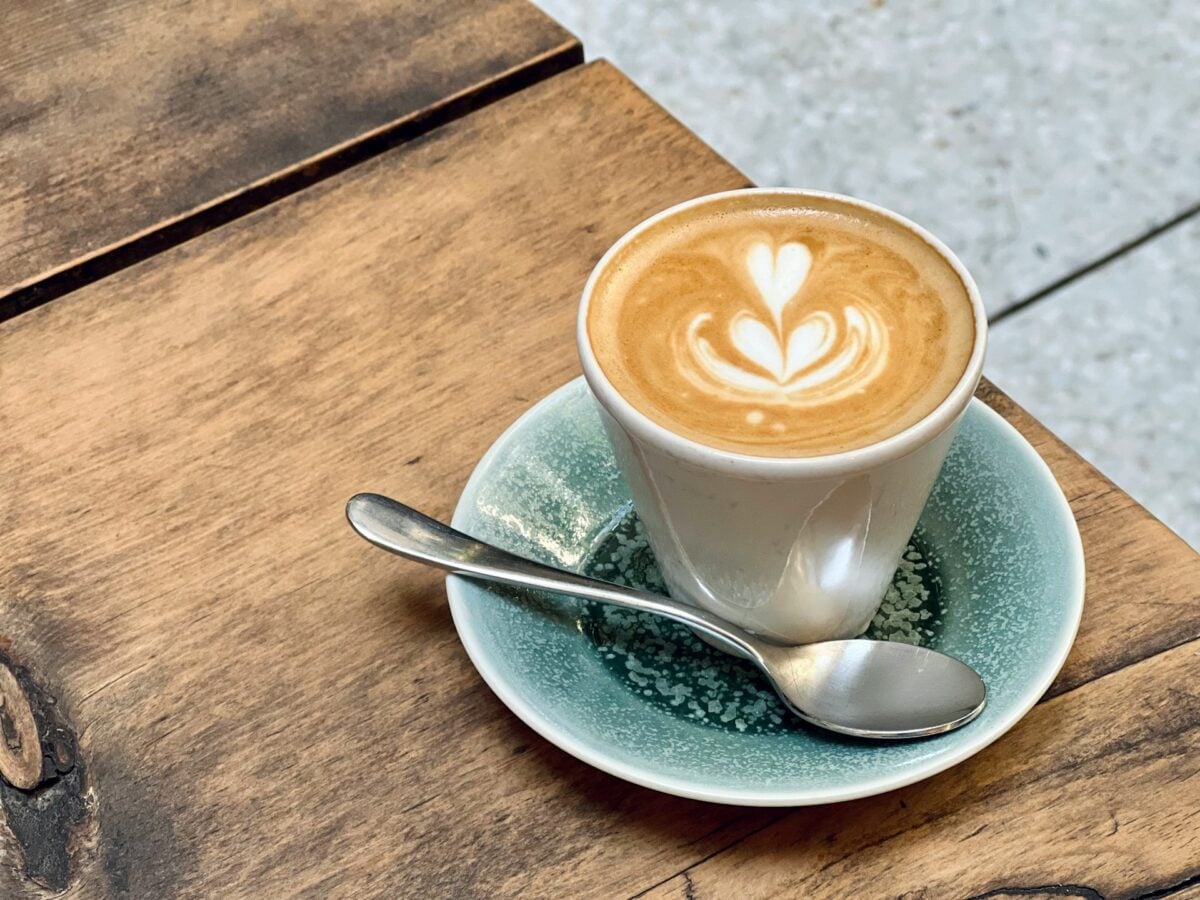
Italians take their coffee seriously, and one ironclad rule governs when you can drink certain types. Cappuccino and other milky coffee drinks are strictly morning beverages, almost never consumed after midday.
The reasoning relates to digestion—Italians believe the high milk content can cause havoc with your stomach, especially after a meal. If you try ordering a cappuccino after dinner, don’t be surprised if you’re politely refused or given a puzzled look.
Espresso is the acceptable post-meal option.
Leaving Food in China
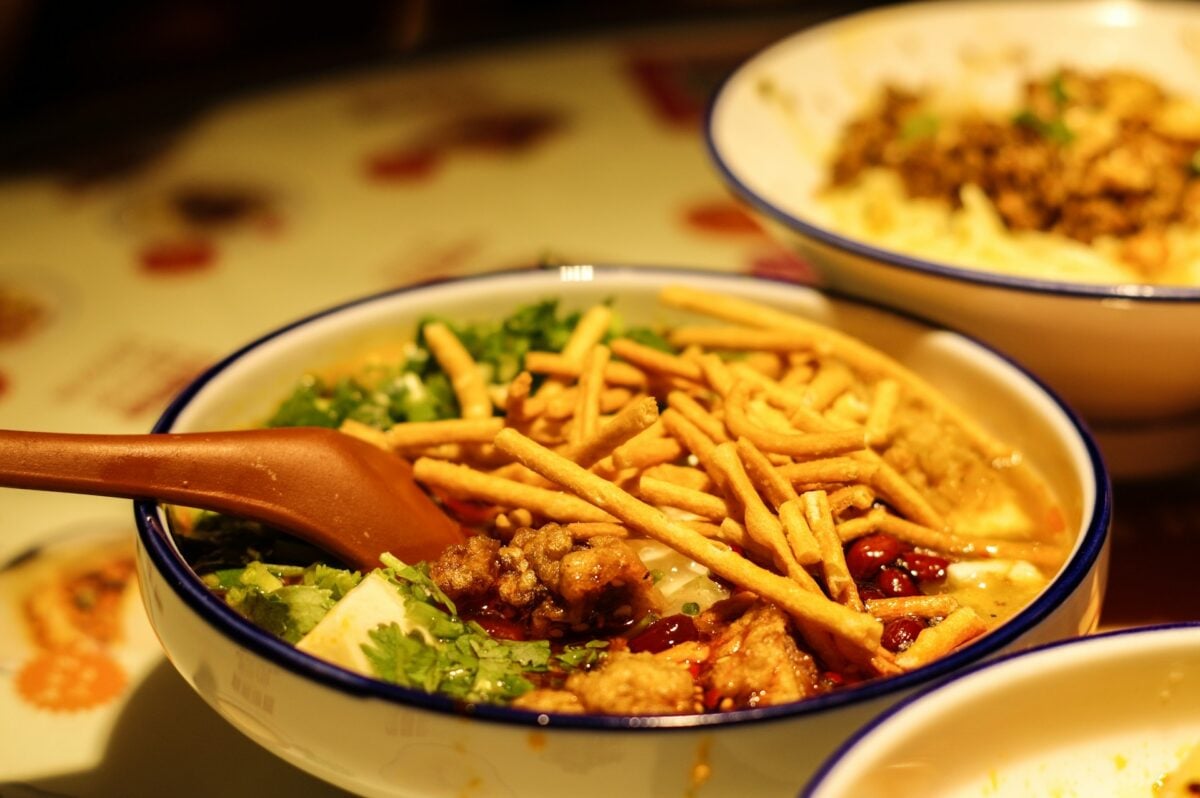
Finishing everything on your plate might seem polite in many places, but in China it sends the wrong message. A clean plate suggests your host didn’t provide enough food, which can be embarrassing for them.
Leaving a small amount of rice or food at the end of your meal indicates you enjoyed what was served and that you’re genuinely satisfied. This custom creates an interesting contrast with countries like India, where an empty plate signals appreciation and respect for the cook.
Like Go2Tutors’s content? Follow us on MSN.
Yerba Mate Sharing in Argentina and Paraguay
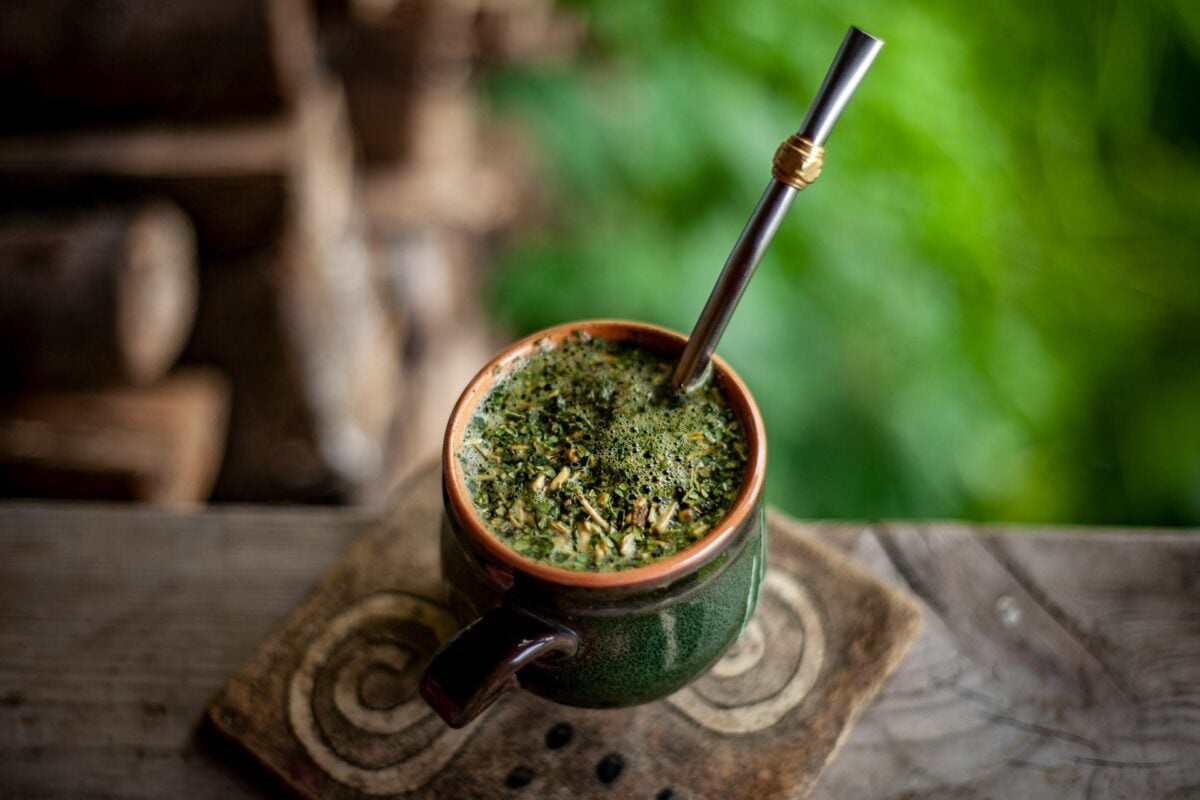
Sharing a gourd of yerba mate tea is one of South America’s most meaningful food rituals. The beverage is passed from person to person, with everyone drinking from the same metal straw called a bombilla. Refusing to participate can be seen as rejecting friendship itself.
In Paraguay, the tradition extends to terere, a cold version of mate prepared with medicinal herbs, and the knowledge about which herbs to use gets passed down through families. The ritual represents values of sharing, friendship, and community that have survived since at least the 16th century.
Brazilian Churrasco Weekends
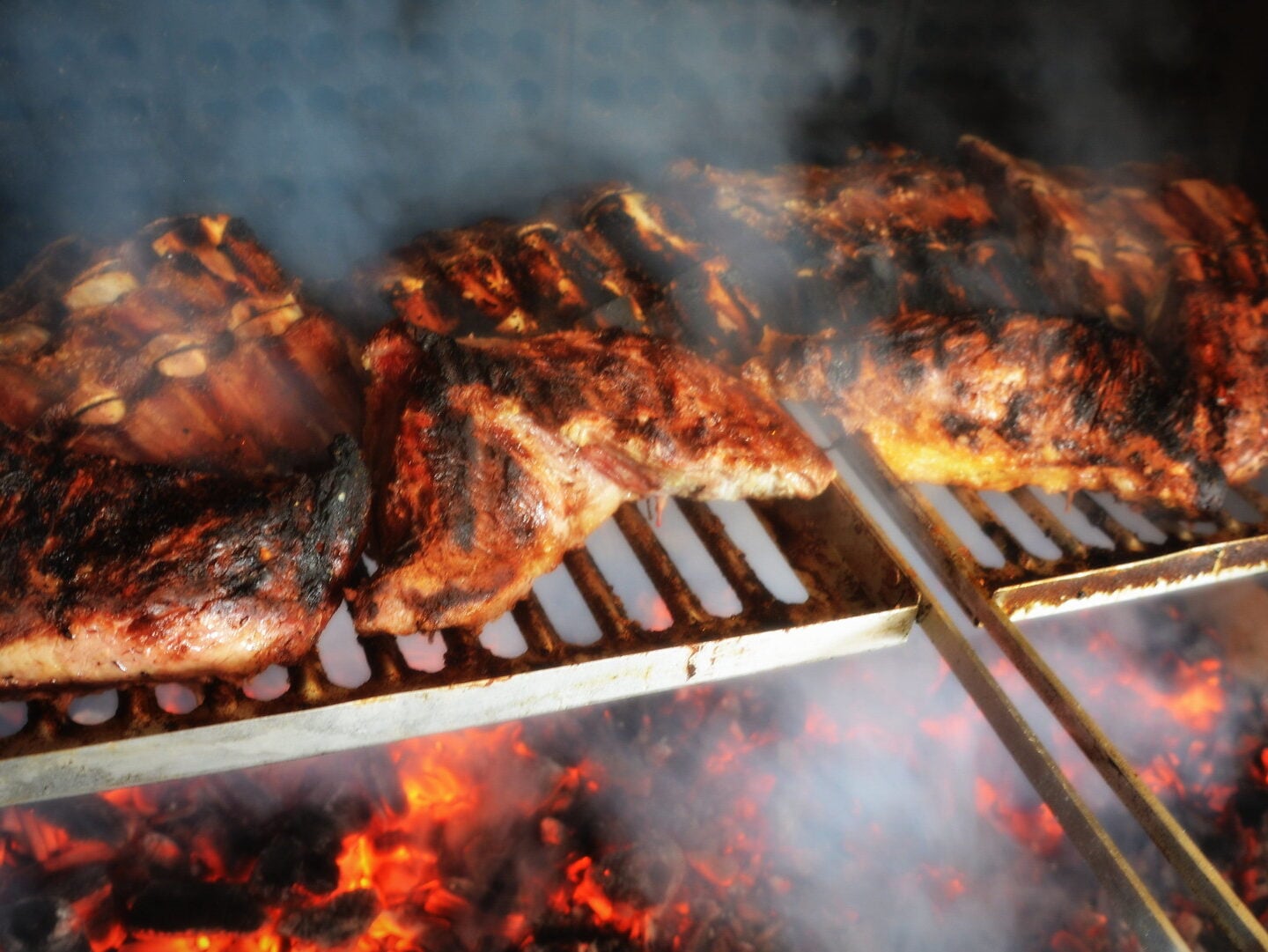
Brazilians don’t just barbecue—they turn it into a full-blown social event called churrasco. Large cuts of meat get grilled over open flames and served with farofa, a toasted cassava flour mixture. These gatherings can last for hours, with family and friends coming together for food, drinks, and conversation.
The national cocktail caipirinha, made from cachaça distilled from sugarcane, usually makes an appearance. Churrasco weekends are less about the food itself and more about the connections formed around the grill.
Spanish Wine Fight
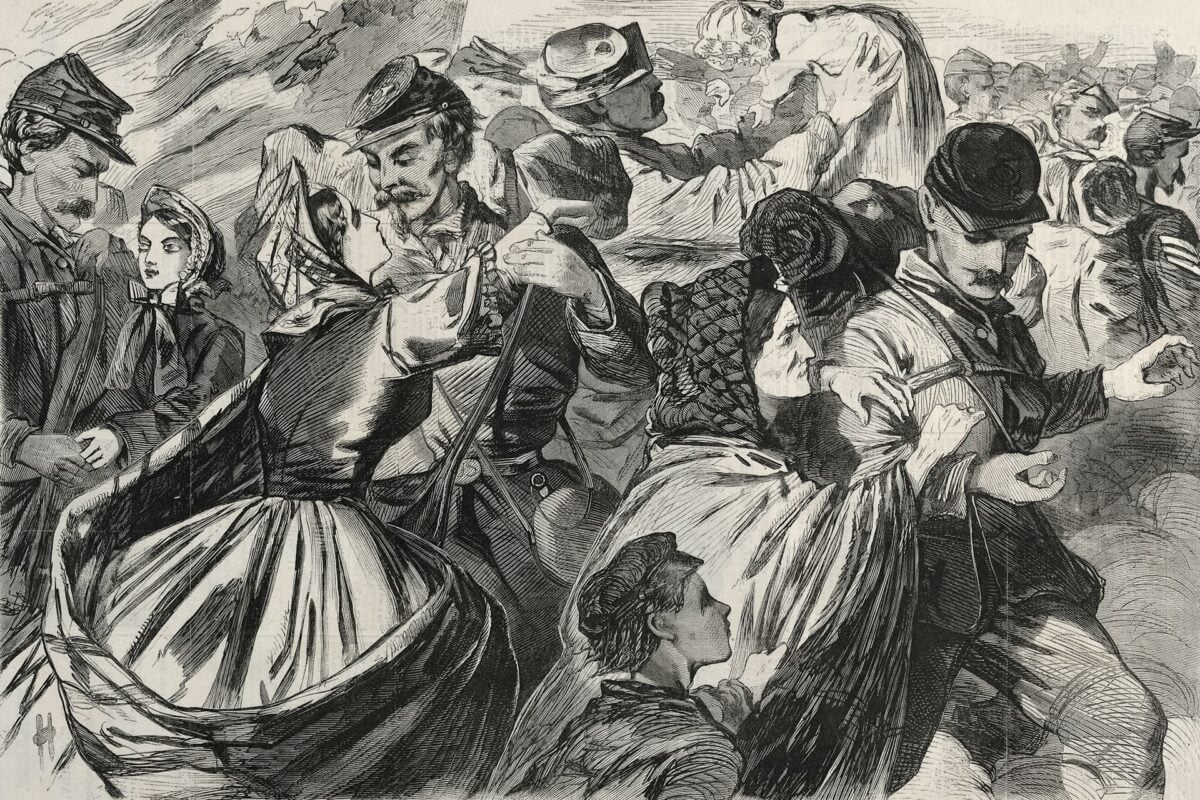
Every June 29th, the Spanish town of Haro celebrates San Pedro day with an event called Batalla de Vino. The tradition dates back to the 13th century when Haro had to mark property lines with its neighboring town annually.
After 400 years, the boundary ceremony broke down and residents began throwing wine at each other instead. Today, participants dress in white and battle for hours using buckets, water guns, hoses, and anything else they can find to drench each other in red wine.
After the fight ends, everyone sits down together for a feast.
Like Go2Tutors’s content? Follow us on MSN.
Thai Fork and Spoon Method
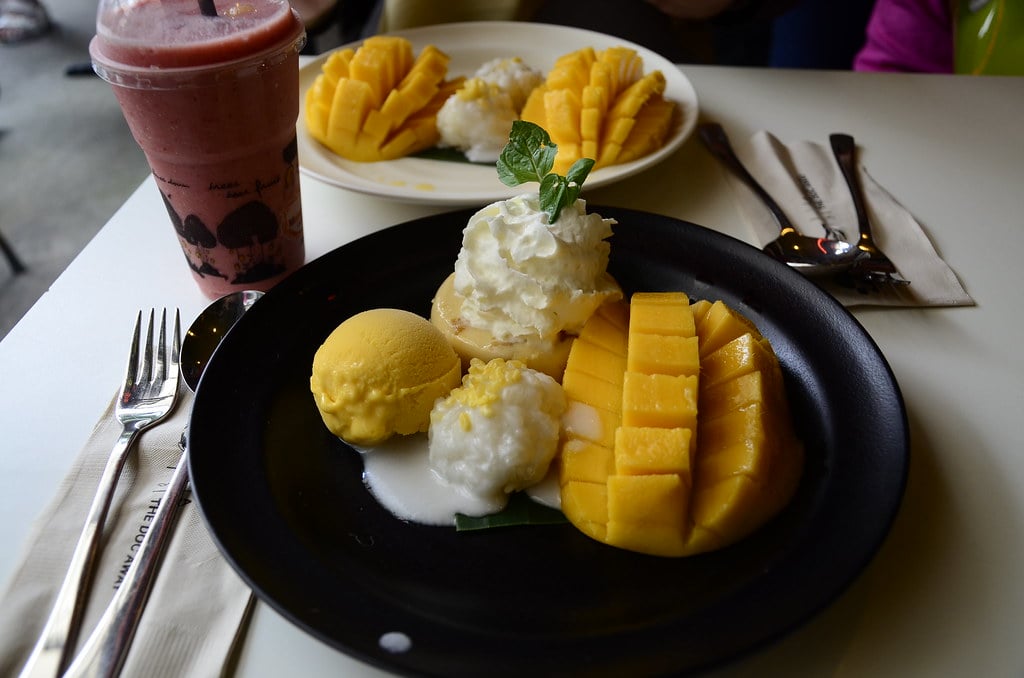
Visitors to Thailand often make the mistake of putting their fork directly in their mouth. The proper Thai eating method involves using your fork only to push food onto a spoon, which then goes into your mouth.
Alternatively, you can use chopsticks or just a spoon for certain dishes. This custom takes practice for Westerners to master, but street food vendors often notice and appreciate when foreigners get it right.
The technique reflects the Thai emphasis on proper etiquette and respect for culinary traditions.
English Cheese Rolling
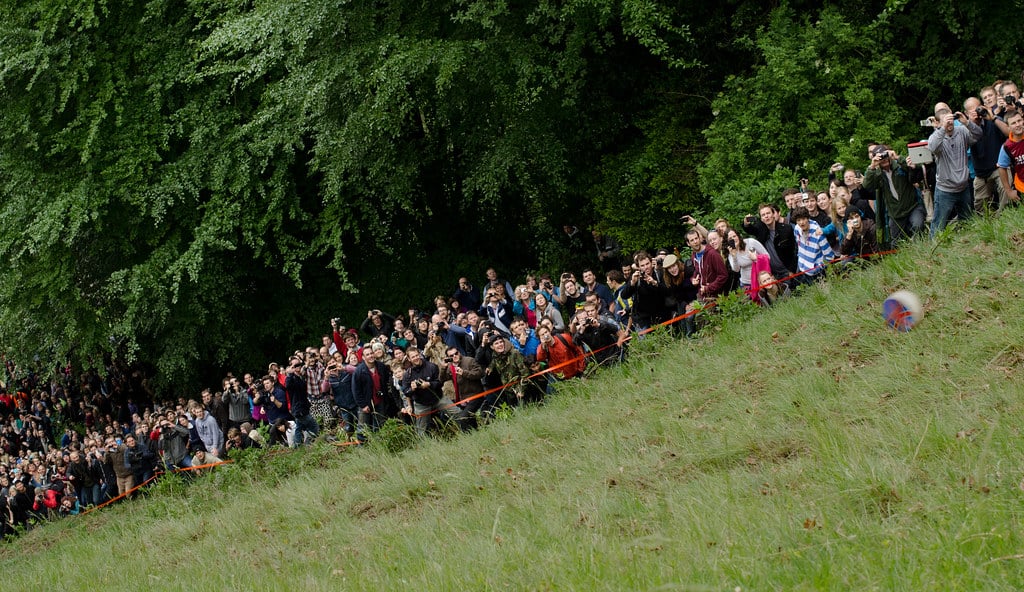
The Cooper’s Hill Cheese Roll in Gloucestershire, England, involves hurling an eight-pound wheel of Double Gloucester cheese down a steep hill while people chase it. The first person to reach the bottom gets to take home the cheese and a hefty dose of bragging rights.
The event may have Pagan origins, though this remains debated. What’s undeniable is that participants risk serious injury for dairy products. The tradition was originally for locals but now attracts international competitors who want to experience the bizarre spectacle firsthand.
Georgian Supra Toasting
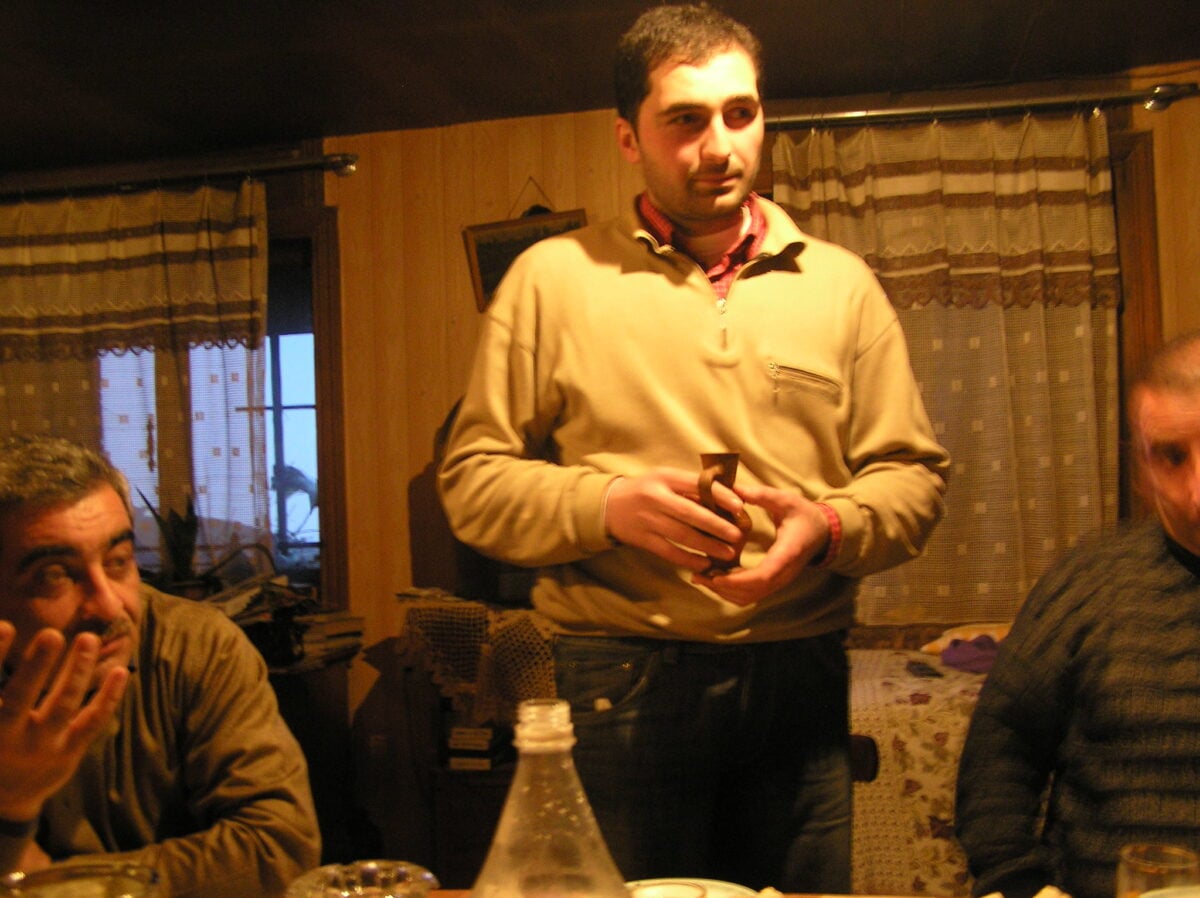
Georgians don’t just eat meals—they conduct elaborate ceremonies called supras. A designated toastmaster, or tamada, gives lengthy toasts throughout the entire feast, and guests must listen respectfully while continuing to eat.
When wine is poured, tradition dictates drinking it in one go after each toast. The meals can last for hours, with multiple courses and countless rounds of toasting.
Trying to rush through a Georgian supra or starting to eat before the toasts begin is considered deeply disrespectful to your hosts.
Like Go2Tutors’s content? Follow us on MSN.
Moroccan Mint Tea Ritual
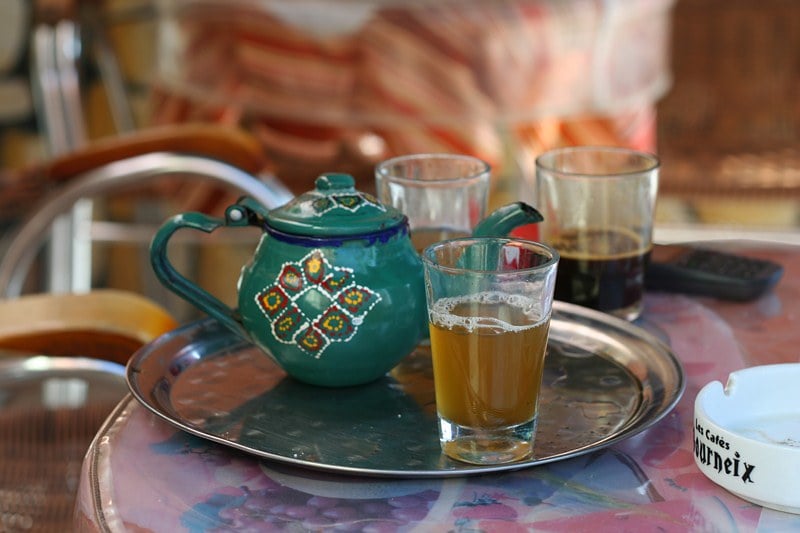
In Morocco, hospitality revolves around mint tea served in a very specific way. The height from which tea is poured directly correlates to the level of respect being shown to guests.
Servers often pour from several feet above the glass to demonstrate honor and create a frothy top. There’s also a tradition of refusing the tea three times before accepting it as part of the ritual.
Meals themselves can be lengthy social occasions, with the focus on conversation and community rather than quickly eating and moving on.
Día de los Muertos Food Offerings
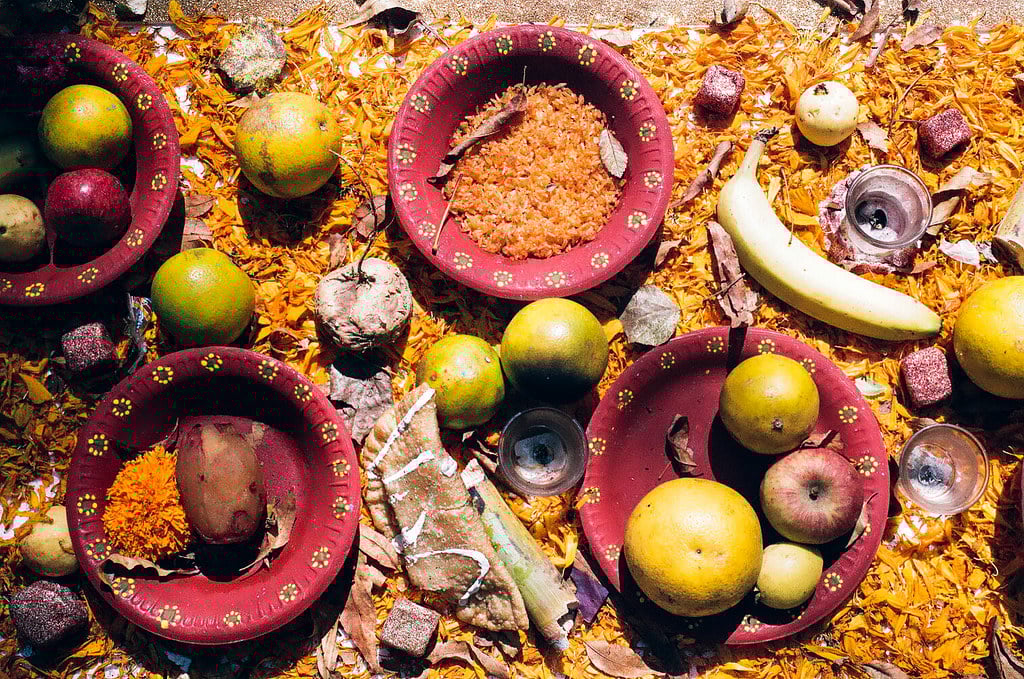
Mexican families celebrating the Day of the Dead prepare elaborate spreads to honor deceased loved ones. Pan de muerto, a special skull-shaped bread, sits alongside vibrant decorations, photographs, and the favorite foods of those who have passed.
The offerings combine flavors, colors, and symbols that reflect deep ancestral respect and the belief in life’s continuity. Families believe their loved ones’ spirits return during the celebration to enjoy the meals prepared in their memory.
The tradition turns grief into celebration through shared food and remembrance.
Senegalese Ceebu Jë Sharing
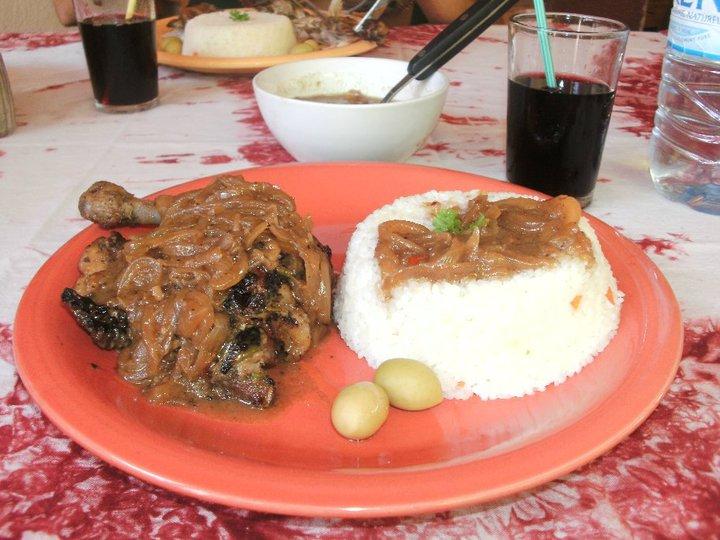
Ceebu jë, Senegal’s national dish, embodies the country’s concept of teranga, or hospitality. The fish and rice dish gets served in one large communal bowl called a bolus, and everyone eats together using their hands or pieces of bread to scoop up the food.
Recipes pass from mothers to daughters, with each region adding its own twist. Higher quality fish and finer vegetables appear when families prepare ceebu jë for guests or special occasions.
Specific etiquette rules govern how to hold the bowl and eat properly, emphasizing the communal nature of Senegalese dining.
Like Go2Tutors’s content? Follow us on MSN.
Uzbek Plov for Every Meal
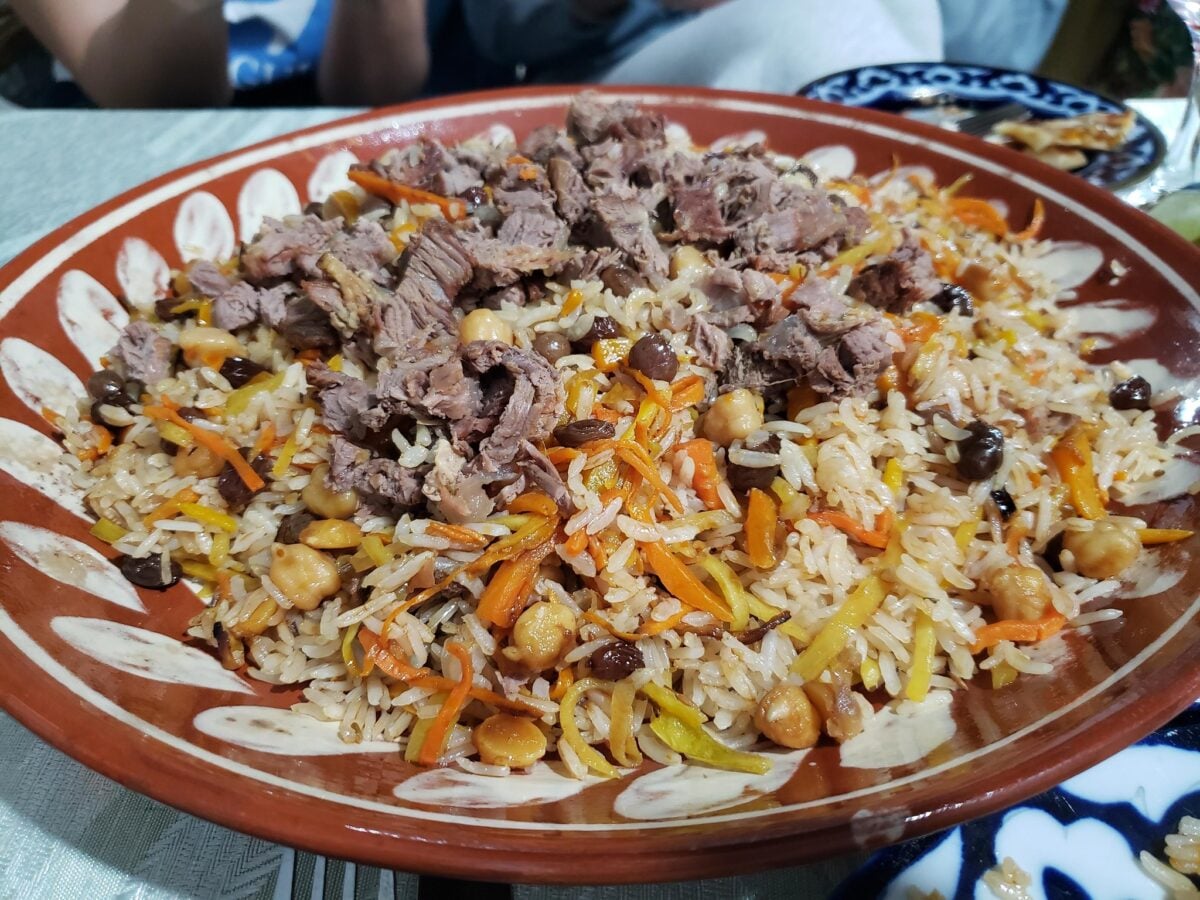
In Uzbekistan, you can eat plov for breakfast, lunch, and dinner—and many people do exactly that. The dish consists of pilaf rice cooked with spices, vegetables, meat, and sometimes raisins or berries in massive pans that can feed hundreds at weddings or funerals.
Legend claims Alexander the Great invented it as a way for his troops to save time by eating the same thing three times daily. Every cook has their own secret combination of ingredients, though after several days of non-stop plov, the variations start blurring together for visitors.
Middle Eastern Right Hand Rule
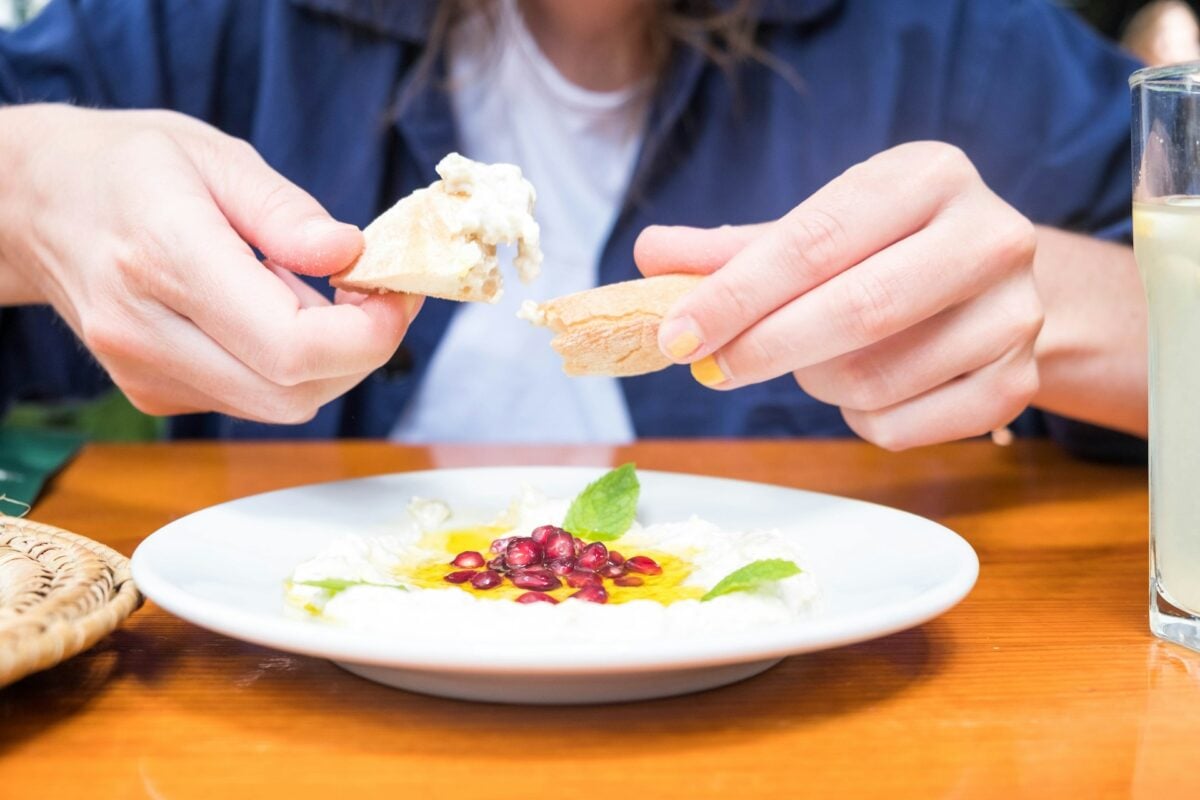
Throughout the Middle East and many African countries, eating with your left hand is considered offensive. The left hand traditionally handles bathroom-related tasks and is viewed as unclean, so using it for food preparation or eating is deeply disrespectful.
Diners must concentrate on using only their right hand for passing plates, using utensils, and bringing food to their mouth. This also extends to coffee service in places like Saudi Arabia, where you shake your empty cup to signal you’ve had enough before someone automatically refills it.
Chilean Utensil Requirement
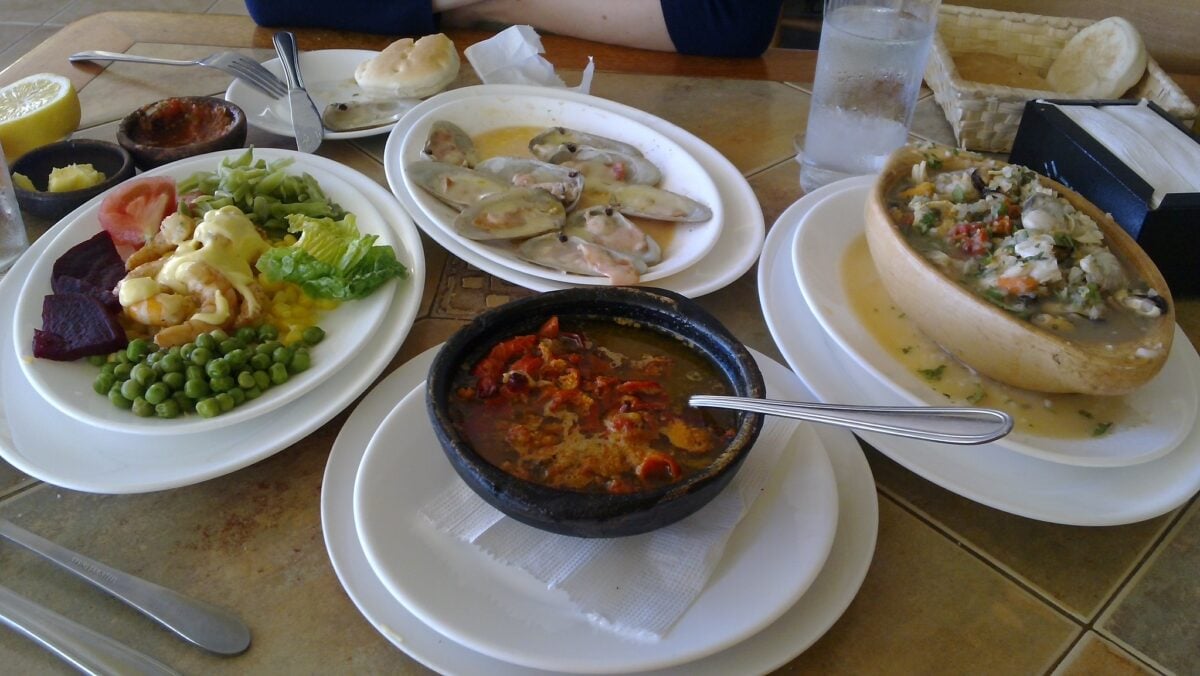
Chileans insist on using forks, spoons, and knives for virtually everything, including foods that most cultures happily eat with their hands. Chicken drumsticks, pizza, burgers, and French fries all require proper cutlery in formal settings.
The belief that food should never touch your hands runs deep in Chilean dining culture. Visitors who grab a slice of pizza or pick up a chicken wing might find themselves on the receiving end of judgmental stares.
The custom reflects a broader emphasis on formality and proper table manners.
Like Go2Tutors’s content? Follow us on MSN.
How Food Connects Us
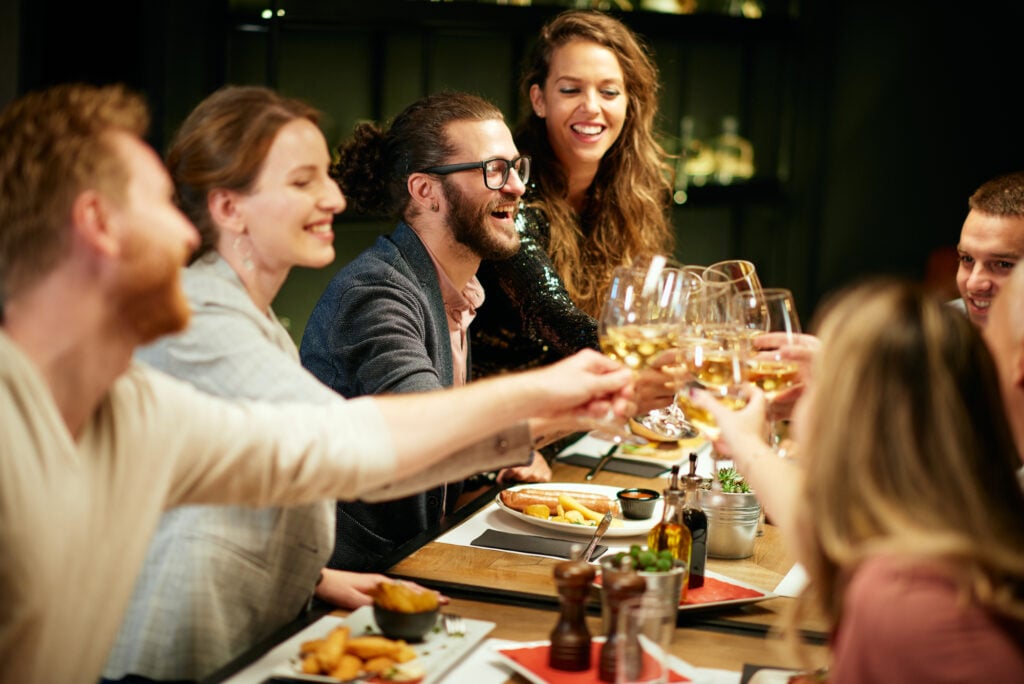
These traditions remind us that food is never just about nutrition. Whether it’s throwing wine at your neighbors in Spain or sharing a single bowl of fish and rice in Senegal, the way we eat reflects who we are and what we value. Some customs might seem strange at first glance, but they all serve a purpose—bringing people together, honoring ancestors, or simply making daily life more meaningful.
The next time you sit down to a meal, remember that somewhere across the ocean, someone is eating in a completely different way, following traditions just as important to them as yours are to you.
More from Go2Tutors!

- 16 Historical Figures Who Were Nothing Like You Think
- 12 Things Sold in the 80s That Are Now Illegal
- 15 VHS Tapes That Could Be Worth Thousands
- 17 Historical “What Ifs” That Would Have Changed Everything
- 18 TV Shows That Vanished Without a Finale
Like Go2Tutors’s content? Follow us on MSN.



