Creepy abandoned cruise ships you can visit
There’s something deeply unsettling about a massive ship sitting motionless in still water. These floating cities were built to carry thousands of people across oceans, filled with laughter, music, and the constant hum of human activity.
When they’re abandoned, that silence becomes almost oppressive — like walking through a ghost town that happens to be made of steel and floating on water.
The good news is that several of these maritime giants have been transformed into accessible attractions, museums, or simply remain visible enough for curious travelers to visit. Each one tells a different story of maritime history, economic collapse, or simply the inevitable march of time that makes even the most impressive human creations obsolete.
SS United States
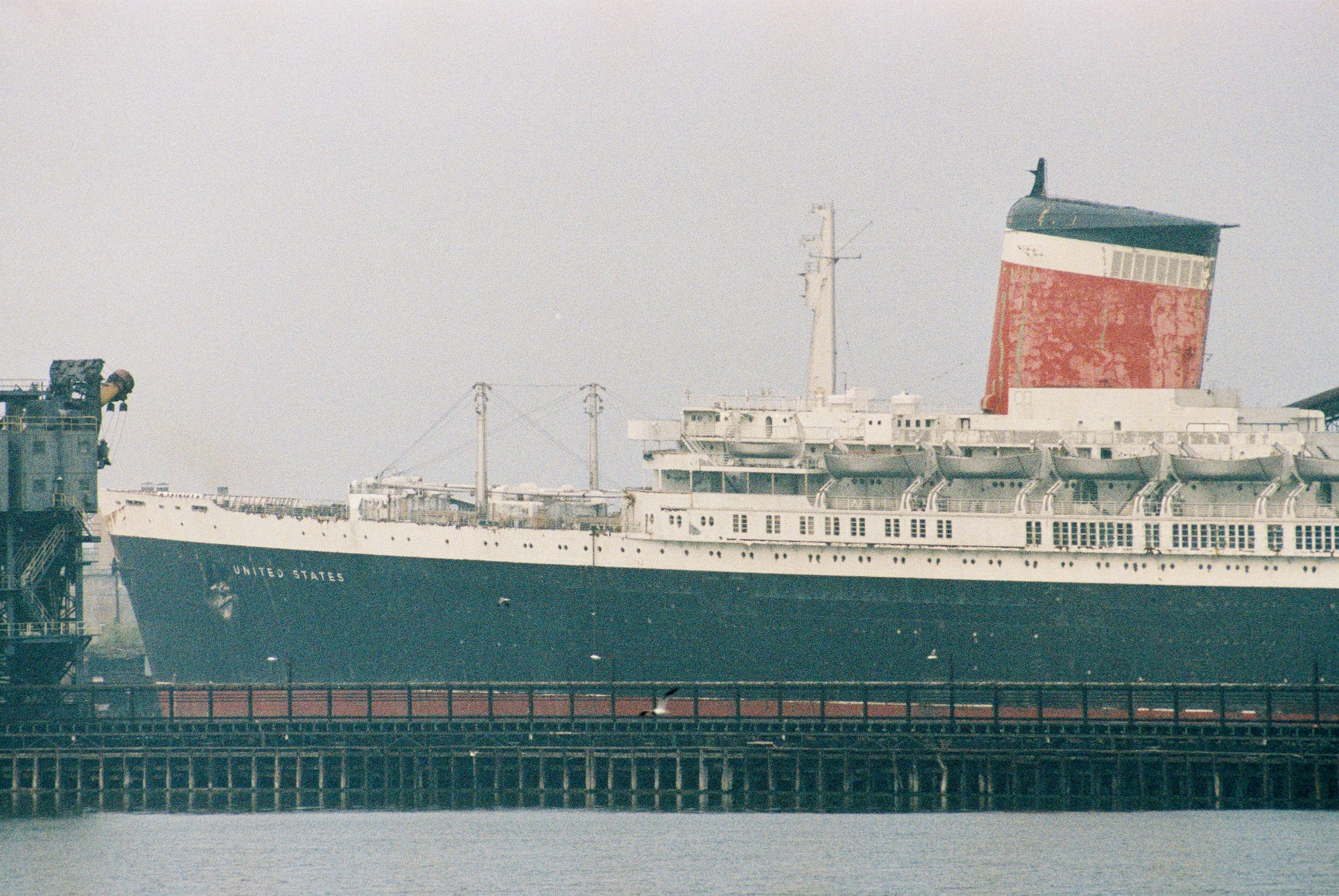
The SS United States sits docked in Philadelphia like a sleeping giant that refuses to wake up. Built in 1952, she was once the fastest passenger liner ever constructed, capable of crossing the Atlantic in under four days.
Now she’s just waiting. The ship has been tied up at Pier 82 since 1996, stripped of nearly everything valuable but still imposing enough to stop traffic on nearby highways.
You can’t board her, but you can walk right up to the dock and stare at her massive hull. The contrast is jarring — this thing once carried presidents and movie stars, and now pigeons nest in her smokestack.
Queen Mary
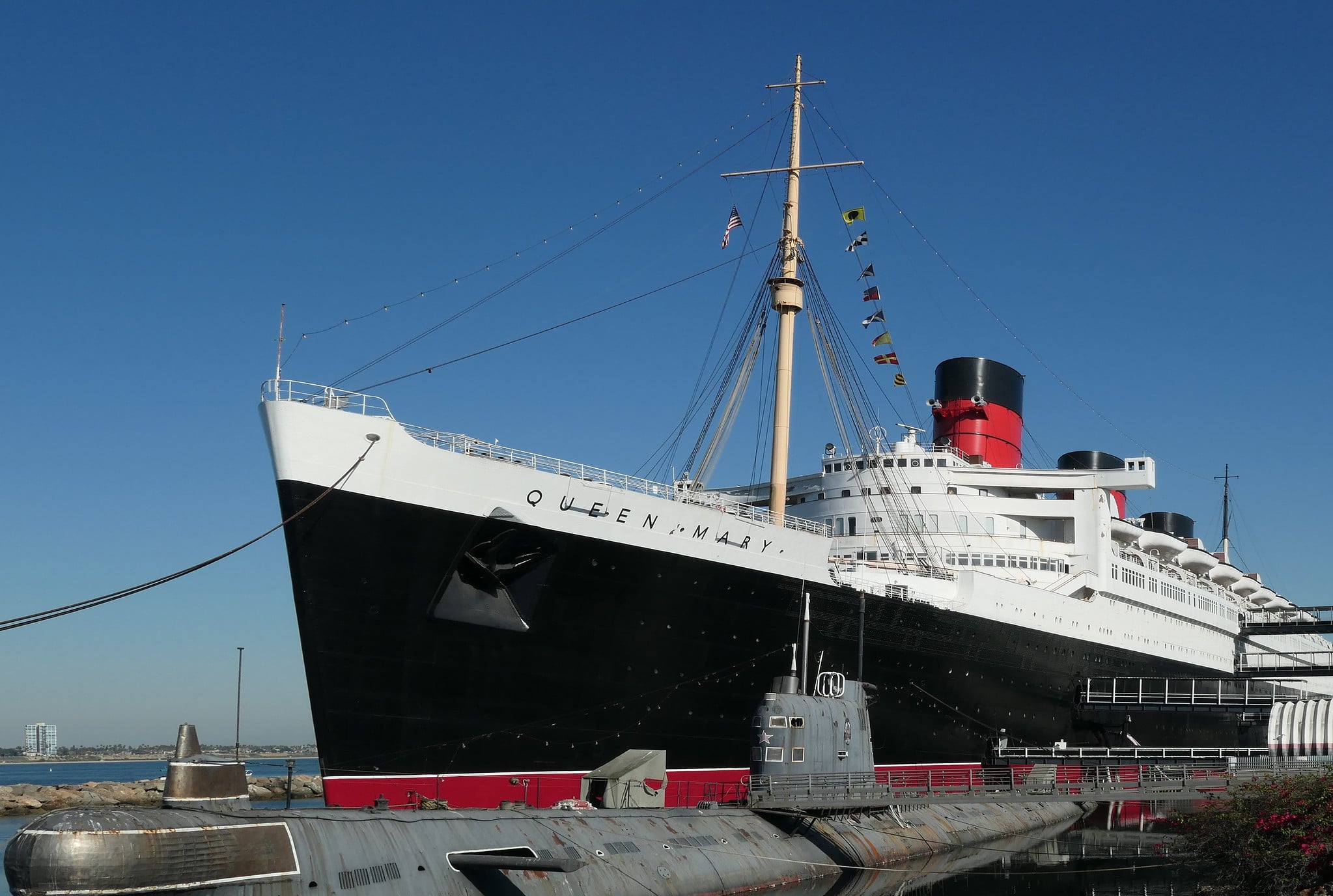
Long Beach got this one right. The Queen Mary has been permanently moored in California since 1967, transformed into a hotel and museum that lets you sleep in the same staterooms where celebrities once stayed.
But here’s what makes it genuinely creepy: the ship is reportedly one of the most haunted places in America. The pool area, in particular, has a reputation that keeps even skeptics on edge.
Whether you believe in that sort of thing or not, walking through the empty corridors late at night (when you’re staying in the hotel) feels like stepping back into 1936. The art deco interiors remain largely intact, and the ship creaks and groans in ways that modern buildings simply don’t.
MV Lyubov Orlova
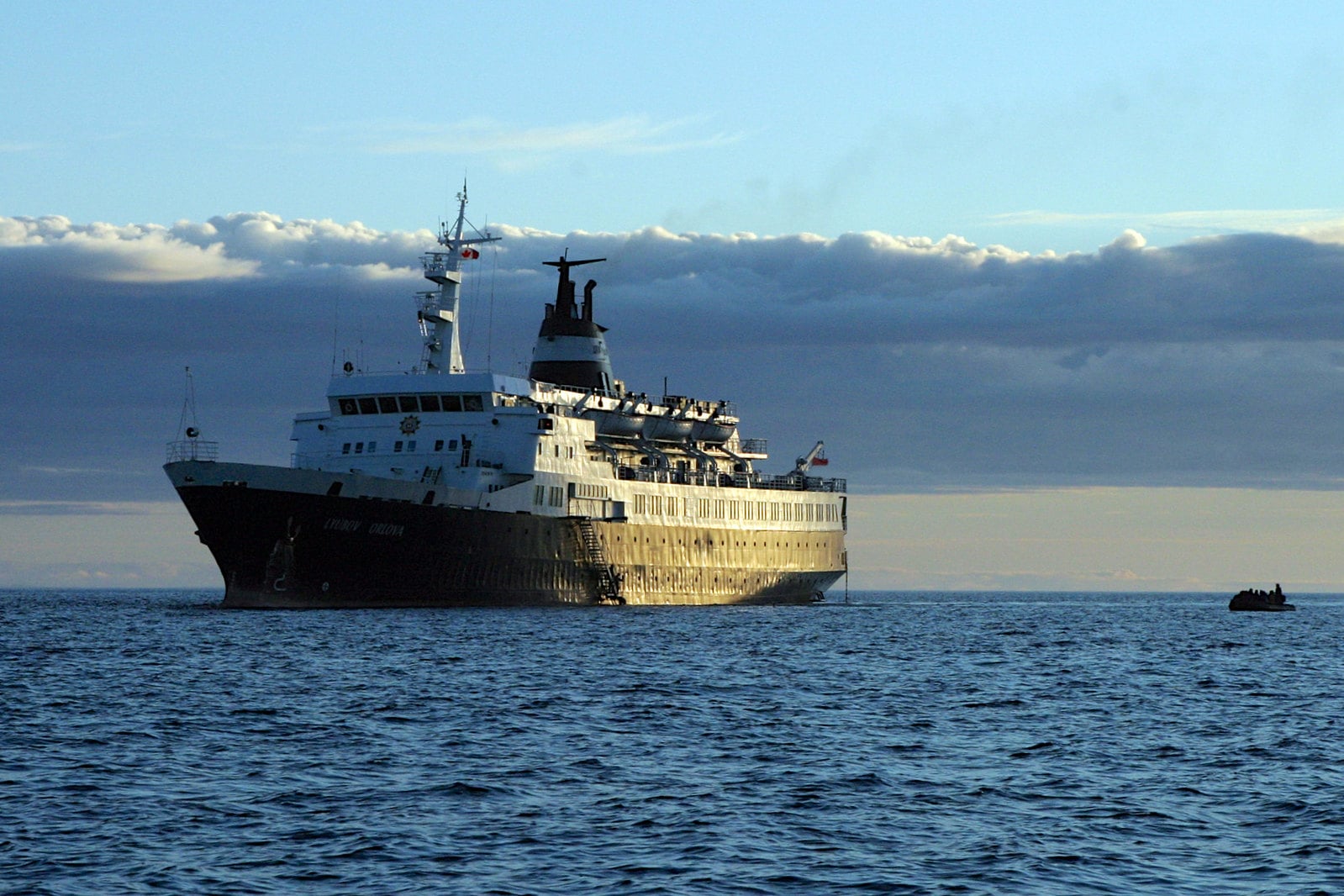
This one’s more legend than visitation opportunity, but the story is too good to ignore. The Lyubov Orlova was a Soviet-era cruise ship that broke free from its tow line in 2013 and has been drifting somewhere in the North Atlantic ever since — possibly filled with cannibal rats, according to some reports (though experts dispute this colorful detail).
Nobody knows exactly where she is now. She could be anywhere from the coast of Ireland to the middle of the ocean.
The ship has become something of a maritime urban legend, and while you can’t exactly visit her, the possibility that this ghost ship is still out there somewhere, slowly deteriorating in the cold Atlantic waters, captures the imagination in ways that safely docked vessels simply can’t match.
American Star
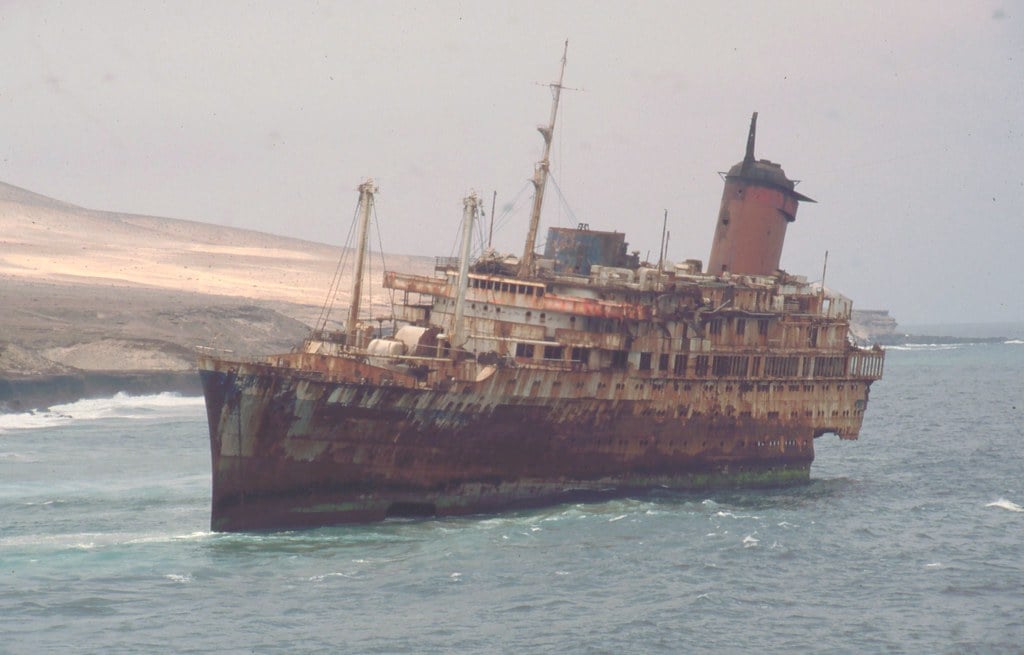
The American Star ran aground off the coast of Fuerteventura in the Canary Islands in 1994, and for years, you could visit the wreck by simply walking along Playa de Garcey. The ship sat there like a monument to poor planning — she was being towed to Thailand to become a floating hotel when a storm broke the tow line.
The Atlantic has been slowly claiming her ever since. What started as a mostly intact vessel has gradually broken apart, with the stern section collapsing into the sea in 2007.
By now, only small portions of the bow remain visible at low tide. It’s less a visit to an abandoned cruise ship and more a meditation on how quickly the ocean reclaims what belongs to it.
MS World Discoverer
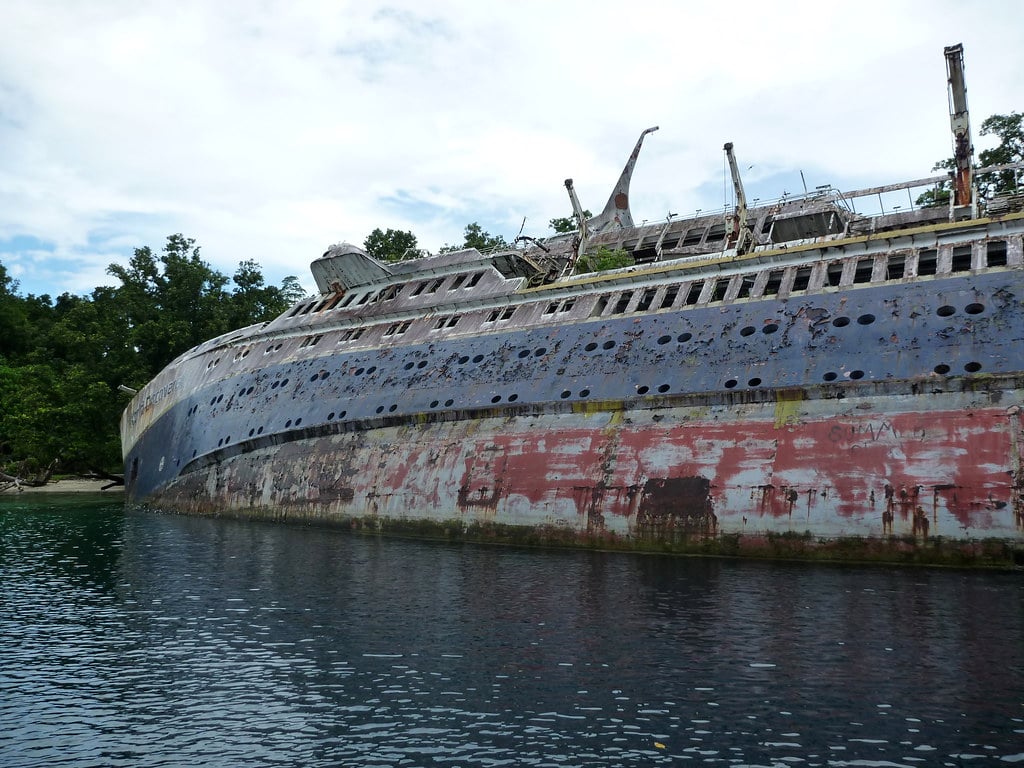
In the Solomon Islands, the MS World Discoverer offers one of the more accessible abandoned cruise ship experiences — if you don’t mind traveling to a fairly remote part of the Pacific. The ship ran aground in 2000 near Roderick Bay and has been sitting there ever since, slowly being reclaimed by both the ocean and the jungle.
Local operators run boat trips out to the wreck, and you can actually explore parts of the ship (though safety is entirely your own responsibility).
The combination of saltwater corrosion and tropical vegetation growing through the hull creates an almost post-apocalyptic atmosphere. And since the Solomon Islands don’t get massive numbers of tourists, you’re likely to have this particular piece of maritime decay largely to yourself.
MTS Oceanos
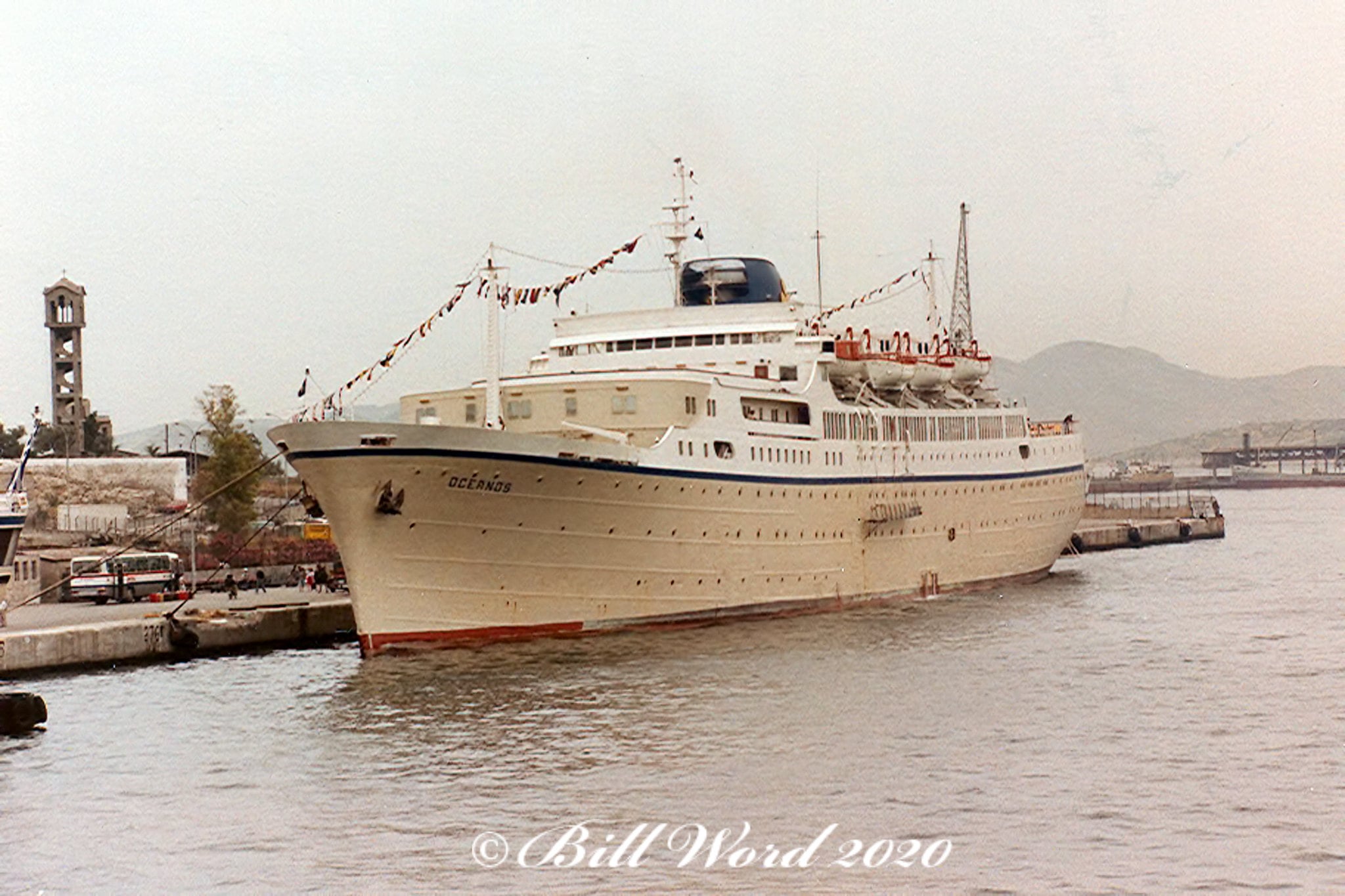
The Oceanos sank off the coast of South Africa in 1991, but not before providing one of the most dramatic maritime rescue stories of recent decades. The captain and crew abandoned ship while passengers were still aboard, leaving the rescue operation to the ship’s entertainers and helicopter pilots who improvised one of the most successful sea rescues in history.
While the ship itself is now 500 feet underwater off the Wild Coast, several dive operators in the area offer trips to explore the wreck.
The Oceanos sits upright on the ocean floor, and advanced divers can explore the interior spaces — though this requires serious technical diving skills and isn’t something to attempt casually.
For those who prefer to stay dry, the coastal towns in the area still talk about the rescue, and you can visit the beaches where survivors were brought ashore.
Costa Concordia
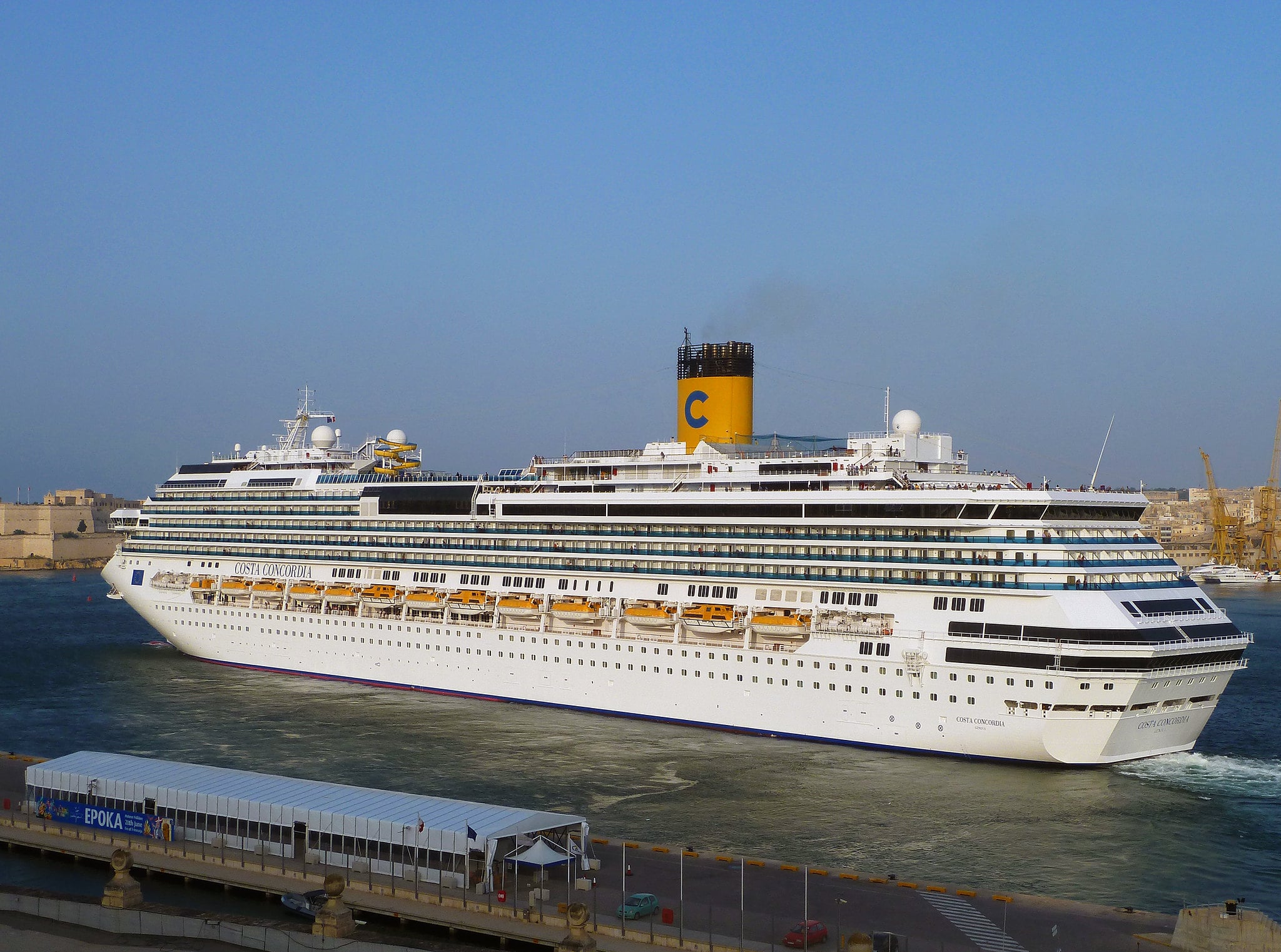
The Costa Concordia’s story is more tragedy than adventure. The ship ran aground off the Italian island of Giglio in 2012, killing 32 people in what became one of the most scrutinized maritime disasters in recent memory.
The wreck was eventually refloated and towed away for scrapping, but Giglio Island itself has become an unlikely pilgrimage site for those interested in maritime disasters.
The spot where the Concordia came to rest is marked, and local boat operators offer tours of the area. It’s a somber experience rather than an exciting one — the kind of place that reminds you that these massive ships, for all their impressive engineering, are ultimately vulnerable to human error and the power of the sea.
SS America
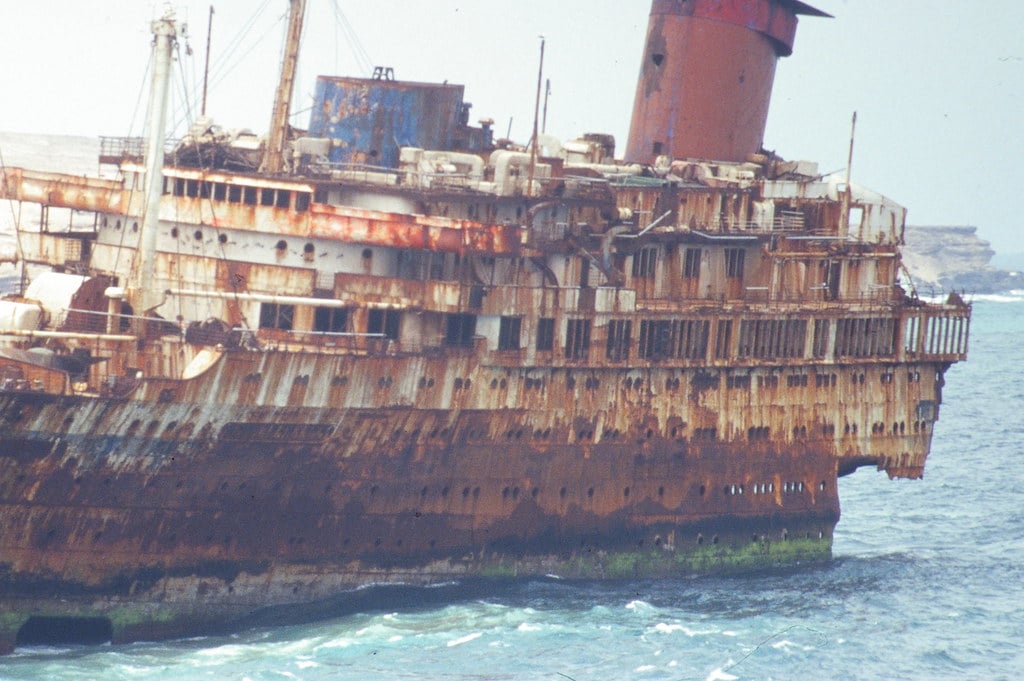
Before she became the American Star, this ship sailed as the SS America — one of the most beautiful ocean liners ever built. Launched in 1940, she served as a troop transport during World War II before returning to passenger service.
The ship’s final resting place off Fuerteventura has become a pilgrimage site for maritime enthusiasts, even though very little of her remains visible today.
The story of her slow disintegration has been documented by countless photographers over the years, creating a visual timeline of how the ocean claims abandoned vessels.
While there’s not much left to see now, the beach where she came to rest has become a symbol of the impermanence of even our most impressive creations.
MV Salem
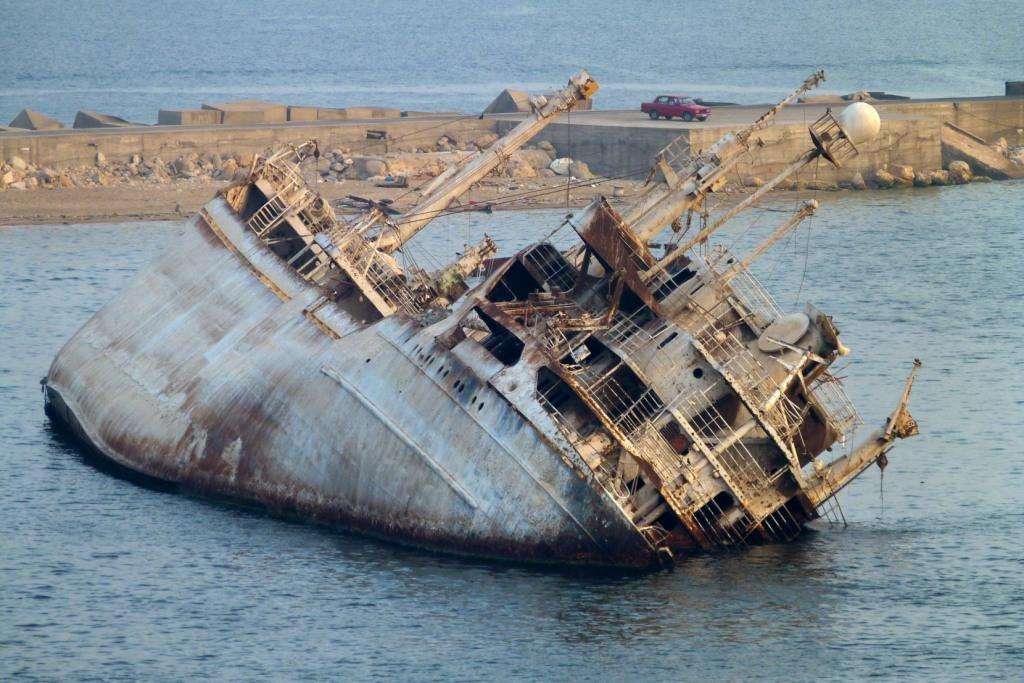
The MV Salem sits in a shipyard in Alang, India — the world’s largest ship-breaking facility. She’s not exactly abandoned in the traditional sense, but she’s been waiting for demolition for so long that she’s achieved a kind of liminal status between active vessel and scrap metal.
Visiting Alang isn’t exactly tourism in the conventional sense. The facility breaks apart massive ships from around the world, and the Salem is just one of many vessels in various stages of dismantlement.
The experience is more industrial than spooky, but there’s something profoundly moving about seeing these ocean-going giants in their final moments, reduced to their component parts by workers with cutting torches.
MS Sea Diamond
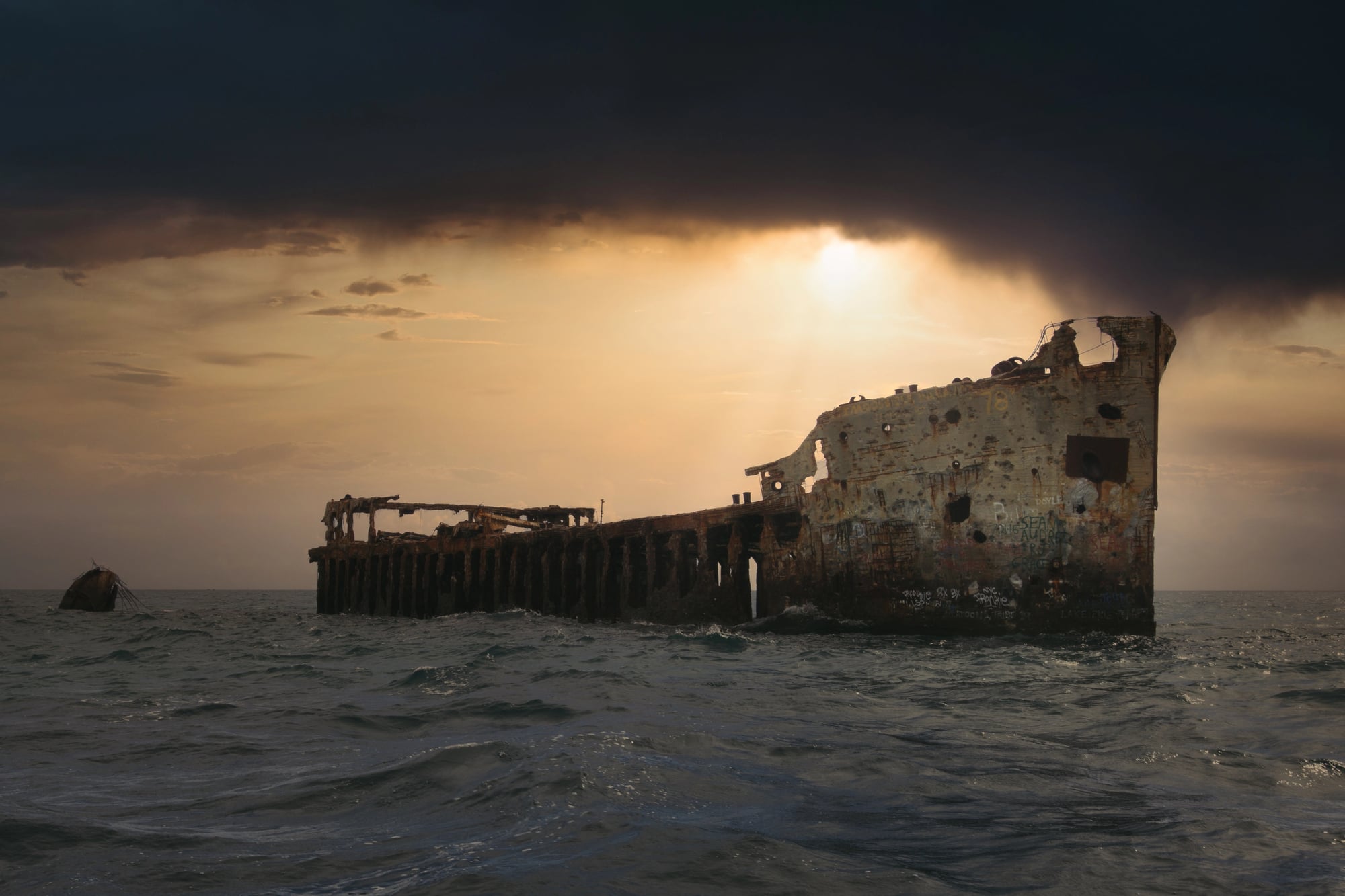
The Sea Diamond lies at the bottom of the Aegean Sea near Santorini, where she sank in 2007 after striking a reef. Two passengers were never found, and the environmental impact of the wreck has made it a contentious site ever since.
Several dive operators in Santorini offer trips to explore the wreck, which sits in relatively shallow water considering its size.
The ship’s position near one of Greece’s most popular tourist destinations creates an odd juxtaposition — you can literally see the dive boats heading out to explore the wreck from the restaurants and hotels perched on Santorini’s famous cliffs.
It’s disaster tourism at its most accessible, which makes it somewhat uncomfortable for anyone who remembers the news coverage of the actual sinking.
MV Princess of the Stars
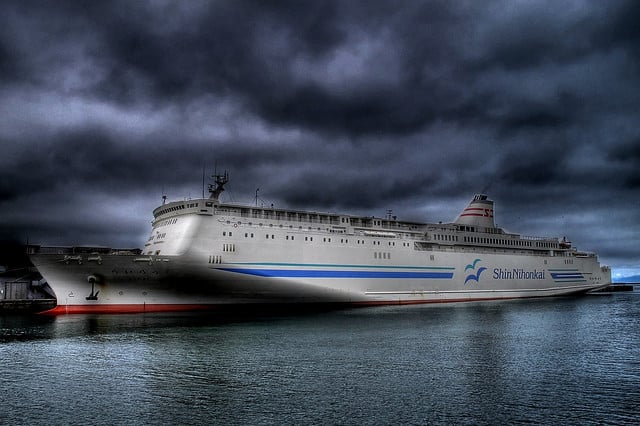
The Princess of the Stars capsized off the Philippines during Typhoon Frank in 2008, killing over 800 people in one of the country’s worst maritime disasters. The ship was eventually refloated and scrapped, but the site where she went down has become a memorial of sorts.
Local fishermen in the area still point out the location where the rescue operations took place, and the story of the disaster remains vivid in the local community.
It’s not the kind of place you visit for adventure or entertainment — it’s more about understanding how quickly things can go wrong at sea, and how the ocean doesn’t discriminate between passenger and crew when a ship goes down in a typhoon.
MS Star Princess
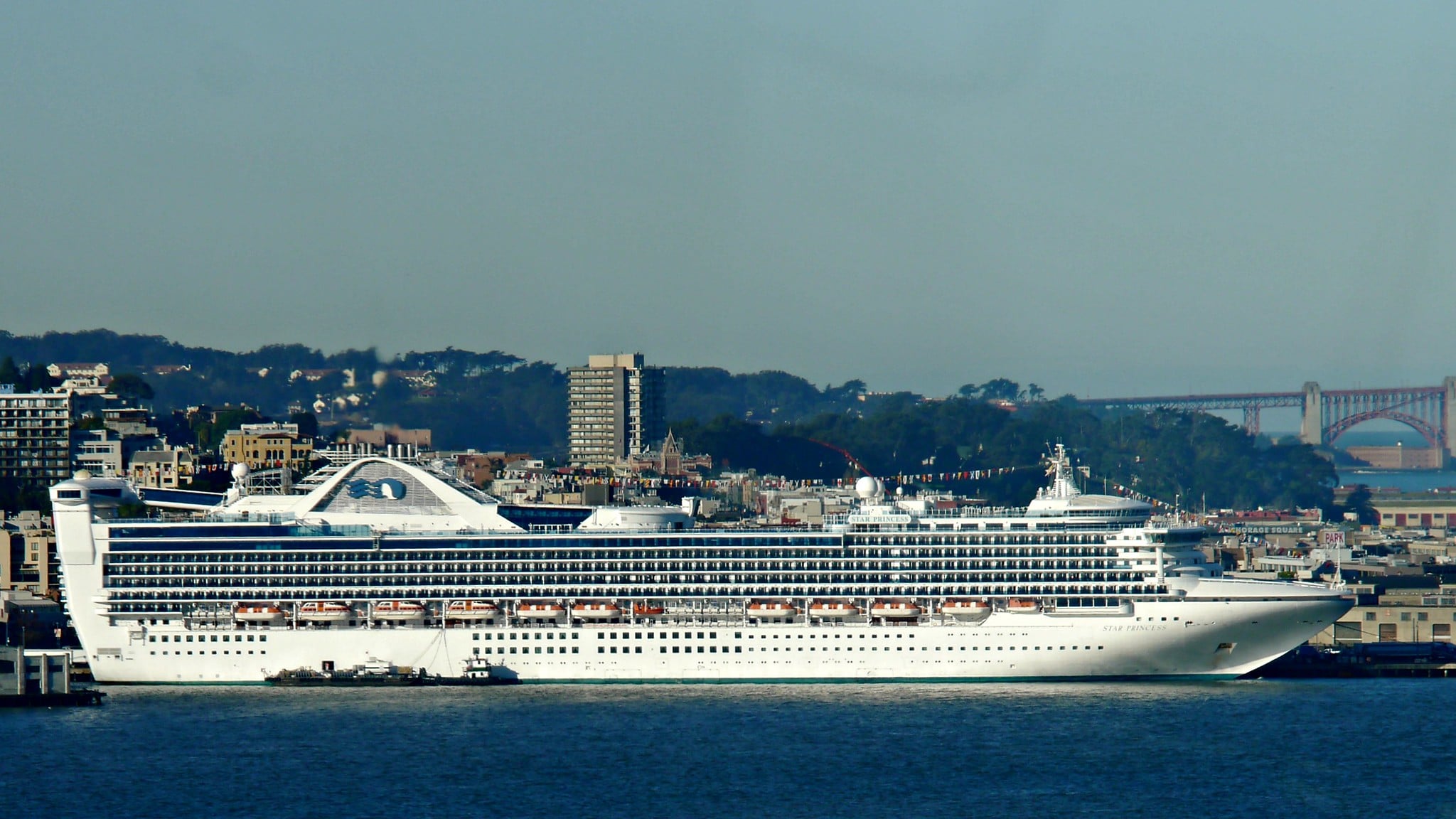
Not to be confused with other “Princess” ships, this particular vessel ran aground in Alaska in the 1990s and was subsequently abandoned in a remote inlet. The ship has become something of a pilgrimage site for travelers willing to make the effort to reach it, accessible only by boat or seaplane.
The combination of Alaska’s harsh climate and the ship’s remote location has created a preservation effect — the vessel remains largely intact, though increasingly covered in rust and slowly being reclaimed by the subarctic environment.
Local charter operators in nearby towns can arrange trips to the site, though weather conditions and accessibility vary dramatically depending on the season.
MV Dmitri Donskoi
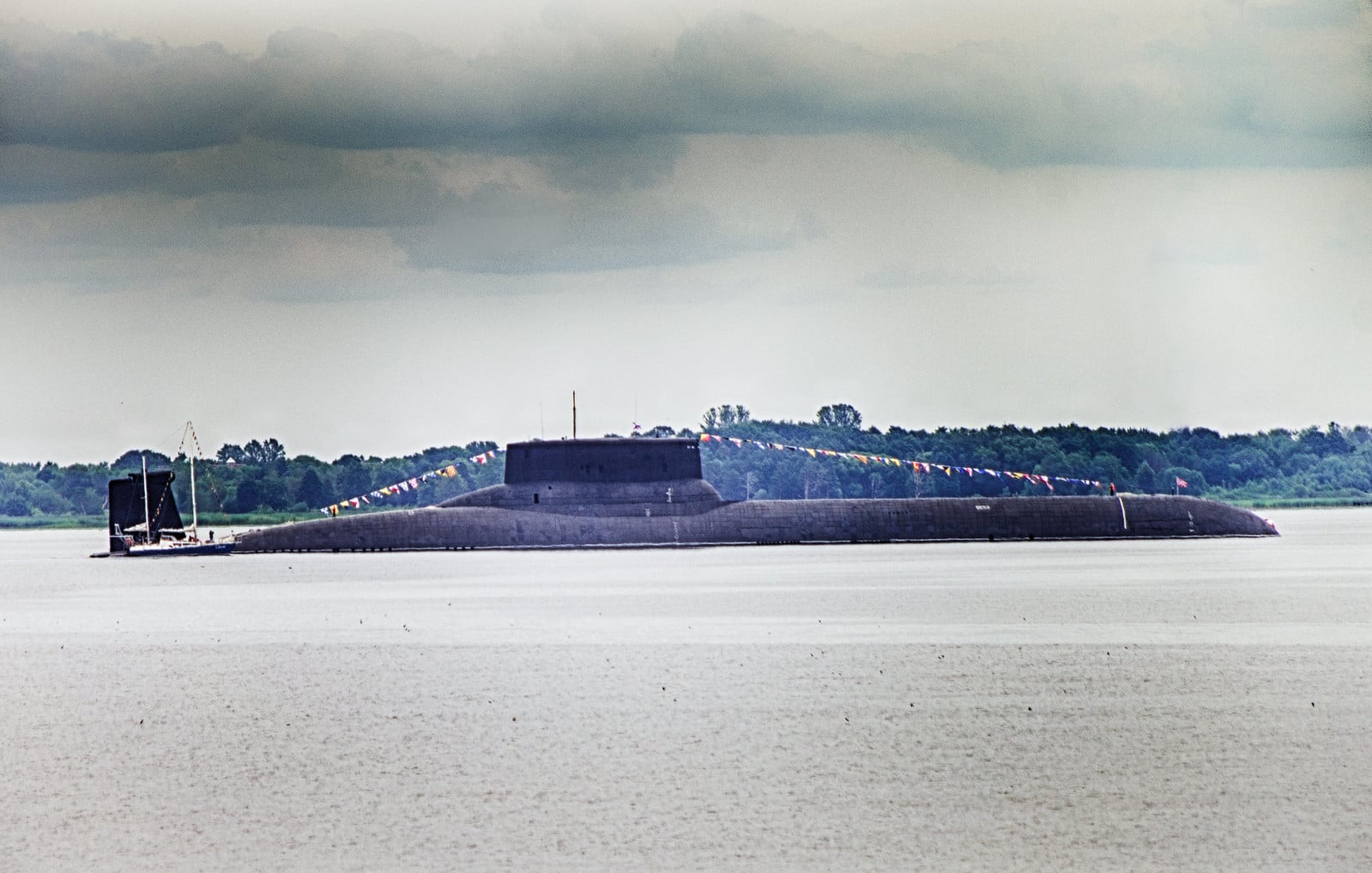
The Dmitri Donskoi was a Soviet-era passenger ship that spent her final years as a floating hotel in various ports before being abandoned in the early 2000s. She’s been spotted in different locations over the years, from the Black Sea to various Mediterranean ports, as different parties have attempted to either restore or scrap her.
The ship’s current location depends on when you’re reading this — she tends to get moved around as legal battles over ownership continue.
This uncertainty is part of what makes her interesting; she’s become something of a maritime nomad, never quite settled anywhere long enough to become a proper attraction, but visible enough that ship enthusiasts track her movements online.
Beyond the Rust
These floating graveyards represent more than just abandoned metal and faded luxury. They’re monuments to changing times, economic pressures, and the simple fact that even our most impressive achievements eventually become obsolete.
Each rusting hull tells the story of an industry that built dreams around the romance of ocean travel, only to watch those dreams slowly sink beneath the waves of modern aviation and changing vacation preferences.
The ships that remain accessible offer a tangible connection to maritime history that no museum can replicate. Standing on the deck of the Queen Mary or staring up at the SS United States from a Philadelphia pier, you’re witnessing the physical remnants of an era when crossing the ocean was still an adventure rather than an inconvenience.
More from Go2Tutors!

- The Romanov Crown Jewels and Their Tragic Fate
- 13 Historical Mysteries That Science Still Can’t Solve
- Famous Hoaxes That Fooled the World for Years
- 15 Child Stars with Tragic Adult Lives
- 16 Famous Jewelry Pieces in History
Like Go2Tutors’s content? Follow us on MSN.