15 Times the Official Version of Events Was Proven Wildly Inaccurate
Numerous stories in history texts initially appeared to be undeniable but eventually came apart when examined more closely. Though time frequently reveals far more nuanced realities behind these simple narratives, governments and institutions frequently offer their version of events as the absolute truth.
Here is a list of 15 noteworthy instances where the official narrative was found to be significantly different from the truth.
The Gulf of Tonkin Incident

The justification for America’s deeper involvement in Vietnam wasn’t quite what citizens were told. Back in 1964, the Johnson administration claimed North Vietnamese forces had attacked American ships twice in the Gulf of Tonkin – but declassified documents eventually revealed something troubling.
While an initial skirmish did occur, the second “attack” never actually happened. This non-existent incident nonetheless provided the perfect pretext for passing the Gulf of Tonkin Resolution, handing Johnson broad authority to escalate military actions throughout Southeast Asia.
Tuskegee Syphilis Study
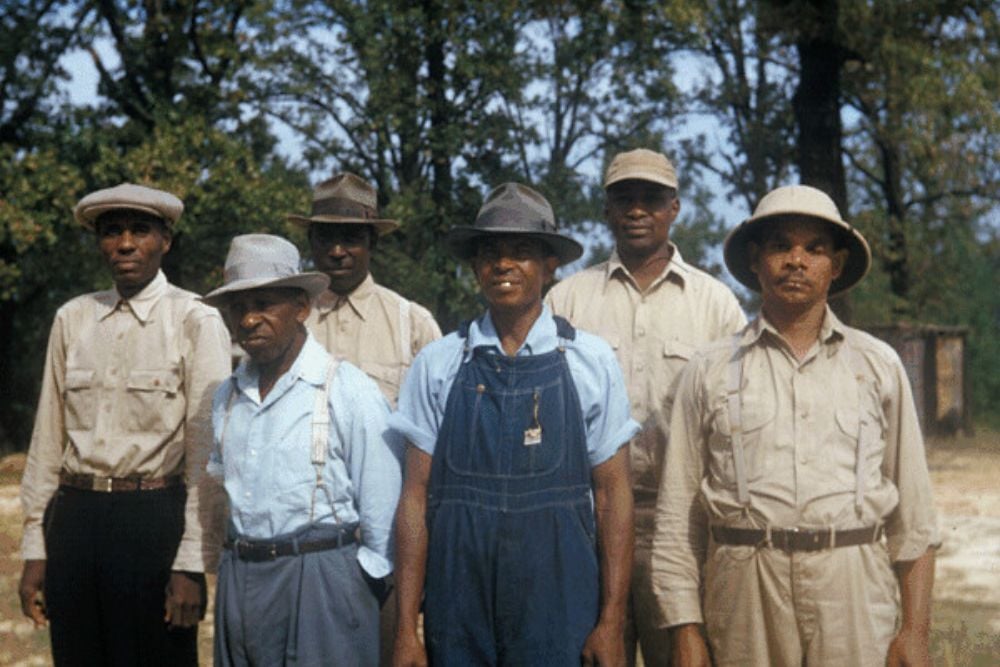
For forty years, government health officials assured hundreds of poor sharecroppers they were receiving treatment for ‘bad blood’ – a cruel deception that continued far too long. From 1932 until 1972, researchers deliberately withheld syphilis treatment from African American men to document how the disease progressed untreated.
Even after penicillin became widely available in 1947 – the recognized cure for syphilis – the study continued unabated, resulting in unnecessary suffering while researchers maintained the fiction of providing healthcare.
Operation Northwoods

Top Pentagon brass once seriously considered staging fake attacks on American soil – something the public wasn’t meant to discover. Declassified in the 1990s, these 1962 documents showed the Joint Chiefs of Staff developed elaborate plans for terrorist attacks to be blamed on Cuba as justification for war.
Their proposals included staged hijackings, domestic bombing campaigns – even shooting down a civilian passenger plane. President Kennedy flatly rejected these false flag operations, though their detailed planning reveals how close such schemes came to approval.
The Reichstag Fire
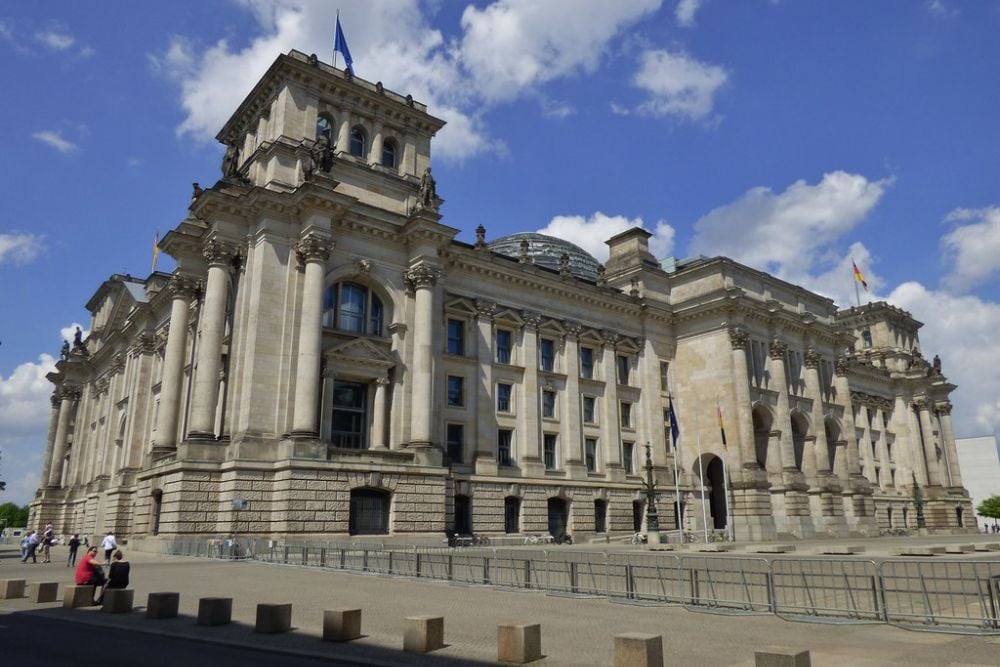
Nazi leadership wasted no time blaming communists after the 1933 German parliament building erupted in flames – conveniently creating the crisis they needed. This suspicious timing allowed Hitler to push through emergency powers that effectively dismantled German democracy.
Though the official narrative pointed to a Dutch communist as the lone culprit – considerable evidence suggests Nazi officials either orchestrated or exploited the fire to consolidate power and crush political opposition.
Katyn Forest Massacre

Soviet authorities spent half a century insisting Nazi Germany had executed thousands of Polish officers in the Katyn Forest. Their elaborate charade – complete with falsified evidence presented at Nuremberg – finally collapsed in 1990.
Moscow reluctantly acknowledged the truth: Soviet secret police had murdered approximately 22,000 Polish military officers and intellectuals in 1940. This systematic elimination of Poland’s leadership class remained buried under layers of official denial despite eyewitness accounts suggesting otherwise.
The Burning of the Library of Alexandria
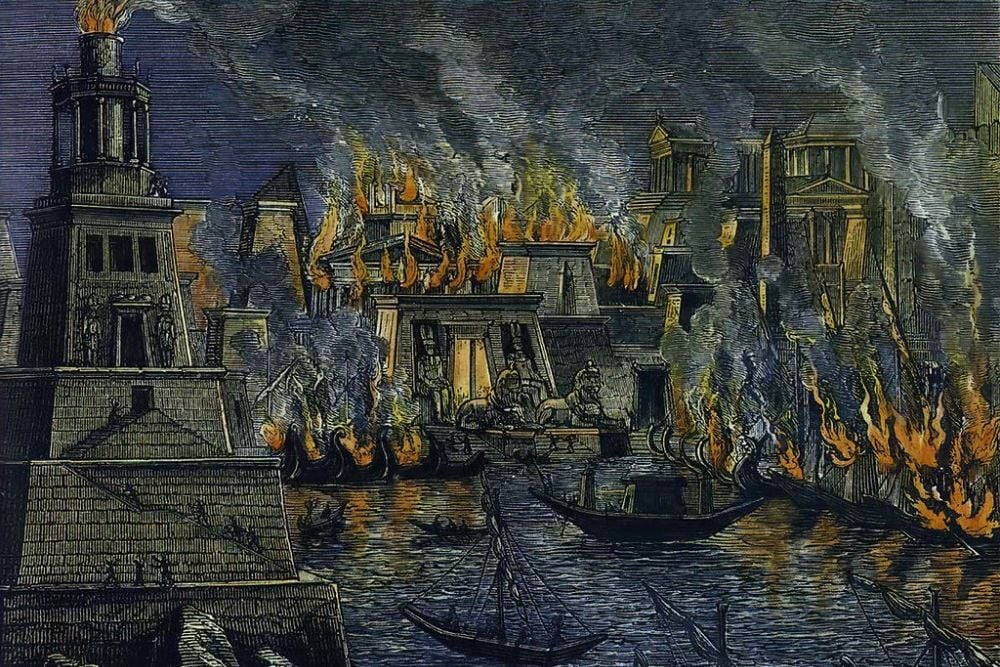
Ancient chronicles dramatically described Julius Caesar burning humanity’s greatest knowledge repository in one catastrophic event – a simplistic tale that persisted for centuries. Modern historians paint a much different picture. Rather than a single fiery destruction, the library’s demise occurred gradually through multiple events spread across hundreds of years.
Religious conflicts, military campaigns – alongside natural deterioration – all contributed to its gradual disappearance, contradicting the neat narrative that had dominated historical understanding.
The Spanish Flu Origin
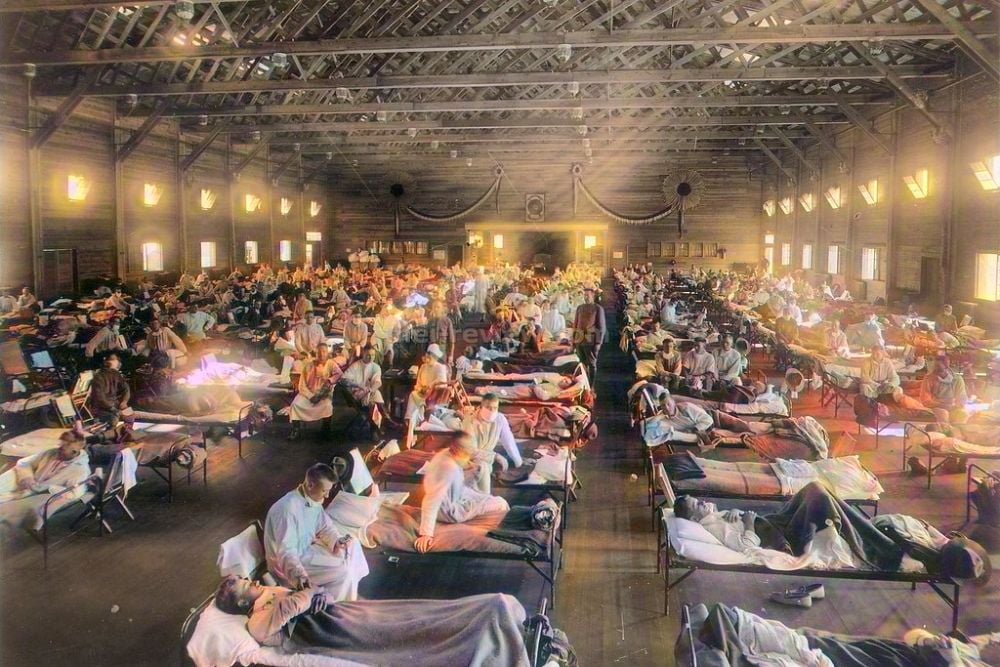
Though it has Spain’s name, the terrible 1918 epidemic most surely started somewhere else. While other countries withheld facts during conflict, Spain just reported honestly about the illness.
With troop movements hastening its worldwide spread, current studies indicate roots in American military camps or French battlefields. Still, the deceptive moniker linked Spain to a pandemic that killed tens of millions all around without any fault of their own.
Weapons of Mass Destruction in Iraq
The Bush administration’s central justification for invading Iraq in 2003 collapsed under post-war scrutiny. Senior officials confidently declared Saddam Hussein possessed active chemical and biological weapons programs – assertions made with “absolute certainty” by intelligence agencies.
Years of exhaustive searches following the invasion found no evidence of active WMD programs whatsoever. A toxic combination of flawed intelligence, confirmation bias – alongside intense political pressure – had transformed suspicion into certainty, fundamentally altering Middle East stability based on phantom threats.
The Tonkin Bay Resolution

Congress granted President Johnson sweeping war powers based on phantom naval engagements that never occurred. Later investigations revealed naval commanders had misinterpreted radar returns during stormy weather conditions, mistaking weather patterns for enemy vessels.
Declassified NSA documents eventually showed that officials knew the second attack hadn’t actually happened – yet proceeded with the resolution anyway. This single incident, largely manufactured, provided the legal foundation for America’s deepening involvement in a conflict that would claim over 58,000 American lives.
Tiananmen Square Death Toll
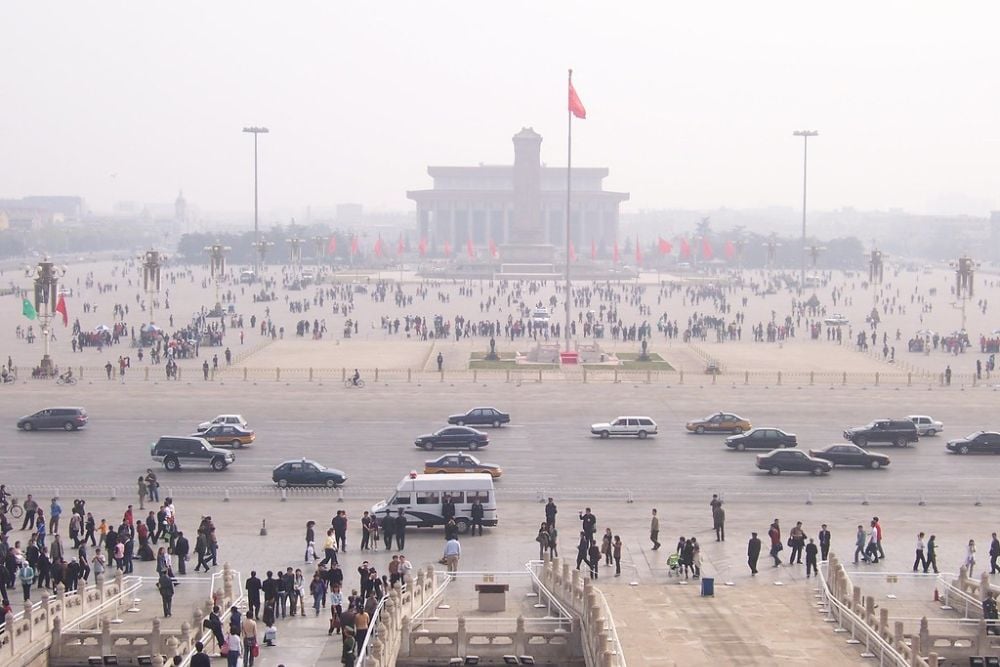
Chinese officials have been downplaying the number of those killed during the 1989 student democratic demonstrations for decades. According to the government, between 200 and 300 people—mostly soldiers—died, but declassified diplomatic communications paint a very different picture.
According to hospital records and witness accounts, the number of actual civilian deaths was probably in the thousands. Because of this willful undercounting, precise death toll debates are still highly restricted in China, leaving generations unaware of what actually transpired in Beijing that June.
The Tillman Friendly Fire Incident
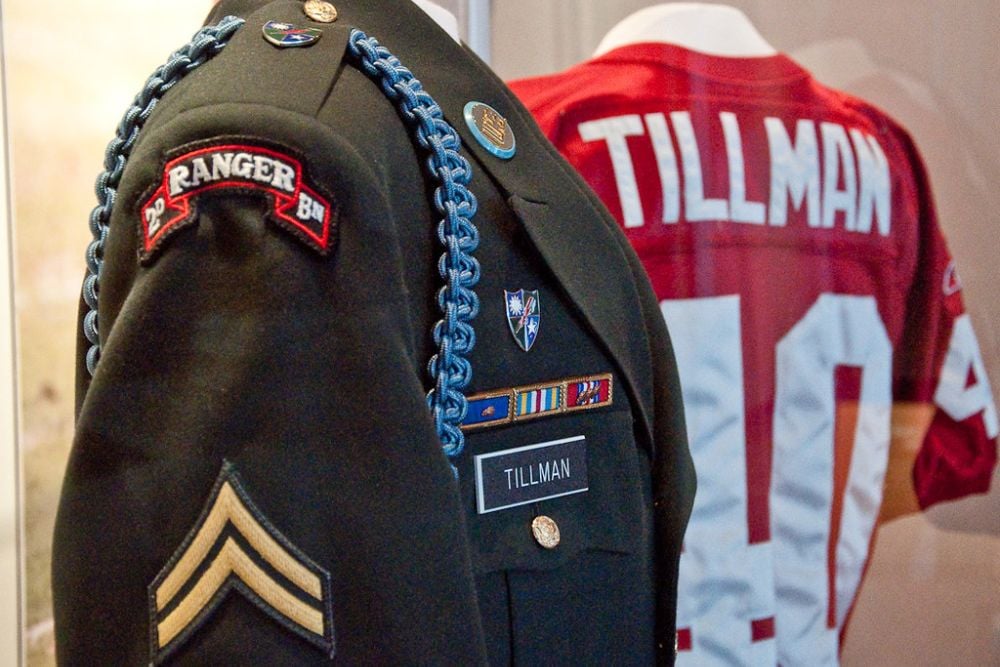
Army Ranger Pat Tillman’s death in Afghanistan represented a particularly shameful case of official deception. Military officials immediately knew Tillman died from friendly fire in 2004, yet concocted an elaborate tale of heroic combat against enemy forces.
This fabrication continued for five weeks while a false narrative spread through media outlets nationwide. His family received the truth only after a nationally televised memorial service celebrating his fictional last stand. Internal investigations later revealed that at least seven generals were involved in perpetuating the deception.
The Chernobyl Disaster
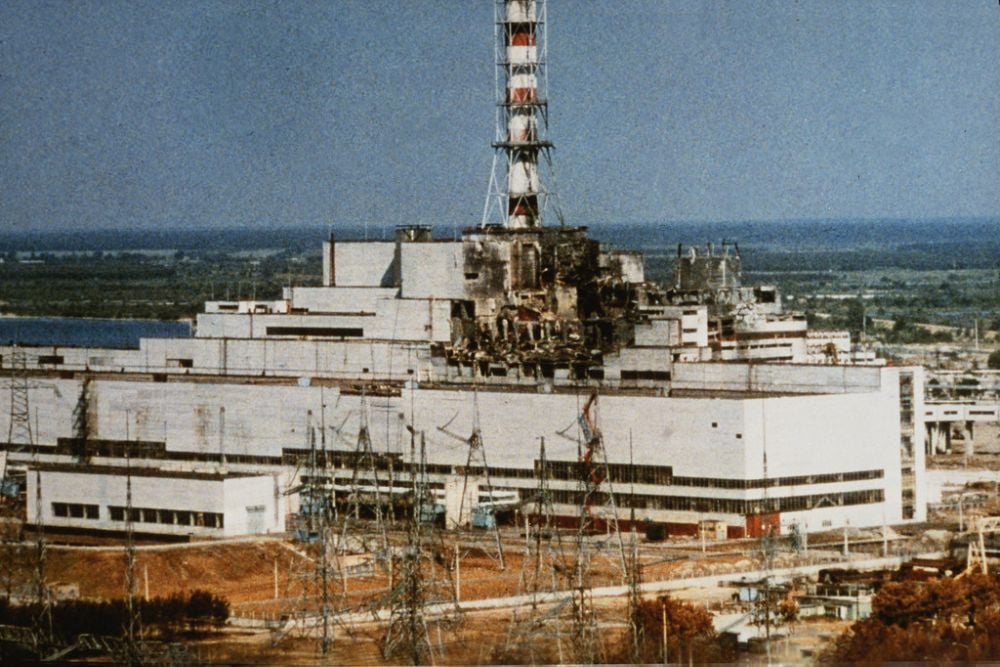
Initially, Soviet authorities downplayed the 1986 nuclear disaster as little and well-contained. As radioactive clouds floated overhead, they severely reduced radiation levels, postponed important evacuations, and even carried on with May Day festivities in close by Kiev.
Though early deaths totaled about 31, many later acquired radiation-related ailments. Officials first prioritised avoiding panic over public safety, therefore hiding the whole environmental and health effects for years and causing unnecessary exposures.
Australia’s Stolen Generations
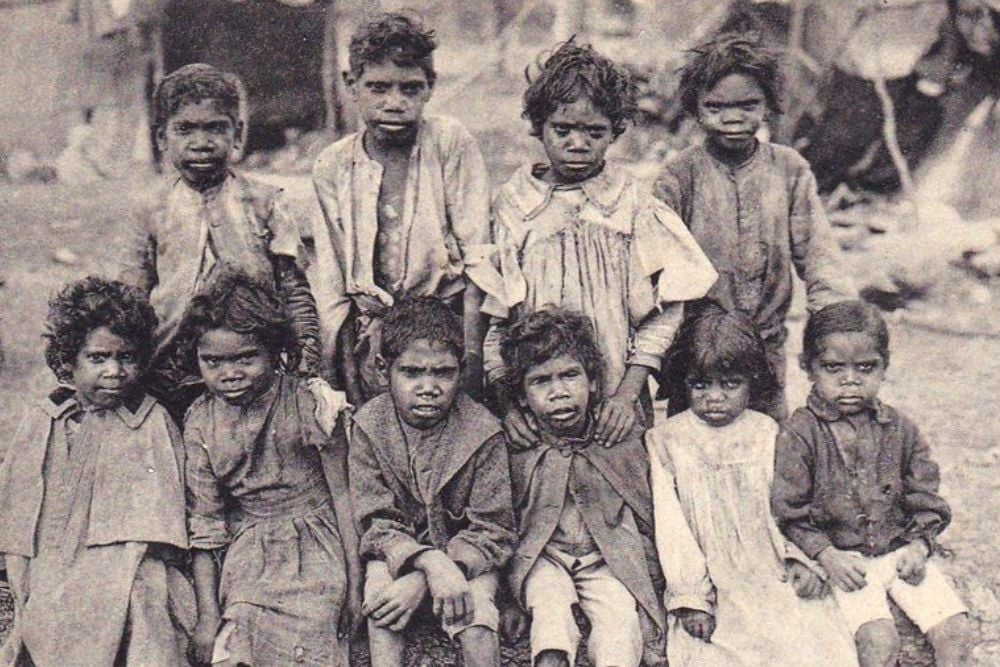
For a long time, Australian officials described the removal of Indigenous children as a humanitarian intervention rather than a form of cultural genocide. According to government narratives, these initiatives improved possibilities through assimilation and saved abandoned children.
The terrible truth? In an effort to eradicate Indigenous culture, officials forcibly separated up to 100,000 Aboriginal children from their families between 1910 and 1970. Despite the government’s 2008 formal apology, this produced severe intergenerational trauma that still affects communities today.
COINTELPRO Operations
While secretly doing just that, FBI authorities consistently denied running domestic surveillance against American people. From 1956 until 1971 under J. Edgar Hoover’s leadership, the agency operated hundreds of covert operations aimed at civil rights groups, anti-war campaigners, and political dissidents.
Among these activities were fake evidence creation, distribution of harmful false information, and incitement of intergroup conflict. Only when campaigners raided an FBI office and grabbed papers exposing the program’s existence and startling breadth did the truth come.
The Tulsa Race Massacre
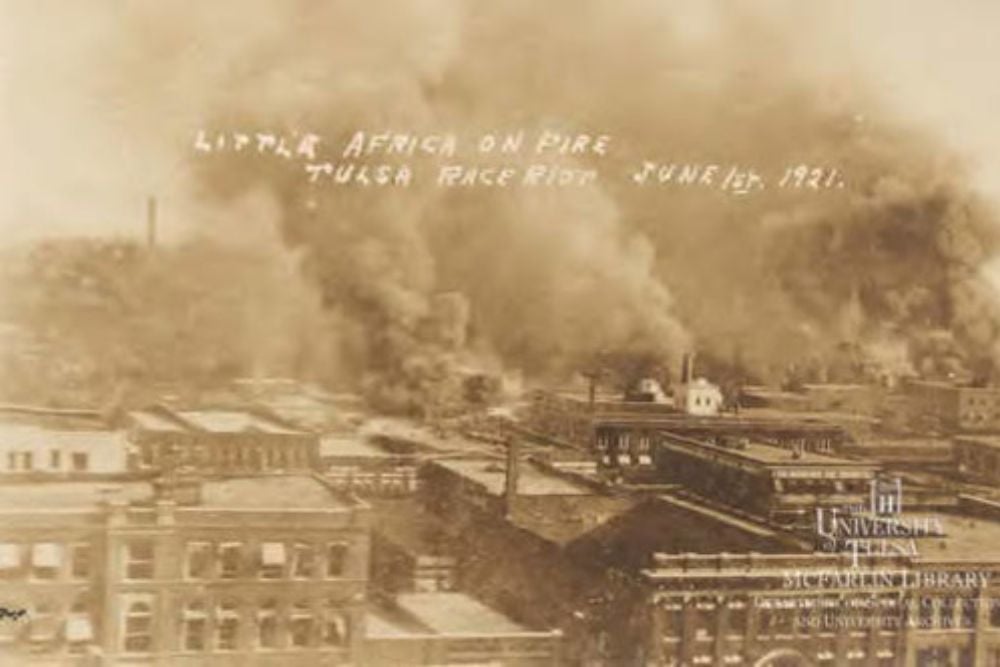
Local officials successfully suppressed knowledge of one of America’s worst incidents of racial violence for nearly a century. In 1921, white mobs destroyed Tulsa’s prosperous Greenwood District—known as ‘Black Wall Street’—killing hundreds of Black residents and displacing thousands more.
Newspaper articles mysteriously disappeared from archives, police records vanished, and history textbooks simply omitted the event entirely. The massacre’s true scale remained actively hidden until investigations in the 1990s finally began uncovering what survivors had always known but mainstream society refused to acknowledge.
Truth Eventually Surfaces
History repeatedly demonstrates that official narratives often serve political expediency rather than factual accuracy. Patient investigation and persistent questioning typically reveal what actually happened, though sometimes decades after events transpire.
These examples should encourage healthy skepticism toward the authority’s version of events, especially during crises when controlling public perception becomes paramount. The gap between official statements and objective reality can sometimes prove astonishingly wide, reminding us that established narratives deserve continual reexamination rather than blind acceptance.
More from Go2Tutors!

- The Romanov Crown Jewels and Their Tragic Fate
- 13 Historical Mysteries That Science Still Can’t Solve
- Famous Hoaxes That Fooled the World for Years
- 15 Child Stars with Tragic Adult Lives
- 16 Famous Jewelry Pieces in History
Like Go2Tutors’s content? Follow us on MSN.



