Curious Facts About Global Rivers
Rivers have been running through human history longer than any road, border, or city. They fed the first farmers, carried the first traders, and shaped the land in ways that still show up on maps today.
Some rivers are record-breakers, some are deeply strange, and a few are doing things that scientists still cannot fully explain. Pull up a seat, because these facts are the kind that make you look up from your phone and say ‘wait, really?’
The Amazon Carries More Water Than Any Other River
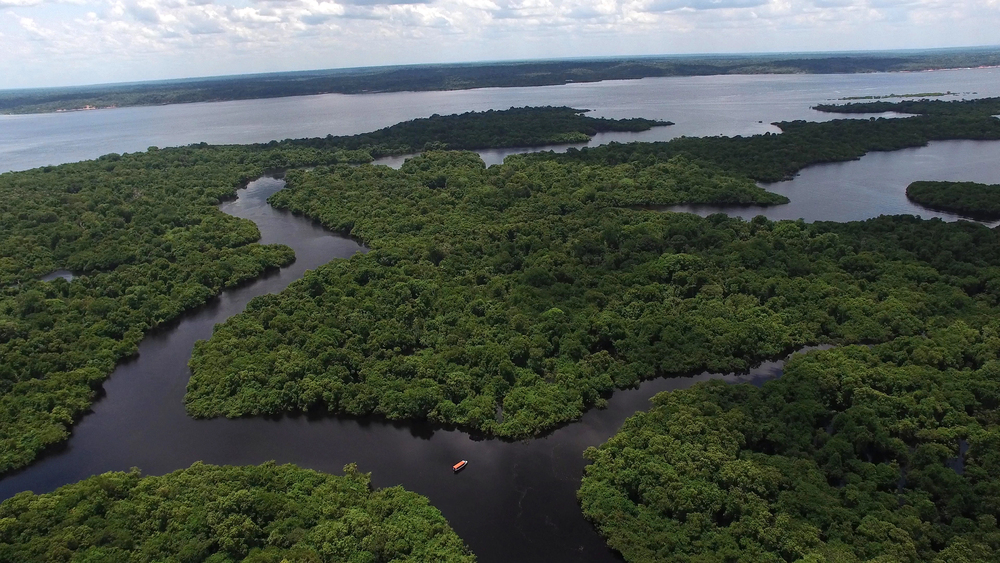
The Amazon River in South America moves more fresh water into the ocean than the next seven largest rivers on Earth combined. It drains roughly 40 percent of the entire South American continent, pulling water from a basin that stretches across nine countries.
During the wet season, the river widens so dramatically in some areas that you cannot see the opposite bank from the shore. It also pushes fresh water so far into the Atlantic Ocean that sailors once used it as a freshwater source before even spotting land.
The Nile’s True Source Was Debated For Centuries

For a long time, explorers and geographers argued about where the Nile actually began, and the debate got heated enough to end friendships and fund expensive expeditions. The general agreement today points to the Kagera River in Burundi as the farthest source, which means the Nile system stretches roughly 4,130 miles from start to finish.
The confusion came partly because the Nile has two major branches, the Blue Nile and the White Nile, that meet in Sudan before flowing north through Egypt. Most of the water volume actually comes from the Blue Nile, which starts in Ethiopia’s highlands, not from the longer White Nile branch.
The Congo Is the World’s Deepest River

The Congo River in Central Africa holds the record for the deepest river on the planet, with some sections reaching depths greater than 720 feet. That is deep enough to swallow a 60-story building without it touching the surface.
The extreme depth is partly why the Congo hosts so many unique fish species found nowhere else on Earth, because the deep trenches act almost like separate underwater worlds cut off from each other. Scientists keep discovering new species in its depths, which says something about how much of this river remains unexplored.
The Yangtze Powers a Country
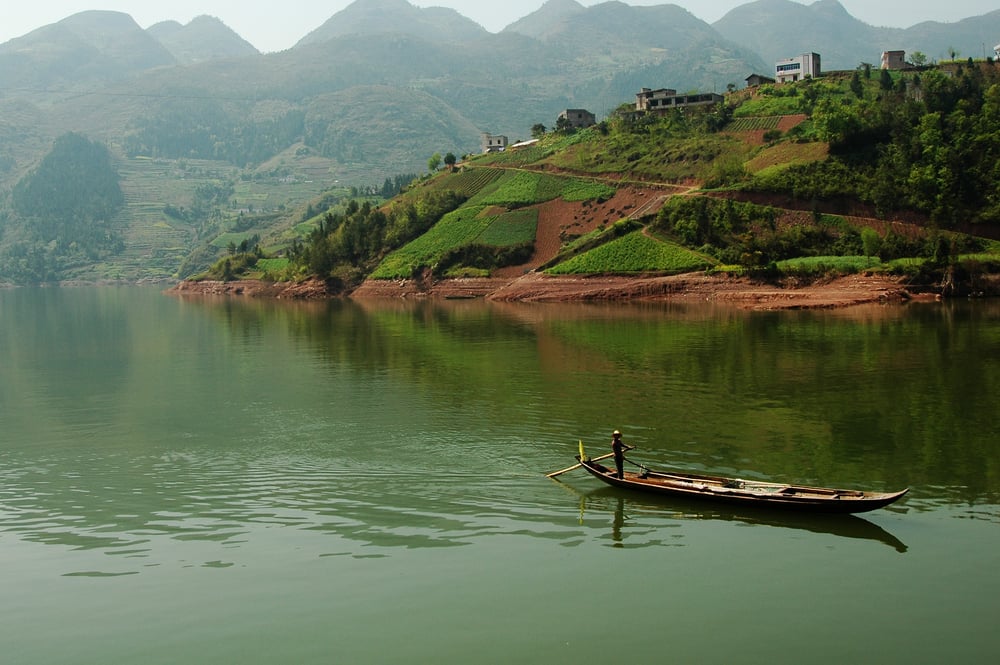
China’s Yangtze River is the longest river in Asia, stretching about 3,915 miles, and it generates a significant portion of China’s electricity through the Three Gorges Dam. That single dam is the largest hydroelectric power station ever built, and it sits right across the Yangtze.
The river also supports the livelihoods of roughly 400 million people who live along its banks or depend on it for water and farming. Building the dam required relocating over a million people, making it one of the largest forced relocations in history tied to a single infrastructure project.
The Mississippi Moves More Than Just Water
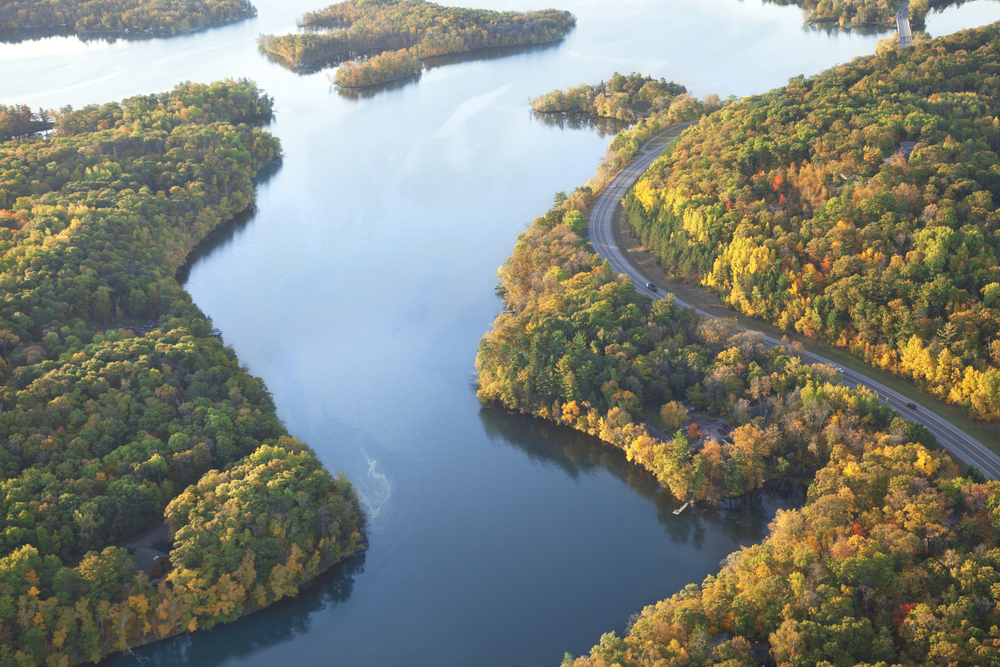
The Mississippi River carries an enormous amount of sediment from the interior of the United States all the way to the Gulf of Mexico, and that sediment has built a large portion of the state of Louisiana over thousands of years. The river drains about 41 percent of the continental U.S., pulling water from 31 states and two Canadian provinces.
Early European explorers called it the ‘Father of Waters,’ borrowing the meaning from Indigenous names for the river. Today it serves as a critical shipping route, moving grain, coal, and petroleum products between the American heartland and global markets.
The Okavango Never Reaches the Ocean
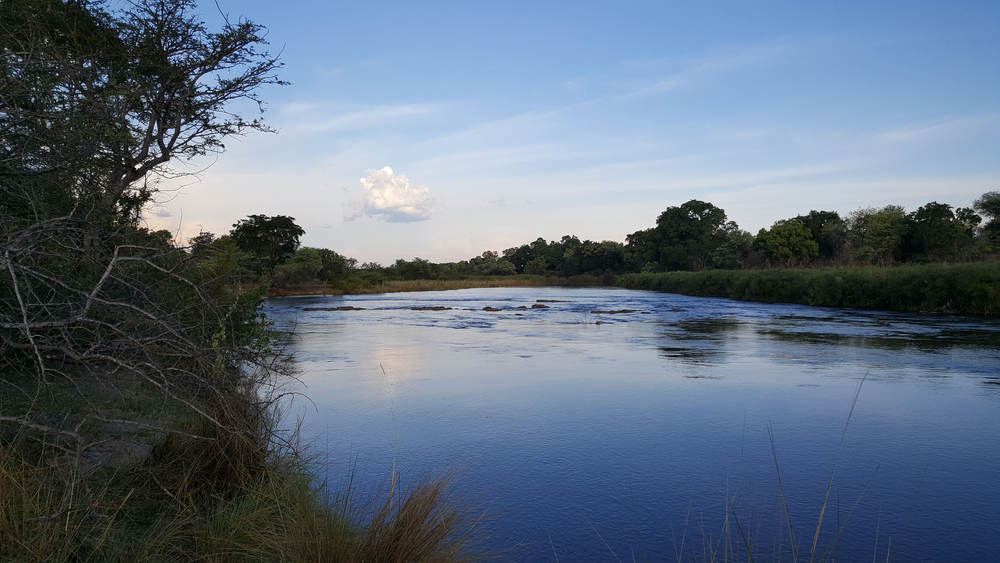
Most rivers flow into an ocean or a larger body of water, but the Okavango River in southern Africa takes a different path entirely. It flows inland and fans out into a massive inland delta in Botswana, creating a lush wetland in the middle of the Kalahari Desert.
This delta covers roughly 6,000 square miles during the flood season and supports one of Africa’s richest concentrations of wildlife, including elephants, lions, and hundreds of bird species. The water does not stagnate either since it slowly evaporates or gets absorbed, which keeps the whole system cycling without a single drop reaching any sea.
The Ganges Holds Religious Significance Unlike Any Other River
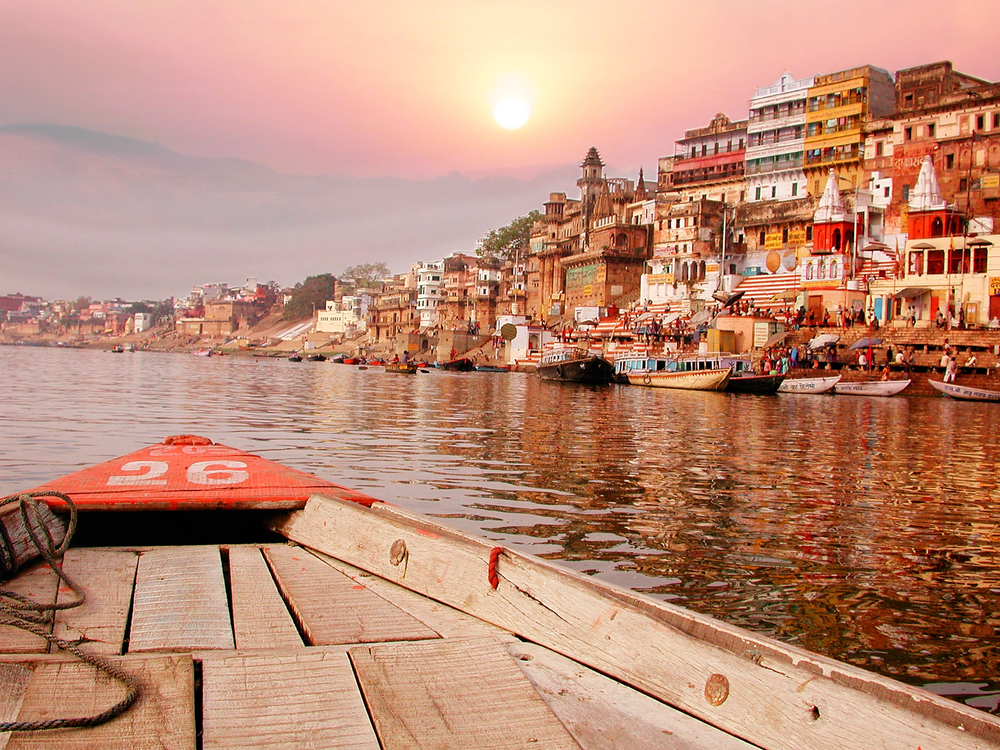
The Ganges River in India is not just a water source. It is considered sacred by hundreds of millions of Hindus who believe bathing in its waters cleanses them spiritually.
Cities like Varanasi on its banks have been continuously inhabited for over 3,000 years, making them among the oldest living cities on Earth. Despite heavy pollution levels in recent decades, the river still draws millions of pilgrims every year, and large festivals like the Kumbh Mela bring together the biggest peaceful human gatherings on the planet.
The Indian government has launched multiple cleanup campaigns, though the river’s health remains a serious ongoing challenge.
The Volga Connects European Russia
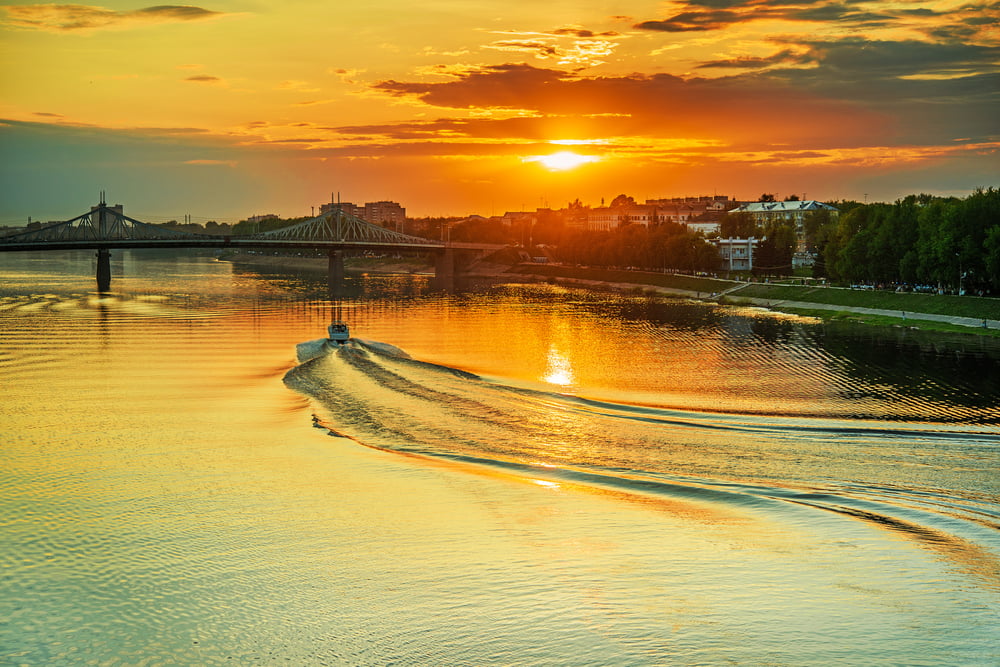
The Volga is the longest river in Europe at about 2,293 miles, and it functions as the economic backbone of Russia’s most populated region. About 40 percent of Russia’s entire industrial output comes from areas drained by or connected to the Volga.
The river has deep cultural roots in Russian identity, appearing in folk songs, literature, and paintings for centuries. It empties into the Caspian Sea rather than an ocean, which makes it part of a closed inland water system with no direct connection to the world’s major seas.
The Mekong Feeds Hundreds of Millions
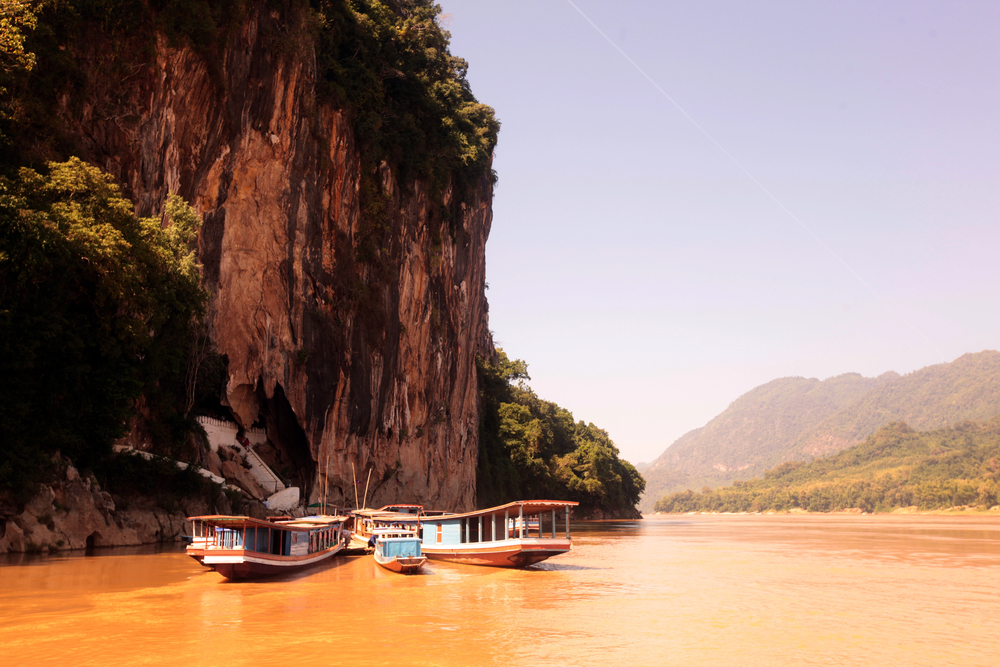
The Mekong River flows through six countries, from the Tibetan Plateau down through China, Myanmar, Laos, Thailand, Cambodia, and Vietnam before emptying into the South China Sea. It supports the largest inland fishery in the world, and the fish caught from the Mekong provide the primary protein source for about 60 million people.
The river’s annual flood cycle deposits nutrient-rich silt across Cambodia and Vietnam’s Mekong Delta, making it some of the most fertile farmland in all of Asia. Dams built upstream in China have started disrupting this flood cycle in ways that farmers and scientists are watching with growing concern.
The Rhine Shaped European History

The Rhine River was one of the most important natural borders in ancient history. The Roman Empire used it as a defensive boundary between Roman-controlled territory and the Germanic tribes to the north and east.
The river runs about 760 miles through Switzerland, Germany, France, and the Netherlands before reaching the North Sea. Today it is one of the busiest waterways in the world for commercial shipping, carrying chemicals, metals, and manufactured goods between some of Europe’s most industrialized cities.
The Tigris and Euphrates Built Civilization

Mesopotamia, the region between the Tigris and Euphrates rivers in modern-day Iraq, is widely considered the birthplace of organized human civilization. These two rivers created a strip of fertile land in an otherwise dry region, and people have been farming there for at least 10,000 years.
The world’s first known writing, laws, and cities all developed along these riverbanks. Both rivers originate in Turkey and flow southward through Syria and Iraq, though dam construction in Turkey has significantly reduced the water volume reaching Iraq over recent decades.
Water From the Zambezi Crashes Down More Than Any Other Fall on Earth
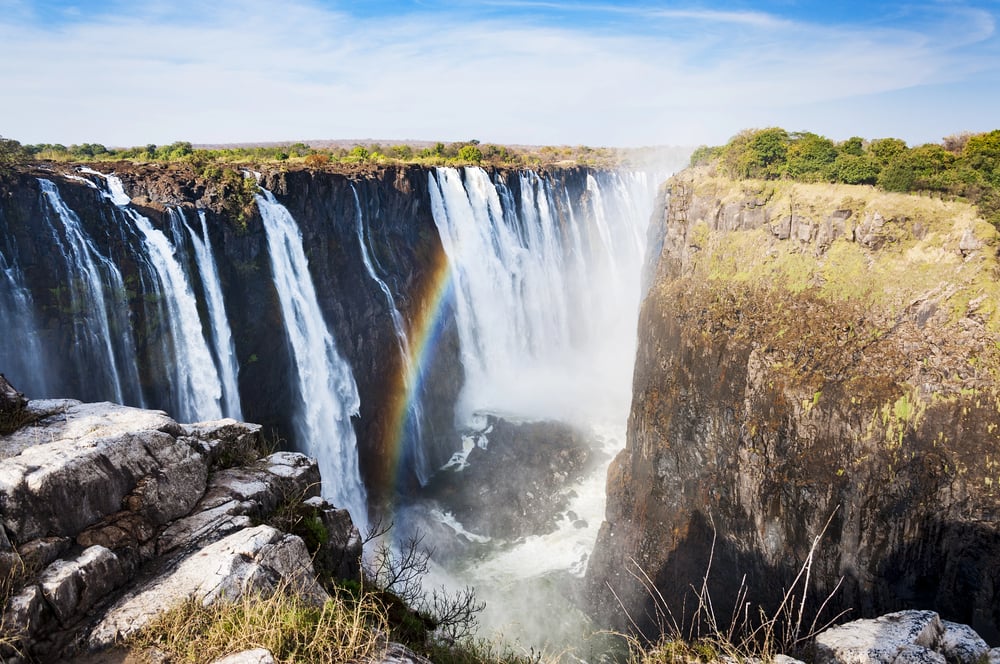
Down south in Africa, the Zambezi flows hard before hurling itself over a cliff – some 355 feet straight down in one wild sheet. Spreading wider than any other cascade on Earth, Victoria Falls covers more ground than most can imagine, spilling across an expanse beyond a full mile.
To the Tonga folk who lived nearby, it bore a name: ‘Mosi-oa-Tunya’ – meaning something like thunder made of mist, thick vapor roaring into the sky. That cloud from the plunge rises so high it shows up on horizons far off, like a signal from nature itself.
This river runs roughly 1,600 miles, weaving through six nations as it goes, feeding wetlands, forests, animals, all kinds of life along its edges. Power lines hum thanks to the flow slowed at Kariba Dam, sending electricity through Zambia and Zimbabwe alike.
The Danube Crosses More Countries Than Any Other River
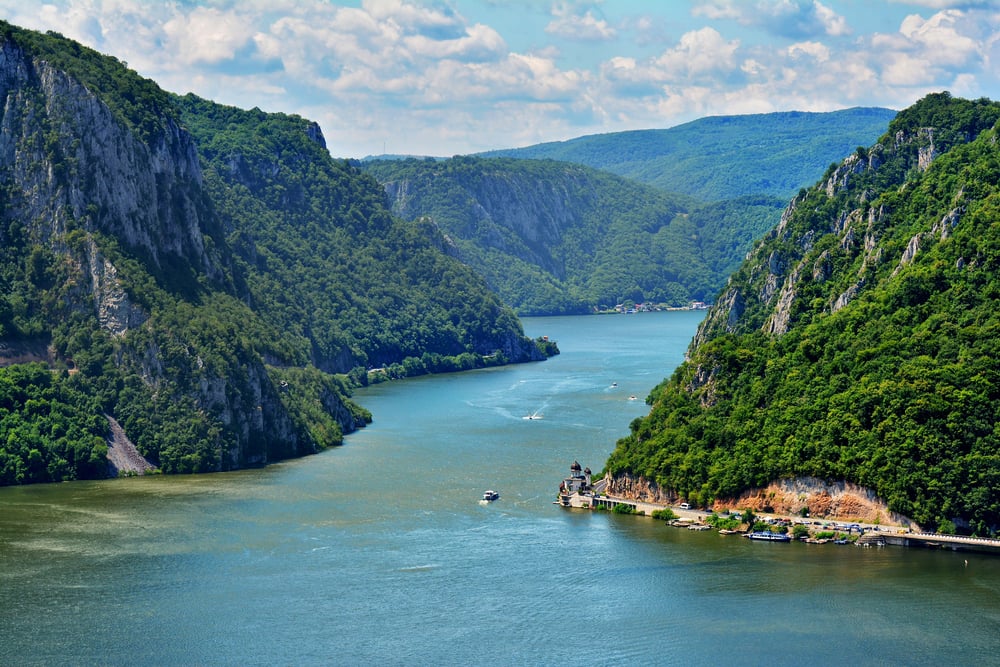
From Germany’s Black Forest down to the Black Sea stretches the Danube, covering about 1,771 miles while touching ten nations – more than any other river manages. Because it threads through so many lands, it long served as a path where people traded, moved, and shared ways of life across Europe.
Empires such as Rome, the Ottomans, the Habsburgs, even later powers like the Soviets once sought control over its waters at different turns in time. Now, places including Vienna, Budapest, and Belgrade stay linked by its flow, still carrying shipments between eastern and western parts of the continent today.
The Yukon Flows Freely Across Northern North America

Winding across nearly two thousand miles through Alaska and parts of Canada, the Yukon flows wild – untamed by cities or dams. Back during the gold rush near the century’s turn, people came in droves, chasing fortune along its icy currents.
Instead of bridges or highways, silence lines much of its banks – just trees, water, and sky. Each summer brings waves of salmon pushing upstream, returning like clockwork to feed families who’ve lived here since long before maps existed.
Towns appear now and then, tiny dots against vast land, yet most of the journey stays empty. Not broken. Just quiet.
The Yellow River Shaped Northern China Through Centuries of Flooding
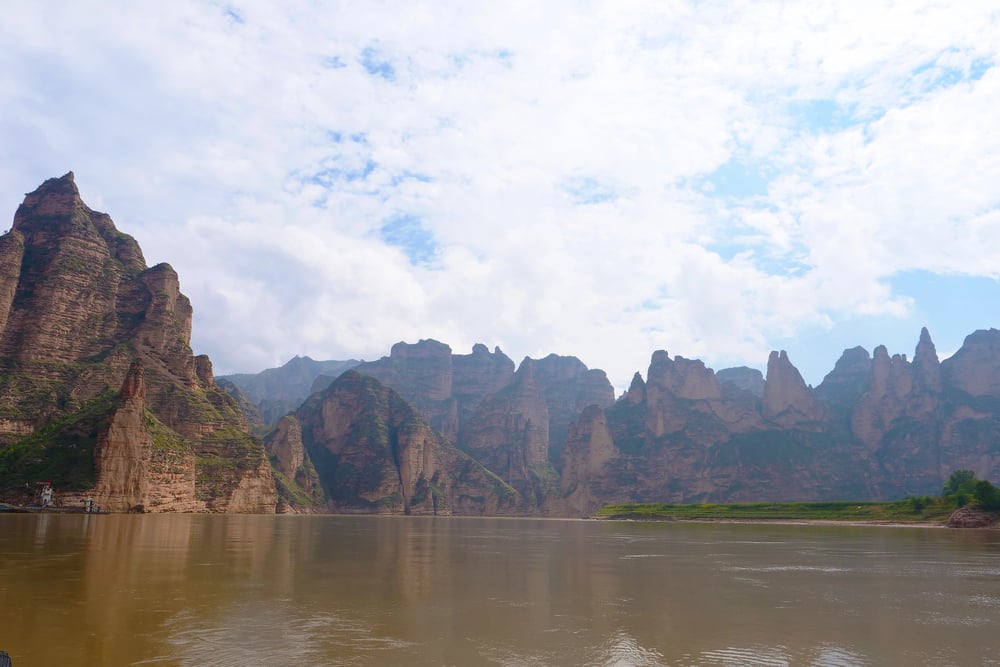
The dusty load coloring China’s Yellow River comes from erosion across the Loess Plateau, giving it the name Huang He. Fertility followed in the wake of that sediment, feeding early settlements sprouting beside the water four millennia back.
Tragedy shaped its story too – waves bursting beyond banks drowned countless lives during past centuries. Though dams and barriers now hold much of the surge at bay, fresh troubles linger downstream.
Thirst stretches supply thin while filth seeps into what remains, pressing hard on those who rely on its flow.
Even Today, Rivers Hold Just As Much Importance As They Always Have
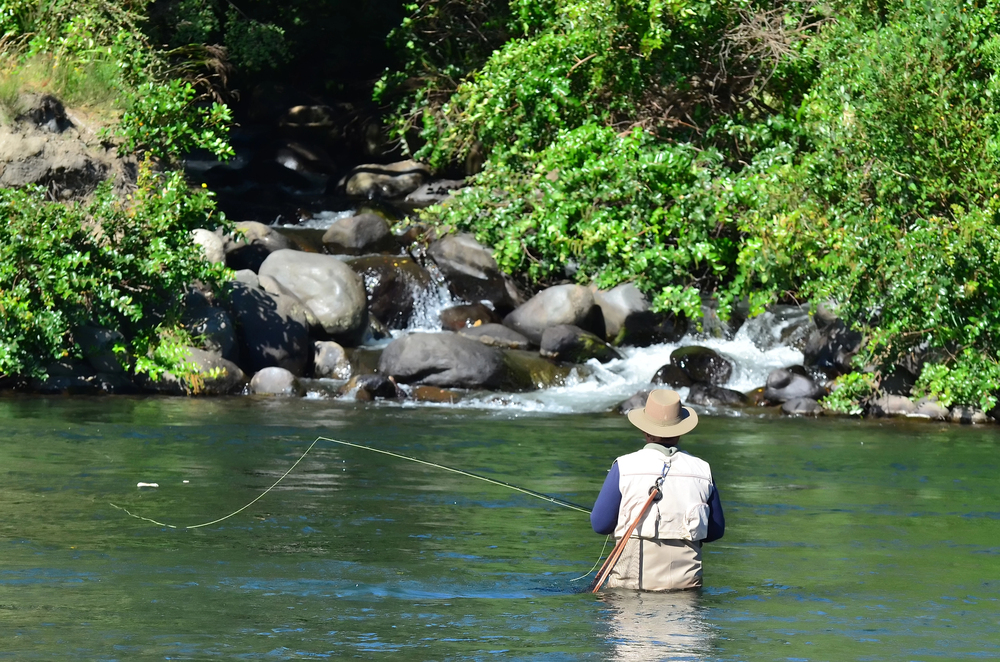
Rivers here didn’t only carve land. Through them, power rose – cities grew, hunger vanished, battles ignited, faith found voice.
Today each great stream whispers what we’ve done: blocked flows, filled waters with waste, pulled rivers off course in ways past generations could never picture. Guarding these currents isn’t some soft dream. It makes sense – the wet veins feeding first villages now pulse under modern life, serving countless lives at this very moment.
More from Go2Tutors!

- The Romanov Crown Jewels and Their Tragic Fate
- 13 Historical Mysteries That Science Still Can’t Solve
- Famous Hoaxes That Fooled the World for Years
- 15 Child Stars with Tragic Adult Lives
- 16 Famous Jewelry Pieces in History
Like Go2Tutors’s content? Follow us on MSN.



