Dance Moves Everyone Did in the 90s
Remember when everyone at school dances, family weddings, and backyard parties knew exactly what to do when certain songs came on? The 90s created a shared language of movement that crossed age groups and social circles. You didn’t need dance lessons or natural rhythm—you just needed to be there when these moves caught fire.
The Macarena
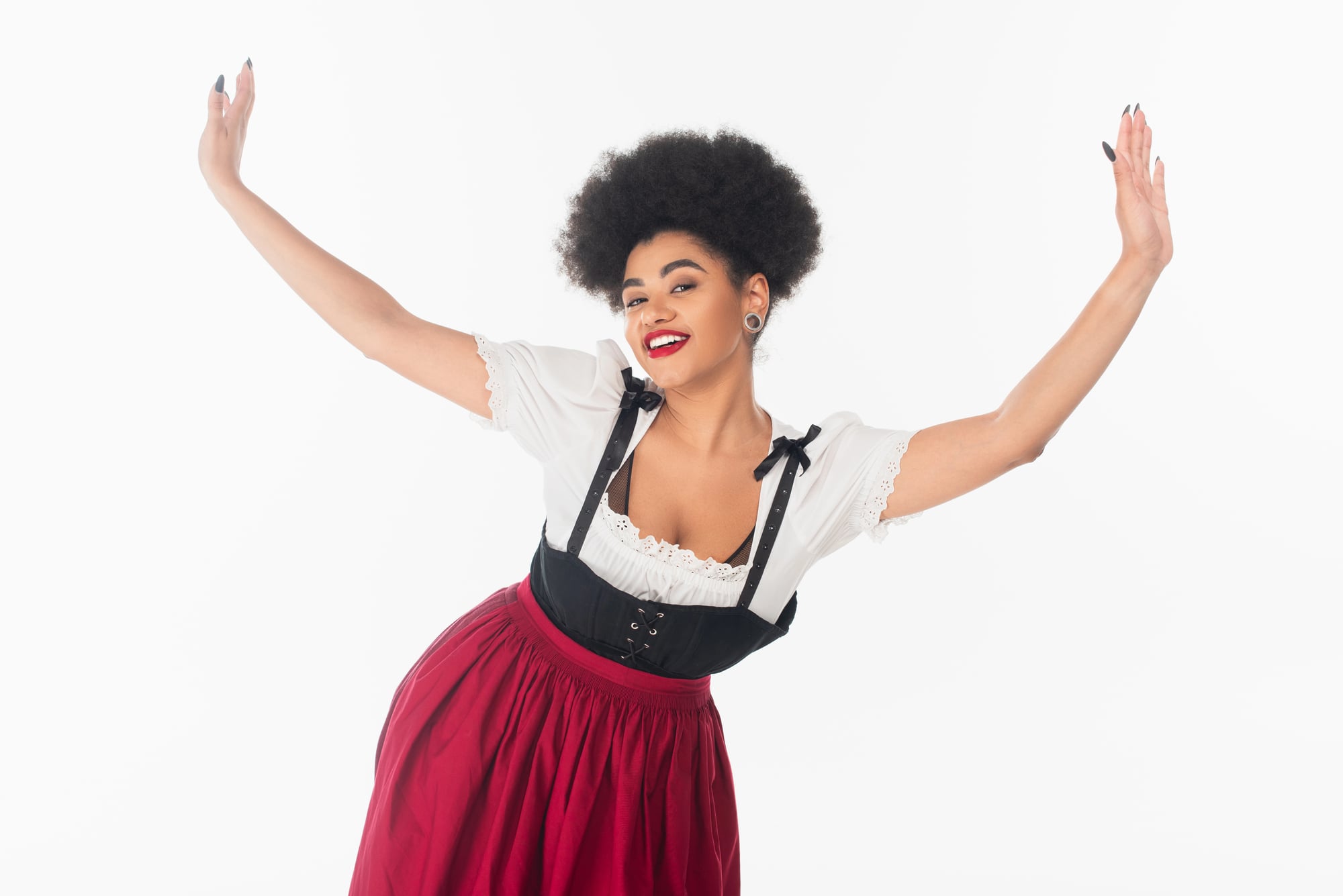
This Spanish export dominated 1996 like nothing else. You put your hands out, flip them over, touch your shoulders, grab your head, shimmy your hips, and turn a quarter.
The beauty was in its simplicity. Everyone from your grandmother to your annoying cousin could follow along.
Wedding DJs built entire careers on timing this song perfectly. The dance floor would empty, then suddenly pack when those opening notes hit.
Even people who swore they didn’t dance would find themselves in formation, performing the same sequence they’d done a hundred times before.
The Running Man

This move looked smooth when done right and completely ridiculous when done wrong. You’d slide one foot back while lifting the other knee, then switch—creating the illusion of running in place.
MC Hammer popularized it, but kids everywhere made it their own. The Running Man worked anywhere.
School hallways between classes. Living rooms during commercial breaks.
That awkward moment at a party when you needed to look busy. Some people added arm movements. Others kept it simple.
Either way, you were part of the club.
The Sprinkler
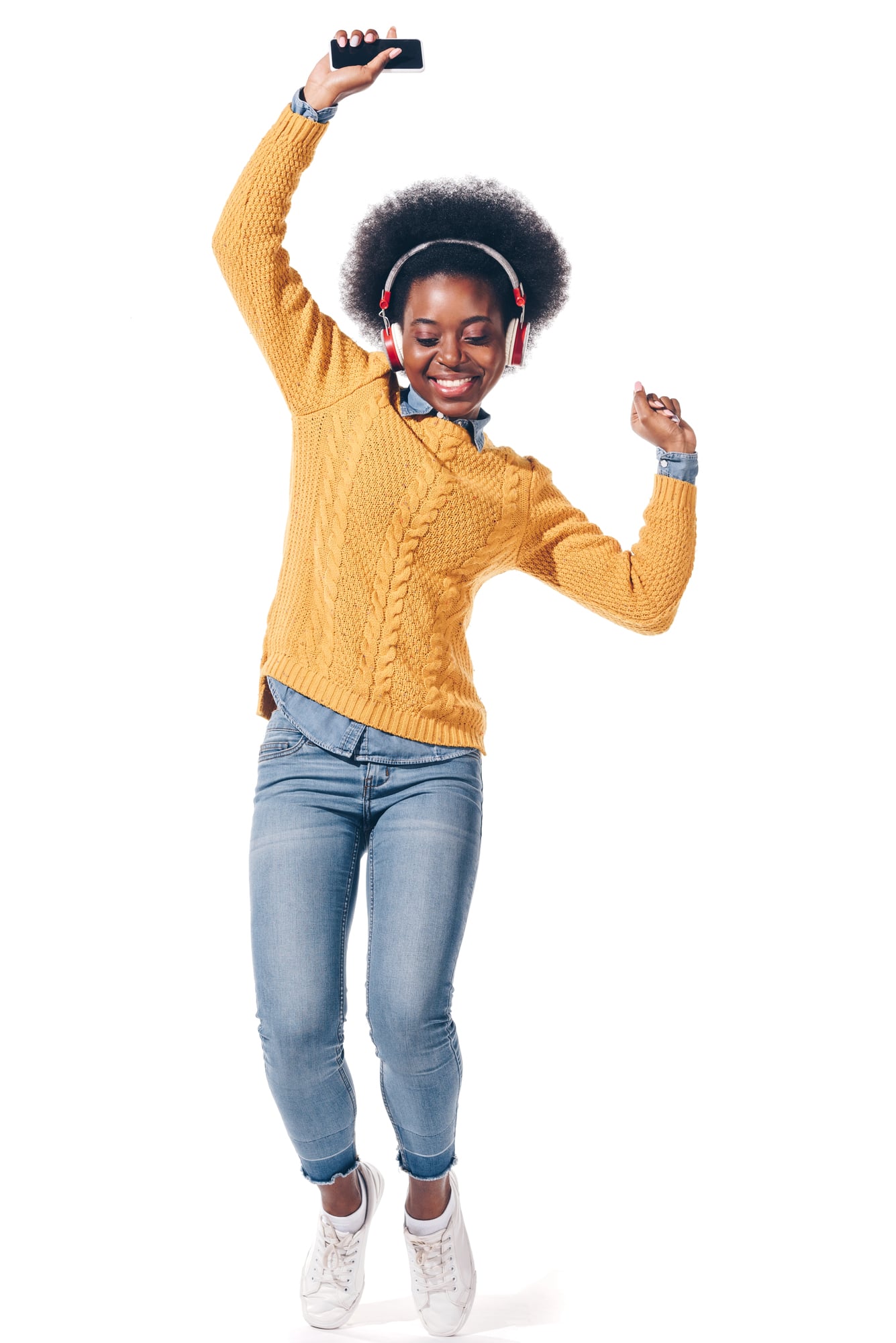
Pure comedy disguised as dance. You’d bend one arm like a sprinkler head and jerk it side to side while rotating your body.
The goal wasn’t to look good—it was to commit fully to the absurdity. This move thrived at bar mitzvahs and middle school dances where self-awareness went to die.
The best performers added sound effects or pretended to water specific people in the crowd. Style points mattered less than enthusiasm.
The Roger Rabbit
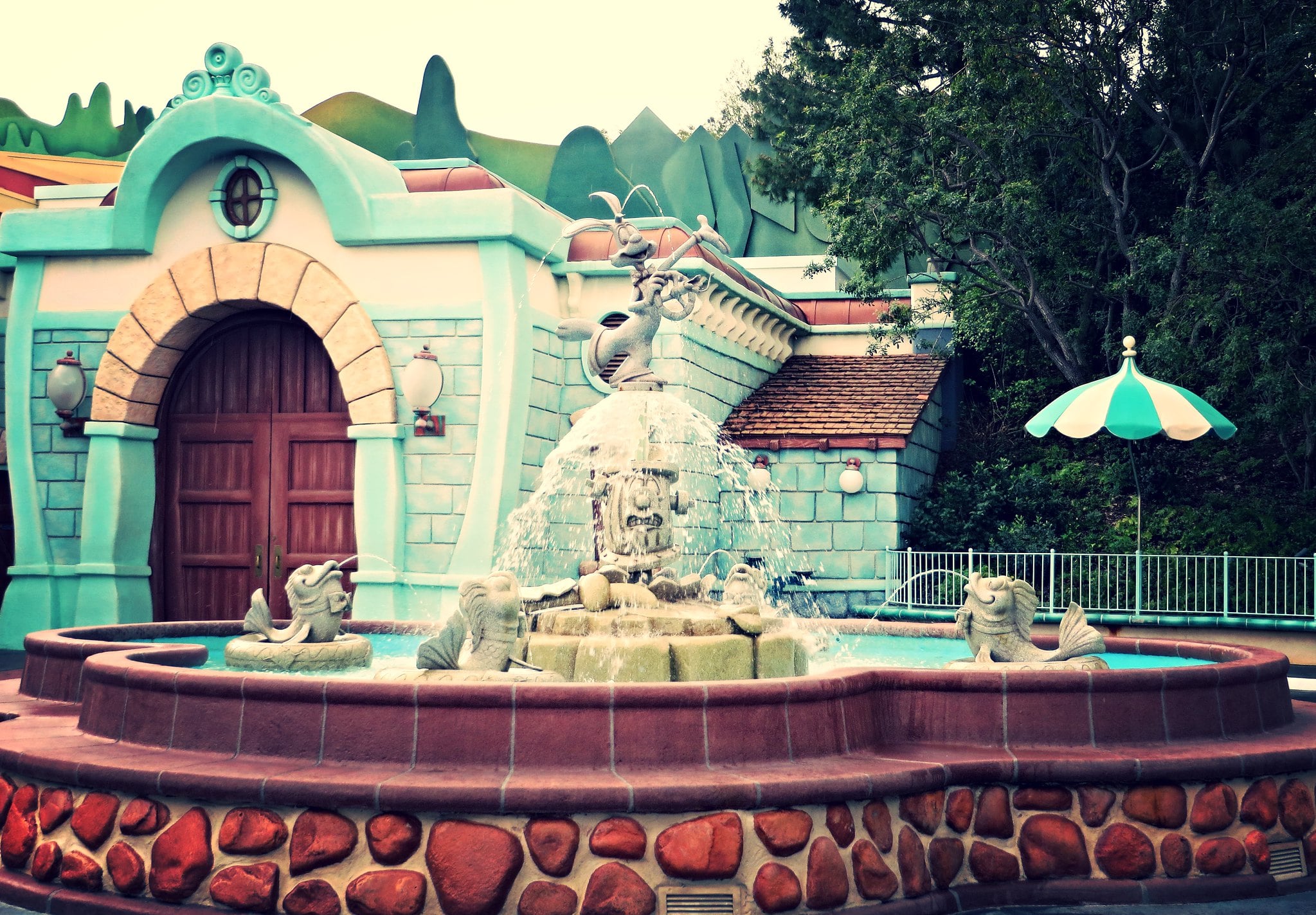
Named after the cartoon character, this move combined a hopping motion with arm swings. You’d hop on one leg while swinging the opposite arm forward, creating a bouncy, exaggerated stride.
It took coordination but looked effortless once you got it. The Roger Rabbit showed up in music videos constantly.
Kids would practice in their bedrooms, watching themselves in mirrors, trying to match that loose, animated quality. When you finally nailed it, you felt legitimate.
The Cabbage Patch
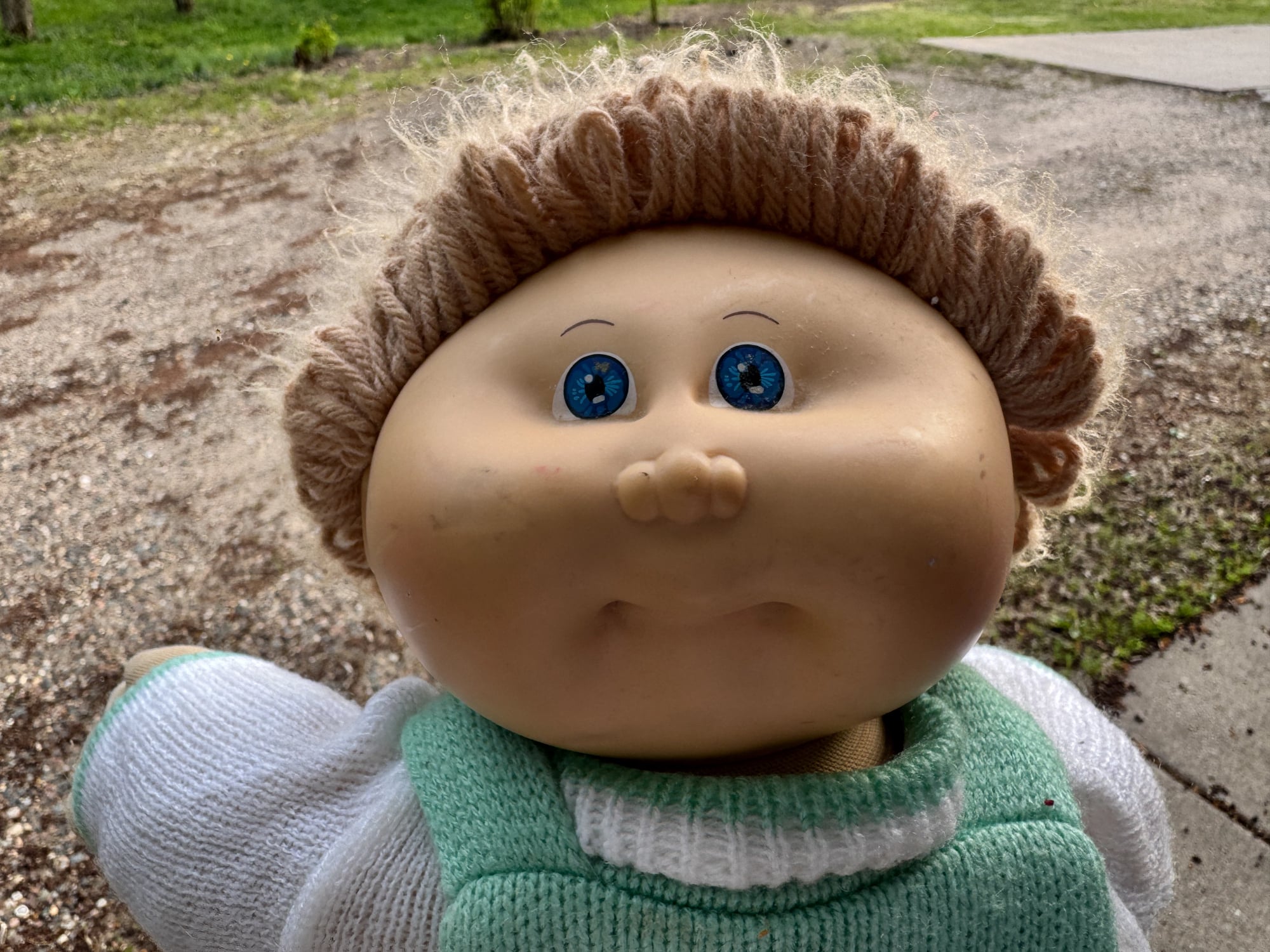
You made fists and rolled them around each other in front of your body, like stirring a giant invisible pot. Meanwhile, your knees bent in rhythm.
Simple movements, but something about the combination just worked. This one started in the 80s but owned the early 90s.
You’d see it at roller rinks, in music videos, and anywhere kids gathered. The name came from the popular dolls, though the connection was loose at best.
Nobody questioned it.
The Tootsie Roll
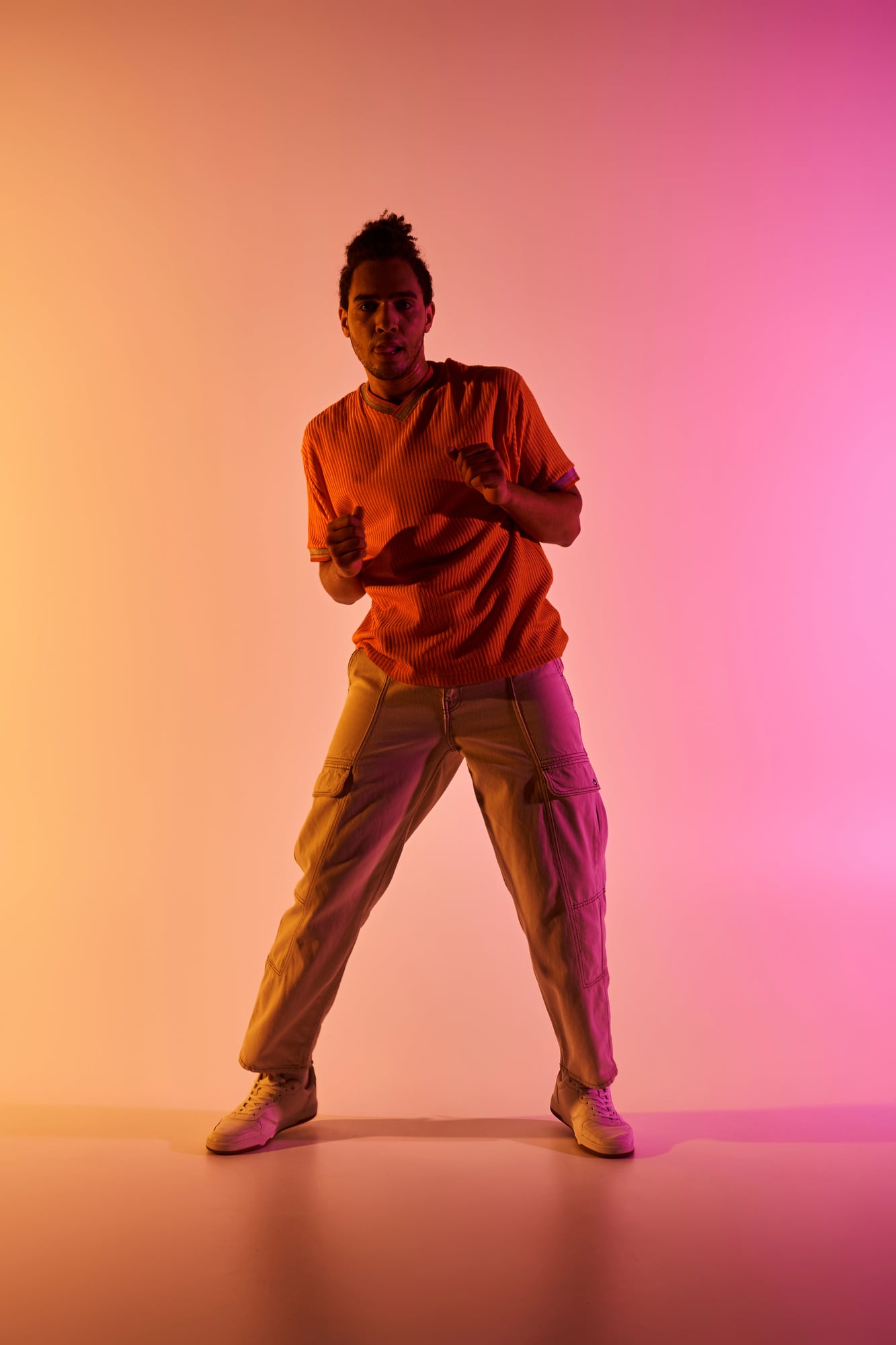
The song and the dance arrived as a package deal. “To the left, to the left, to the right, to the right, now kick, now kick, now walk it by yourself.”
Clear instructions set to a beat that everyone could follow. Groups would form lines and move in unison, following the song’s directions exactly.
It turned dancing into a group activity where individual skill mattered less than staying in sync with your friends. The joy came from doing it together.
Voguing
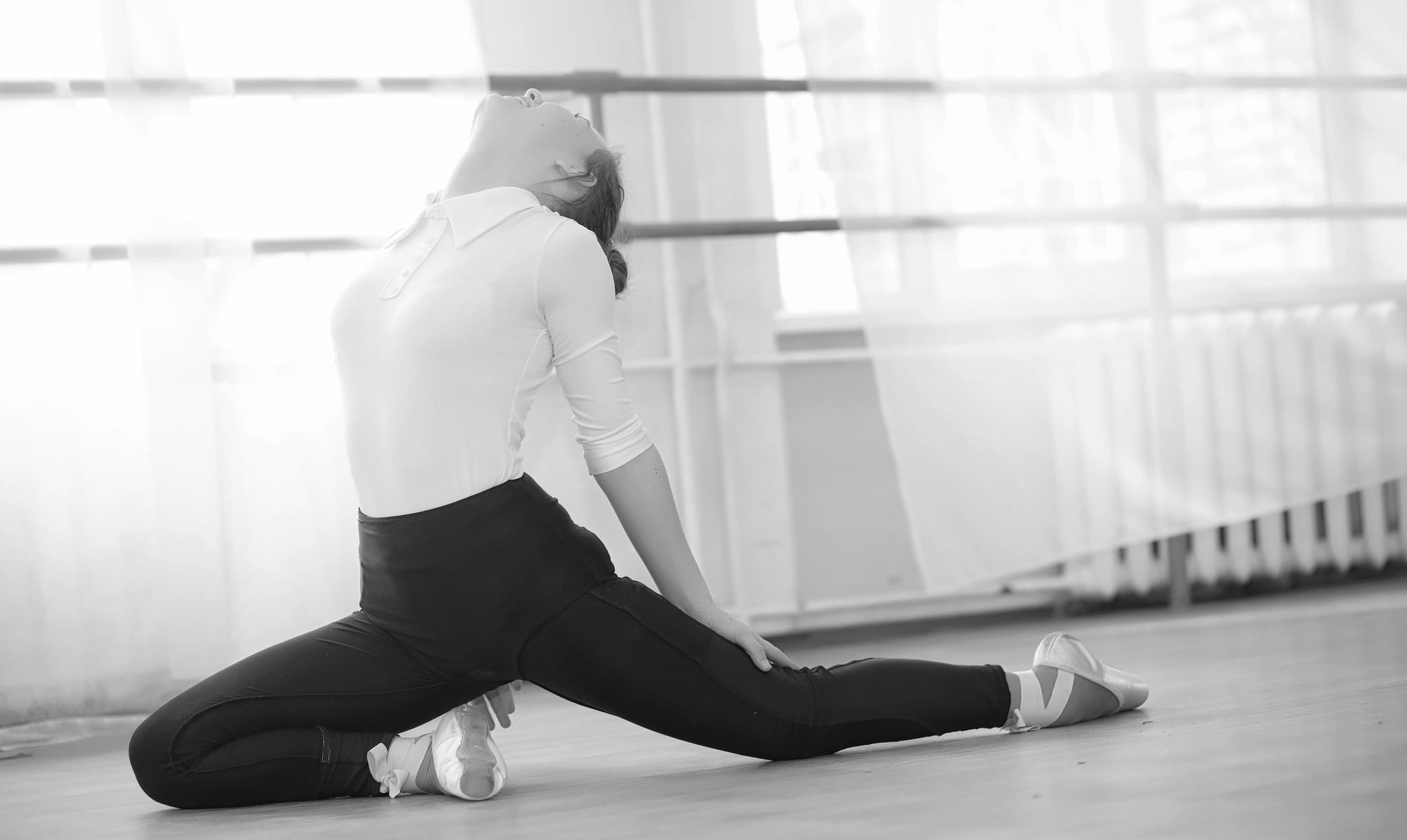
Madonna brought this underground ballroom culture into mainstream consciousness. Sharp, angular arm movements.
Dramatic poses. Fashion runway attitude channeled into dance.
The sophistication set it apart from other 90s moves. But soon, suburban kids at house parties were throwing model poses and cutting geometric shapes with their hands.
They probably didn’t know the deep cultural roots or the ballroom competitions where voguing originated. They just knew it looked fierce and felt powerful.
The Butterfly
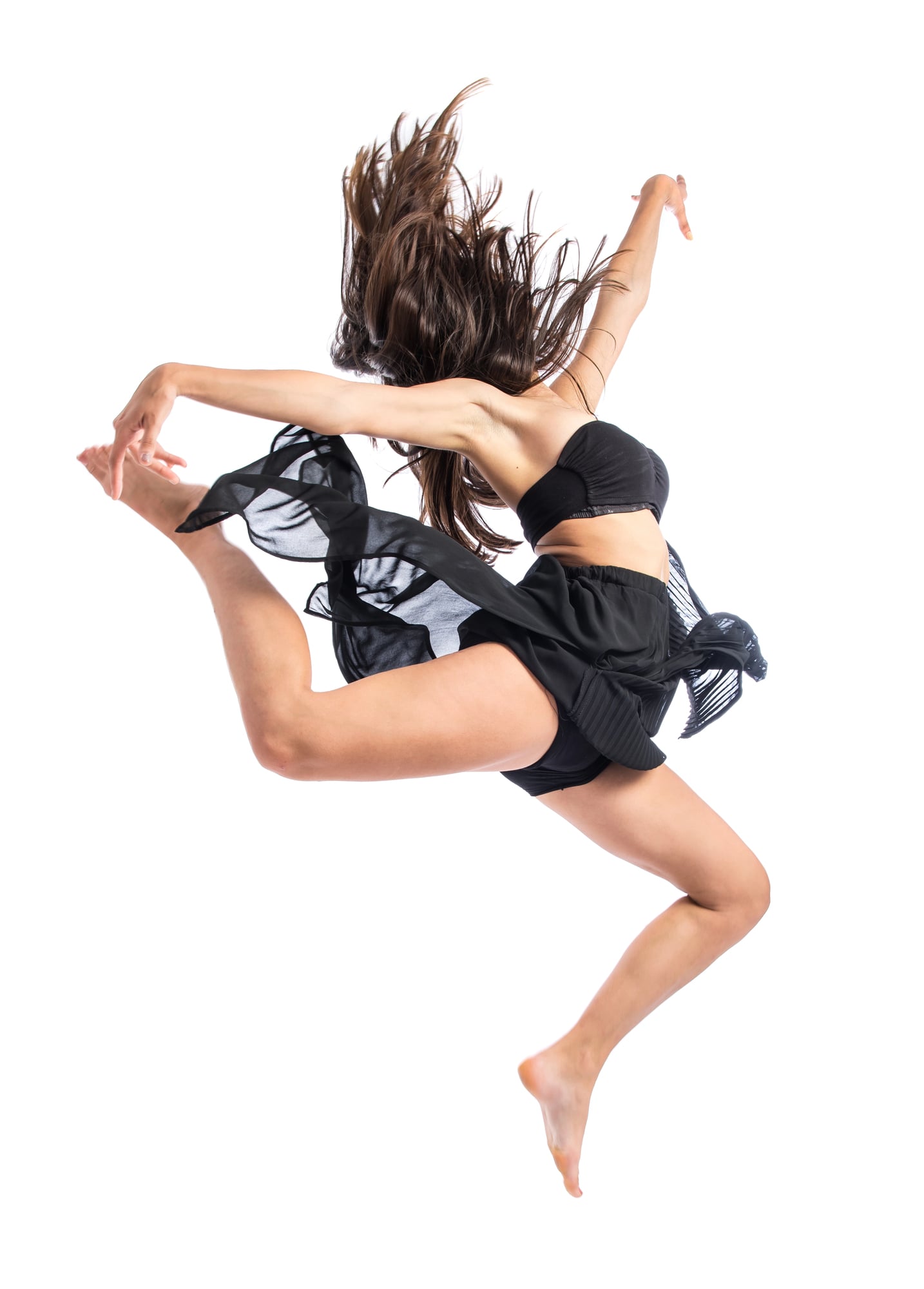
Your arms became wings, flapping up and down while your body bounced to the rhythm. Some people added spins.
Others stayed in place. The move worked solo or in groups, and it appeared in countless hip-hop videos throughout the decade.
The Butterfly had staying power because you could adjust the intensity. Feeling energetic? Flap bigger and bounce harder.
Just vibing? Keep it subtle. The flexibility meant it fit almost any situation or energy level.
The Worm
This floor move separated the committed from the casual. You’d lie face down, then create a wave motion through your body from chest to feet.
Done right, it looked fluid and impressive. Done wrong, it looked like flopping around on the ground.
Middle school boys especially loved attempting the worm at school dances. Success rates varied wildly.
But the few who could pull it off earned instant respect. Carpet burns were considered badges of honor.
The Carlton
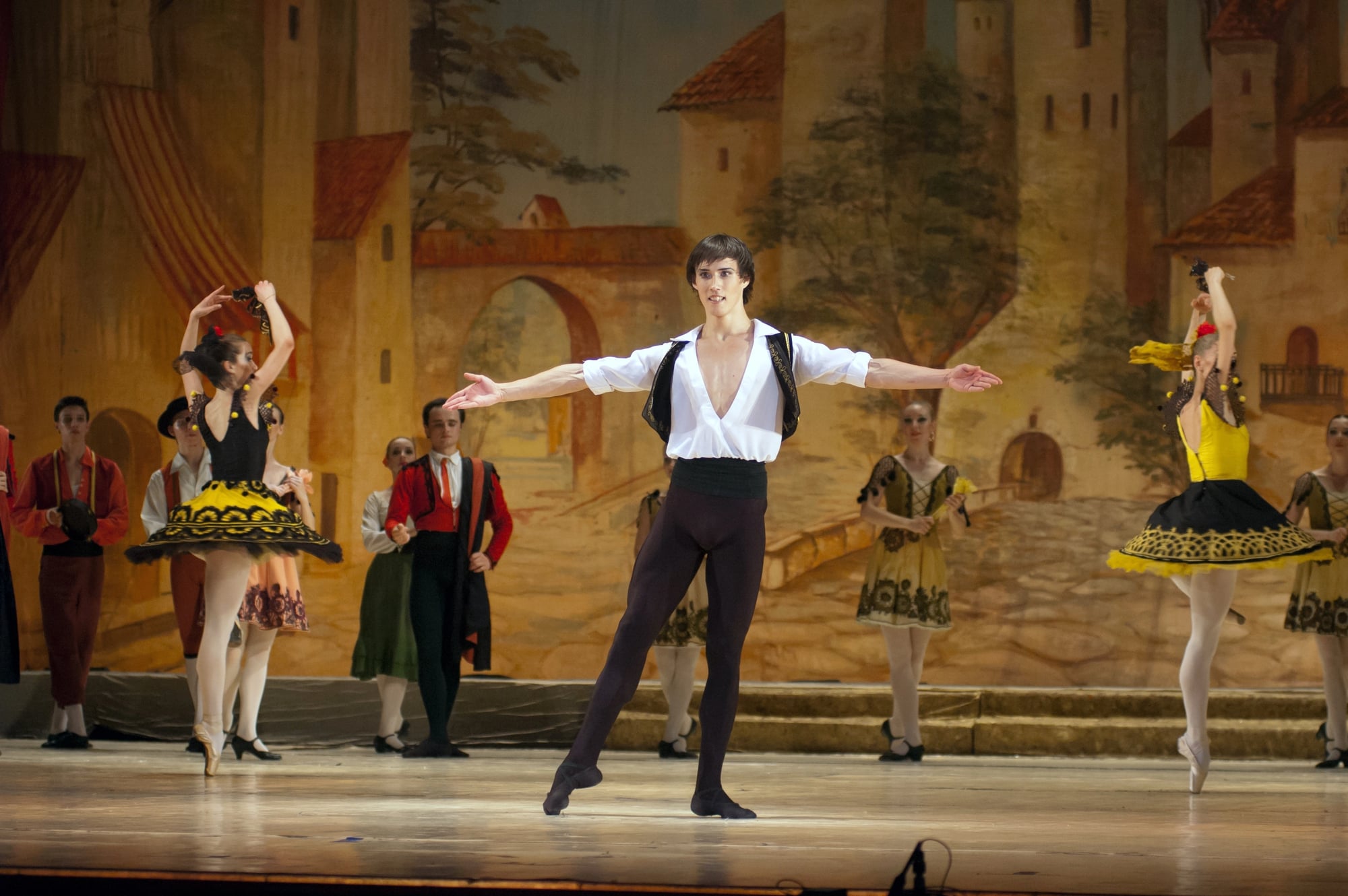
Will Smith’s dorky cousin on “The Fresh Prince of Bel-Air” created an accidental icon. The move was deliberately uncool—stiff arms, snapping fingers, awkward hip movements.
That was the entire point. People performed the Carlton ironically at first, then discovered it was actually fun.
The dance became shorthand for “I don’t care what you think.” Embracing the awkwardness was its own form of rebellion against trying too hard to be cool.
The Electric Slide
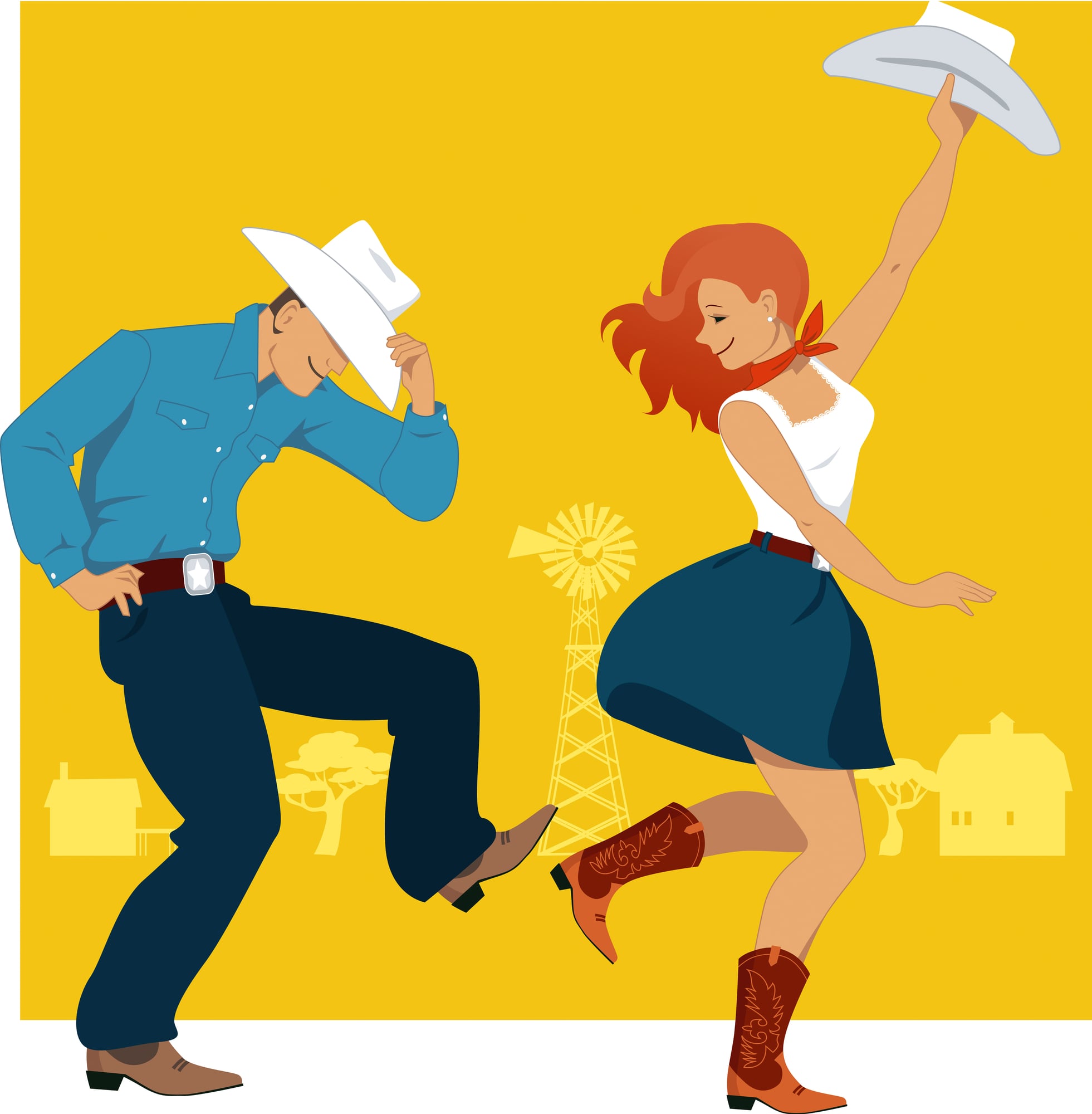
Line dancing crossed into mainstream parties through this structured, easy-to-follow sequence. Step to the right, step to the left, walk it back, and turn.
Everyone moved together, creating satisfying visual synchronization. The Electric Slide worked because it welcomed everyone.
You don’t need to be good at freestyle dancing. Just follow the person in front of you.
Wedding receptions, family reunions, and corporate parties all relied on this move to get people participating.
Hammer Time
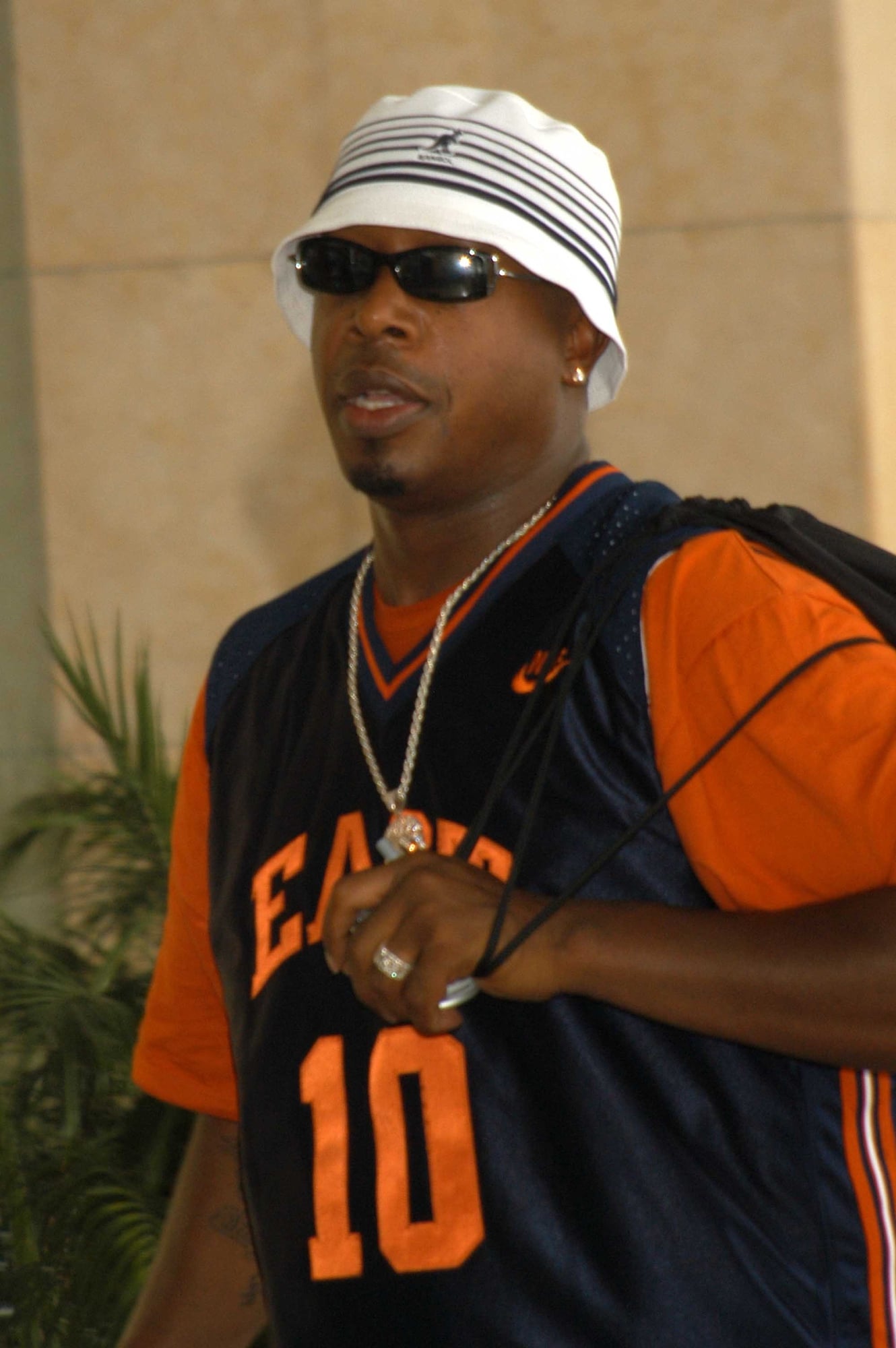
MC Hammer’s signature moves became household staples. Those wide-legged pants made the shuffling footwork look extra dramatic.
When someone yelled “Hammer Time,” everyone knew to freeze, then break into exaggerated sliding and shuffling.
The pants were optional, but the attitude wasn’t. You had to commit to the big movements and the confident energy.
Kids would use “Hammer Time” as a command during games, and everyone would drop into the stance automatically.
The Moonwalk
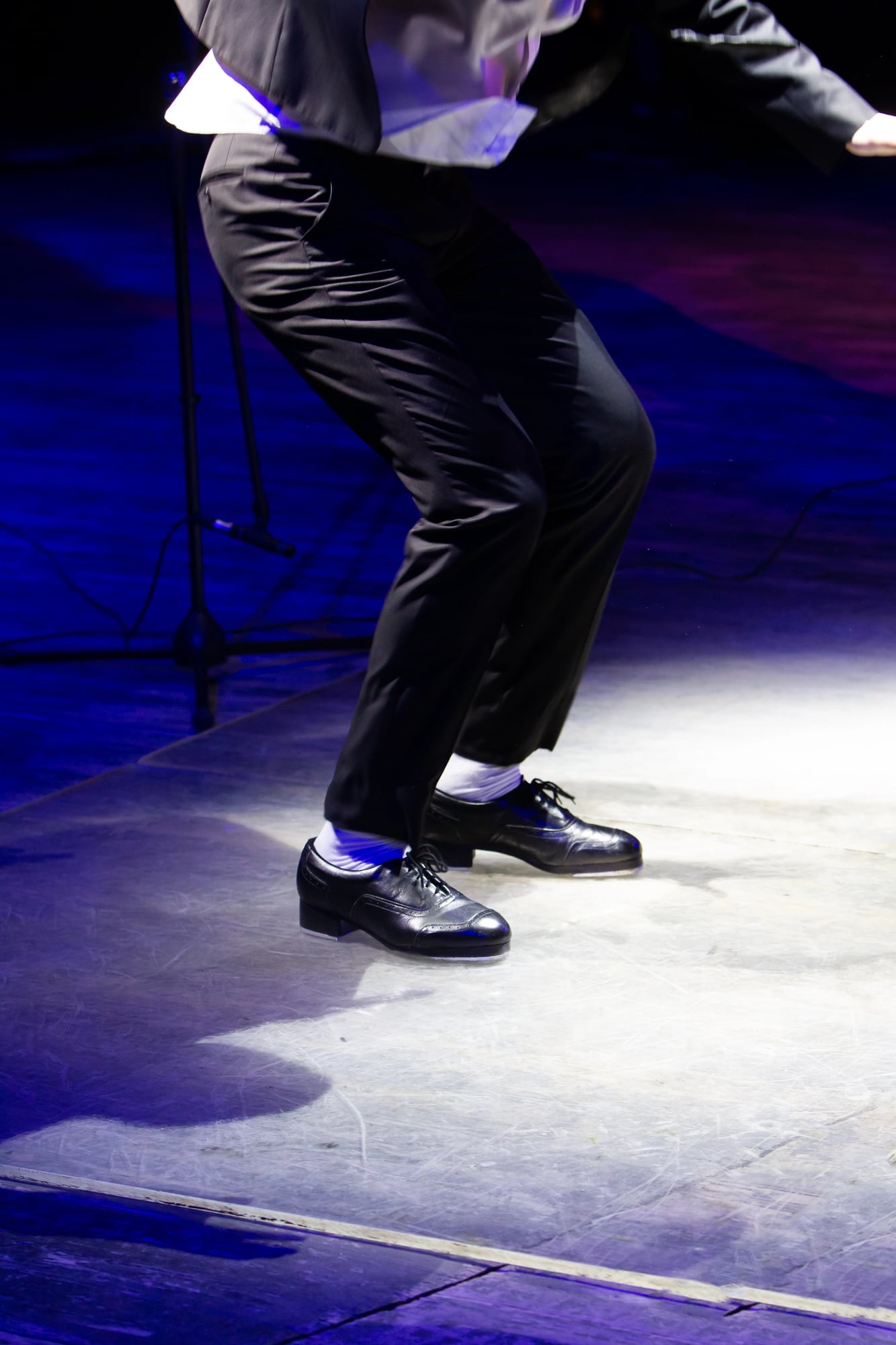
Michael Jackson perfected this in the 80s, but the 90s kept it alive. Walking backward while appearing to move forward created an illusion that mesmerized people.
It looked simple but required serious practice to execute smoothly. School talent shows featured countless moonwalk attempts.
Most ended in awkward shuffling that vaguely resembled the real thing. But every once in a while, someone would glide across the stage and blow everyone’s mind.
Those moments felt like magic.
The Bus Driver

Out of nowhere, your hands clutched thin air like a driver lost in traffic. Back and forth they twisted, mimicking sharp lanes only you could see.
Side steps followed, uneven but steady, carving paths across the floor. Leaning came next – body tilting as if rounding a curve too fast.
A finger would jab at silence, playing horn sound effects without noise. What made it stick wasn’t skill – it was how absurd it looked.
This step appeared once dance floors turned tense and laughter was due. It popped out late at night, when energy dipped yet quitting felt wrong.
The Bus Driver shrugged, “Joy matters more than precision.”
Where The Music Took Us
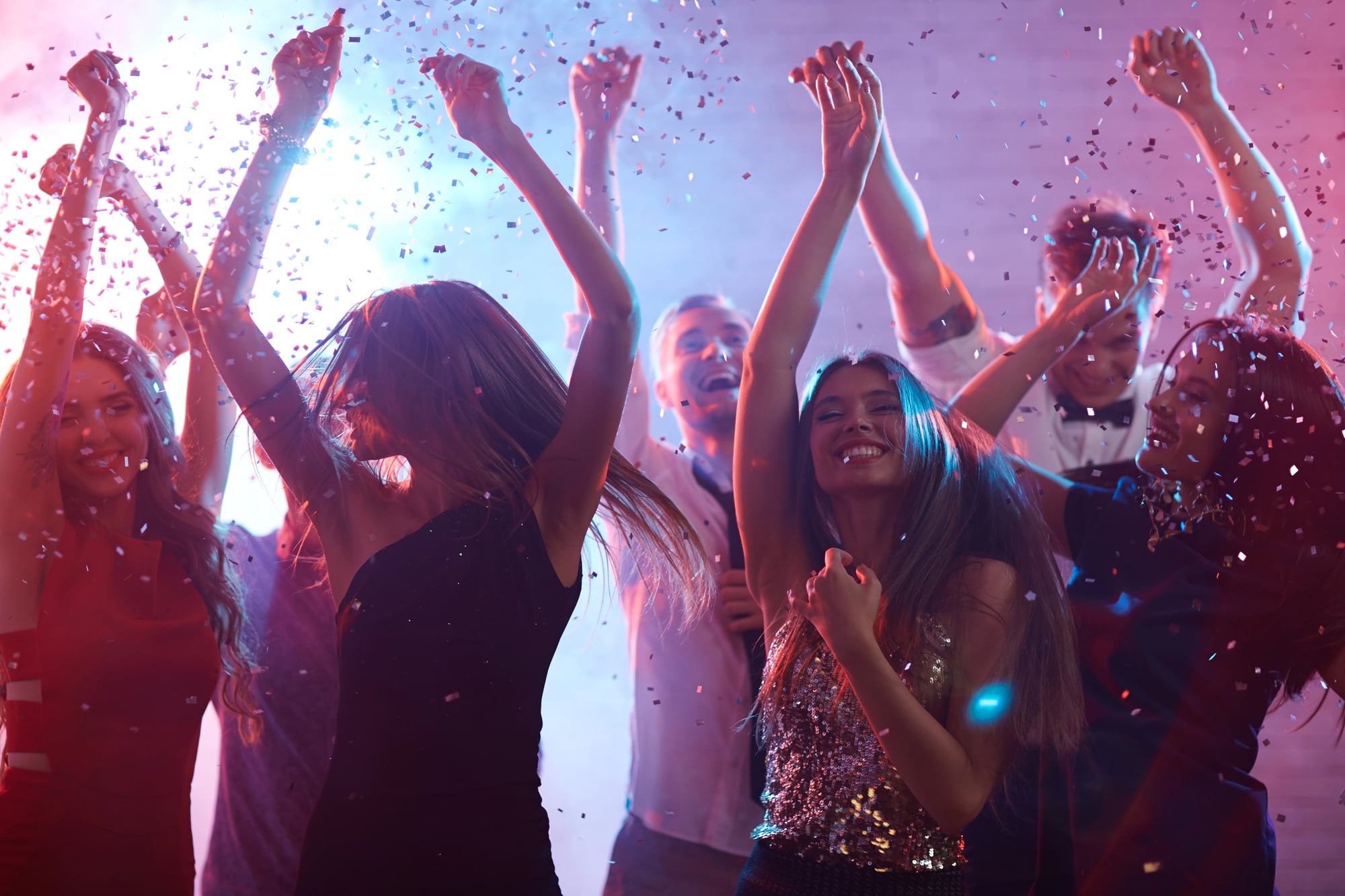
Not every step was about skill. These gestures meant belonging, a badge worn by whole crowds at once.
Rhythm did not matter. Training never entered the picture.
All that counted was showing up, risking awkwardness in unison, laughing while swaying to one shared pulse. The real reward sat in stepping together, offbeat but aligned.
Back in the 90s, people found joy just by moving at the same time, even if steps were off. Turns out, that idea hasn’t faded one bit.
More from Go2Tutors!

- The Romanov Crown Jewels and Their Tragic Fate
- 13 Historical Mysteries That Science Still Can’t Solve
- Famous Hoaxes That Fooled the World for Years
- 15 Child Stars with Tragic Adult Lives
- 16 Famous Jewelry Pieces in History
Like Go2Tutors’s content? Follow us on MSN.



