Dark Backstories of Beloved Fairy Tales
Growing up, fairy tales felt like perfect little packages of wonder and magic. A princess gets rescued, true love conquers all, and everyone lives happily ever after.
But dig beneath the surface of these cherished stories, and you’ll find something much darker lurking in their original forms. The Disney versions we know today are sanitized versions of tales that once contained brutal violence, disturbing themes, and endings that would give modern children nightmares.
The Brothers Grimm didn’t call their collection “Grimm” for nothing, and the original folk tales that inspired our favorite animated movies were often warnings disguised as entertainment. These stories emerged from harsh medieval realities where death was common, justice was swift, and moral lessons came with a heavy price.
Cinderella
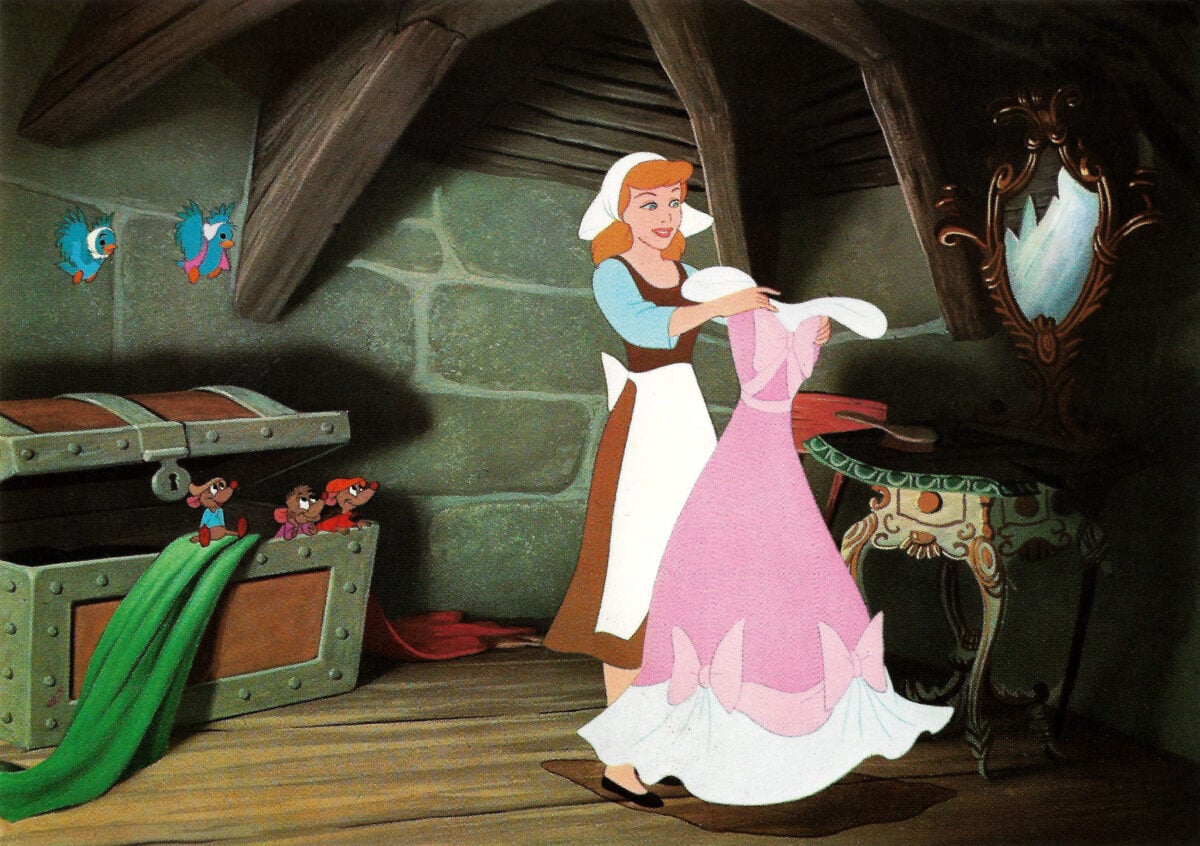
The glass slipper wasn’t the only thing that got shattered in the original tale. The stepsisters didn’t just struggle to fit their feet into Cinderella’s shoe—they mutilated themselves trying.
In the Brothers Grimm version, the first stepsister cuts off her toes to squeeze into the slipper. Blood fills the shoe, but she manages to fool the prince temporarily.
When he discovers the deception (thanks to helpful birds pointing out the blood), the second stepsister tries her luck by slicing off her heel. More blood, another failed attempt.
And the story doesn’t end with Cinderella’s wedding. During the ceremony, birds peck out both stepsisters’ eyes as punishment for their cruelty.
They spend the rest of their lives blind, which the original storytellers considered appropriate justice for their vanity and wickedness.
Little Red Riding Hood
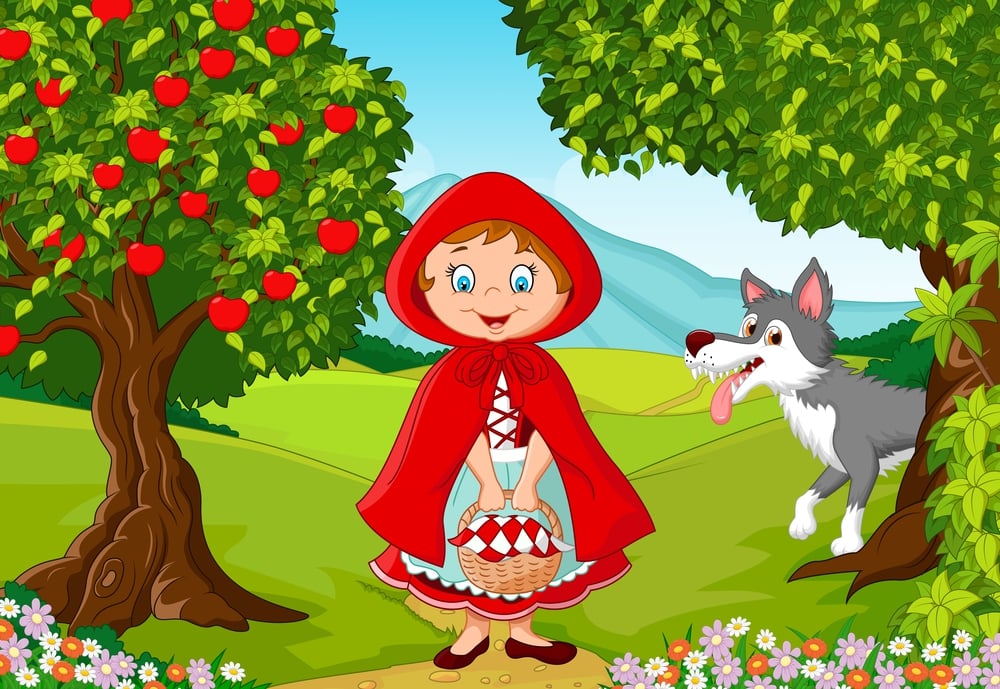
The wolf didn’t just threaten to eat Little Red Riding Hood—in some versions, he succeeded completely (though this seems almost merciful considering what happened in certain older variants, where the story took an even more disturbing turn that involved the wolf tricking the girl into consuming her grandmother’s remains).
But even the versions where Red gets rescued contain a level of violence that would shock modern readers. The huntsman doesn’t simply chase the wolf away—he cuts open the animal’s belly while it’s still alive, pulls out Red and her grandmother, then fills the wolf’s stomach with stones and sews it back up.
The wolf wakes up, tries to run, and dies from the weight.
Some earlier French versions contain implications that the “wolf” represented something far more sinister than a wild animal. These weren’t stories about forest safety—they were warnings about predators of an entirely different nature.
Sleeping Beauty
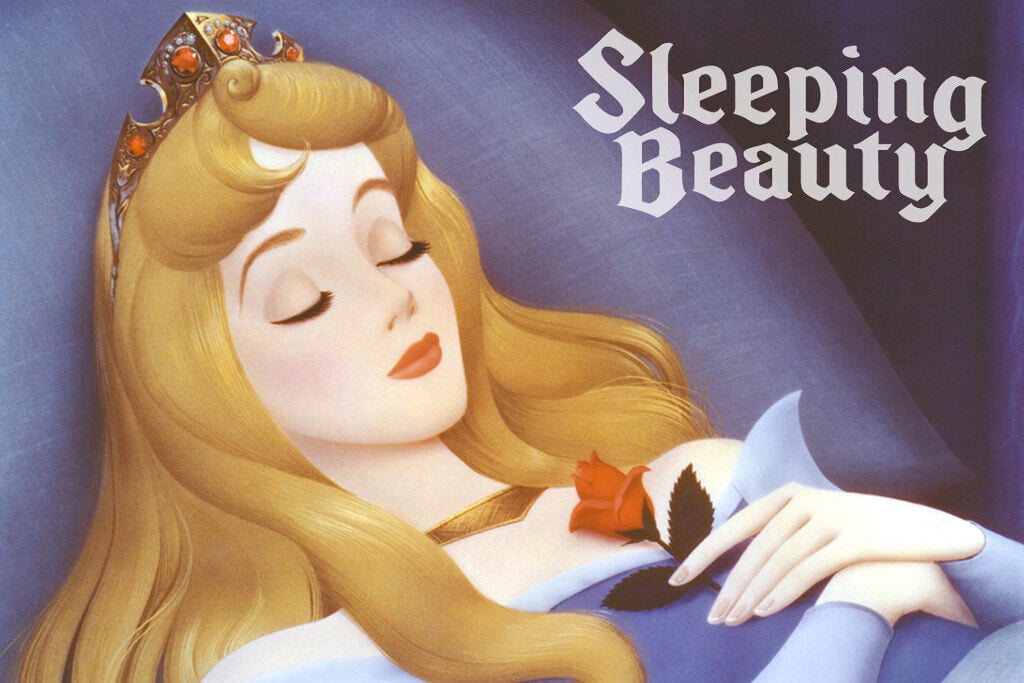
A kiss wasn’t what woke Sleeping Beauty in the original tale. The prince who found her didn’t see a curse to break—he saw an opportunity.
In earlier versions of the story, the unconscious princess gives birth to twins while still asleep. One of the babies sucks the spindle’s poison from her finger, finally waking her.
She comes to consciousness alone in a tower with two infants and no memory of how they came to be there.
The prince, now a king, eventually returns (having apparently forgotten about his unconscious victim for years). When his wife discovers his other family, she orders the cook to kill the children and serve them to her husband for dinner.
The cook secretly substitutes lamb, but the wife’s plan was genuine infanticide served as the main course.
Hansel and Gretel
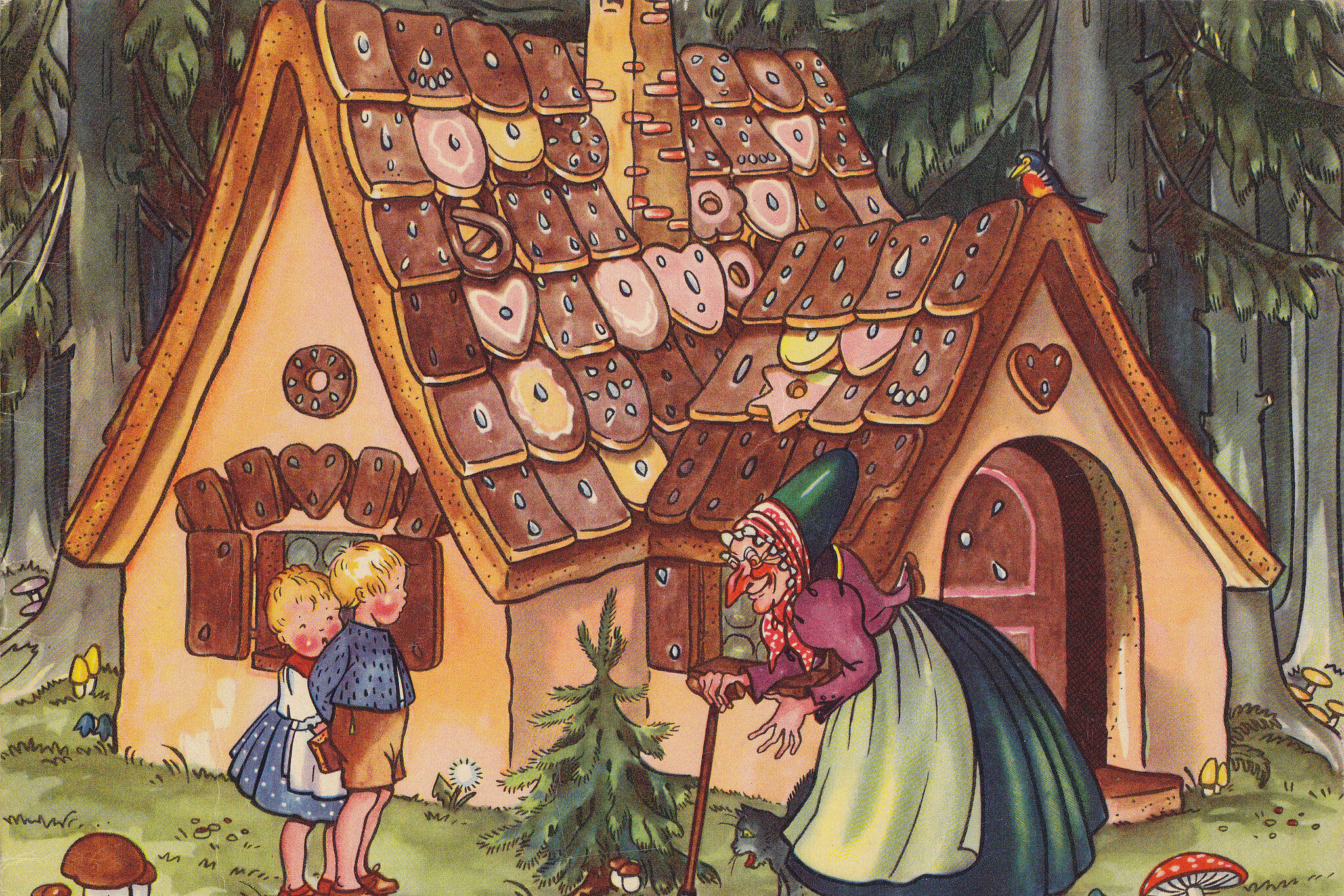
The witch’s oven was just the final horror in a story that begins with attempted child murder. The stepmother doesn’t reluctantly abandon her children in the woods due to poverty—in the Grimm version, she actively pushes for them to be abandoned so she and her husband can survive the famine.
After the children push the witch into her own oven (burning her alive), they discover her house filled with pearls and precious stones. But their return home isn’t a joyful reunion.
They find their father alone—their mother/stepmother has died, though the story doesn’t specify whether this death was natural or the result of the father’s guilt-driven violence.
The tale reflects medieval realities where parents sometimes did abandon or kill their children during famines. The gingerbread house wasn’t whimsical fantasy—it represented the kind of trap desperate, starving children might actually fall for.
Snow White
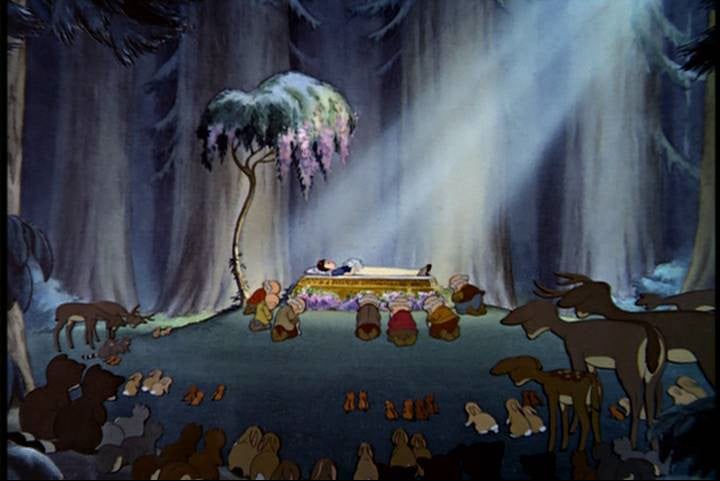
Seven dwarfs weren’t the only characters living in the forest. In some versions, Snow White’s time with them includes working as their housekeeper during the day and sharing rather adult sleeping arrangements that Disney decidedly left unexplored.
But the real darkness centers on the Evil Queen’s multiple murder attempts (and here’s where the story gets particularly twisted, because the Queen isn’t just vain—she’s a cannibal). She orders the huntsman to bring back Snow White’s liver and lungs, which she plans to eat.
When he substitutes a pig’s organs, she consumes them with satisfaction.
The Queen’s final punishment involves red-hot iron shoes. At Snow White’s wedding, guards force the Queen to put on iron slippers that have been heated in a fire, then make her dance until she dies.
This isn’t a quick death—it’s prolonged torture disguised as poetic justice.
So the story ends with Snow White’s wedding celebration doubling as an execution, which really sets the tone for married life.
The Little Mermaid
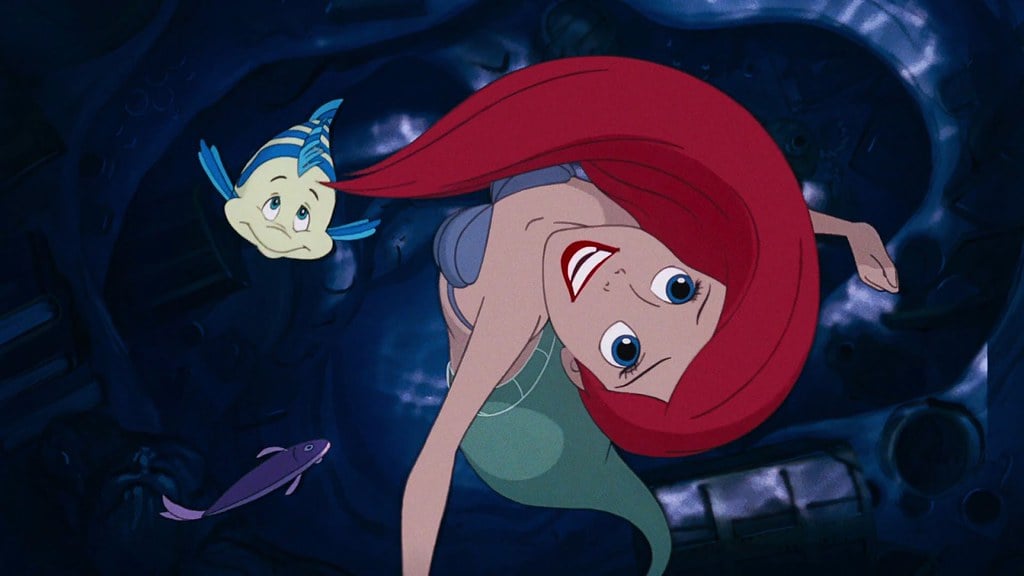
Ariel’s voice wasn’t the only thing she sacrificed for legs. In Hans Christian Andersen’s original, every step the mermaid takes on land feels like walking on knives.
The pain is constant and excruciating, but she endures it for love.
The sea witch’s bargain contained a clause Disney omitted entirely (and for good reason—it would have made for a much shorter animated film). If the prince marries someone else, the mermaid will dissolve into sea foam at dawn.
No second chances, no true love’s kiss, just death.
When the prince does marry another woman, the mermaid’s sisters offer her a way out: kill the prince with an enchanted knife, let his blood drip on her feet, and she’ll become a mermaid again. She refuses, accepts her fate, and begins dissolving as the sun rises.
Only divine intervention saves her, transforming her into a spirit who must perform good deeds for centuries before earning a soul.
The original story wasn’t about getting the prince—it was about the price of wanting to be something you’re not.
Rapunzel
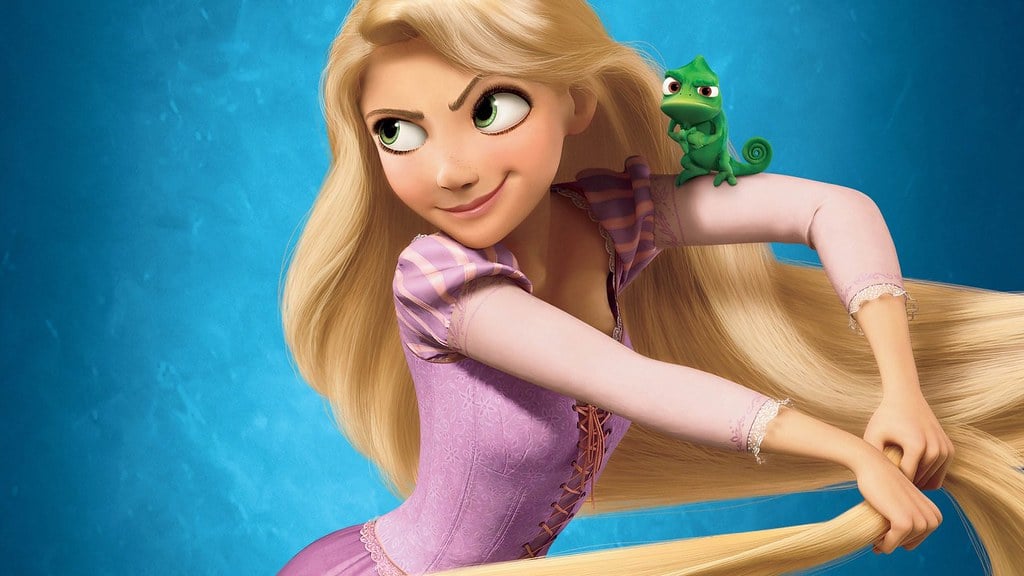
The tower wasn’t Rapunzel’s only prison, and the prince’s visits weren’t as innocent as Disney suggested. In the original Brothers Grimm tale, Rapunzel becomes pregnant from the prince’s frequent visits.
She innocently asks the witch why her dress is getting so tight, revealing their relationship.
The witch’s revenge involves more than just cutting Rapunzel’s hair (though the hair-cutting itself was brutal—imagine having your defining feature, your only connection to the world, severed in an act of pure spite). She banishes Rapunzel to a wasteland where she gives birth to twins and survives in complete isolation.
When the prince returns and finds the witch waiting with Rapunzel’s severed hair, she tells him he’ll never see his love again. In his despair, he throws himself from the tower.
The fall doesn’t kill him, but the thorns at the bottom blind him permanently.
The story becomes a tale of two disabled people—the banished mother and the blind prince—finding each other again after years of suffering. Rapunzel’s tears restore his sight, but only after both have paid a terrible price for their love.
Goldilocks and the Three Bears
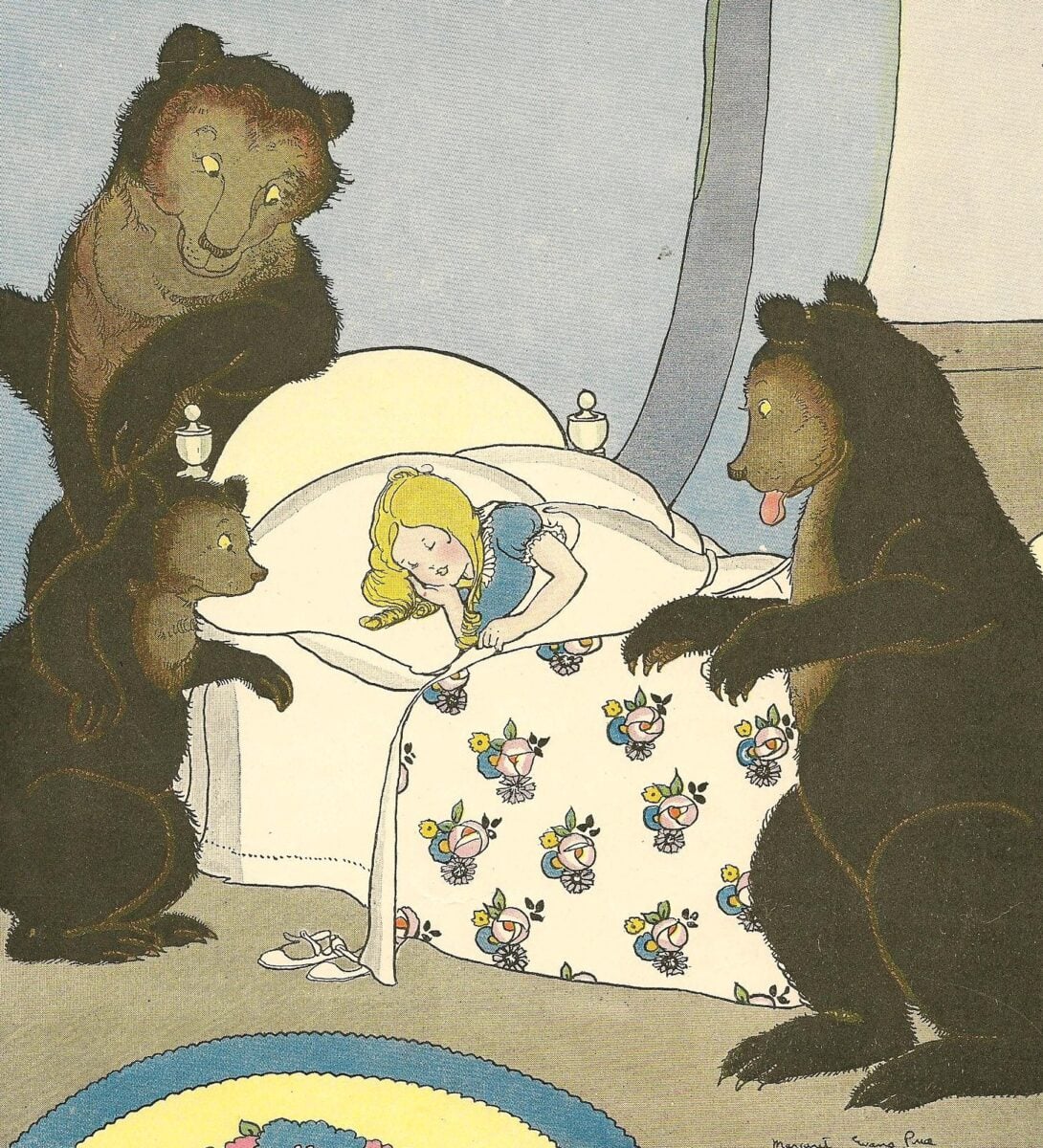
The original Goldilocks wasn’t a curious little girl—she was an ugly old woman described as a vagrant and a thief. And the bears didn’t simply chase her away when they discovered her intrusion.
In some early versions, they attempt to burn her, drown her, and impale her before she escapes (which really makes you wonder what kind of porridge was worth risking such creative execution methods). The story wasn’t about the consequences of curiosity—it was about what happens to thieves who break into the wrong house.
Even when the character became a little girl in later versions, the bears’ reaction remained disproportionately violent. They don’t just want their home back—they want revenge for the violation of their space.
The story reflects medieval attitudes toward property crime, where theft could result in immediate death.
And that porridge Goldilocks ate? In some versions, it wasn’t porridge at all, but a much less appetizing substance that makes her intrusion considerably more disgusting.
Rumpelstiltskin
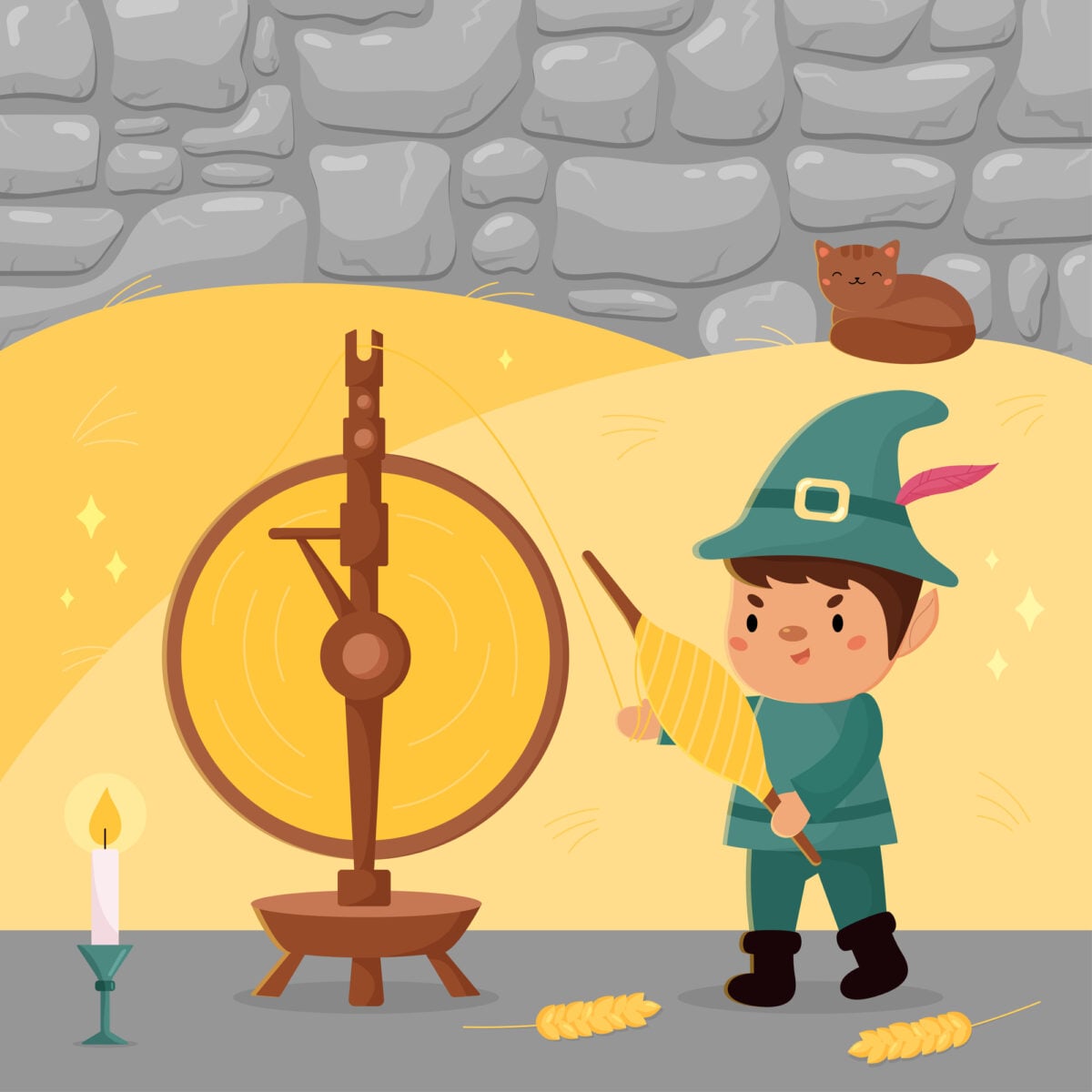
The imp’s demand for the queen’s firstborn wasn’t just greed—it was part of a supernatural contract that reflected real medieval anxieties about infant mortality and the precarious nature of royal succession.
But the truly dark element is what happens when the queen guesses Rumpelstiltskin’s name (and the methods she uses to discover it involve spying and trickery that would make modern intelligence agencies proud). In his rage, Rumpelstiltskin doesn’t just disappear—he tears himself in half, literally splitting his own body in a fit of supernatural fury.
Some versions have him driving his right foot so deep into the ground that his whole leg goes in, then grabbing his left leg with both hands to pull himself apart. It’s lethal by self-dismemberment, which is considerably more graphic than simply vanishing in a puff of smoke.
The story also raises uncomfortable questions about the king, who threatens to execute his new bride if she can’t spin straw into gold—essentially a death sentence for failing to perform magic she doesn’t possess.
Jack and the Beanstalk
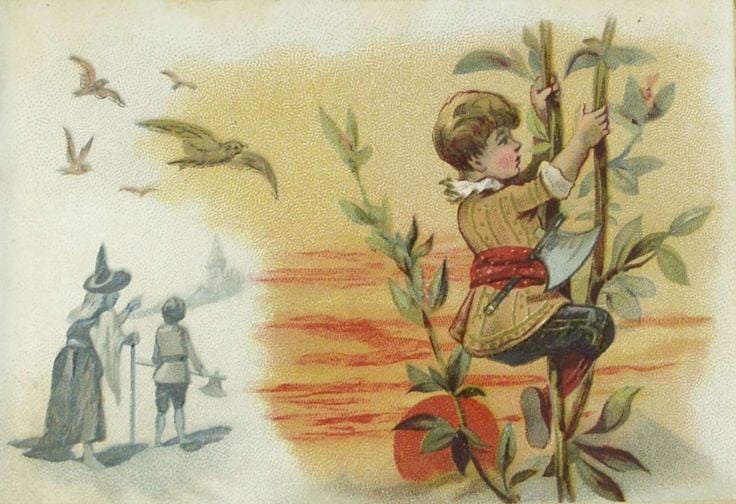
Jack wasn’t a plucky hero—he was a thief and murderer who broke into someone’s home repeatedly and killed the owner when caught. The giant’s crime was being large and wealthy while Jack was small and poor.
The story doesn’t frame Jack’s actions as morally questionable. He steals the giant’s gold, returns to steal a magic hen, and comes back a third time for a singing harp.
When the giant finally chases him (which seems like reasonable behavior when someone keeps robbing your house), Jack cuts down the beanstalk, sending the giant plummeting to his death.
Modern readers might notice that Jack’s actions—breaking and entering, theft, premeditated murder—would make him the villain in any other story (and the giant’s attempts to defend his property seem entirely reasonable by comparison). But the original tale presents this as a victory of wit over brute strength, ignoring the moral implications entirely.
The giant’s wife, who helped Jack during his break-ins, presumably becomes a widow thanks to Jack’s final act of violence, but the story doesn’t spare a thought for her loss.
The Frog Prince
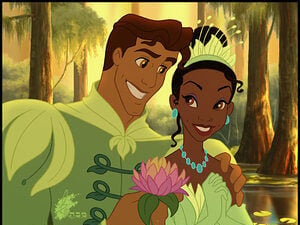
The kiss that transformed the frog wasn’t motivated by love or kindness—it happened after the princess threw the creature against a wall in disgust. In the Brothers Grimm original, there’s no romantic moment of acceptance.
The princess makes a deal with the frog (her golden orb in exchange for his companionship), but immediately regrets it when he follows her home. She finds him repulsive and tries to escape the bargain.
When he insists on sharing her dinner and sleeping in her bed, she finally snaps and hurls him across the room.
The violent act breaks the spell, which sends a troubling message about the effectiveness of force in relationships (and raises questions about what kind of fairy godmother thought violence was the appropriate spell-breaking mechanism). The prince then explains he was cursed by a witch, and somehow the princess’s act of cruelty becomes the foundation for their marriage.
So the moral isn’t about keeping promises or looking beyond appearances—it’s about how sometimes throwing someone against a wall works out surprisingly well.
The Pied Piper of Hamelin
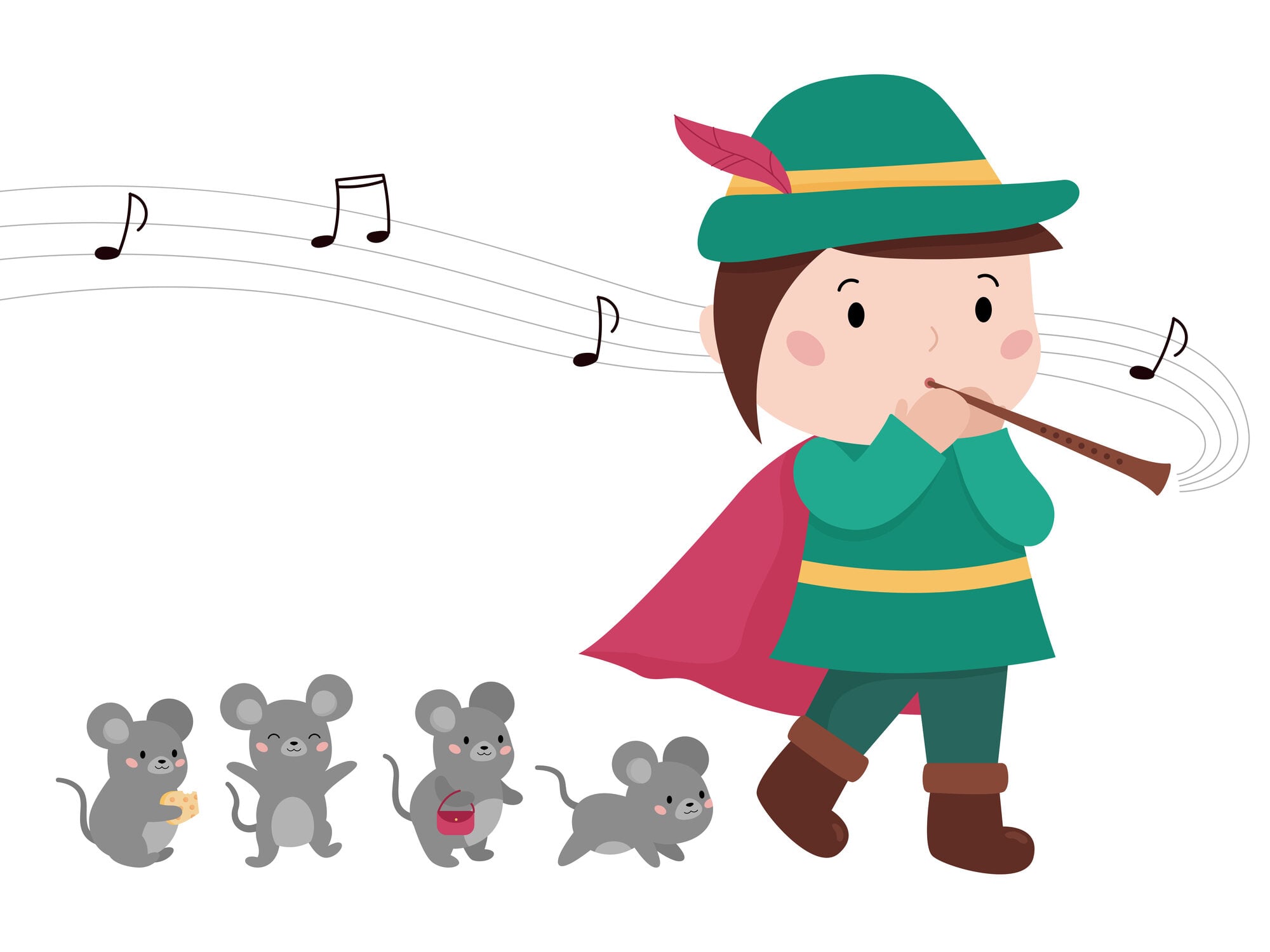
The story everyone remembers—a piper rids a town of rats, gets cheated out of payment, and leads away the children as revenge—is actually the sanitized version. The original tale was likely based on a real historical event, and the truth was probably much darker.
Historical records from Hamelin mention a mass disappearance of children in 1284, and various theories attempt to explain what actually happened (none of them involve a magical musician). Some historians suggest the children died in a plague, others believe they were recruited for military campaigns, and the darkest theories involve mass murder or kidnapping.
But even the fairy tale version contains disturbing elements often overlooked. The piper doesn’t just lead the children away—in some versions, he leads them into a mountain that closes behind them, trapping them forever.
They’re not rescued or returned when the town learns its lesson. They simply vanish, leaving their parents to grieve for children who are presumably dead.
One version mentions that two children couldn’t keep up—one was blind, one was lame. They survived to tell the story, but their testimony only confirmed that their friends had disappeared into the earth forever.
Beauty and the Beast
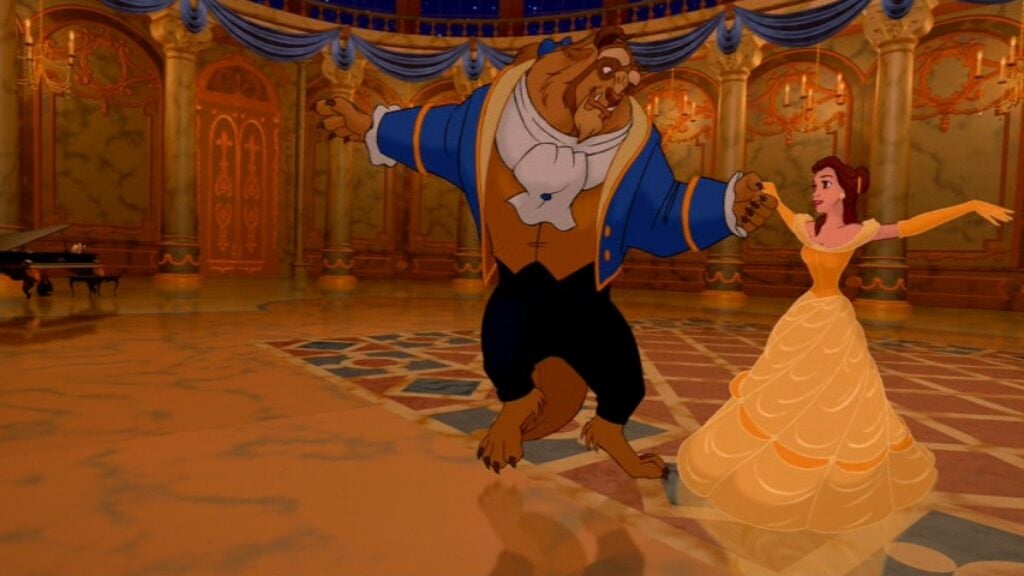
The Beast’s transformation wasn’t the result of a fairy’s curse for rudeness—in early versions, he was a prince who had been sexually aggressive toward a fairy, and his punishment was designed to teach him about consent and respect through forced isolation.
But the truly uncomfortable element is Belle’s situation. She doesn’t choose to stay with the Beast out of curiosity or gradual affection—she’s essentially a prisoner traded for her father’s life (which creates some troubling dynamics that modern readers might recognize as Stockholm syndrome).
Her family accepts this arrangement, allowing their daughter to become collateral for her father’s mistake.
The story’s message about looking beyond appearances becomes complicated when you consider that Belle’s kindness might stem from survival instinct rather than genuine affection. She’s trapped with a creature who could kill her at any moment, so of course she’s polite and accommodating.
And the Beast’s servants, transformed into household objects, have been trapped for years watching their master hold a young woman against her will. Their cheerful assistance in the situation becomes rather disturbing when viewed through this lens.
Stories That Refuse to Stay Buried

These darker versions persist because they reflect something authentic about human nature and historical reality that sanitized versions lose. The violence wasn’t gratuitous—it was the world these stories emerged from, where survival was uncertain and justice was often brutal.
But perhaps that’s why the dark versions matter. They remind us that fairy tales weren’t originally meant to comfort children—they were meant to prepare them for a world that could be cruel and unfair.
The happy endings felt earned because the characters had genuinely suffered for them.
Modern retellings might be gentler, but they’ve also lost some power in the translation. The original stories stick with you precisely because they’re disturbing, because they acknowledge that sometimes the world is dark and scary and the people in power don’t always have your best interests at heart.
More from Go2Tutors!

- The Romanov Crown Jewels and Their Tragic Fate
- 13 Historical Mysteries That Science Still Can’t Solve
- Famous Hoaxes That Fooled the World for Years
- 15 Child Stars with Tragic Adult Lives
- 16 Famous Jewelry Pieces in History
Like Go2Tutors’s content? Follow us on MSN.