Game Show Puzzles That Took Genius
Some game show moments stick with you not because of the drama or the prize money, but because of the sheer mental feat required to pull them off. These were the moments when a contestant stared down something that seemed unsolvable and somehow cracked it open.
Not through luck — through sharp thinking, pattern recognition, or a kind of lateral reasoning that left audiences stunned.
The Wheel of Fortune Solve Nobody Saw Coming
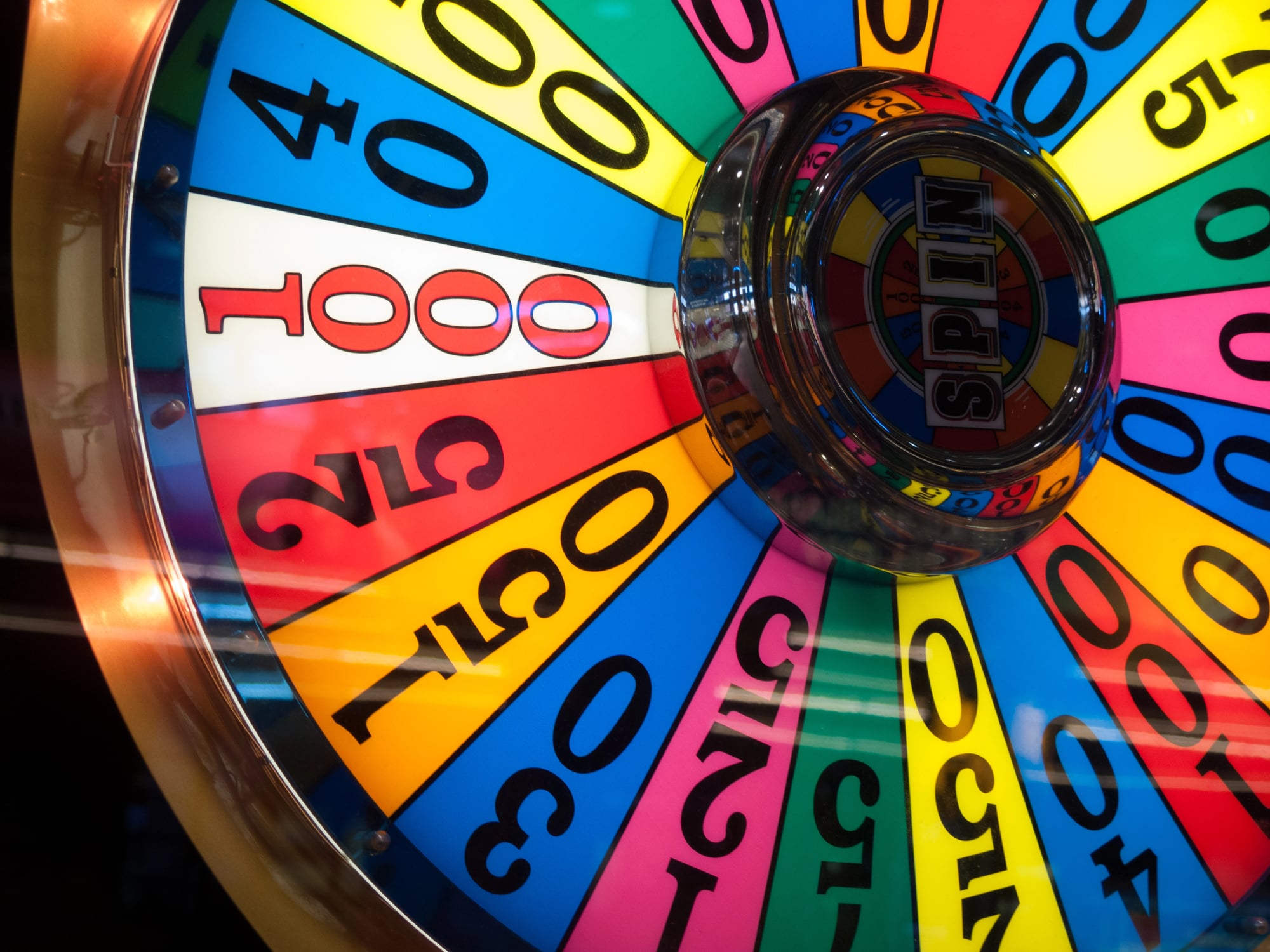
In 2010, a contestant named Caitlin Burke stepped up to a nearly blank Wheel of Fortune board. The category was “thing,” and only the letter L had been revealed.
The puzzle read: _ L _ _ _ _ _ _ _ _ _ _. Without asking for a single additional letter, she called out the answer: “I’ve got a good feeling.”
The studio went quiet for a second, then erupted. Host Pat Sajak looked genuinely baffled.
Burke later said she just felt the phrase match the letter position and the vibe of the category. Whether that was genius or intuition, the result was the same — a flawless solve on what was essentially an empty board.
Jeopardy!’s Most Pressure-Packed Final Answer
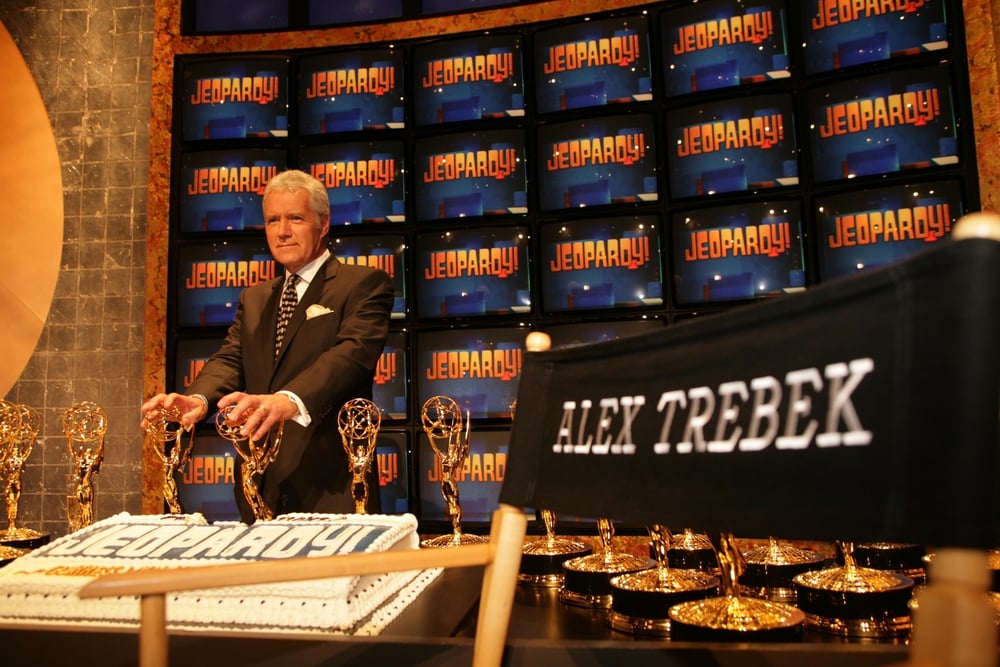
Jeopardy! Final Jeopardy is ruthless by design. You have to wager blind, answer a single question, and watch your lead evaporate if you’re wrong.
But the 2004 Tournament of Champions final produced one of the most admired answers in the show’s history. Ken Jennings, already a legend for his 74-game streak, correctly responded to a clue about 19th-century explorers that most experts would have struggled with — after wagering nearly everything.
The answer mattered less than the confidence. Jennings bet on himself when it counted most, and he was right.
The Monty Hall Problem and Why It Breaks Brains

The game show “Let’s Make a Deal” gave the world one of the most counterintuitive puzzles in probability. You’re shown three doors. Behind one is a car. You pick door one.
The host, who knows what’s behind each door, opens door three to reveal a goat. Then he asks: do you want to switch? Most people say no. Most people are wrong.
The correct move is always to switch. Your initial pick had a one-in-three chance of being right. After the host reveals a goat, that probability doesn’t split evenly — it shifts.
The door you didn’t pick now has a two-in-three chance of hiding the car. The math is solid, but it took a formal proof and letters from thousands of angry readers to a math columnist before the public started to accept it.
Countdown’s Numbers Round at Its Hardest
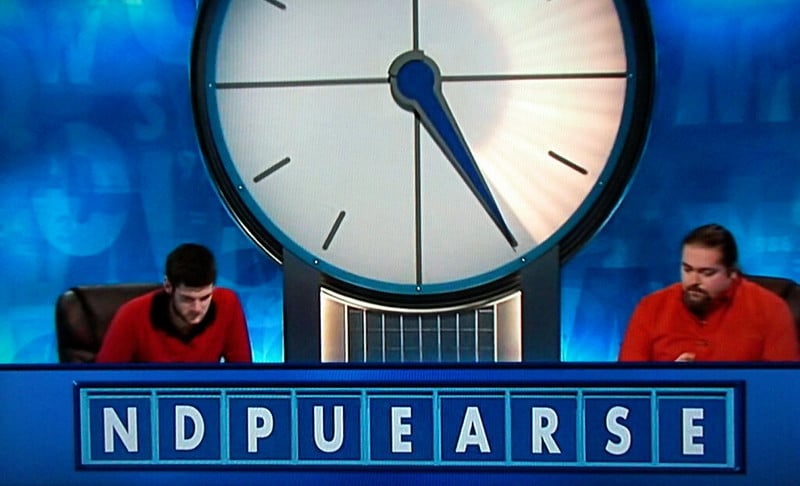
Countdown, the long-running British game show, gives contestants six numbers and a three-digit target. You have 30 seconds to reach the target using only addition, subtraction, multiplication, and division.
Most rounds are tough. Some are brutal. One classic target involved reaching 952 from the numbers 100, 25, 10, 7, 6, 3.
The expert solution required working through ((100 + 7 + 6) x 952 / 1000-style logic across multiple steps — except the path wasn’t that clean. It demanded a specific sequence that almost no one finds in real time.
When contestants crack a target like that in half a minute, it’s less about calculation and more about seeing the structure of numbers in a way most people can’t.
Press Your Luck and the Man Who Broke the System
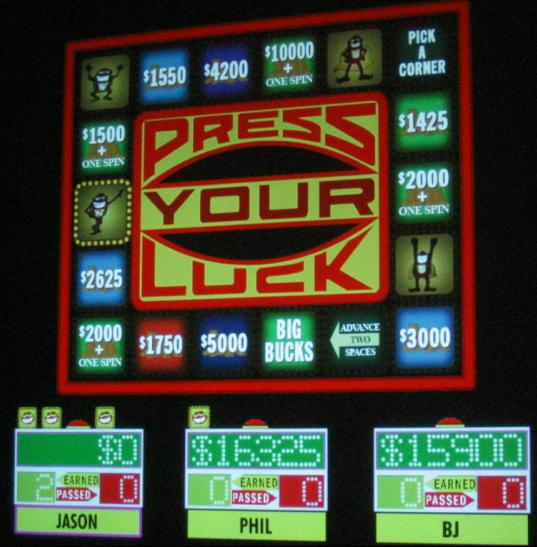
Michael Larson didn’t just win on Press Your Luck in 1984 — he destroyed it. The show used what producers assumed was a random board.
Larson spent weeks recording episodes, studying them frame by frame, and discovered the board wasn’t random at all. It cycled through just five patterns.
He memorized where the highest-value squares appeared in each cycle, then flew to Los Angeles and won $110,237 over two days of taping. CBS held his winnings for months while investigators tried to find a legal reason not to pay.
They couldn’t. Larson hadn’t cheated — he’d just paid closer attention than anyone else.
The $1 Million Question on Who Wants to Be a Millionaire
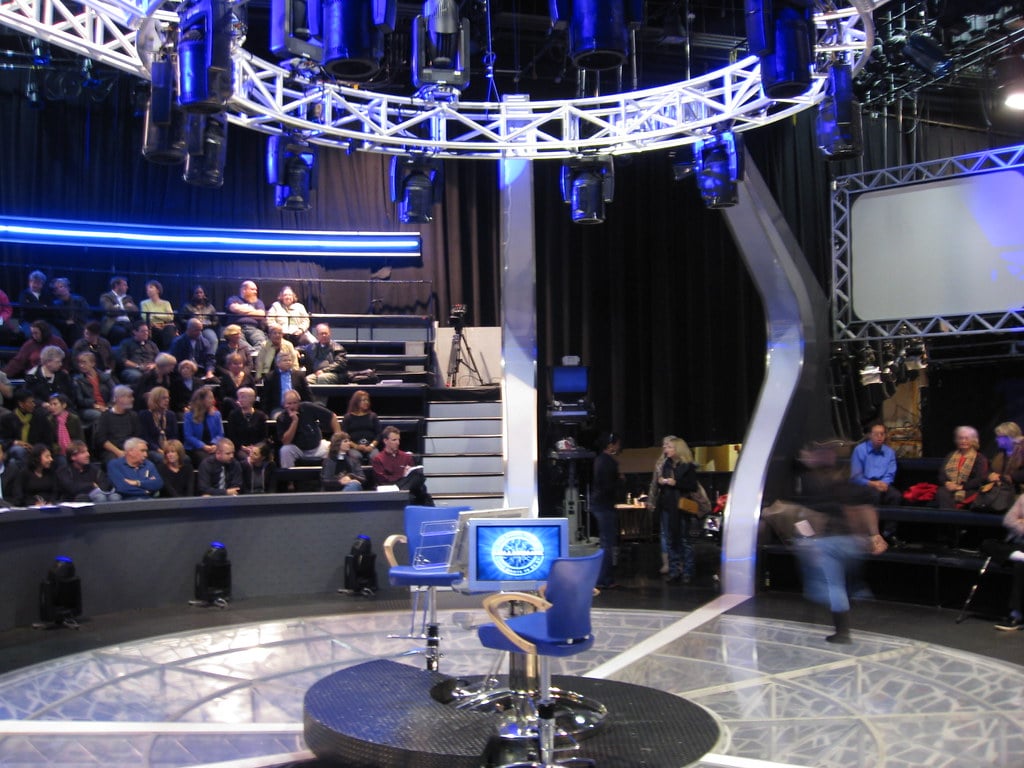
The final question on Millionaire is supposed to be unanswerable for most people. When the question “Which of these U.S. Presidents appeared on the television series ‘Laugh-In’?” came up for a contestant in the early 2000s, it stumped almost everyone in the studio.
The answer was Richard Nixon. Nixon had appeared on the comedy show in 1968 during his campaign — a choice his advisors pushed to soften his image.
It’s not a question about policy or history. It’s television trivia wrapped in political context. To know it cold, without a lifeline, required a very specific kind of pop culture memory that most history buffs simply don’t have.
Mastermind and the Pure Logic of It

Mastermind isn’t a trivia show — it’s a code-breaking game. One player sets a hidden sequence of colored pegs. The other player has a limited number of guesses to figure out the sequence, using only yes/no feedback after each attempt.
It looks simple. It isn’t. The optimal strategy for cracking a four-peg, six-color game in five moves or fewer requires a branch of decision theory called minimax — minimizing your worst-case number of guesses.
Most people play it by feel. The players who genuinely master it think two or three moves ahead, treating each guess not as an attempt to win but as a tool to extract information.
That shift in thinking is the whole game.
The Weakest Link’s Hidden Chess Match
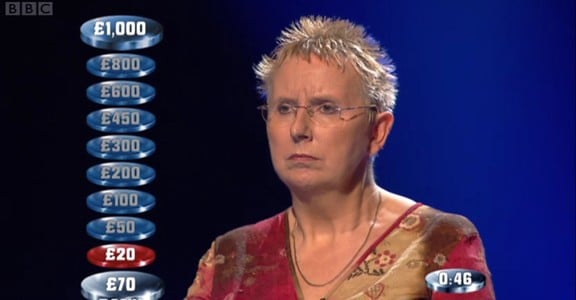
“The Weakest Link” looks like a general knowledge quiz. It isn’t. Or rather, it’s also something else: a social strategy game where you have to decide, after each round, which player to eliminate.
Vote wrong, and the stronger players stay in, collect the money, then vote you out before the final. The contestants who won consistently weren’t just the most knowledgeable.
They read the room, tracked who was voting for whom, and calculated when to appear weaker than they were to avoid early targeting. It was strategy disguised as a quiz, and the people who treated it like pure trivia rarely made it to the end.
Pointless and the Inverted Quiz Brain
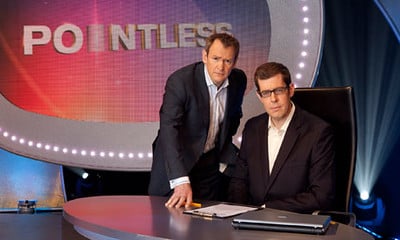
In the British show Pointless, you’re not trying to be right — you’re trying to be obscure. The show surveys 100 people on a topic beforehand, and your goal is to give a correct answer that none of them gave.
The less popular your answer, the lower your score. This means the winner isn’t the person with the most knowledge. It’s the person who can think about what everyone else would think.
You have to answer correctly and predict which correct answers the general public would overlook. That’s a specific kind of meta-cognition that takes more than just knowing facts.
Deal or No Deal and the Statistics Trap

Most people watching Deal or No Deal see a game of pure luck — you’re picking briefcases blind. But the decision of when to accept the banker’s offer is a real probability problem.
The banker calculates expected value and offers slightly below it to create a psychological pull. The genius move — rarely made — is to reject the drama entirely and play pure math.
If your remaining cases average more than the offer, you decline. If they average less, you take it. Emotions, near-misses, and crowd noise are all noise.
The contestants who walked away with the most money were usually the ones who stopped treating it like a game and started treating it like an equation.
Are You Smarter Than a 5th Grader’s Trick Questions
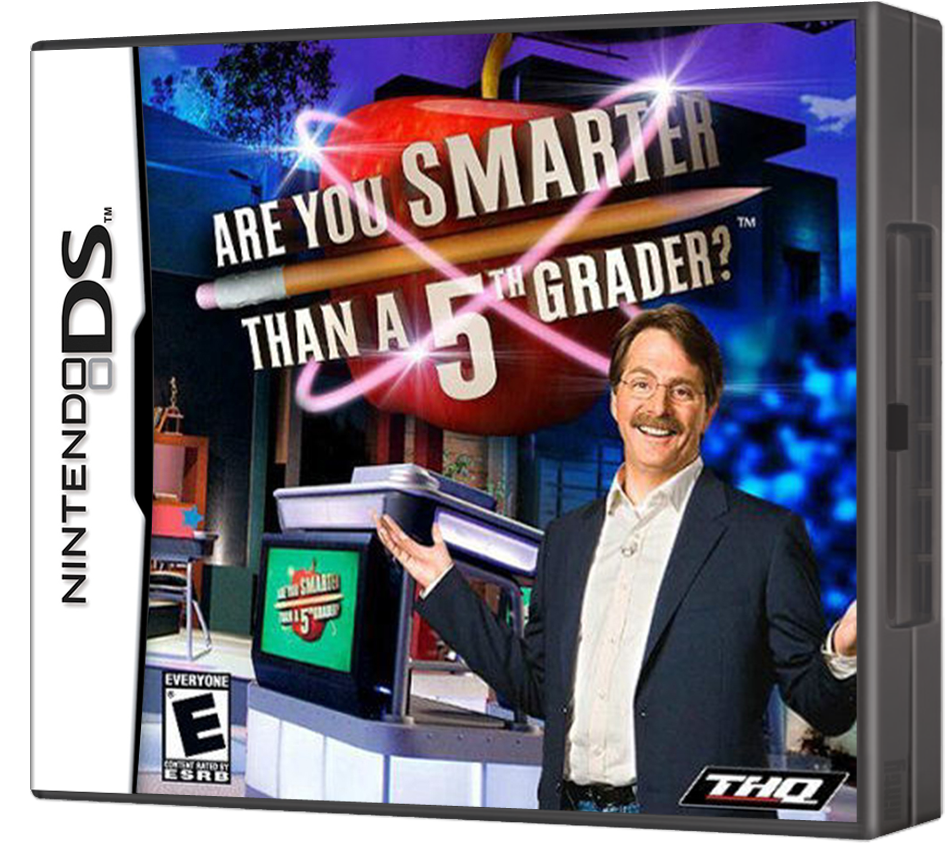
The premise sounds insulting. But the show regularly stumped adults on questions like “How many sides does a trapezoid have?” or “Which planet is closest to the sun on average?”
The second one catches people because Mercury, not Venus, is the answer — and Venus feels more intuitively correct because it’s closer in absolute terms most of the time.
These questions reveal something real about how adult brains work. Years of assumption-building make it harder to go back to first principles.
Children haven’t built those assumptions yet, which is why they sometimes outperform adults on basic factual recall.
1 vs. 100 and the Wisdom of Crowds (When It Works)
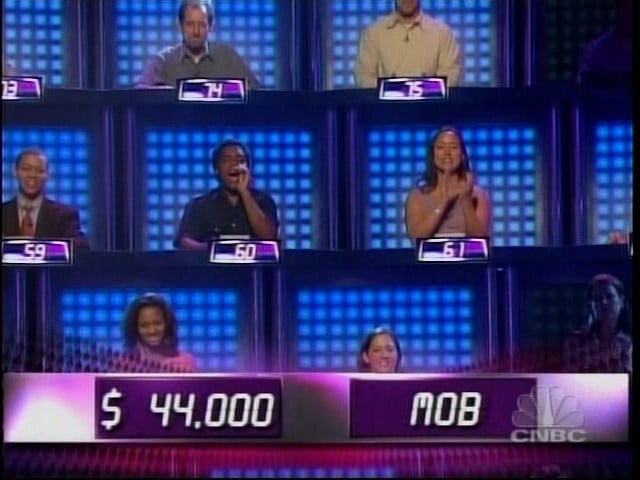
The format of 1 vs. 100 set a single contestant against a mob of 100 people. You’d think the crowd would always win — statistics, right? But crowds are only wise when their individual errors cancel out.
When a question has a common misconception baked in, the crowd gets it wrong in bulk. A contestant who knew the correct answer could watch the entire mob eliminate themselves on a single question.
The smartest contestants on the show learned to identify those “trap” questions early — the ones where common sense leads people astray — and bet heavily on them.
Countdown’s Dictionary Corner Stumpers
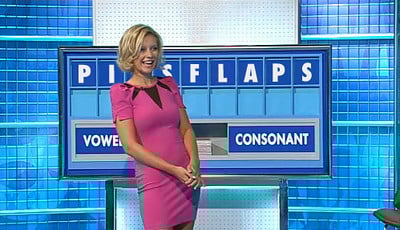
The letters rounds on Countdown look more forgiving than the numbers. You’re given nine random letters and have to find the longest word you can.
But every so often, the nine letters align into a nine-letter word — a “conundrum” — and the person who spots it first wins maximum points. Finding a nine-letter word in nine random letters isn’t luck.
The top players develop an instinct for anagram patterns — they see groups of letters as chunks, not individual units, and rotate them mentally the way other people rotate objects in space. It’s a form of verbal pattern recognition that some people have naturally and others spend years building.
The Price Is Right’s Showcase Showdown Logic
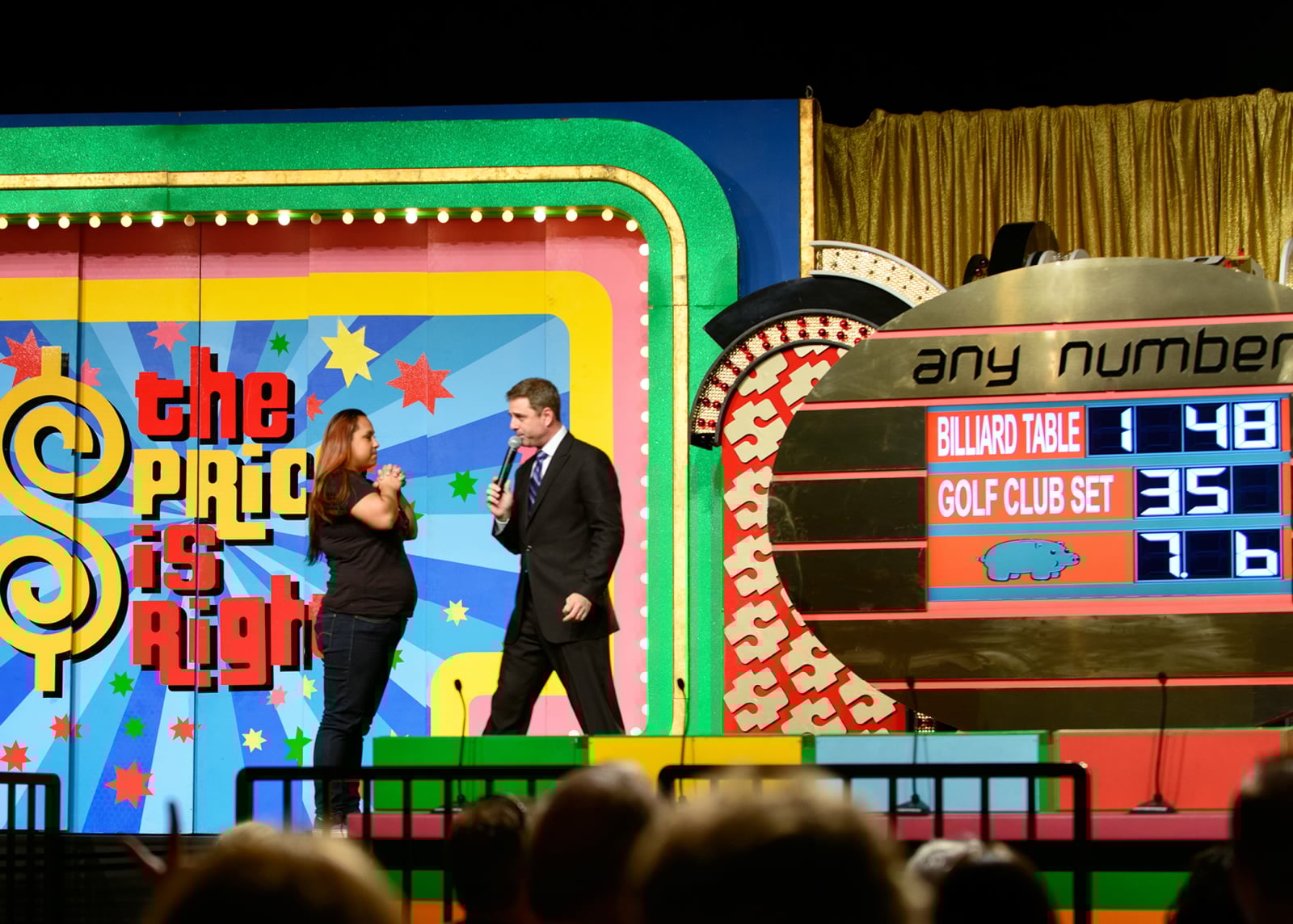
The Showcase Showdown in The Price Is Right looks like pure guessing. But experienced players build a mental model of what things cost, and more importantly, what producers are likely to price them at.
The show has pricing tendencies — certain items consistently appear in certain price ranges, and the winning bids cluster around specific strategies. The best contestants don’t just know prices. They know the show.
They’ve watched enough episodes to understand that a particular trip to Europe paired with a car runs around a specific dollar amount. It’s not genius exactly — it’s a very specialized form of pattern memory applied to something most people dismiss as luck.
When the Board Beats You Back

Not every genius attempt on a game show lands. Contestants have gone home with nothing after flawlessly solving nine out of ten puzzles, or correctly answering every question until the final one.
The cruelty of these formats is that brilliance isn’t enough on its own — timing, luck, and knowing when to stop all matter too. That tension is what makes the moments of genuine genius so memorable.
When someone cracks an impossible puzzle or sees through a statistical illusion under studio lights and time pressure, it says something about what the human mind is capable of when it’s fully engaged. The prize money is beside the point. The thinking is the whole show.
More from Go2Tutors!

- The Romanov Crown Jewels and Their Tragic Fate
- 13 Historical Mysteries That Science Still Can’t Solve
- Famous Hoaxes That Fooled the World for Years
- 15 Child Stars with Tragic Adult Lives
- 16 Famous Jewelry Pieces in History
Like Go2Tutors’s content? Follow us on MSN.