Everyday Items That Take Centuries to Decompose
Out there beyond the bin, stuff doesn’t vanish like magic. A crumpled candy cover might outlive great-grandchildren.
Plastic bottles linger far longer than anyone expects. Even something as small as a toothbrush sticks around, century after century. Daily routines leave behind traces that won’t fade anytime soon.
Truth is, once you recognize these things, your view shifts. Dive in. Here’s why.
Plastic Bags
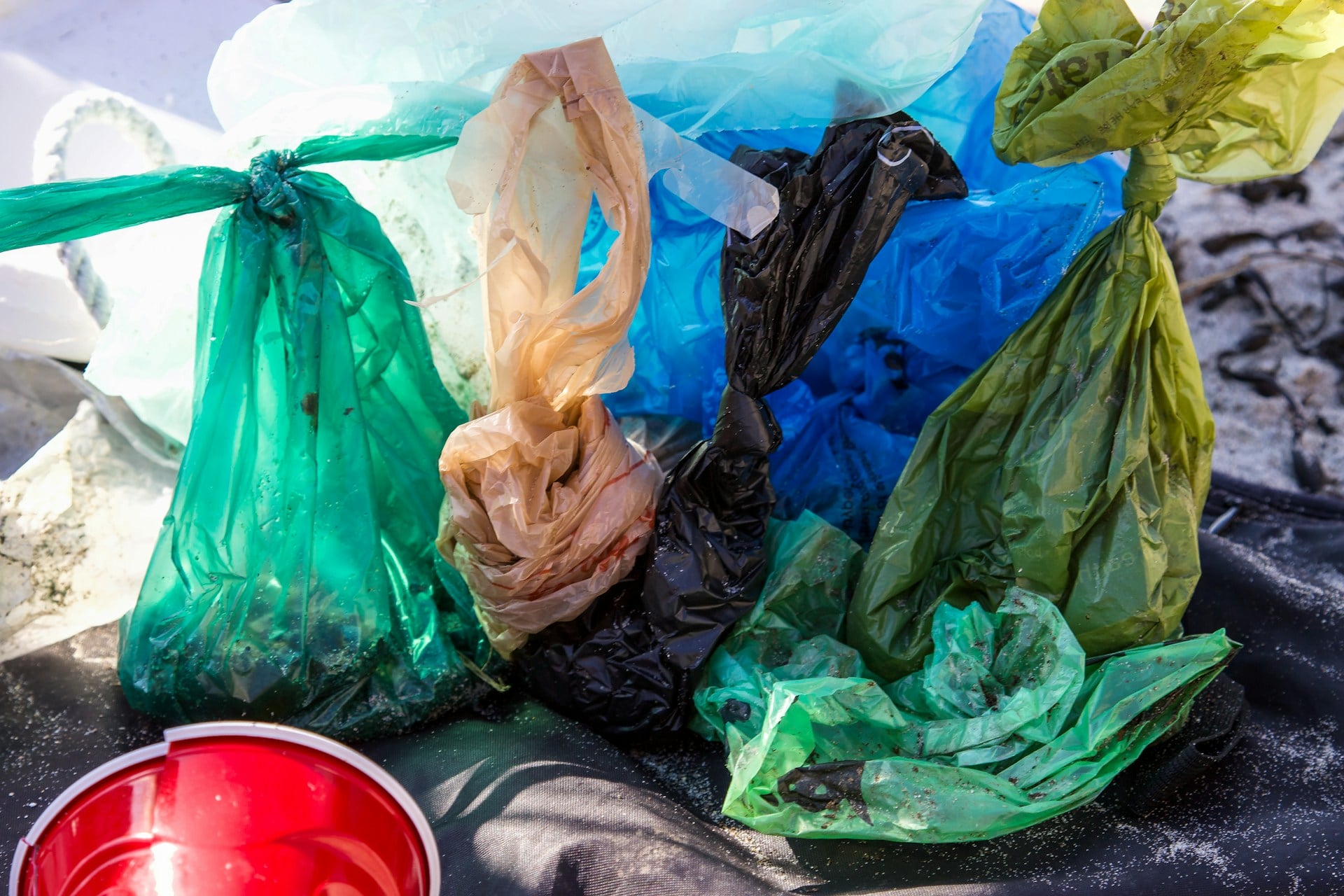
One thousand years might pass before a lone plastic bag vanishes. Instead of rotting like natural stuff, it crumbles – slowly fracturing into tinier fragments known as microplastics.
These tiny bits slip into earth, rivers, and meals. Think about it: folks grab them for mere moments, then toss them aside. Millions meet that fate daily.
Plastic Bottles
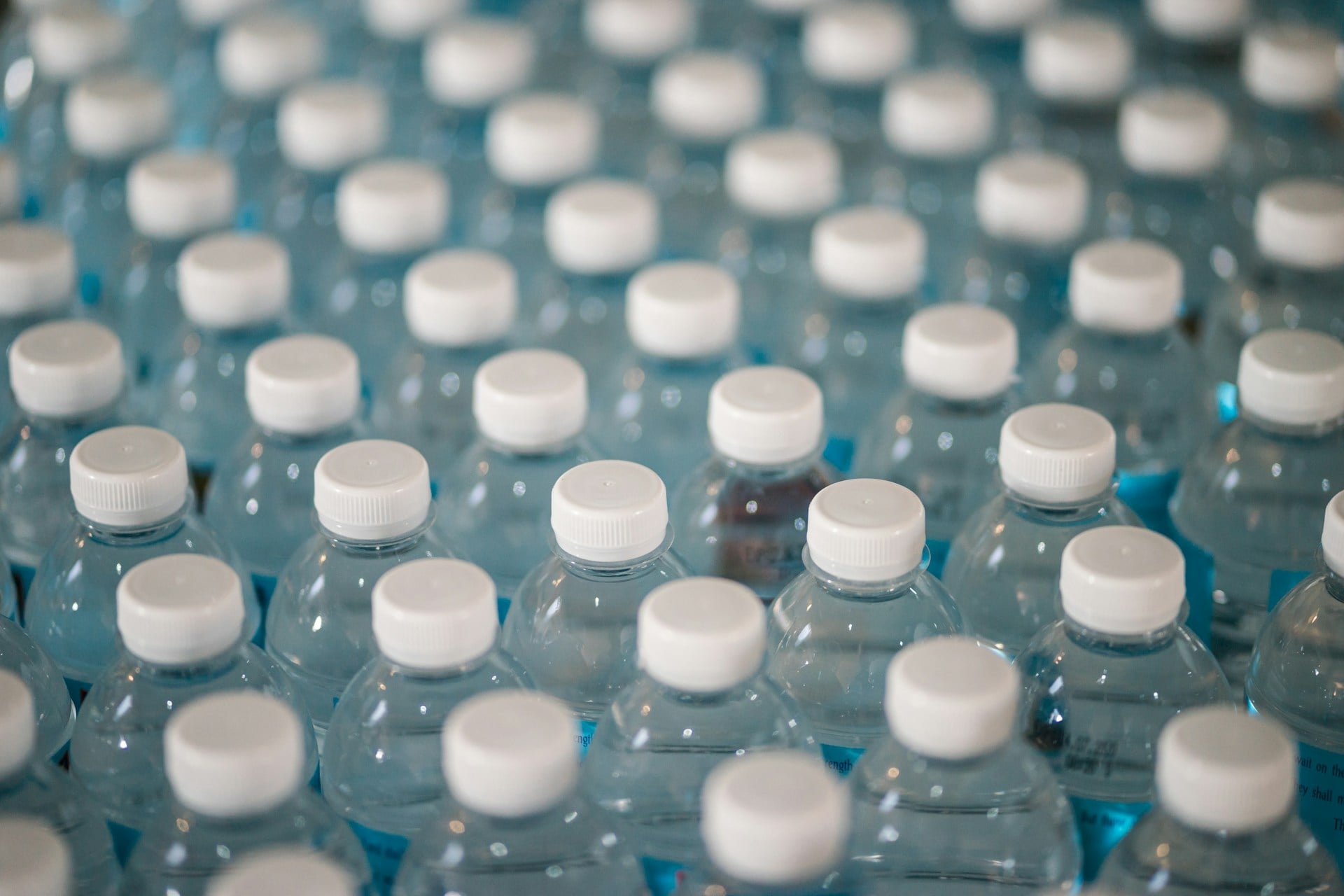
Half a millennium passes before a typical plastic water container breaks down. Each one manufactured lingers now, somewhere – piled in trash sites, drifting across seas, tucked beneath soil.
Across the planet, purchases of these bottles surpass a million each minute.
Styrofoam Cups

Out in the open, that foam cup from decades ago hasn’t changed a bit. Half a millennium might pass before it even begins to fade.
Water slides right off it. Temperature shifts do nearly nothing. Living things can’t chew through it either. So there it stays – whole, silent, untouched by time. A relic from a roadside meal long forgotten.
Aluminum Cans
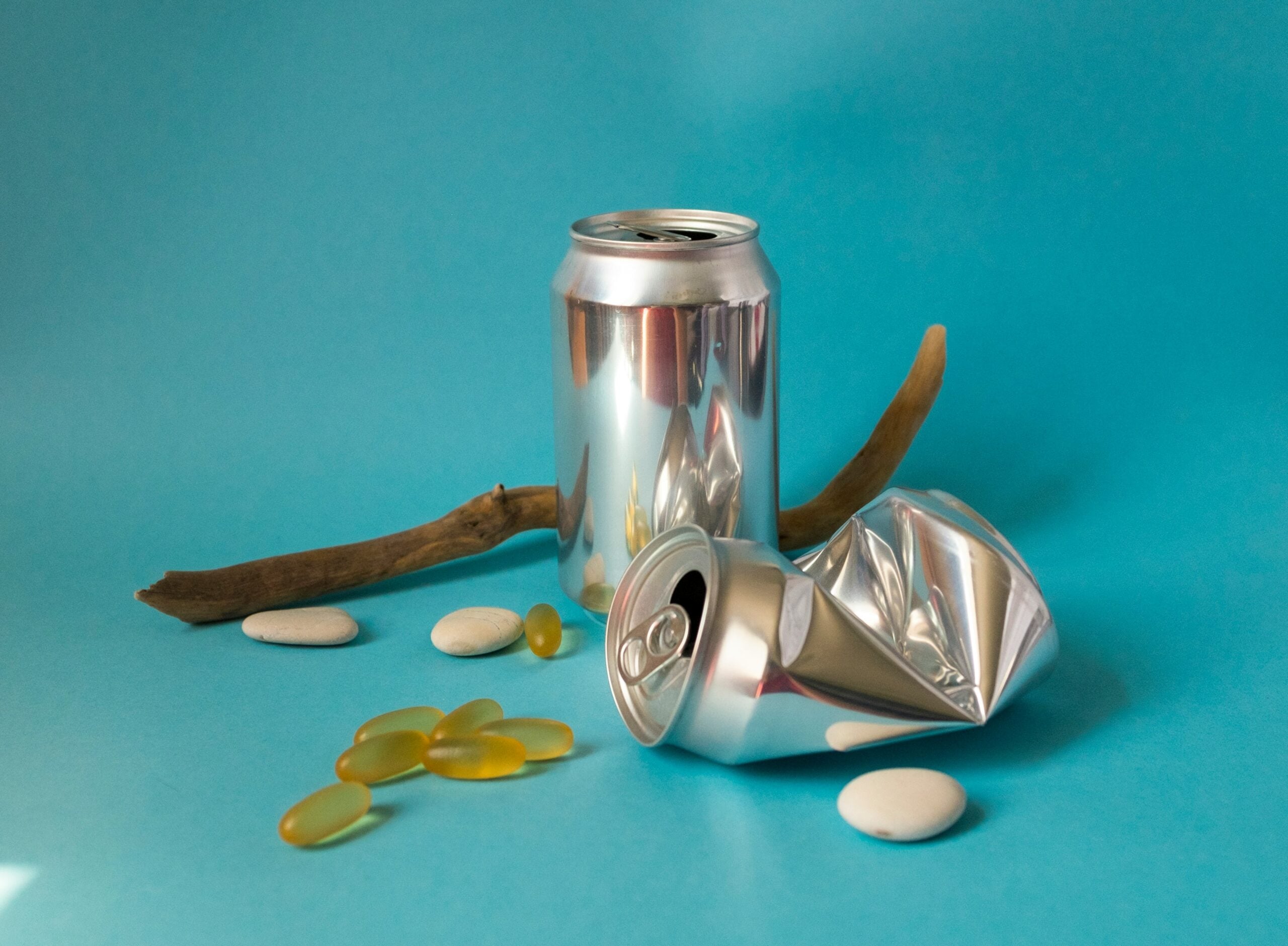
Out in nature, an empty soda container made of metal might linger between eight decades and two centuries before breaking down completely. Even though it could be reborn again and again through recycling, countless numbers vanish into trash heaps annually.
One single reuse cuts the need for raw digging, while giving back just enough electricity to run a screen for a full movie night.
Glass Bottles
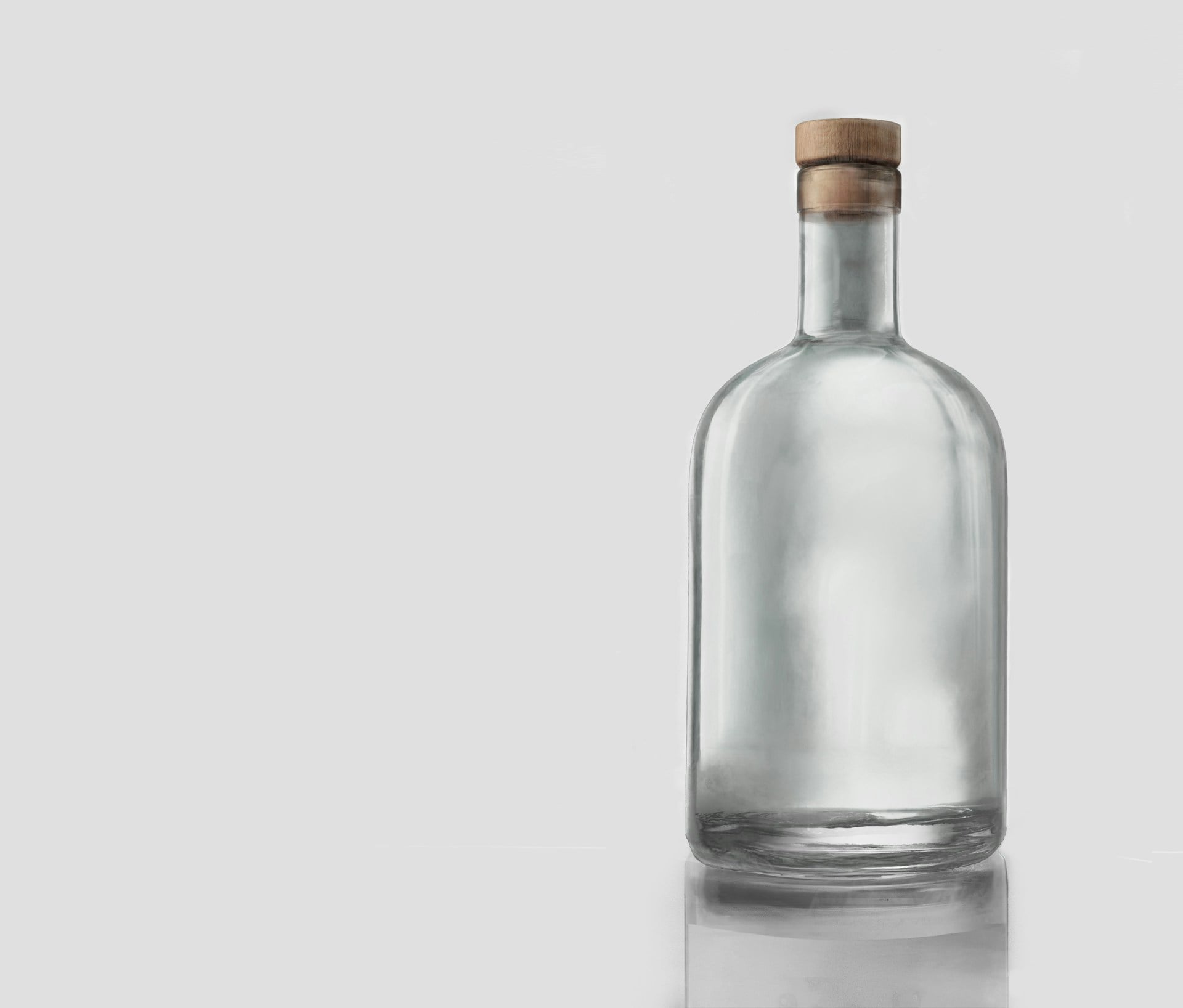
A single glass container might outlive entire civilizations – some say a million years won’t even touch it. Though formed from ordinary sand, once melted and molded, it becomes something earth struggles to reclaim.
Lying forgotten on soil, that same bottle could remain intact while cities turn to dust above it.
Disposable Diapers
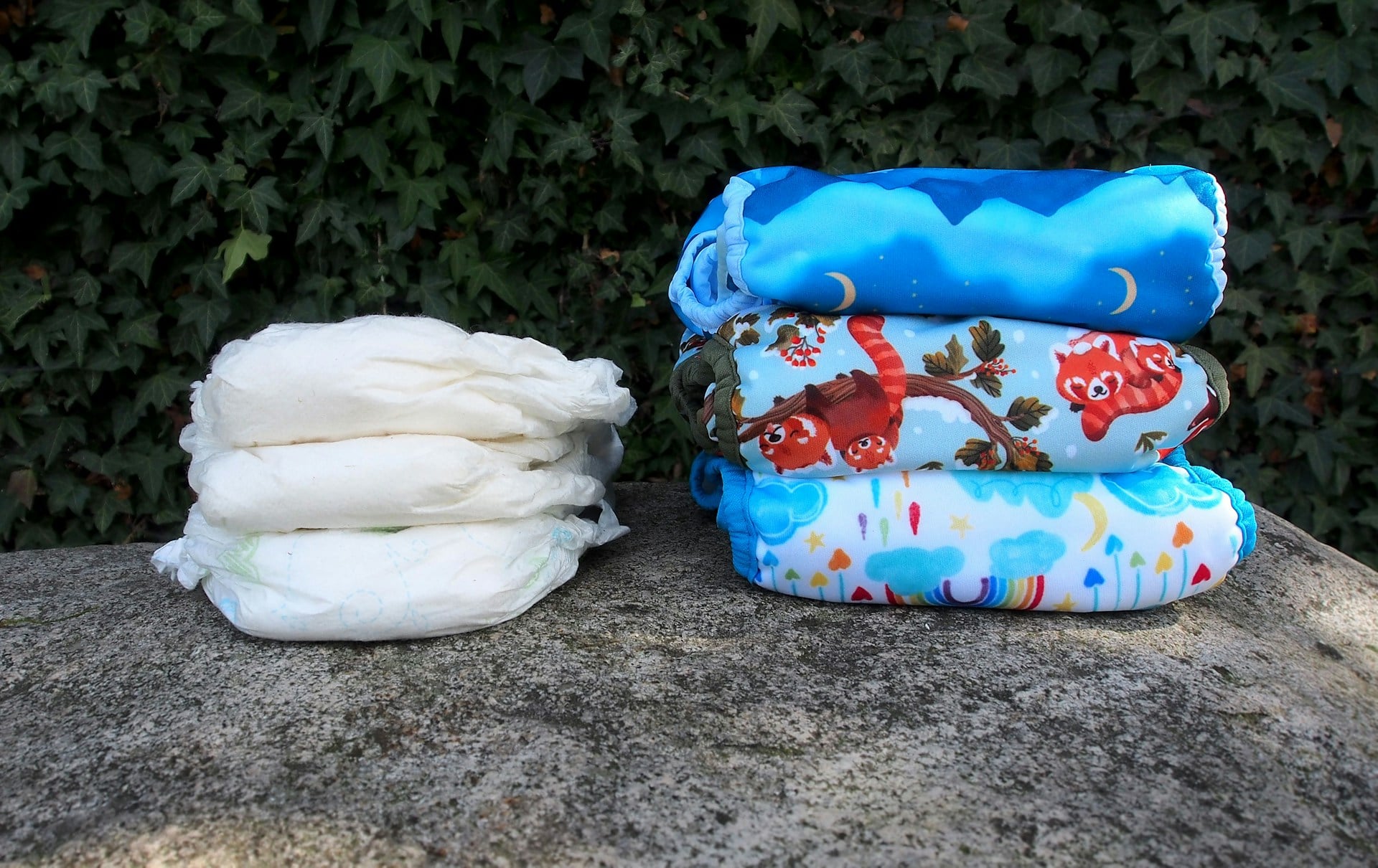
Half a millennium passes before one throwaway nappy breaks down underground. Trapped beneath layers of trash, plastic weaves tightly with lab-made gels that refuse decay.
Each year, American homes send about twenty billion of these into waste heaps instead.
Rubber Tires
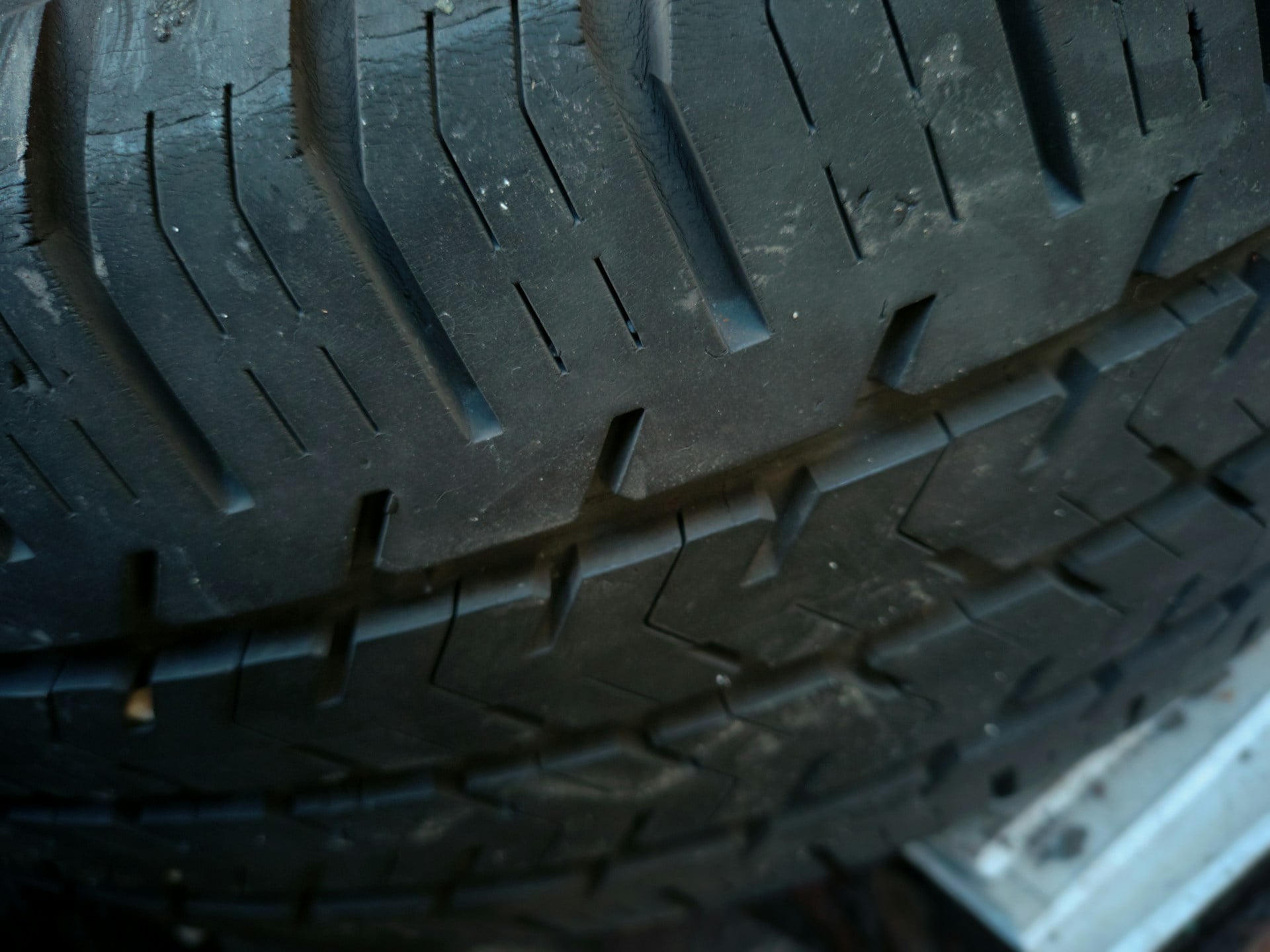
Half buried, a rubber tire might sit unchanged for five decades – sometimes stretching past eighty – before breaking down at all. Yet when it finally does, bits of poison stay behind, seeping into earth and roots.
Tougher than stone to crush, worn-out tires overwhelm regular dump sites, stacking up by the billion across continents. Burning ones roar without warning, spreading fumes so thick they stain skies long after flames die.
Fishing Line
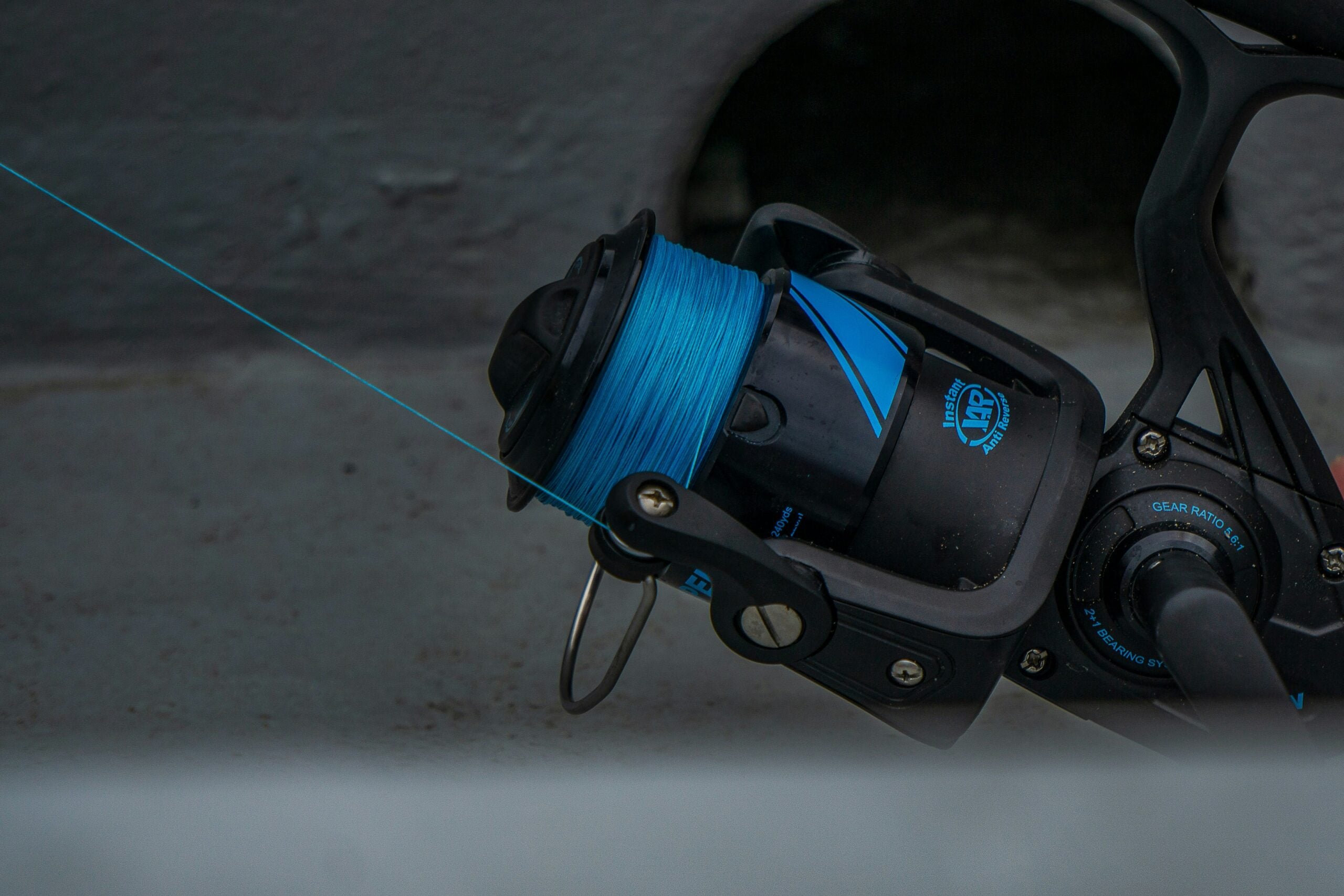
That see-through string anglers toss into lakes? Six centuries rot away before nature dissolves it. Lighter than air, it drifts unseen through currents – perfect snare for gills, wings, fins.
A single snapped strand ties creatures in silent traps long after humans walk off shorelines. Harm piles up slow, steady, stitched across lifetimes of otters, herons, minnows caught mid-motion.
Leather Shoes

Those old leather shoes might sit in a landfill for decades, breaking down slower than you’d guess. Treated with chemicals during tanning, the material resists decay much longer than raw hide ever would.
Year after year, folks toss out about three pairs each, often straight into trash cans without a second thought. Buried deep where air barely moves, they linger – unseen, unrecycled, stuck between layers of waste.
Plastic Straws
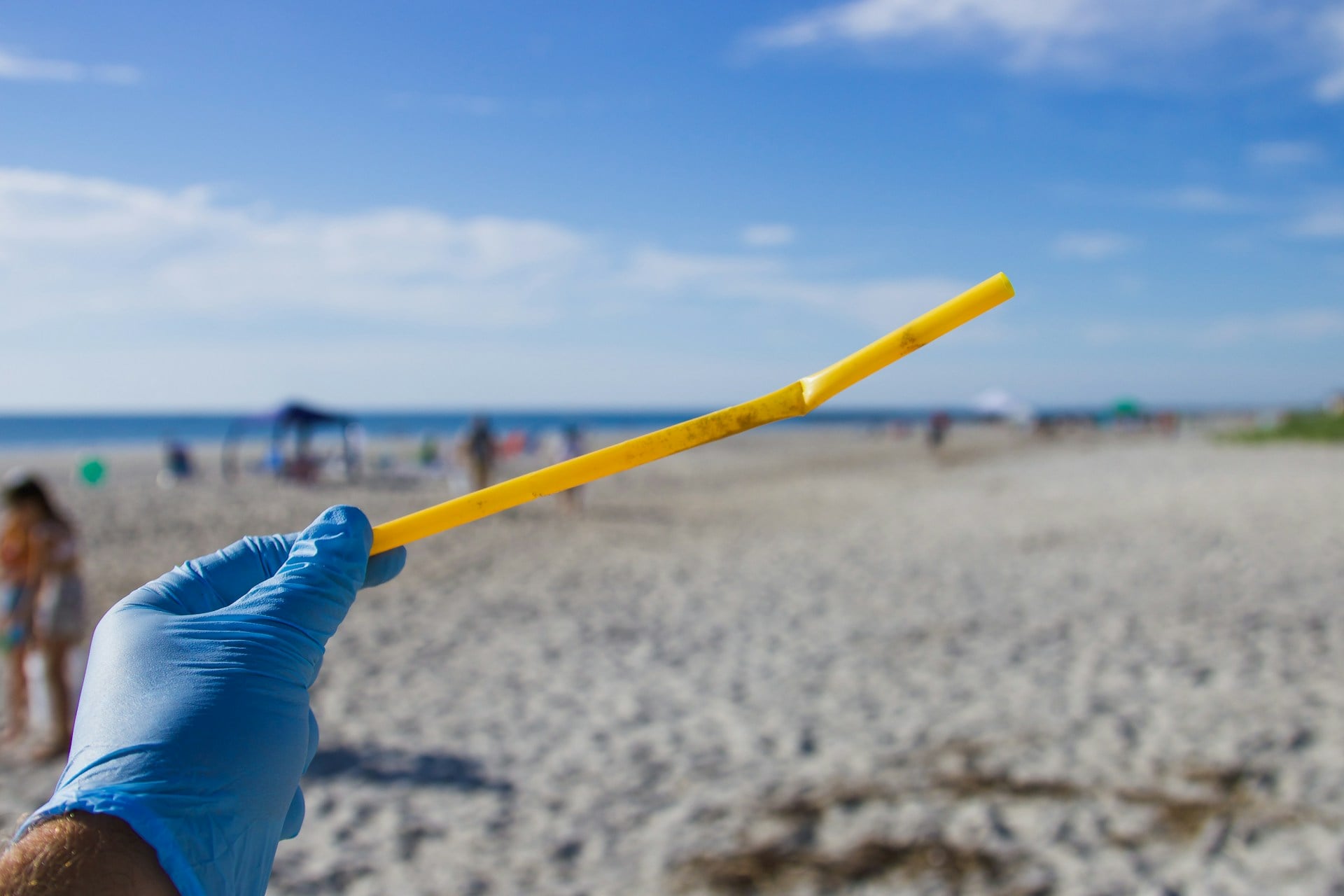
Plastic straws take around 200 years to decompose, and like plastic bags, they don’t fully vanish; they just fragment into microplastics. The United States alone uses about 500 million plastic straws every single day.
Many of them end up in oceans, where sea creatures often mistake them for food.
Six-Pack Rings
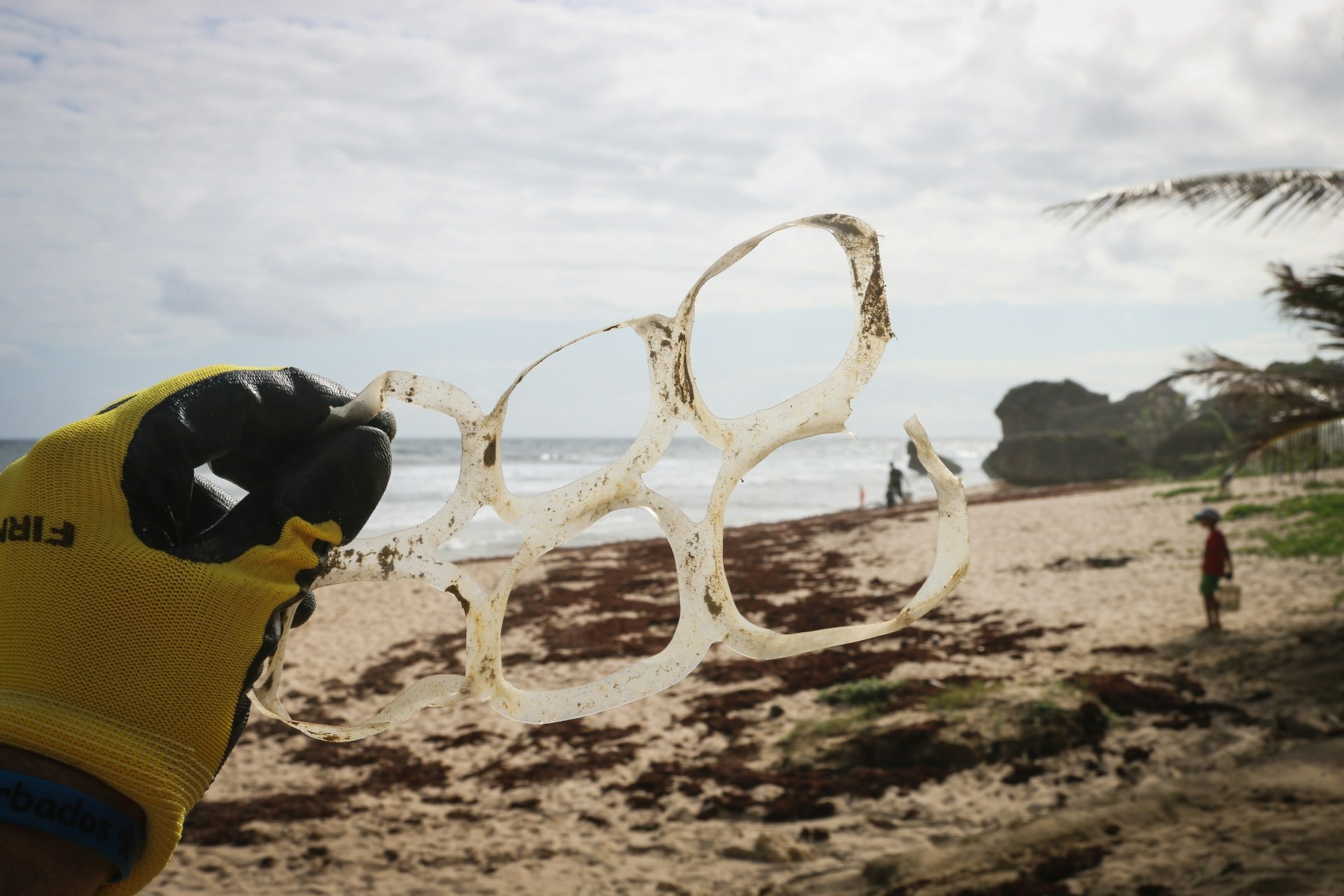
Those plastic rings that hold cans together can take up to 400 years to decompose. They’re particularly dangerous for wildlife, as animals like seabirds and turtles can get trapped in them and suffocate.
Cutting them up before disposal helps, but the best step is switching to the newer biodegradable versions that some companies now offer.
Disposable Razors

A single disposable razor takes about 450 years to decompose because of its mix of plastic and metal parts that don’t break down at the same rate. Billions of them are thrown away every year, yet most people don’t even consider them when thinking about waste.
Switching to a safety razor with replaceable blades drastically reduces long-term waste.
Nylon Fabric
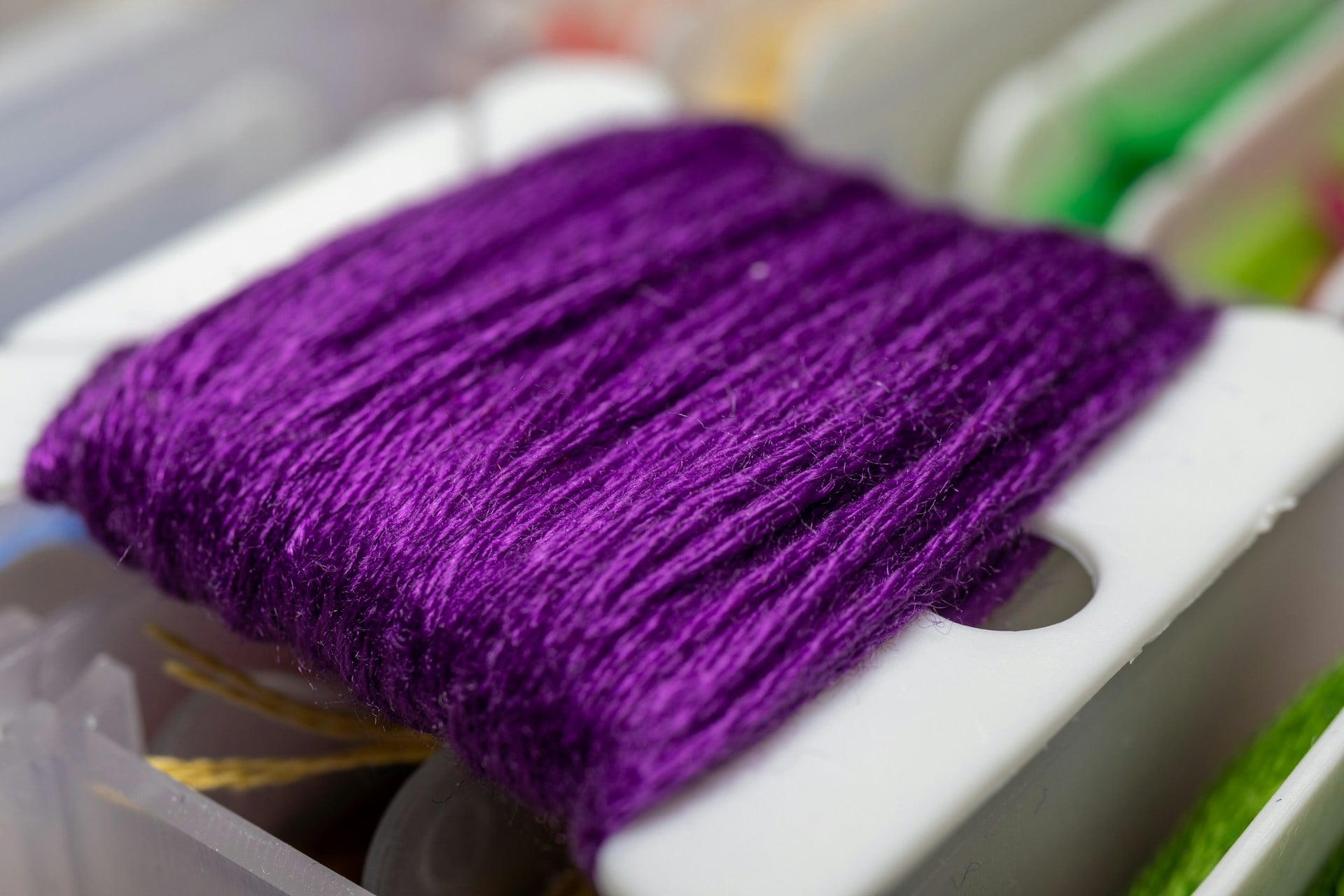
Nylon, a material found in everything from stockings to backpacks, takes between 30 and 40 years to decompose under average conditions. In landfills where there’s little sunlight or oxygen, that number climbs even higher.
As nylon breaks down, it releases nitrous oxide, a greenhouse gas that’s nearly 300 times more potent than carbon dioxide.
Sanitary Pads
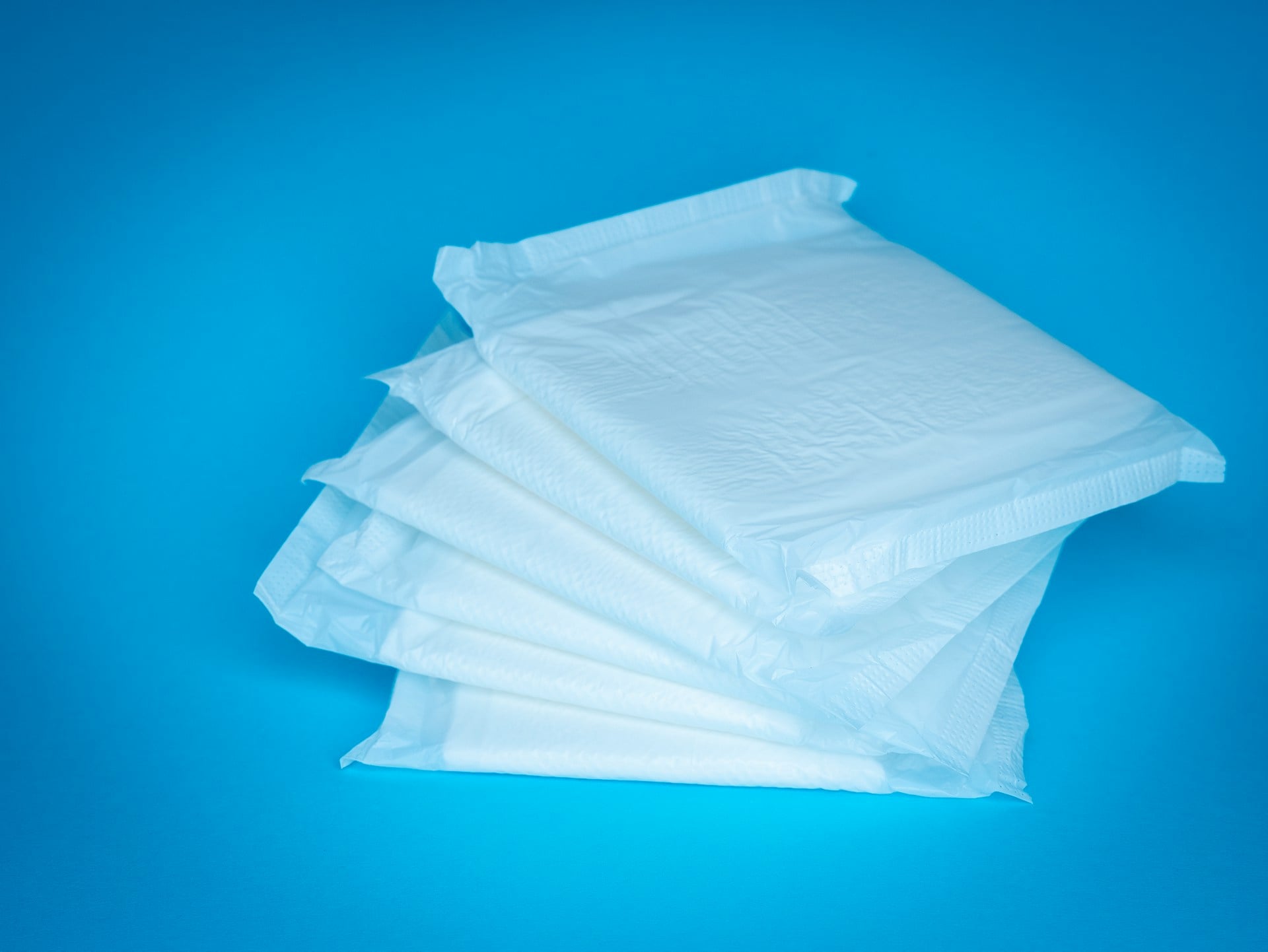
A single sanitary pad takes around 500 to 800 years to decompose, largely because of the plastic backing and absorbent synthetic materials inside. Around 45 billion sanitary products are disposed of globally every year.
Reusable alternatives made from natural materials exist and are becoming more widely available, but most people still reach for the disposable option out of habit.
Chewing Gum

Most chewing gum is made from synthetic rubber, which means it takes anywhere from 20 to 1,000 years to break down, depending on the brand. People casually spit it out on sidewalks, stick it under tables, or toss it on the ground, not realizing it’s essentially a tiny piece of plastic.
Removing chewing gum from city pavements costs municipalities millions of dollars each year.
Still Here, Still A Problem
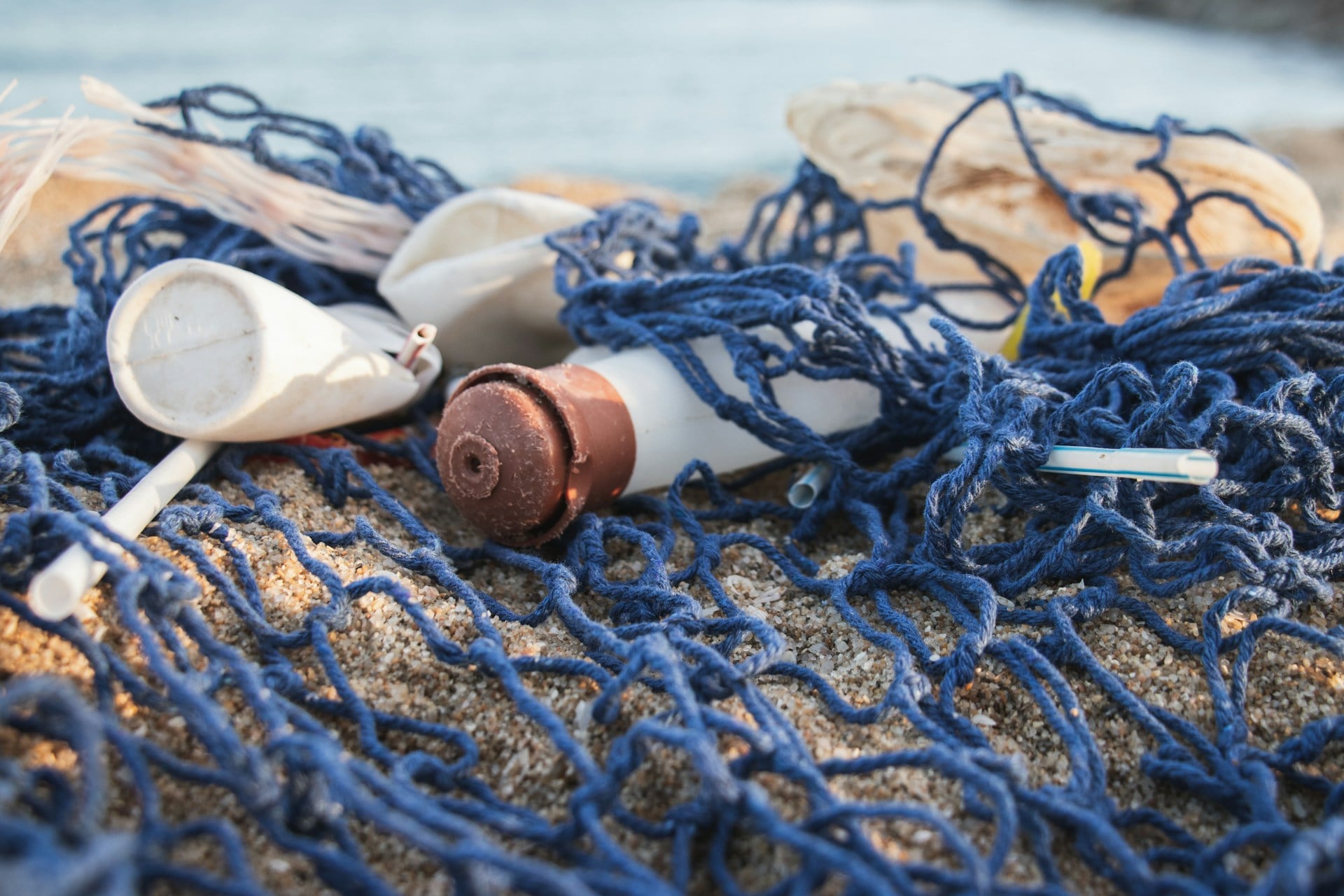
These items weren’t invented to last forever, but that’s exactly what they’re doing. Every straw, bag, and bottle used today will outlive the person who used it by hundreds of years, and that’s not a dramatic statement; it’s just math.
Small changes, like choosing reusable alternatives or recycling properly, may feel minor on an individual level, but they add up fast when millions of people make them. The things left behind say a lot about the choices made while people were still around to make them.
More from Go2Tutors!

- The Romanov Crown Jewels and Their Tragic Fate
- 13 Historical Mysteries That Science Still Can’t Solve
- Famous Hoaxes That Fooled the World for Years
- 15 Child Stars with Tragic Adult Lives
- 16 Famous Jewelry Pieces in History
Like Go2Tutors’s content? Follow us on MSN.