18 Unusual Brush-Making Techniques
People often don’t stop to think about how brushes get made. Most imagine a simple machine putting bristles into a handle, and that’s it. But in reality, the process can be full of surprising twists. Brushes come in all shapes and sizes, made for painting, cleaning, grooming, and more. Different cultures and crafts have developed unique ways to build brushes, using materials and methods that might seem strange or even clever.
Even with machines now doing much of the work, some places still hold on to creative and unusual methods to make brushes. Let’s explore some of these strange and interesting techniques. They range from old traditions to modern crafts and use materials you might never expect.
Human hair binding
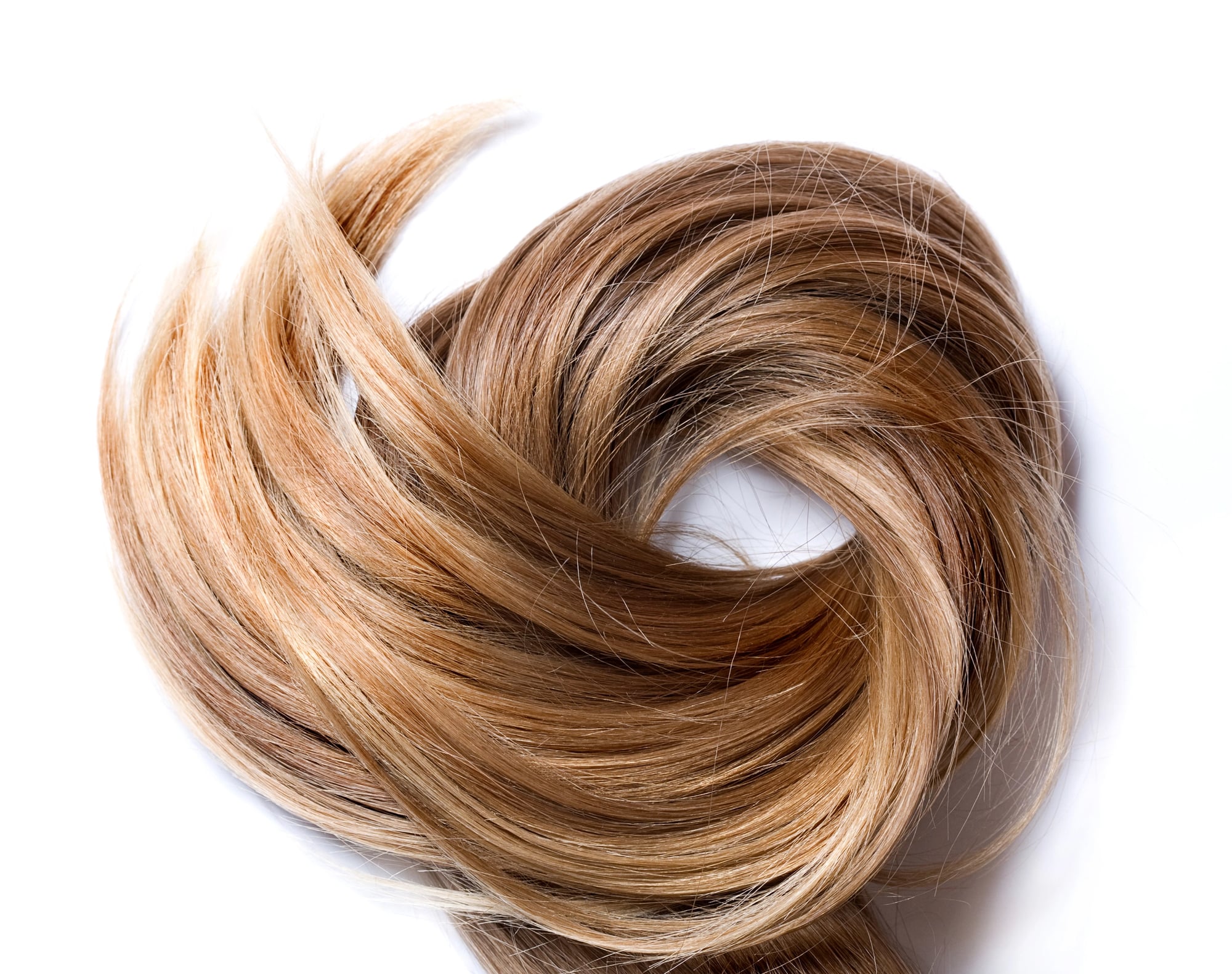
Some artisans still use human hair to make fine brushes, especially for calligraphy or detailed artwork. The hair is carefully collected, cleaned, and shaped by hand into a delicate tip.
Silk threads are sometimes used to tie the hair bundles instead of glue, which keeps the bristles flexible. This method gives each brush a very personal feel.
Tree sap as glue
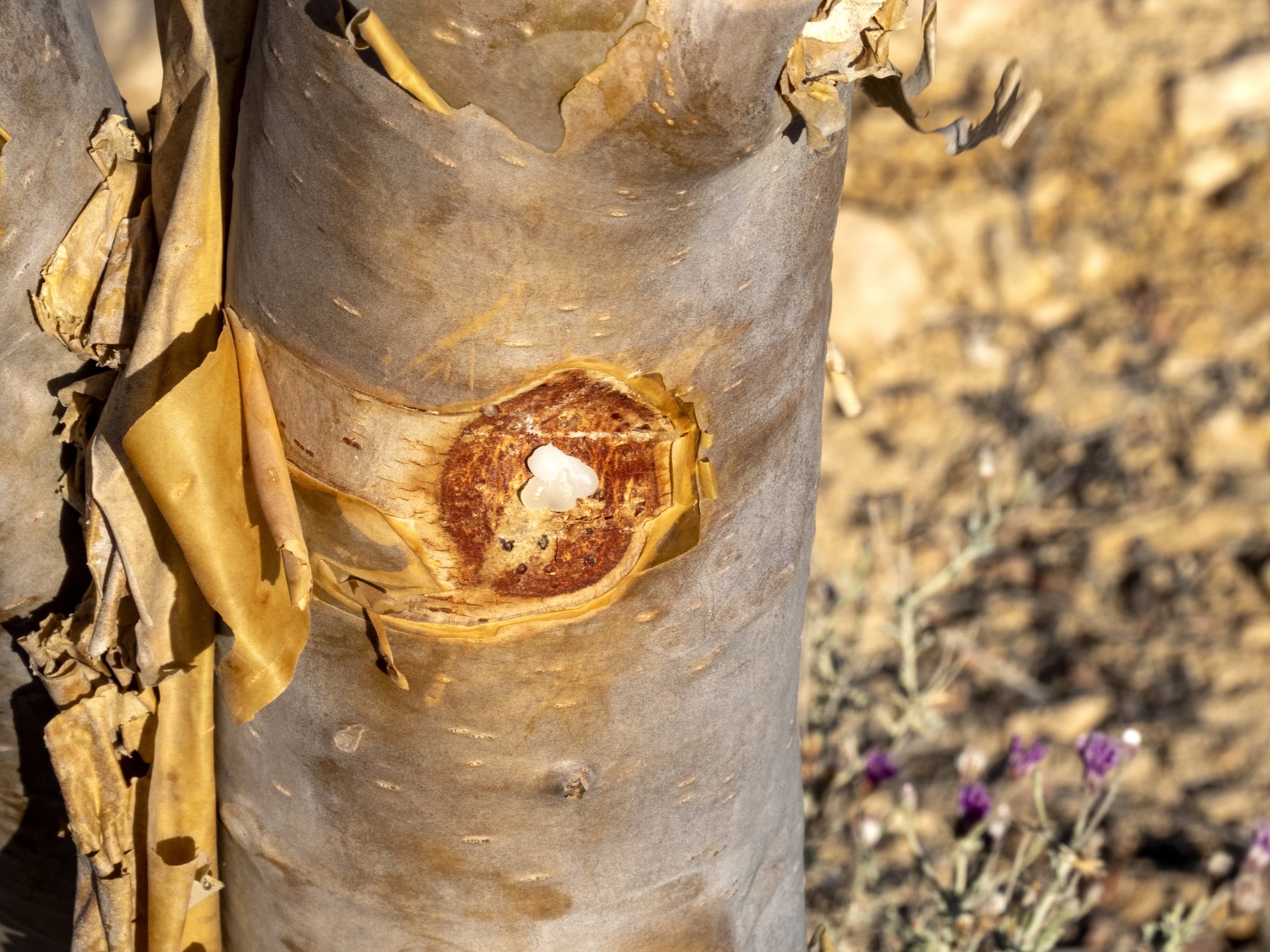
Before modern glue, makers often used pine tree sap to hold the bristles to the handle. The sticky resin would be heated until soft, and then the brush hairs were dipped into it before attaching to the handle.
This process took time to dry and had a strong smell, but it worked well. Some artists still prefer natural tree sap over chemical adhesives.
Fishbone handles
In some fishing communities in Asia, dried fishbones are turned into brush handles. After cleaning and boiling, the bones are carved and shaped, sometimes reinforced with wire or cloth for better grip.
These handles are light but tough, originally made to use all parts of the fish. They might look unusual, but they work well as brush handles.
Porcupine quills as bristles
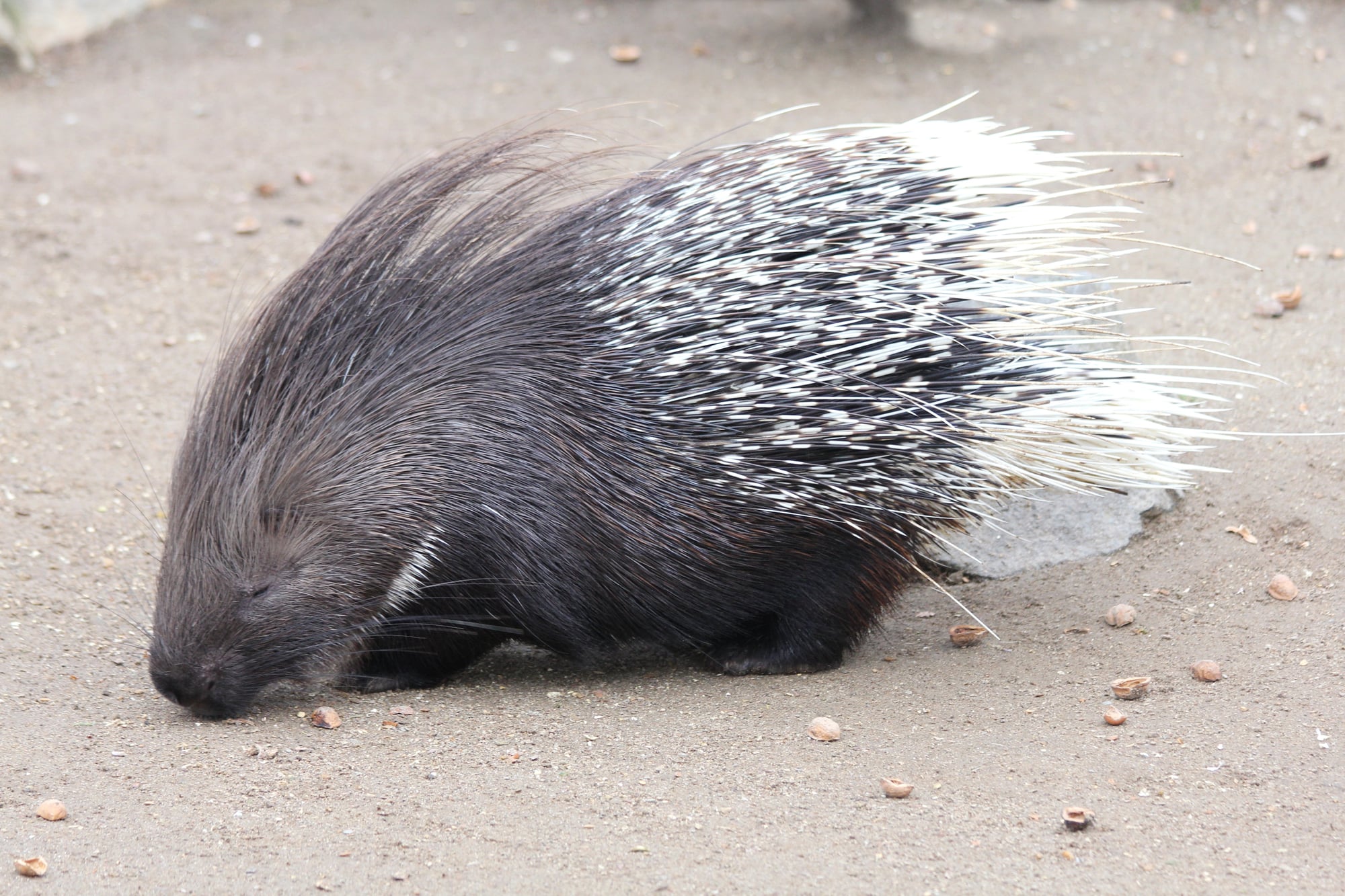
In certain parts of Africa and South America, quills from porcupines are used as brush bristles. The quills are trimmed and softened by soaking, then bundled and attached to wooden or bone handles.
Their stiff, sharp ends make for brushes that don’t fray easily, giving precise lines. These brushes are often used for body painting or pottery decoration.
Feather-tipped brushes

Large feathers, like those from geese or swans, have been shaped into soft brushes in some Asian calligraphy traditions. Their softness lets artists create broad, flowing strokes with little pressure.
Feathers provide a different feel than typical bristles and are chosen for special painting or writing work.
Bamboo split-ends
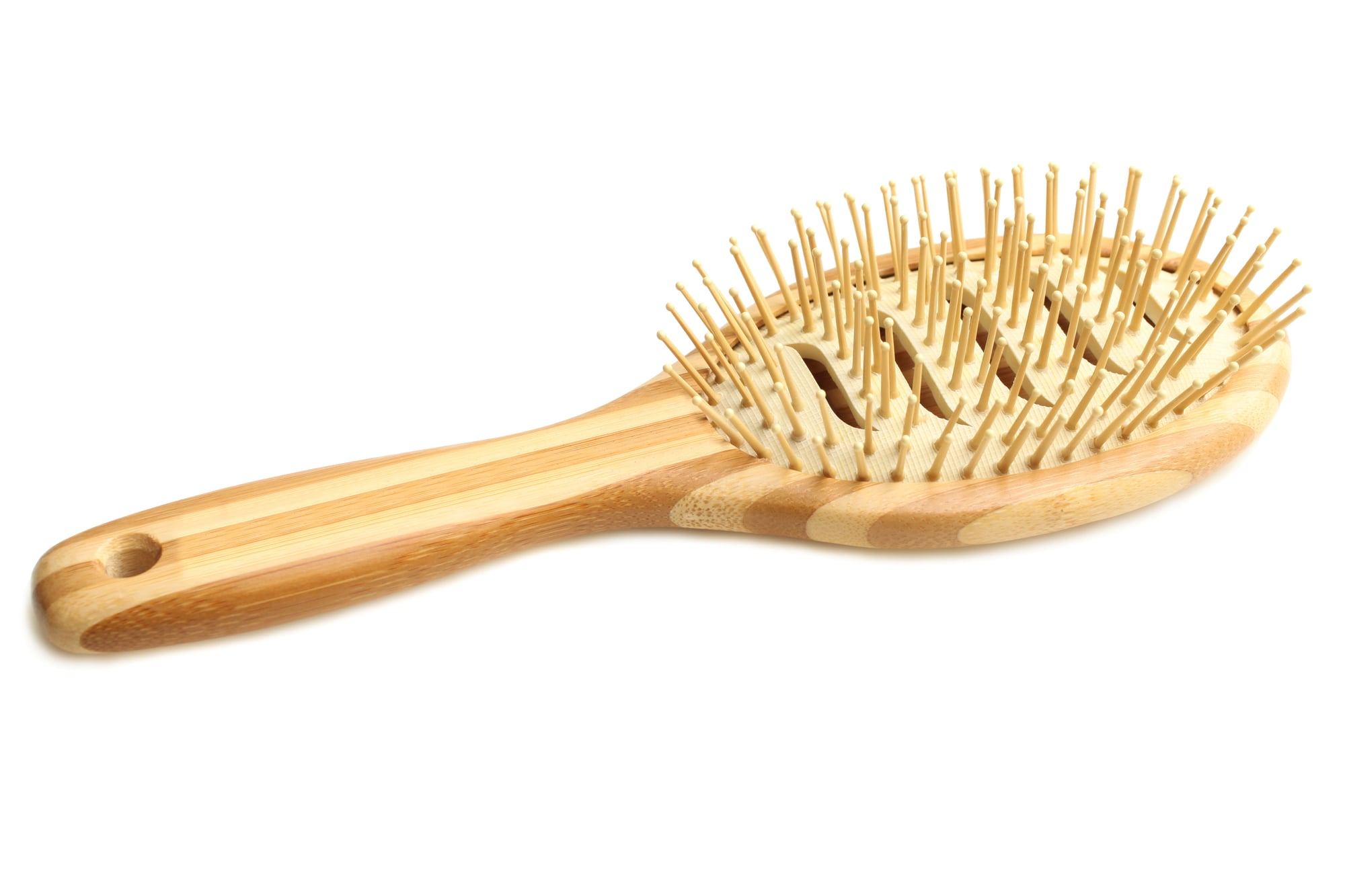
Some East Asian brush makers use bamboo itself for the bristles by splitting the end into thin strips. These strips are soaked to soften them and sometimes further thinned depending on the desired effect.
No extra bristles are added, just the bamboo. These brushes are popular for ink painting and give a unique textured finish.
Chewed fibers
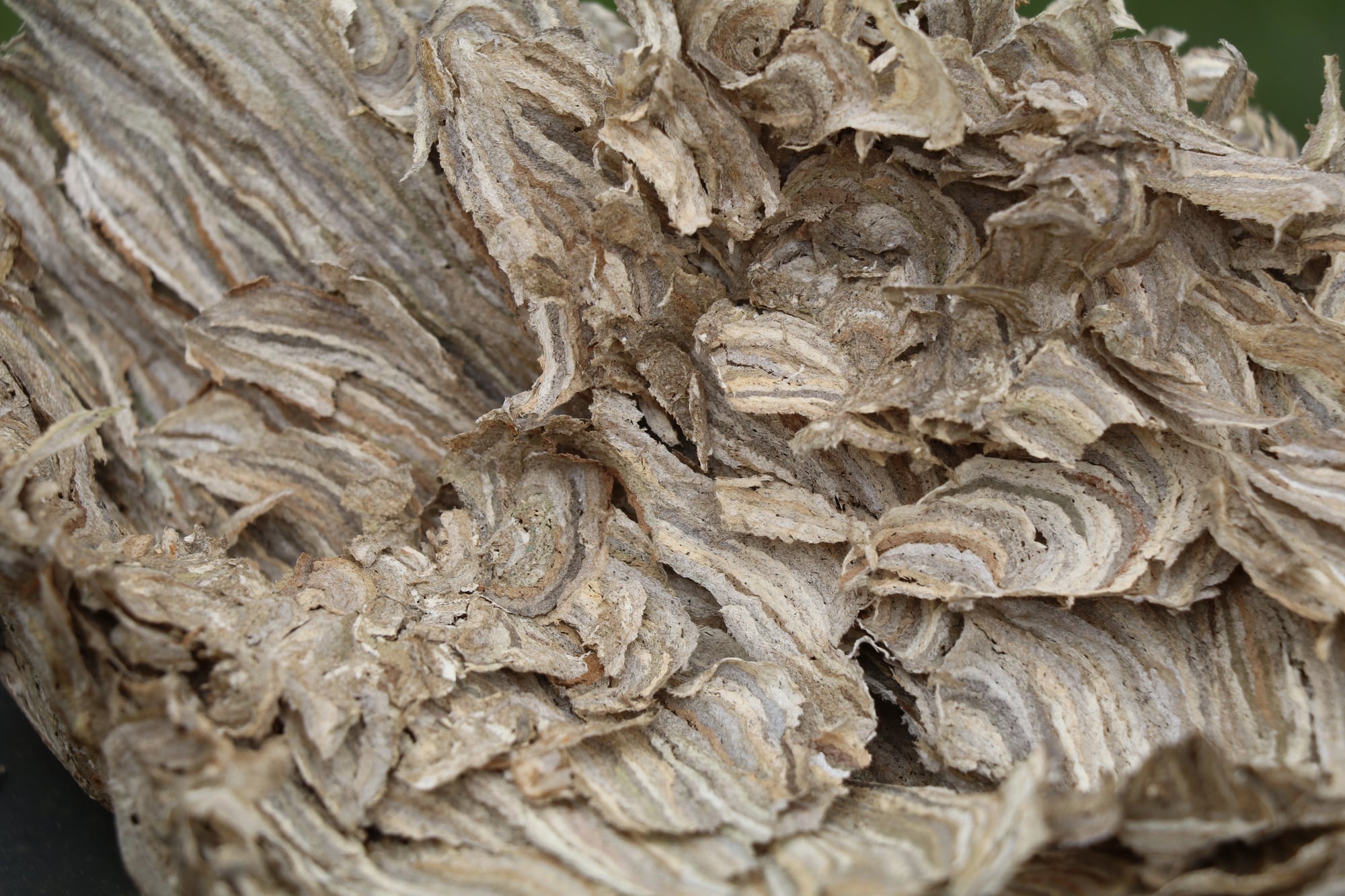
Long ago, some early brushes were made by chewing plant fibers to separate and soften them. Plants like yucca or agave were used, and the softened fibers acted like rough bristles.
These primitive brushes were common for cave painting and early writing. Some modern rural artists still use this method for a rustic look.
Wire coil clamps
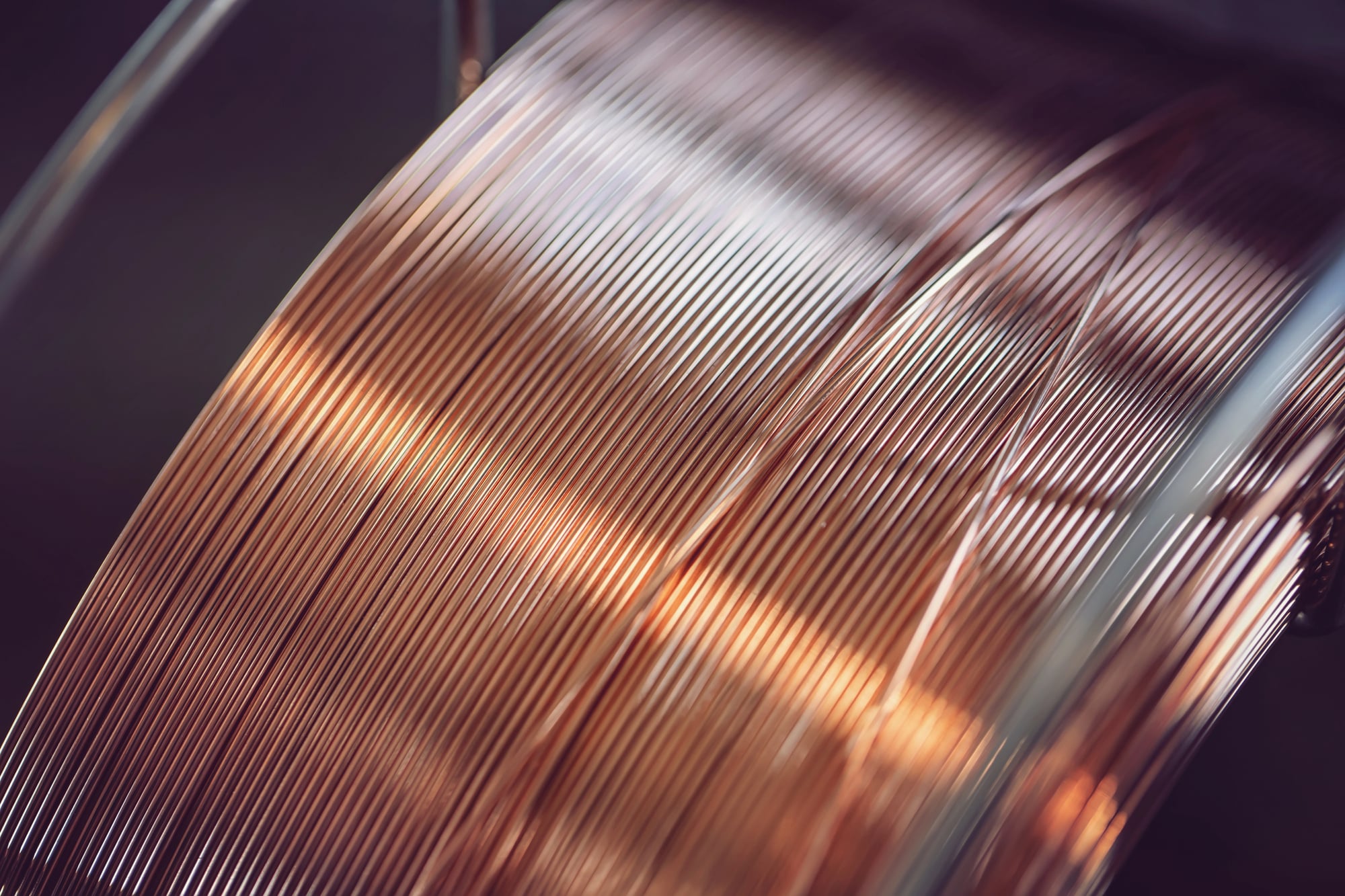
Instead of glue or metal ferrules, some brushes hold bristles with tightly wound wire coils. This technique is common in custom workshops where brushes need to be adjustable.
The wire lets artists change or replace the bristles easily. It is more mechanical than traditional methods but offers great control and flexibility.
Animal tail tufts
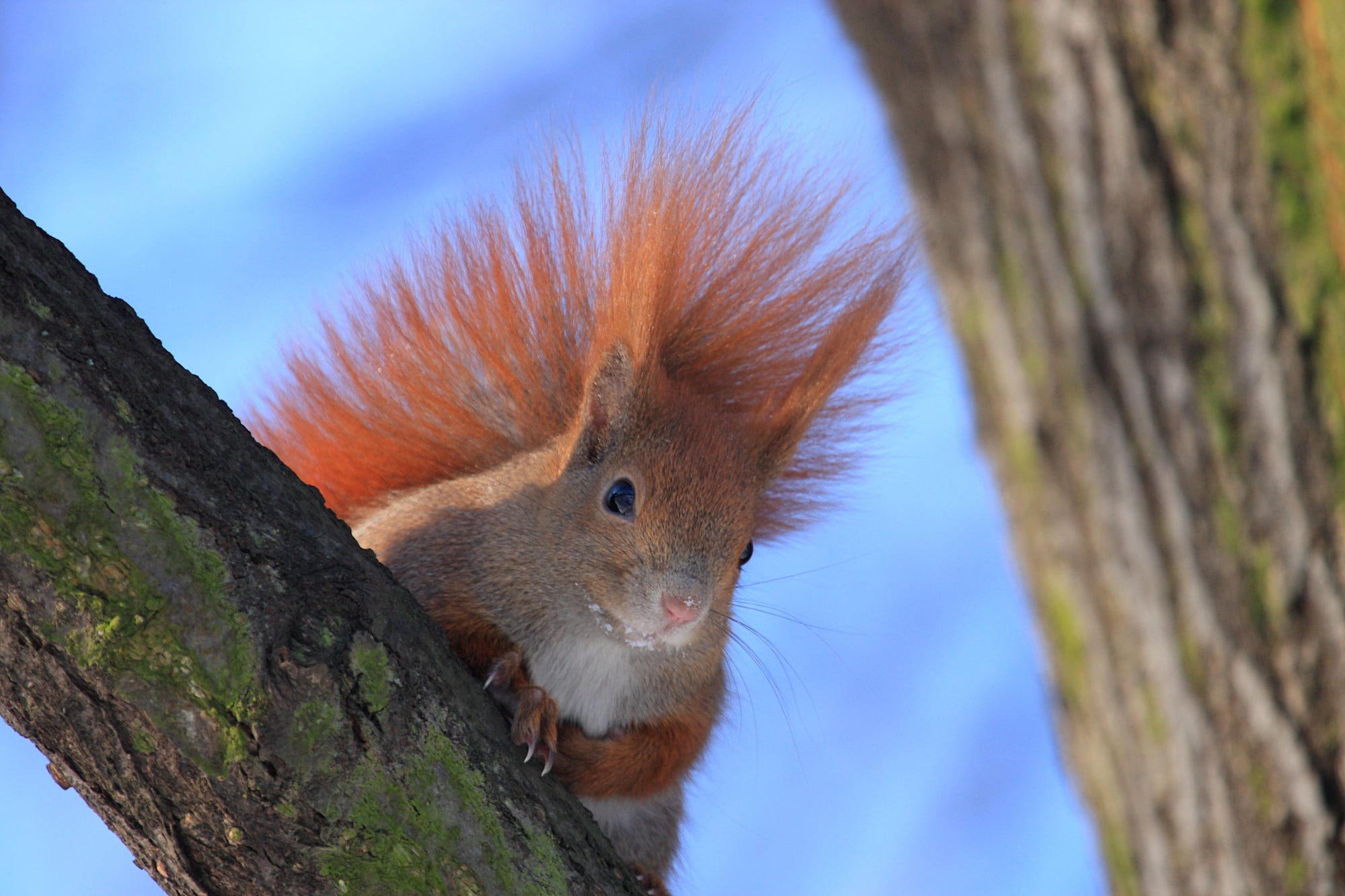
In parts of Eastern Europe and Asia, trimmed animal tail hair from cows, horses, or goats is used for brush bristles. The tail hair is cleaned and bundled by hand, with some makers believing that different parts of the tail affect how the brush performs.
Though less common now, this method still survives in some rural areas.
Bone ferrules
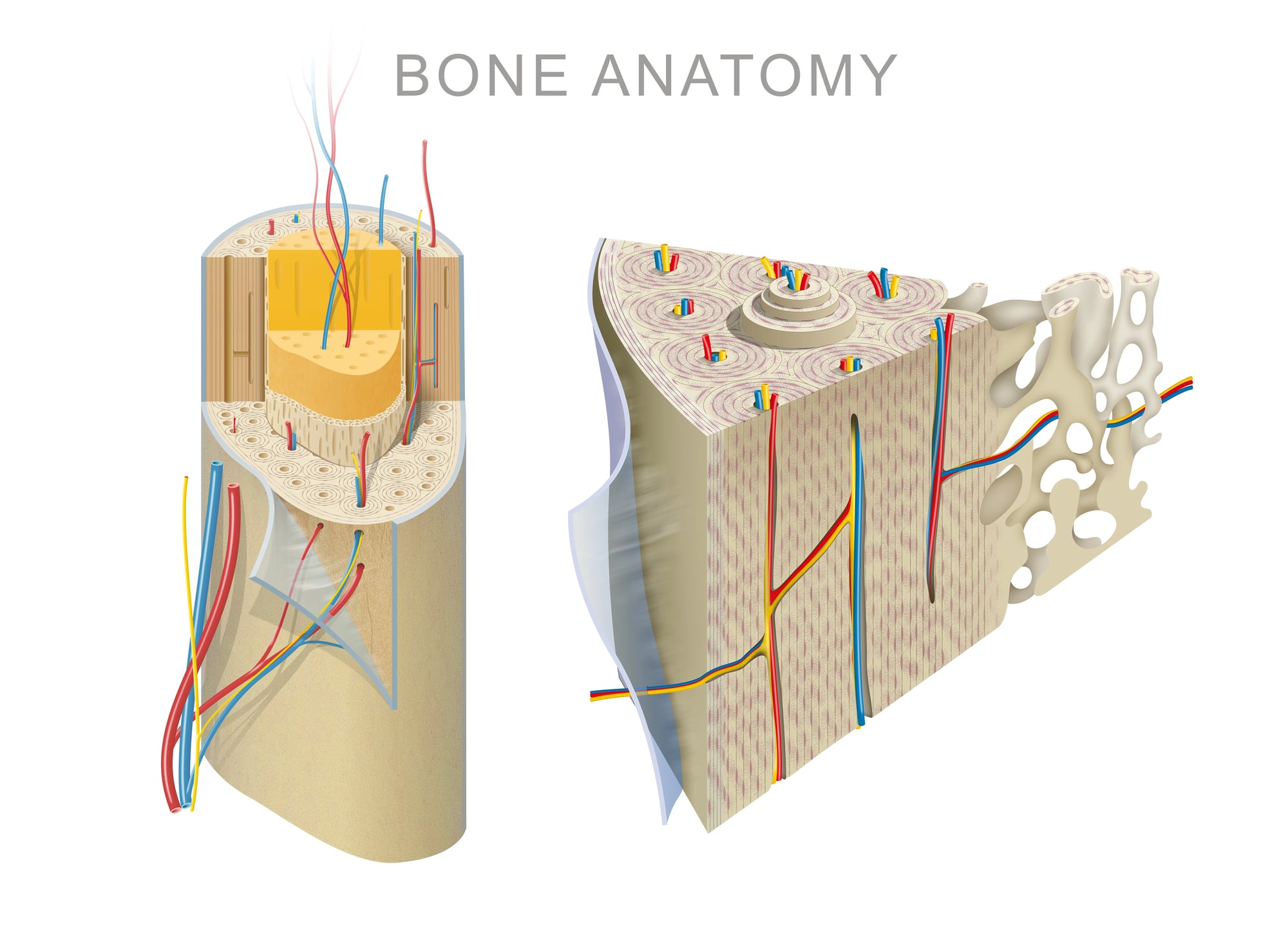
Instead of metal ferrules, some brushes use carved bone tubes to hold the bristles. This technique comes from regions like Mongolia and northern China.
The bones are hollowed, polished, and shaped before attaching the bristles. Bone ferrules are lightweight and durable, and each has its own natural pattern, giving the brush a special look.
Glass handles
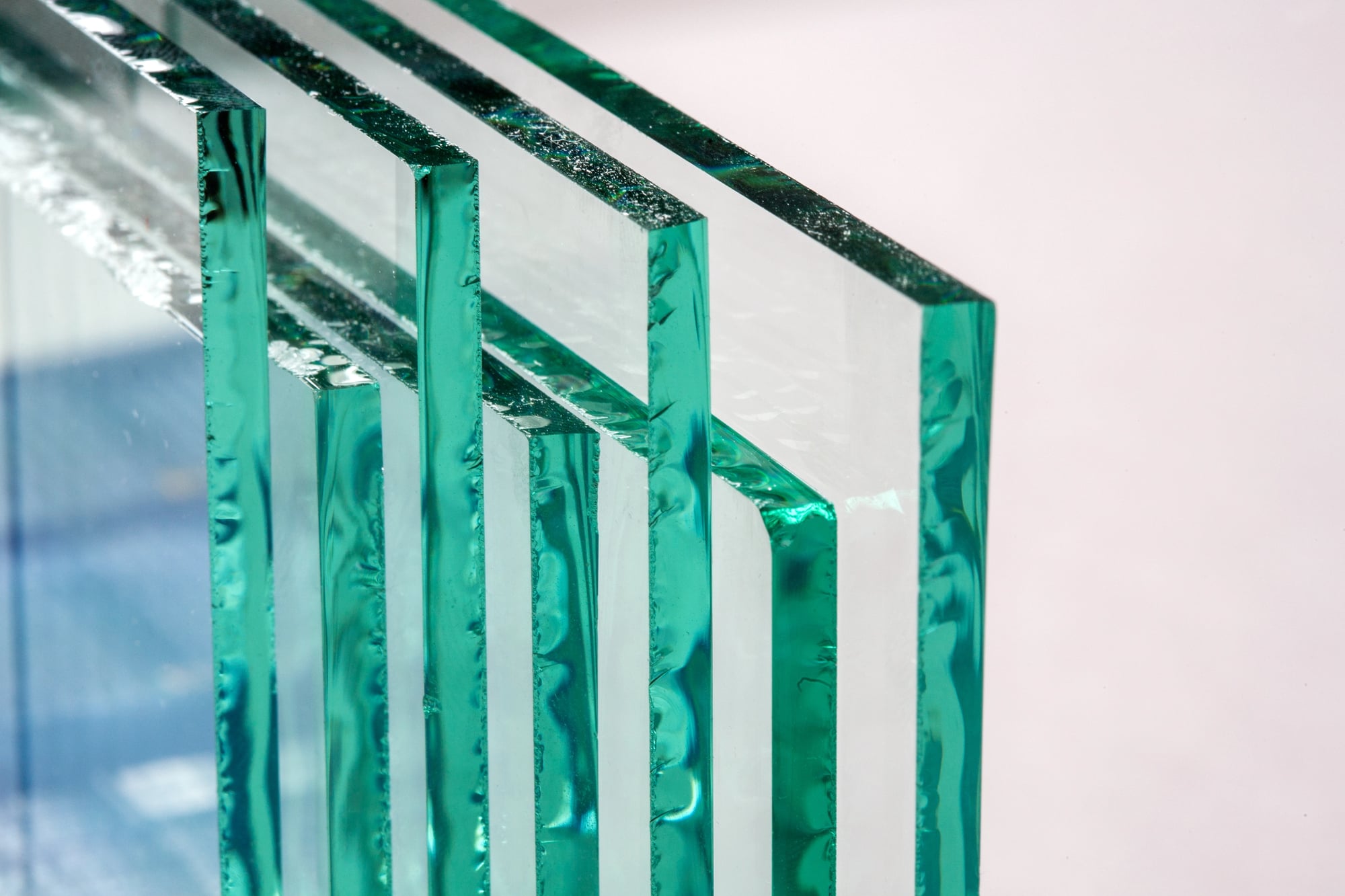
Some brushes come with hand-blown glass handles. While fragile, these handles are works of art with shapes, colors, and smooth finishes that you won’t find in usual brushes.
These glass brushes are often for display or special projects. They combine function with a high level of beauty.
Cloth-wrapped cores
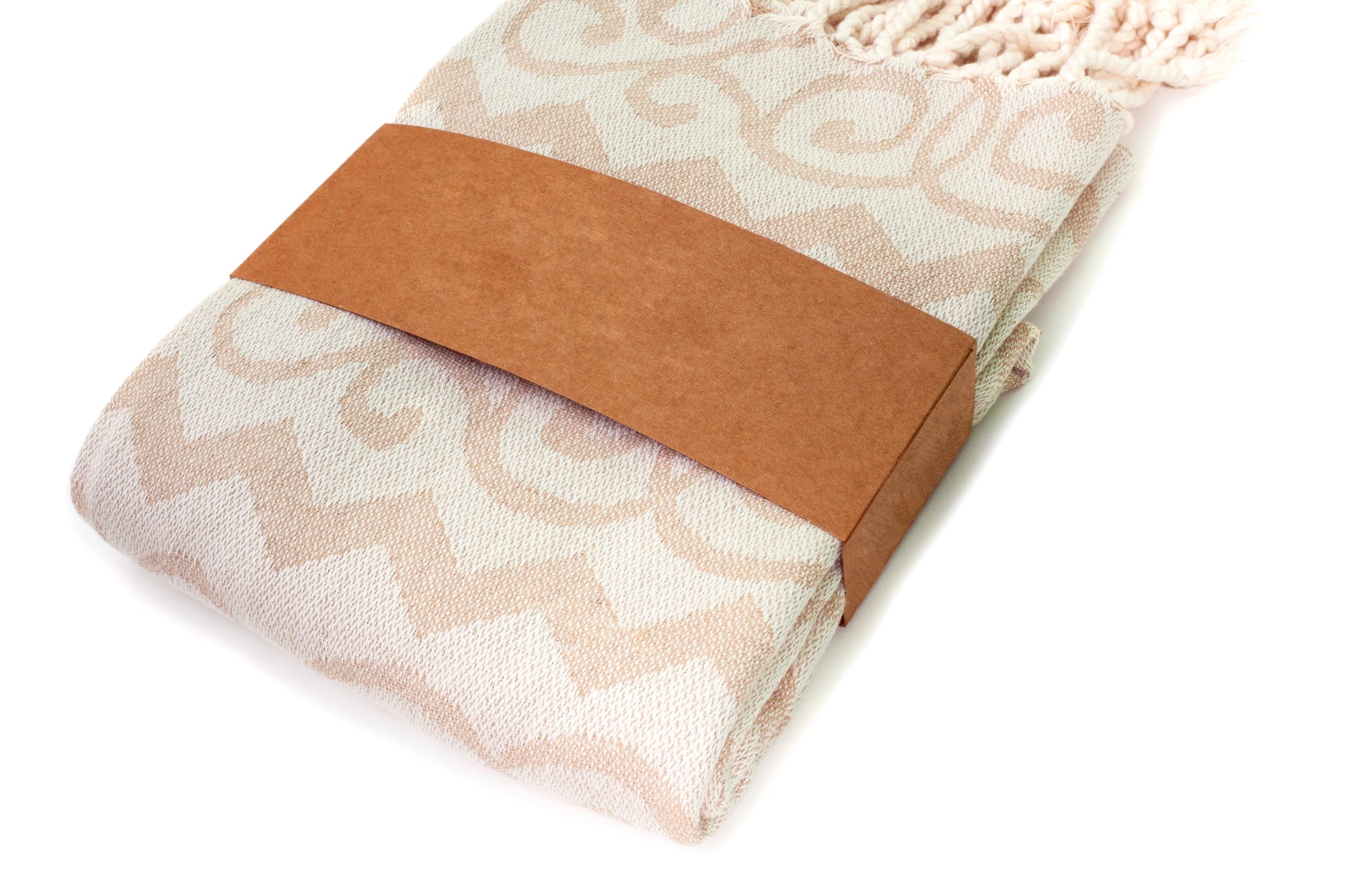
In some African and Southeast Asian places, brush handles are made from layers of cloth strips rolled tightly together. The fabric is bound with string or glue and then bristles are attached.
This creates a light handle with a soft grip that can absorb sweat, which is helpful in hot climates. It also uses leftover materials, making it eco-friendly.
Sponge-tip brushes
Instead of bristles, some brushes use shaped sponge tips. This method is common in Japanese pottery painting for smooth, soft applications.
The sponge is cut into wedges or points and fixed to a handle. It holds a lot of liquid and spreads it gently. These brushes are good for certain effects but don’t replace traditional bristle brushes.
Charred wood sealing
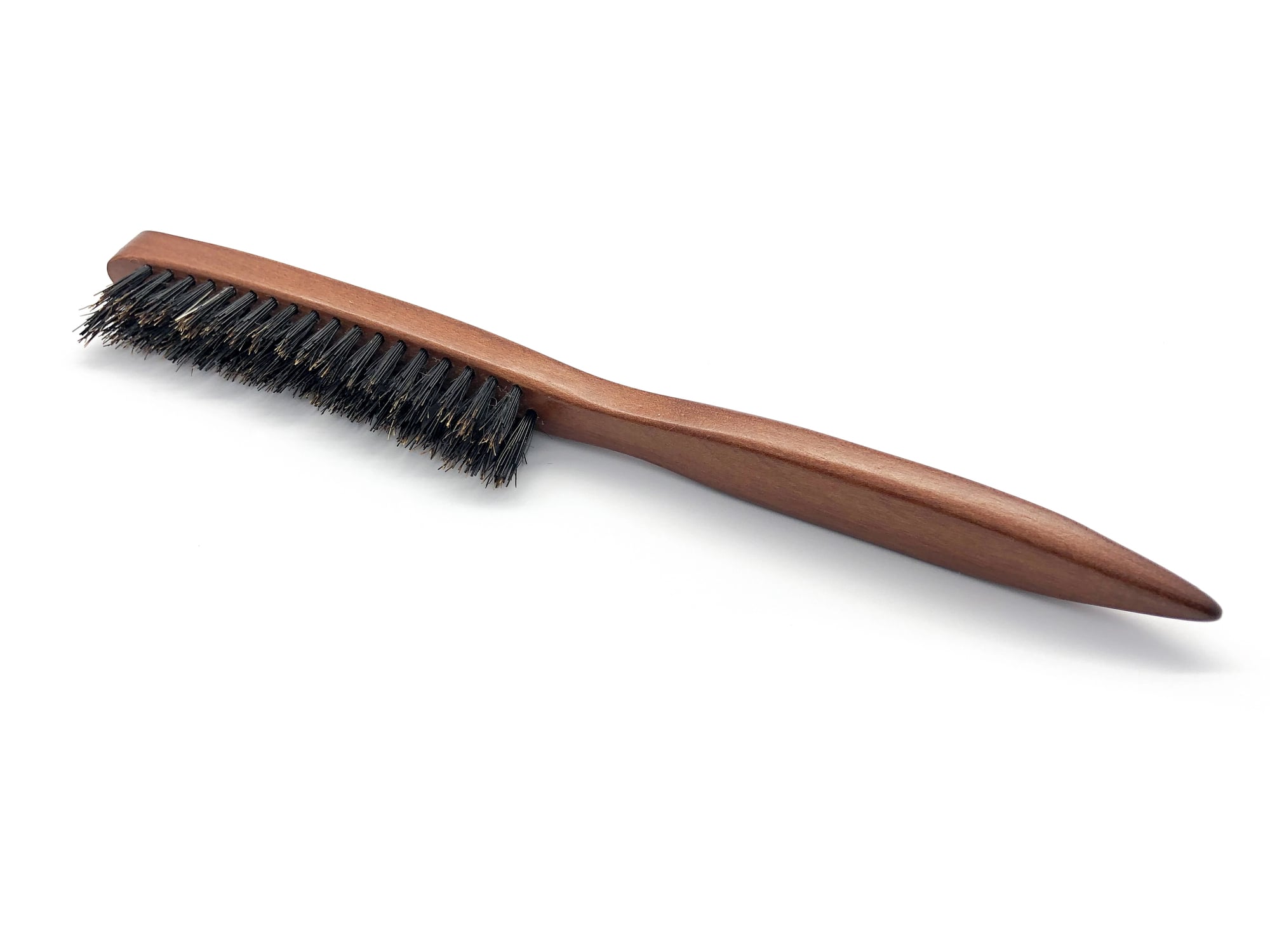
Some brush makers burn the end of the wooden handle to create a hardened seal that protects it from water damage. This charring also gives the wood a dark, smooth finish.
This old technique comes from Japan and parts of Africa. It is practical and adds a handmade touch to the brush.
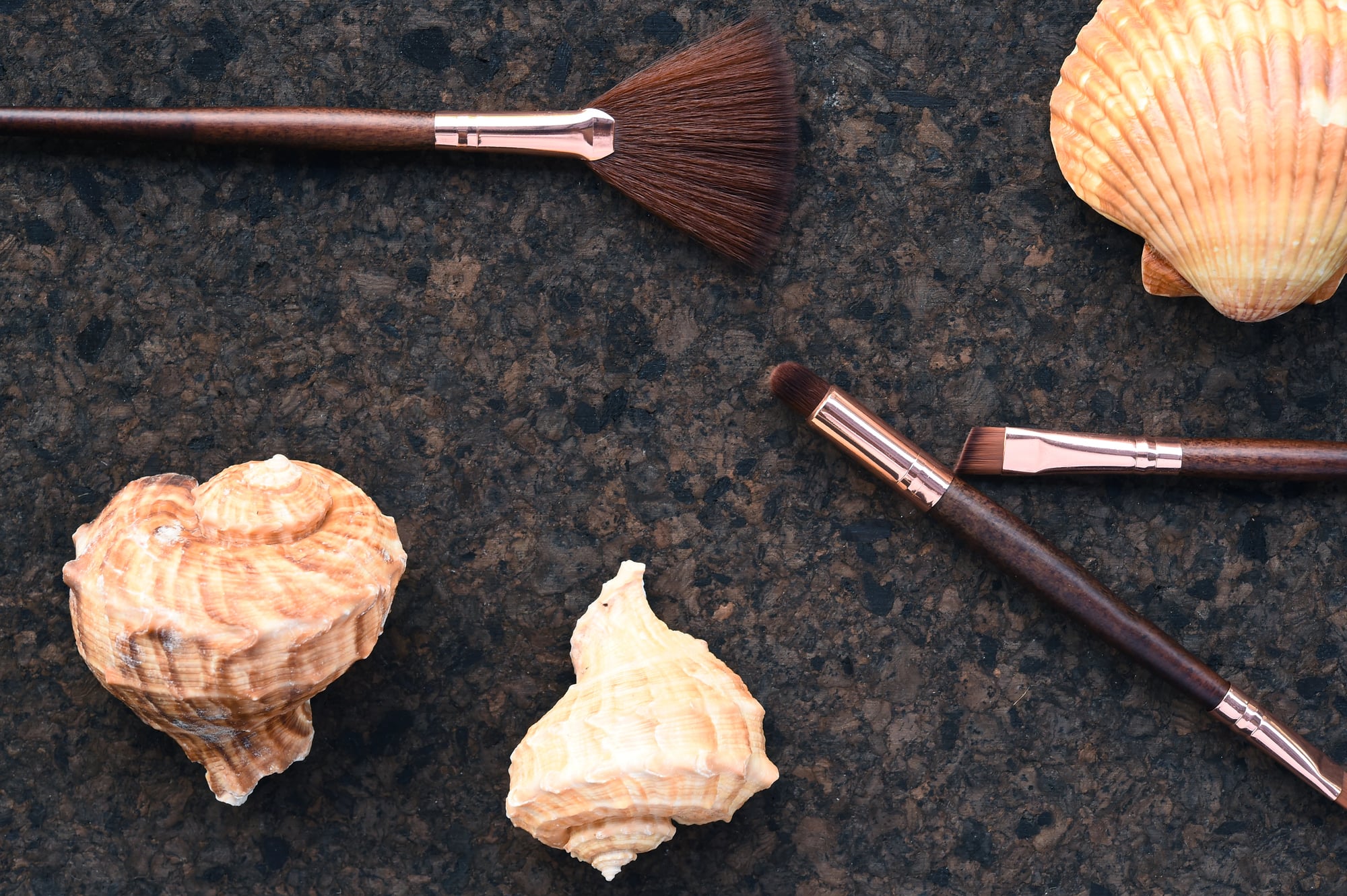
Shell-based holders
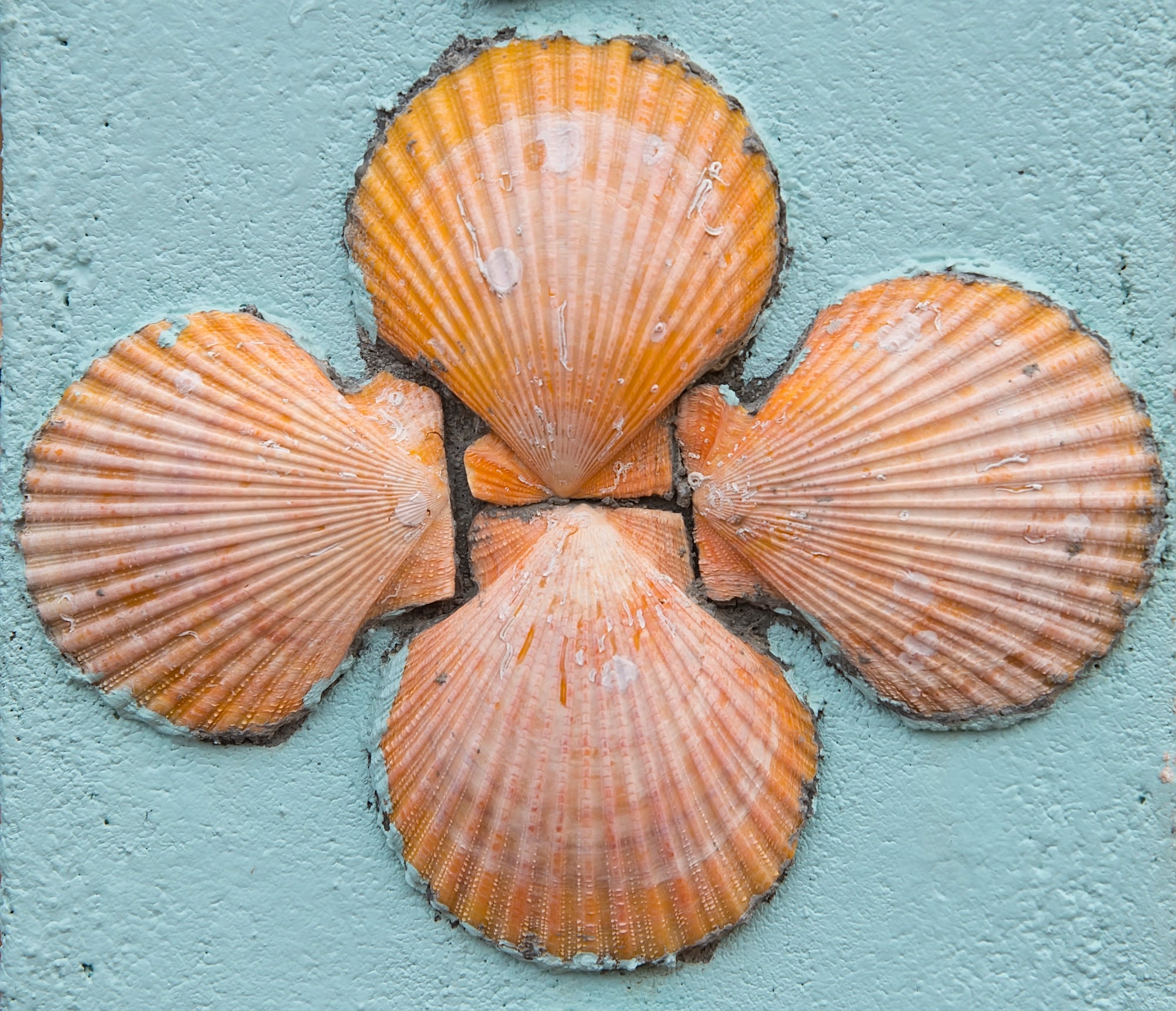
Some cultures use cleaned, half shells as brush holders or parts of the handle. The shell is drilled and attached to bristles with wax or resin.
These small brushes are often for detail work. The weight of the shell adds balance, and the natural shell makes the brush look special on any desk or studio.
Crimped metal binding
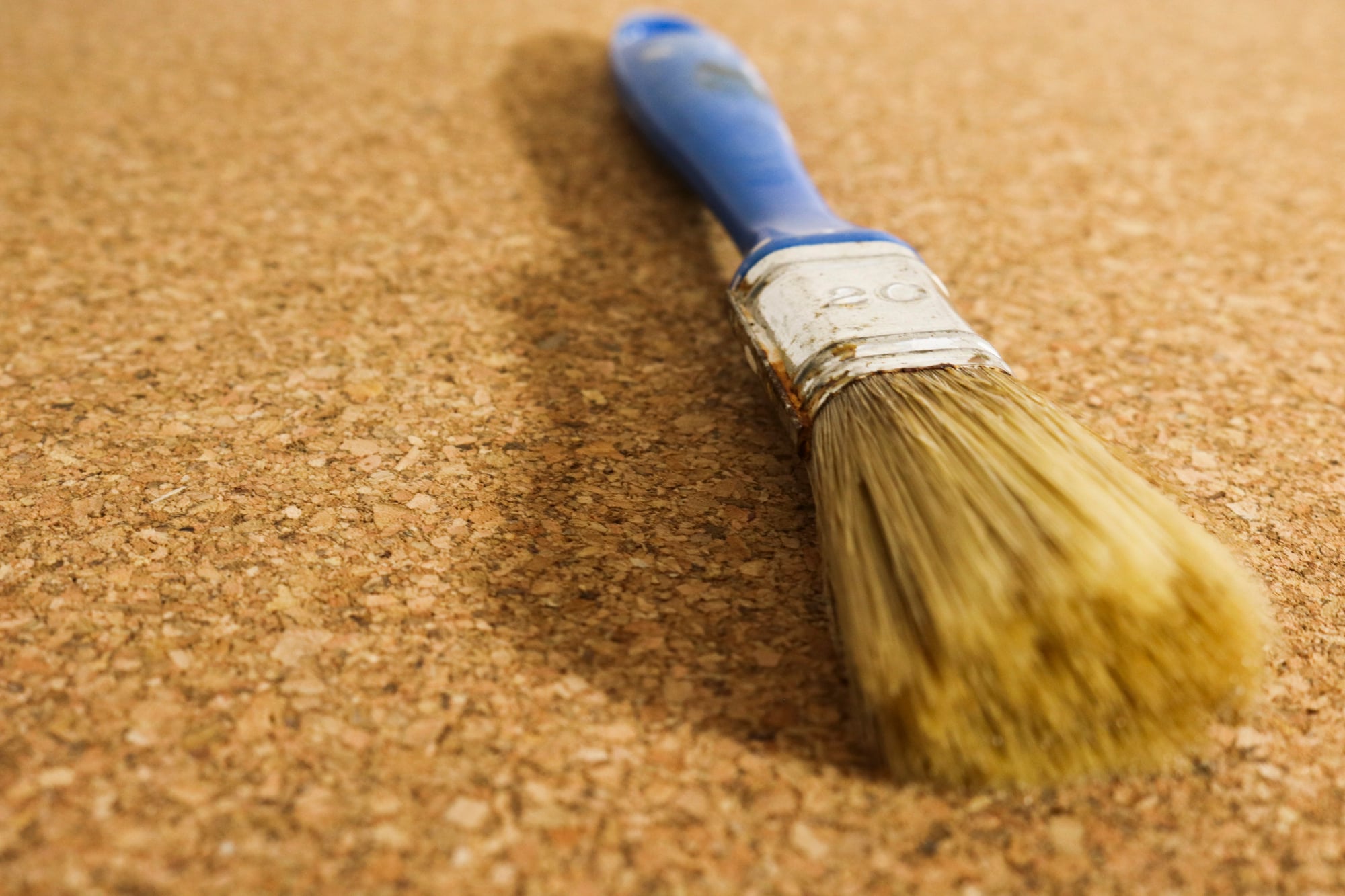
Some brushes skip glue entirely by using crimped metal sleeves to hold bristles tight. The metal is squeezed down around the base of the bristles, locking them firmly in place.
This method is common in technical brushes designed for heavy use. The metal clamp looks clean and ensures durability without adhesive.
Natural glue from boiled hide
In traditional brush-making, glue made by boiling animal skin and bones was common. This thick glue is strong but flexible, perfect for holding bristles in place without breaking.
Some calligraphy brush makers still use this hide glue today, valuing its slow-setting but lasting bond. It is a messy but respected craft.
Cork-based grips
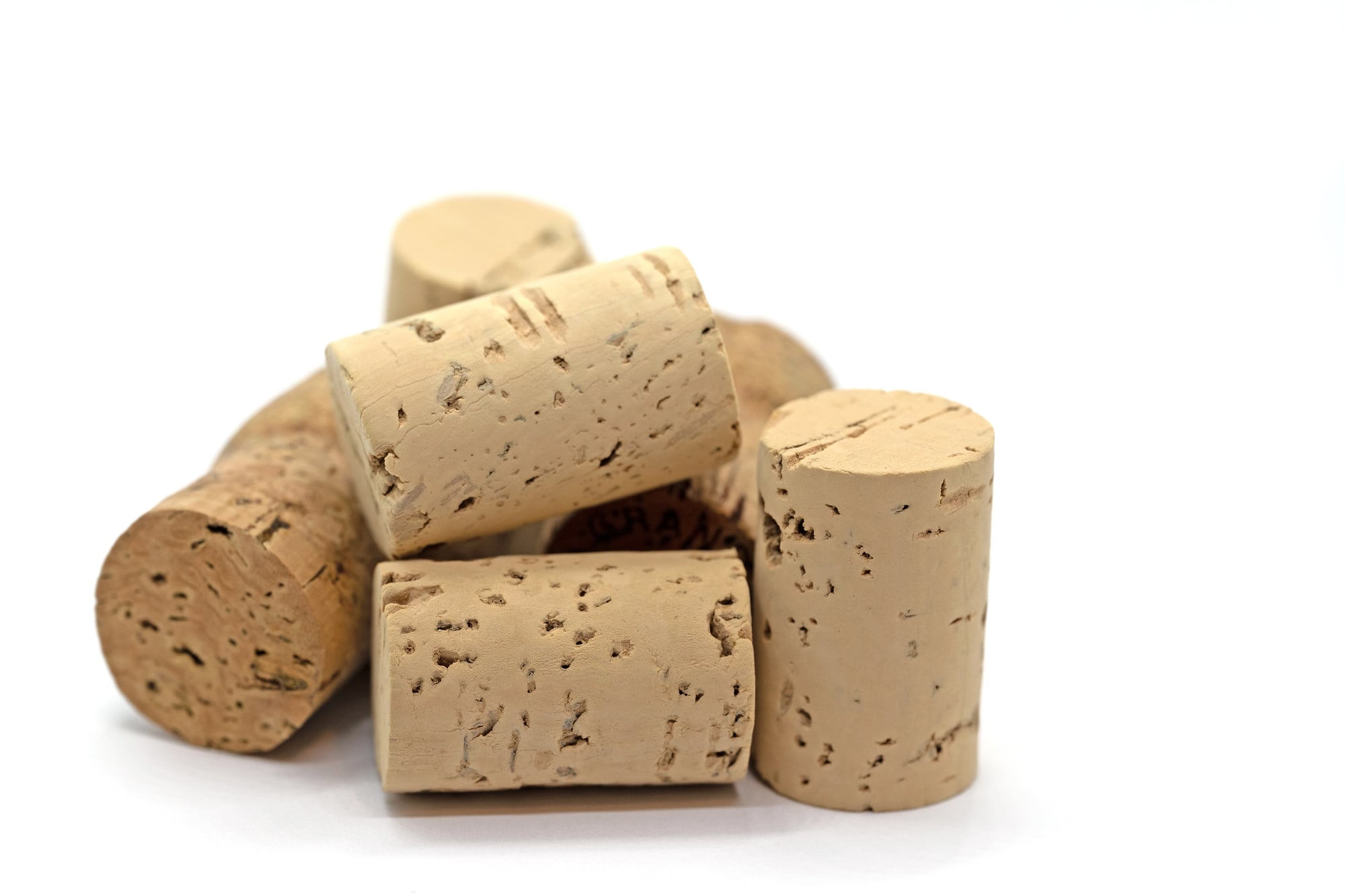
Cork is sometimes wrapped around brush handles to create soft, comfortable grips. Cork naturally resists water and mold, making it good for wet environments.
This grip style is often used by artists who work for long periods or have hand issues. The cork is glued or stapled to a simple handle and is very practical, if not always fancy.
A link between past and present
Brush-making is more than just a way to create tools. It is a mix of history, culture, and hands-on skill that has passed through many generations.
Even as machines make most brushes now, these unusual methods show how people once used nature and creativity to solve everyday problems. They remind us that even simple things can hold stories and meaning.
Today, while many brushes look similar, some makers keep these old traditions alive. This keeps the connection between past craft and modern use strong.
More from Go2Tutors!

- The Romanov Crown Jewels and Their Tragic Fate
- 13 Historical Mysteries That Science Still Can’t Solve
- Famous Hoaxes That Fooled the World for Years
- 15 Child Stars with Tragic Adult Lives
- 16 Famous Jewelry Pieces in History
Like Go2Tutors’s content? Follow us on MSN.