Facts About Antarctica You Won’t Believe
Antarctica doesn’t work the way you think it does. Everything about this place contradicts what seems logical—from its deserts to its waterfalls, from its hidden lakes to its bizarre weather patterns.
The facts sound made up. But they’re all real.
The Driest Desert on Earth Exists in Antarctica
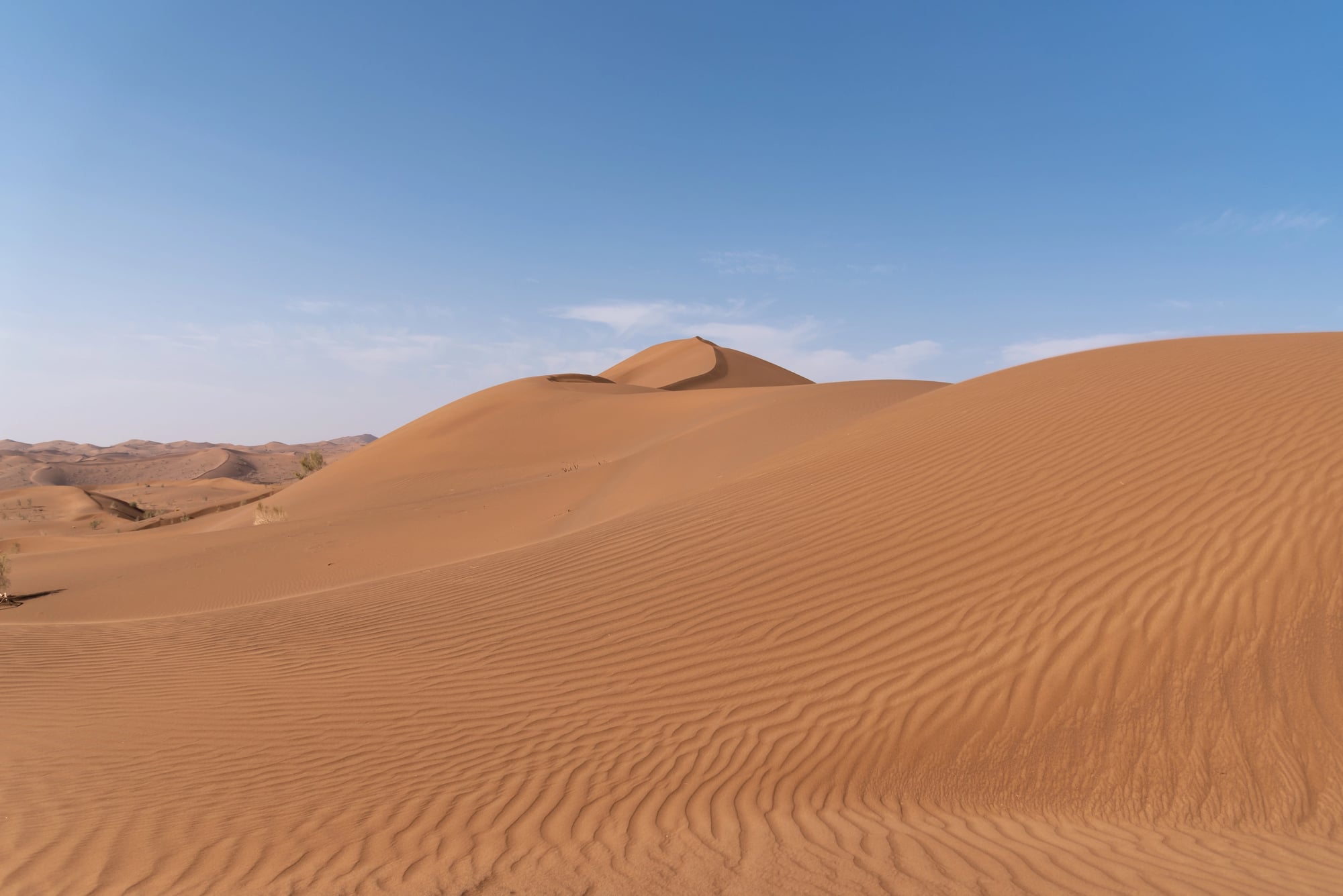
The McMurdo Dry Valleys have been free of glaciers for roughly 2 million years, making them some of the driest places on Earth. These valleys cover about 4,800 square kilometers, and they’re so dry that even snow can’t survive there.
The moisture evaporates before it reaches the ground. Scientists use these valleys to test Mars rovers because the conditions come closer to Mars than anywhere else on Earth.
The soil contains almost no organic material. Nothing grows.
Nothing decays. Things just sit there, frozen in time.
Antarctica Has an Active Volcano With Lava Lakes
Mount Erebus stands 3,794 meters tall and contains a permanent lava lake. The lava glows red against the white ice, creating a surreal landscape that looks photoshopped.
The volcano erupts regularly, throwing lava bombs hundreds of meters into the air. These bombs cool instantly in the frigid air and land as bizarre glass sculptures on the snow.
Scientists camp on its slopes to study the eruptions up close.
There’s a Waterfall That Runs Red

Blood Falls looks like something from a horror movie. The water flowing from Taylor Glacier appears deep red, staining the white ice below it.
The color comes from iron oxide, but that’s not the strangest part. The water source is a lake trapped under the glacier for 2 million years.
The lake contains bacteria that have evolved to survive without sunlight or oxygen. These organisms live off sulfur and iron compounds in complete darkness.
The waterfall is essentially their waste product.
Antarctica’s Interior Gets Almost No Snow

You’d expect constant blizzards. Instead, the interior of East Antarctica receives only about 2 inches of precipitation annually.
That’s less than most deserts. The coastal regions tell a different story.
They can receive 20 to 40 inches or more per year. But the interior is shockingly dry.
The continent looks snow-covered because the snow that does fall never melts. It just accumulates year after year, compressing into ice over millennia.
Some of this ice is over 3 miles thick and has been building up for millions of years.
Hidden Lakes Exist Under Miles of Ice

Scientists have discovered over 675 subglacial lakes beneath the ice sheet. Lake Vostok, the largest, is about the size of Lake Ontario and lies under 4 kilometers of ice.
These lakes stay liquid because of geothermal heat from below and the immense pressure from the ice above. Some have been sealed off from the atmosphere for anywhere from hundreds of thousands to possibly millions of years.
Whatever lives in them has been evolving in isolation for an unimaginably long time. The lakes connect through rivers and streams under the ice.
Water flows between them in a hidden network that we’re only beginning to map.
Antarctica Has Its Own Time Zones (Sort Of)

Research stations in Antarctica use the time zone of their home country. This creates a patchwork of different times across the continent.
The Amundsen-Scott South Pole Station uses New Zealand time, even though it sits at a point where all time zones technically converge. You can walk a few hundred meters and cross six time zones at once.
Or none. Depending on how you think about it.
There Are No Polar Bears in Antarctica
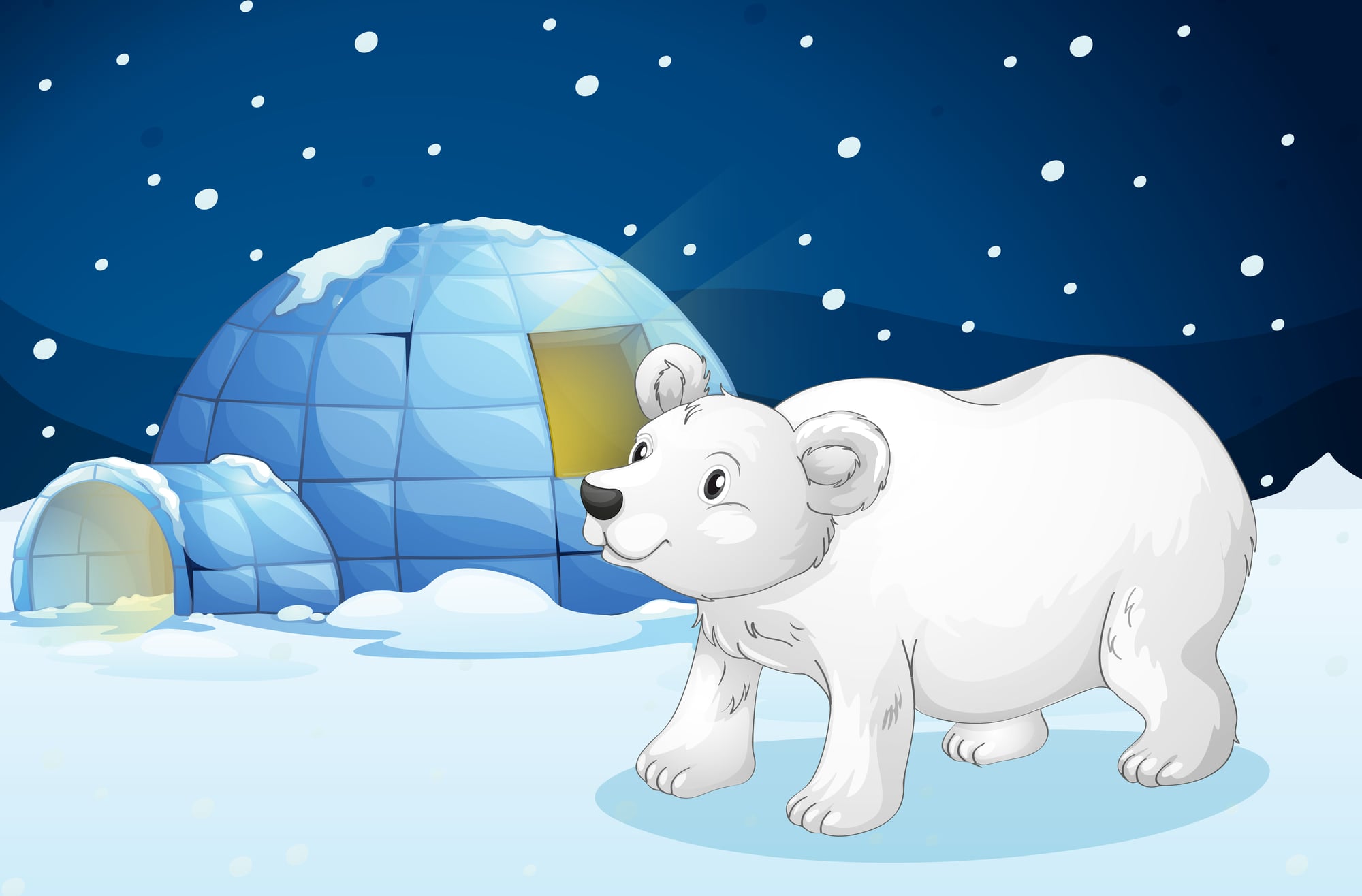
This confuses people constantly. Polar bears live only in the Arctic.
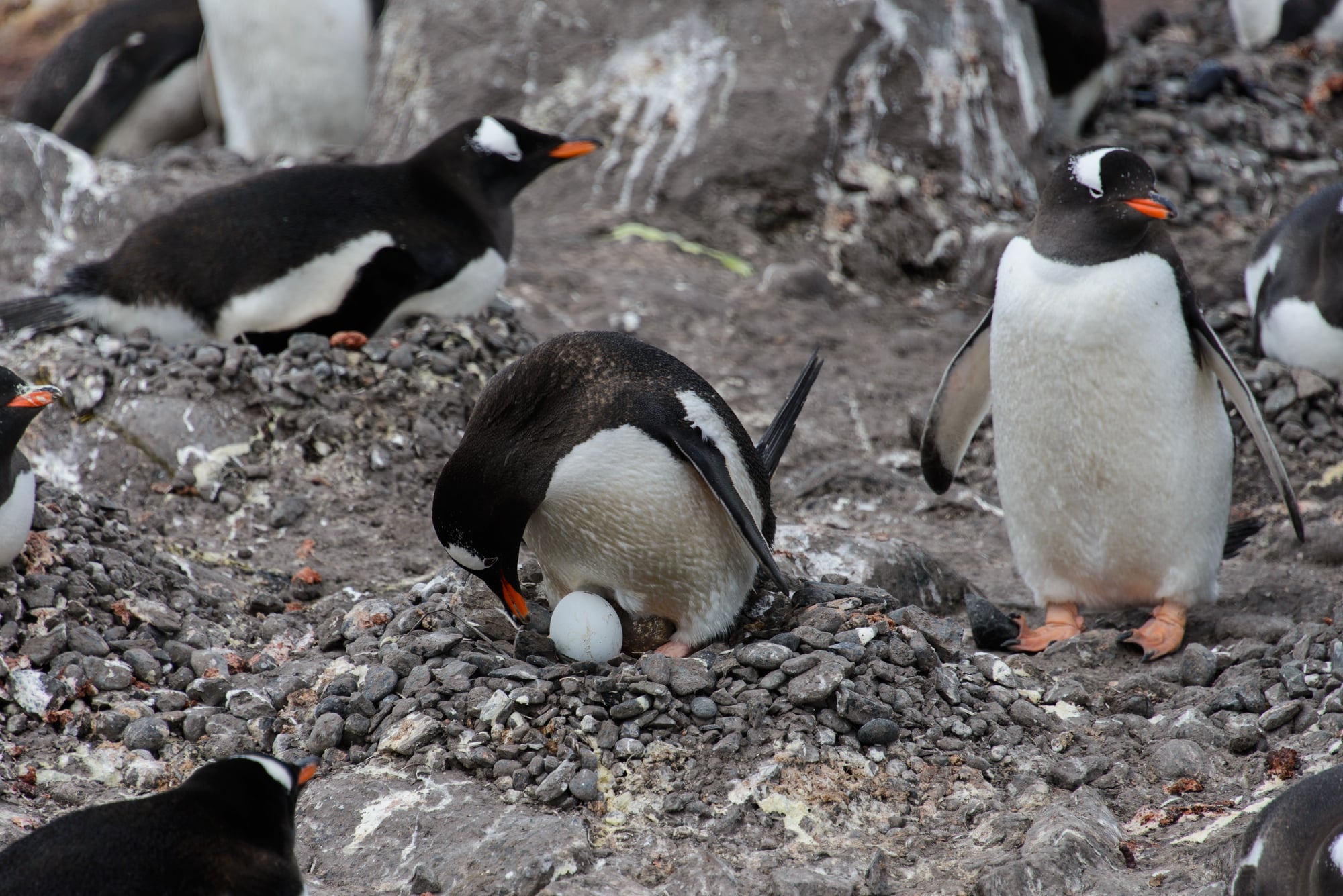
Antarctica has penguins. The two have never met in the wild.
The confusion makes sense—both places are frozen, both have “polar” in their descriptions. But they’re opposite ends of the planet.
Polar bears evolved in the north. Penguins adapted to the south.
They’re separated by the entire Earth.
The Ice Shelves Sing

The Ross Ice Shelf makes sounds as wind passes over its surface. Scientists recorded these vibrations and found they create continuous tones, like the hum of a giant instrument.
The tones change when conditions on the ice change. When temperatures rise and melt creates water on the surface, the pitch shifts.
Researchers can essentially listen to the ice shelf to monitor its health. The ice also makes explosive cracking sounds when it breaks.
These cracks can be heard from miles away and register on seismographs like earthquakes.
Antarctica Has a Fire Department

McMurdo Station maintains a full fire department with trained firefighters and fire trucks. Fire in Antarctica is actually one of the biggest safety concerns.
The extreme cold makes buildings super dry. Wood becomes brittle and burns easily.
Water freezes instantly, making firefighting difficult. If a major building catches fire in winter when evacuation is impossible, the consequences would be catastrophic.
The fire department practices constantly and has fought real fires over the years. They’re some of the most remote firefighters on Earth.
Meteorites Are Easy to Find There

Antarctica is the best place on Earth to find meteorites. Over 45,000 have been recovered from the ice.
The white landscape makes dark space rocks easy to spot. But there’s another reason: ice flow.
Meteorites that fall on Antarctica get trapped in the ice. As the ice flows and hits mountains, it’s forced upward.
The ice evaporates in the dry air, but the meteorites stay, concentrating in certain areas. Scientists collect them by the thousands.
Some contain material from Mars. Others preserve dust from before the solar system formed.
The Continent Is Losing Ice Overall
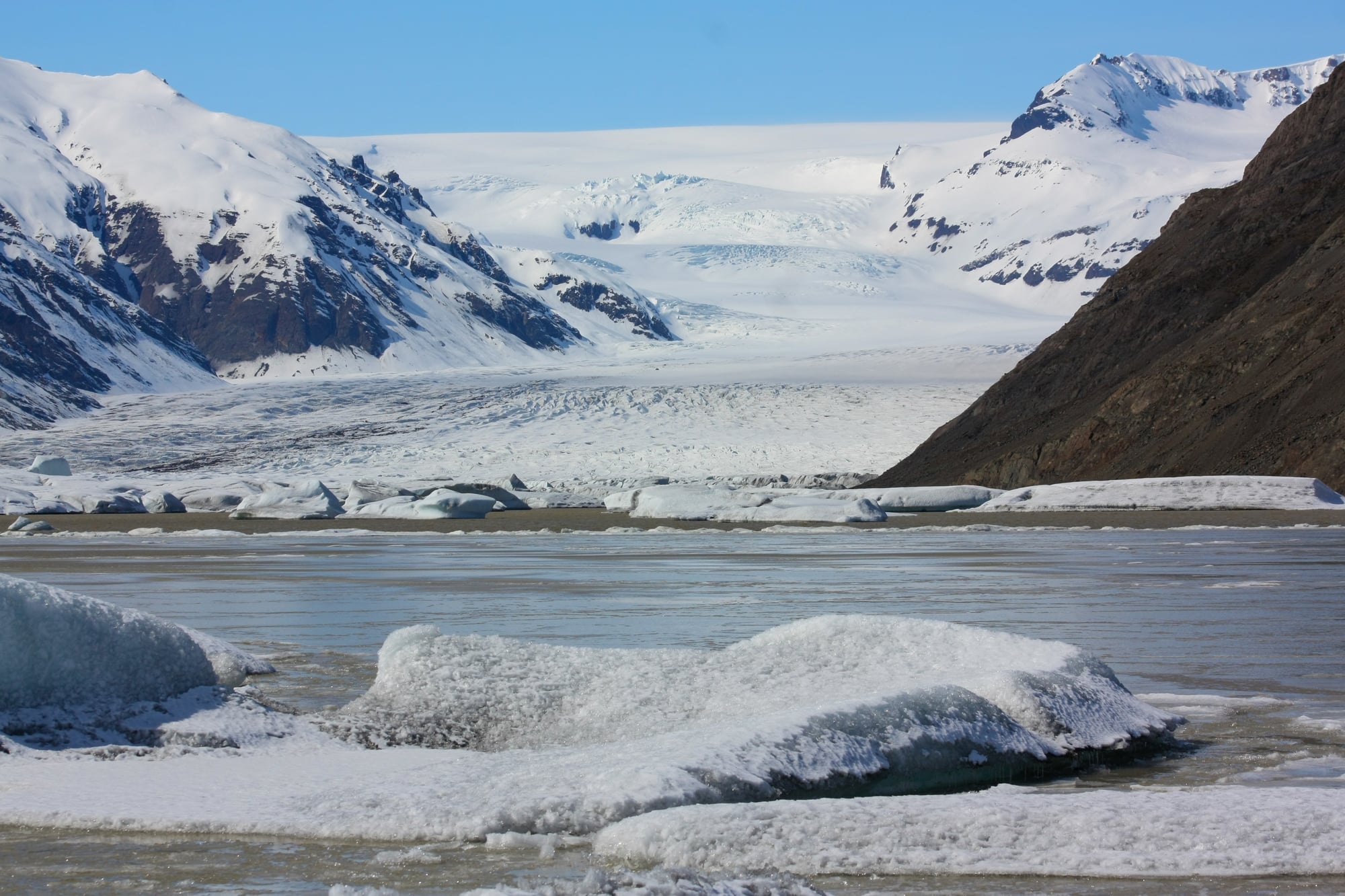
The interior of East Antarctica gets more snow than it loses, so the ice sheet there thickens slightly. But this doesn’t tell the whole story.
The edges are melting rapidly. The Western ice shelves are retreating.
Glaciers flow faster toward the ocean as warming waters eat away at their undersides. When you add it all up, Antarctica is losing ice mass overall, not gaining it.
The ice sheets contain enough water to raise global sea levels by about 60 meters if they melted completely. That won’t happen anytime soon, but even small changes matter.
Plants Are Spreading on the Antarctic Peninsula
Mosses and lichens have existed on Antarctica’s edges for a long time. But now they’re spreading, particularly on the Antarctic Peninsula.
Researchers have documented moss beds growing faster and expanding into new areas. Two flowering plants grow on the Antarctic Peninsula: Antarctic hair grass and Antarctic pearlwort.
Their populations are increasing as temperatures rise and ice retreats. Seeds blow in on the wind.
Birds carry them on their feet. The continent is still 99% ice-covered, but parts of the Peninsula are starting to turn green in spots.
It’s happening slowly, almost imperceptibly, but it’s happening.
There’s No Native Human Population
Antarctica is the only continent that’s never had indigenous people. Humans didn’t sight it until 1820, and confirmed landings didn’t occur until later in the 19th century.
Nobody has ever been born there and lived their entire life there. The most recent census counted about 1,000 people living there in winter and 4,000 in summer.
They’re all temporary—scientists, support staff, and researchers who eventually leave. No country owns Antarctica.
The Antarctic Treaty, signed in 1959, designated it as a scientific preserve. Military activity is banned.
Nuclear testing is banned. Mining is banned.
It exists outside normal territorial claims.
When the Ice Holds Memory

Ice cores drilled from the Antarctic ice sheet contain air bubbles trapped hundreds of thousands of years ago. Scientists analyze the air inside to measure ancient atmospheric conditions.
The deepest cores reveal climate data going back 800,000 years. They show natural cycles of warming and cooling.
They show carbon dioxide levels. They show volcanic eruptions and meteor impacts.
The ice remembers everything. It holds a complete record of Earth’s climate stretching back before modern humans evolved.
Reading that record has taught us more about how our planet works than almost any other source. And there’s still more to find, deeper in the ice, waiting to tell stories about times no one has ever seen.
More from Go2Tutors!

- The Romanov Crown Jewels and Their Tragic Fate
- 13 Historical Mysteries That Science Still Can’t Solve
- Famous Hoaxes That Fooled the World for Years
- 15 Child Stars with Tragic Adult Lives
- 16 Famous Jewelry Pieces in History
Like Go2Tutors’s content? Follow us on MSN.



