14 Ancient Recipes That Taste Terrible Today
Ancient civilizations survived on foods that would make modern diners run for the nearest drive-through. What passed for delicious meals thousands of years ago often involved ingredients and preparation methods that clash horribly with contemporary tastes. These historical dishes tell fascinating stories about survival, creativity, and the evolution of human cuisine, but they also prove that not everything from the past deserves a comeback.
From fermented fish sauces that could clear a room to meat preparations that would horrify health inspectors, our ancestors ate some truly challenging foods. Here is a list of 14 ancient recipes that would send today’s food lovers straight back to their comfort zones.
Silphium-Seasoned Meat

Ancient Romans prized silphium so highly that they literally ate it to extinction, but modern recreations suggest they had questionable taste buds. This North African plant supposedly had a flavor combining garlic, fennel, and pine, creating a sharp, resinous taste that overwhelmed whatever it touched.
Romans used it so liberally in their cooking that the plant couldn’t reproduce fast enough to keep up with demand, disappearing forever by the first century AD.
Viking Blood Sausage
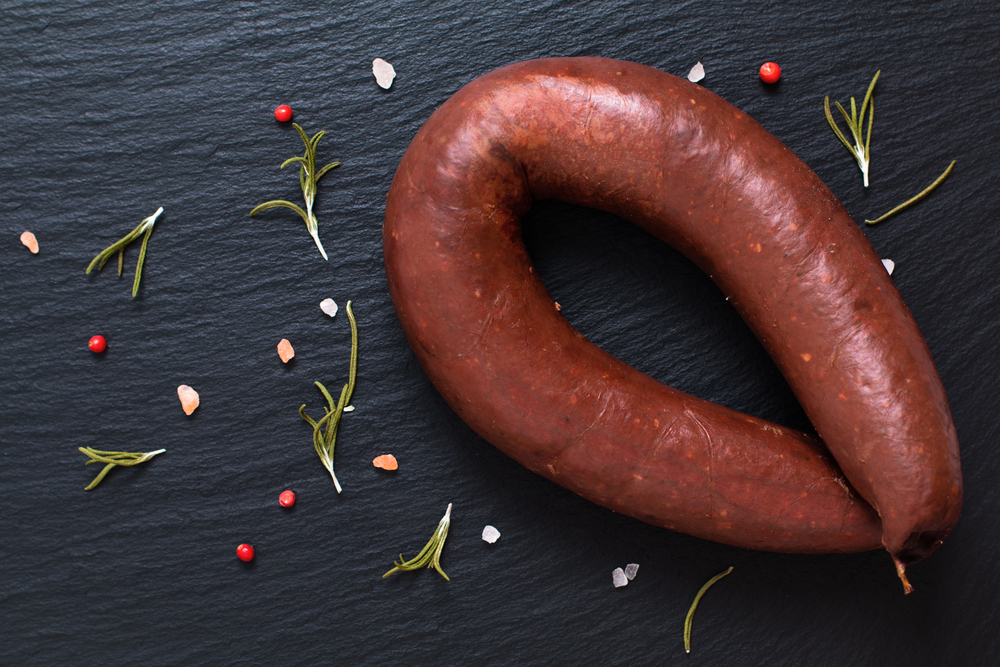
Norse warriors made sausages by mixing pig’s blood with oatmeal, then stuffing the combination into intestinal casings. The result was a dense, dark sausage with a metallic taste and crumbly texture that modern palates find deeply unsettling.
Vikings considered this a nutritious meal that provided iron and protein during long voyages, but today’s diners would likely find the iron-heavy flavor and unusual consistency completely off-putting.
Like Go2Tutors’s content? Follow us on MSN.
Medieval Frumenty
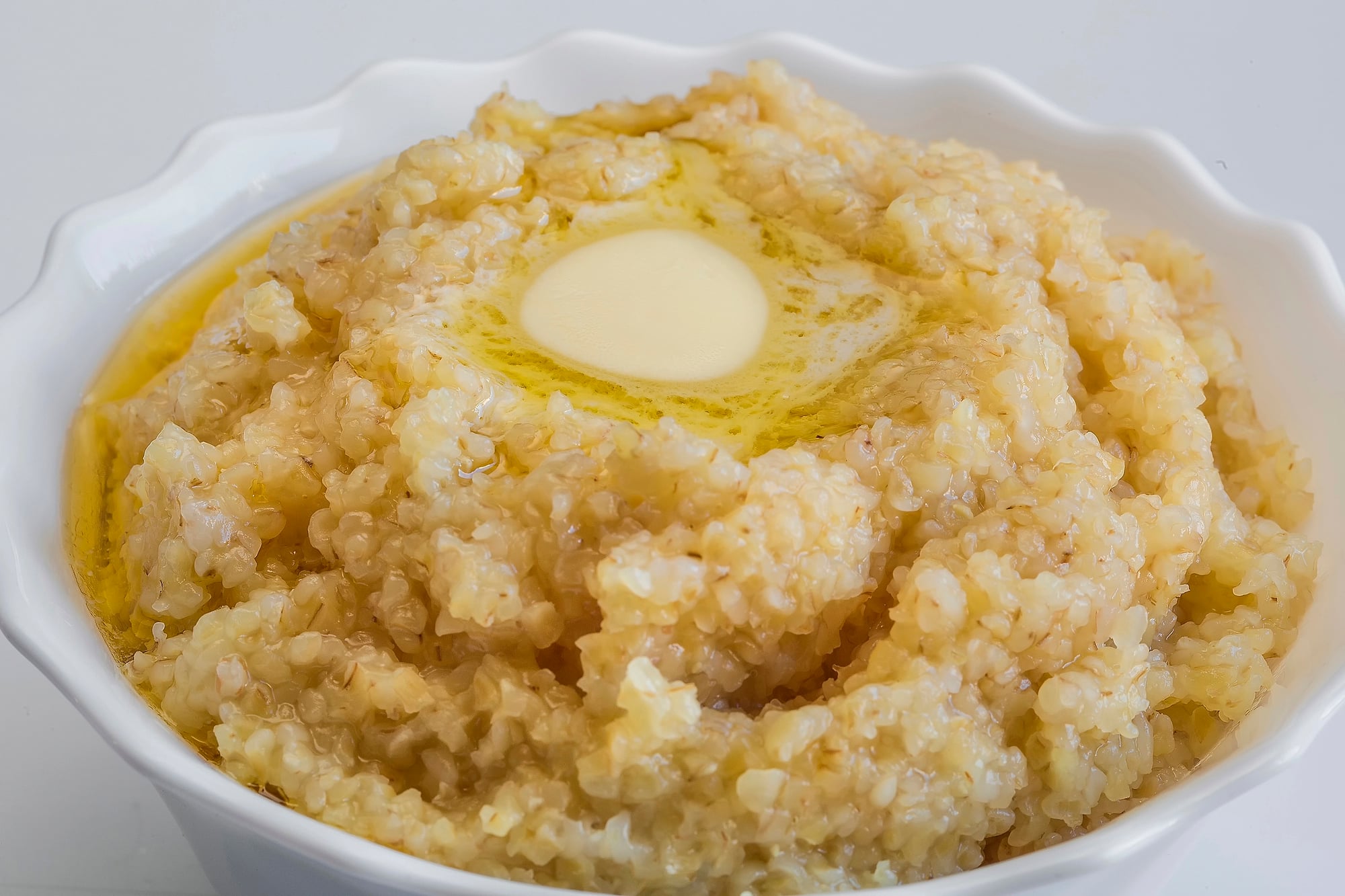
This porridge-like dish combined cracked wheat with milk and spices, creating a thick, lumpy consistency that resembled wallpaper paste. Medieval cooks often added almonds and saffron to make frumenty more appealing, but the underlying grain mixture remained stubbornly bland and gummy.
The dish was considered festive enough for special occasions, though modern taste testers describe it as having all the appeal of wet cardboard.
Ancient Egyptian Tiger Nut Sweets
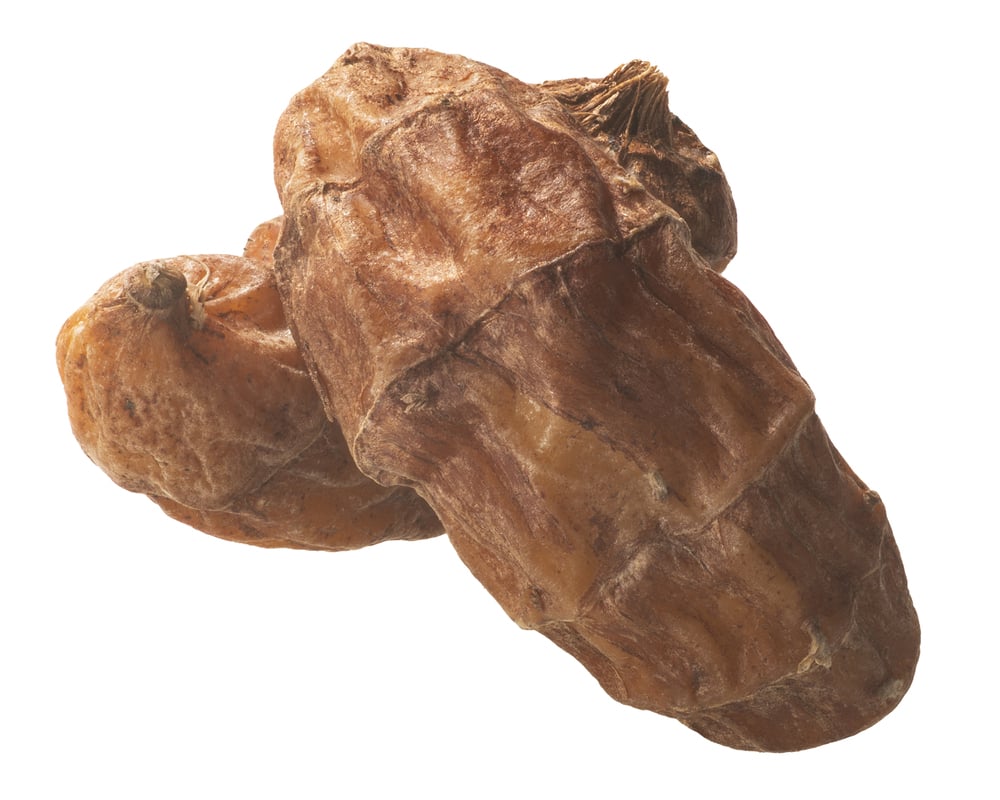
Egyptians made desserts from tiger nuts, which aren’t actually nuts but small tubers with a taste somewhere between coconut and almonds. They ground these into flour and mixed them with honey and dates, creating dense, chewy sweets that stuck to teeth like cement.
The flavor was intensely sweet but had an earthy, dirt-like undertone that modern candy lovers would find completely unappealing.
Roman Dormouse

Wealthy Romans considered roasted dormice a delicacy, stuffing the small rodents with pork, pine nuts, and herbs before roasting them whole. The meat was reportedly tender but had a gamey, oily flavor that most people today would find revolting.
Romans served dormice at elaborate banquets as a symbol of luxury, though the combination of tiny bones and strong-tasting meat would likely send modern diners fleeing.
Like Go2Tutors’s content? Follow us on MSN.
Anglo-Saxon Ale Bread
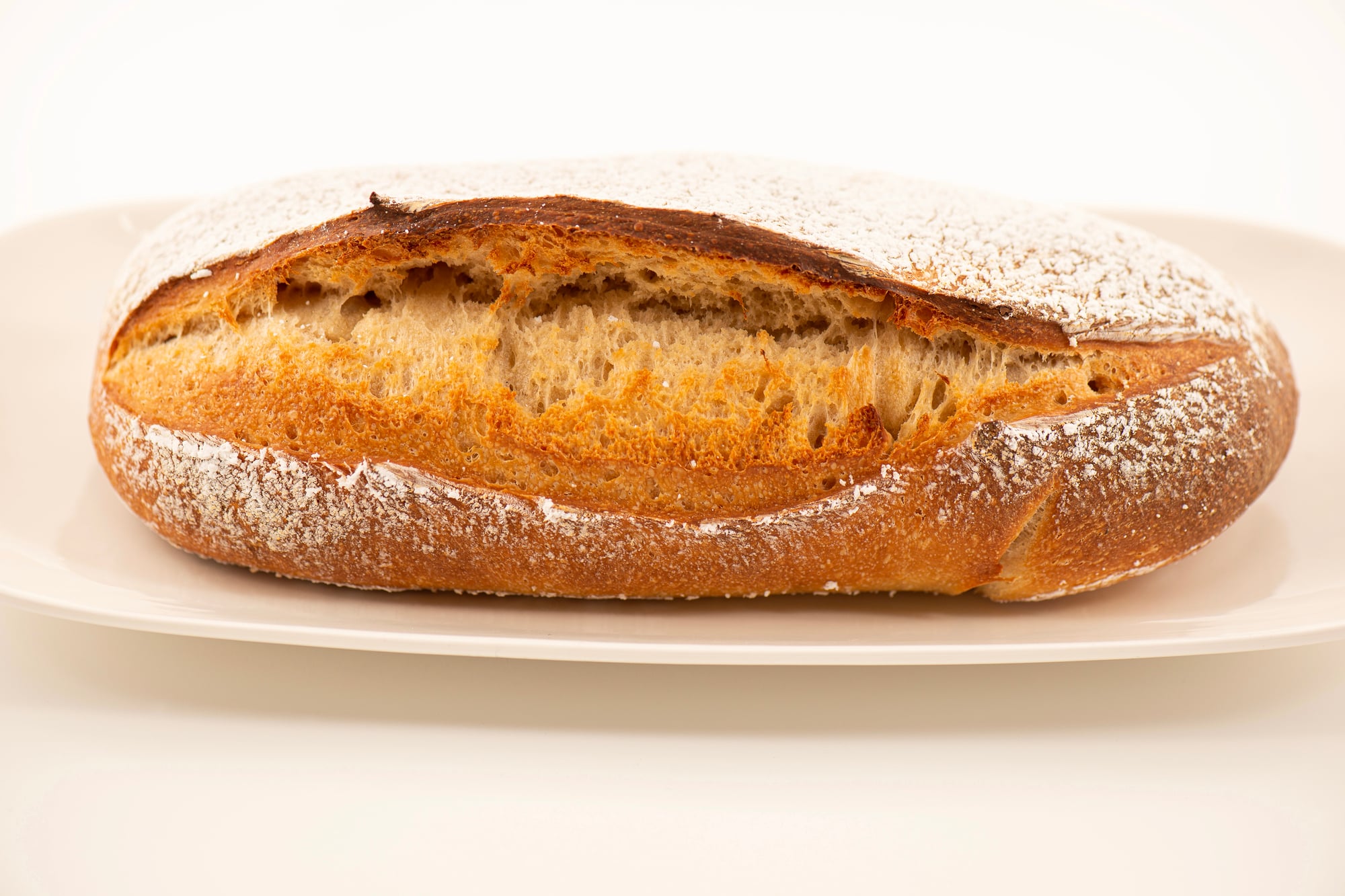
Medieval Anglo-Saxons made bread using leftover ale dregs instead of water, creating loaves with a distinctly boozy, sour flavor. The bread had a dense, heavy texture and tasted strongly of fermented grains and hops.
While the alcohol content was minimal after baking, the underlying bitter, yeasty flavor dominated every bite in ways that would make modern bread lovers long for plain white sandwich loaves.
Byzantine Fish Pickle

Byzantine cooks preserved fish by packing them in salt and vinegar, then aging the mixture for months until it reached peak funkiness. The resulting pickled fish had an intensely sour, briny flavor with undertones of decomposition that cleared sinuses instantly.
This preservation method kept fish edible for long periods, but the trade-off was a taste so aggressive that it overwhelmed anything else on the plate.
Aztec Chocolate Drink
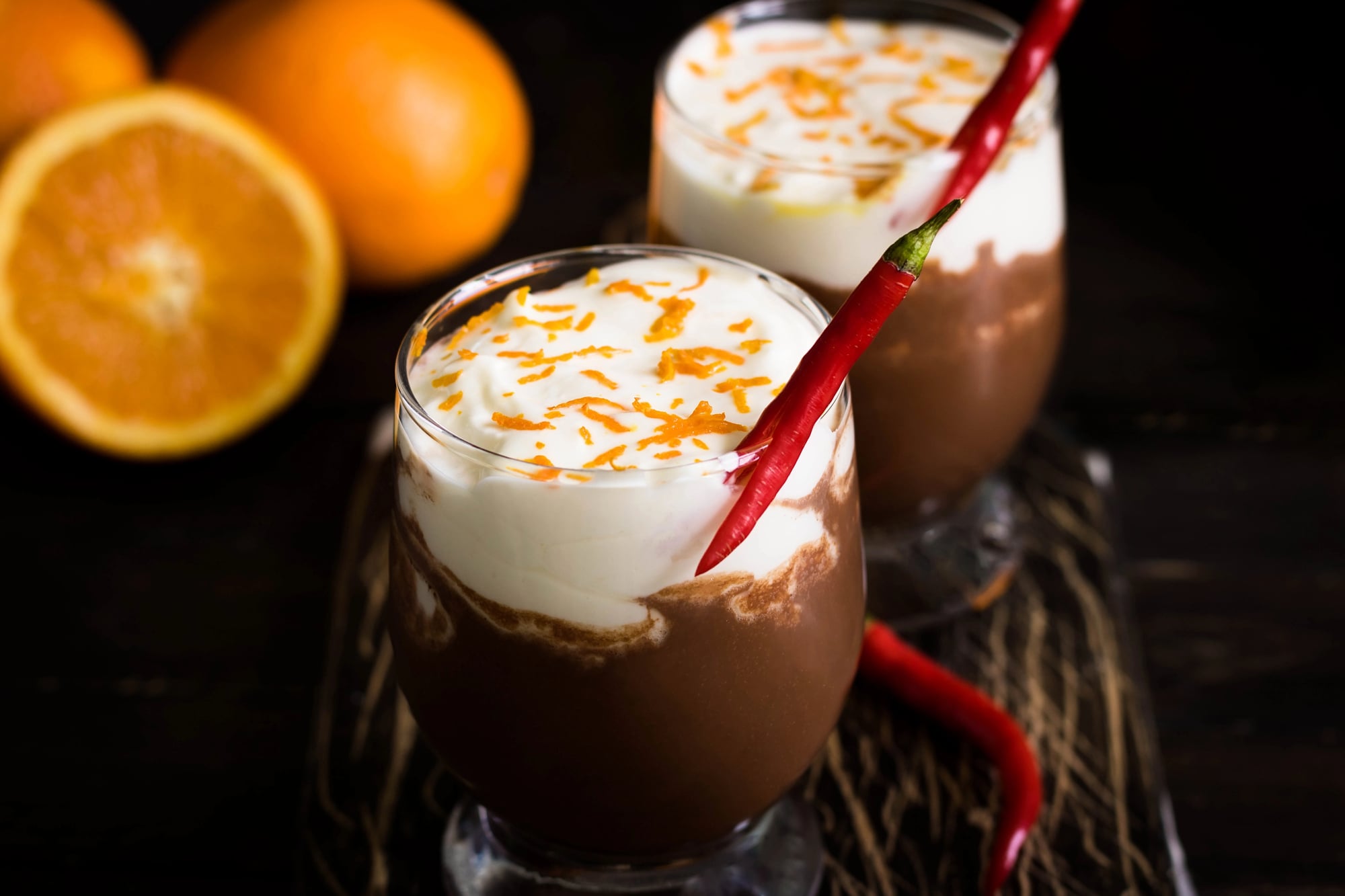
The original chocolate drink bore no resemblance to modern hot chocolate, combining cacao with chili peppers, vanilla, and sometimes blood for ceremonial occasions. This bitter, spicy mixture had no added sugar and often included exotic spices that created a complex, harsh flavor profile.
Aztecs considered this drink sacred and energizing, but most modern chocolate lovers would find the combination of bitter cacao and hot spices completely unpalatable.
Like Go2Tutors’s content? Follow us on MSN.
Celtic Bog Butter
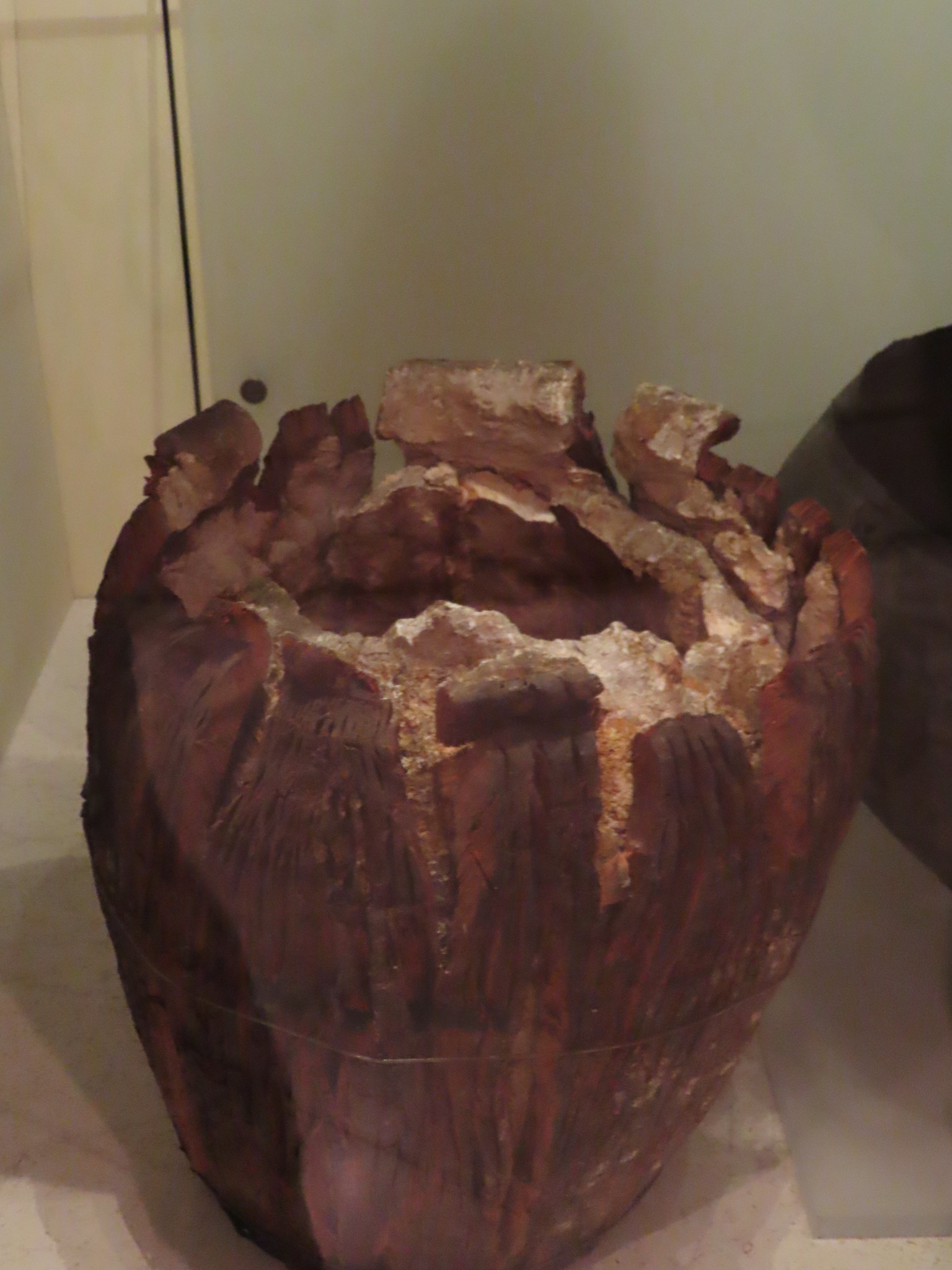
Ancient Celts preserved butter by wrapping it in bark and burying it in peat bogs for months or even years. The bog environment kept the butter from spoiling but gave it a distinctly earthy, musty flavor with hints of decomposing vegetation.
Archaeological discoveries show that Celts considered aged bog butter a delicacy, though modern taste tests reveal flavors that most people describe as absolutely horrifying.
Ancient Greek Black Broth
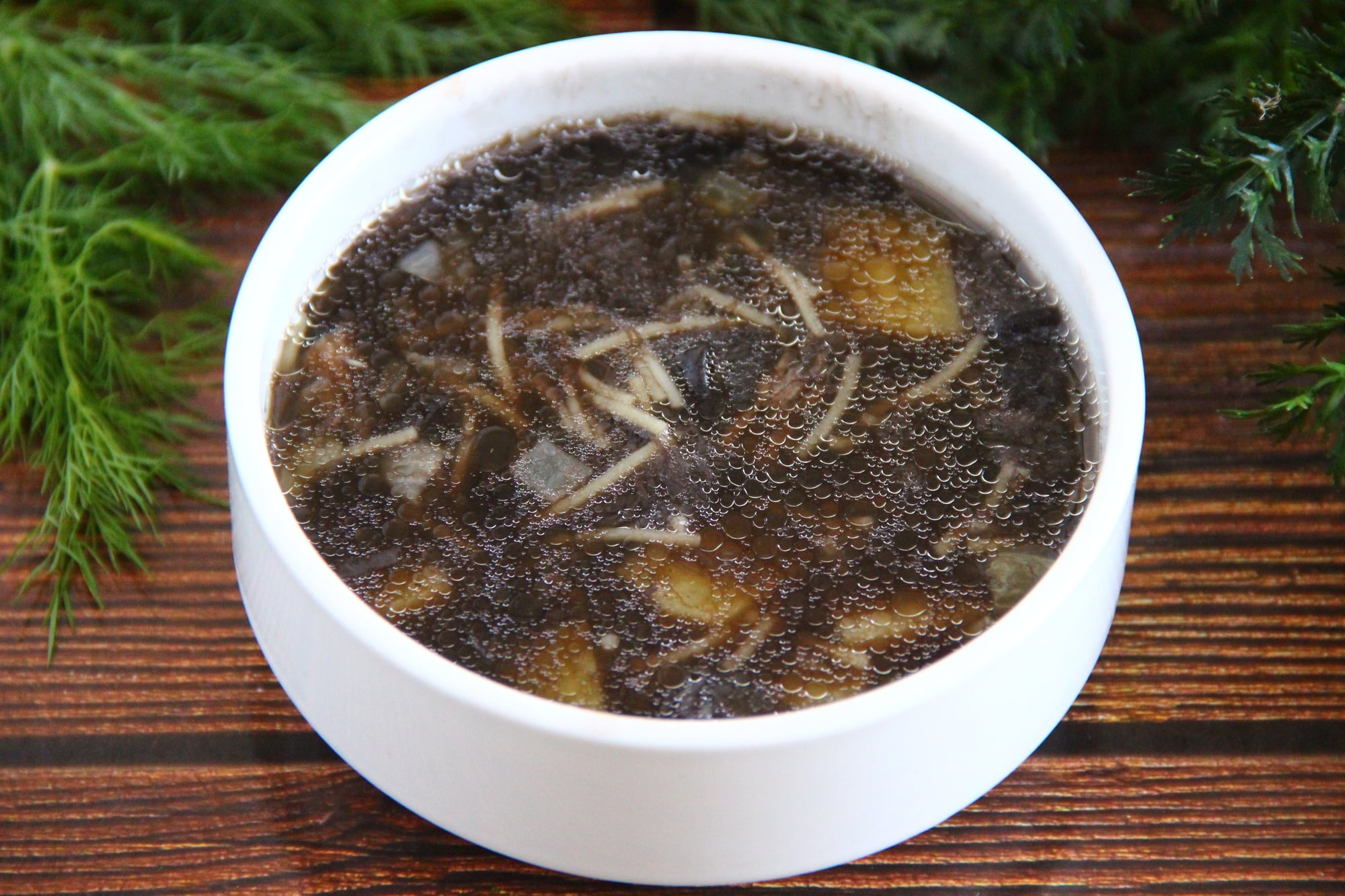
Spartan warriors sustained themselves on a soup made from pork, blood, vinegar, and salt that was famous throughout Greece for tasting absolutely terrible. Even other Greeks mocked this concoction, joking that Spartans were willing to die in battle because living meant eating more black broth.
The dish had a metallic, sour flavor with an unappetizing dark color that made it look as unpleasant as it tasted.
Medieval Pottage
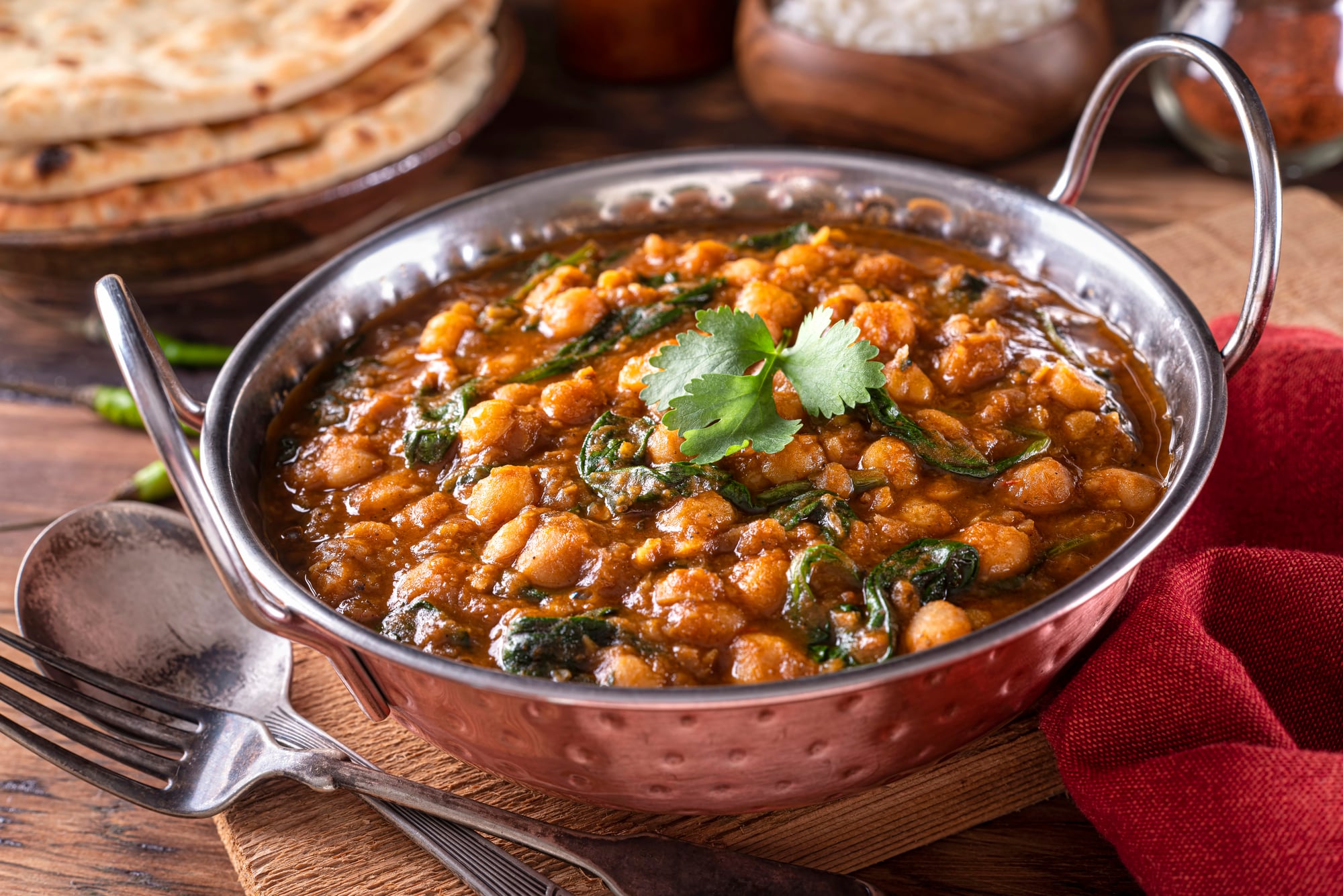
This peasant staple combined whatever vegetables were available with grains and sometimes meat scraps, creating a thick stew that varied wildly in quality and flavor. Most pottage ended up tasting like boiled weeds with a consistency somewhere between soup and paste.
Medieval families ate this daily out of necessity, but the combination of overcooked vegetables and mushy grains created textures and flavors that would challenge modern palates.
Like Go2Tutors’s content? Follow us on MSN.
Roman Liquamen

Similar to garum but made with different fish parts, liquamen was another fermented sauce that Romans used to add umami to their meals. The production process involved rotting fish in the sun until beneficial bacteria broke down the proteins into a pungent liquid.
Modern recreations suggest that liquamen had an overwhelming fishy taste with notes of cheese and rotting meat that would make most contemporary diners immediately lose their appetite.
Ancient Mesopotamian Barley Beer

The world’s first beer was thick, chunky, and had to be consumed through straws to filter out floating barley pieces. This ancient brew had a sour, yeasty flavor with the consistency of thin oatmeal and an alcohol content that varied wildly depending on fermentation conditions.
Mesopotamians drank this daily because water wasn’t safe, but modern beer drinkers would find the texture and sour taste completely unacceptable.
Viking Fermented Shark

Icelandic Vikings developed a method for making toxic shark meat edible by burying it underground for months until harmful compounds broke down. The resulting delicacy, still eaten today as hákarl, has an overwhelming ammonia flavor that burns the throat and leaves a lingering taste of cleaning products.
Vikings considered fermented shark a special treat during winter months, though most modern visitors to Iceland can barely manage a single bite without gagging.
Like Go2Tutors’s content? Follow us on MSN.
When Ancient Meets Modern
These historical recipes remind us that taste is deeply cultural and that survival often trumped flavor in ancient times. Our ancestors developed these dishes out of necessity, creativity, and the constant challenge of preserving food without refrigeration or modern processing methods.
While we might find these ancient foods revolting, they represent incredible ingenuity and adaptation that allowed entire civilizations to thrive. Today’s global cuisine has evolved far beyond these survival foods, but understanding what our ancestors ate helps us appreciate both how far we’ve come and how resourceful humans can be when faced with limited ingredients and harsh conditions.
More from Go2Tutors!

- 16 Historical Figures Who Were Nothing Like You Think
- 12 Things Sold in the 80s That Are Now Illegal
- 15 VHS Tapes That Could Be Worth Thousands
- 17 Historical “What Ifs” That Would Have Changed Everything
- 18 TV Shows That Vanished Without a Finale
Like Go2Tutors’s content? Follow us on MSN.