Facts About the (Most Successful) Theme Park Flops
Sometimes, even the biggest dreams come with a splash of failure — and a bit of popcorn on the pavement. Theme parks that were supposed to change entertainment forever ended up shutting down faster than their roller coasters could make a second loop.
Yet, strangely enough, some still managed to make their mark — or even turn a profit before fading into nostalgia. Here’s a list of theme park flops that stumbled spectacularly… but somehow succeeded anyway.
Disney’s California Adventure

When it opened in 2001, this $1.4 billion park was supposed to celebrate California — right next to Disneyland, in California. Confusing, right? Visitors thought so too.
Attendance lagged, reviews were lukewarm, and the park felt like an oddly themed shopping mall with rides. Still, Disney being Disney, they didn’t give up.
A decade of redesigns, Pixar characters, and a little Cars Land magic later — it turned into one of the most profitable parks in the world. Proof that even the Mouse can make mistakes.
Expensive ones.
Hard Rock Park
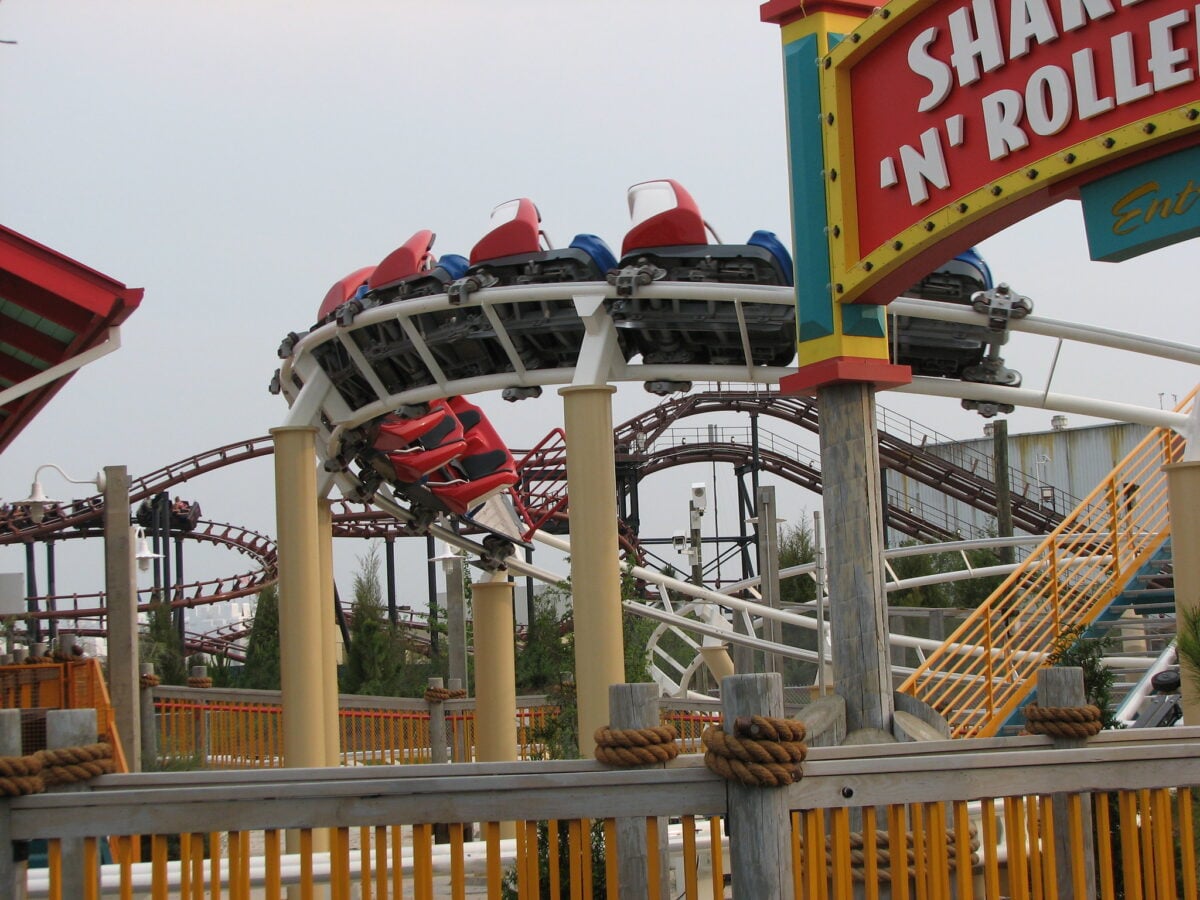
A rock-themed park in South Carolina sounded bold. Too bold, maybe.
It opened in 2008 with rides like “Led Zeppelin – The Ride” and “Life in the Fast Lane.” Cool names, low attendance.
The timing couldn’t have been worse — right before the financial crash. It closed in less than a year.
Still, for a brief summer, it managed to pull in over 150,000 visitors and became a cult favourite among theme park fans. A loud, brief encore before the lights went out.
Euro Disney (now Disneyland Paris)
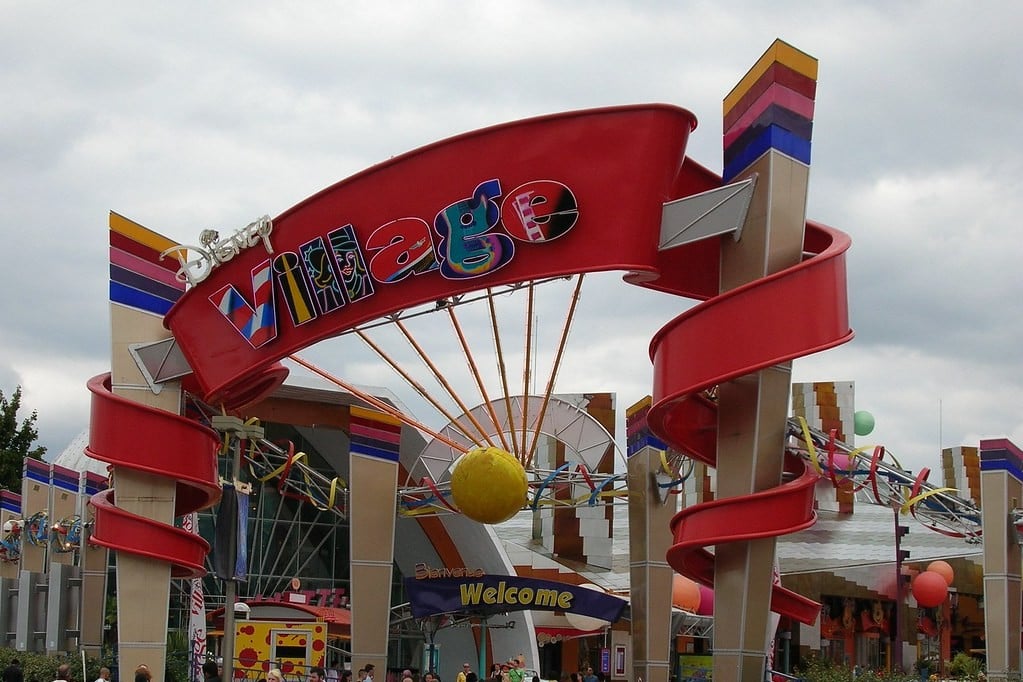
The 1992 launch was chaotic. Locals protested “American cultural invasion,” prices were steep, and the weather — let’s just say Mickey wasn’t built for drizzle.
Critics called it Disney’s biggest flop. And yet, it clawed back.
The park eventually became one of Europe’s top tourist destinations, bringing millions to France every year. A shaky start, but a lasting legacy.
Still — those first few years? Rough.
Six Flags New Orleans
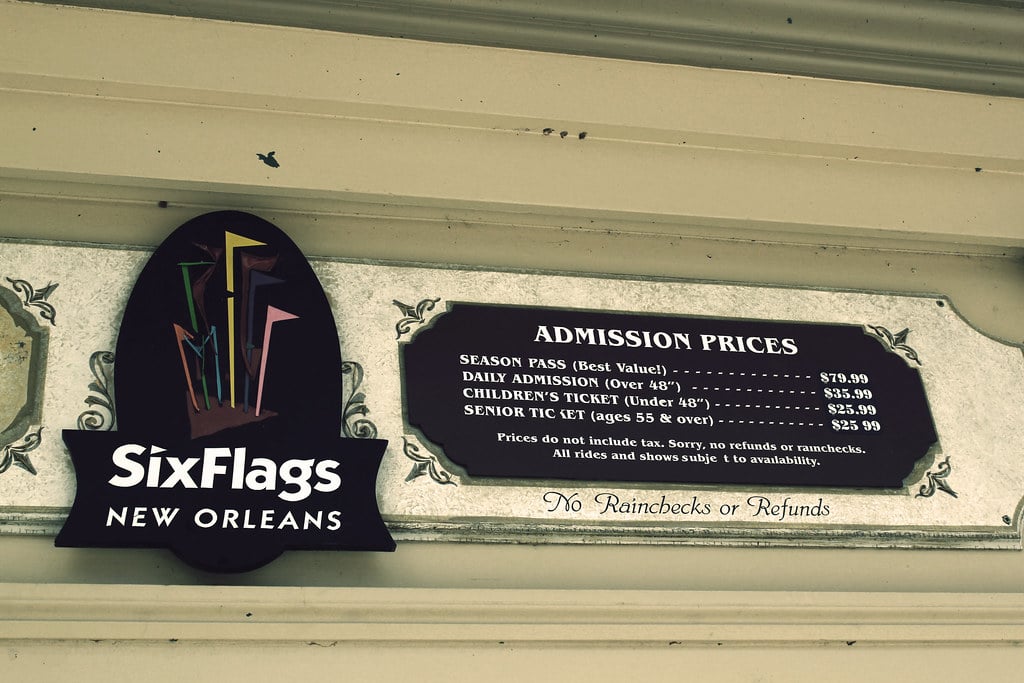
When Hurricane Katrina hit in 2005, the park was submerged under floodwaters. It never reopened.
The rides rusted, the paint peeled, and nature slowly took over. But here’s the twist — Six Flags managed to claim millions in insurance payouts.
So while the park died, the company didn’t. Financially, at least, it wasn’t a total loss.
Haunting, but oddly profitable.
Geauga Lake
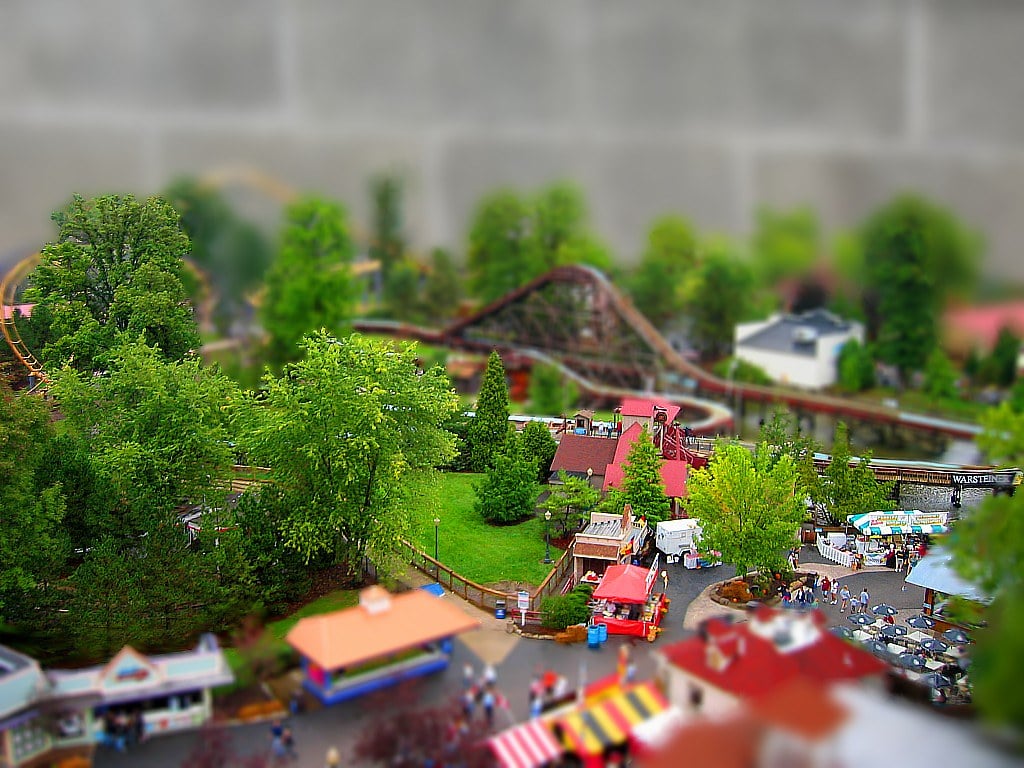
Ohio’s Geauga Lake was once the world’s largest amusement park after merging with SeaWorld in 2001. It was massive — and confusing.
Guests couldn’t decide whether to see dolphins or ride coasters. After attendance nosedived, both sides of the park shut down.
The land’s now a retail development. Still, before closing, it sold off rides worldwide — and made millions from the liquidation.
A strange sort of success, one might say.
Motiongate Dubai
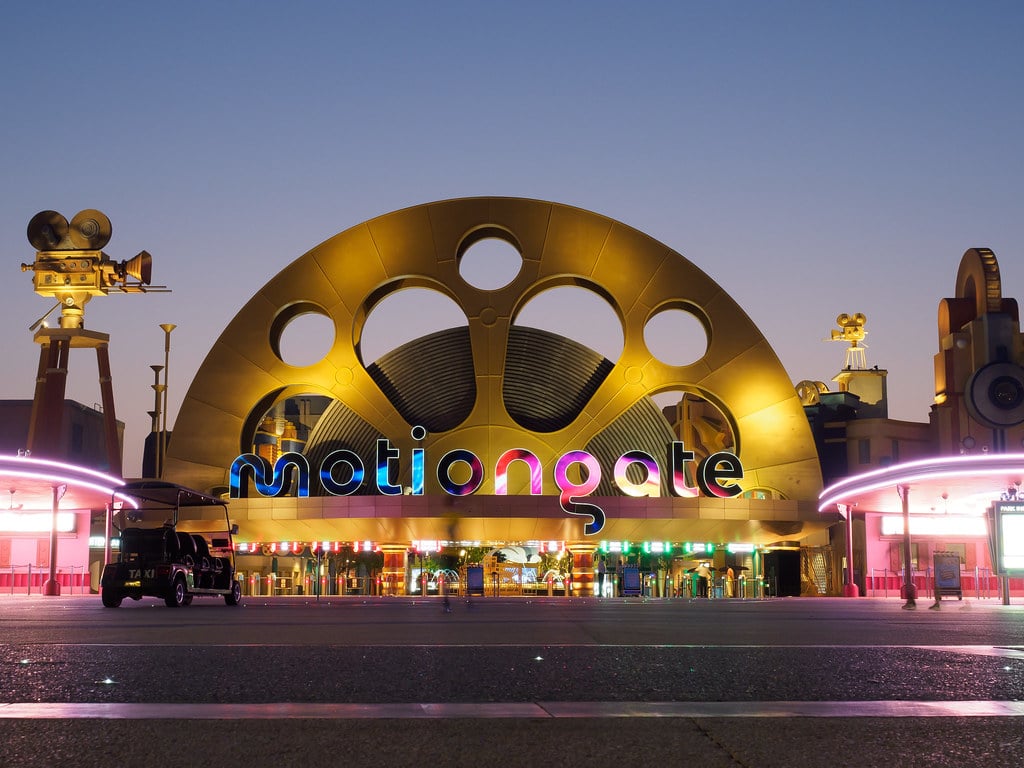
This Hollywood-inspired park in the desert had everything — DreamWorks, Sony Pictures, Lionsgate. Well, everything except enough visitors.
Dubai’s heat didn’t help either. Yet somehow, despite years of low attendance, Motiongate continues to operate.
Government funding, strong tourism marketing, and sheer persistence keep it alive. It’s not a hit.
But it’s still a rolling film.
Holy Land Experience
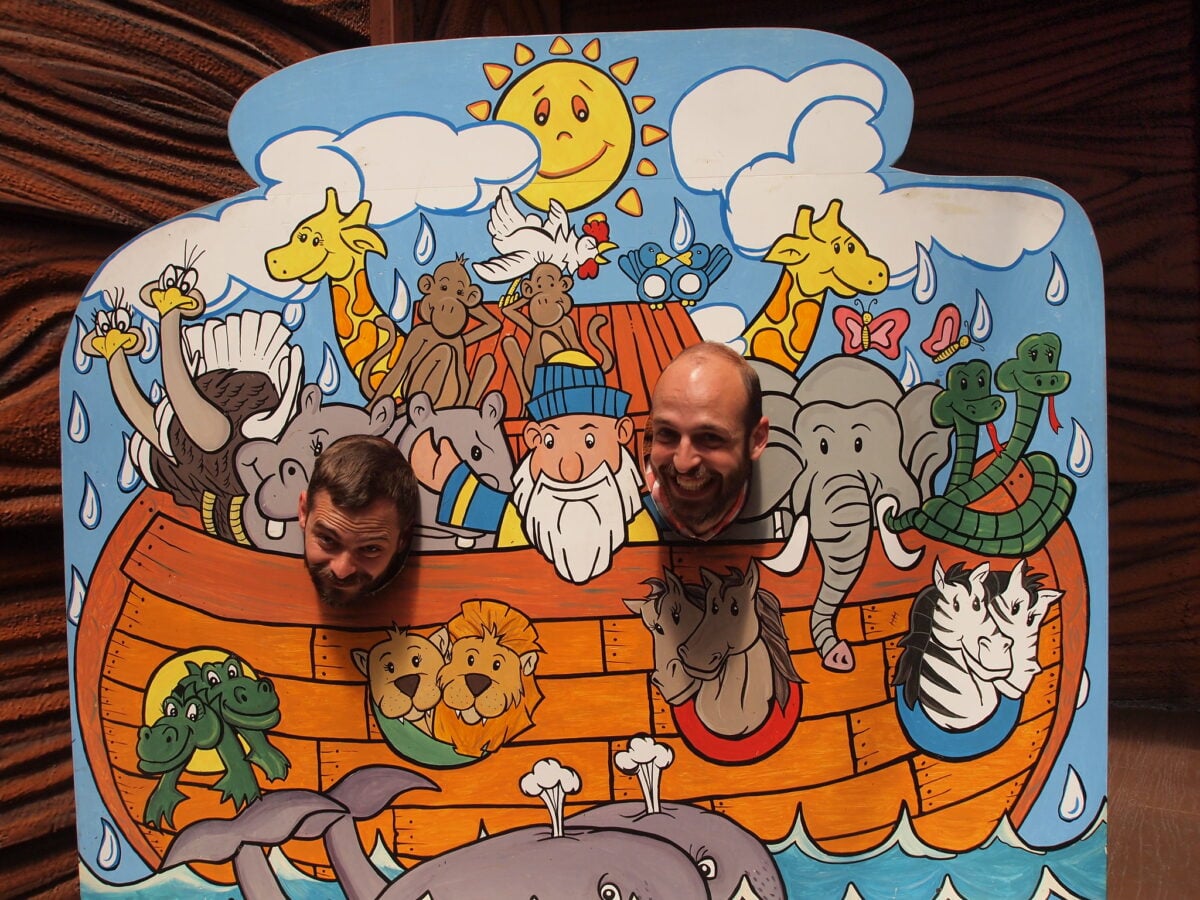
A Bible-themed park in Florida complete with a replica Jerusalem and daily crucifixion reenactments — yes, really. It opened in 2001, drew curiosity, then slowly turned into a quiet curiosity itself.
Still, it stayed open for nearly two decades thanks to one thing: its non-profit status. Tax exemptions kept it afloat long after crowds disappeared.
Divine accounting, perhaps.
MGM Grand Adventures
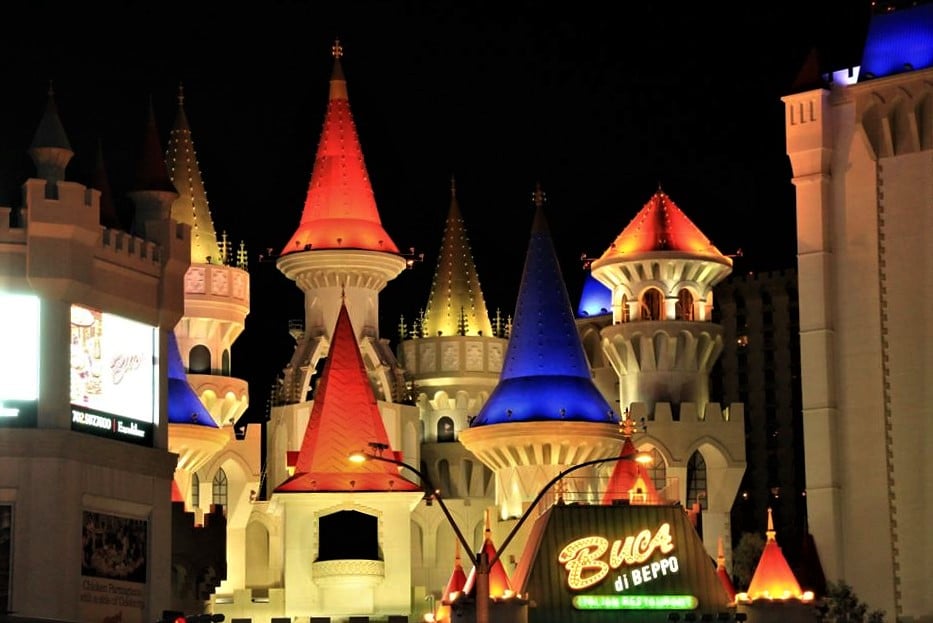
Located right behind the MGM Grand in Las Vegas, this park tried to mix casinos with family fun. Not the best pairing. It opened in 1993, promising movie magic and high-energy rides, but gamblers weren’t exactly swapping poker chips for roller coasters.
By 2000, it was gone. Yet the resort benefited — the park had drawn families who booked hotel stays.
In a roundabout way, it paid for itself. Just not how anyone planned.
Westworld (No, not that one)
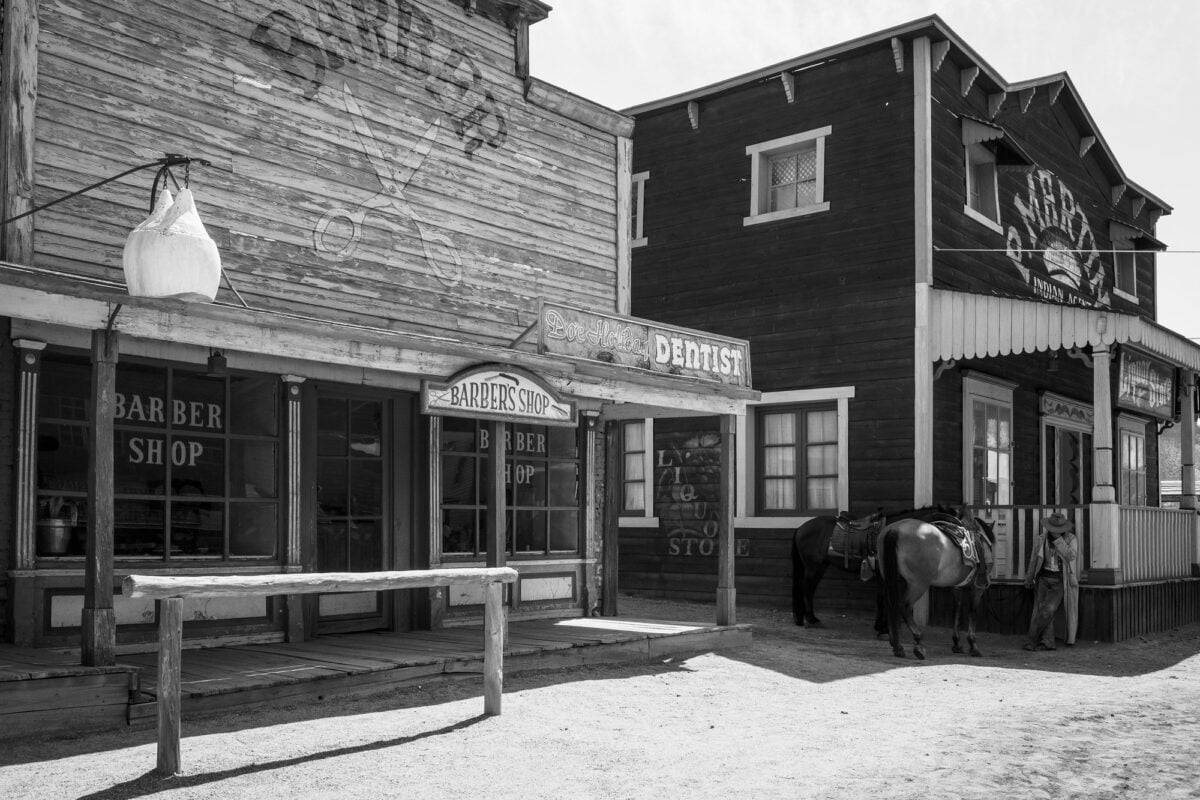
In the early 1970s, a real-life “Westworld” was proposed — a cowboy-themed park in Arizona meant to bring the film’s idea to life. It went bankrupt before opening.
Investors panicked; interest evaporated. And yet, its concept inspired other parks and immersive experiences later on.
So, the flop lived on — just not under its own name. Irony at its finest.
Planet Hollywood’s “DestiNations”
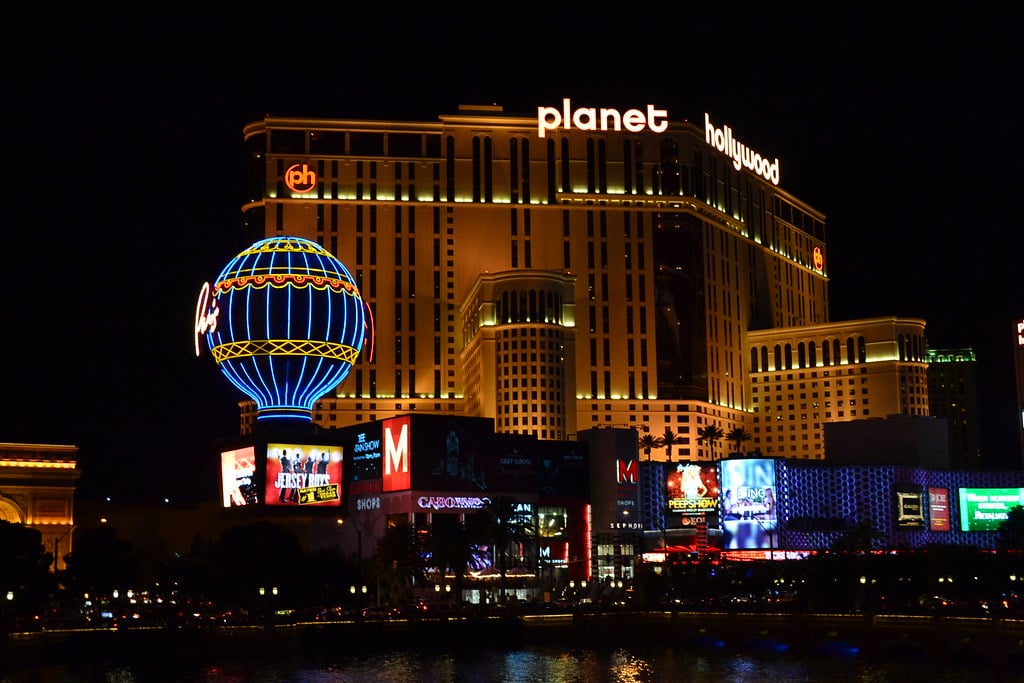
The restaurant chain decided to build a movie-themed park in Florida in the late ’90s. It was loud, expensive, and utterly mismanaged.
Before construction even finished, funding dried up. Still, the pre-sale of branded merchandise and licensing deals generated millions — enough to soften the blow.
Oddly, the park that never existed made more money than some that did.
Failure, Rewritten

Theme park failures are rarely total. Some made money on the way down.
Others were reborn through reinvention, insurance, or sheer stubbornness. Maybe that’s the secret — in the world of dreams and roller coasters, even the biggest crashes can still make a little noise on the way out.
More from Go2Tutors!

- The Romanov Crown Jewels and Their Tragic Fate
- 17 Halloween Costumes Once Considered Taboo
- Famous Hoaxes That Fooled the World for Years
- 15 Child Stars with Tragic Adult Lives
- 16 Famous Jewelry Pieces in History
Like Go2Tutors’s content? Follow us on MSN.