18 Weird Slang Terms from the Wild West
The Wild West wasn’t just about cowboys, outlaws, and dusty trails. People back then had their own colorful way of talking that would sound pretty strange to modern ears.
These frontier folks came up with slang that was creative, funny, and sometimes downright bizarre. Their words painted pictures of life in a time when survival meant being tough, quick-witted, and ready for anything.
The language of the Old West tells us a lot about what mattered to people back then. Let’s dive into some of the strangest phrases that cowboys, miners, and settlers used every single day.
Airin’ The Lungs

When someone was ‘airin’ the lungs’ in the Wild West, they weren’t taking a peaceful walk in fresh mountain air. This phrase meant cursing up a storm or shouting loudly, usually when someone got really angry.
Cowboys used this term when a ranch hand would lose his temper and start yelling at everything in sight. The idea was that all that hot air needed to come out somehow, like opening a window to let out stale air from a stuffy room.
Barkin’ At A Knot

This peculiar saying described someone wasting their time on something completely pointless. Think of a dog barking at a knot in a tree, expecting it to respond or move.
Settlers would use this when watching someone try to argue with a stubborn mule or attempt to reason with an unreasonable person. The phrase captured that special kind of frustration that comes from putting effort into something that clearly won’t work out.
Bible-Puncher
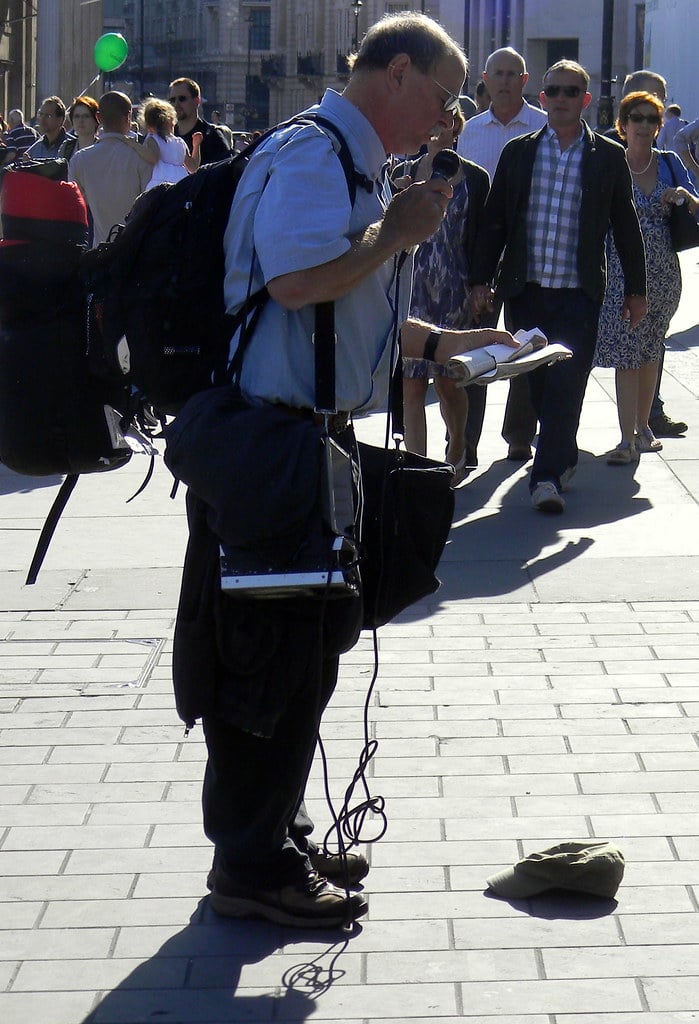
Traveling preachers rode from town to town in the Old West, bringing religion to rough mining camps and dusty settlements. Locals called these wandering ministers ‘bible-punchers’ because of their enthusiastic and sometimes aggressive preaching style.
These men of faith would pound their fists on makeshift pulpits and shout their sermons with serious intensity. The term wasn’t always meant kindly, especially in saloons where people preferred their entertainment a bit less preachy.
Cattywampus
Nothing stood straight in many Wild West towns, and ‘cattywampus’ perfectly described anything crooked, askew, or just plain wrong. A drunk cowboy might walk cattywampus down the street after too much whiskey.
A hastily built shack might sit cattywampus on its foundation, looking like a strong wind could knock it over. The word itself sounds as off-kilter as the things it described, making it one of those terms that just feels right when you say it out loud.
Chew Gravel
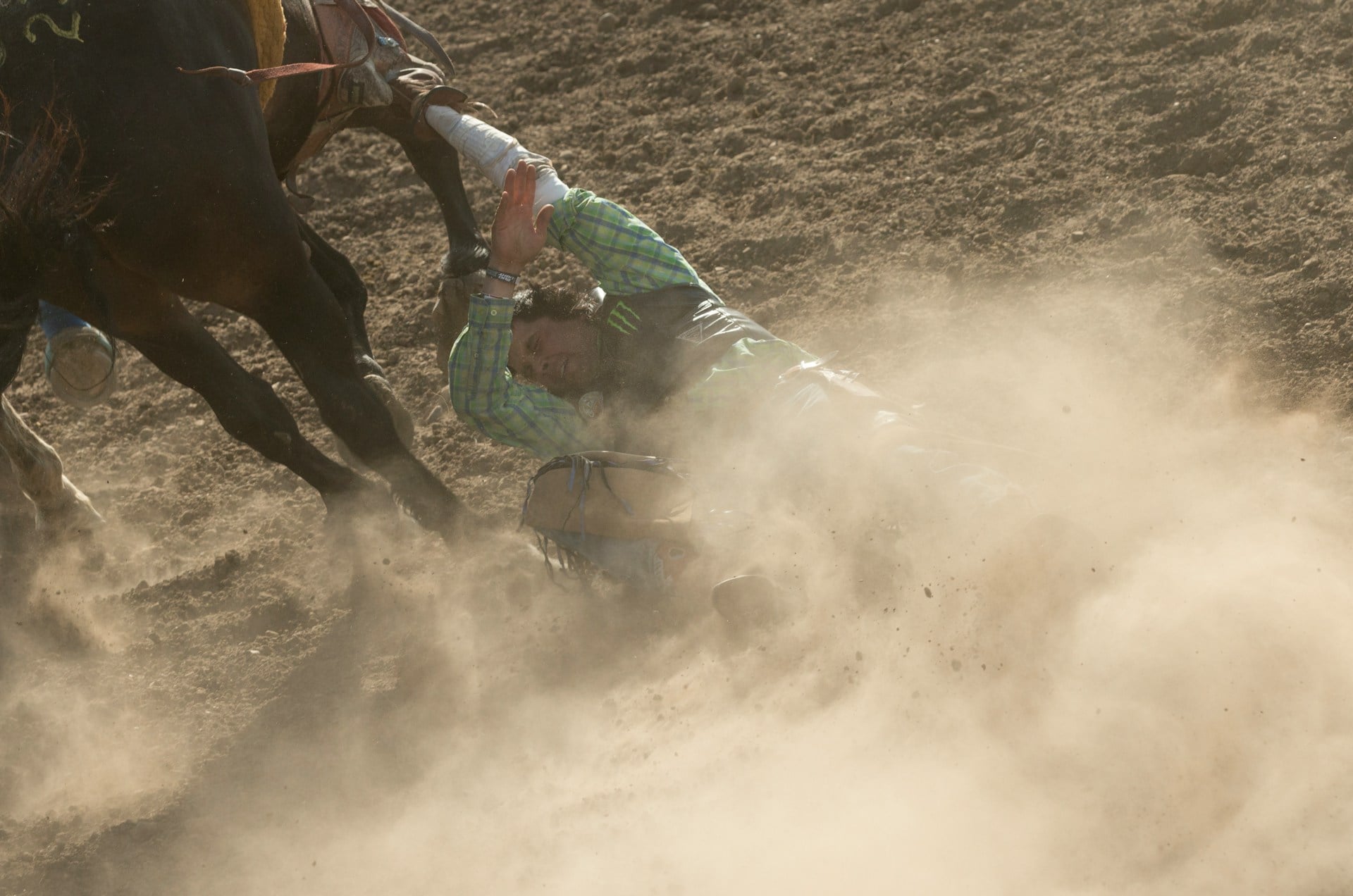
Falling off a horse meant hitting the ground hard, and cowboys called this ‘chewin’ gravel.’ The phrase painted a pretty clear picture of someone face-down in the dirt.
Ranch hands would tease each other mercilessly if someone got bucked off and had to chew gravel in front of the whole outfit. It was the kind of embarrassment that stuck with a cowboy for weeks, maybe even becoming a nickname that never quite went away.
Climb A Tree

Telling someone to ‘climb a tree’ in the 1800s meant suggesting they get lost or disappear quickly. This was a polite way of telling someone to leave you alone without starting a fight.
Frustrated shopkeepers might tell rowdy customers to climb a tree when they’ve had enough nonsense. The phrase gave someone an out while making the message crystal clear that their presence wasn’t wanted anymore.
Dude

Before it became casual slang for any guy, ‘dude’ was actually an insult in the Wild West. The term described fancy city folks who showed up West wearing expensive clothes and knowing absolutely nothing about frontier life.
Real cowboys found these overdressed visitors amusing and slightly annoying. A dude might show up at a ranch in polished boots that had never seen a day of real work, expecting everything to be an adventure rather than the hard reality it actually was.
Fit As A Fiddle

Health mattered immensely on the frontier where doctors were scarce and medicine was primitive. Saying someone was ‘fit as a fiddle’ meant they were in excellent health and physical condition.
The comparison to a fiddle came from the idea that a well-tuned instrument was in perfect working order. Cowboys needed to stay fit as a fiddle to handle the demanding work of cattle drives and ranch life, where weakness could get you hurt or worse.
Grub-Slinger

Every camp, ranch, and trail drive needed someone to cook, and these folks earned the title ‘grub-slinger.’ The name wasn’t particularly flattering since it implied the cook just tossed food at people rather than carefully preparing meals.
Still, a good grub-slinger was worth their weight in gold because hungry cowboys were miserable cowboys. These cooks worked with limited supplies and primitive equipment, somehow turning beans, bacon, and flour into meals that kept everyone going.
Hornswoggle

Getting tricked or cheated in a deal meant you’d been ‘hornswoggled,’ and it happened pretty often in Wild West towns. Con artists and smooth-talking swindlers loved to hornswoggle newcomers who didn’t know any better.
A crooked card dealer might hornswoggle a naive prospector out of his gold dust. The word itself sounds silly, but being hornswoggled was serious business when money was tight and trust was everything.
Joshing

Teasing someone or pulling their leg was called ‘joshing’ in frontier times. Cowboys spent long hours together and joshing helped pass the time during boring cattle drives.
A ranch hand might josh his buddy about a girl in town or tease him about his terrible singing voice. The key was keeping it lighthearted since tempers could flare quickly in the close quarters of camp life.
Lickety-Split
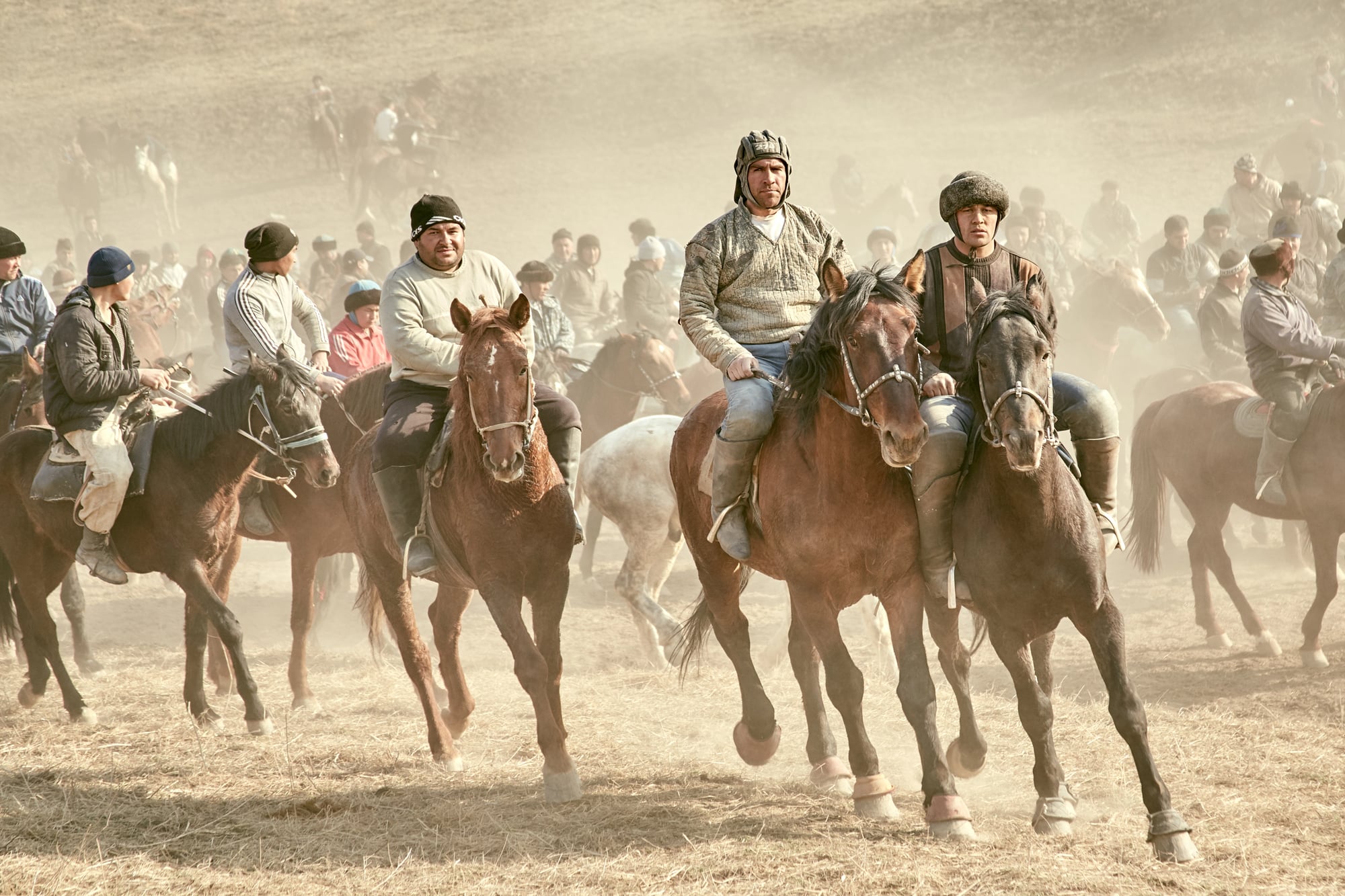
When something needed to happen fast, people said it had to be done ‘lickety-split.’ The phrase conveyed serious urgency and speed, like when a storm was rolling in and everyone needed to get the cattle rounded up quickly.
A sheriff might tell his deputy to ride lickety-split to the next town with an important message. The rhythm of the words themselves sounds fast, almost like hoofbeats pounding down a dirt road.
Passed In His Checks
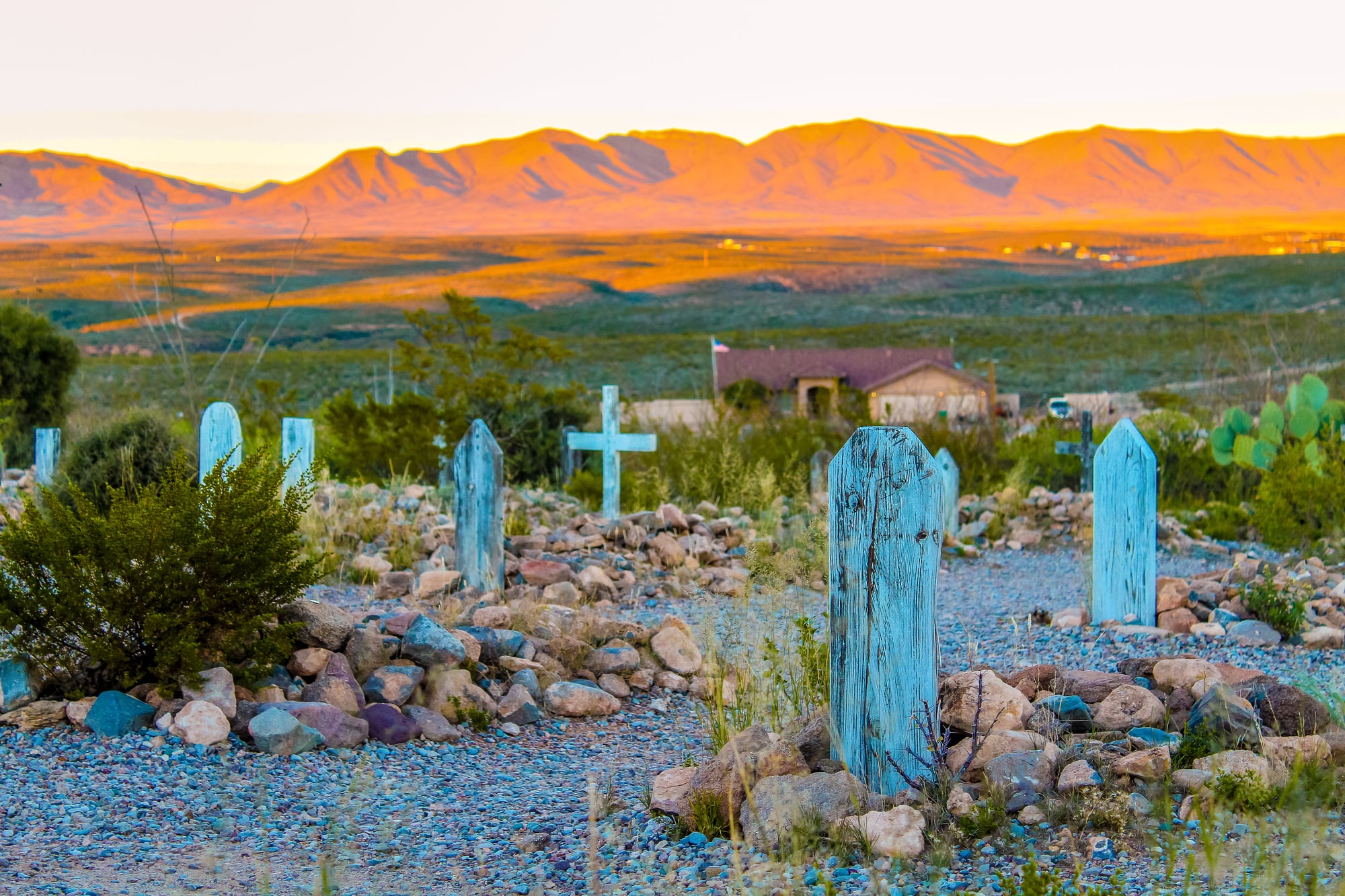
Death was common enough in the Wild West that people had lots of ways to talk about it, and ‘passed in his checks’ was one of the gentler ones. The phrase came from gambling, where cashing in your chips meant you were done playing.
When an outlaw or cowboy passed in his checks, it meant their time was up. People used this expression to add a bit of distance from the harsh reality of frontier mortality.
Rawhide
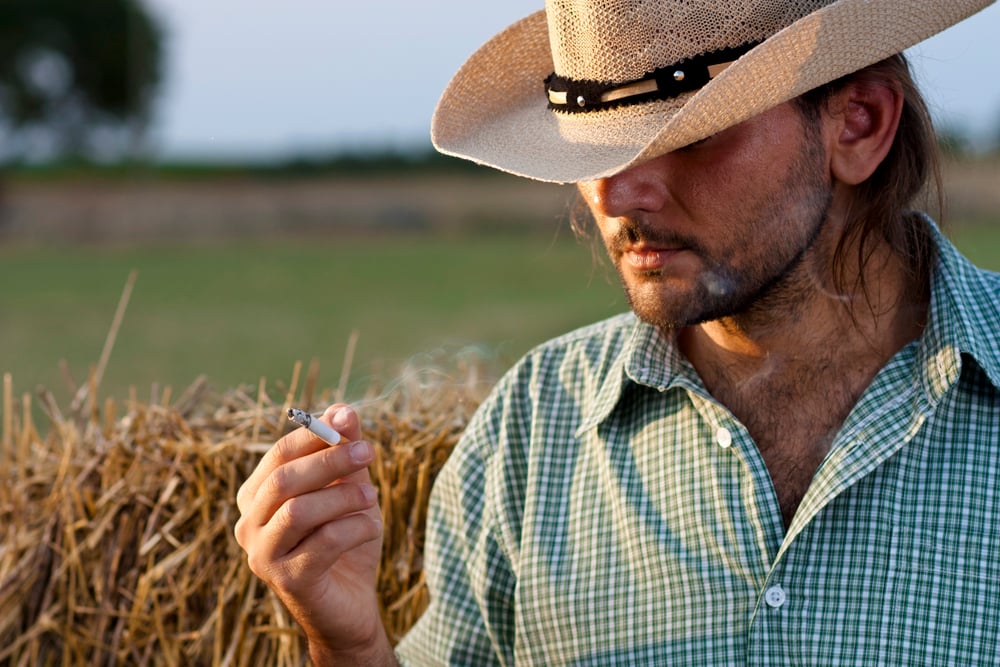
Calling someone ‘rawhide’ meant they were tough, rough around the edges, and not particularly refined. These folks were as hard as the untanned leather that gave the insult its name.
A rawhide character might have no manners, poor hygiene, and a generally gruff demeanor that puts polite society folks on edge. Still, rawhide types often survived longer than their more civilized counterparts because the frontier rewarded toughness over etiquette.
Savvy
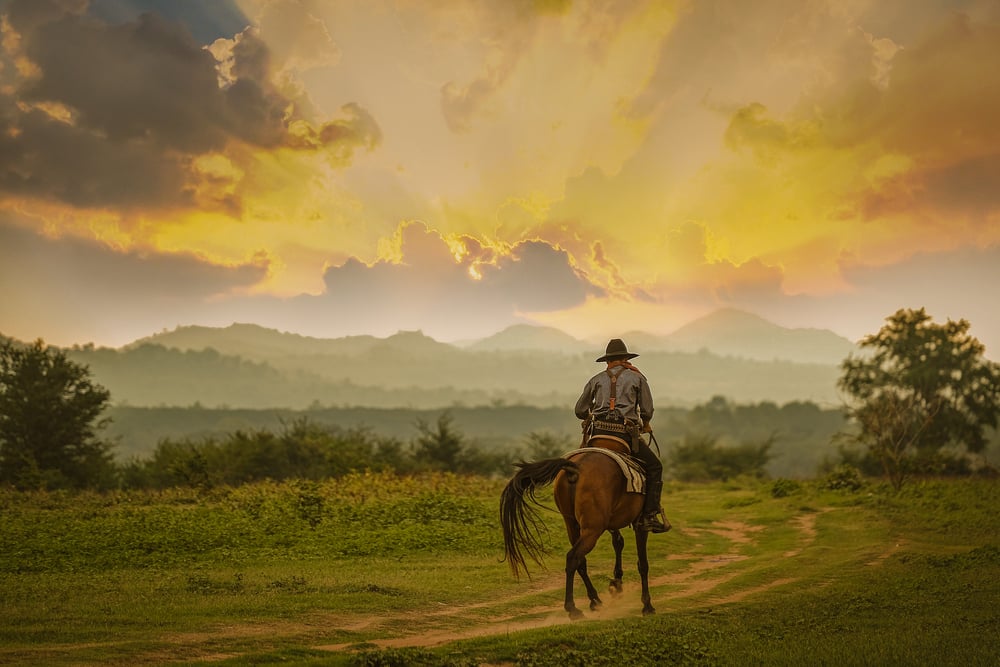
Understanding something or having good sense was called being ‘savvy’ in the Old West. A cowboy who was savvy knew how to read weather signs, handle difficult animals, and avoid trouble in rough towns.
The word came from Spanish ‘sabe’ meaning ‘knows,’ reflecting the cultural mixing that happened along the frontier. Being savvy could mean the difference between thriving and barely surviving in an unforgiving environment.
Shy A Sheet

Off-kilter people once got called shy a sheet, meaning they seemed just slightly off. That expression came from ships failing to catch wind with incomplete sails.
A recluse up in the hills? Neighbors might mutter he was shy a sheet. Odd actions could earn someone that label too – like showing up barefoot to dinner.
Calling folks a few sheets short softened the blow better than claiming they’d gone mad outright.
Slumgullion
That odd term stood for a thin, low-cost mix built from leftover bits found around camp. When rations got short in mining outposts, kitchen hands poured together slumgullion using what little they had left.
Just hearing the word makes you cringe – fitting, since the dish leaned closer to slop than something worth savoring. Miners never cheered at its arrival, still they swallowed spoonfuls simply because steam rose off it and warmth settled deep after grueling hours underground.
It showed up often, unwanted yet necessary, filling bellies where better meals failed to reach.
Yellowbelly
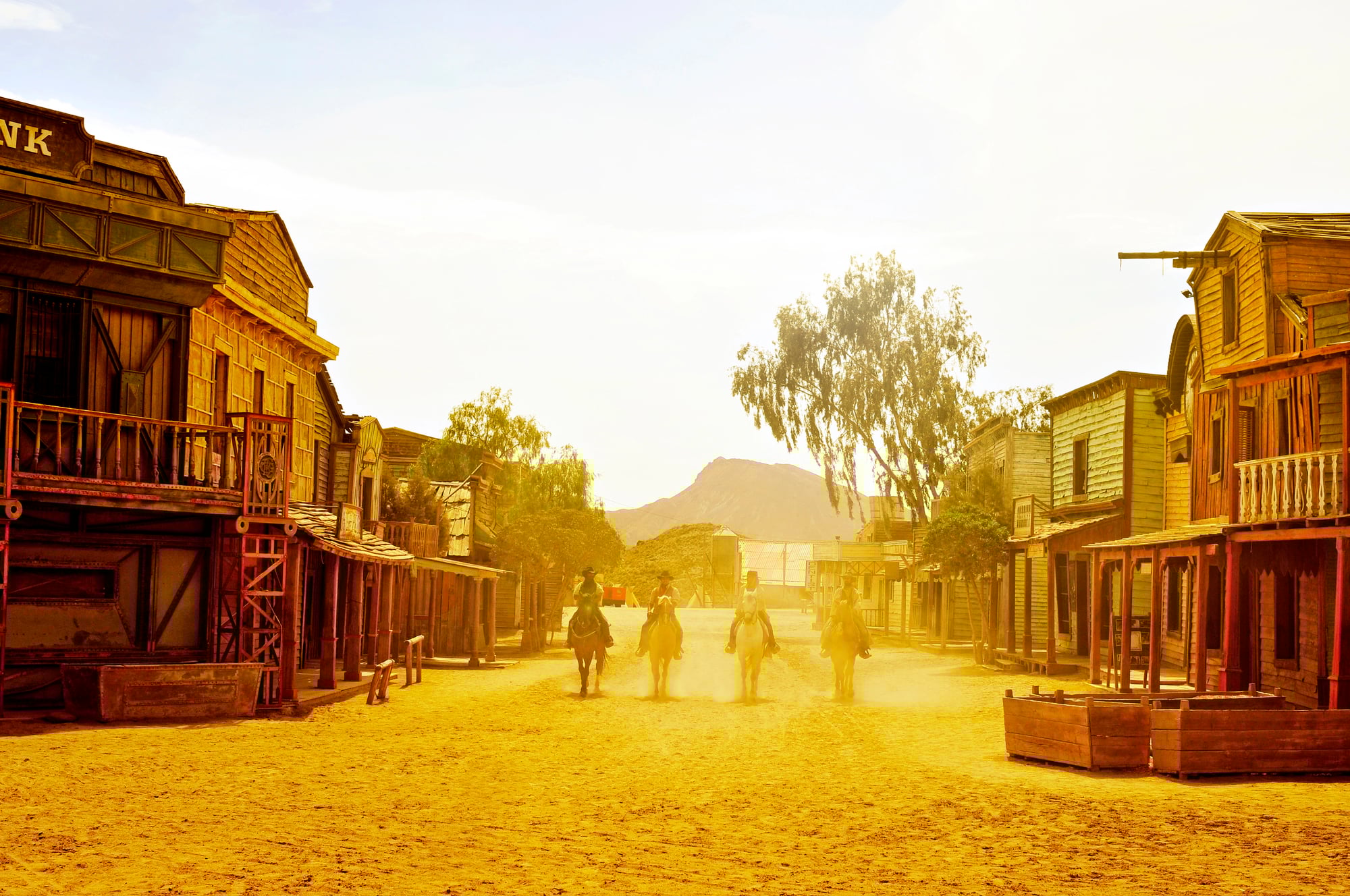
In the Old West, calling someone a ‘yellowbelly’ almost guaranteed trouble. Trouble followed because those words suggested you’d vanish at the first sign of risk.
Nobody admired that kind of retreat back then. The term might trace back to a woodpecker with a pale underside – odd name, odder insult.
Some folks believed it pointed to sickness giving skin a jaundiced tint instead. It didn’t matter much where it started – the sting stayed sharp either way.
A cowboy tagged like that would draw his gun just to erase the label. No one rode far with fear stitched into their nickname.
When Words Rode Off Into The Sunset
When the frontier faded, so did its rough speech. Cities rose where small towns once stood.
Cowboys traded lassos for desk jobs. The sharp talk of dusty trails slipped away, swapped out slowly.
Old sayings still show how bold those times felt. Words had to match hard lives.
Phrases like ‘hornswoggle’ seem odd now. In the coming years, our own slang may feel just as strange.
Language shifts, always has. Every age shapes how we speak.
More from Go2Tutors!

- The Romanov Crown Jewels and Their Tragic Fate
- 13 Historical Mysteries That Science Still Can’t Solve
- Famous Hoaxes That Fooled the World for Years
- 15 Child Stars with Tragic Adult Lives
- 16 Famous Jewelry Pieces in History
Like Go2Tutors’s content? Follow us on MSN.



