Famous Feuds Between Business Titans
There’s something about extreme wealth and power that seems to breed conflict. Maybe it’s the pressure of maintaining an empire, or the fact that at that level, every move is public.
Whatever the reason, some of the most intense rivalries in history haven’t been fought on battlefields — they’ve been fought in boardrooms, courtrooms, and the press. These aren’t just personality clashes.
They’re wars with billions of dollars, thousands of jobs, and entire industries caught in the crossfire.
Edison vs. Tesla: The War of Currents
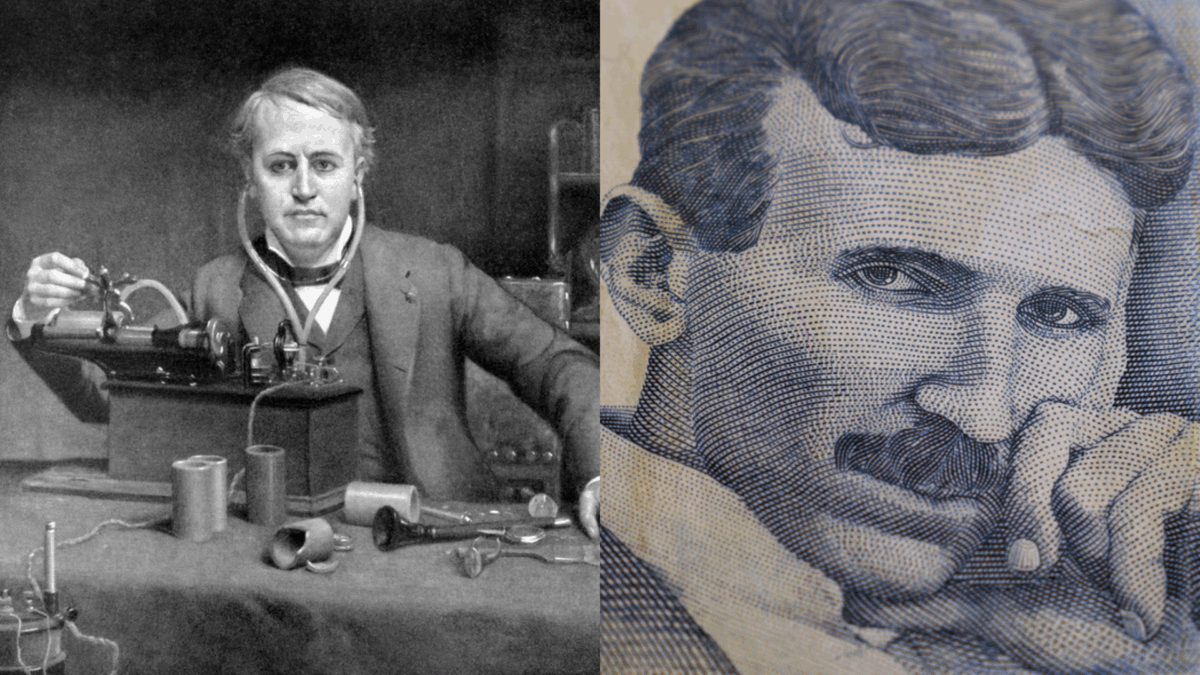
This one started as an employer-employee relationship and ended as one of the most bitter technical disputes in American history. Thomas Edison hired Nikola Tesla in 1884, and the two men clashed almost immediately over the future of electricity.
Edison believed in direct current (DC). Tesla was convinced alternating current (AC) was the better system for widespread power distribution.
When Tesla tried to convince Edison to adopt AC, Edison refused and reportedly reneged on a promised $50,000 bonus, dismissing the offer as a joke. Tesla quit.
What followed was a very public, very expensive campaign by Edison to discredit AC power — including public electrocutions of animals to show how “dangerous” it was. Tesla, backed by George Westinghouse, won the technical argument.
AC power became the standard. But Edison had the last word in terms of fame for most of the 20th century, until history began reassessing Tesla’s contributions.
Steve Jobs vs. Bill Gates: Friendly Fire That Wasn’t So Friendly

On the surface, Jobs and Gates maintained a public cordiality. Behind it was decades of simmering tension. When Microsoft developed Windows, Jobs accused Gates of stealing the graphical user interface concept from Apple — a charge Gates deflected by pointing out both companies had drawn from Xerox PARC.
The feud played out in product philosophies as much as personal barbs. Jobs believed in closed, tightly controlled systems.
Gates believed in open, widely licensed software. Both approaches worked, which made the argument circular and endless.
When Jobs was dying, Gates visited him at home. Whatever was said between them stayed private.
Their rivalry shaped modern computing in ways that are still visible today — in every debate about open versus closed platforms, in every argument about design versus accessibility.
Larry Ellison vs. Everyone, But Especially SAP
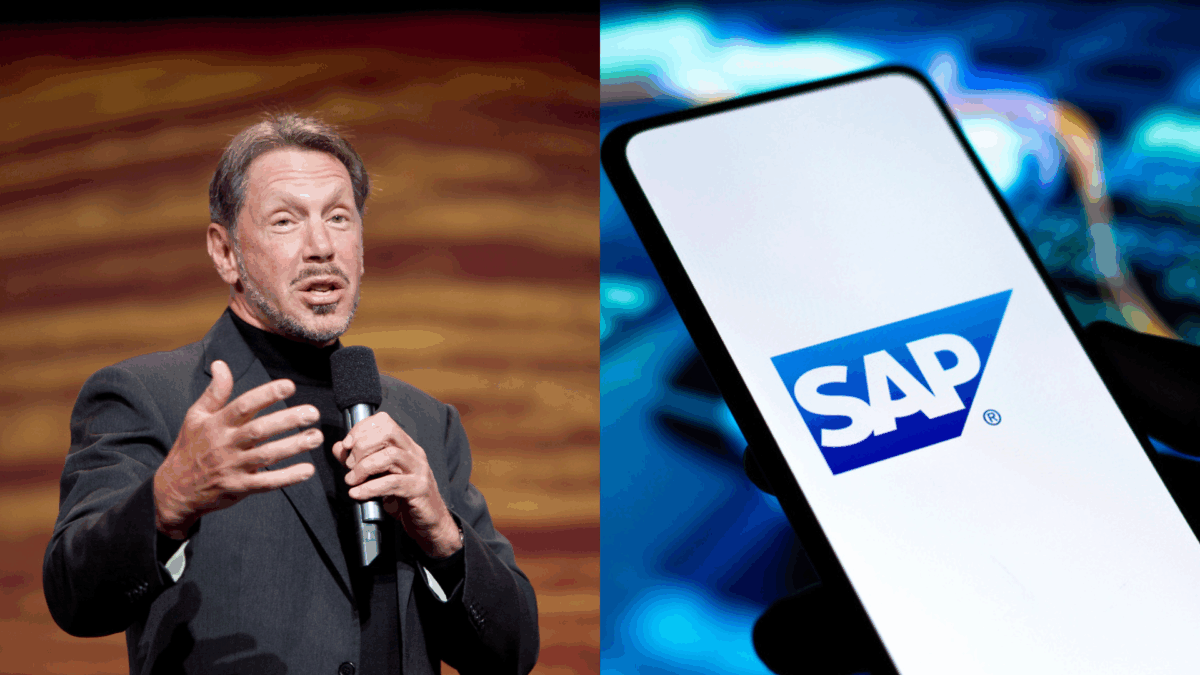
Oracle’s Larry Ellison never met a fight he didn’t want to win publicly and loudly. His feud with SAP turned into an actual lawsuit when Oracle accused SAP’s subsidiary TomorrowNow of illegally downloading millions of files from Oracle’s customer support portal.
SAP eventually admitted wrongdoing. A jury awarded Oracle $1.3 billion.
The number was later reduced, but the point had been made. Ellison has a long history of aggressive litigation and public commentary about competitors.
He once referred to cloud computing as “water vapor” before Oracle eventually built its own cloud business.
Elon Musk vs. Jeff Bezos: The Race to Space
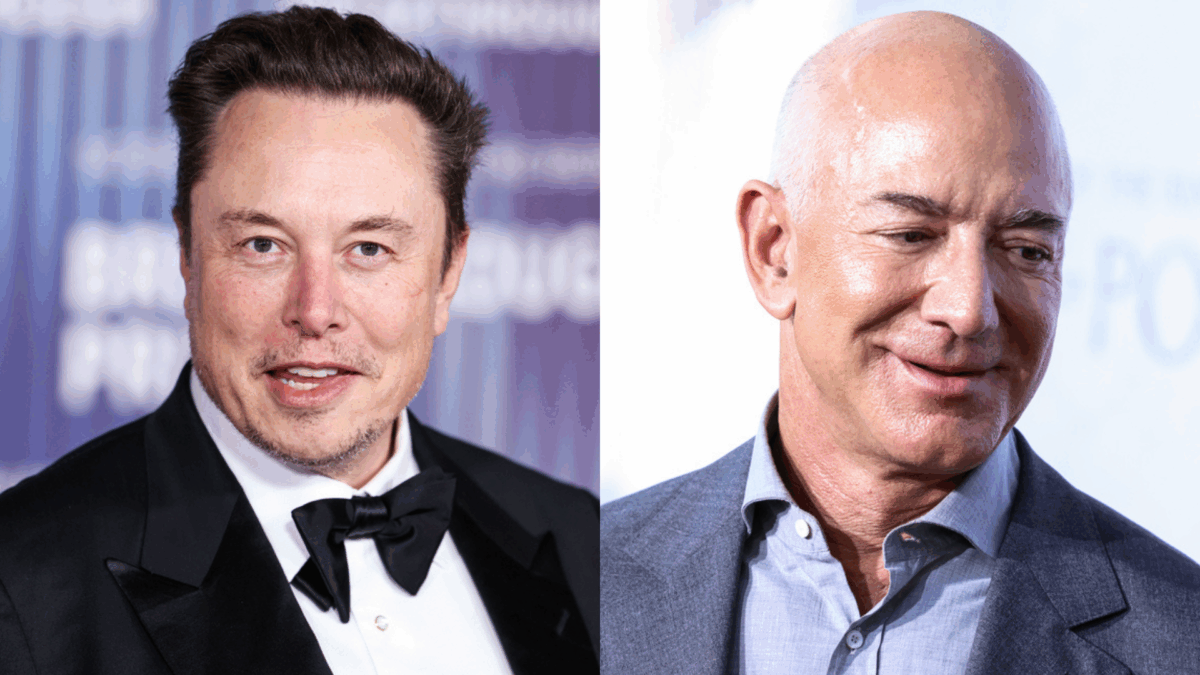
This feud is still ongoing, and it’s genuinely strange because it’s two of the richest people on the planet competing over rockets. Blue Origin and SpaceX have clashed repeatedly — in court, in regulatory filings, and in the kind of pointed public comments that go viral immediately.
The tension peaked when NASA awarded SpaceX a $2.9 billion lunar lander contract in 2021. Blue Origin protested, lost the protest, then filed a lawsuit.
Musk responded with a childish but widely shared joke about Blue Origin’s rocket shape. Bezos hasn’t engaged at that level publicly, but the legal challenges continued.
Behind the jokes is a real and serious competition. Both men want to define the future of space travel. Only one contract can go to one company.
Henry Ford vs. the Dodge Brothers

Before John and Horace Dodge became car manufacturers themselves, they were Ford’s biggest suppliers and shareholders. The relationship turned hostile when Ford decided to stop paying dividends to shareholders — arguing the company should reinvest profits into expansion and worker wages.
The Dodge brothers sued. Ford lost. The case, Dodge v. Ford Motor Co., became one of the most cited cases in corporate law.
It established the principle that corporations owe duties to their shareholders, not just to the founder’s personal vision. The Dodge brothers took their lawsuit winnings and launched the Dodge automobile brand.
Ford’s attempt to keep all the money for himself ended up financing his main competition.
Rockefeller vs. Carnegie: Quiet Contempt

John D. Rockefeller and Andrew Carnegie didn’t fight the way some rivals do — there were no famous public insults or lawsuits between them. But the contempt was real and mutual.
Rockefeller, who built Standard Oil, and Carnegie, who dominated steel, occupied different corners of the industrial world but circled each other with suspicion. Carnegie thought Rockefeller’s monopolistic tactics were dishonest.
Rockefeller thought Carnegie’s self-promotion was exhausting. When Carnegie sold his steel empire to J.P. Morgan in 1901 and briefly became the richest man in the world briefly, Rockefeller allegedly remarked that Carnegie had sold too cheap.
Small digs, but between men of that stature, they land like punches.
Musk vs. Zuckerberg: The Cage Match That Almost Happened
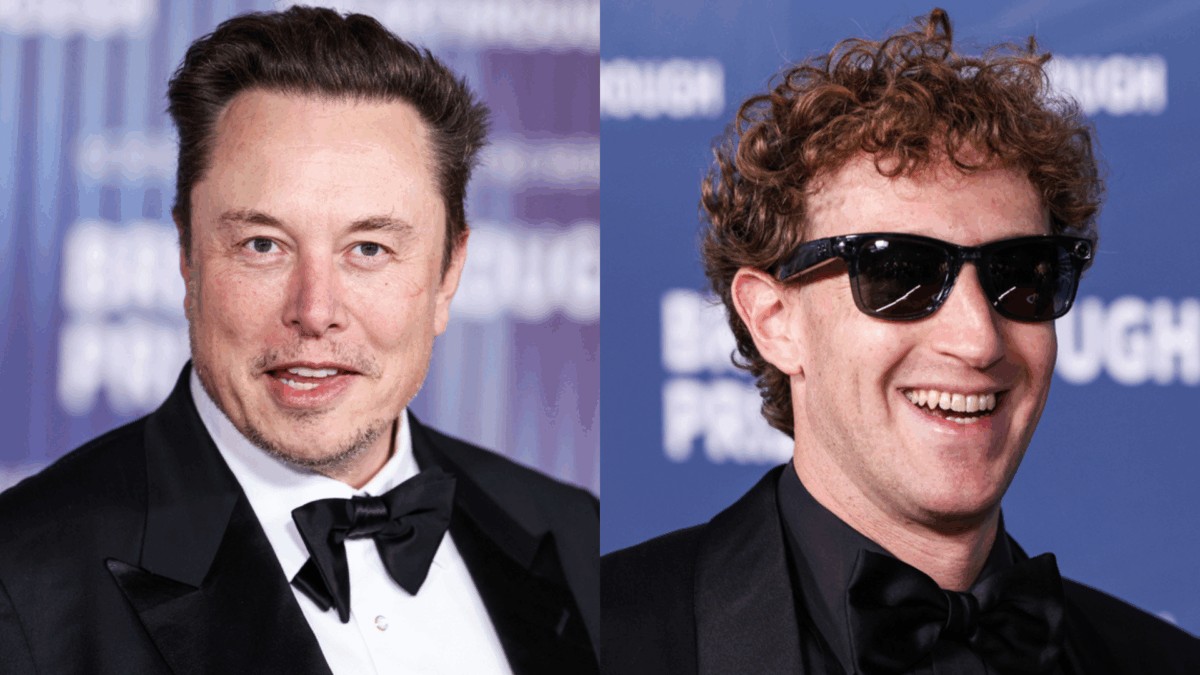
In 2023, a feud between Elon Musk and Mark Zuckerberg somehow escalated to the point where both men publicly agreed to a cage match. Musk had taken over Twitter and was building it into a competitor to Meta’s platforms.
Zuckerberg launched Threads specifically to compete with Twitter. The back-and-forth on social media included challenges, trash talk, and even location offers for the fight.
It never happened. What did happen was a genuine business rivalry, with both platforms competing for users and advertisers.
Zuckerberg, who trains Brazilian jiu-jitsu seriously, was probably the more credible physical threat. Musk eventually said he needed surgery. The internet remained undefeated.
Travis Kalanick vs. Dara Khosrowshahi (and the Uber Board)
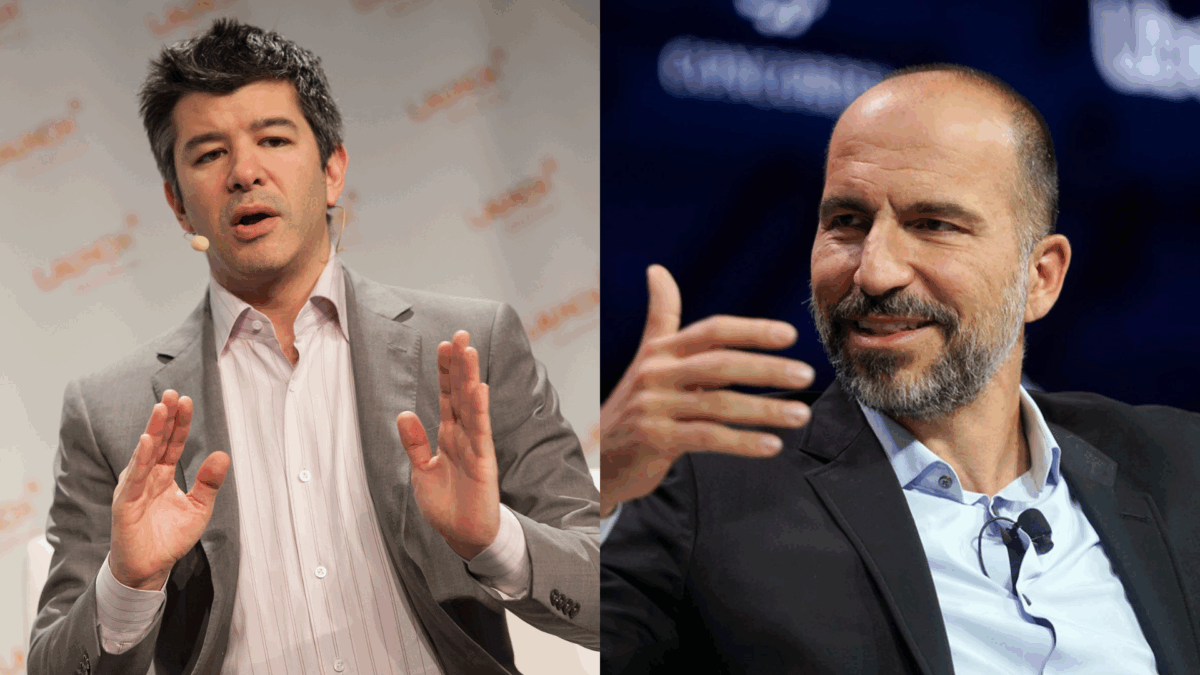
This one unfolded differently — it was less a clash of two equals and more an implosion. Travis Kalanick built Uber from nothing into a company worth tens of billions.
But his management style, personal conduct, and a series of scandals created a crisis that ended with his own board pushing him out. Dara Khosrowshahi came in as the calm professional to Kalanick’s chaos.
Kalanick didn’t disappear quietly — he remained a board member and became a vocal critic of decisions he disagreed with. The tension between founder identity and corporate governance played out very publicly.
Eventually, Kalanick sold most of his Uber shares and started a new company. Whether he and Khosrowshahi have made peace is unclear, but the power shift at Uber remains one of the more dramatic in Silicon Valley history.
Sumner Redstone vs. His Own Family

— Photo by s_bukley
Not every conflict shows a clear bad person when both sides present fair arguments. During his final years, Sumner Redstone – media tycoon behind Viacom and CBS – fought court cases involving his daughter Shari along with someone he once had a relationship with, all tied to power over his fortune and questions about whether he could still think clearly.
A clash like this went beyond one person. Huge sums tied to TV and online companies were at stake.
Legal documents exposed private moments from his later life. Who got power over big U.S. news outlets unfolded through sworn statements and front-page stories.
Finally, Shari Redstone took full charge. Merging those firms did happen.
Yet getting there? Just as chaotic as a boardroom soap opera.
Howard Hughes vs. TWA’s Board

Fiddling with rules didn’t suit Howard Hughes. Once the people running Trans World Airlines – his own company – pushed back on his choices, demanding changes he disliked, silence became his reply.
That standoff? It stretched without end. Last came a courtroom finish, Hughes slipping his grip on the airline bit by bit.
A huge payout followed – rumored to hit half a billion – but what stuck was how often giants clash without ever letting go, despite gains waiting in teamwork they refuse to see.
Finding solace only in solitude, Hughes pulled away more each day.
Despite his absence, flights kept running as before.
Rupert Murdoch vs. Ted Turner

Out of nowhere came a clash between giants. Their names? Rupert Murdoch, Ted Turner – both built empires on noise and news.
Power didn’t just attract them; it fed their rivalry like fuel. Insults flew across boardrooms, networks, headlines. One dismissed the other’s work as trash that shamed journalism.
The year 1996 marked a shift: Fox News appeared, aimed straight at CNN’s throne. That network bore Turner’s fingerprints – he’d started it years before.
Audiences became battlegrounds. Advertisers turned into prizes.
Territory mattered more than ever. Outspoken as ever, Turner didn’t hold back, labeling Murdoch a “warmonger” and harsher names across multiple interviews.
Murdoch, meanwhile, struck with precision, often using his media outlets to wage battles for him. Fox News versus CNN redefined U.S. political coverage for decades – neither saw that outcome coming.
The Ambani Brothers Split a Shared Inheritance
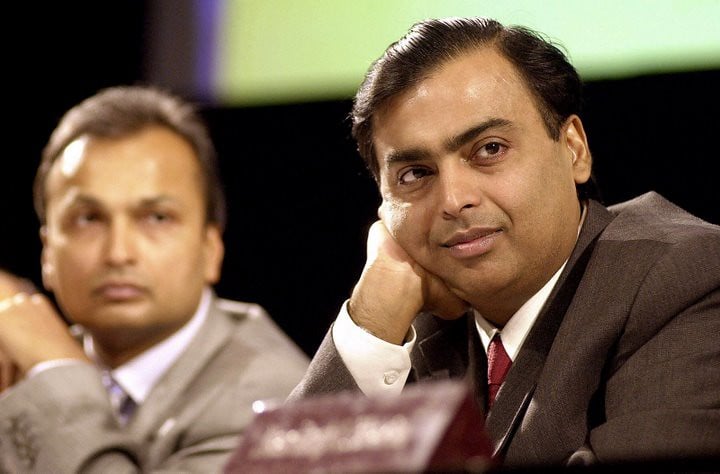
One moment they were standing together at funerals, next they were eyeing each other across boardrooms. After Dhirubhai Ambani passed in 2002 – no will left behind – his sons, Mukesh and Anil, began drifting like ships losing shared currents.
A quiet tension grew, then snapped, turning family ties into legal battles. Instead of unity, there emerged separation – sharp, loud, unfolding under newspaper headlines and courtroom lights.
Oil and chemicals went to Mukesh. Telecom plus entertainment landed with Anil.
Their mother helped arrange a deal that kept them apart at first. Once it ended, things turned tense.
Years passed with clashes on pricing, laws, and who could operate where.
Out of nowhere, things turned sharply different.
While Mukesh launched Reliance Jio, transforming how India connects through phones, Anil faced constant setbacks across his ventures. Over time, their paths drifted far apart – so much so that few brother pairs in corporate memory have ever ended up so far apart.
Eventually, the contrast defined them.
When the Dust Settles

Strange how these conflicts seldom wrap up neatly. Not a single handshake, never an official close – only years passing, someone left standing while another fades away.
Caught in the middle, businesses pay quietly: choices put off, money lost to lawyers, leaders looking everywhere but ahead. What grabs us about these tales is how the people in them seemed to have everything going their way already.
Still, something pushed them forward, not wanting to fall behind even after reaching what looked like victory. Turns out, that drive stays alive long after wealth fades away.
More from Go2Tutors!

- The Romanov Crown Jewels and Their Tragic Fate
- 13 Historical Mysteries That Science Still Can’t Solve
- Famous Hoaxes That Fooled the World for Years
- 15 Child Stars with Tragic Adult Lives
- 16 Famous Jewelry Pieces in History
Like Go2Tutors’s content? Follow us on MSN.



