15 Songs That Became Hits (But Were Almost Never Released)
Music history is filled with surprising twists of fate. Some of the most recognizable songs we sing along to today were once gathering dust, rejected by record executives, or even disliked by the artists themselves.
These near-misses remind us how fragile the path to musical immortality can be—and how close we came to never hearing some of our favorite tunes. Here is a list of 15 songs that overcame significant obstacles to become massive hits, despite nearly being shelved forever.
“Like a Prayer” by Madonna

The religious imagery in the song and its contentious music video caused Madonna’s record label executives great concern. They asked Madonna to think twice before releasing it as a single because they were afraid of a significant backlash.
In addition to topping charts all over the world, the song became one of Madonna’s defining songs and a cultural touchstone of the late 1980s, demonstrating her unwavering commitment to her artistic vision.
“Billie Jean” by Michael Jackson
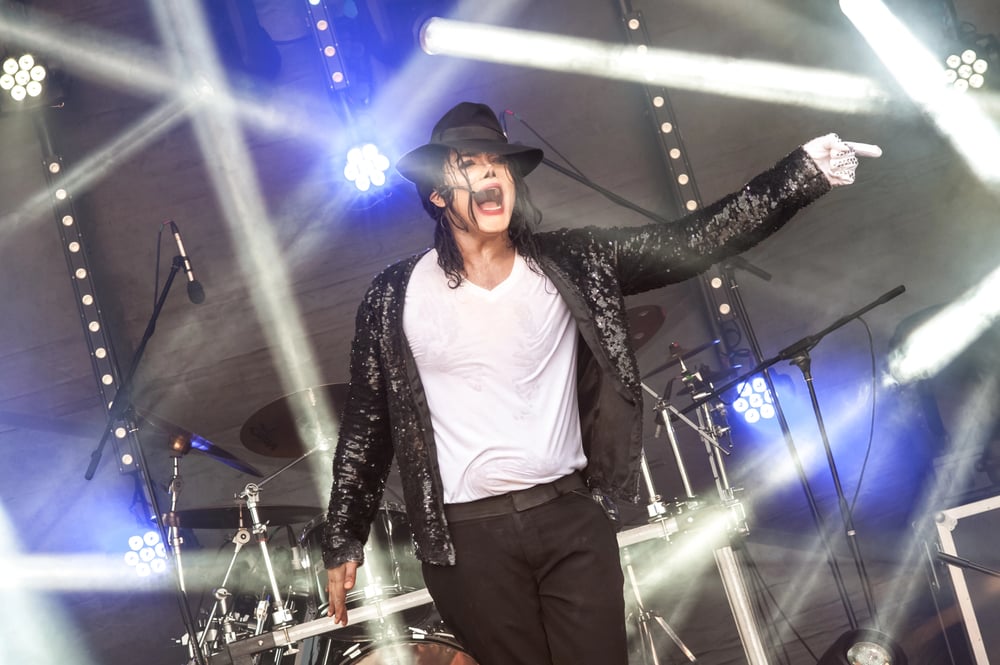
Producer Quincy Jones initially didn’t want “Billie Jean” on the ‘Thriller’ album, claiming the intro dragged on too long. Michael Jackson insisted the bass line made him want to dance and refused to cut it.
Their creative disagreement nearly kept this iconic track off the album, but Jackson’s persistence paid off when it became a worldwide smash and helped the ‘Thriller’ album sell over 70 million copies.
Like Go2Tutors’s content? Follow us on MSN.
“Umbrella” by Rihanna

Before landing in Rihanna’s hands, “Umbrella” was rejected by both Britney Spears and Mary J. Blige. Their teams passed on what they considered a mediocre track, not seeing its potential.
Rihanna immediately recognized its appeal and recorded it, resulting in a global hit that spent seven consecutive weeks at number one in the UK and launched her to superstardom.
“Sweet Child O’ Mine” by Guns N’ Roses
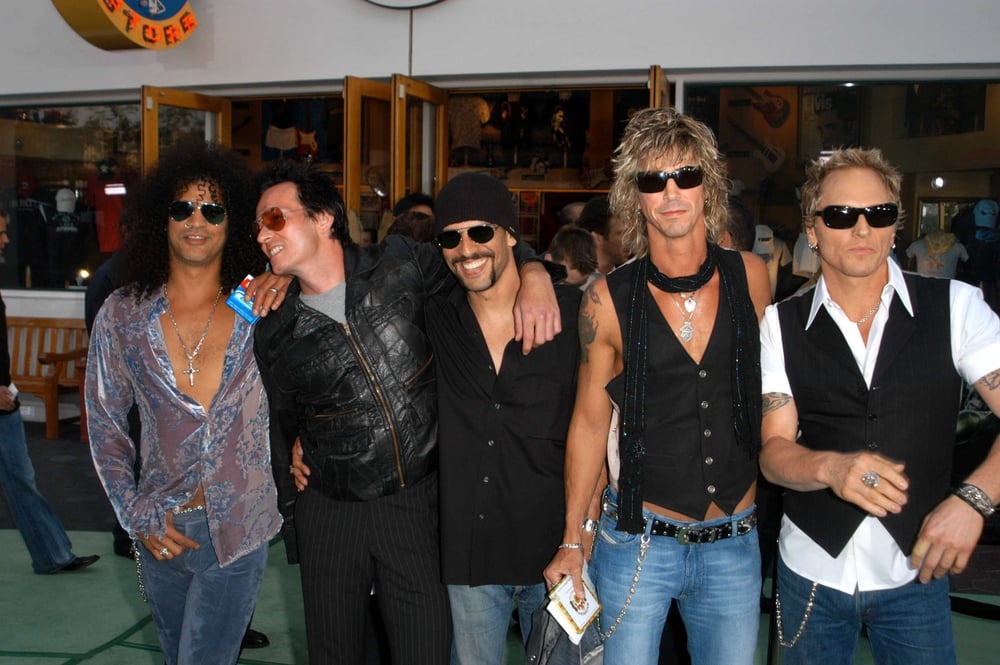
Slash was merely playing a string-skipping exercise he considered a joke when Axl Rose overheard it and insisted they develop it into a full song. The guitarist openly disliked the riff and fought against using it, considering it too lightweight for the band’s hard rock image.
The “joke” riff ultimately became their only US number one single and one of rock’s most recognizable guitar parts.
“Hey Jude” by The Beatles
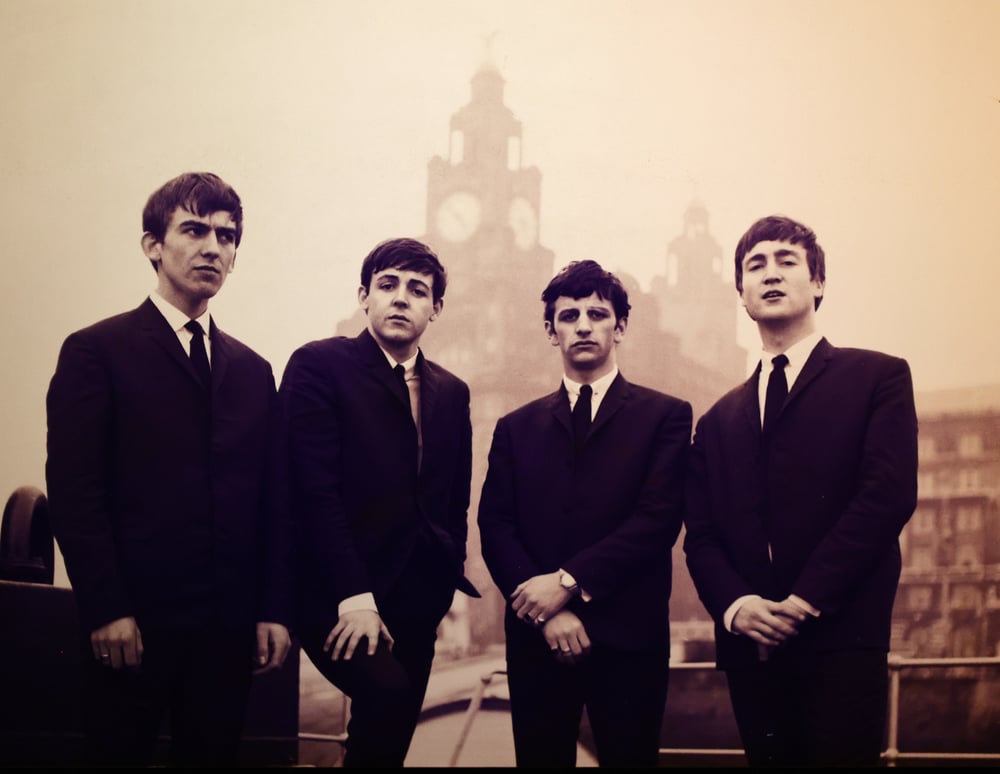
Paul McCartney wrote “Hey Jude” for Julian Lennon during his parents’ divorce, but John Lennon initially misinterpreted some lyrics as criticism of his relationship with Yoko Ono. This tension nearly derailed the release, while others argued the seven-minute length made it too long for radio play.
The Beatles insisted on keeping it intact, and it became their longest-running number-one hit in America.
Like Go2Tutors’s content? Follow us on MSN.
“Born to Run” by Bruce Springsteen
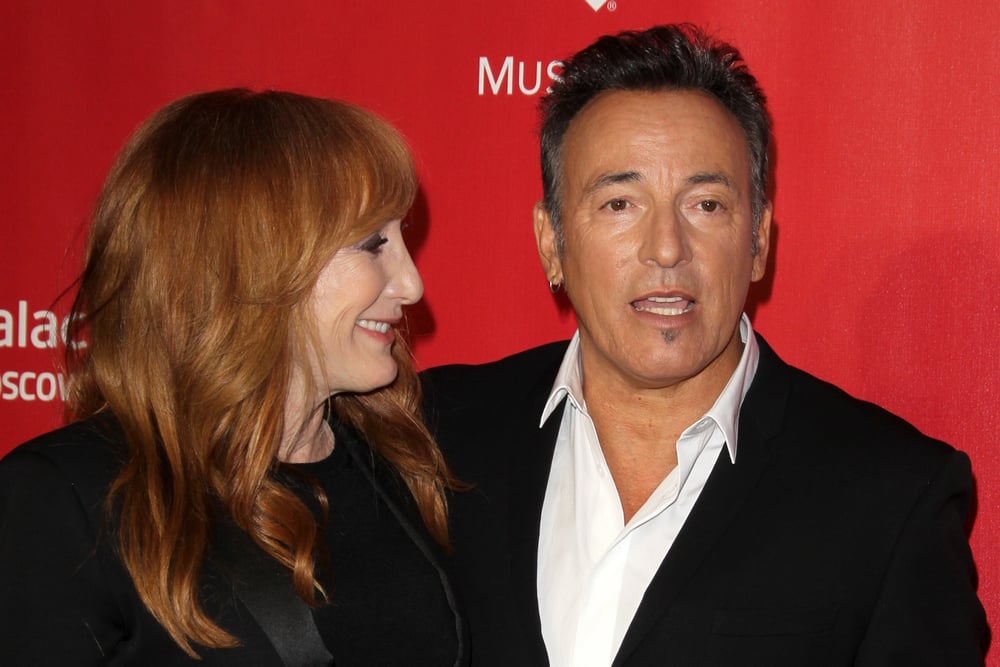
Springsteen spent over six months obsessively recording and re-recording “Born to Run,” driving his band and engineers to the brink of madness. He was so unsatisfied with the results that he nearly scrapped the song entirely, even throwing a test pressing across the room in frustration.
The song that almost didn’t make it out of the studio became his breakthrough hit and career-defining anthem.
“(I Can’t Get No) Satisfaction” by The Rolling Stones
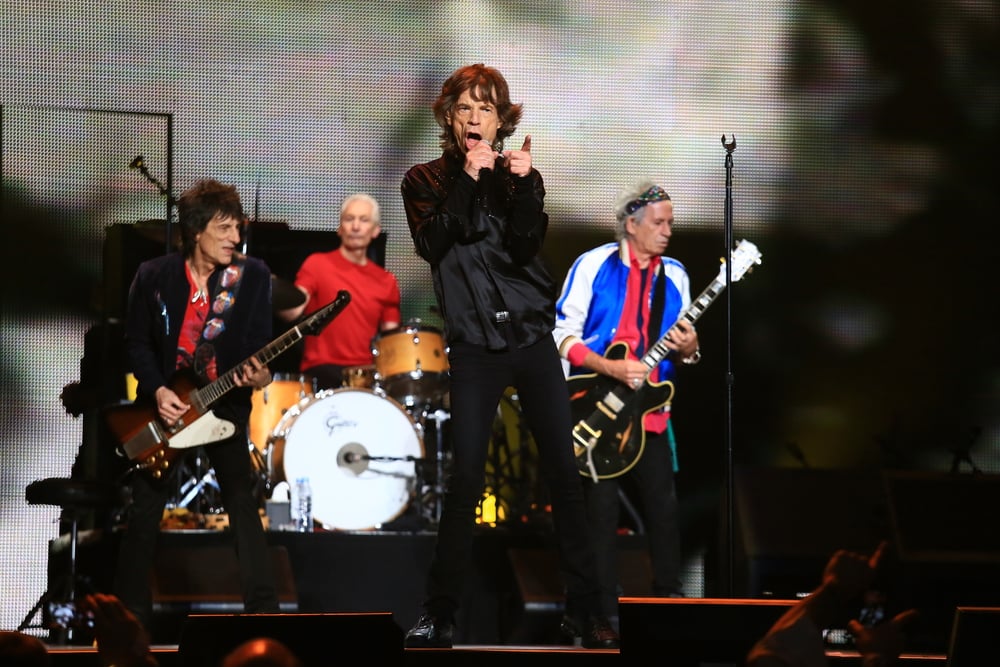
Keith Richards recorded the famous guitar riff on a portable cassette recorder while half-asleep, then promptly fell back to sleep. Upon waking, he discovered nearly 40 minutes of snoring on the tape followed by the brief riff.
Richards initially considered it a throwaway idea for a horn section, not a guitar part, and the band was reluctant to release it as a single. The hastily recorded “demo” became their first US number one.
“Rock Around the Clock” by Bill Haley & His Comets
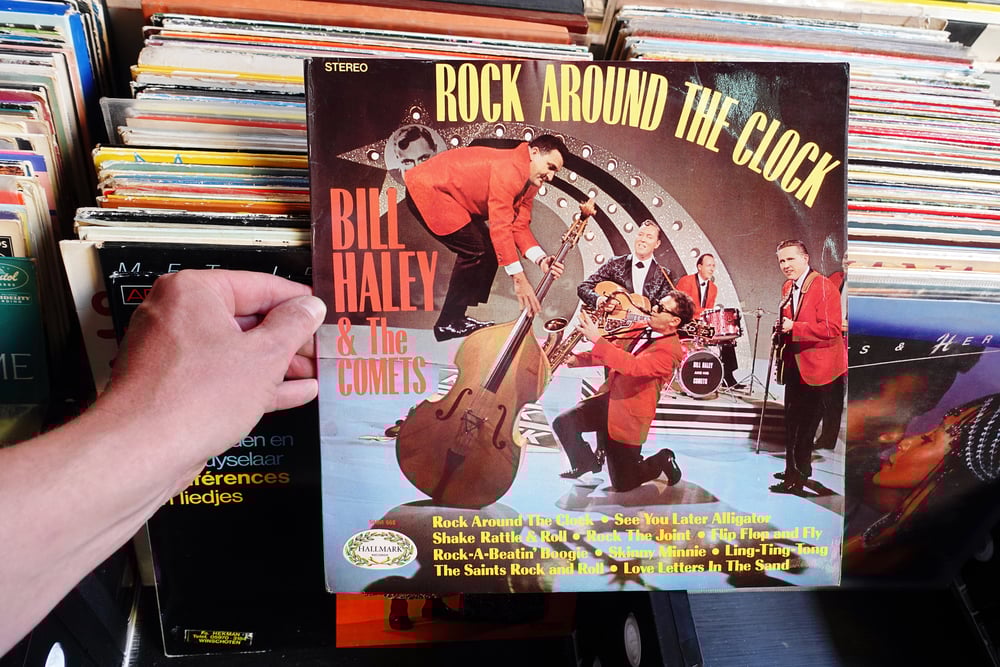
Originally released as a B-side in 1954, “Rock Around the Clock” attracted little attention and was on its way to obscurity. A year later, it was used in the film ‘Blackboard Jungle’s’ opening credits, catapulting it to number one for eight weeks.
The song that was initially relegated to B-side status became a defining moment in rock history, often cited as the first rock and roll song to top the charts.
Like Go2Tutors’s content? Follow us on MSN.
“Dancing Queen” by ABBA
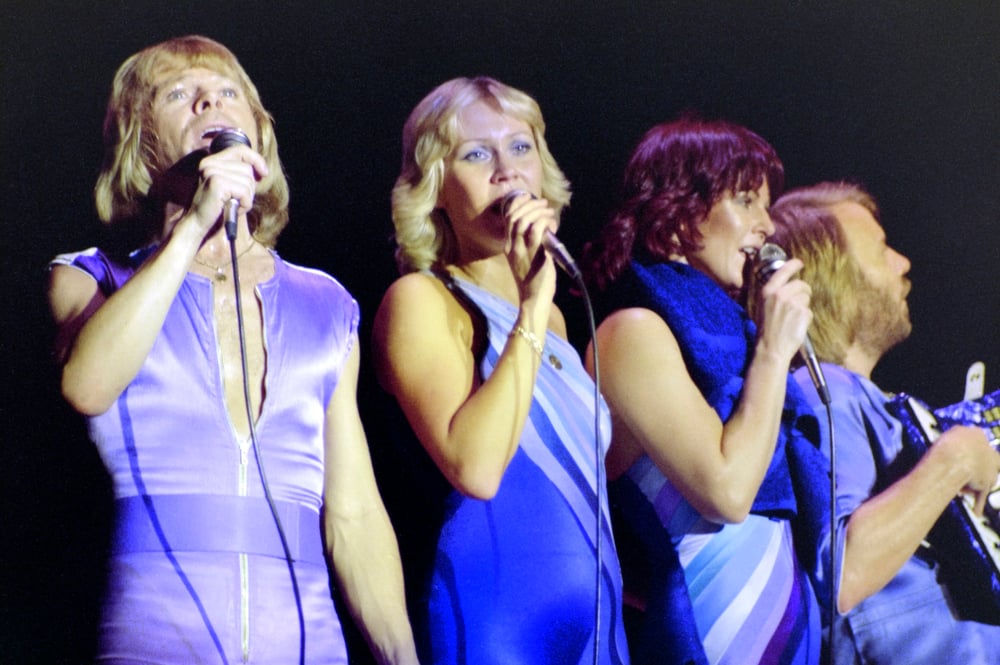
ABBA members Björn Ulvaeus and Benny Andersson were seriously contemplating keeping “Dancing Queen” for themselves rather than sharing it with the band. They felt that the disco-influenced track was so flawless that they should keep it for a solo record.
ABBA bandmate Agnetha Fältskog convinced them to release it under the band’s banner, which became the band’s sole US number one single and their anthem everywhere else on the planet.
“Respect” by Aretha Franklin
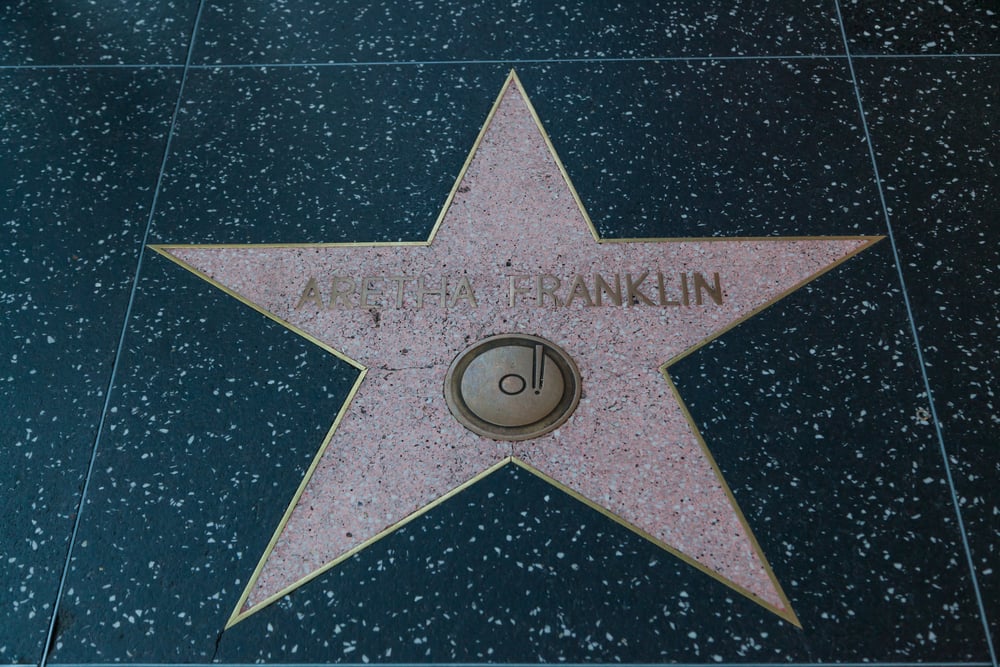
“Respect” was originally written and recorded by Otis Redding as a man’s plea for recognition from his woman when he returns home from work. Aretha completely reinvented it from a female perspective, adding the iconic “R-E-S-P-E-C-T” and “sock it to me” parts.
Atlantic Records was hesitant about releasing a cover of a relatively recent song, but Franklin’s version overshadowed the original and became an enduring anthem of empowerment.
“What’s Going On” by Marvin Gaye
Motown founder Berry Gordy Jr. called “What’s Going On” the “worst thing I ever heard” and refused to release it, believing social commentary would ruin Gaye’s romantic or pop idol image. Gaye went on strike, refusing to record anything else until it was released.
The standoff ended when another Motown executive released the song while Gordy was on vacation. It shot to number one on the R&B charts, vindicating Gaye’s artistic vision.
Like Go2Tutors’s content? Follow us on MSN.
“Creep” by Radiohead
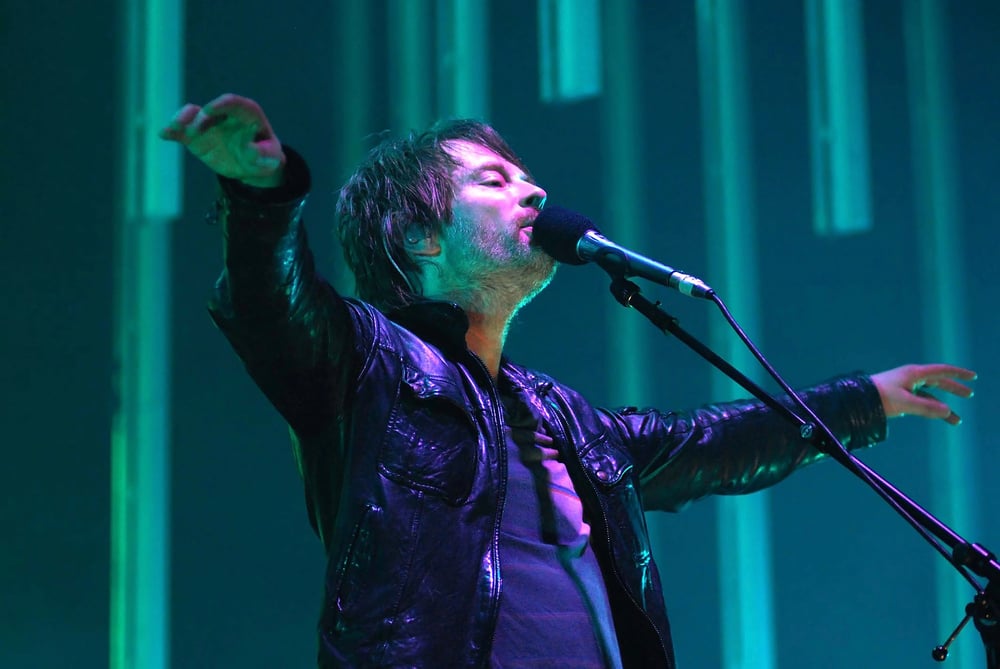
After recording “Creep,” Radiohead and their label deemed it too depressing and shelved it. Months later, a radio DJ found the promotional single and started playing it, generating unexpected demand from listeners. Even after its official release, the band grew to hate performing their breakthrough hit, derisively nicknaming it “Crap.”
The song they almost abandoned introduced Radiohead to a global audience and remains their most recognized track.
“Don’t Stop Believin'” by Journey

Journey’s record label strongly advised against releasing “Don’t Stop Believin'” as a single, arguing that its unconventional structure (with the chorus appearing only at the end) would confuse listeners. Though it performed respectably upon release in 1981, it wasn’t until decades later—after appearing in “The Sopranos” finale and “Glee”—that it became the band’s signature song and the most downloaded 20th-century track in iTunes history.
“Yellow” by Coldplay

At first, Coldplay nearly left “Yellow” off of their debut album because they felt it was too straightforward. The band was concerned about coming across as sellouts and thought the final recording was “too radio-friendly” in comparison to their indie sensibilities.
Their breakthrough hit, which established their unique sound and launched their international career, was the song they almost gave up on.
Like Go2Tutors’s content? Follow us on MSN.
“I’ll Be Missing You” by Puff Daddy and Faith Evans
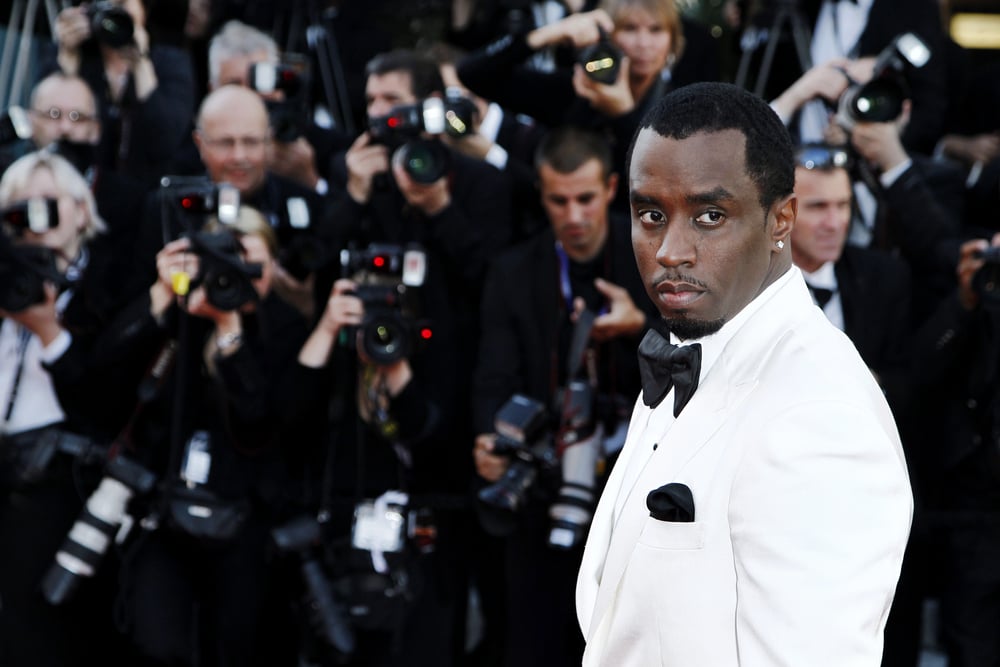
When Puff Daddy created this tribute to The Notorious B.I.G., his team warned him against sampling The Police’s “Every Breath You Take” without permission. The substantial legal risks nearly stopped the release, and after it was released, Sting ended up receiving 100% of the royalties.
Despite these complications, the song became one of the best-selling singles of all time and won a Grammy Award.
The Sound of Persistence

These songs represent more than just lucky breaks—they showcase the importance of artistic conviction and the unpredictable nature of cultural impact. From Madonna’s refusal to tone down “Like a Prayer” to Marvin Gaye’s principled stand for “What’s Going On,” these artists fought for their vision when others couldn’t see it.
Their persistence ensured that songs initially dismissed, overlooked, or nearly abandoned found their way to our ears, ultimately reshaping music history one almost-missed hit at a time.
More from Go2Tutors!

- 18 Unexpectedly Valuable Collectibles You Might Have Lying Around
- 20 Little-Known Historical Battles That Had Huge Consequences
- 20 Historical Artifacts That Scientists Can’t Explain
- 15 Inventions That Were Immediately Banned After Being Created
- 20 Actors Who Were Almost Cast in Iconic Roles
Like Go2Tutors’s content? Follow us on MSN.