Famous Public Art Installations and Their Origins
Public art has a way of becoming part of a city’s identity. These sculptures, murals, and installations often start as controversial projects that communities aren’t sure about, but they end up defining the places where they stand.
Some were created to honor historical moments, while others appeared simply because an artist had a wild idea and someone said yes. Let’s explore the stories behind some of the world’s most recognizable public artworks and discover how they came to be.
Cloud Gate
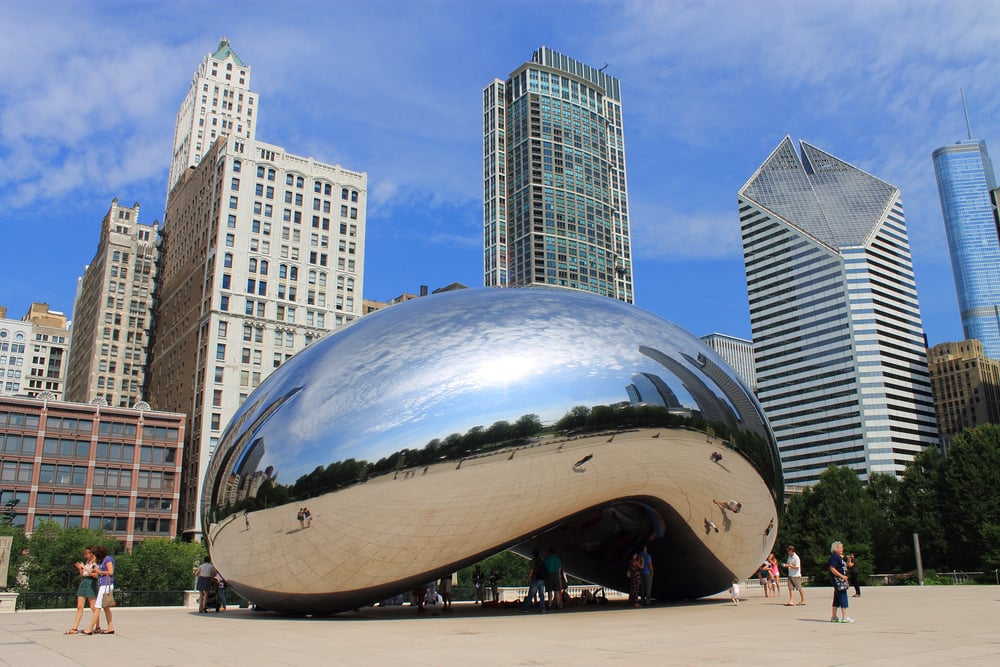
Chicago’s giant reflective bean officially goes by the name Cloud Gate, though almost nobody calls it that. British artist Anish Kapoor designed this 110-ton stainless steel sculpture for Millennium Park, and it took from 2004 to 2006 to complete.
The surface consists of 168 welded plates that were polished so thoroughly that the seams became invisible. Kapoor got the idea from liquid mercury, wanting to create something that would reflect the city’s skyline while also distorting it in interesting ways.
The Chicago Picasso
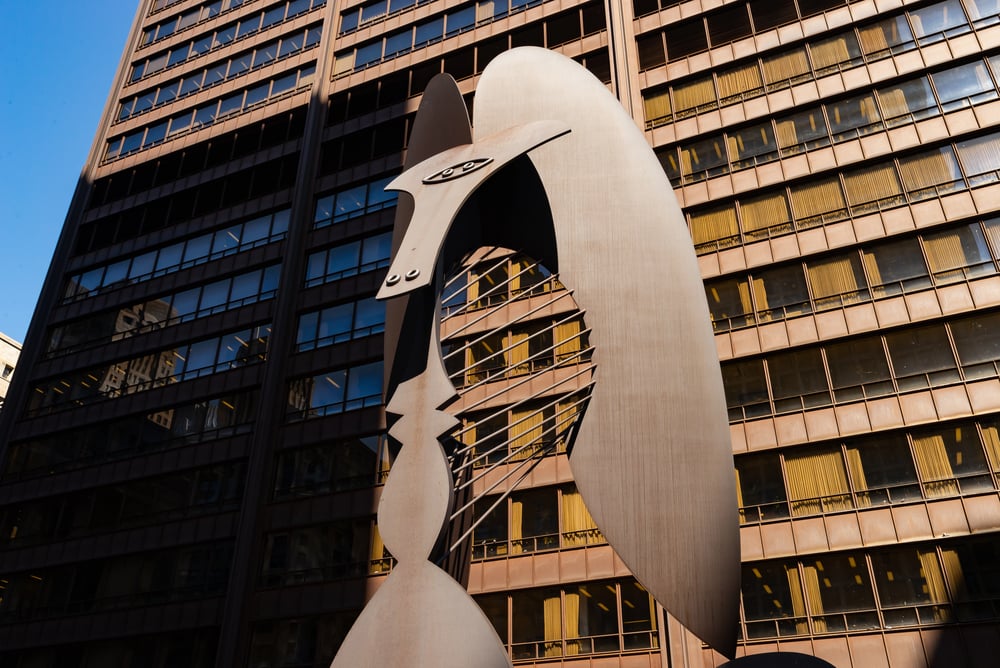
Pablo Picasso never explained what his untitled 1967 sculpture in Chicago’s Daley Plaza actually represents. Some people see a woman’s face, others see a baboon, and a few think it looks like an Afghan hound.
The city commissioned this 50-foot steel creation as part of an urban renewal project, and Picasso refused the $100,000 payment, donating his work as a gift to the people of Chicago instead. When it was unveiled, Chicagoans either loved it or wanted it removed immediately, but the controversy helped it become one of the city’s most recognizable landmarks.
Love
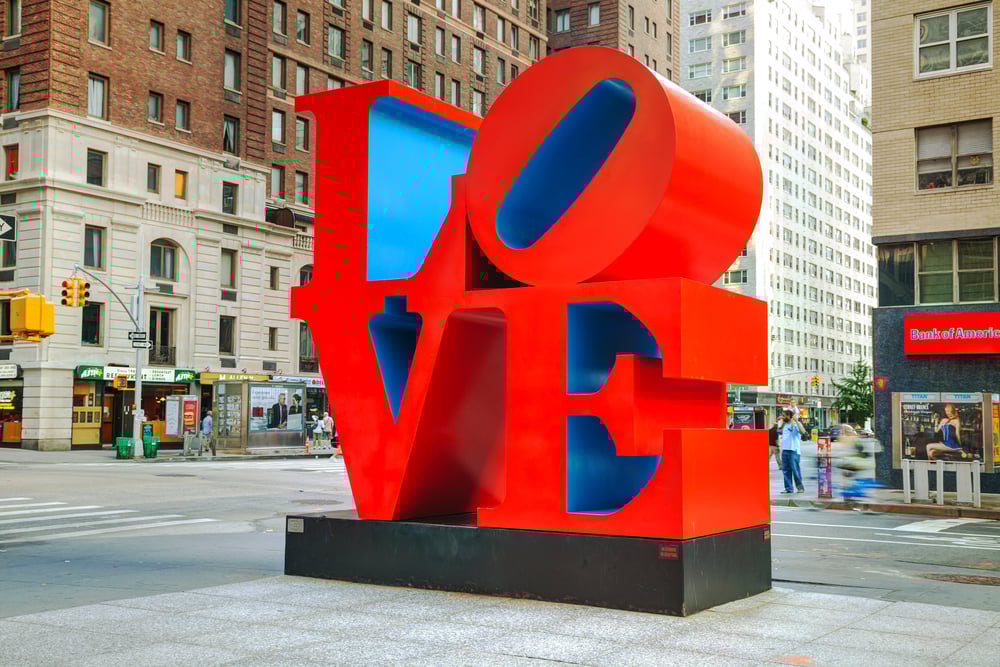
Robert Indiana created his famous LOVE sculpture with its tilted ‘O’ in 1970, and it became so popular that versions now exist in dozens of cities worldwide. The original design appeared on a Museum of Modern Art Christmas card in 1965, which led to a postage stamp and eventually the sculpture itself.
Indiana chose red, blue, and green because he wanted colors that would work in any urban environment. Philadelphia got the first permanent version in 1976 as a Bicentennial gift, and the artwork has been reproduced so many times that Indiana spent years fighting unauthorized copies.
Charging Bull
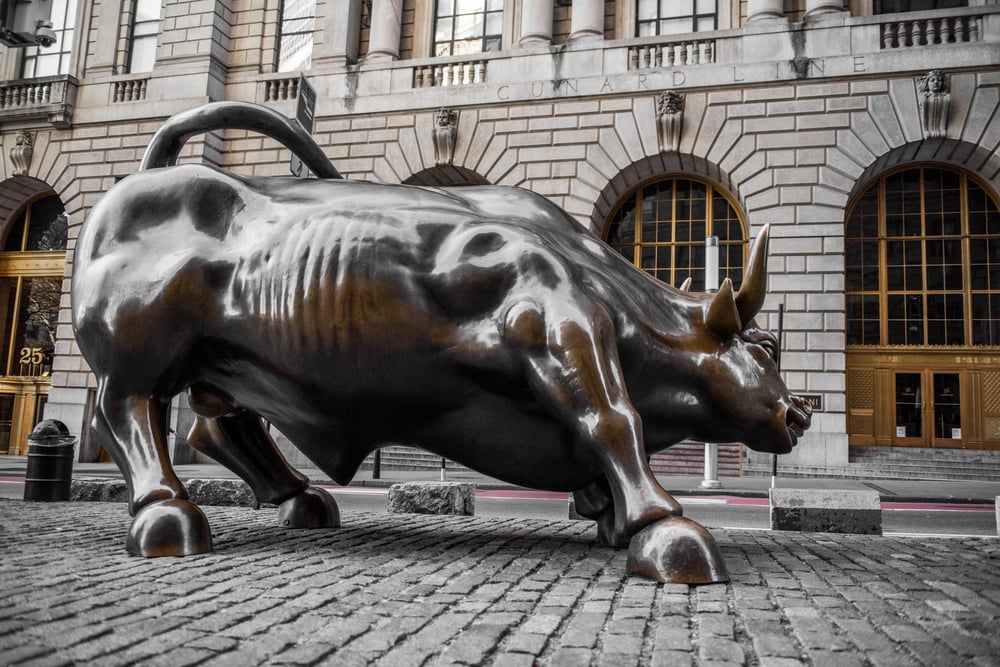
Arturo Di Modica spent $360,000 of his own money creating the 7,000-pound bronze bull that now stands near Wall Street. He didn’t have permission to put it there.
On December 15, 1989, Di Modica and some friends illegally installed the sculpture in front of the New York Stock Exchange as a symbol of American strength after the 1987 stock market crash. Police impounded it the next day, but public outcry was so strong that the city relocated it to Bowling Green Park, where it has remained ever since.
The Kelpies
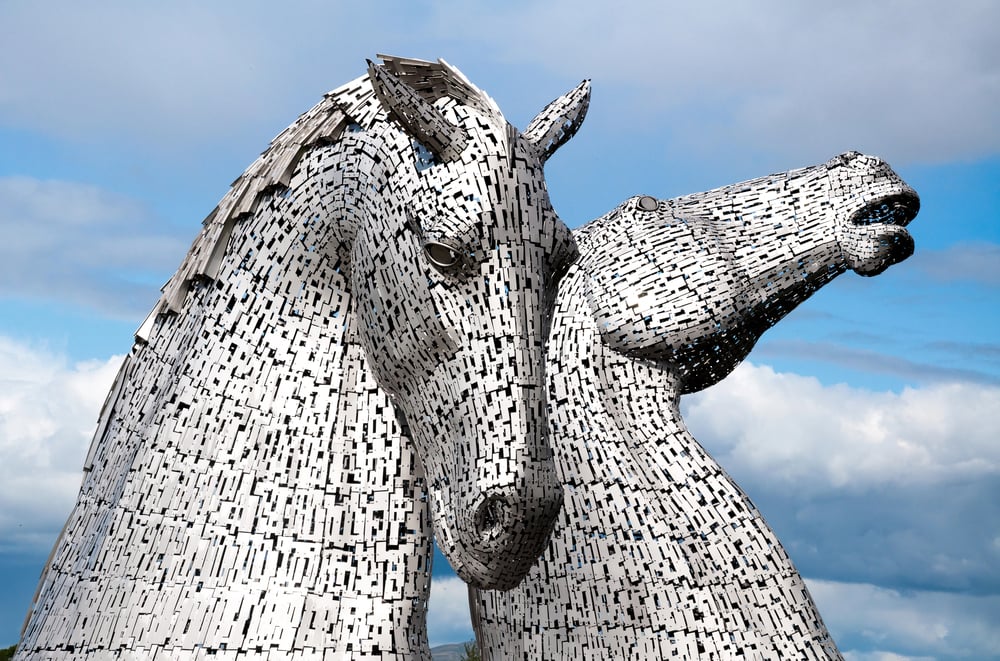
Scotland’s horse head sculptures stand 100 feet tall and required 600 tons of structural steel to build. Andy Scott designed these monuments to honor the working horses that pulled barges along Scotland’s canals and plowed its fields.
Completed in 2013, the Kelpies took inspiration from two real Clydesdale horses named Duke and Baron, though the mythological name comes from shape-shifting water spirits from Celtic folklore. The structures light up at night with different colors, visible for miles around Falkirk.
Fearless Girl
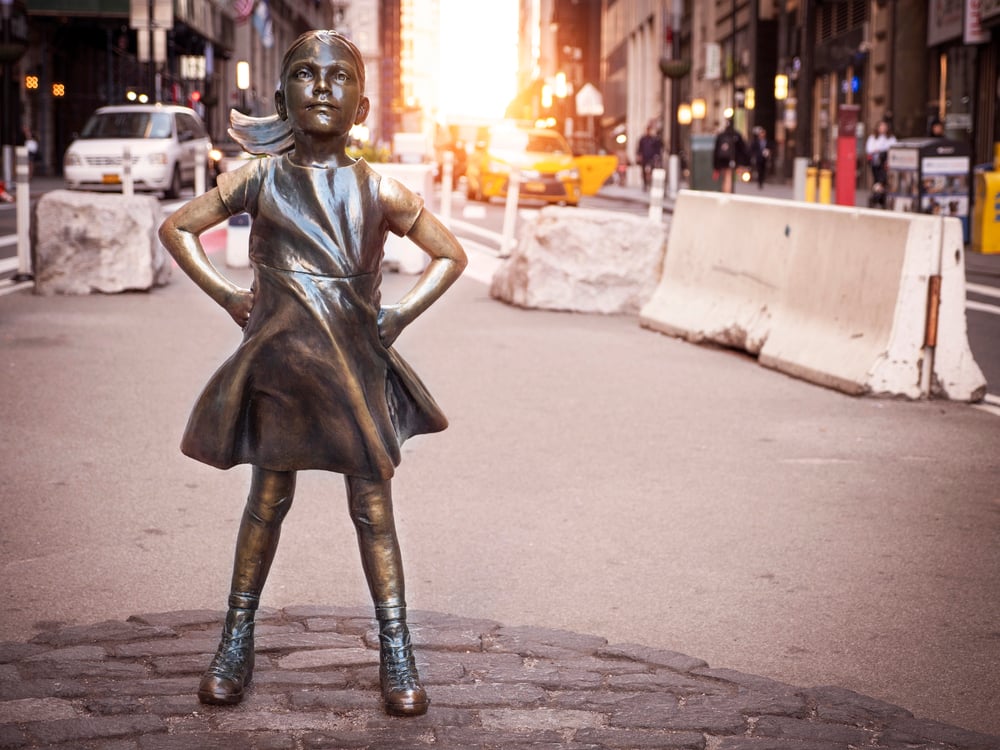
Kristen Visbal’s bronze statue of a defiant young girl appeared overnight facing the Charging Bull on March 7, 2017, the day before International Women’s Day. State Street Global Advisors commissioned the work to promote gender diversity in corporate leadership, originally planning for it to stay just one week.
The 50-inch statue became an instant phenomenon, with thousands of people visiting daily to photograph it. After the bull’s creator complained about copyright issues and the altered meaning of his work, the city eventually moved Fearless Girl to a new location facing the New York Stock Exchange.
Manneken Pis
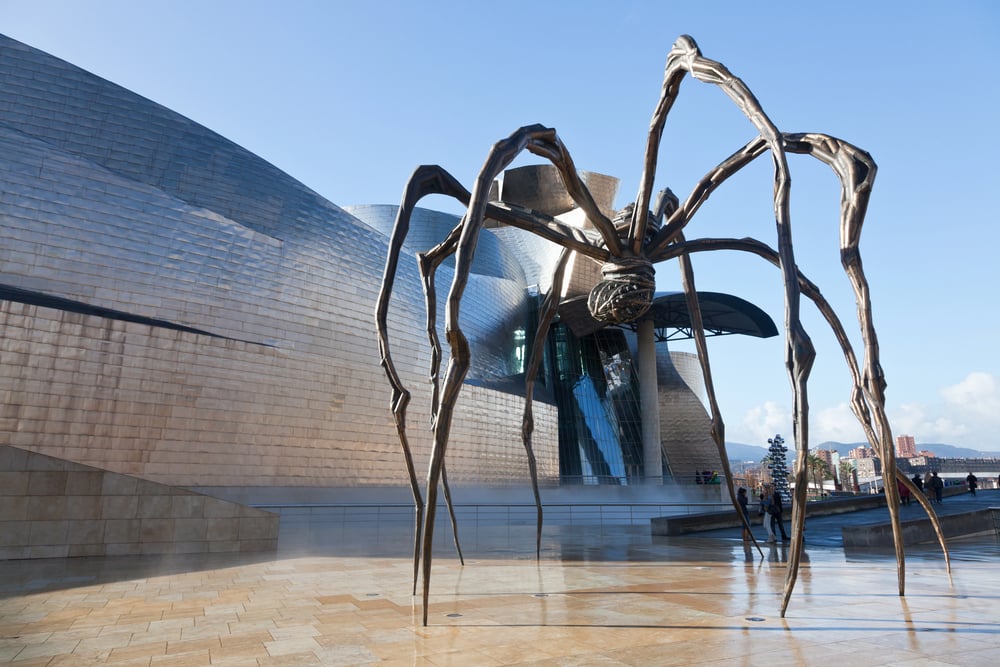
Brussels’ tiny bronze fountain sculpture of a urinating boy has stood in various forms since at least 1619. The current version dates from 1965 after French soldiers stole the previous one in 1817.
Multiple legends explain the statue’s origin, including stories about a boy who saved the city by urinating on enemy explosives or extinguishing a fire. The 24-inch figure has a wardrobe of over 1,000 costumes that get changed regularly for holidays and special occasions, a tradition that started in the 17th century when nobility began gifting outfits.
Maman
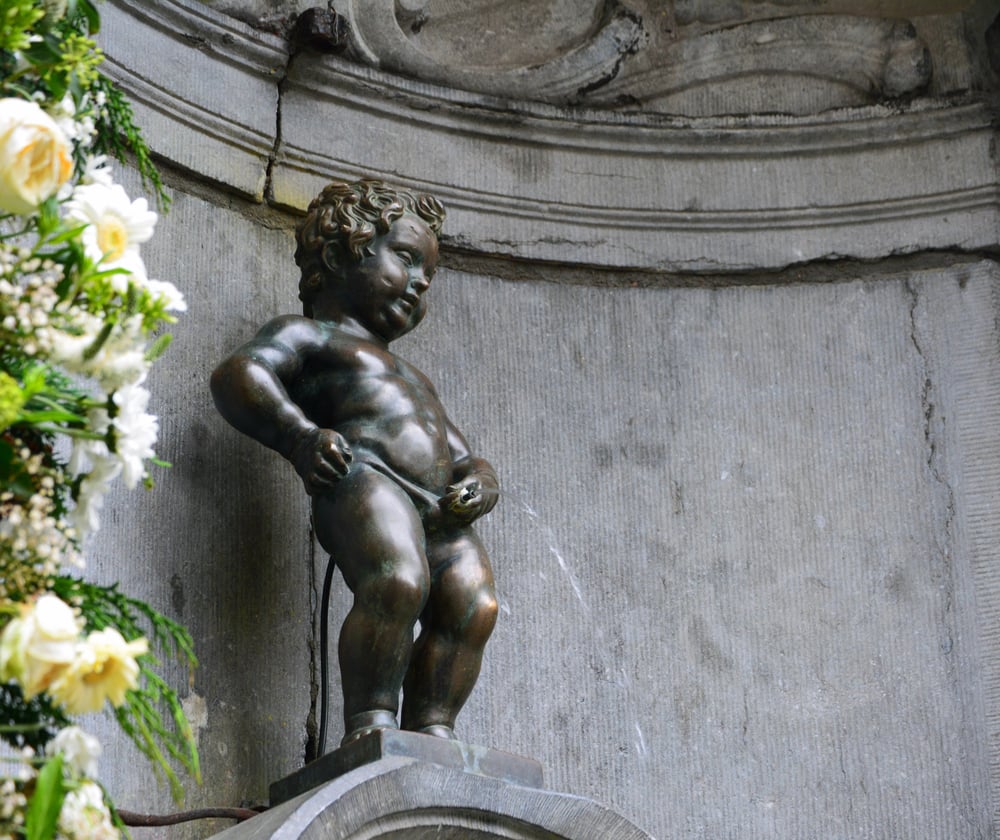
Louise Bourgeois created this 30-foot bronze spider sculpture when she was 88 years old, naming it after her mother who was a weaver and died when Bourgeois was young. The original version appeared outside Tate Modern in London in 2000, and several castings now exist in cities including Ottawa, Tokyo, and Bilbao.
The spider carries 26 marble eggs in a steel mesh sac beneath its body, representing both protection and threat. Bourgeois chose a spider because she saw parallels between web-weaving and her mother’s tapestry work, and because spiders are both feared and useful.
Tunnel of Light
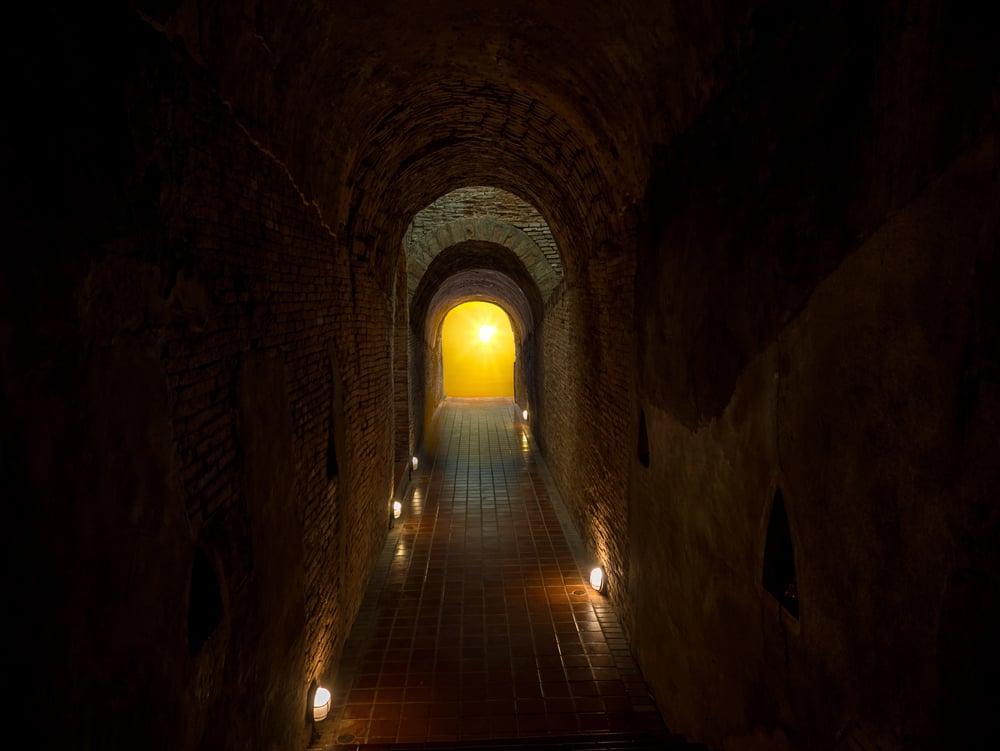
Japanese artist Yayoi Kusama transformed an old railway tunnel in Niigata, Japan, into an installation covered entirely with multicolored dots in 2018. The 750-meter tunnel leads visitors through constantly changing light patterns that reflect her signature infinity style.
Local officials wanted to revitalize this rural area after young people kept moving to cities, so they invited contemporary artists to create permanent installations throughout the region. Kusama’s tunnel requires timed entry tickets because its popularity exceeded all expectations, drawing visitors from across Japan and beyond.
Atomium
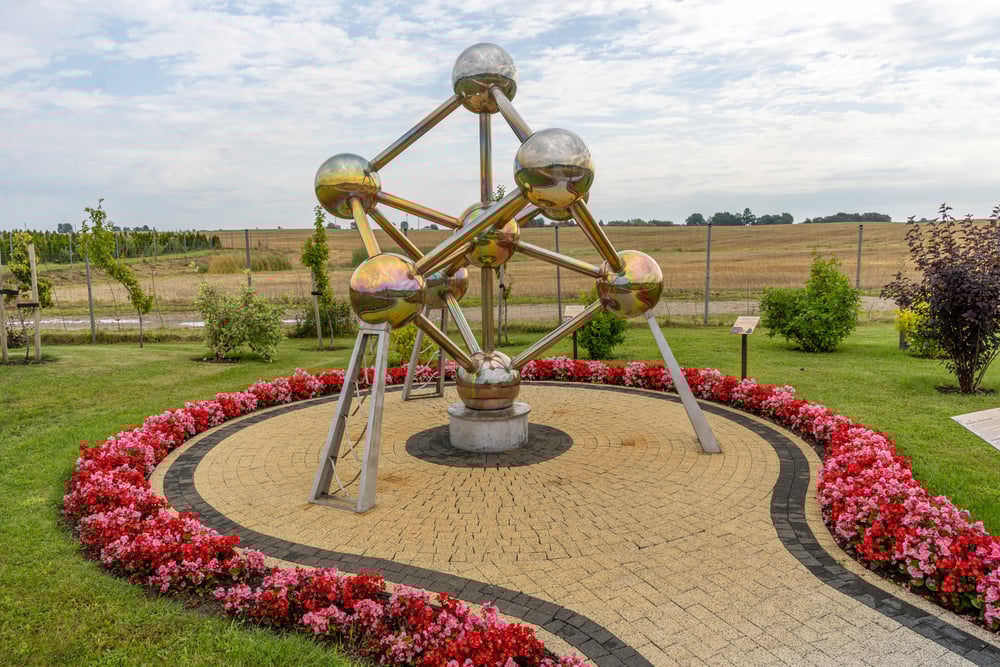
Brussels built this 335-foot steel structure for the 1958 World’s Fair to represent an iron crystal magnified 165 billion times. Engineer André Waterkeyn designed it with nine spheres connected by tubes, each sphere measuring 60 feet in diameter.
The structure was supposed to be temporary and demolished after six months, but it became so beloved that it stayed. After 48 years, the building needed major restoration because the original aluminum cladding was falling apart, so workers replaced it with stainless steel between 2004 and 2006.
The Gates
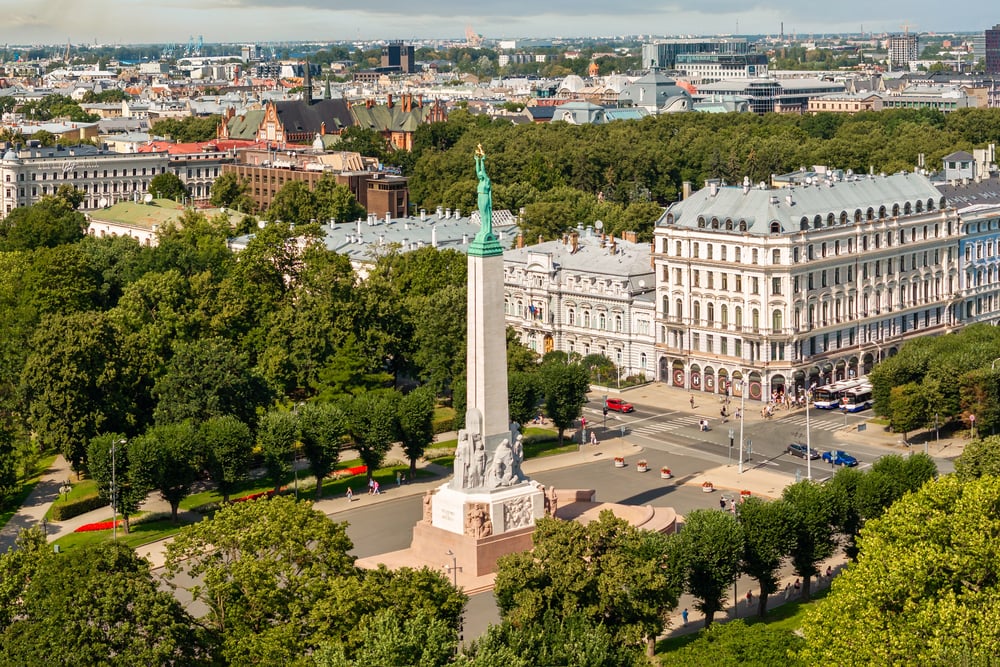
Christo and Jeanne-Claude spent 26 years getting permission to install 7,503 saffron-colored fabric panels along 23 miles of Central Park pathways. The project finally happened in February 2005, staying up for just 16 days before the artists removed everything and recycled the materials.
The couple funded the entire $21 million project themselves by selling preparatory drawings and earlier works. Over four million people visited during those two weeks, walking beneath the billowing orange fabric as winter winds made the installation constantly move and change.
Merlion
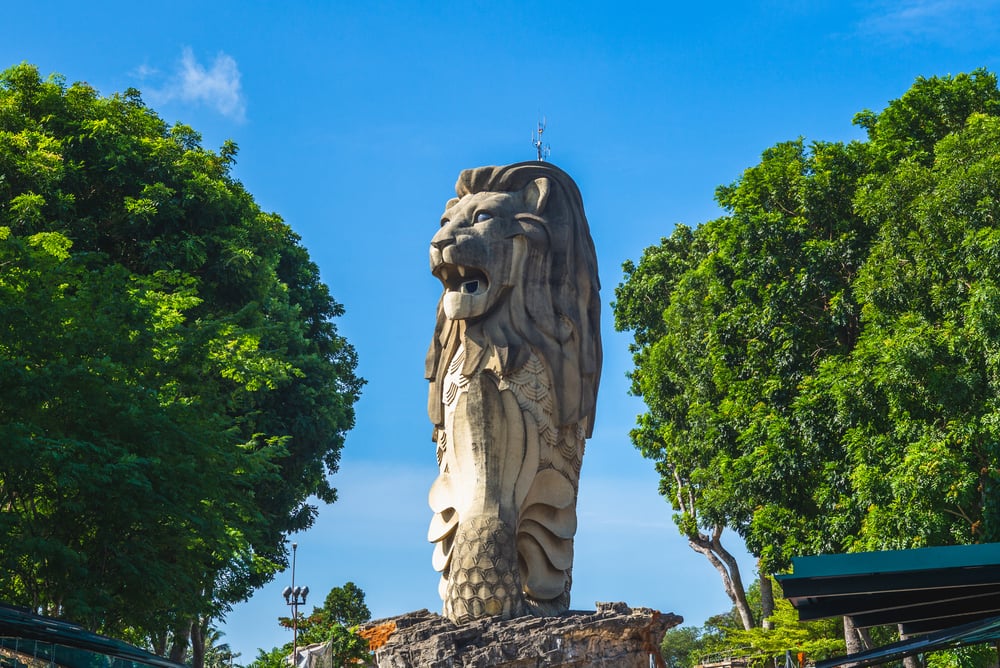
Singapore’s half-fish, half-lion fountain sculpture was designed in 1964 by Fraser Brunner for the tourism board as a national symbol. The fish tail represents Singapore’s origins as a fishing village called Temasek, while the lion head references the city’s original name Singapura, which means ‘lion city’ in Malay.
The 28-foot concrete statue at Merlion Park shoots water from its mouth into Marina Bay, though the original 1972 location was different until urban development required moving it 394 feet in 2002. Several smaller Merlion statues exist around Singapore, but this one remains the most photographed.
Upside Down Statue
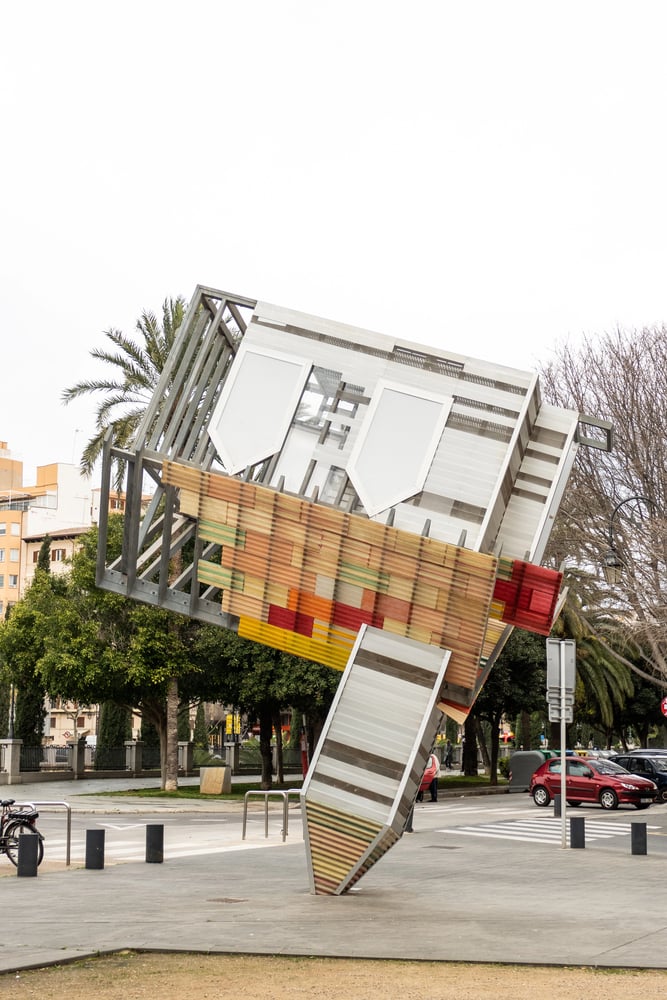
Dennis Oppenheim’s inverted church sculpture in Melbourne has confused and delighted visitors since 2006. The Bus installation sits in Federation Square and depicts a brick church flipped completely over, with its steeple pointing down and its base in the air.
Oppenheim created several versions of this concept in different cities, wanting to challenge assumptions about religious architecture and sacred spaces. The sculpture sparked debates about disrespecting religion, though the artist maintained he was exploring the relationship between buildings and the ground they occupy.
Metalmorphosis
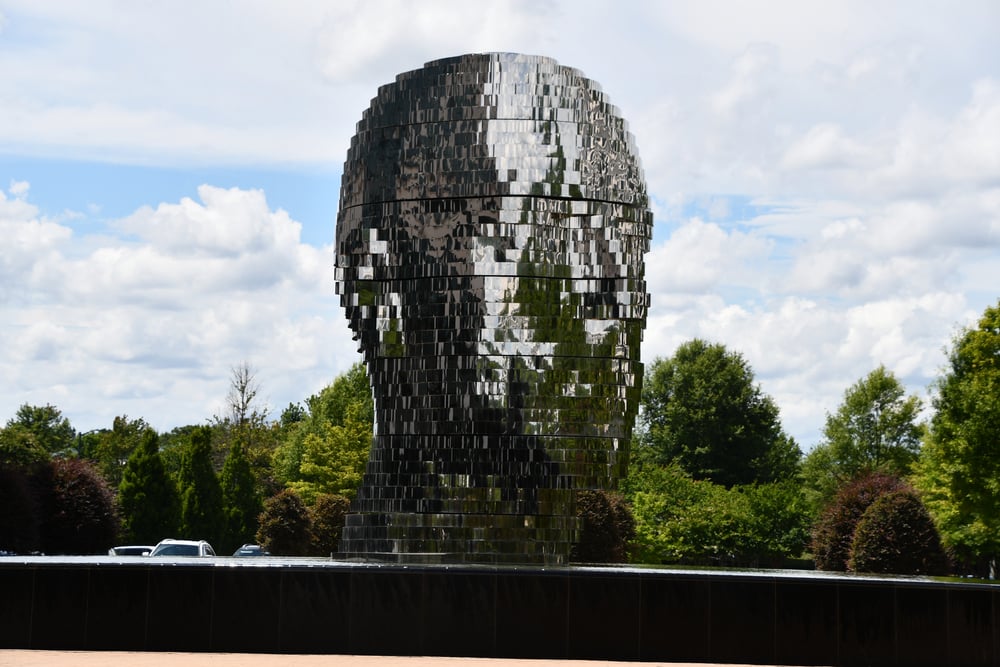
A giant moving head by Czech artist David Černý stands in Charlotte, North Carolina – twenty-four feet tall, made of shifting metal sections guided by software. Finished in 2007, its polished steel surfaces turn all day long, sliding into new shapes as water pours from the mouth into a still basin below.
Though based on a local firefighter’s face, the likeness hides itself; recognition comes slow as the fourteen stacked rings rotate at their own pace. Known for bold works in public spaces, Černý once again pulls attention through distortion – something almost known becomes strange when seen off-kilter.
The Watts Towers
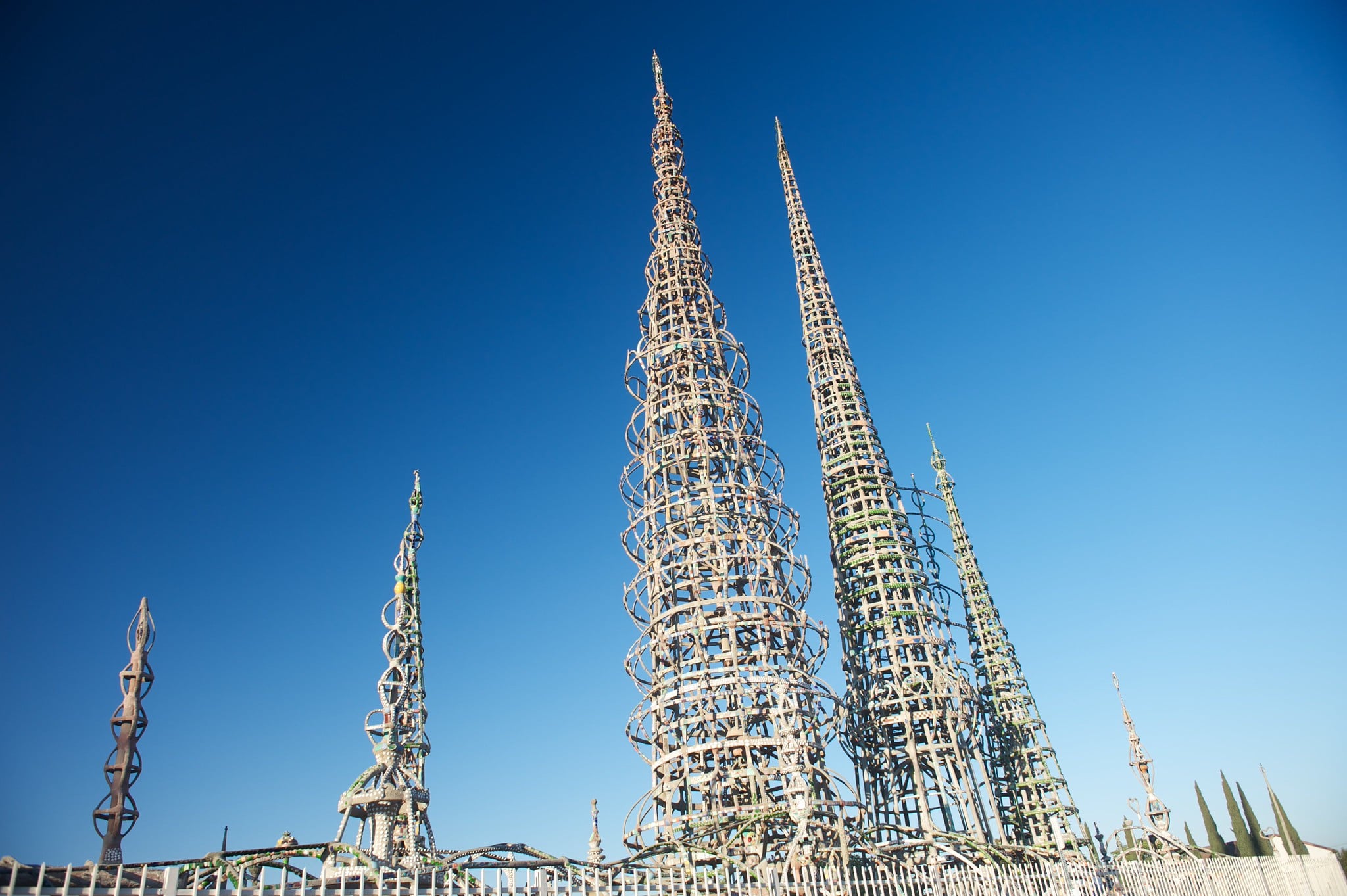
Alone, Simon Rodia shaped 17 linked structures over three decades behind his house in Los Angeles, hands-on every step – no support beams, no nails, nothing welded or bolted together. From 1921 on, the man who came from Italy raised the highest spire up to 99.5 feet using only rods, mesh, and wet cement, then layered it all with pieces of shattered glass, shells, old dishes, and ceramic scraps pulled from nowhere special.
He stayed quiet about why he did it, though; come 1954, after handing ownership to someone nearby, he walked away from the city, never looked back. Officials later aimed to knock down the towers, calling them dangerous by 1959 standards, yet when tested under pressure, they held firm – stronger than rules demanded.
Where Art Meets Community
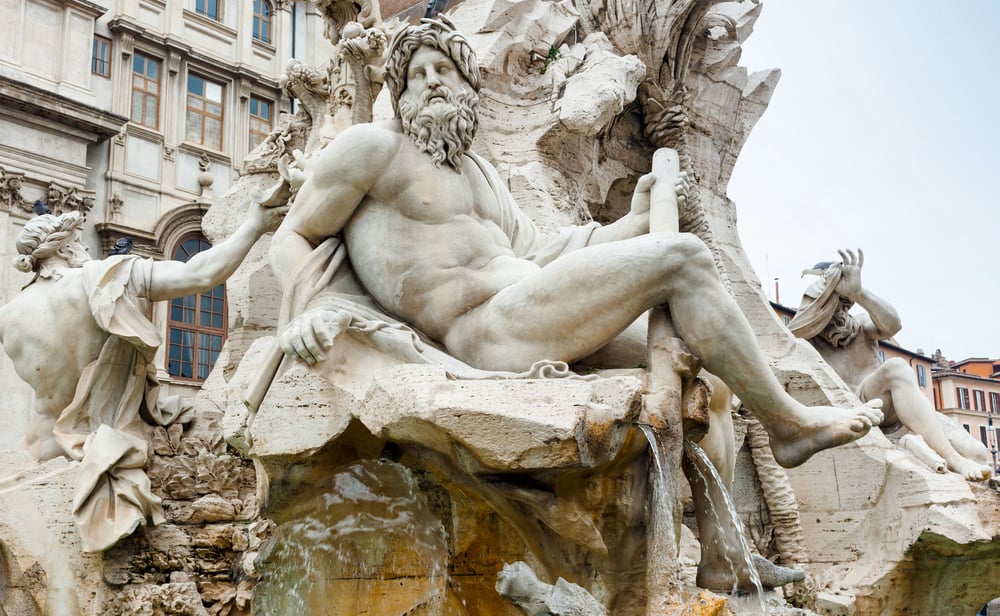
Out on sidewalks and squares, art shows up where nobody expects it. Free for anyone walking past, these pieces stay visible while museums sleep.
Some arrive before daylight with no warning, others move slowly through meetings and delays. No matter how they get there, each stops their eyes mid-step.
They hang in view until noticed, shifting how familiar streets feel underfoot. Not merely painted walls or shaped metal, but nudges toward new thoughts about home ground.
Even those who rush every day slow down when something strange stands still ahead. Seen too often to ignore, yet odd enough to wonder why it exists. Space changes around them whether welcomed or questioned. Thoughts stir behind glances that used to look away. These forms do more than fill empty spots – they stretch minds passing by.
More from Go2Tutors!

- The Romanov Crown Jewels and Their Tragic Fate
- 13 Historical Mysteries That Science Still Can’t Solve
- Famous Hoaxes That Fooled the World for Years
- 15 Child Stars with Tragic Adult Lives
- 16 Famous Jewelry Pieces in History
Like Go2Tutors’s content? Follow us on MSN.