Most Influential Athletes in Modern History
Sports have always been more than just games and competitions. The athletes who play them can change how people think, inspire entire generations, and break down barriers that seemed impossible to cross.
Some players transcend their sport entirely and become symbols of something much bigger than winning or losing. Let’s look at the athletes who didn’t just dominate their games but actually changed the world around them.
Muhammad Ali
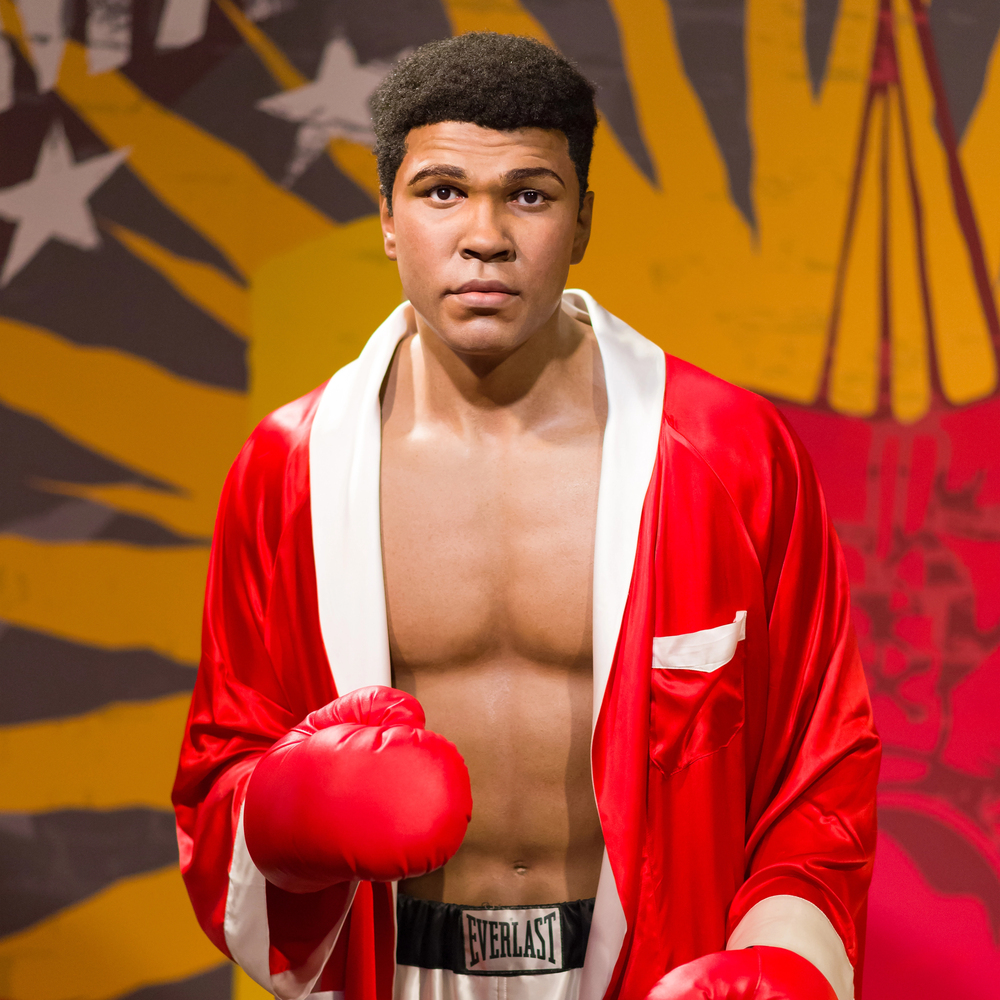
Ali didn’t just float like a butterfly and sting like a bee in the ring. He spoke out against war when it could have cost him everything, and it did for a while.
The boxing champ refused to fight in Vietnam, got stripped of his titles, and faced years of legal battles before the Supreme Court sided with him. His willingness to sacrifice his career for his beliefs inspired athletes everywhere to use their platforms for causes they believed in.
Jackie Robinson
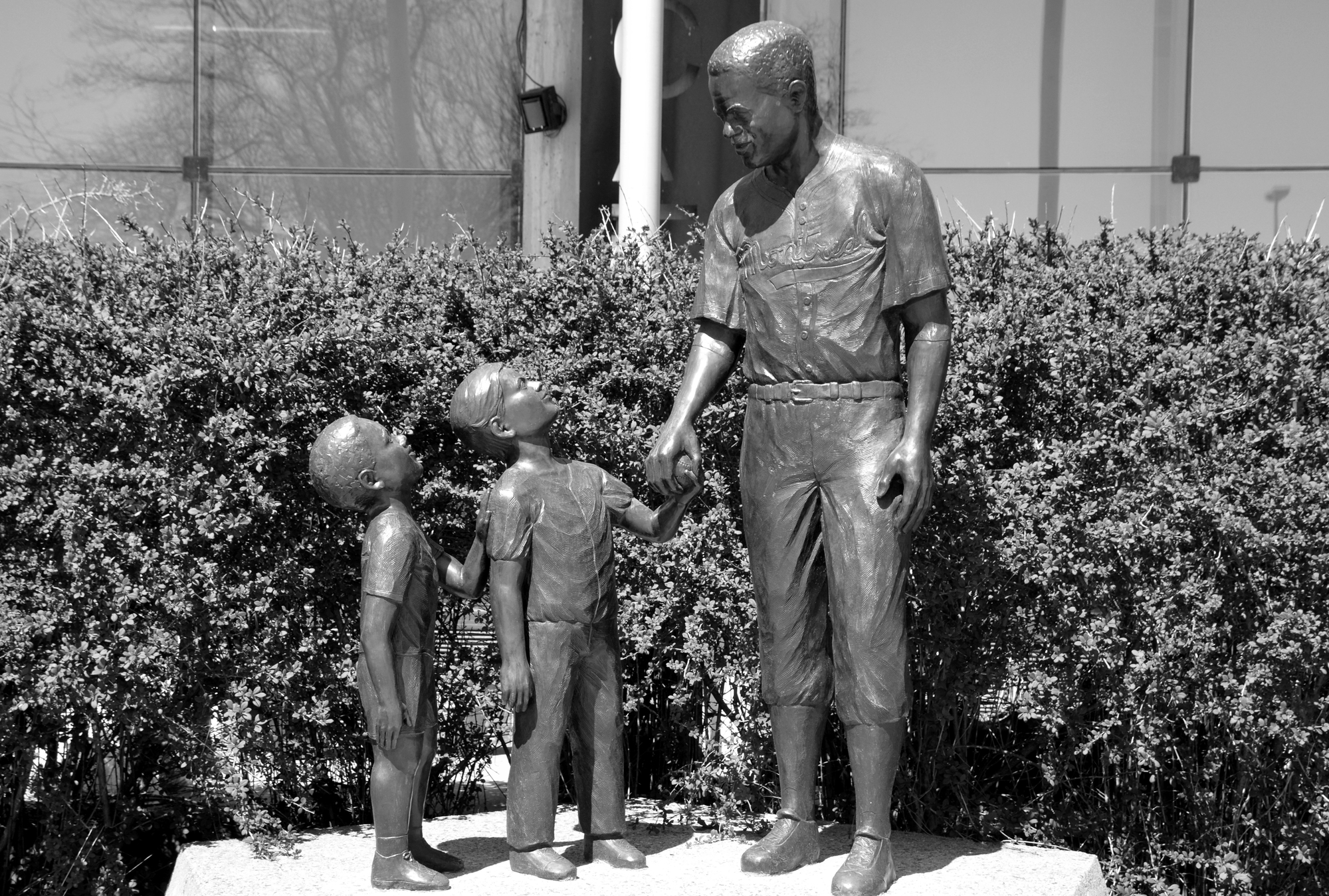
Breaking baseball’s color barrier in 1947 meant Robinson faced hatred and threats every single day. Fans screamed slurs, players tried to hurt him on purpose, and some of his own teammates didn’t want him there.
He absorbed all that abuse while playing brilliantly, which made his statement even more powerful. Robinson opened doors not just in sports but across American society, proving talent had nothing to do with skin color.
Serena Williams
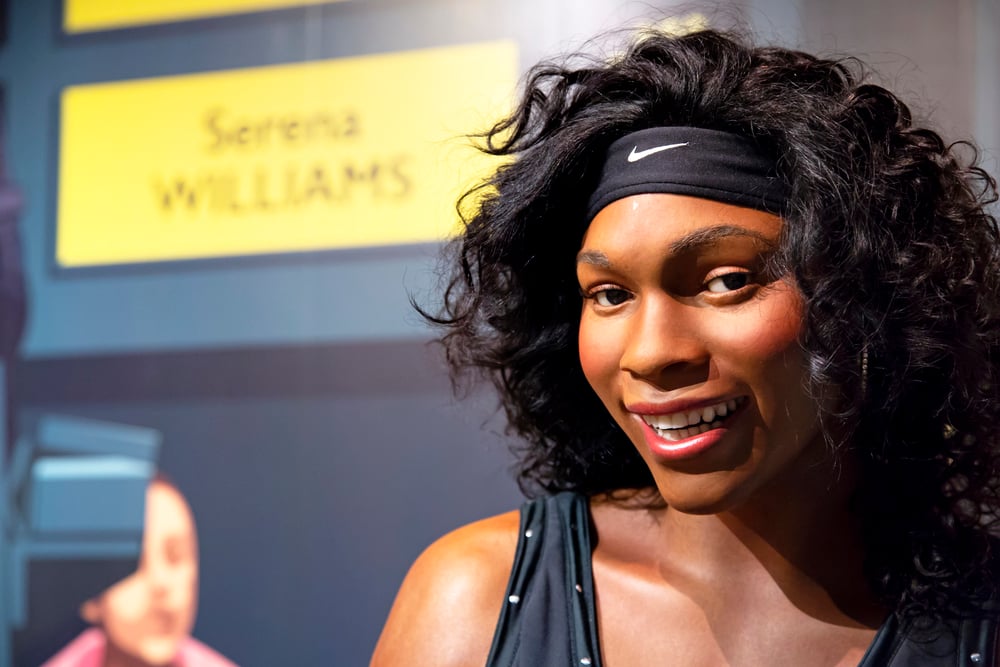
Serena turned professional at 14 and went on to dominate tennis in a way few athletes have dominated any sport. She won 23 Grand Slam singles titles while dealing with constant criticism about her appearance, her emotions, and her right to be confident.
Williams spoke openly about the double standards female athletes face and fought for equal pay in tennis. Her influence reached beyond the court as she became a voice for working mothers in sports and showed young Black girls they could excel in spaces that weren’t built for them.
Michael Jordan
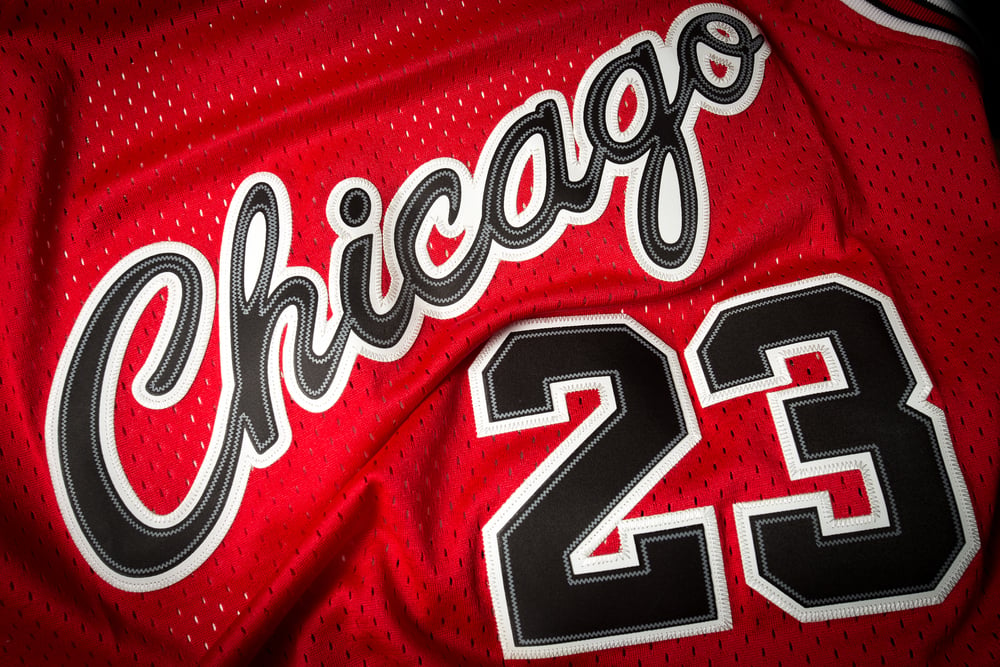
Jordan took basketball global in a way nobody had before. His partnership with Nike created the sneaker culture that still drives billions in sales today.
Six championships with the Bulls made him the standard every basketball player gets measured against. But his real influence was showing athletes they could become brands themselves, turning sports success into business empires.
Billie Jean King

King beat Bobby Riggs in the ‘Battle of the Sexes’ tennis match that 90 million people watched worldwide. Riggs had been trash-talking women’s tennis, and King shut him up on live television in 1973.
She spent her career fighting for equal prize money and respect for female athletes. King also founded the Women’s Tennis Association and the Women’s Sports Foundation.
Pelé
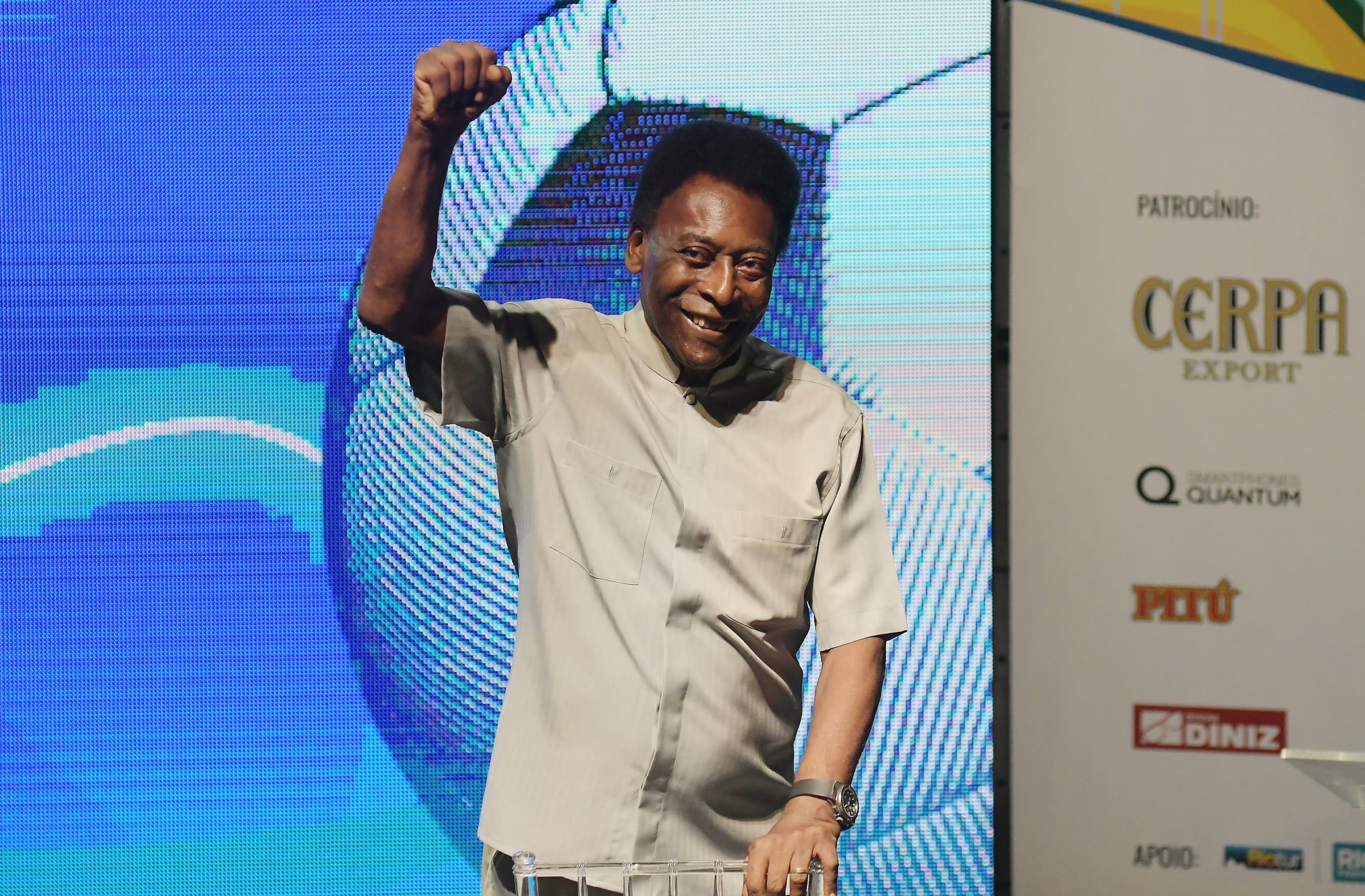
The Brazilian soccer player became the first global sports superstar, known everywhere from São Paulo to New York to Tokyo. He won three World Cups and scored over 1,000 goals during his career.
Pelé made soccer matter in countries where the sport barely existed before. His style of play was beautiful to watch, which helped spread the game’s popularity across continents.
Jesse Owens
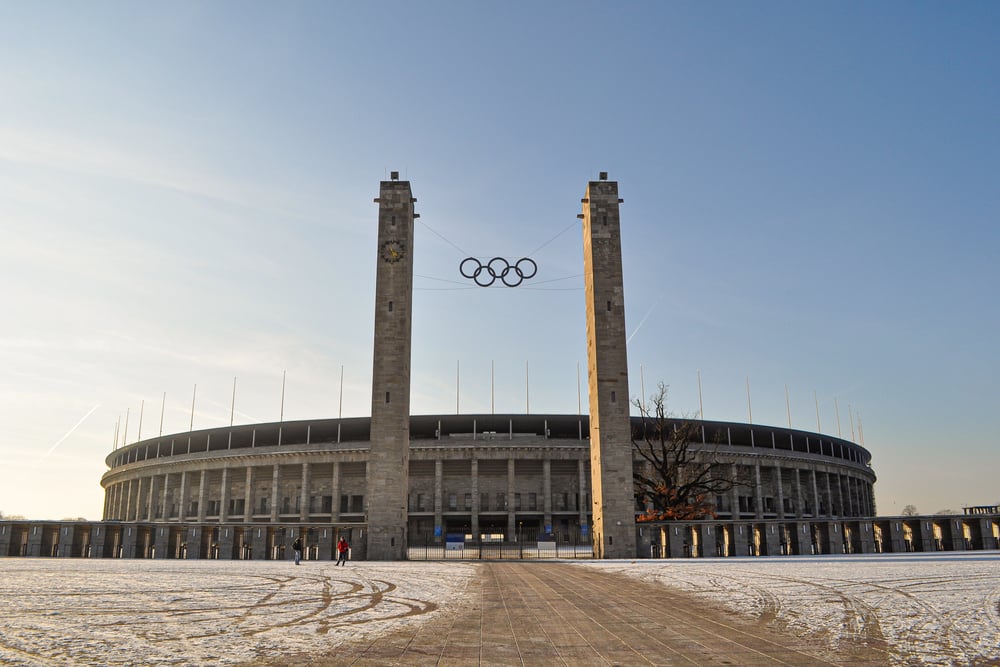
Owens won four gold medals at the 1936 Berlin Olympics while Hitler watched, completely destroying the Nazi propaganda about racial superiority. His performance became one of sports’ most powerful political statements without him saying a word.
The victories happened against a backdrop of Jim Crow laws back home, which made his triumph bittersweet. Owens showed the world that excellence comes in all colors, delivering that message on the biggest stage imaginable at exactly the right moment in history.
Simone Biles
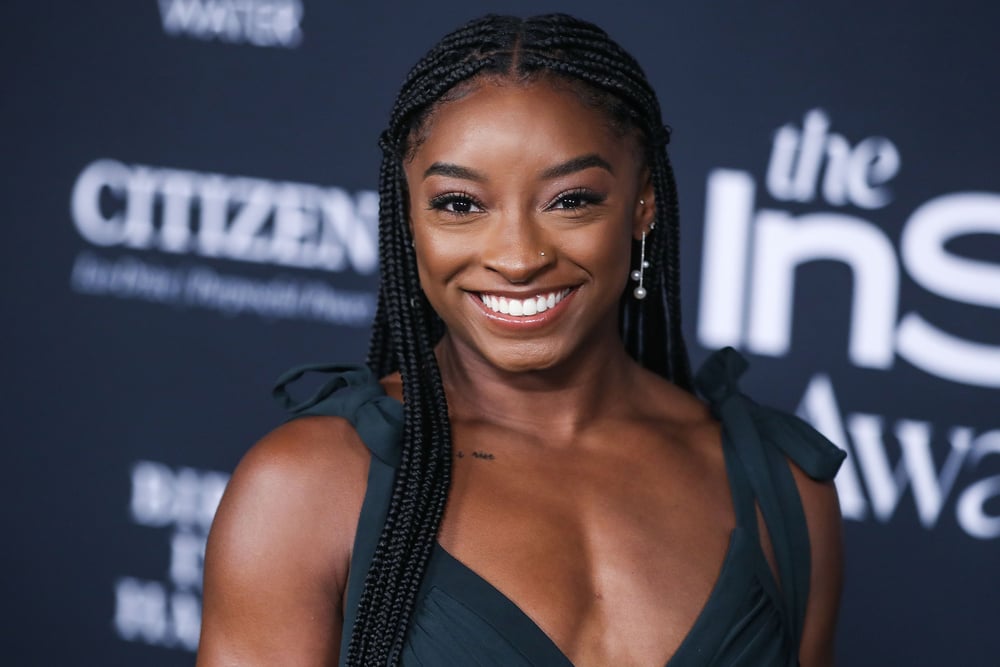
Biles redefined what’s physically possible in gymnastics with moves so difficult they literally got named after her. She won 25 World Championship medals and seven Olympic medals, making her the most decorated gymnast ever.
But her decision to withdraw from Olympic events to prioritize mental health started conversations that echoed across all sports. Athletes began talking openly about pressure and wellbeing in ways they never had before.
Usain Bolt
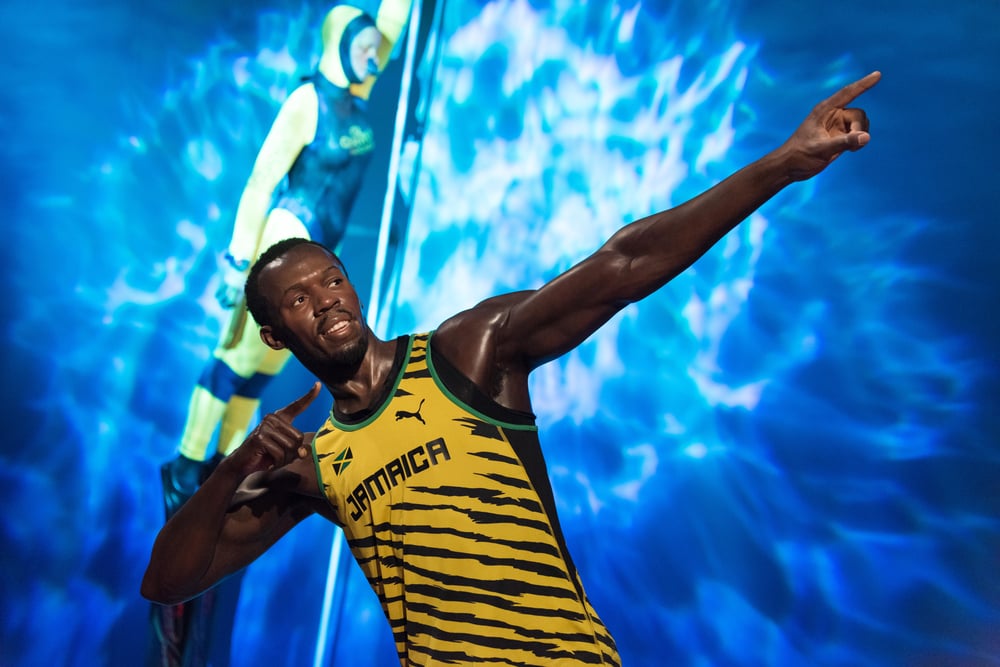
Bolt ran faster than any human ever had and made it look easy while doing it. His personality was huge, celebrating victories with dances and jokes that made track and field fun to watch.
Eight Olympic gold medals and world records in the 100 meters, 200 meters, and 4×100 relay made him undeniable. He brought mainstream attention to a sport that usually only matters every four years during Olympics.
Megan Rapinoe
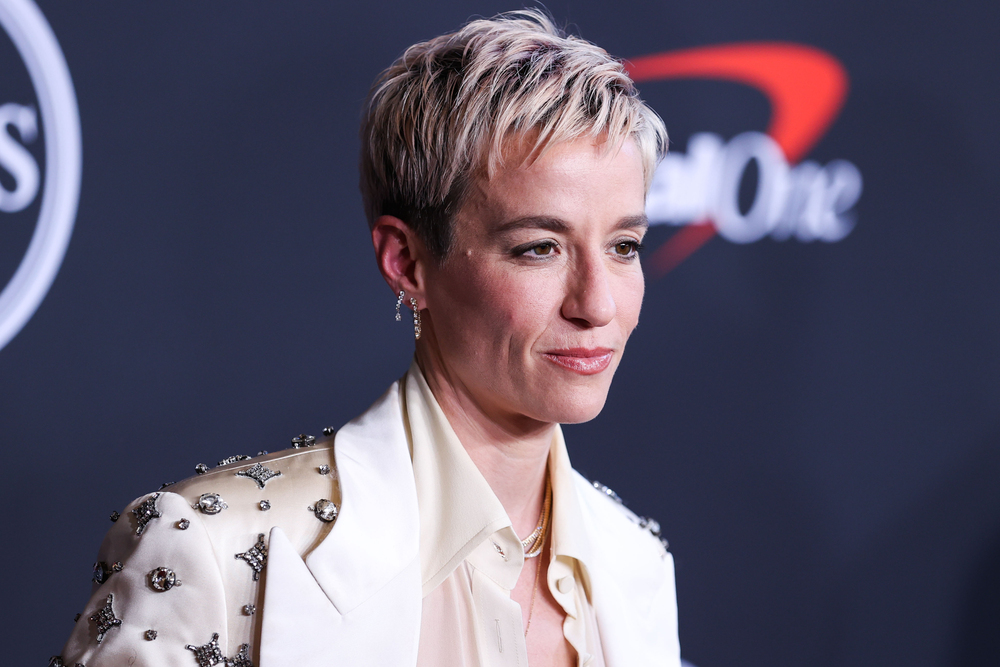
Rapinoe helped the US women’s soccer team win World Cups while becoming one of sports’ most outspoken activists. She kneeled during the anthem to support Colin Kaepernick’s protest and never backed down when people criticized her.
Her fight for equal pay between men’s and women’s national teams brought attention to wage gaps across all sports. Rapinoe used every interview and platform to push for LGBTQ+ rights and racial justice.
Tiger Woods

Woods brought golf to people who’d never cared about the sport before. He was the first golfer of color to dominate a game that had been overwhelmingly white since forever.
His 15 major championships and countless records made him arguably the best golfer who ever lived. Woods turned golf into must-watch television and inspired a diverse new generation to pick up clubs.
Martina Navratilova

Navratilova won 18 Grand Slam singles titles and 31 major women’s doubles titles during a career that spanned decades. She came out publicly in 1981 when doing so could have destroyed her endorsements and reputation.
Her openness about being gay helped normalize LGBTQ+ athletes in professional sports. Navratilova also became an outspoken advocate for various social causes long after retiring.
LeBron James
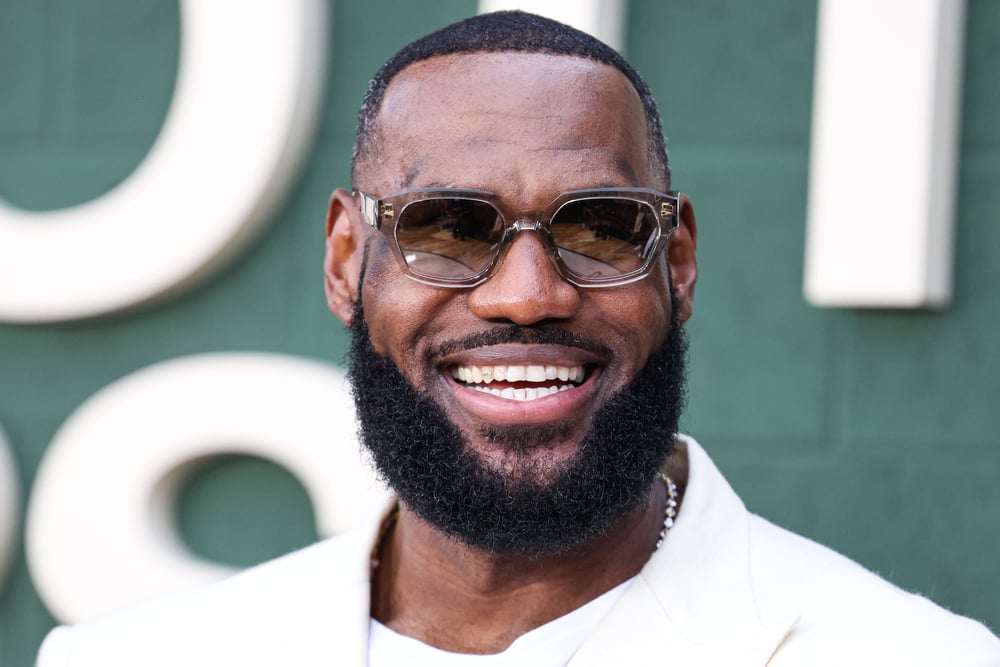
James grew up in poverty in Ohio and became one of basketball’s all-time greats while never forgetting where he came from. He opened a school for at-risk kids in his hometown and promised to pay for their college educations.
His willingness to speak on social issues made some people angry, but he never stopped. James showed that modern athletes could be activists without sticking to sports, despite constant pressure to shut up and play.
Naomi Osaka
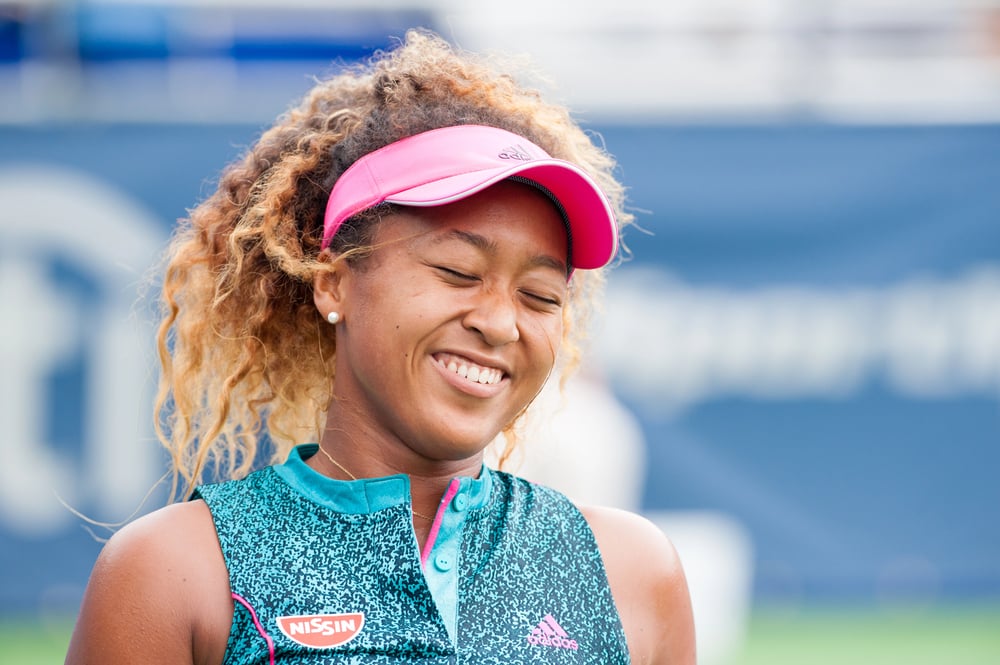
Osaka won four Grand Slam titles before turning 24 and became the world’s highest-paid female athlete. She withdrew from the French Open citing mental health struggles, sparking discussions about press obligations and athlete wellbeing.
Her openness about depression and anxiety helped destigmatize mental health issues in sports. Osaka also became a prominent voice in the Black Lives Matter movement, using her platform during matches to honor victims of violence.
Arthur Ashe

Ashe won Wimbledon, the US Open, and the Australian Open while breaking tennis’s racial barriers in the 1960s and 70s. He spoke out against apartheid in South Africa when most athletes stayed quiet about politics.
After contracting HIV from a blood transfusion, Ashe went public and became an advocate for AIDS awareness before dying in 1993. His activism continued even as his health declined, using his diagnosis to educate people about a disease surrounded by stigma.
Tommie Smith and John Carlos
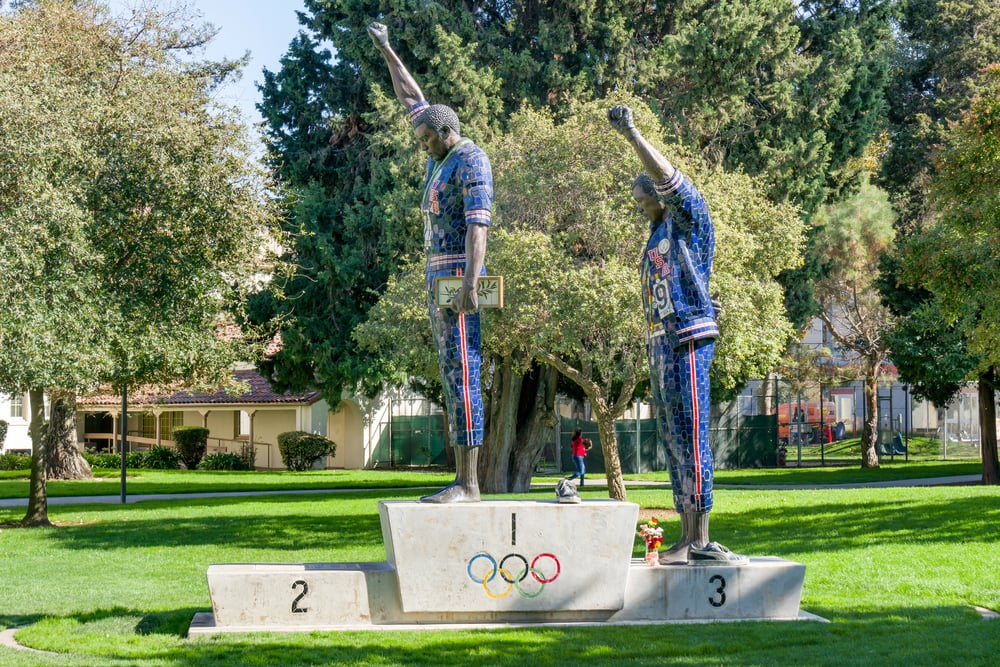
These two runners raised their fists in a Black Power salute during the 1968 Olympics medal ceremony, creating one of sports’ most iconic images. They got sent home immediately and faced backlash for years.
But their protest became a defining moment in the intersection of sports and civil rights. The image of them standing on that podium inspired future generations of athlete activists.
Kathrine Switzer
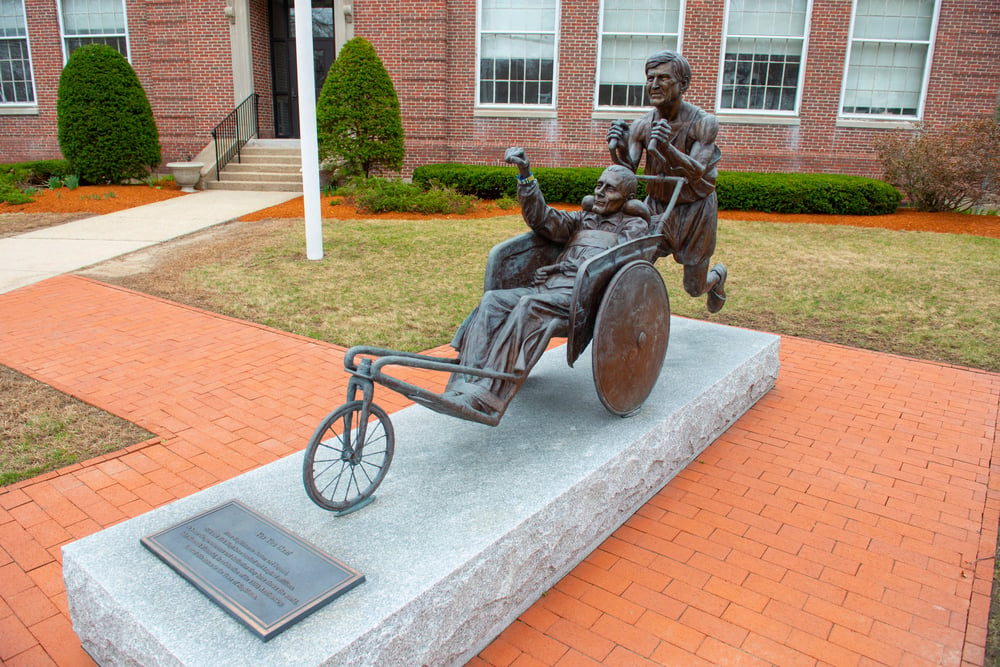
Switzer registered for the Boston Marathon in 1967 using just her initials because women weren’t allowed to run it. An official tried to physically remove her from the race, but she finished anyway.
Her completion helped change rules around the world that said women couldn’t handle long-distance running. Switzer kept running marathons and advocating for women in sports for decades after.
Colin Kaepernick

Kaepernick kneeled during the national anthem to protest police violence and racial injustice, starting a movement that spread across sports. The decision cost him his NFL career when no team would sign him afterward.
Where Their Impact Lives On

These athletes didn’t just win championships and break records, though they did plenty of that too. They used sports as a platform to challenge injustice, break down barriers, and show what courage really looks like.
Their influence shaped not just their sports but culture, politics, and society in ways still felt today.
More from Go2Tutors!

- The Romanov Crown Jewels and Their Tragic Fate
- 13 Historical Mysteries That Science Still Can’t Solve
- Famous Hoaxes That Fooled the World for Years
- 15 Child Stars with Tragic Adult Lives
- 16 Famous Jewelry Pieces in History
Like Go2Tutors’s content? Follow us on MSN.