Famous Typos In History
One missing letter. One misplaced comma.
One autocorrect mistake. The consequences can range from mildly embarrassing to catastrophically expensive.
Throughout history, typos have changed meanings, cost fortunes, and created moments that people still talk about decades later. Human error meets the permanence of print, and the results are often unforgettable.
The Wicked Bible
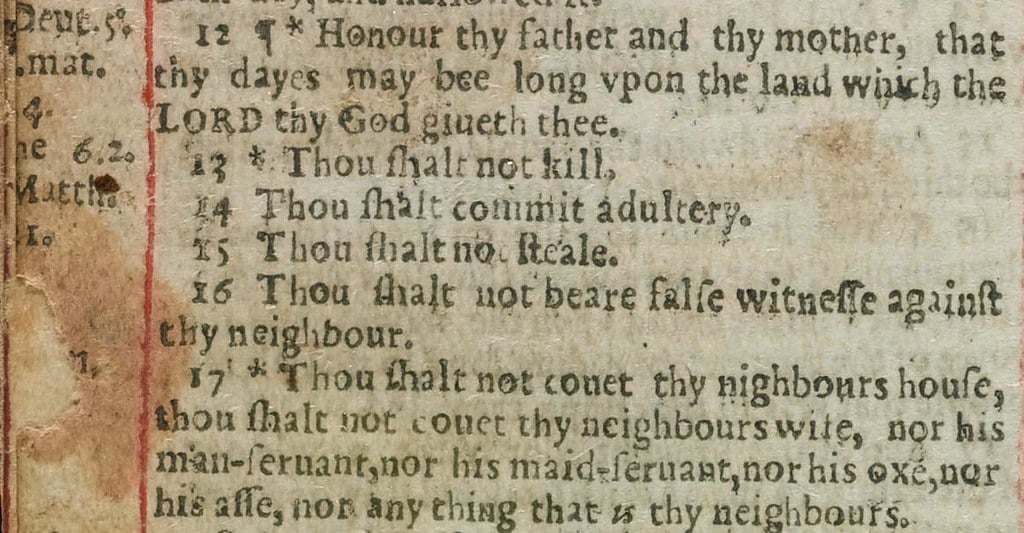
In 1631, royal printers Robert Barker and Martin Lucas published a new edition of the King James Bible. Everything seemed normal until readers reached the Ten Commandments.
The seventh commandment read “Thou shalt commit adultery.” Someone had left out the word “not.”
King Charles I was furious. The printers were fined 300 pounds—a massive sum at the time—and most copies were destroyed.
Only a handful survived, and they’re now extremely valuable collector’s items. The edition became known as the Wicked Bible or the Sinner’s Bible.
One tiny omission turned a fundamental religious text into its opposite.
NASA’s $80 Million Hyphen
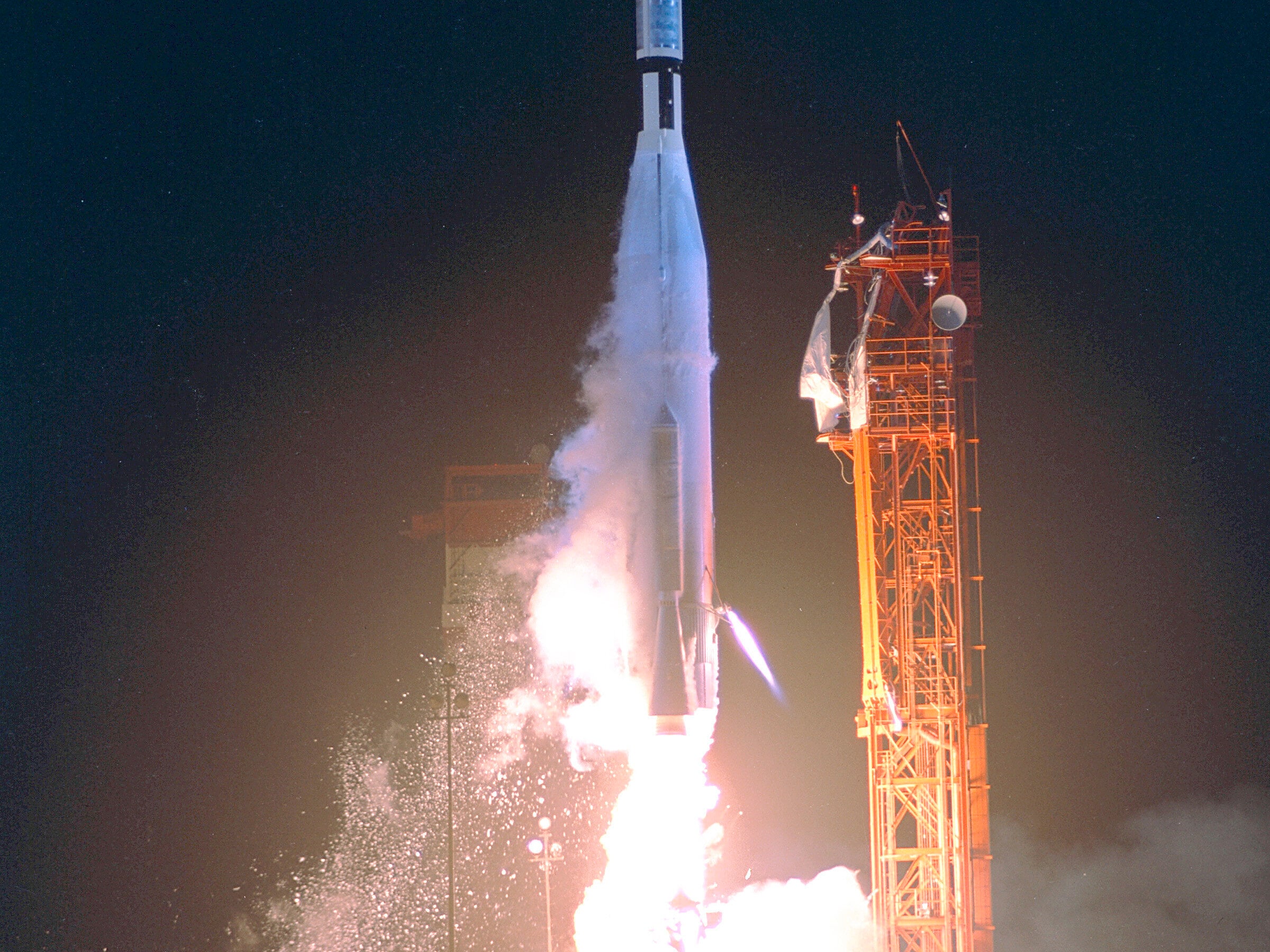
In 1962, NASA launched the Mariner 1 space probe toward Venus. The mission failed spectacularly when the rocket veered off course and had to be destroyed just minutes after launch.
The cause? A missing hyphen in the guidance computer code. The hyphen was supposed to be part of an equation controlling the rocket’s trajectory.
Without it, the computer couldn’t process the data correctly. The rocket received faulty instructions and went the wrong way.
NASA lost the spacecraft, the rocket, and roughly $80 million in 1960s money. One punctuation mark, one failed mission.
The Chilean Coin Error
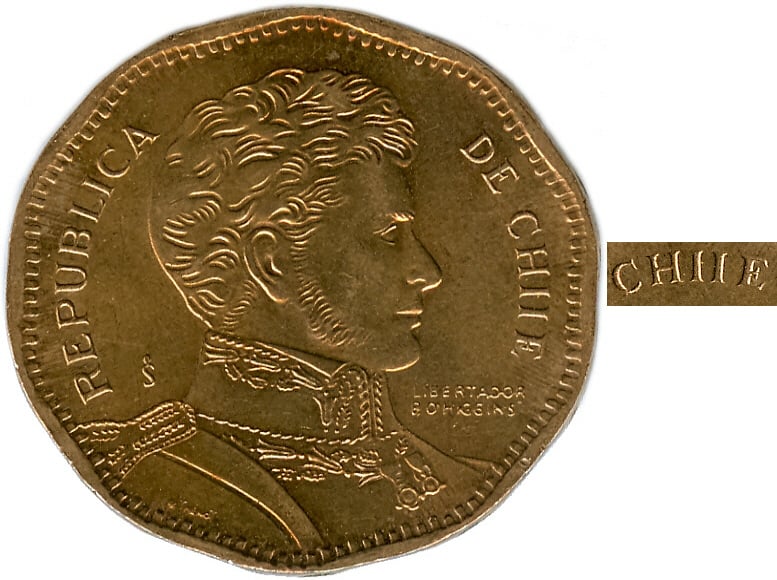
In 2008, Chile’s national mint released thousands of 50-peso coins with a glaring error. The coins read “CHIIE” instead of “Chile.”
The engraver had accidentally doubled the “I” and never noticed. Neither did anyone else during the approval process.
Thousands of misspelled coins entered circulation before someone caught the mistake. The government had to decide whether to recall them or let them stay in circulation.
They stayed. Today, those error coins are worth more to collectors than their face value.
Chile’s government turned an embarrassing typo into a minor windfall for lucky coin hunters.
The Pasta Bible
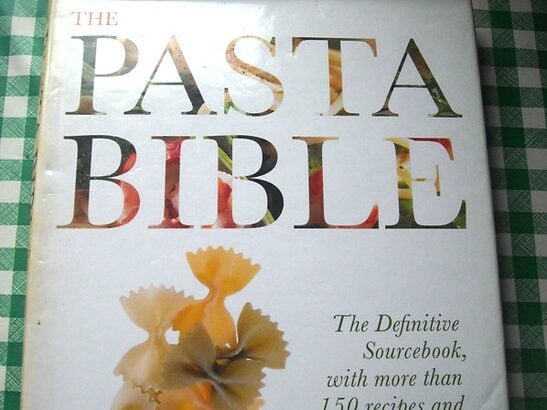
In 2011, Penguin Books Australia published a cookbook called “The Pasta Bible.” One recipe called for “salt and freshly ground black pepper” to be added.
Except the book said “freshly ground black people.” The recipe became horrifyingly racist because of a spellcheck error.
Penguin immediately recalled 7,000 copies of the book and pulped them. The company issued an apology and reprinted the cookbook with the correct text.
The error made international headlines and became a cautionary tale about the dangers of automated spellcheck combined with insufficient proofreading.
Perry Bible Fellowship’s $31,000 Typo

In 2007, the University of Colorado sent acceptance letters to over 1,700 applicants. The letters began “Congratulations!” and welcomed students to the incoming class.
There was just one problem—the students had actually been rejected. An employee had accidentally sent the wrong file to the mail merge system.
Instead of sending rejection letters to rejected students and acceptance letters to accepted students, the system sent acceptance letters to everyone. The university had to send follow-up emails explaining the mistake, crushing the hopes of hundreds of students who’d celebrated for a few hours before learning the truth.
The Rogue Comma in Maine

Maine dairy drivers won a $5 million settlement in 2018 because of a missing comma. The state’s overtime law listed activities exempt from overtime pay: “The canning, processing, preserving, freezing, drying, marketing, storing, packing for shipment or distribution of” agricultural products.
The truck drivers argued that “packing for shipment or distribution” was one activity, not two separate activities. If distribution was separate, they qualified for overtime.
The court agreed. A comma after “shipment” would have made the meaning clear, but without it, the drivers had a case.
Grammar nerds everywhere celebrated.
The $2 Million Comma
In 2006, Canadian telecommunications company Rogers Communications lost a $2.13 million contract dispute over comma placement. The company had a contract with Aliant for pole usage that included this phrase: “shall continue in force for a period of five years from the date it is made, and thereafter for successive five year terms, unless and until terminated by one year prior notice in writing by either party.”
Aliant argued that the second comma meant they could cancel after year one with notice. Rogers argued the contract was for five years minimum. The regulatory commission sided with Aliant.
Rogers had to renegotiate at a much higher rate. The dispute became known as the “million-dollar comma” or “comma of doom.”
The London Times Obituary Error
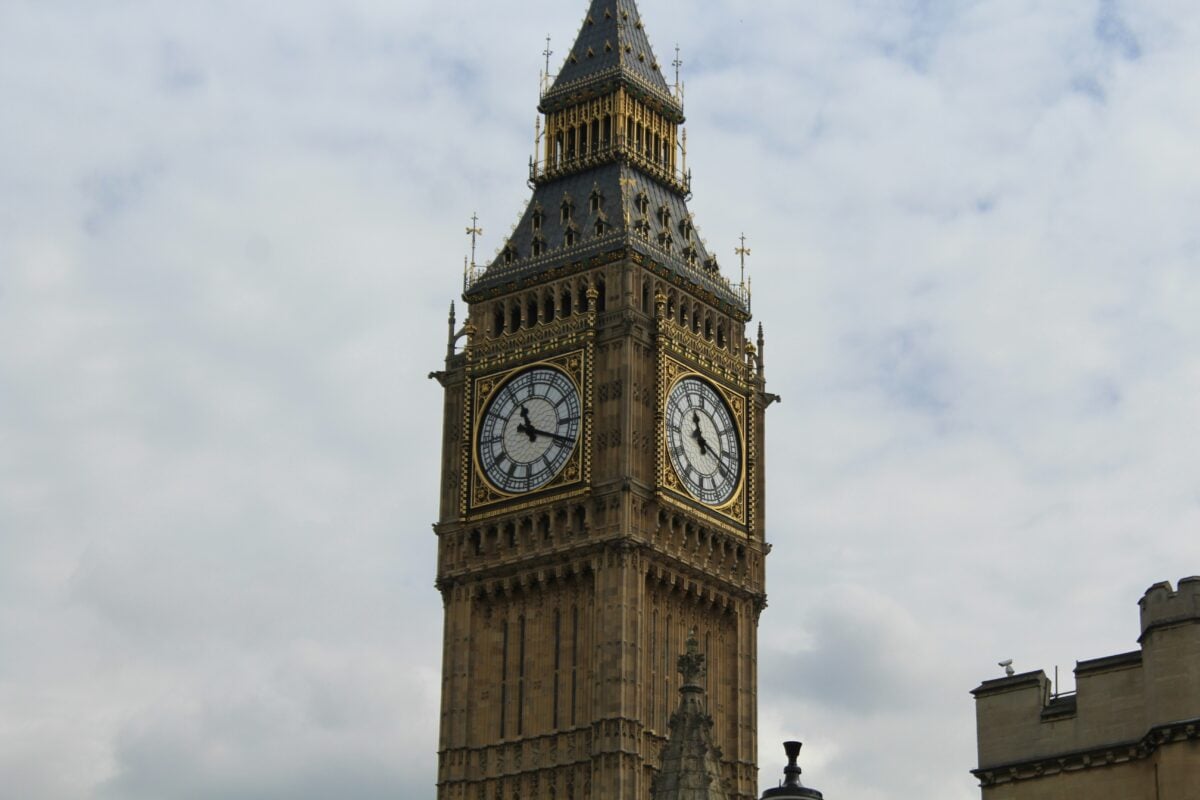
In 1874, The London Times published an obituary for a prominent businessman. The headline should have read “We shall soon hear that he is dead.”
Instead, it read “We shall soon hear that he is dad.” The error was caught quickly, but not before some copies went out.
The mistake was relatively harmless compared to others on this list, but it illustrated how one letter could completely change meaning. Dead and dad are very different states of being.
The Times corrected the error in later editions, but readers who saw the first printing must have been confused.
The Treaty of Waitangi Translation
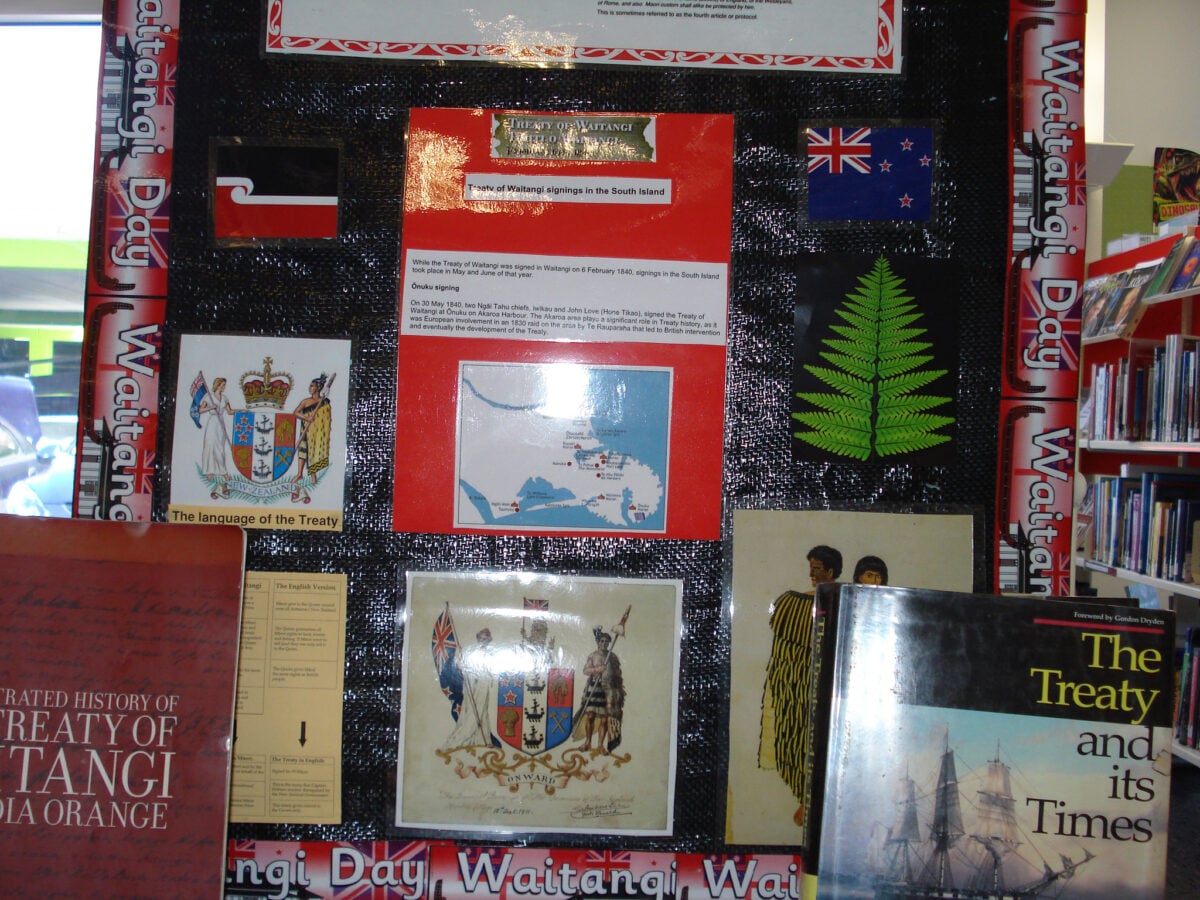
This wasn’t quite a typo, but it was a translation error with massive historical consequences. In 1840, British officials and Maori chiefs signed the Treaty of Waitangi in New Zealand.
The English and Maori versions said different things. The English version ceded sovereignty to Britain.
The Maori version used a word that meant something closer to “governance” or “protection.” The Maori chiefs thought they were agreeing to British oversight while retaining authority.
The British thought they’d acquired complete control. This discrepancy caused over a century of conflict and legal disputes that continue today.
Yellow Rain
During the 1980s Cold War, reports emerged of chemical weapon attacks in Southeast Asia. Witnesses described yellow droplets falling from the sky—”yellow rain.”
The US government used this as evidence of Soviet chemical warfare. Scientists eventually determined the yellow rain was bee feces.
Large swarms of bees take mass defecation flights, dropping yellowish waste. The initial reports weren’t typos exactly, but the way information was transcribed, translated, and reported turned a natural phenomenon into an international incident.
Words matter, and so does how you record them.
The For All Mankind Plaque

When Apollo 11 landed on the moon in 1969, the astronauts left a plaque reading: “Here men from the planet Earth first set foot upon the Moon July 1969 A.D. We came in peace for all mankind.”
The plaque is still there. It will probably be there for millions of years. And it’s missing commas.
“July 1969 A.D.” should have commas around the year for proper punctuation. It should read “July, 1969, A.D.” or just “July 1969.”
It’s a minor error on a permanent monument to human achievement, preserved in the airless lunar environment for eternity.
The Verizon Math Problem
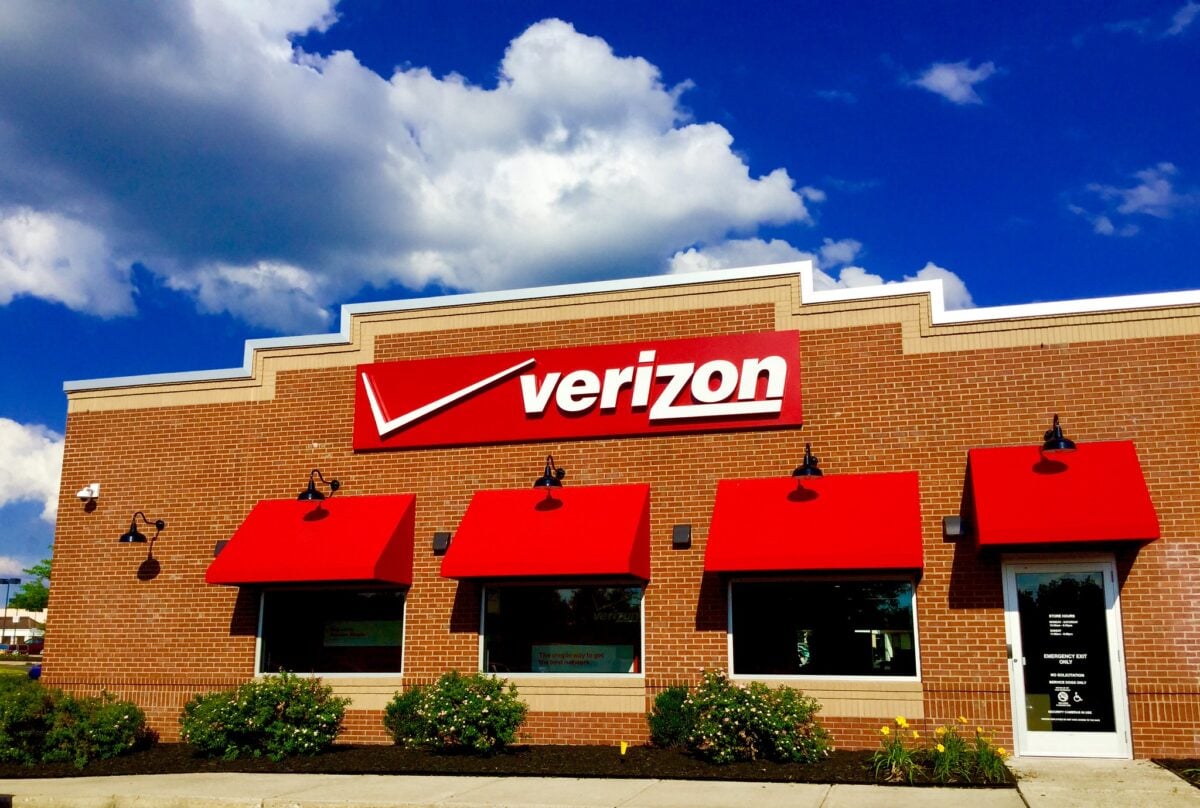
In 2006, a Verizon customer named George Vaccaro called customer service about data charges while traveling in Canada. He’d been quoted “0.002 cents per kilobyte.”
His bill showed “0.002 dollars per kilobyte”—100 times more expensive. Vaccaro recorded his call with Verizon representatives who couldn’t understand the difference between 0.002 cents and 0.002 dollars.
“They’re the same thing,” multiple representatives insisted. The recording went viral.
Verizon eventually corrected the charge, but the company’s mathematical confusion became internet legend.
Target’s $24 Shirt

In 2015, a Target store in Virginia priced a regular gray T-shirt at $24.99. The price tag specified it was “Charcoal Heather.”
Nothing unusual there. Except right below that description, another line of text read “MANATEE GRAY.”
The shirt came in both regular and plus sizes. Someone noticed that the plus-size version was labeled “Manatee Gray” while the regular version was “Dark Heather.”
Target claimed this was a color name, not a commentary on body size. Customers disagreed.
The label became a social media firestorm. Target apologized and changed the label.
Whether it was intentional cruelty or an oblivious naming choice, it read like an insult.
When Letters Matter Most
Humans invented writing to preserve information across time and space. Every mark matters because it carries meaning from one mind to another.
When printers set type by hand, they knew each letter was important. Now we type fast, autocorrect corrects wrong, and spell-check misses context.
The technology changed but the consequence didn’t. One wrong character can still cost millions, start conflicts, or create embarrassment that lasts for generations.
Perfect accuracy is impossible, but the pursuit of it remains essential. Because somewhere, someone is probably making a typo right now that they’ll regret tomorrow.
More from Go2Tutors!

- The Romanov Crown Jewels and Their Tragic Fate
- 13 Historical Mysteries That Science Still Can’t Solve
- Famous Hoaxes That Fooled the World for Years
- 15 Child Stars with Tragic Adult Lives
- 16 Famous Jewelry Pieces in History
Like Go2Tutors’s content? Follow us on MSN.