14 Bizarre Holiday Gifts From History
Long ago, people started giving gifts when the seasons shifted. Back then, Romans passed around small models made of wax every winter festival.
Nobles in castles once traded piles of live poultry without hesitation. Even sending frozen songbirds through mail didn’t shock some in the 1800s.
Few would guess that families once gave young kids real radioactive kits just to learn. Stranger still, the story behind Christmas gifts outdoes anything a novelist might dream up.
Wax Dolls That Replaced Human Sacrifices

During the ancient Roman festival of Saturnalia, children received small wax and pottery figurines called sigillaria as gifts. These dolls came in the shapes of gods, demigods, mythological characters, and sometimes grotesque novelties.
Some ancient sources suggest the tradition may have darker roots—the fifth-century writer Macrobius recorded a theory that the figurines substituted for earlier human offerings to Saturn, though another character in his text dismissed this and argued they were simply toys. Whatever their origins, the figurines became mass-produced and sold at special markets along Rome’s Via Sigillaria, making them one of the earliest examples of commercialized holiday gifts.
Seven Hundred Chickens From the Monks

Medieval gift-giving operated on a different scale than modern exchanges. The monks of Christ Church Canterbury once gave the Archbishop of Canterbury 785 hens as a Christmas present.
This wasn’t meant as a joke. The archbishop kept some for his household and distributed the rest to hospitals and servants throughout the community.
Chickens, geese, and other fowl served as practical gifts during the Middle Ages—edible, useful, and a sign of respect. The sheer quantity made the statement.
Gloves Stuffed With Gold Coins

English monarchs from Henry III through the Tudor period expected New Year’s gifts from their subjects. The custom required courtiers to present increasingly elaborate treasures to curry favor.
But even commoners exchanged New Year’s presents during this era—typically gloves, oranges, and cloves. The gloves sometimes came stuffed with gold coins, a way of giving money without the vulgarity of handing over cash directly.
The tradition of hiding money inside practical gifts has a longer history than most people realize.
Dead Birds on Christmas Cards

The Victorians invented the Christmas card in 1843, and their designs were deeply strange by modern standards. Popular imagery included dead robins, frogs stabbing each other with swords, insects dancing in moonlight, and root vegetables wearing hats.
The dead bird motif may have referenced folk tales about poor children freezing to death at Christmas—meant to elicit sympathy rather than horror. Card companies competed to create increasingly bizarre and outlandish designs to stand out in the booming seasonal market.
Asbestos Snow for the Tree

From the 1930s through the 1960s, families sprinkled pure white chrysotile asbestos on their Christmas trees to simulate snow. The mineral looked perfect—fluffy, white, and fire-resistant.
Retailers sold it by the box. Hollywood used it on movie sets, including the famous snow scenes in The Wizard of Oz and It’s a Wonderful Life.
Nobody questioned the practice until the link between asbestos and lung disease became undeniable. Old boxes of this artificial snow now sit in antique shops as curiosities, definitely not for actual use.
Radioactive Science Kits for Children

The Gilbert U-238 Atomic Energy Lab, released in 1950, remains one of the most astonishing toys ever marketed to children. The kit contained four glass jars of uranium ore samples, along with other radioactive sources including polonium-210 for the cloud chamber.
It came with a Geiger counter, a spinthariscope, and instructions for conducting experiments at home. The packaging warned children not to break the seals on the ore jars because they “tend to flake and crumble.”
Radar Magazine later dubbed it “the world’s most dangerous toy.” The kit cost $49.50—roughly $530 in today’s money—and was discontinued after just two years due to poor sales.
Steam-Powered Trains That Started Fires
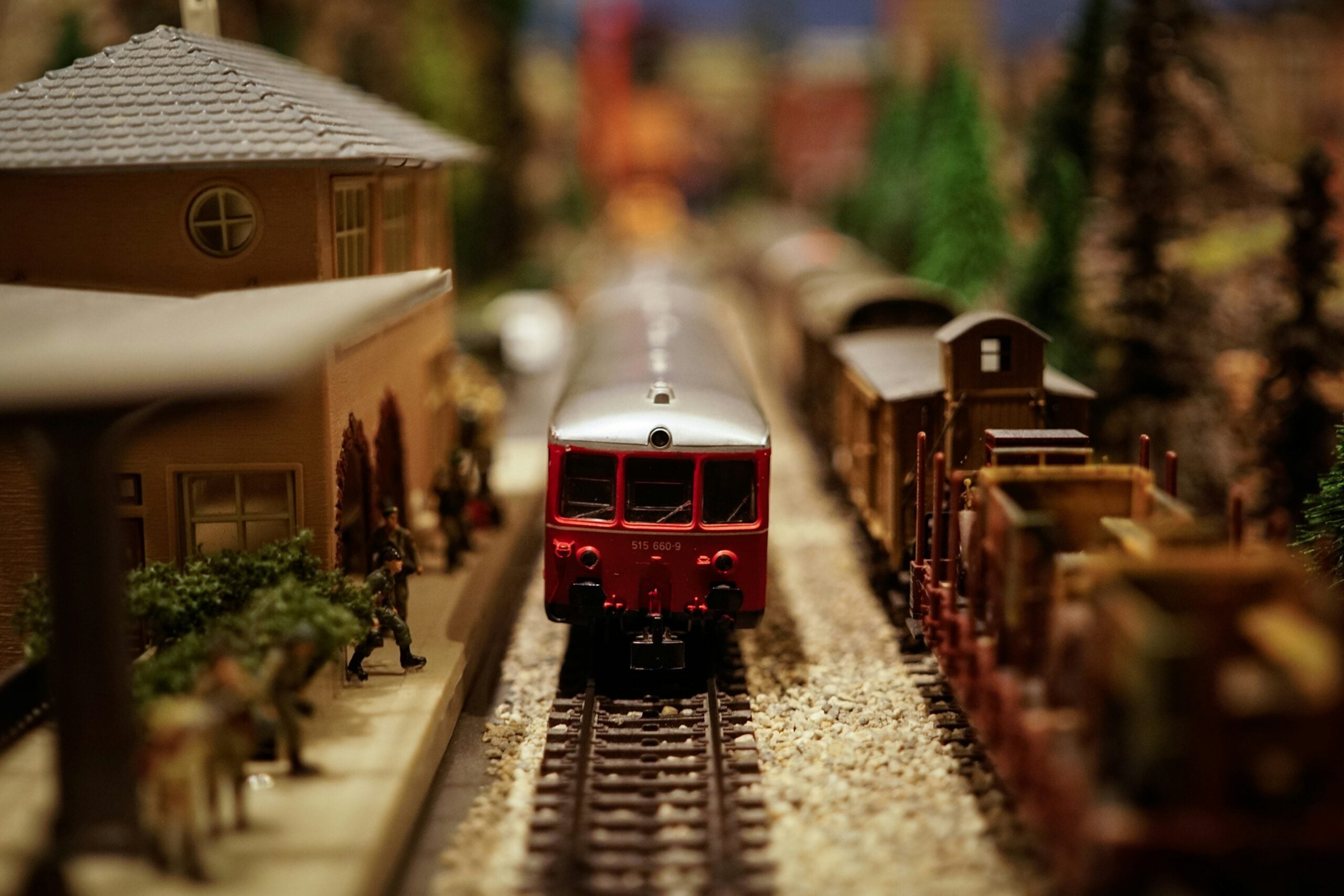
Starting in the mid-nineteenth century, companies like Stevens Model Dockyard sold children toy trains that actually moved. The catch: they ran on real steam power generated by pouring methylated spirits or alcohol into a small reservoir and lighting it on fire.
Early versions had no track, so the flaming locomotive could roll freely across the floor, leaving a trail of leaking water and fuel behind it. The toys earned the nickname “Birmingham Dribblers” because many were manufactured in Birmingham, England, and they dribbled wherever they went.
House fires were a predictable consequence when the trains crashed into furniture and overturned, spilling burning fuel. The toys remained popular throughout the Victorian era anyway.
Real Power Tools Sized for Small Hands
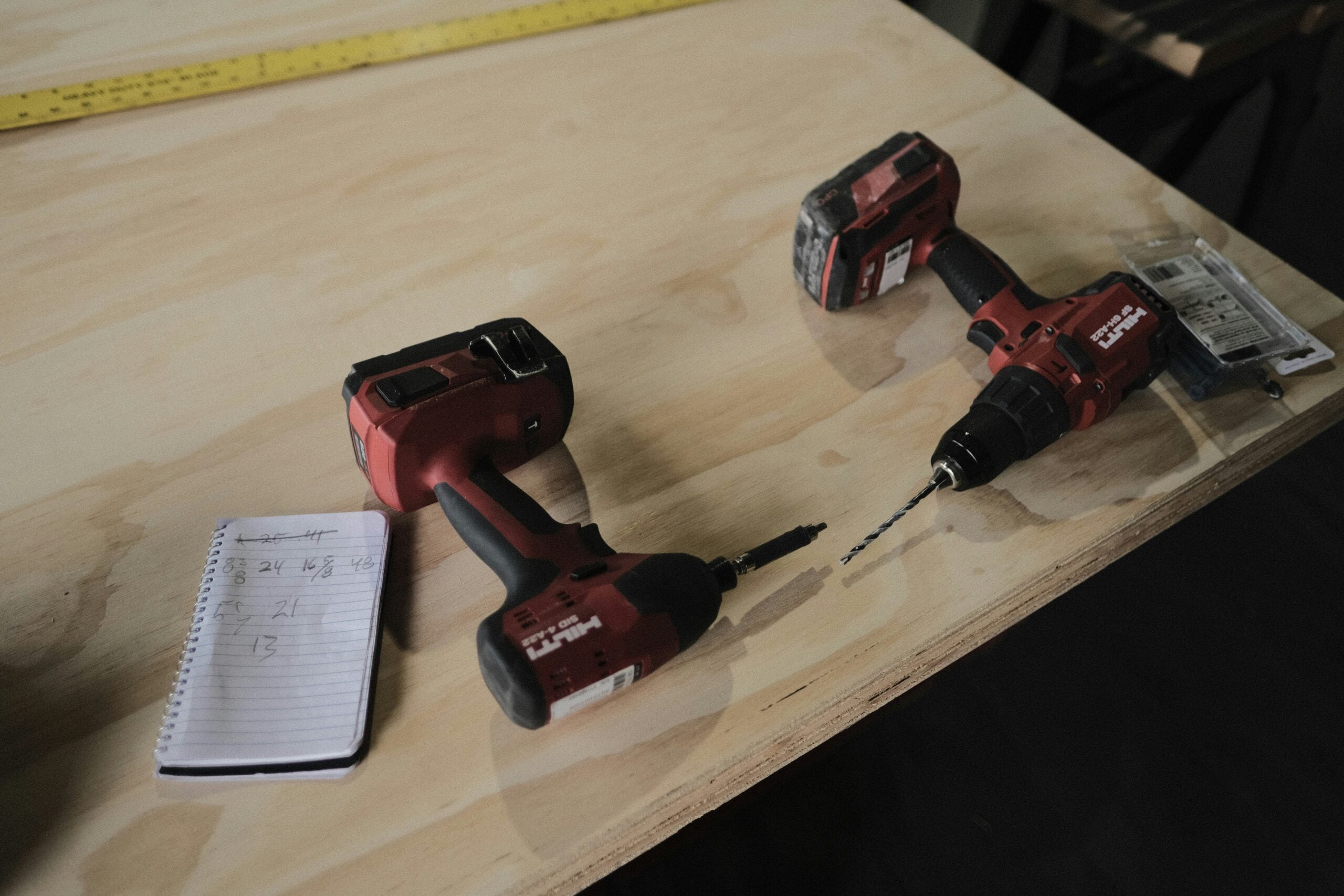
In 1969, the toy company Ideal released Power Mite Power Tools—functional miniature versions of circular saws, drills, and other workshop equipment. These were not plastic replicas.
They were actual die-cast metal tools that could cut and drill, just smaller so children could grip them comfortably. The company marketed them to boys who wanted to work alongside their fathers.
The predictable injuries that followed eventually led to their removal from store shelves.
The Snacking Doll That Ate Children’s Hair

Cabbage Patch Kids had been popular for years when Mattel released the Snacktime version in 1996. This doll could “eat” small plastic foods thanks to a motorized chewing mechanism.
The problem emerged quickly: the doll couldn’t distinguish between plastic snacks and children’s fingers or hair. Over 100 reports flooded in describing the doll gnawing on body parts and refusing to stop.
Some girls had their hair pulled all the way to the scalp before the mechanism could be deactivated. Mattel issued a $40 refund and pulled the product.
Electric Toy Ovens That Actually Burned

Throughout the 1930s and 1940s, toy companies sold miniature kitchen appliances that plugged into wall outlets and generated real heat. Little girls could use these tiny stoves, irons, and toasters to practice for their future roles as housewives.
The fact that the appliances could cause third-degree burns was considered acceptable—part of learning the inherent dangers of domestic work. The packaging sometimes acknowledged the risks while still marketing to children as young as five.
The Harp With Barbed Wire Strings

Salvador Dali and Harpo Marx developed an unlikely friendship after meeting in Paris in 1936. That Christmas, Dali sent Harpo a full-size harp as a gift—with barbed wire for strings and spoons and forks for tuning knobs, wrapped in cellophane.
The surrealist artist considered the Marx Brothers kindred spirits in absurdity, calling Harpo one of the three great American Surrealists alongside Walt Disney and Cecil B. DeMille. Harpo reportedly loved the gift and sent back a photograph of himself pretending to play the harp with bandaged fingers.
A 151-Foot Copper Woman

The Statue of Liberty began as a proposed gift from the French people to the American people. In 1865, French historian and abolitionist Édouard de Laboulaye suggested the monument at a dinner party near Versailles, proposing it commemorate the centennial of American independence and the abolition of slavery.
Sculptor Frédéric Auguste Bartholdi took up the idea. The actual statue took two decades to design, fund, and construct.
It finally arrived in pieces and was assembled on Bedloe Island, officially unveiled in October 1886. At 151 feet tall, it remains one of the largest diplomatic gifts ever exchanged between nations.
Fingerprint Kits Laced With Carcinogens

The CSI Fingerprint Examination Kit seemed like harmless fun when it appeared in toy stores in 2007. Children could dust surfaces with powder, blow it away, and reveal hidden fingerprints—just like on television.
Testing revealed the powder contained up to 7 percent tremolite, one of the most dangerous forms of asbestos known. A single exposure can cause lung disease and mesothelioma.
The manufacturer, Planet Toys, faced a class action lawsuit and eventually filed for bankruptcy.
Lawn Darts That Could Pierce Skulls

Jarts—also known as lawn darts—featured heavy metal tips designed to stick into the ground when thrown. Children were supposed to toss them toward plastic rings on the lawn.
The reality involved children hurling weighted metal projectiles at high speeds with minimal aim. At least 6,100 emergency room visits and multiple deaths resulted from lawn dart injuries between 1970 and 1988.
Authorities finally banned the original design, though the toys had been popular backyard gifts for nearly two decades.
The Gifts We Thought Were Safe

Peering into old gifts shows just how much safety has shifted over time. Clever ideas from the past now look dangerously misguided.
Imagine tiny hands holding burning toy railways. Think of families cheerfully giving away items that glowed with radiation.
Odd toys came out in the nineties – ones that turned on the people who owned them. Back then, everyone thought they knew exactly what made a good gift.
Years from now, today’s choices might look just as strange to others. Looking back shows how meaning shifts over time.
Thoughtful can mean something totally different depending on where you live.
More from Go2Tutors!

- The Romanov Crown Jewels and Their Tragic Fate
- 13 Historical Mysteries That Science Still Can’t Solve
- Famous Hoaxes That Fooled the World for Years
- 15 Child Stars with Tragic Adult Lives
- 16 Famous Jewelry Pieces in History
Like Go2Tutors’s content? Follow us on MSN.